
Bei Jing Ri Bao Ke Hu Duan

Search documents
马克思主义在“灵魂深处”得到了中国化
Bei Jing Ri Bao Ke Hu Duan· 2025-12-24 00:35
Core Viewpoint - The article emphasizes the importance of the concept "seeking truth from facts" as a fundamental principle of Marxism, particularly in the context of its integration with Chinese traditional culture, referred to as the "second combination" [1][2][4]. Group 1: Historical Context and Development - The term "seeking truth from facts" originated from the historical text "Han Shu" by Ban Gu and has been discussed by scholars throughout various dynasties, representing a significant category in Chinese academic and philosophical history [1]. - Mao Zedong provided a unique interpretation of "seeking truth from facts," defining "facts" as objective realities, "is" as the internal connections of these realities, and "seeking" as the process of research, showcasing an innovative development of this concept [2][3]. Group 2: Marxism and Chinese Culture - The integration of Marxism into Chinese philosophy and social sciences has not interrupted the analysis of core categories and significant propositions in Chinese academic history, with the Communist Party of China focusing on the inheritance and development of Chinese scholarship [2]. - The interpretation of "seeking truth from facts" by Chinese communists has made Marxist epistemology more accessible and practical, addressing concerns about Marxism being perceived as a foreign doctrine [4][5]. Group 3: Practical Application and Theoretical Innovation - The article highlights the need for Marxism to be expressed in a way that resonates with the public, using language that is relatable and understandable, thus facilitating a deeper acceptance of Marxism as the guiding ideology of the party and state [4][6]. - There is a call for continuous theoretical innovation to prevent stagnation, emphasizing the importance of adapting interpretations of concepts like "seeking truth from facts" to meet contemporary demands [8].
老字号在文商旅体展融合中破圈生长
Bei Jing Ri Bao Ke Hu Duan· 2025-12-23 23:19
Core Viewpoint - The article highlights the innovative integration of traditional Chinese medicine (TCM) with cultural, commercial, and tourism sectors by Beijing Tongrentang Group, emphasizing its strategic importance for future development and consumer engagement [1][4][6]. Group 1: Integration of TCM and Cultural Tourism - Beijing Tongrentang is transforming traditional consumer experiences by creating new retail environments that blend health products, dining, and cultural experiences, moving away from the conventional pharmacy model [4][5]. - The company is leveraging its cultural heritage and TCM as a lifestyle practice to foster sustainable and experiential consumer engagement [4][5]. - Initiatives such as the establishment of "Tongrentang Day" and participation in major sports events illustrate the company's commitment to cultural integration and consumer interaction [4][5]. Group 2: Collaborative Practices and Resource Integration - Tongrentang has formed partnerships with various brands to create unique offerings, such as herbal hot pot and commemorative products, enhancing its market presence [5][6]. - The company has developed a collaborative mechanism involving 15 entities to facilitate resource sharing and cross-industry cooperation, evolving from initial market events to broader applications in hotels and tourist areas [5][6]. - Recent collaborations with high-end hotels and tourist attractions aim to incorporate TCM wellness services into luxury travel experiences, showcasing the brand's adaptability [5][6]. Group 3: Innovation and Quality Development - The "14th Five-Year Plan" period has seen Tongrentang focus on high-quality development through technological innovation, sustainable practices, and international expansion [8][9]. - The company has established a robust R&D framework, resulting in over 800 domestic patents and the launch of nearly 300 new products since the beginning of the 14th Five-Year Plan [8][9]. - Smart manufacturing initiatives have been implemented, including the development of intelligent factories and digital production lines, enhancing operational efficiency and product quality [9][10]. Group 4: Market Expansion and Global Outreach - Tongrentang has registered over 1,200 product varieties for export and has established a significant international presence, providing services to over 30 million people globally [11]. - The company views its international outlets as cultural ambassadors, promoting TCM through various initiatives, including cultural experience centers and health ambassador programs [11]. - The establishment of cultural display areas and health seminars abroad reflects Tongrentang's commitment to globalizing its brand and TCM practices [11]. Group 5: Future Directions and Strategic Planning - As the company approaches the end of the 14th Five-Year Plan, it is focusing on technological innovation and digital transformation as key components of its future strategy [12][14]. - The upcoming "15th Five-Year Plan" emphasizes enhancing core competencies, fostering research reforms, and ensuring comprehensive collaboration across its business units [14][15]. - Talent development is prioritized, with plans for systematic training and recruitment of high-quality professionals to support innovation and organizational growth [15][17].


高校该如何给大学生使用AI立规矩
Bei Jing Ri Bao Ke Hu Duan· 2025-12-23 23:01
转自:北京日报客户端 清华大学近期发布《人工智能教育应用指导原则》,提出严禁学生将AI生成的内容直接用于学业成 果。随着AI在学术领域的广泛应用,如何引导大学生正确使用AI成为高校管理的新课题。那么,现在 大学生会不会用AI写作业?大学老师面对"AI作业"持什么态度?高校该如何为AI的使用立规矩呢? 问题一 现在大学生写作业用不用AI? 借助AI做作业是常态 大二学生 吴亦涵 我进入大学的时候,正值人工智能产品迎来爆发式增长之际。起初,我和身边的同学都认为借助AI完 成作业是不够认真的表现。但随着一些课程明确要求必须使用AI工具辅助学习,并需标注AI参与的部 分,AI就这样悄然走进了我的学习生活。从日常资料搜集、思路整理到报告的撰写与打磨,使用AI逐 渐成为一种常态。如今,我无法想象在没有AI的时代,大学生是如何写作业的——就像在智能手机普 及后,难以想象没有智能手机之前人们的生活一样。 触及学术不端红线直接判定不合格 作为一名汉语国际教育专业的大二学生,我使用AI的场景主要集中在材料阅读、厘清写作思路以及后 期文本润色等方面。在阅读外文文献时,我会使用AI帮我梳理各语种外文文献的大致内容。写材料 时,我通常 ...

京港携手 点亮奇妙暖冬
Bei Jing Ri Bao Ke Hu Duan· 2025-12-23 23:01
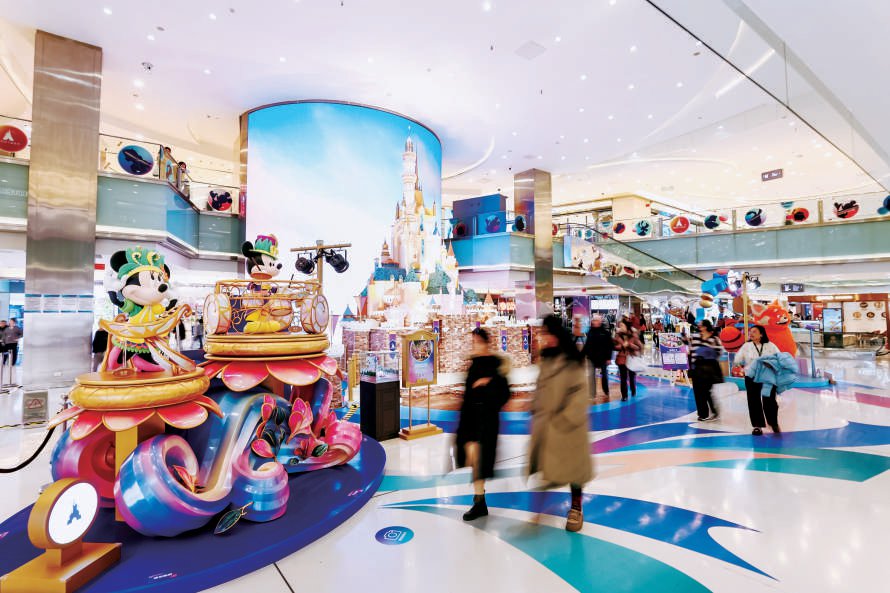
Core Insights - The "Wonderful Winter, New Departure" theme event is a collaboration between Oriental New World and Hong Kong Disneyland, aimed at enhancing the festive consumer market in the capital and enriching cultural life for citizens [1][9] - The event features immersive themed scenes inspired by the 20th anniversary of Hong Kong Disneyland, showcasing over ten Disney character installations to attract visitors [1][4] Event Highlights - The event includes a variety of carefully designed thematic installations for visitors to explore, promoting new features from Hong Kong Disneyland and providing rich options for future travel [4] - The central atrium of Oriental New World has become a popular photo spot, featuring a new Duffy and Friends-themed float with detailed designs of beloved characters, attracting many visitors for photo opportunities [4][5] Thematic Installations - The installations draw inspiration from iconic elements of Hong Kong Disneyland, including the 8-meter tall Dream Castle and themed floats from the "Disney Friends Parade Party" [5] - Additional installations based on the "Frozen" theme park area are designed to immerse visitors in the story atmosphere before they visit Hong Kong Disneyland [5] Interactive Experiences - A key highlight of the event is the "Disney Friends Meet and Greet" on December 27, featuring characters like Mickey and Minnie in special anniversary outfits, allowing attendees to take photos with them [6] - The meet and greet will continue until December 28, with opportunities for attendees to win tickets and hotel packages for Hong Kong Disneyland [6] Upcoming Festivities - As the Chinese New Year approaches, the installations at Oriental New World will be updated to incorporate elements of the Year of the Horse and new Disney character themes [7] - The shopping center will also offer significant shopping discounts and promotions during the New Year period, enhancing the festive shopping experience for visitors [8] Strategic Development - The "Wonderful Winter, New Departure" event serves as a platform for cultural and commercial exchange between Beijing and Hong Kong, showcasing the commitment of both Oriental New World and Hong Kong Disneyland to deliver joy and warmth to visitors [9] - Oriental New World has been a pioneer in the large shopping mall model in Beijing, focusing on high-quality service and innovative operations to drive commercial prosperity and deepen cooperation between Beijing and Hong Kong [9]
跨界联动 激发首都文商旅体展新动能
Bei Jing Ri Bao Ke Hu Duan· 2025-12-23 22:55
Core Insights - Beijing is leveraging cross-industry collaboration to activate new momentum for the integration of culture, commerce, tourism, and sports [1] - The focus is on cultivating excellent brands and IP to boost consumption and promote industrial development [2][4] Group 1: Cultural and Economic Development - The "14th Five-Year Plan" emphasizes cross-border cultural tourism, immersive experiences, and night tourism as key directions for development [4] - The Cultural Industry Development Index, published annually by Renmin University, indicates that Beijing ranks first in cultural industry development for the ninth consecutive year [4] - Over the past five years, the annual growth rate of revenue from large-scale cultural enterprises in new cultural formats has reached 20.1%, contributing 70.9% to the overall revenue growth of cultural enterprises [4] Group 2: Innovative Exhibition Practices - The "See the Yin Shang" exhibition at the Capital Museum attracted over 200,000 visitors in 147 days, showcasing the potential of cultural exhibitions to drive economic benefits [7] - The exhibition utilized innovative design to enhance visitor engagement and created a "big cultural creation" system that includes immersive experiences and educational activities [8] - The success of the exhibition demonstrates the ability of museums to transform into key nodes for cultural and economic integration [9] Group 3: Retail and Cultural Integration - Beijing Caishikou Department Store is exploring the integration of traditional retail with cultural experiences, contributing to high-quality cultural consumption [12] - The store has developed a unique "museum-store" model, creating immersive shopping environments that incorporate cultural narratives [12][13] - The company aims to leverage technology to enhance customer engagement and drive cultural storytelling through its products and services [13] Group 4: Digital Innovation in Performing Arts - The National Centre for the Performing Arts has launched the "Second Scene" project, enabling live streaming of performances to audiences across China and internationally [16] - This initiative has completed multiple high-level live broadcasts, attracting over 80,000 viewers and showcasing the potential of digital technology in cultural dissemination [17] - The project aims to create a collaborative network with over 200 theaters nationwide, promoting cultural synergy and sustainable development [17] Group 5: Investment Trends in Cultural Tourism - CMC Capital highlights the shift in cultural tourism IP towards becoming "cultural life forms" with deep emotional connections [20] - The commercialization of cultural tourism IP is expanding, with significant growth in revenue from cultural products, such as the Suzhou Museum's sales reaching 90.93 million yuan in 2023 [20] - The core consumer demographic is predominantly young adults aged 18 to 35, with a strong preference for domestic cultural styles [21] Group 6: Sports Events and Urban Development - The China Open tennis tournament has seen a 12% increase in total revenue this year, demonstrating the economic impact of sports events on urban development [24] - The event attracted 360,000 visitors, generating 36.11 million yuan in consumption, and highlighted the role of sports in driving local economic activity [24] - The integration of sports events with cultural and tourism initiatives has created a comprehensive consumption network across Beijing [25]

元旦春节“双节”创新活动精彩纷呈
Bei Jing Ri Bao Ke Hu Duan· 2025-12-23 22:52
Group 1: Cultural and Artistic Events - Beijing is preparing a series of cultural and artistic activities for the upcoming New Year and Spring Festival, emphasizing the integration of traditional and modern experiences [1] - The Beijing People's Art Theatre will host various performances, including historical dramas and modern comedies, providing audiences with immersive theatrical experiences [2] - The events aim to showcase the charm of Beijing's cultural heritage and enhance consumer engagement during the festive season [1][2] Group 2: Culinary Experiences - Quanjude Group is launching a range of traditional culinary experiences, including new store openings and special New Year meal packages featuring their famous Peking duck and other delicacies [4] - The company is also introducing innovative cultural products, such as the "Good Duck" series, to attract consumers and enhance the festive atmosphere [4] - The focus is on providing authentic dining experiences that resonate with the cultural significance of the New Year celebrations [4] Group 3: Community Engagement and Services - Tongrentang Group is expanding its community service initiatives through a collaborative mechanism involving multiple sectors, aiming to enhance consumer engagement and promote local economic growth [5][6] - The company plans to host various consumer experience activities during the festive period, including a New Year goods festival and traditional health product offerings [6] - This initiative is part of a broader strategy to connect with local communities and support high-quality regional development [6] Group 4: Retail Innovations - Wangfujing Group is implementing a multi-faceted approach to enhance consumer experiences during the holidays, integrating shopping, culture, and entertainment [7] - The group is focusing on creating immersive shopping environments that combine traditional cultural elements with modern digital experiences [7] - Various themed activities will be organized across their stores to provide unique festive experiences for consumers [7] Group 5: Supermarket Initiatives - Wumart Supermarket is launching three innovative projects and a special New Year goods festival to cater to consumer needs during the festive season [8][9] - The supermarket chain is enhancing its product offerings and services, including the introduction of AI retail flagship stores and a focus on essential goods at discounted prices [8][9] - A special New Year market will be established, featuring discounts and fresh food options to attract shoppers [9][10] Group 6: Cultural Heritage and Community Events - Longfu Temple is set to host a New Year countdown event, featuring live performances and cultural activities to celebrate the festive season [11] - The event aims to promote traditional Chinese culture and engage the community in festive celebrations [11]

构建全面养老金融生态 工行北分助力老龄事业高质量发展
Bei Jing Ri Bao Ke Hu Duan· 2025-12-23 22:52
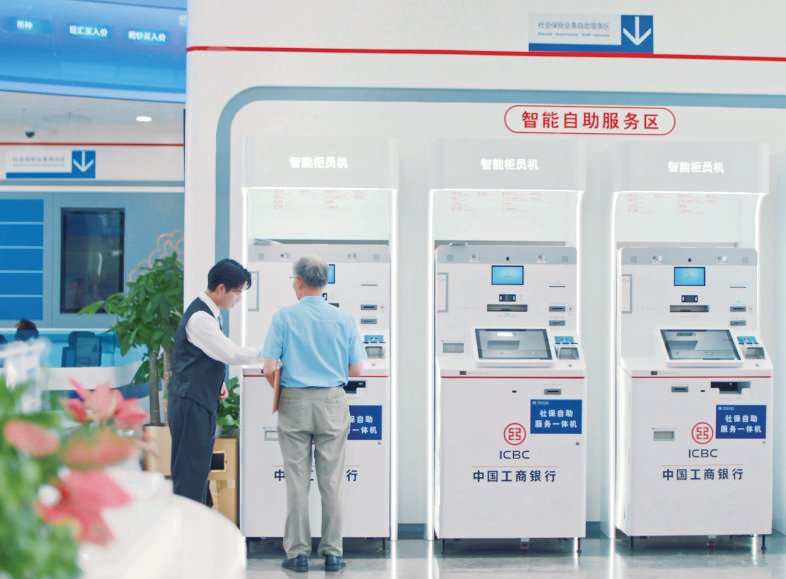
Core Viewpoint - The aging population in China necessitates a robust pension system, and financial institutions are called to enhance their roles in the pension finance sector to support national strategies and social responsibilities [1][4]. Group 1: Organizational Structure and Development - The "silver economy" is emerging as a significant aspect of China's economic development, with pension finance playing a crucial role [3]. - ICBC Beijing Branch has established a unique "3+4+3" organizational structure to promote pension finance, ensuring effective service delivery through a three-tiered mechanism [3]. - The organization includes a vertical structure for planning and execution and a horizontal integration of various teams to leverage expertise and experience [3]. Group 2: Pension System Support - The bank is actively contributing to the construction of a multi-pillar pension system, enhancing retirement security for millions of families [4]. - In the first pillar of basic pension insurance, the bank serves over 170,000 social security clients and provides pension distribution services to over 1.2 million retirees in Beijing [4]. - In the second pillar, the bank manages pension funds for over 1,600 enterprises, with a total entrusted scale of 80 billion yuan and a custody scale exceeding 1 trillion yuan [4]. Group 3: Individual Pension Initiatives - The bank has opened over 900,000 personal pension accounts and facilitated over 5 billion yuan in contributions, supporting residents in their personal pension planning [5]. Group 4: Enhanced Financial Services for Seniors - The bank has established over 440 specialized pension financial outlets, ensuring accessibility for elderly clients to perform basic banking operations [6]. - It has optimized service processes for elderly clients, reducing transaction times significantly, and has integrated social security services into its banking network [6][8]. - Digital services have been enhanced, with over 4.33 million elderly clients using mobile banking, and the introduction of features tailored for seniors [7]. Group 5: Wealth Management and Security - The bank offers a comprehensive solution for pension wealth management, managing over 1.3 trillion yuan in financial assets for elderly clients [8]. - It has implemented measures to combat financial fraud, successfully preventing over 3,800 incidents and protecting more than 600 million yuan of client funds [8]. Group 6: Support for the Pension Industry - The bank issued a 40 million yuan loan to a pension industry institution, marking the first loan under the new central bank policy aimed at supporting consumption and pension services [9]. - The bank is focusing on financial services for the aging industry, collaborating with leading institutions to enhance the quality of pension services [9]. - Future plans include deepening pension finance reforms and innovations to contribute to the development of an age-friendly society [9].

为文化出海插上“AI翅膀”
Bei Jing Ri Bao Ke Hu Duan· 2025-12-23 22:41
Core Insights - The company, Kunlun Wanwei, reported impressive overseas performance with 93% of its revenue coming from international markets, achieving nearly 400 million monthly active users globally [1] - In the first three quarters of the year, the company generated total revenue of 5.8 billion yuan, a 52% year-on-year increase, with overseas revenue reaching 5.4 billion yuan, up 58% [1] - The company has shifted its focus to AI technologies since 2020, which have become central to its operations and product innovation [2] Group 1 - The company has successfully transitioned from a gaming-focused business to include short dramas, AI music, and AI social applications, leveraging its early entry into the overseas gaming market [1] - AI technology has restructured the production and distribution processes of its short drama business, allowing for rapid translation, dubbing, and subtitle generation in 18 languages within 6 hours [2] - The annual revenue from the short drama platform has reached 240 million USD, placing it among the top three in the global short drama market [2] Group 2 - AI has significantly reduced production costs in the music sector, bringing the cost of producing a song down from around 100,000 yuan to less than 1 yuan [2] - The company has received support from local government initiatives, which have facilitated its growth and technological advancements [3] - The integration of AI is expected to democratize content creation, enabling creators in regions like Africa and Southeast Asia to produce high-quality stories that reflect local cultures [3]


王亚龙携宇隆科技再冲IPO
Bei Jing Ri Bao Ke Hu Duan· 2025-12-23 16:11
Core Viewpoint - The company Yulong Technology is attempting to go public on the ChiNext board after previously withdrawing its application for the Shanghai Stock Exchange, facing challenges such as high customer concentration and declining gross profit margins [1][3][4]. Group 1: IPO Attempts - Yulong Technology's IPO on the ChiNext was accepted on December 5 and entered the inquiry stage on December 19, following a failed attempt to list on the Shanghai Stock Exchange [3]. - The company aims to raise approximately 1 billion yuan for projects including the Hefei Yulong production base and to supplement working capital, down from a previous target of 1.5 billion yuan [4]. Group 2: Financial Performance - Yulong Technology's gross profit margins for 2022-2024 and the first half of 2025 are projected to be 21.35%, 23.01%, 21.49%, and 22.56% respectively, showing a decline from previous years [4]. - The company reported revenues of approximately 749 million yuan, 698 million yuan, 1.095 billion yuan, and 597 million yuan for the respective years, with net profits of about 66.84 million yuan, 75.72 million yuan, 121 million yuan, and 70.32 million yuan [8]. Group 3: Customer Concentration - Yulong Technology's largest customer is BOE Technology Group, contributing over 50% of its revenue, with sales to BOE amounting to approximately 576 million yuan, 549 million yuan, 586 million yuan, and 320 million yuan in recent years [5][6]. - The company acknowledges the risks associated with high customer concentration but emphasizes the stability and sustainability of its relationship with BOE [6]. Group 4: Accounts Receivable - As of June 30, the company's accounts receivable stood at approximately 443 million yuan, accounting for 48.79% of its current assets, indicating a growing trend in receivables [1][9]. - The company has been advised to diversify its customer base to mitigate risks associated with high accounts receivable and potential bad debts [9]. Group 5: R&D Expenditure - Yulong Technology's R&D expenses have been lower than the industry average, with rates of 4.67%, 4.29%, 3.19%, and 2.95% over the past few years, indicating a widening gap compared to peers [9][10].


《亦庄新城花园城市专项规划(2024年—2035年)》(草案)公示
Bei Jing Ri Bao Ke Hu Duan· 2025-12-23 16:08
Core Viewpoint - The draft of the "Yizhuang New City Garden City Special Plan (2024-2035)" has been publicly released to gather public feedback, aiming to implement ecological civilization principles and align with Beijing's broader garden city development strategies [1][4]. Planning Objectives - The plan aims to transform the traditional "production-city-people" model into an "ecological-production-living" symbiotic paradigm, enhancing the ecological environment to attract new productive forces and convert ecological resources into valuable assets [5][6]. - It emphasizes the integration of urban renewal actions, public space quality improvement, and housing construction, highlighting the systematic and implementable nature of the planning [6]. Development Goals - The plan seeks to establish a new model of development that is boundary-less between production and city, promoting green health, vitality, and innovation [8][10]. - It aims to create a benchmark for a garden-style science and technology innovation industrial city [8]. Ecological and Urban Integration - The plan includes constructing a multi-dimensional urban greenway system that connects various ecological and urban spaces, enhancing the overall green coverage and ecological service capabilities [27][36]. - It proposes the development of five garden industry demonstration districts, focusing on sectors such as international pharmaceutical innovation, aerospace, new energy vehicles, robotics, and integrated circuits [25][31]. Governance and Support Measures - The plan emphasizes the establishment of a collaborative mechanism among district-level departments to ensure efficient and orderly progress in garden city construction [40]. - It calls for policy innovations in key areas, including landscape replacement and public-private partnerships for green spaces [41][42].
