Qian Zhan Wang

Search documents
前瞻全球产业早报:英伟达将收购50亿美元的英特尔股份
Qian Zhan Wang· 2025-09-21 23:14
Group 1 - China's Ministry of Ecology and Environment announced the establishment of the world's largest carbon emissions trading market, covering over 60% of the country's carbon emissions [2] - The Ministry of Industry and Information Technology emphasized the acceleration of research and industrialization of advanced battery technologies, including solid-state batteries and sodium-ion batteries [2] - Nvidia announced a $5 billion investment in Intel, with plans for Intel to customize x86 CPUs for Nvidia's AI infrastructure [2] - Shenzhen released its first monthly report on functional autonomous vehicles, indicating over 900,000 fresh food deliveries in August, with total operational mileage exceeding 230,000 kilometers [2] Group 2 - The iPhone 17 series launched on September 19, with high demand for the Pro Max model, leading to price increases by resellers [4][6] - Tencent's Yuanbao feature was fully launched in public accounts and video account comment sections, enhancing user engagement [5] - Xiaomi responded to the recall of 116,887 SU7 standard electric vehicles, clarifying that the OTA software upgrade targets specific models produced before August 30, 2025 [5] - Taobao Flash Sale and Ele.me are launching group buying services to compete with Meituan and Dazhong Dianping [6] Group 3 - Dreame launched its first smartphone, Dreame Space, achieving over 100 million RMB in pre-sale orders in overseas markets [7] - GE Healthcare addressed rumors about selling its Chinese business shares, stating it does not comment on market speculation [7] - Google is integrating Gemini into Chrome to enhance AI search capabilities, aiming to compete with startups like OpenAI [8] - South Korea will require all international flights to use sustainable aviation fuel starting in 2027, with a gradual increase in the fuel mix ratio [10] Group 4 - Microsoft plans to invest $4 billion in building a second data center in Wisconsin, following a previous investment of $3.3 billion for the first data center [11] - Elon Musk denied reports of a 10,000-unit order for Tesla's Optimus robots from PharmAGRI, calling it false [12] - Meta's CEO Mark Zuckerberg expressed willingness to invest heavily in AI to avoid falling behind in the industry [13] Group 5 - Zhanxin Electronics completed its C round financing, raising over 1 billion RMB, with participation from several notable investment institutions [13] - Shenzhou Car Technology received approval for its IPO on the A-share market, focusing on automotive emergency start power supplies [14] - Chery Automobile's $1.2 billion IPO in Hong Kong is set to conclude its subscription process [15]

前瞻全球产业早报:全国新能源汽车销量破4000万辆
Qian Zhan Wang· 2025-09-19 12:29
Group 1 - DeepSeek's R1 model is the first major language model to be published in a peer-reviewed version in the journal Nature, addressing initial criticisms and providing detailed training information [2] - A new type of hydrogen negative ion prototype battery has been developed by a team from the Dalian Institute of Chemical Physics, which has significant scientific and application potential [3] - BMW is restructuring its product development strategy to include both fuel engines and electric vehicles, responding to the slowing transition to electrification [4] Group 2 - Cumulative sales of new energy vehicles in China have surpassed 40 million, maintaining the world's leading position for ten consecutive years [5] - The number of high-tech enterprises in China has exceeded 500,000, marking an increase of 83% since 2020 [6] - Predictions indicate that by August 2025, the penetration rate of new energy vehicles in the automotive market will reach 30% [8] Group 3 - Silicon-based Flow has launched an enterprise-level MaaS platform, providing a comprehensive solution for model training and deployment [9] - Keling AI has introduced a new digital human feature that can generate a 1-minute video from a character image and audio [10] - Xiaohongshu has announced its largest-ever recruitment drive for 2026, with a significant increase in demand for technical positions [11] Group 4 - Huawei has released the industry's first anti-spy AP, achieving a 99% success rate in detecting hidden cameras in hotels [12] - JD.com has received approval from German regulators for its acquisition of CECONOMY, with no competition concerns raised [12] - Hyundai has revised its 2025 operating profit margin target down to 6-7% due to U.S. tariff policies [13] Group 5 - Microsoft has entered a $6.2 billion agreement to build next-generation AI infrastructure in Norway [17] - Meta has launched the second generation of Meta Ray-Ban smart glasses, starting at $379 [18] - Several companies, including Xuan Bamboo Biotechnology and Mindray Medical, are preparing for IPOs in Hong Kong [19]

里程碑!中国新能源汽车累计销售突破4000万辆,产销量连续10年保持全球第一【附新能源汽车行业市场分析】
Qian Zhan Wang· 2025-09-19 09:55
Core Insights - The cumulative sales of new energy vehicles (NEVs) in China have surpassed 40 million, maintaining the world's highest production and sales for ten consecutive years, contributing to global carbon reduction goals [2] - In the first half of this year, the market penetration rate of NEVs in China reached a historical high of 44.3% [2] - The Chinese government emphasizes the high-quality development of the NEV industry as a key point for economic growth and green transformation, with multiple mentions in the 2024 government work report [2] Industry Overview - China is a global leader in the NEV market, with a robust industrial chain, including advancements in key raw materials like lithium and cobalt, and leading production technologies in battery materials [3] - The global market share of Chinese power batteries has increased from over 40% in 2021 to around 70% currently, showcasing significant advancements in technology [3] - The domestic manufacturing rate of complete vehicles has surpassed 95%, with industrial clusters in regions like the Yangtze River Delta and Pearl River Delta demonstrating strong growth [3] Market Share - In 2022, the global market share of NEVs reached 13.3%, with China's share being the highest at 24.4% [5] Economic Impact - The rapid development of the NEV industry has driven the collaborative growth of upstream and downstream industries, creating numerous job opportunities and promoting industrial upgrades [7] - The NEV sector is seen as a crucial engine for high-quality economic development, with contributions to economic growth becoming more pronounced over the past five years [7] Future Trends - The transition to new energy is viewed as the third energy revolution, with electric vehicles being the first phase, followed by intelligent vehicles and low-carbon energy solutions [7] - Vehicle-to-grid (V2G) technology is identified as a significant area for future development, expected to become an important component of distributed energy storage in China post-2030 [7]
前瞻全球产业早报:香港将成立内地企业出海专班
Qian Zhan Wang· 2025-09-18 10:33
央企控股上市公司市值超过22万亿,"十四五"以来累计分红2.5万亿元 商务部:将在约50城开展消费新业态、新模式、新场景试点建设 9月17日,国务院新闻办举行新闻发布会,介绍《关于扩大服务消费的若干政策措施》的主要内容及亮点。 商务部有关负责人表示,下一步,我们将通过竞争性评审方式在全国选择50个左右人口基数大、带动作用 强、发展潜力好的消费新业态、新模式、新场景试点城市,增加优质消费供给,创新和丰富多元化消费场 景,推动新的消费业态不断涌现、消费活力进一步提升,更好满足人民群众多样化、差异化消费需求,为经 济高质量发展提供有力支撑。 工信部就智能网联汽车组合驾驶辅助相关标准公开征求意见 9月17日,工业和信息化部公开对《智能网联汽车组合驾驶辅助系统安全要求》强制性国家标准,向社会征 求意见。这次发布的征求意见稿构建了智能网联汽车产品的安全基线,要求系统只能在其设计运行条件下激 活。针对单车道、多车道、领航辅助等不同功能,设置了人机交互、功能安全和预期功能安全、信息安全、 数据记录等全方位安全技术要求,构建了"三重安全保障"。征求意见稿中提到,标准要求系统具备手部脱离 检测以及视线脱离检测能力,一旦系统激活期 ...
连续三月陷入“断网魔咒”!马斯克星链又双叒崩了,超过4.3万美国用户遭遇网络中断【附卫星互联网行业市场分析】
Qian Zhan Wang· 2025-09-17 13:52
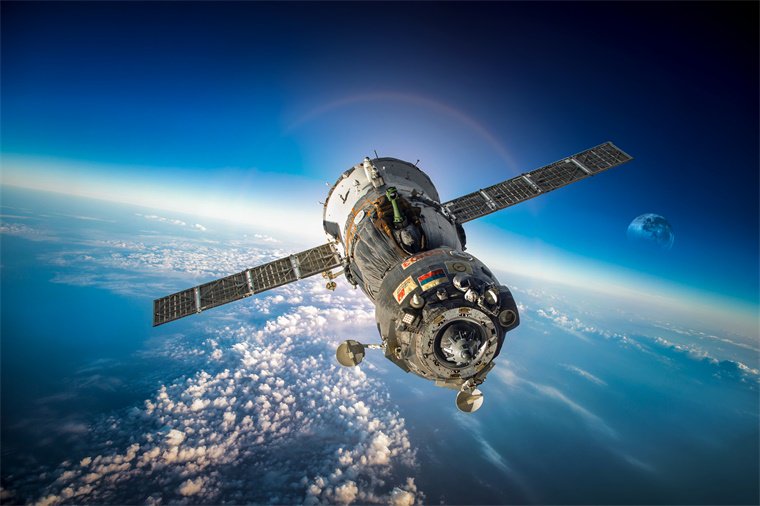
Core Insights - SpaceX's Starlink experienced a significant service disruption on September 15, affecting over 43,000 users in the U.S., marking the third consecutive month of service issues [2][5] - Starlink aims to provide global high-speed internet through a network of low Earth orbit satellites, with 5,650 satellites launched as of December 2023, covering over 60 countries and serving more than 2.3 million users [5][9] Company Overview - SpaceX, founded by Elon Musk in June 2002, focuses on aerospace activities including rocket launches and satellite communications [2] - Starlink is a global satellite internet project under SpaceX, designed to offer reliable communication services in remote areas and regions with inadequate traditional internet coverage [5] Competitive Landscape - The low Earth orbit satellite internet market is characterized by a "one strong, many strong" dynamic, with Starlink as the leading player, followed by OneWeb and Amazon's Project Kuiper [7] - As of now, Starlink has launched 5,815 satellites, while OneWeb has 633, and Amazon plans to deploy 3,236 satellites by 2026 [7][9] Strategic Importance - The strategic value of satellite internet is recognized globally, with experts emphasizing its integration with technologies like 5G and IoT to enhance application scenarios [11] - Accelerating the development of satellite internet is seen as a significant move to align with national strategic goals and technological advancements [11]
2秒加速性能没有意义!华为余承东:大家以为漂移是汽车一个卓越的性能,安全才是最重要【附新能源汽车行业市场分析】
Qian Zhan Wang· 2025-09-17 13:51
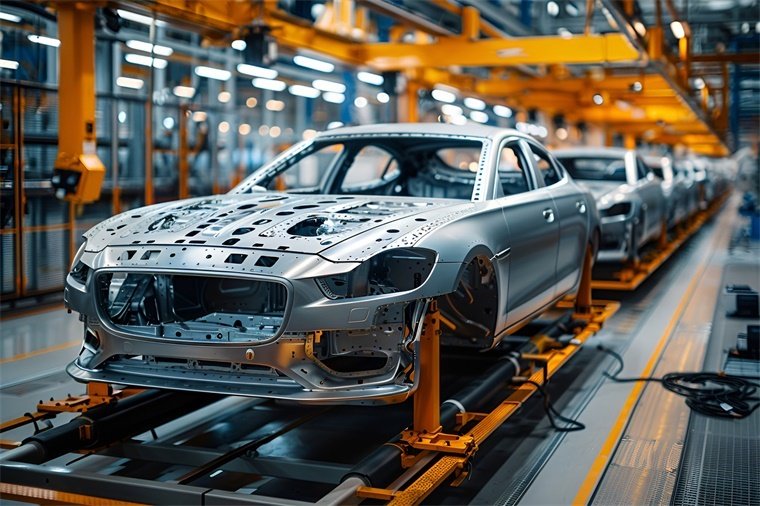
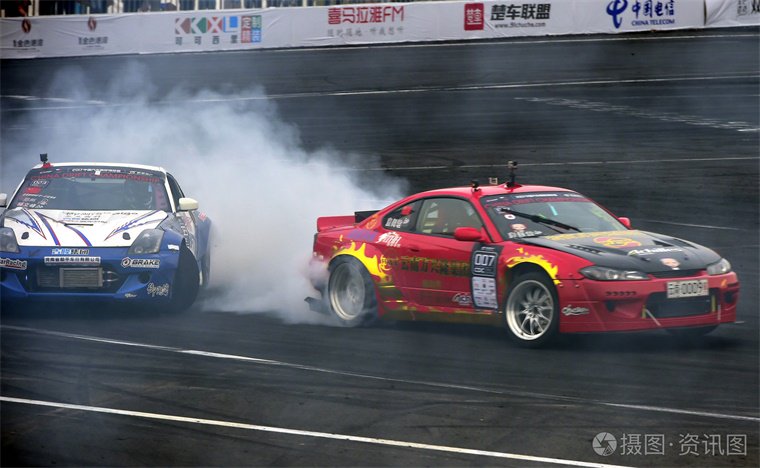
(图片来源:摄图网) 这并非余承东首次强调安全。在多个公开场合,他反复提及"安全是最大的豪华"。早在未来汽车先行者大会 上他呼吁行业提升质量与安全标准:"不能为了过分追求低成本而牺牲质量。质量是我们的生命线,质量才 是最大的豪华,品质才是最大的豪华。"他认为,汽车安全的最高境界是规避交通事故。 据中国汽车工业协会数据,2023年我国新能源汽车市场渗透率达31.6%,2024年1-11月更飙升至40.3%;截至 2024年上半年,新能源汽车保有量已达2472万辆,其中纯电动车占比超73%。 根据中国汽车工业协会公布的数据显示,2023我国新能源汽车市场渗透率达到31.6%,较2022年大幅上升, 2024年1-11月进一步提升至40.3%。市场爆发式增长的背后,是政策与市场的双重驱动。 目前,我国新能源汽车产业已经度过了野蛮生长阶段,进入了一个新的发展阶段。在这个过程中,政府通过 政策引导和规范,推动行业从无序竞争向高质量发展转变。 9月16日,鸿蒙智行首款旅行车享界S9T正式上市。在发布会上,华为常务董事、终端BG董事长余承东透 露,享界S9T风阻系数0.23,零百加速3.95秒,对于正常人来说已经是过剩的性 ...
今年累计涨超96%!阿里巴巴市值重返3万亿港元,吴泳铭:AI是“历史性机遇”【附人工智能行业市场分析】
Qian Zhan Wang· 2025-09-17 10:37
Core Viewpoint - Alibaba's stock has surged, reaching a nearly four-year high, with a market capitalization exceeding 3 trillion HKD, reflecting strong investor confidence in its future growth [2] Group 1: Financial Performance - Alibaba's Q2 2025 financial report shows total revenue of 247.65 billion CNY, a 2% year-on-year increase, marking the highest growth rate in nearly three years [2] - The net profit reached 42.38 billion CNY, a significant 76% increase year-on-year [2] - Alibaba Cloud's revenue was 33.40 billion CNY, growing 26% year-on-year, the highest growth rate in three years, driven by over 100 billion CNY investment in AI infrastructure over the past four quarters [2] Group 2: Strategic Focus - Alibaba's CEO emphasized AI as a "historic opportunity," with plans to increase investment in AI infrastructure and technology [2] - The company aims to create a "second growth curve driven by technology" as part of its long-term strategy [2] Group 3: Industry Context - Alibaba ranks second in the "2024 China Artificial Intelligence Enterprise Comprehensive Strength TOP100" list, positioning it among the top tier of AI companies in China [3][4] - The Chinese AI industry is rapidly developing, with the core industry size nearing 600 billion CNY as of September 2024 [5] - The number of AI companies in China has surpassed 4,500 as of April 2024, indicating robust growth in the sector [6]

无人环卫机器人开始大规模投用:4人半天工作量,机器人2.5小时完成【附机器人行业市场分析】
Qian Zhan Wang· 2025-09-17 09:09
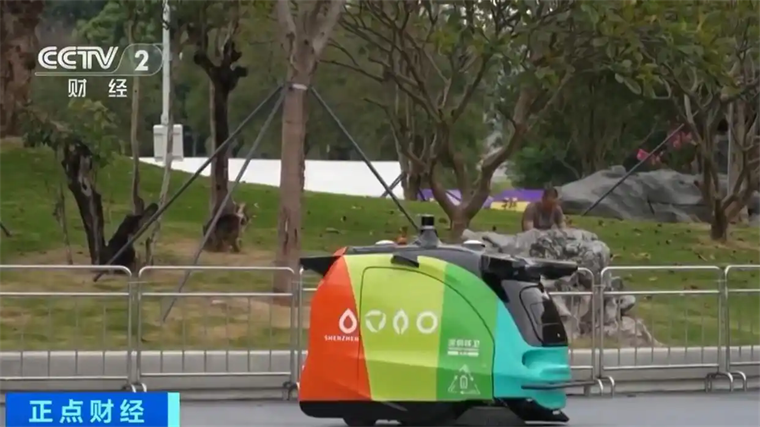
Core Insights - The sanitation industry is undergoing a transformation due to technological advancements, particularly with the introduction of autonomous cleaning robots in cities like Shenzhen and Guangzhou [1][3]. Group 1: Industry Transformation - Autonomous cleaning robots are being deployed in Shenzhen, significantly improving efficiency; a task that previously required four workers for half a day can now be completed in two and a half hours [1]. - Guangzhou plans to increase the number of autonomous cleaning devices to 1,000 by 2026, while other cities are also incorporating such technology to address labor shortages and efficiency issues in the sanitation sector [3]. Group 2: Market Dynamics - The robot industry is one of the most dynamic and promising high-tech sectors, integrating various advanced technologies such as mechanical engineering, electronics, computer science, artificial intelligence, and control theory [3]. - The market for robots in China surpassed 130 billion yuan in 2023, with a compound annual growth rate of 19.46% over the past five years [3]. Group 3: Service Robot Segment - Service robots account for 45% of the total robot market, emerging as a key growth driver within the industry [5]. Group 4: Operational Benefits and Challenges - The rise of autonomous cleaning robots represents not just a labor replacement but an upgrade in urban service models, allowing workers to focus on higher-value tasks such as equipment maintenance and quality supervision [7]. - Despite the promising market outlook, the commercialization of autonomous cleaning robots faces challenges, including high deployment costs and long setup times due to reliance on specialized technical personnel [7].

野心勃勃!印度计划三年内拿下6G专利10%,为全球6G标准做出六分之一贡献【附6G行业市场分析】
Qian Zhan Wang· 2025-09-17 08:25
Group 1 - India aims to secure a leading position in 6G technology research and patent development, targeting to obtain 10% of global 6G patents and contribute one-sixth to global 6G standards within three years [2] - The Indian government has approved 111 research projects with a total investment of 3 billion rupees to support 6G development and is establishing a 6G testing platform [2] - Compared to 5G, 6G is expected to enhance peak rates, user experience rates, and latency by at least ten times, with significant improvements in other key metrics [2][4] Group 2 - China has been proactive in 6G research since 2018, with a clear strategic focus established in the 14th Five-Year Plan, elevating 6G to a national strategy in 2025 [5][7] - As of 2023, China leads globally in 6G patent applications, holding a 40.3% share, with major companies like Huawei at the forefront [7][8] - China's 6G industry benefits from a complete ecosystem, encompassing chip design, terminal manufacturing, base station construction, and application development, facilitating large-scale deployment [8]

【投资视角】启示2025:中国供应链金融行业投融资及兼并重组分析(附投融资事件、产业基金和兼并重组等)
Qian Zhan Wang· 2025-09-17 06:13
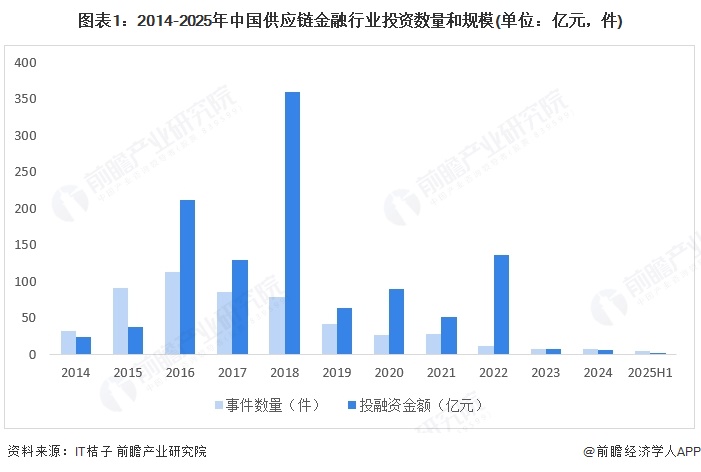
Core Insights - The supply chain finance market has shown a declining trend in both investment and financing activities from 2014 to 2025, with a peak financing amount of 38 billion yuan in 2018, reflecting the rapid development of the supply chain industry and its funding needs [1][2] - The average single investment amount in supply chain finance has mostly remained between 100 million to 200 million yuan from 2014 to 2025, with notable spikes in 2018, 2020, and 2022 due to specific policy supports and economic measures [2][9] - The investment landscape is shifting towards more cautious capital market behavior, with average single investment amounts expected to drop to the million yuan level starting in 2024 [2] Investment Trends - The number of financing events in the supply chain finance sector peaked in 2016 with 113 events, but has since decreased, with only 8 events recorded in both 2023 and 2024 [1] - In the first half of 2025, the total investment amount further decreased to 230 million yuan, indicating a continued contraction in the market [1] - B-round and strategic financing rounds are the most common, each accounting for 23% of the total financing rounds from 2021 to 2025, indicating a trend towards maturity and stability in financing needs [9] Geographic Focus - Investment in the supply chain finance sector is primarily concentrated in Shanghai (33%), followed by Beijing (16%), and both Guangdong and Zhejiang (15%) [12][14] - These regions are characterized by their economic development, numerous enterprises, and well-established industrial chains, facilitating frequent flows of capital, goods, and information [12] Investment Entities - Private equity and venture capital (PE/VC) firms dominate the investment landscape, accounting for 62% of total investments, while corporate investors make up 24% [11] - The presence of local government-backed funds is also notable, with government investments comprising around 4% of the total [11] Mergers and Acquisitions - The supply chain finance industry is experiencing a trend towards horizontal mergers, with most transactions involving the acquisition of over 50% equity in smaller firms, reflecting a move towards industry standardization [18] - The primary motivations for mergers and acquisitions include business expansion and capital appreciation, with a focus on enhancing service quality and regulatory compliance [18]