
Qi Huo Ri Bao Wang

Search documents
碳酸锂期货冲高回落 产业企业:等到心仪价格再加大采购力度
Qi Huo Ri Bao Wang· 2026-01-26 10:44
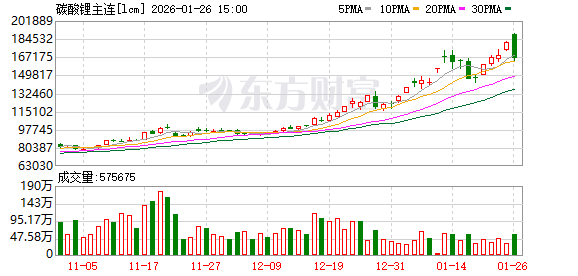
整体来看,当前高位点价的企业并不算多。据第三方平台统计数据,1月26日,样本贸易商成交合计 2484吨,其中贸易~贸易为240吨,贸易~下游为2244吨,集中点价区间在168000—170000元/吨,基差主 流在-1500元/吨左右。 多位高位点价的企业纷纷向记者吐槽,太早点价了,价格应该还会继续调整,他们依旧选择继续等待观 望。 (文章来源:期货日报网) 一位材料厂的采购负责人告诉记者,现在长协月均价较低,当前的价格处于相对高位,担心过早采购买 到高价货,目前公司仍处于观望状态,希望等到心仪的价格再加大采购力度。 据第三方平台数据,当前,电池级碳酸锂的1月均价报价为152000元/吨。一家主流贸易商期现负责人直 言,虽然今天价格看起来跌了不少,但仍处于高位,公司的贸易量也没起来,主要是下游采购积极性不 高。 1月26日,碳酸锂期货高开低走,主力合约LC2605下跌6.65%至165680元/吨,持仓量减少2.2万手至 41.67万手。 期货日报记者在采访中获悉,随着碳酸锂期货价格走高,市场分歧开始加剧,贸易商进入捂货不出状 态,下游采购积极性也随之下调。在今日价格上行时,部分企业忍不住在高位点价买货,结果 ...

碳酸锂期货冲高回落,产业企业:等到心仪价格再加大采购力度
Qi Huo Ri Bao Wang· 2026-01-26 10:31
Group 1 - The core viewpoint of the news is that lithium carbonate futures experienced a significant decline, with the main contract LC2605 dropping by 6.65% to 165,680 yuan/ton, while the trading volume decreased by 22,000 contracts to 416,700 contracts [1] - Market divergence has intensified as lithium carbonate prices rise, leading traders to withhold inventory and reducing downstream purchasing enthusiasm [1] - The average monthly price for battery-grade lithium carbonate in January is reported at 152,000 yuan/ton, indicating that despite the recent price drop, it remains at a high level, which has not stimulated increased trading volume [1] Group 2 - Many companies that priced at high levels expressed regret, believing that prices will continue to adjust downward, and they have chosen to wait and observe [2]
铃响启鸿途 拼图续华章——中粮期货乔迁新址暨成立30周年启动仪式圆满举行
Qi Huo Ri Bao Wang· 2026-01-26 08:17
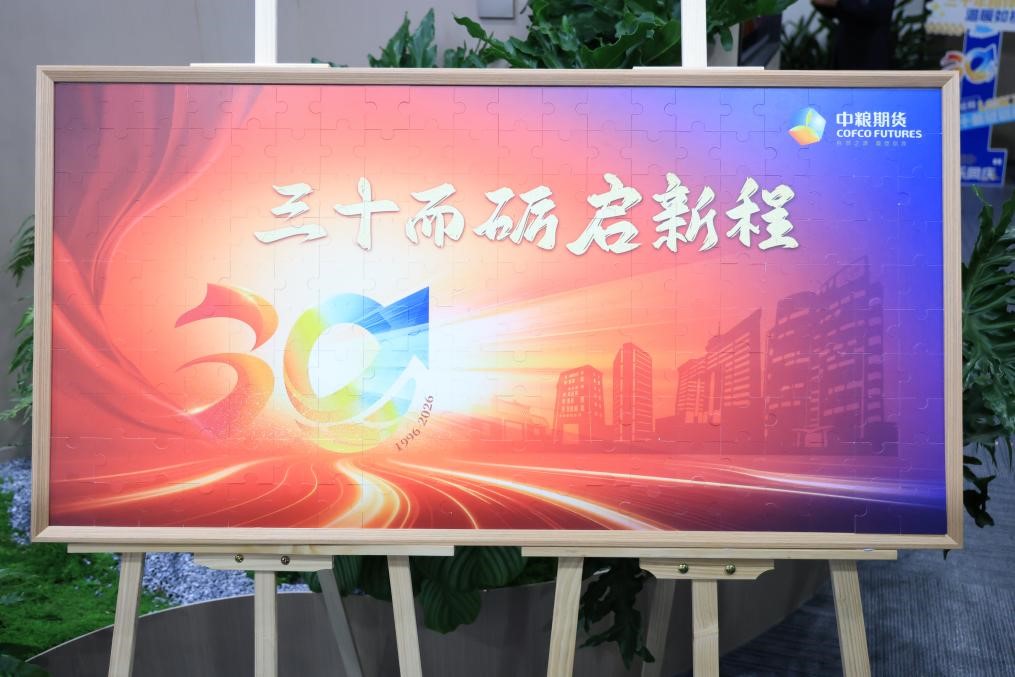
1月23日,中粮期货乔迁新址暨成立30周年启动仪式在中粮广场举行。中粮资本领导、股东方代表、重要客户代表、中粮期货老领导以及中粮期 货领导班子成员、员工代表现场参加仪式,共同见证这一重要时刻,既庆贺乔迁之喜,更为即将启幕的公司成立30周年系列活动奏响序曲。 中粮集团总经济师,中粮资本党委书记、董事长,中粮期货董事长孙彦敏以及公司老领导吴浩军、客户代表、员工代表分别作了发言。孙彦敏 充分肯定公司多年来的产业价值与行业贡献,期许以乔迁和30周年为契机开拓新局、再谱华章;吴浩军深情回望三十载栉风沐雨的征程,寄语 新一代中粮期货人传承初心、赓续奋斗;客户代表点赞公司深耕产业、服务实体经济的责任担当;员工代表抒发将以青春之力扎根岗位、与企 业共成长的豪情壮志。 随后,李德罡介绍了30周年活动主视觉图设计理念,该标识以"30"为核心,深度融合了公司农产品背景元素与未来发展愿景。"3"如飘带,勾勒 时光轨迹,承载30载奋斗征程;"0"下半部分以叶片形态呈现,形象展示了公司深耕农产品领域的根基,上半部分的向上箭头,诠释金融行业特 性,代表着上扬趋势,寓意公司蓬勃发展的美好期许。标识整体采用暖色调渐变,红色融入品牌LOGO橙、 ...
期权助力企业稳定经营
Qi Huo Ri Bao Wang· 2026-01-26 06:40
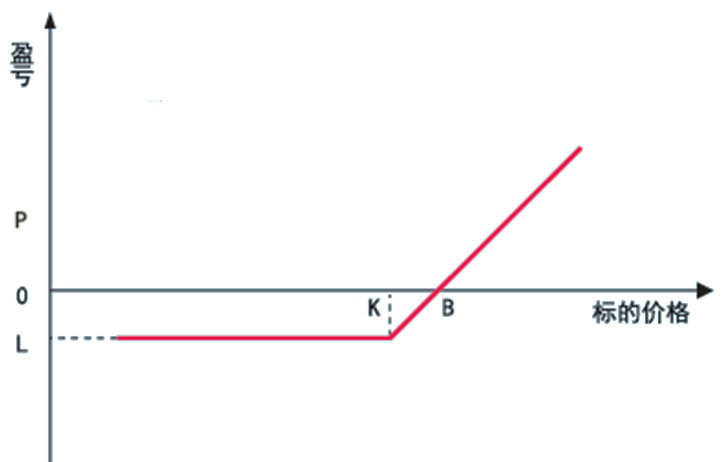
准时制的脆弱性凸显。准时制在提升企业效率的同时,也降低了库存缓冲。面对突如其来的供应冲击, 企业可能面临断供风险,代价远高于节省的仓储成本。 近年来,原材料价格剧烈波动使传统采购模式面临前所未有的挑战。当采购部门疲于应对价格涨跌带来 的成本波动时,期权工具正悄然重塑采购管理的逻辑。 传统采购之困:在确定性与灵活性之间徘徊 传统采购模式通常面临一个根本性矛盾:追求价格确定性与保持操作灵活性难以兼得。 长协锁价存在风险。为锁定成本、保障供应,企业常签订长期固定价格合同。然而,当市场价格大幅下 跌时,企业将被迫承受高于市场价的采购成本,导致竞争力受损。这种"锁死在顶部"的风险在周期性行 业中屡见不鲜。 现货采购面临价格波动风险。企业采购完全依赖现货市场之时,虽然能够享受价格下跌时的成本优势, 但一旦价格飙升,利润将被侵蚀。采购部门往往被迫进行刚需采购。 2.看跌期权:锁定最低售价,维护库存价值 图为买入看跌期权 在此背景下,期权作为一种赋予持有者"权利"而非"义务"的金融契约,为采购提供了突破困境的选择。 它本质上是用一笔相对有限的权利金,为企业购买了一份"价格保险"或"机会门票"。 期权采购的核心逻辑:为不确定性 ...
系列期权:赋能短期风险管理的新工具
Qi Huo Ri Bao Wang· 2026-01-26 06:38
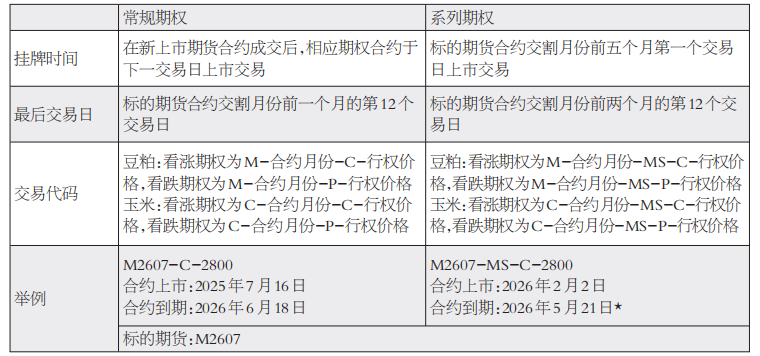
大连商品交易所豆粕、玉米系列期权将于2026年2月2日(即1月30日夜盘)起挂牌交易,其特点为到期时间早、存续期短,进一步丰富了短 期风险管理工具箱,能够更好地满足实体企业精细化管理短期风险的需求。针对实体企业在农业生产与贸易中面临的短期价格波动风险, 系列期权能精准匹配风险敞口,填补常规期权到期月份空白,实现月份的连续覆盖。同时,因其到期日早,在同等条件下比常规期权价格 低,减轻了企业的资金压力。 | | 常规期权 | 系列期权 | | --- | --- | --- | | 挂牌时间 | 在新上市期货合约成交后,相应期权合约于 | 标的期货合约交割月份前五个月第一个交易 | | | 下一交易日上市交易 | 日上市交易 | | 最后交易日 | 标的期货合约交割月份前一个月的第12个 | 标的期货合约交割月份前两个月的第12个交 | | | 交易日 | 易日 | | 交易代码 | 豆粕:看涨期权为M-合约月份-C-行权价 | 豆粕:看涨期权为M-合约月份-MS-C-行权价 | | | 格,看跌期权为M-合约月份-P-行权价格 | 格,看跌期权为M-合约月份-MS-P-行权价格 | | | 玉米:看涨期权为C- ...
订单农业合同指引定规立矩
Qi Huo Ri Bao Wang· 2026-01-26 03:01
Core Insights - The Ministry of Agriculture and Rural Affairs officially issued the "Guidelines for Order Agriculture Contract Norms," marking a significant milestone in standardizing order agriculture contracts across the country [1] - The guidelines aim to provide a clear and comprehensive administrative framework for signing order agriculture contracts, addressing issues such as unclear contract parties, vague terms, and forced bundled sales [1] Group 1: Order Agriculture Model - The core of order agriculture relies on contractual relationships to achieve precise production and sales alignment, allowing farmers to produce according to the needs of buyers [1] - This model effectively addresses key issues faced by farmers, such as variety selection, sales channels, and price expectations, through the integration of capital, management, and production resources [1] - In Guangxi, for example, the coverage rate of sugarcane order agriculture has exceeded 95%, benefiting 5 million sugarcane farmers with an average annual income increase of over 10,000 yuan [1] Group 2: Challenges in Order Agriculture - Order agriculture faces multiple challenges, including frequent contract disputes and risks of non-compliance and fraud [2] - Price fluctuations in agricultural products can lead to unilateral breaches of contract, compounded by structural flaws such as vague terms and unclear responsibilities [2] - The Ministry of Agriculture and Rural Affairs has previously issued risk warnings to protect farmers from scams disguised as order agriculture [2] Group 3: Guidelines for Improvement - The guidelines establish a clear and fair transaction framework by focusing on four dimensions: clarifying parties, standardizing processes, stabilizing expectations, and facilitating rights protection [2] - It requires clear identification of both parties and mandates that the buyer's business license be attached to the contract to help farmers avoid signing with fraudulent entities [3] - The guidelines prohibit forced purchases of specified inputs by buyers, encourage the inclusion of technical standards as contract attachments, and aim to make commitments explicit [3] Group 4: Pricing and Rights Protection - The guidelines advocate for innovative pricing mechanisms, such as "minimum price + market floating price," allowing farmers to share profits during high market prices while ensuring minimum returns during low prices [3] - They emphasize the need for specific and quantifiable acceptance standards to avoid ambiguity and encourage the preservation of samples as evidence [3] - The guidelines also outline equitable liability for breaches and provide multiple dispute resolution methods, offering farmers clear pathways for rights protection [3]
以期货之翼托举“甜蜜”产业链
Qi Huo Ri Bao Wang· 2026-01-26 02:56
在广东湛江,甘蔗林随风起伏。这片土地所孕育的,不仅有南国特有的"甜蜜",更有一位企业家用40余 年时光书写的从传统农业到现代产业、从个人冒险到系统风控的深刻变革故事。他,就是广东金岭糖业 集团有限公司(简称金岭集团)董事长林水栖。 3万元与一份"甜蜜"的冒险 1985年,改革开放的春潮在南粤涌动。在湛江麻章,27岁的林水栖做出了一个大胆决定:取出个人存折 上的全部积蓄3万元,投资建厂。 "如果能见到那个年轻的自己,我想用力拍拍他的肩膀,对他说:别怕,你脚下的这片土地,藏着最温 暖的'甜蜜'希望。"40多年后回望,林水栖眼中仍有光。这份希望,不仅关乎一家企业的生存,更连接 着广大蔗农的生计,并指向一个用现代金融工具重塑传统农业的宏大命题。 创业早期,公司风险集中于工厂内部的生产与市场销售,"单点防控"是主要策略。随着金岭集团一步步 成长为农业产业化国家重点龙头企业,年加工白糖达25万吨,林水栖的风险意识发生了根本性转变。 下游以"品牌化"破局,金岭集团不再甘做原料"搬运工",而是以"湛品"区域品牌为载体,主动对接粤港 澳大湾区市场,完成从"卖原料"到"卖品牌""卖文化"的价值跃迁。 "其中的核心,是让期货从一种 ...
基差贸易:企业风险管理的进阶实践
Qi Huo Ri Bao Wang· 2026-01-26 02:02
Core Insights - The article emphasizes the increasing importance of efficient risk management and market opportunity capture for industrial enterprises, highlighting basis trading as a key method that combines futures and spot markets for enhanced risk management [1] Group 1: Basis Trading and Risk Management - Basis trading provides a more refined and flexible risk management tool by decomposing commodity pricing into futures prices and basis, leading to innovative upgrades in hedging models [1] - Traditional hedging focuses on locking in costs or profits and hedging price risks, but basis risk remains a core risk that cannot be eliminated through simple hedging [1][3] Group 2: Understanding Basis Formation and Fluctuation - The formation and fluctuation of basis are explained through the holding cost theory, which states that under ideal market conditions, futures prices should equal spot prices plus net holding costs [2] - Basis fluctuations are driven by holding costs, quality and regional differences, and market expectations, with strong basis indicating tight spot supply and bullish sentiment [2] Group 3: Active Basis Risk Management - The advanced model of basis trading shifts from passive hedging to active management of basis risk, where a company's ability to manage basis directly influences its competitive edge and can create new profit sources [3] - By breaking down pricing into futures and basis components, companies can leverage their understanding of holding cost structures to capture more certain trading opportunities [3] Group 4: Practical Application in Black Commodity Futures - An example from the black commodity futures market illustrates how a construction company uses basis contracts to lock in future procurement prices, effectively managing basis risk while maintaining flexibility in pricing decisions [4] - The strategy allows companies to mitigate dual price risks and stabilize operating profits, regardless of future market movements in basis [4][5] Group 5: Transition to Proactive Management - Basis trading enables companies to shift from being passive risk bearers to proactive managers of basis fluctuations, enhancing operational certainty and potentially turning basis volatility into profit sources [5] - To effectively engage in basis trading, companies need to upgrade their internal risk management systems and focus on developing a professional basis analysis framework [5]
五年战略蓝图描绘跃升路径
Qi Huo Ri Bao Wang· 2026-01-26 01:53
厦门大宗商品供应链"三巨头"重磅发布 近日,厦门大宗商品供应链领域的"三巨头"——厦门象屿、厦门国贸、建发股份——相继亮出五年战略 蓝图,清晰描绘出2026年至2030年供应链头部企业的跃升路径。 强化资源掌控力 在厦门象屿的五年发展规划中,国际化业务与资源布局被提升至全新战略高度。公司将立足国内核心市 场,加速国际化布局,拓展海外资源端与消费端市场,建立海外资源、贸易、产业、物流、资金中心, 形成国内外联动的市场网络。同时,加强顶层设计,优化海外区域与资源布局,通过做实海外平台、推 进属地化经营,构建全球资源供应链网络。 厦门国贸自诞生起就自带国际贸易基因,因此,将"国际化"列为其首要战略举措。通过从"打通业 务"到"建强组织"的根本性转变,打造"一核两翼三支柱":一核是聚焦组织能力出海;两翼是构建"敏捷 前台"与"赋能中台"协同作战体系;三支柱是夯实组织与人才机制、国际化激励与考核机制、风险合规 与全球化文化。深度融入国际市场,大力开发属地化业务,为未来业务发展注入增量。 近日发布的业绩预告显示,尽管建发股份由于地产板块经营不力,导致2025年度归母净利润预计为负, 但公司的供应链运营业务仍保持稳健盈利, ...


“遇见好物市集年货节”举办
Qi Huo Ri Bao Wang· 2026-01-26 01:53
Group 1 - The "Encounter Good Goods Market New Year Festival" was held in Beijing from January 23 to 25, showcasing organic certified fresh fruits and vegetables, green foods, and unique geographical indication products [1] - The event aims to address the "three rural issues" as emphasized by the Chinese government, focusing on connecting rural agricultural products with urban consumers to enhance farmers' income and improve industry efficiency [1] - The event was organized by the China Commercial Federation and included various activities to promote brand building and the integration of agriculture, culture, and tourism [1] Group 2 - The market featured popular products such as the Guizhou provincial intangible cultural heritage "Dushan Salted Vegetables," which attracted many consumers with its unique flavor profile [2] - New Cooperation Central Kitchen (Tianjin) Supply Chain Co., Ltd. reported exceeding expectations in business opportunities, with all prepared products sold out on the first day, leading to urgent restocking from Tianjin headquarters [2] - The event facilitated deep cooperation between well-known companies like JD Group's catering supply chain and exhibitors, injecting new commercial momentum into rural revitalization through seamless supply and demand connections [2]