
Feng Huang Wang Cai Jing

Search documents
一幅“睡莲”图,藏着中国储能的突围“密码”
Feng Huang Wang Cai Jing· 2025-12-03 10:47
Core Viewpoint - The global energy transition is driving the competition in lithium battery technology, with solid-state batteries emerging as a potential solution to the safety and performance issues of traditional liquid lithium batteries, particularly in the context of the growing electric vehicle market [1][3][4]. Group 1: Industry Challenges - Liquid lithium-ion batteries face significant safety risks, including flammability and leakage, which have been highlighted by incidents of battery fires and explosions [3][4]. - The theoretical energy density limit for liquid batteries is around 300 Wh/kg, with mainstream models achieving 260-280 Wh/kg, which is insufficient for the increasing demands of electric vehicles and energy storage systems [3][4]. - The performance of liquid batteries deteriorates in low-temperature environments, limiting their application in diverse scenarios [3]. Group 2: Advantages of Solid-State Batteries - Solid-state batteries offer four key advantages over traditional liquid batteries: enhanced safety, improved range, stable performance in extreme temperatures, and long cycle life under high current conditions [4]. - The use of solid electrolytes eliminates the risks associated with liquid electrolytes, allowing for higher theoretical energy densities exceeding 600 Wh/kg [4][10]. - Solid-state batteries can maintain stable performance across a wide temperature range, simplifying battery structure and reducing costs [4][10]. Group 3: Technological Development and Innovation - The development of solid-state battery technology is critical for maintaining competitive advantage in the global market, especially as traditional battery powerhouses like Japan and South Korea accelerate their efforts in this area [6][8]. - A research team led by Professor Zhang Xi has focused on overcoming the challenges associated with solid-state electrolytes, particularly the preparation of sulfide-based solid electrolytes [8][10]. - The innovative approach taken by the team, inspired by artistic principles, has led to significant improvements in the ionic conductivity and stability of the solid electrolyte materials [12][14]. Group 4: Industrialization and Market Adaptation - The transition from laboratory breakthroughs to industrial-scale production is a significant challenge, requiring a balance between scientific ideals and market realities [17][19]. - Initial market feedback highlighted issues with product performance, prompting the company to enhance quality standards and adapt testing methods to better align with customer needs [19][21]. - The company has established a comprehensive production layout, with plans for significant capacity expansion in the coming years, aiming to produce 26 GWh of solid-state batteries [21]. Group 5: Collaborative Ecosystem and Standards - The development of solid-state battery technology is viewed as a collaborative effort that requires the involvement of upstream and downstream enterprises, academic institutions, and research organizations [23]. - The company has taken the lead in drafting industry standards for sulfide solid-state batteries, which will help establish quality benchmarks and facilitate broader participation in the industry [23][25]. - The overarching goal is to contribute to sustainable development through efficient and safe energy storage technologies, addressing the challenges of clean energy integration [25][27].

22年,两代人,一件事:一部中国金属弯管的国产化史诗
Feng Huang Wang Cai Jing· 2025-12-03 10:13
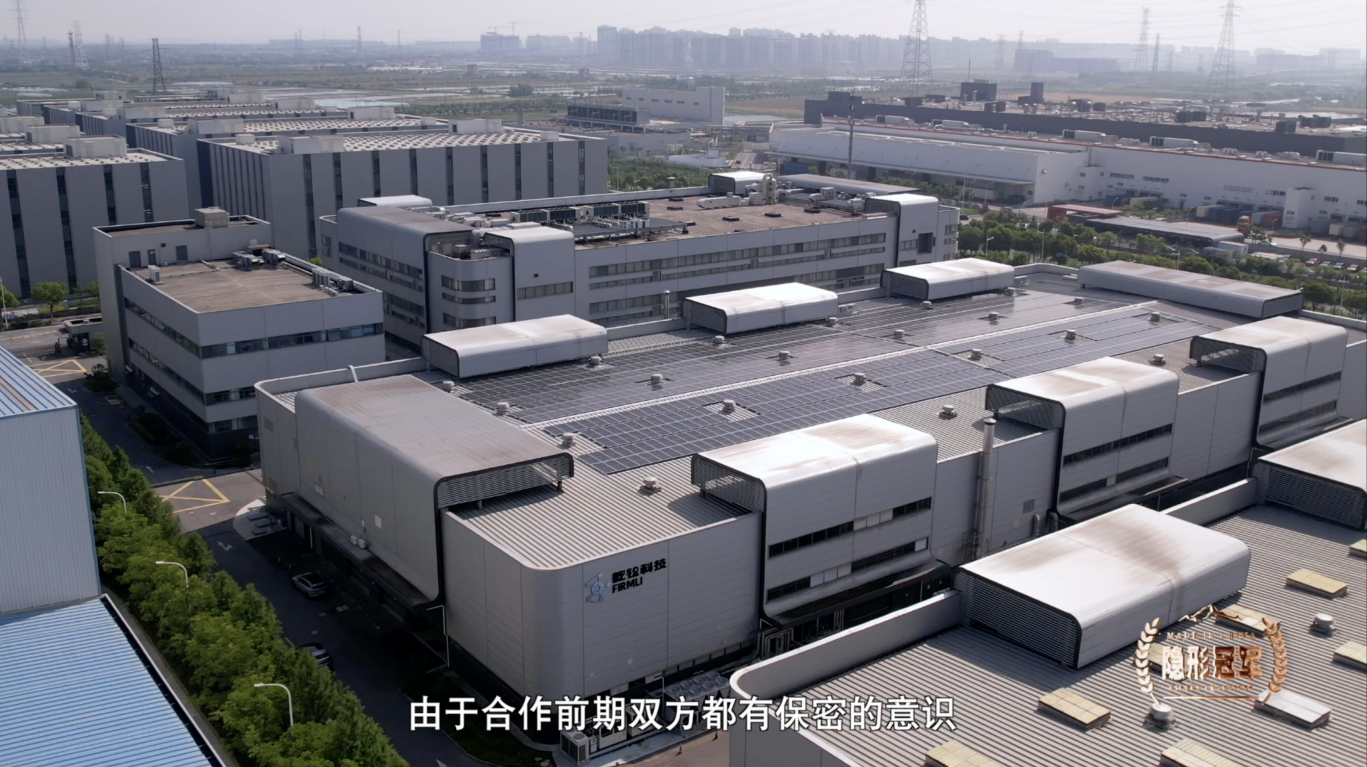
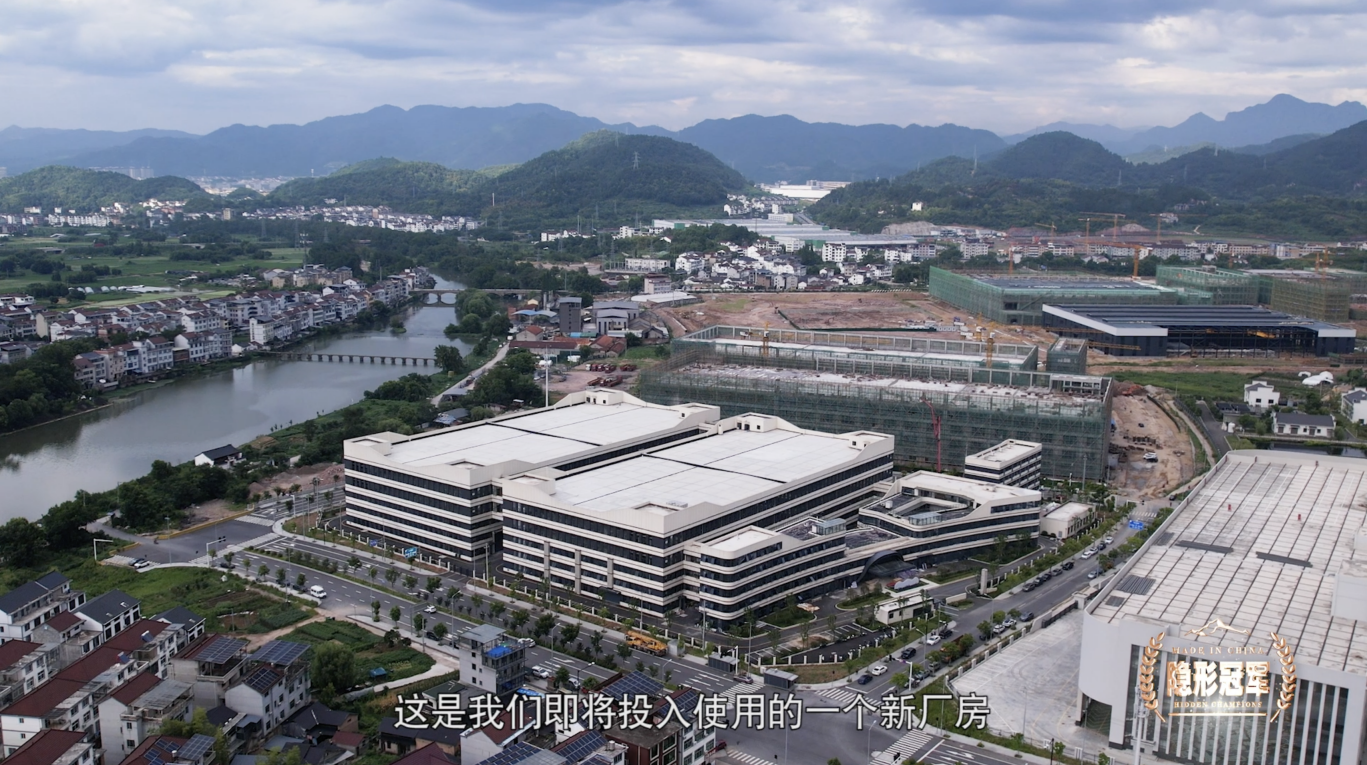
随着中国制造业向高端化、智能化深度转型,关键零部件的"自主可控"已从战略共识转化为产业实践。在航空航天管路成形技术这一细分赛道上,一家来自 浙江缙云县的民营企业,用22年时间完成了从"0到1"的突破,连续18年亏损仍坚守实业,在金属导管成形装备领域成为国内先进、国际领先的冠军企业。本 期《隐形冠军》将走进国家级专精特新"小巨人"企业——浙江金马逊智能制造股份有限公司(以下简称"金马逊"),解锁中国制造在高端金属导管成形领域 的国产化替代之路。 一、十八年亏损:冷板凳上的热信仰 航空航天领域的金属导管,堪称对工业制造水平的极致考验。由于装备结构紧凑、轻量化要求严苛,管路需在狭小空间内实现三维异形走向,形成极小弯曲 半径,同时要耐受高温、高压、振动等极端环境。同时,航空航天领域的产品具有典型的"多品种、小批量"特点。如歼击机,国内现役总量仅数千架,一个 主机厂一年生产几百架已算高产,导致生产批次很少。不同材料、口径、壁厚、接口标准的导管都是个性化生产,这为智能化、规模化生产带来了巨大挑 战。 航天器的每一次升空,都由数十万零件托举。其中,金属弯管被誉为"工业的动脉",负责输送燃油、液压能、冷却液和压缩空气,如同血 ...
创新她时代,智绘新增长:2025年长江商学院女性领导力论坛在京举行
Feng Huang Wang Cai Jing· 2025-12-03 09:32
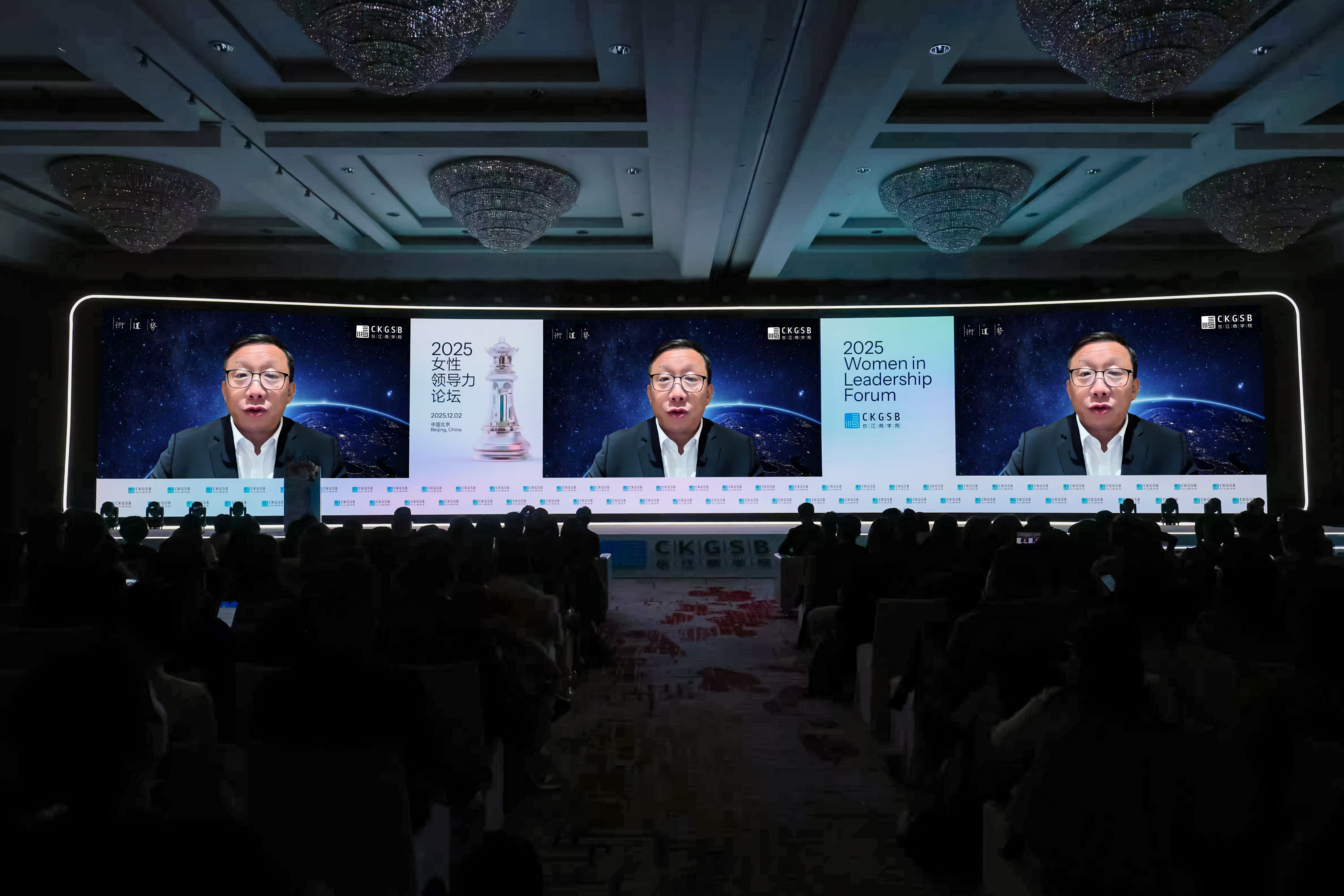
Group 1 - The forum focused on how female leaders can drive change and promote organizational growth through innovative thinking in the context of technological transformation [1][9] - The event highlighted the importance of gender equality in driving economic growth, with estimates suggesting that promoting gender equality could contribute an additional $2.5 to $4 trillion to China's GDP [13] - The forum has evolved into a significant platform for policymakers, business leaders, and practitioners to exchange ideas and experiences over the past 12 years [9][46] Group 2 - The president of CKGSB emphasized the need for a new generation of entrepreneurs who understand technology, management, and social responsibility, positioning "technology and innovation" at the strategic core of the institution [6][7] - CKGSB has seen a significant increase in female enrollment in its MBA and EMBA programs, with female representation rising from 16% in 2003 to 49% in the MBA program and from 19% to 36% in the EMBA program [8] - The launch of the "Eternal Female Leadership Program" aims to expand the strategic vision and leadership skills of female entrepreneurs and decision-makers in family businesses [8] Group 3 - The report "Innovating Her Era: Women Leading China's Digital Future" was released, showcasing research on AI and workplace mental health, highlighting women's role in driving technological progress and business innovation [10][15] - The report indicated that over two-thirds of respondents felt that AI diminished the importance of their roles, with women showing a greater sense of value loss compared to men [15][16] - The concept of "resilience" was introduced, emphasizing the importance of emotional and cognitive resilience in navigating the challenges of the AI era [16] Group 4 - The president of FedEx China discussed the importance of human-centered technological innovation, emphasizing that true innovation stems from human care and cultural change [20][21] - Women are seen as essential in bridging technology and humanity, with their empathy and long-term strategic vision being highlighted as key strengths in the AI era [21] - The dialogue emphasized the need for women to embrace AI with curiosity and empathy, promoting technology that is both powerful and humane [21] Group 5 - The discussions highlighted the critical role of women in driving social innovation and technological advancement, with a focus on the evolving qualities needed in decision-makers [27] - The importance of emotional intelligence, communication skills, and system thinking was emphasized as essential traits for leaders in the modern business environment [27] - The dialogue concluded that the "female leadership advantage" reflects the expectations of all leaders in today's context, regardless of gender [27] Group 6 - The closing speech emphasized the need for women to enhance their psychological resilience to face challenges in the workplace and society [43] - The concept of "happiness power" was introduced, defining it as the ability to perceive, create, and share happiness, which can be cultivated through learning and practice [43] - The call to action was made for collaborative efforts to build a more inclusive and sustainable future, leveraging women's growth as a lever for societal progress [43]
包芯线大王的破圈往事
Feng Huang Wang Cai Jing· 2025-12-03 08:45
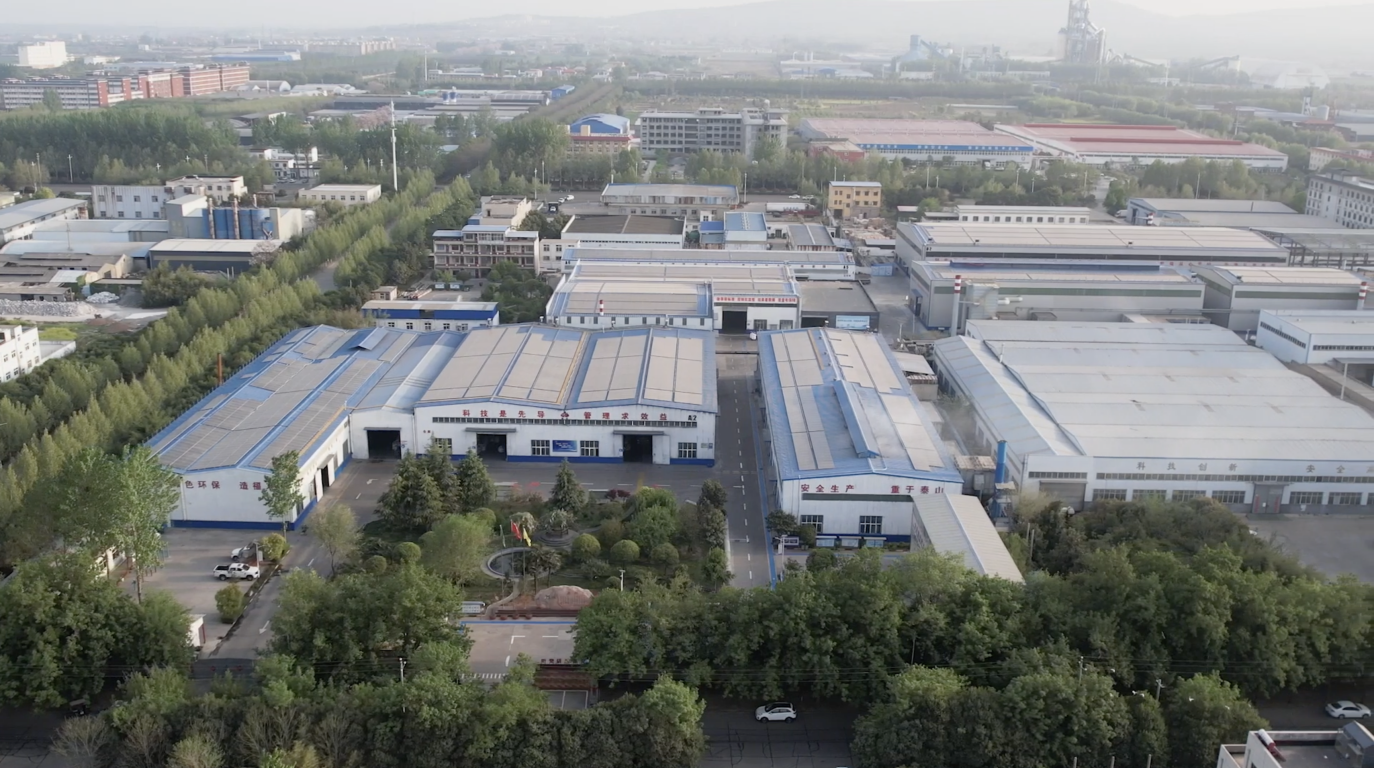
Core Insights - The Chinese foundry industry has maintained its position as the world's largest for 25 consecutive years, with a projected output of 50.75 million tons in 2024, accounting for approximately 45% of global production [1] - Despite leading in scale, the industry faces challenges such as a lack of high-end casting quality and heavy reliance on imported core materials, which hinders the upgrade to high-end manufacturing [1] - Yuzhou Hengli New Materials Co., Ltd. has emerged as a key player in the foundry sector, focusing on core additives like spheroidizing agents and core wires, contributing to the enhancement of China's foundry competitiveness [1] Group 1: Historical Context and Technological Development - The history of casting in China dates back to ancient times, with significant advancements in spheroidal graphite casting technology occurring in the mid-20th century [3] - The quality of spheroidal graphite castings is heavily influenced by the processes of spheroidization and inoculation, which are critical for achieving desired material properties [3] Group 2: Company Evolution and Market Position - Wang Yingzhan, the founder of Hengli, transitioned from a laboratory role to entrepreneurship, identifying market gaps in spheroidal graphite materials during China's economic reforms [4][6] - Hengli's spheroidizing agents gained recognition in the industry by 2006, establishing partnerships with leading companies like Nanyang Feilong, which produces a significant portion of China's automotive water pumps [8] Group 3: Innovations in Core Wire Technology - The development of core wire technology marked a significant leap for Hengli, allowing for more precise control of material addition and reduced emissions compared to traditional methods [9][11] - Initial challenges in production led to a commitment to quality, exemplified by the decision to discard defective products to maintain standards [13] Group 4: Industry Standards and Collaborations - Hengli has played a pivotal role in establishing industry standards for spheroidal graphite core wires, enhancing product reliability and market acceptance [16] - The company has collaborated with experts to address technical challenges, leading to innovations that have positioned Hengli at the forefront of the industry [23] Group 5: Advancements in Risers and High-Speed Rail Applications - Hengli's innovations in risers have addressed critical challenges in high-speed rail component manufacturing, ensuring defect-free production [19] - The establishment of industry standards for risers has further solidified Hengli's reputation as a leader in the foundry sector, contributing to the overall improvement of China's casting industry [21]
小众赛道跑出最大黑马:蓝旭科技光伏智能机器人何以登顶中东
Feng Huang Wang Cai Jing· 2025-12-03 08:32
Core Insights - The article highlights the innovative advancements in solar panel cleaning technology by Xiamen Lanuo Technology Co., Ltd., which has achieved a cleaning efficiency of over 99.5% using autonomous robots, significantly reducing power generation losses caused by dust accumulation [1][3][20] Group 1: Industry Context - The global photovoltaic (PV) industry is experiencing rapid growth, with the International Energy Agency (IEA) projecting that global PV installed capacity will exceed 500 GW by 2025, driven by urgent demand for clean energy [3] - China is expected to contribute 300 GW of new PV installations by 2025, accounting for 59.9% of global demand, while emerging markets like the Middle East and India are anticipated to see growth rates exceeding 50% [3][20] Group 2: Challenges in Solar Panel Maintenance - Dust, bird droppings, and oil can severely hinder the efficiency of solar panels, potentially causing a 20%-30% drop in energy conversion efficiency if not cleaned regularly [3][5] - Traditional cleaning methods are inefficient, water-intensive, and pose risks associated with manual labor, necessitating a shift towards automated solutions [5][20] Group 3: Technological Innovations - Lanuo Technology developed a solar panel cleaning robot capable of operating in extreme temperatures (-35°C to 60°C) and high winds (up to 50 m/s), addressing the challenges of traditional cleaning methods [1][10] - The company has implemented advanced technologies, including a SCADA control system for remote management and AI-driven decision-making capabilities, enhancing the operational efficiency of their cleaning robots [10][19] Group 4: Market Expansion and Strategy - The company successfully entered the Middle Eastern market, securing a significant contract with ACWA Power, which marked a milestone as the first commercial operation of a cleaning robot for tracking solar panel systems [12][19] - Lanuo Technology has established a strong presence in key Middle Eastern cities, delivering cleaning solutions for large-scale solar projects with installed capacities ranging from 1.2 GW to 2.6 GW [12][19] Group 5: Adaptation to Local Markets - The company has shifted from a single product approach to developing tailored solutions for various global markets, addressing specific environmental challenges such as sandstorms in the Middle East and typhoons in Southeast Asia [13][15] - Innovations like the bridge-free crossing technology have improved the reliability and cost-effectiveness of solar installations, allowing robots to navigate obstacles without additional structures [15] Group 6: Future Outlook - The global market for solar cleaning equipment remains underpenetrated, with over 50% of solar panel cleaning still performed manually, indicating significant growth potential for automated solutions [20] - Lanuo Technology's focus on integrating hardware and software solutions positions it well to capitalize on the expanding demand for comprehensive solar operation and maintenance services [19][20]


济南都市圈:以全链协同之姿启航空航天制造强省新程
Feng Huang Wang Cai Jing· 2025-12-03 07:28
Core Viewpoint - The recent measures introduced by Shandong Province aim to accelerate the high-quality development of the commercial aerospace industry, promoting collaborative development across the region and establishing Jinan as a significant hub in the national commercial aerospace landscape [1]. Group 1: Satellite Manufacturing and Industry Development - Jinan has launched the province's first flexible and intelligent satellite manufacturing production line, capable of producing up to 100 satellites weighing 500 kilograms annually, enhancing the local manufacturing capabilities and creating a key link in the industry ecosystem [2][3]. - The goal is to create a comprehensive "star-based integrated" industrial ecosystem rather than just a satellite factory, which will reshape the local supply chain and enable rapid delivery of components within the region [2][3]. - The logistics radius for the industry is expected to shrink to within 50 kilometers, allowing for seamless integration of production and assembly processes, significantly reducing transportation costs and improving response efficiency [3][4]. Group 2: Collaborative Industrial Matrix - The measures encourage Jinan and Tai'an to focus on rocket and satellite manufacturing, as well as satellite operations and space computing, to build a commercial aerospace industry cluster [5]. - Tai'an is leveraging its advantages from the Yantai Dongfang Spaceport and local research support to establish a satellite internet industry base, which includes a 7.6-hectare satellite industry complex [5][6]. - The collaboration between Jinan and Tai'an is creating an efficient model where research, testing, and manufacturing are integrated, forming a critical support system for the province's commercial aerospace framework [6]. Group 3: Key Materials and Infrastructure Development - Dezhou has been designated as a strategic base for the production of key aerospace materials, focusing on high-end infrared materials, aerospace composite materials, and precision manufacturing technologies [8][9]. - New technology companies are gathering in Dezhou, enhancing the region's capabilities in aerospace materials and complementing Jinan's satellite manufacturing industry [9]. - Infrastructure projects are underway to improve transportation links between Jinan and Dezhou, facilitating the efficient movement of talent and technology within the aerospace sector [9]. Group 4: Overall Industry Landscape - The Jinan metropolitan area's aerospace industry is developing a collaborative and competitive landscape, with ongoing projects totaling approximately 26 billion yuan and various initiatives aimed at enhancing regional capabilities [9].
山东“十五五”蓝图:奋力成为北方经济重要增长极
Feng Huang Wang Cai Jing· 2025-12-03 07:24
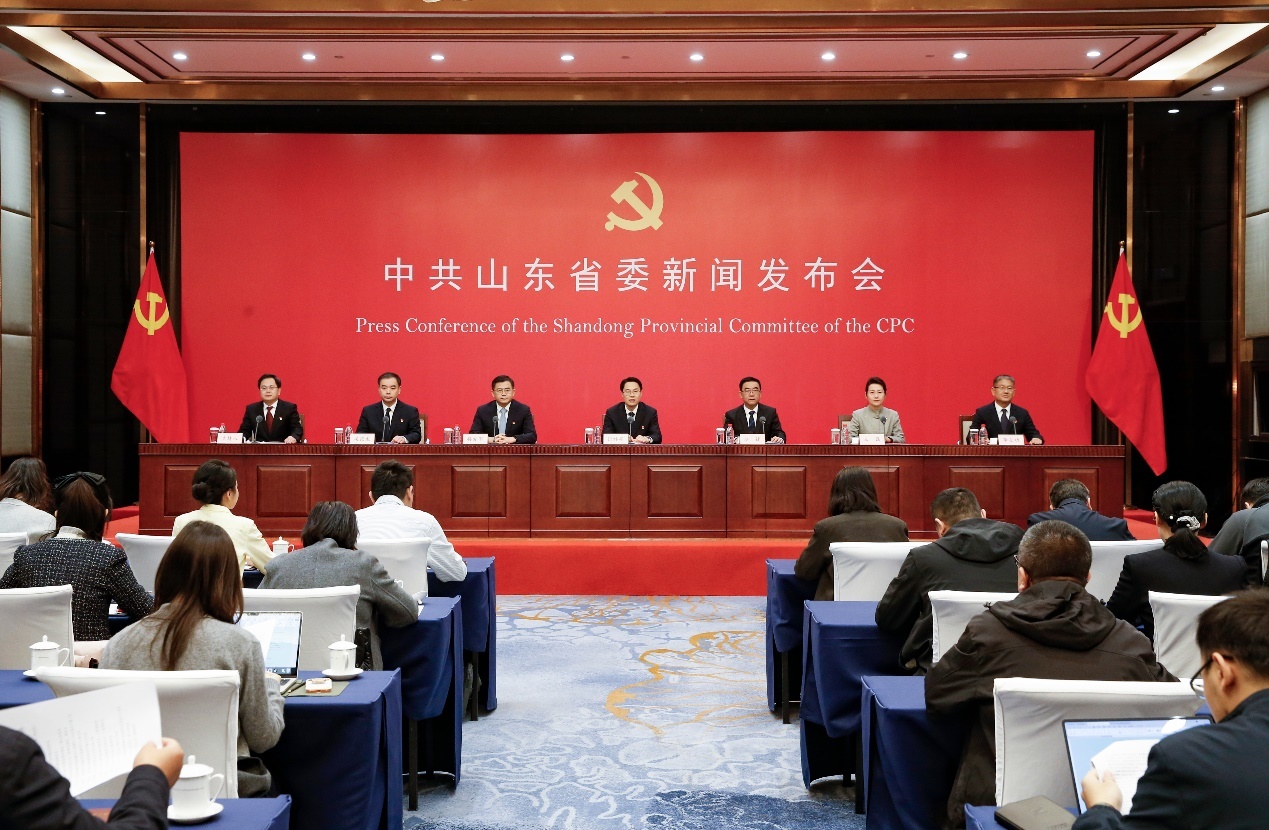
Core Viewpoint - The Shandong Provincial Committee of the Communist Party of China held its 10th plenary session to discuss the development plan for the 15th Five-Year period, emphasizing high-quality development and the province's role as a key economic growth area in Northern China [3][4]. Summary by Sections Overall Achievements and Goals - The plenary session recognized the achievements of the Shandong Provincial Committee in 2023 and outlined the guiding ideology and main goals for the 15th Five-Year period, focusing on high-quality development and addressing new challenges [3][4][5]. Key Tasks and Measures - The session proposed a comprehensive plan consisting of 14 parts and 60 articles, divided into three main sections: an overview of past achievements, specific tasks for various sectors, and a call for strengthening the Party's leadership [5]. Emphasis on Leadership and Development - The importance of the Party's comprehensive leadership was reiterated as a crucial guarantee for achieving the goals set for the 15th Five-Year period, with a focus on solidifying advantages, overcoming bottlenecks, and addressing weaknesses [5][7].
民生银行宁波分行:坚定民企服务战略 深耕甬城普惠金融
Feng Huang Wang Cai Jing· 2025-12-03 07:17
Core Insights - The article highlights the effective support provided by Minsheng Bank's Ningbo branch to small and micro enterprises through innovative financial services, which are crucial for their growth and development [1][5]. Group 1: Product and Service Innovation - Minsheng Bank has developed tailored financial products like "White Goose Loan" to address the specific needs of local industries, such as the white goose breeding sector, facilitating easier access to credit [2]. - The bank has introduced various online products and credit plans, including "National Subsidy Loan + Stock Loan," which offers up to 10 million yuan in credit for businesses participating in national subsidy programs [2]. Group 2: Optimizing Mechanisms for Efficiency - The establishment of a dedicated Inclusive Finance Management Committee at Minsheng Bank aims to enhance the efficiency of financial services for small and micro enterprises [3]. - The bank has initiated a "Thousand Enterprises, Ten Thousand Households" outreach program to better understand and meet the actual needs of small businesses, promoting awareness of inclusive financial products [3]. Group 3: Comprehensive Financial Support - Minsheng Bank provides a range of financial products and services, including "Talent Loans" for startups and "Intellectual Property Loans" to leverage patents as collateral, supporting the growth of small enterprises [4]. - The bank also offers digital tools and platforms to assist small businesses in their digital transformation, alongside providing advisory services in finance and taxation [4].

市场全天震荡调整,创业板指冲高回落跌超1%,AI应用概念集体下挫
Feng Huang Wang Cai Jing· 2025-12-03 07:11
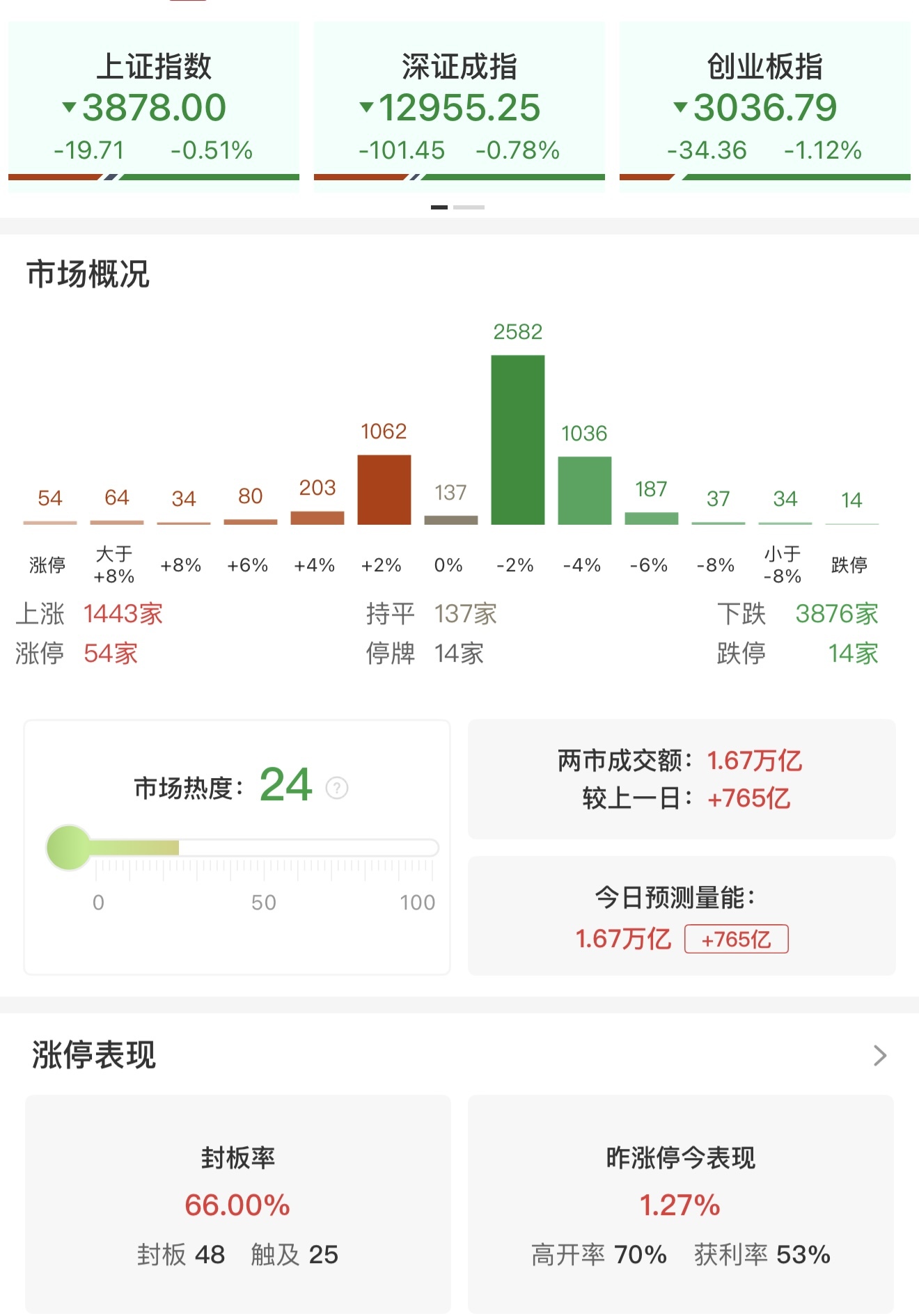
Market Overview - The market experienced fluctuations throughout the day, with the ChiNext Index dropping over 1% after initially rising more than 1% in the morning [1] - The total trading volume in the Shanghai and Shenzhen markets reached 1.67 trillion, an increase of 76.5 billion compared to the previous trading day [1] - More than 3,800 stocks in the market declined, indicating a broad market weakness [1] Sector Performance - The sectors that performed well included cultivated diamonds, coal, and wind power equipment, while AI applications and lithium mining sectors saw significant declines [1] - The Shanghai Composite Index fell by 0.51%, the Shenzhen Component Index dropped by 0.78%, and the ChiNext Index decreased by 1.12% [1] Notable Stocks - The superhard materials concept showed strong activity, with Huanghe Xuanfeng hitting the daily limit [1] - The coal sector strengthened, with Antai Group achieving two consecutive limit-ups, and Dayou Energy and New Dazhou A also hitting the limit [1] - The wind power sector surged, with Dajin Heavy Industry and Delijia both reaching the daily limit [1] - The commercial aerospace concept saw a midday surge, with Shunhao Co. achieving four consecutive limit-ups and Aerospace Machinery Electric reaching two limit-ups in four days [1] - In contrast, the AI application sector collectively weakened, with Fushi Holdings and Yinsai Group experiencing significant declines [1] Limit-Up Performance - The limit-up rate was recorded at 66.00%, with 48 stocks hitting the limit and 25 stocks touching the limit [4] - The previous day's limit-up performance showed a 1.27% return, with a high opening rate of 70% [4]

A股三大指数开盘涨跌不一,创业板指高开0.25%
Feng Huang Wang Cai Jing· 2025-12-03 01:32
Market Overview - A-shares opened mixed on December 3, with the Shanghai Composite Index down 0.09%, the Shenzhen Component Index up 0.11%, and the ChiNext Index up 0.25% [1] - Energy metals and cultivated diamonds sectors saw significant gains, while EDA and agricultural planting sectors experienced declines [1] Institutional Insights - CITIC Securities indicated that there is essentially no liquidity gap in December, and risks to the bond market are limited [2] - The 10-year government bond yield has risen to the upper range of 1.75% to 1.85% following adjustments in November, presenting trading opportunities [2] - However, CITIC Securities believes that the potential for year-end market performance may still be limited, suggesting a flexible adjustment of strategies based on marginal changes in the bond market [2] Investment Recommendations - Huatai Securities recommends focusing on three investment lines for the transportation sector by 2026: 1) Aviation: Anticipated improvement in passenger load factors and ticket prices due to supply constraints and demand recovery [3] 2) Oil shipping: Expected increase in oil shipping rates due to OPEC+ production increases and geopolitical factors [3] 3) Alpha stocks: Attractive valuations in leading companies and high-dividend stocks benefiting from increased allocations [3] Company Analysis - CITIC Jiantou highlighted Alibaba Cloud's acceleration in building B-end barriers through its Qwen model and open-source strategy [4] - The company is increasing capital expenditure to meet strong demand for computing power, with cloud revenue continuing to grow significantly [4] - Recommendations include focusing on Alibaba ecosystem players, early revenue realization in Pre-AI sectors, and vertical AI applications [4]


