
Zhong Guo Huan Jing Bao

Search documents
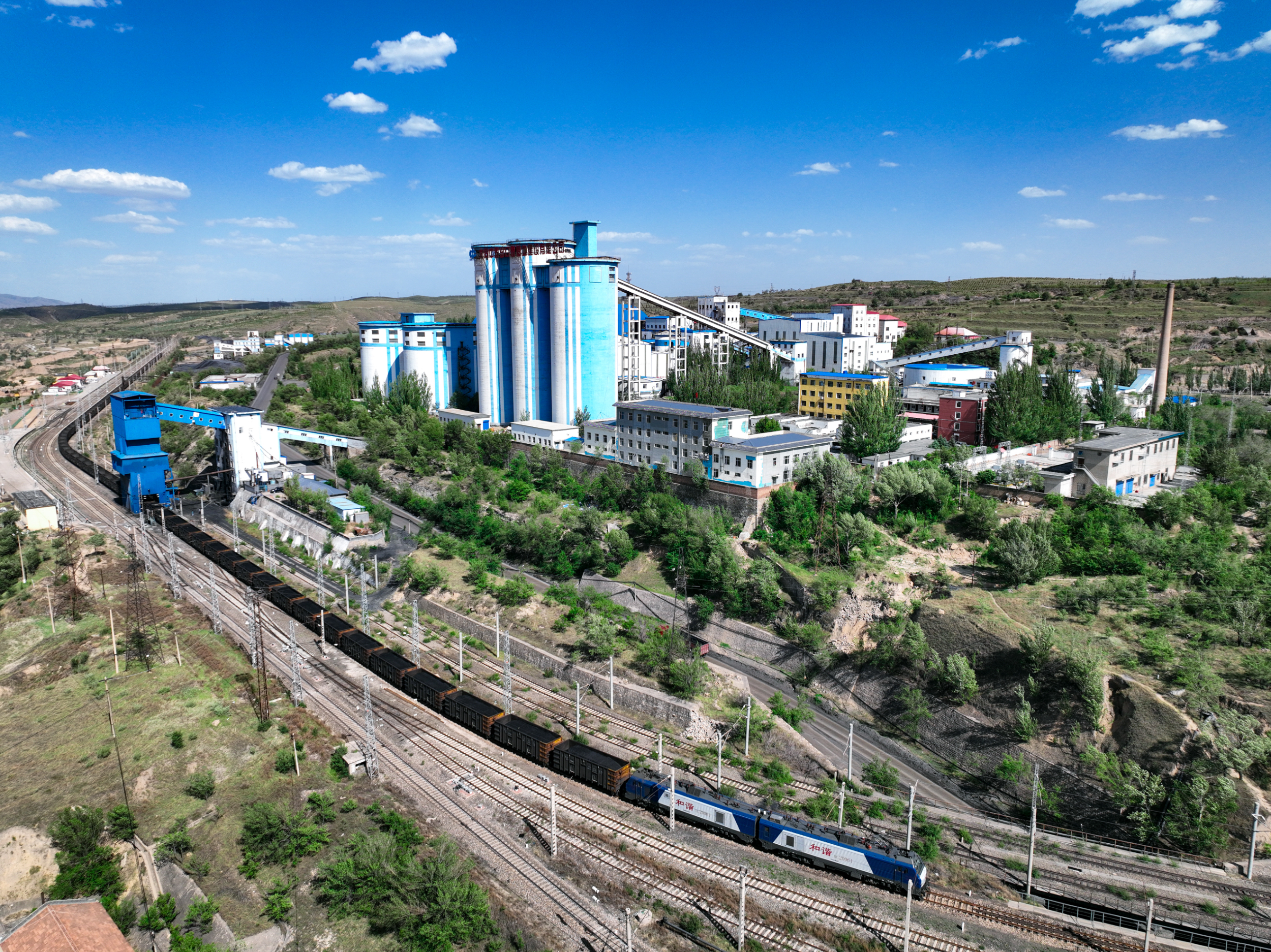
科技绘就青山新卷 创新赋能生态振兴
Zhong Guo Huan Jing Bao· 2025-05-13 06:11
Core Viewpoint - The transformation of the Majiliang Mine represents a model for high-quality development in China's energy sector, emphasizing ecological restoration and technological innovation to achieve sustainable mining practices [3][4]. Group 1: Environmental Improvements - The Majiliang Mine has implemented comprehensive management of water, air, and solid waste, leading to continuous environmental quality improvement [4]. - The mine has replaced four coal-fired boilers with modular gas boilers and smart control systems, resulting in a 50% reduction in heating response time and a 15% increase in thermal efficiency, which translates to a reduction of 3,400 tons of standard coal consumption and over 8,900 tons of CO2 emissions annually [4]. - A water treatment facility with an 8,000 cubic meter daily capacity has been established, utilizing a three-step process to recycle mine water, saving millions of tons of new water resources each year [6]. - The mine has adopted an innovative approach to solid waste management, planting over 30,000 trees and increasing vegetation coverage by 40%, effectively mitigating dust issues from historical waste piles [6]. Group 2: Technological Innovations - The mine has embraced digital transformation, utilizing 5G technology to enhance the precision of coal mining operations, significantly improving coal recovery rates and operational efficiency [8]. - The introduction of a "zero-emission" transportation strategy, including the use of silent, battery-powered vehicles, is projected to reduce carbon emissions by 150 tons annually [8]. - The intelligent coal preparation plant has improved production efficiency and safety, reducing labor costs by 720,000 yuan and increasing the amount of washed coal by 20,000 tons [9]. Group 3: Employee Well-being and Community Engagement - Infrastructure improvements have led to a 95% satisfaction rate among employees, with enhanced facilities for health and recreation [11]. - The mine promotes green practices among employees, with initiatives like tree planting and paperless operations, contributing to significant reductions in resource consumption [11]. - The mine's management emphasizes that the coal industry can be a proponent of ecological development, aiming for harmony between mining operations and environmental sustainability [11].

如何改变恶臭异味“检测达标但投诉不断”的窘境?
Zhong Guo Huan Jing Bao· 2025-05-13 05:40
Core Viewpoint - The issue of odor pollution is increasingly prominent in China, affecting the quality of life for residents and requiring urgent governance measures [1][2]. Group 1: Current Situation - Significant progress has been made in ecological and environmental protection in China, with continuous improvement in environmental quality and increased public satisfaction [1]. - Odor complaints are consistently high in environmental feedback data, indicating the complexity and urgency of addressing this issue [1]. Group 2: Sources of Odor Pollution - Odor pollution originates from various sectors, including industrial production, municipal facilities, and agricultural activities, with key sources being chemical, petrochemical, pharmaceutical, paper, dyeing industries, waste treatment plants, and livestock farming [1]. - These pollutants can adversely affect human health and may pose disease risks, while prolonged exposure can lead to psychological issues such as anxiety and irritability [1]. Group 3: Challenges in Odor Pollution Control - Current detection methods can only identify about 2% of odor factors, making comprehensive monitoring difficult [2]. - The existing odor pollution discharge standards have not been updated for 30 years and require revision [2]. - The intermittent and sudden nature of odor pollution complicates source tracing and evidence collection [2]. - Different industries have unique pollution characteristics, necessitating tailored solutions, which contributes to the ongoing issue of "meeting detection standards but continuing complaints" [2]. Group 4: Solutions for Odor Pollution - A multi-faceted approach is needed to effectively address odor pollution, including the establishment of a comprehensive and stringent emission standard system and a tailored management plan [3]. - Strengthening technological support by developing a full-chain technical system for monitoring, early warning, source tracing, and governance, along with advanced treatment technologies [3]. - Innovating regulatory models by utilizing technologies such as aerial monitoring and drone inspections to enhance regulatory capabilities and efficiency [3]. - Encouraging public participation in monitoring and reporting odor issues, exemplified by initiatives like the "smell inspectors" in Jiaxing, Zhejiang Province [3]. - Promoting collaborative governance by enhancing inter-departmental coordination and encouraging enterprises to adopt cleaner production processes [3].
警惕!急需防范进口铜精矿砷污染风险!
Zhong Guo Huan Jing Bao· 2025-05-13 03:09
我国精炼铜的产能位居世界第一,但受资源禀赋限制,每年需要大量进口铜精矿。2022年我国精炼铜产 量1053.4万吨,占全球总量的41%,其中原生铜冶炼约占70%。当年进口铜精矿2532万吨,对外依存度 达80%。目前铜产量仍不能达到国内铜消费水平,铜冶炼产能会进一步扩张,铜精矿缺口将继续扩大。 为充分利用海外铜精矿资源,保障原料供应,促进我国铜冶炼降本提质,2019年以来,海关总署已先后 批准5家企业在港口保税区开展进口铜精矿混矿业务(即"保税混矿"),就是将来自海外的超标铜精矿 与洁净矿在保税区内进行物理混匀,混合达标再报关,经检验合格后输送至国内铜冶炼企业。 我国《关于公布进口铜精矿中有毒有害元素限量的公告》对进口铜精矿中砷(As)元素限量规定不得 大于0.5%,比国际上的限值标准(通常为0.2%,例如日本和美国)高0.3%。因此,扩大铜精矿的进口 存在一定的环境隐忧。 铜精矿中的砷在高温下挥发进入烟气、造渣进入炉渣,烟气中砷部分收集在白烟尘,剩余进入制酸系统 的污酸中,经中和处理进入产出的炉渣中。最终约0.06%的砷随废气排放,0.04%的砷进入成品硫酸, 99.9%进入含砷固废。砷污染物一旦进入环境, ...
钟寰平:健全体制机制 持续发挥督察利剑作用
Zhong Guo Huan Jing Bao· 2025-05-13 01:39
中共中央、国务院近日印发《生态环境保护督察工作条例》(以下简称《条例》),全面总结新时代生 态环境保护督察的理论和实践经验,进一步健全生态环境保护督察工作体制机制。《条例》的出台,对 于坚持和加强党对生态文明建设和生态环境保护的全面领导,深入推进生态环境保护督察工作,全面推 进美丽中国建设,具有十分重要的意义。 我们看到,《条例》从组织领导和机构职责、督察对象和内容、工作程序和方式、督察整改、督察成果 运用、队伍建设和纪律责任等方面作出了明确的制度安排。这些制度安排,既着眼当前工作中需要清除 的"模糊地带"以及需要加强的薄弱环节,也包含了对生态文明建设和生态环保工作趋势的准确把握以及 对中央生态环境保护督察的统筹谋划,为下一步相关工作的开展指明了方向和路径。 相较于2019年出台的《中央生态环境保护督察工作规定》,《条例》提出"在党中央集中统一领导下, 实行中央和省、自治区、直辖市两级生态环境保护督察制度",有利于进一步坚持和加强党对生态环境 保护督察工作的领导,继续发挥督察利剑作用,推动地方党政领导干部、相关部门和单位生态文明建设 和生态环境保护责任落实;设立督察整改专章,规范整改责任主体、推进落实、整改情 ...
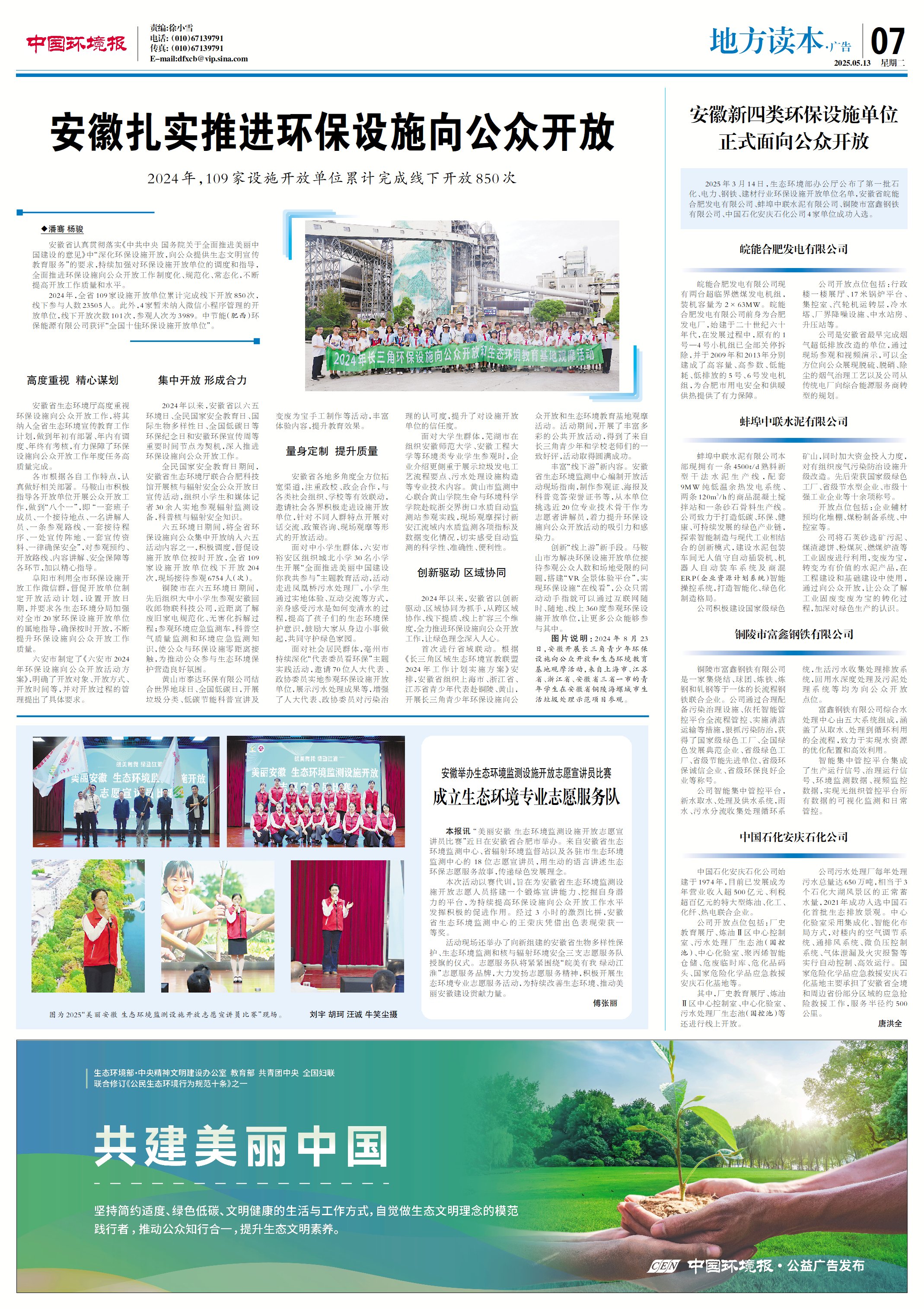
安徽扎实推进环保设施向公众开放
Zhong Guo Huan Jing Bao· 2025-05-13 01:35
Core Viewpoint - The Anhui Province is actively promoting the opening of environmental protection facilities to the public, aligning with national policies to enhance ecological civilization education and public engagement in environmental protection efforts [1][7]. Group 1: Progress and Achievements - In 2024, a total of 109 environmental protection facilities in Anhui completed 850 offline open events, with 23,505 participants [1][7]. - Four additional facilities not managed through the WeChat mini-program conducted 101 offline events, attracting 3,989 visitors [1][7]. - The China Energy Conservation (Feixi) Environmental Energy Co., Ltd. was recognized as one of the "Top Ten National Environmental Protection Facility Open Units" [1][7]. Group 2: Strategic Planning and Implementation - The Anhui Provincial Ecological Environment Department has integrated public facility openings into the annual ecological environment education plan, ensuring systematic deployment, monitoring, and assessment throughout the year [2][10]. - Cities like Ma'anshan and Fuyang have developed specific guidelines and utilized communication platforms to enhance the quality and effectiveness of public engagement activities [2][10]. Group 3: Thematic Events and Public Engagement - Key environmental dates such as World Environment Day and National Security Education Day have been leveraged to promote public access to environmental facilities, with significant participation noted during these events [11][12]. - During the World Environment Day, 204 open events were held, welcoming 6,754 visitors [11][12]. Group 4: Targeted Outreach and Education - Various outreach programs have been tailored for different demographics, including school children, local residents, and university students, to foster environmental awareness and participation [13][14]. - Activities included hands-on experiences at wastewater treatment plants and educational tours focusing on waste management and environmental monitoring [13][14]. Group 5: Innovation and Collaboration - Anhui Province has initiated cross-regional collaborations to enhance public engagement in environmental education, including joint activities with youth representatives from Shanghai, Jiangsu, and Zhejiang [15][16]. - Innovative approaches such as VR platforms for virtual tours of environmental facilities have been introduced to broaden public access and participation [16].
中国塑料加工工业协会副秘书长孟庆君:继往开来、持续履约,推动泡沫行业可持续发展|专家解读⑥
Zhong Guo Huan Jing Bao· 2025-05-13 00:08
Group 1 - The Chinese government has prioritized ozone layer protection since joining the Vienna Convention in 1989 and the Montreal Protocol in 1991, implementing the first national plan for phasing out ozone-depleting substances (ODS) in 1993 [1] - The recently released National Plan (2025-2030) aims to phase out HCFCs and is the first six-year plan for reducing both ODS and hydrofluorocarbons (HFCs), aligning with Xi Jinping's ecological civilization thoughts and promoting green, low-carbon development in related industries [1][2] - The National Plan mandates a ban on HCFCs in the extruded polystyrene foam and polyurethane foam industries starting July 1, 2026, with varying challenges in compliance due to the complexity of alternatives in the polyurethane sector [2] Group 2 - The National Plan enhances management of ODS production, sales, and usage, requiring sales units to only sell to entities with production or usage quotas, thereby improving the regulatory framework and monitoring capabilities [3] - The implementation of mobile monitoring equipment has significantly increased the ability to detect illegal production and use of ODS, contributing to the enforcement of the National Plan [3] - Foam enterprises are encouraged to comply with the National Plan, utilize the information management system, and report illegal activities to achieve the complete phase-out of HCFC-141b, thereby supporting ozone layer protection and sustainable industry development [3]
如何让低空经济飞得更绿更远?
Zhong Guo Huan Jing Bao· 2025-05-12 23:25
低空经济作为新质生产力,应以绿色为底色。在这场"向天空要GDP"的热潮中,怎样推动低空经济绿色 发展,促进低空经济与生态环境和谐共生,成为亟待重视的问题。 低空经济的环境效益和隐忧 低空经济具有显著的环境效益。当前,低空经济在环境领域已展现出多方面的正向效应。在污染防治方 面,低空环境监测技术可精准识别污染源、森林火灾等问题,为生态保护提供实时数据支持。无人机精 准喷洒农药可减少化学药剂使用量,减少土壤污染。在生态改善方面,无人机物流减少了对道路扩建的 需求,从而降低了土地占用和植被破坏概率,有利于保护野生动植物栖息地。低空经济的核心载体—— 电动垂直起降飞行器(eVTOL)、无人机等新型航空器被视为绿色交通的代表,与传统直升机相比, 碳排放量显著降低,且噪声污染更小。 低空经济高度发展亦有环境隐忧。低空经济作为新兴产业,其高速发展也暴露出多方面的环境隐忧。在 环境污染方面,低空飞行器的电池回收问题尚未突破。eVTOL和无人机普遍使用高能量密度锂电池, 若退役电池处理不当,可能造成重金属污染。伴随产业发展,低空经济对固态电池的需求会持续上升, 如相关回收体系不完善,污染将不可控制。此外,低空飞行器产生的电磁辐 ...
保护生物多样性,农作物种质资源库能够发挥怎样的作用?
Zhong Guo Huan Jing Bao· 2025-05-12 07:04
北京市作为种业之都,为响应国家农业可持续发展战略,近年来,加快了建设农作物种质资源库的步 伐,通过收集、保存和研究各类农作物的遗传材料,为农业科研和生产提供了丰富的基因资源。这不仅 有助于提高农作物的抗病虫害能力、适应性及产量,而且对于保护生物多样性具有深远的意义。同时, 农作物种质资源库的建立还为农业科学家提供了研究和开发新品种的宝贵素材,也为未来可能出现的环 境变化和农业挑战做好了准备。 生物多样性是生态系统健康和稳定的基础。农作物种质资源库通过收集和保存不同种类的农作物种子, 为生物多样性的保护提供了物质基础。据了解,北京市农作物种质资源库共保存蔬菜、玉米、麦类、谷 子等作物,涵盖33个科,共计4万余份。这些种子中蕴含的遗传信息是培育新品种、应对气候变化和病 虫害威胁的关键。通过科学管理和合理利用,种质资源库能够为生物多样性保护和农业可持续发展提供 有力支撑。它确保了遗传资源的多样性得以保存,为未来农业的创新和进步奠定了坚实的基础。 当前,北京市农作物种质资源库也面临着资金投入、技术更新和国际合作等多方面的挑战。面对未来, 北京市农作物种质资源库将继续扩大种质资源的收集范围,加强种质资源的保护和研究工作 ...
重庆市生态环境局扎实开展深入贯彻中央八项规定精神学习教育
Zhong Guo Huan Jing Bao· 2025-05-12 06:13
Group 1 - The Chongqing Ecological Environment Bureau has implemented a comprehensive educational initiative to deepen the understanding of the Central Eight Regulations, enhancing political awareness and responsibility among its members [1][2] - The bureau has organized various learning activities, including study sessions and discussions, to ensure that all members grasp the essence of the Central Eight Regulations and their implementation details [2][3] - A dedicated working group has been established to oversee the educational efforts, ensuring effective coordination and timely execution of the learning initiatives [1][3] Group 2 - The bureau emphasizes the importance of self-study and collective learning, integrating the study of the Central Eight Regulations into daily routines and organizational practices [2][3] - Warning signs and bottom-line principles are highlighted through the analysis of typical violations and disciplinary cases, reinforcing the need for vigilance and adherence to regulations [2][3] - Leaders within the bureau are actively identifying and addressing issues related to the implementation of the Central Eight Regulations, creating specific problem lists and corrective measures [3]

强化规划衔接,推动交通基础设施绿色高质量发展
Zhong Guo Huan Jing Bao· 2025-05-12 05:32
Group 1 - The core viewpoint emphasizes the need for enhanced coordination between transportation infrastructure planning and national spatial planning, as well as ecological environment management systems to promote high-quality development and ecological protection [1][2][3] Group 2 - The article highlights the significant area designated as ecological protection red lines, approximately 3.19 million square kilometers, with over 30% of the land area being affected, which poses challenges for transportation infrastructure planning [2] - By 2035, the demand for national highway construction and renovation is projected to be around 58,000 kilometers for expressways and 110,000 kilometers for ordinary national roads, with some routes inevitably crossing ecological protection areas [2][3] - The establishment of an ecological environment zoning control system aims to facilitate high-level ecological protection and high-quality transportation development, with a goal to have a comprehensive control system in place by 2035 [3][4] Group 3 - Recommendations for strengthening the connection between transportation infrastructure planning and ecological management include enhancing inter-departmental collaboration, optimizing site selection to avoid ecological sensitive areas, and implementing green construction practices throughout the infrastructure lifecycle [5][6] - The article suggests that transportation projects should prioritize low-impact development techniques and comply with environmental regulations, especially in sensitive ecological zones [5][6] - A monitoring and evaluation mechanism for planning implementation is proposed to ensure that ecological protection goals are met and to provide data support for future planning adjustments [6]