
Zhong Guo Huan Jing Bao

Search documents
山海惠州展新颜:看“十四五”期间惠州生态环境保护的高分答卷
Zhong Guo Huan Jing Bao· 2025-12-29 02:38
Core Viewpoint - The transformation of Huizhou's ecological environment has been significant, showcasing successful governance and innovative practices in ecological protection and sustainable development during the "14th Five-Year Plan" period [2][3][11]. Group 1: Ecological Achievements - Huizhou has improved its air quality, ranking sixth among 168 key cities in China in 2023, achieving a comprehensive index of 2.46 and an AQI compliance rate of 97.0%, the best in the Pearl River Delta [2][7]. - The city has eliminated 24 Class V tributaries and added 33 good-quality tributaries, with a 100% compliance rate for drinking water source protection areas [7][9]. - The establishment of a comprehensive ecological monitoring network has been completed, ensuring full coverage across all districts [9]. Group 2: Governance and Institutional Innovation - Huizhou has been recognized as "excellent" in environmental protection assessments for five consecutive years, emphasizing the importance of institutional frameworks and innovative service models in ecological governance [3][4]. - The city has implemented a "source control + risk prevention" model for soil management, which has been recognized nationally for its effectiveness [4][11]. - The establishment of ecological environment protection committees at city and county levels has enhanced coordination and accountability in environmental governance [3]. Group 3: Legal and Regulatory Framework - Huizhou has developed local regulations such as the "Dust Pollution Prevention Regulations" and various compensation schemes for ecological damage, strengthening its legal framework for environmental protection [4][5]. - The city has initiated pilot projects for environmental impact assessments, streamlining processes to facilitate industrial development while ensuring ecological safety [4]. Group 4: Enforcement and Compliance - The city has adopted a combination of strict and flexible enforcement strategies, resulting in a significant reduction in penalties for minor violations, promoting a win-win situation for ecology and business [5][6]. - The use of technology in enforcement has improved the precision and efficiency of ecological monitoring and compliance checks [9]. Group 5: Innovative Projects and Recognition - Huizhou has been recognized for its innovative projects, such as the first public trading of mangrove carbon credits, which supports ongoing ecological restoration efforts [10][11]. - The city has been acknowledged for its exemplary practices in building a "waste-free city," contributing to the development of a world-class green petrochemical industry [11].


探索“无废农牧”新模式,云浮新兴让畜禽粪污“变废为宝”
Zhong Guo Huan Jing Bao· 2025-12-28 10:13
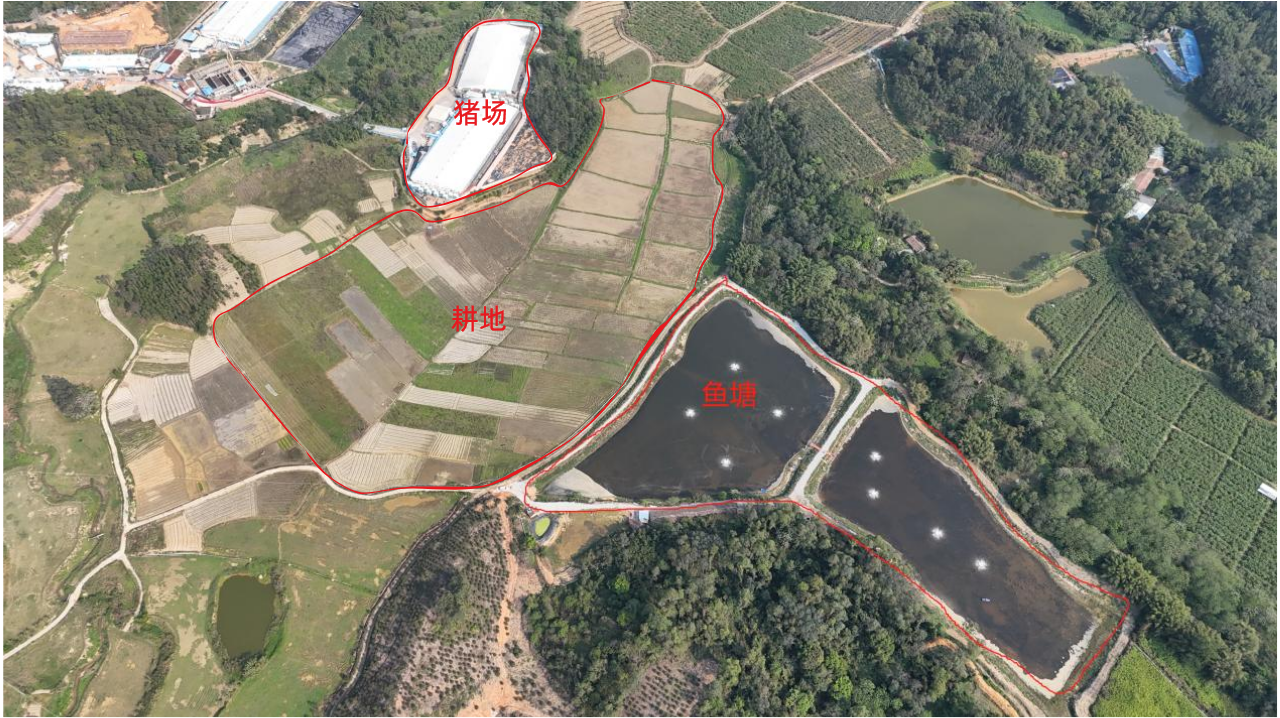
Core Viewpoint - The article highlights the transformation of traditional livestock farming in Xinxing County, Guangdong Province, towards an eco-friendly and resource-recycling model, addressing pollution issues while promoting sustainable agricultural development [1]. Group 1: Transformation of Livestock Farming - Xinxing County has shifted from a "heavy farming, light governance" model to an intelligent, ecological, and resource-oriented approach, creating a "waste-free agricultural and animal husbandry" closed-loop system [1]. - The county has successfully implemented a "pig-biogas-field-fish" and "pig-biogas-forest" ecological agricultural cycle, turning waste into valuable resources [2][5]. Group 2: Resource Utilization and Economic Benefits - The high village pig farm processes waste into biogas, liquid fertilizer, and solid waste, achieving over 95% resource utilization of livestock waste [2]. - The farm's 105 acres of arable land can absorb 20 cubic meters of biogas liquid and 1 ton of pig manure per acre, resulting in a 60% utilization rate of biogas liquid and 100% for pig manure, significantly enhancing crop yield and quality [3]. Group 3: Technological Innovations - The county promotes a "company + base + farmer" model for intensive farming, leveraging IoT and big data for smart upgrades, which improves livestock growth efficiency and reduces waste generation [5]. - The introduction of solar oxygen machines and energy-efficient pumps, combined with smart control systems, optimizes energy use and reduces carbon emissions in livestock farming [7]. Group 4: Extension of Waste-Free Concept - The successful practices in the agricultural sector have led to the initiation of "waste-free county" and "waste-free agricultural town" projects, aiming to extend the waste-free concept to urban construction, industrial production, and daily consumption [8]. - The county is focused on creating a model that balances ecological and economic benefits, with ongoing improvements in the "waste-free agricultural" model expected to provide replicable experiences for other regions [8].
湖州南浔区推动木业生产全过程、产业全链条绿色升级
Zhong Guo Huan Jing Bao· 2025-12-28 06:14
Group 1 - Zhejiang Shiyou Wood Industry Co., Ltd. has transformed its production process by switching to water-based paints, significantly reducing volatile organic compound emissions to 0.1g/L, which is about 1/1200 of the national standard [1] - The new water-based paint production line has achieved a 40% reduction in energy consumption and a 65% decrease in carbon emissions compared to traditional methods [1] - The company is also enhancing its product durability through the development of titanium crystal anti-scratch UV paint technology, which improves the hardness of wood products beyond national standards [1] Group 2 - The wood industry in Nanxun has faced challenges due to poor industrial structure and increasing ecological pressures, leading to a development bottleneck since 2010 [2] - In response, Nanxun has implemented an industrial technology innovation enhancement project to transition from traditional manufacturing to intelligent and green manufacturing [2] - The local government has supported wood enterprises in upgrading equipment and developing new processes, resulting in increased product value and market competitiveness [2] Group 3 - Local companies like Huzhou Dongge Intelligent Home Co., Ltd. are adopting advanced technologies such as laser engraving to innovate wood flooring designs and expand product applications [3] - The supportive business environment and policies in Nanxun have facilitated the transformation of wood enterprises, with new technology-driven initiatives being encouraged [3] - In 2023, Nanxun has seen the addition of several provincial and national technology-based small and medium enterprises, indicating a growing focus on innovation and high-quality development in the wood industry [3]
《企业ESG蓝皮书(2025)》发布:我国企业ESG发展指数首次突破50分
Zhong Guo Huan Jing Bao· 2025-12-28 04:10
新兴趋势凸显。企业ESG管理正迈向"智能化、一体化",近半数企业已部署环境监测系统,ESG数据自 动化采集比例持续提高。社会责任实践向"产业赋能+价值共创"模式深化,同时,ESG风险正被加速纳 入企业核心合规与内控体系。 为树立标杆、引导可持续发展,项目组依据《企业环境社会治理(ESG)评价指南》(T/ACEF 168 -2024),经系统评价与第三方鉴证,同步发布了"2025中国企业ESG指数100"榜单,并精选出10个国 内ESG卓越实践案例及10个出海企业ESG典型案例。 研究发现,2024年度中国企业ESG发展呈现三大显著变化。 整体突破,格局分化。ESG指数首次跨越50分,呈现"头部引领、中部追赶、尾部收缩"态势。头部10% 企业平均得分达79.2分,已逼近国际一流水平;中部80%企业均分提升至56.3分,与头部差距持续收 窄;尾部企业虽仍滞后,但整体呈现合理分化。 维度发展不均衡。社会维度以56.6分继续领跑;环境维度得分54.9分,两年累计提升12.6分,增速最 快,成为支撑"双碳"目标的重要增长极;治理维度得分42.7分,虽年度增幅最大,但仍为明显短板,其 信息披露得分率仅约30%,是制约整体 ...
利用CCER收益破解行业“高成本、低收益”困境 推动强效温室气体减排|CCER方法学解读
Zhong Guo Huan Jing Bao· 2025-12-26 08:19
为助力能源电力装备绿色转型,近日,生态环境部、国家能源局联合印发了《温室气体自愿减排项目方 法学 电气设备六氟化硫回收和净化》,明确了六氟化硫(SF6)回收净化项目的适用条件、减排量核算 与监测规范,填补了全国温室气体自愿减排交易市场在SF6电气装备领域的空白。 作为电力设备绝缘与灭弧的关键介质,六氟化硫(SF6)是一种强效温室气体,推动其减排对落实覆盖 全经济范围温室气体的我国新一轮国家自主贡献(NDC)目标具有重要意义。 当前,我国大量SF6电气设备进入检修更替期,年处理需求达数千吨。本方法学适用的具体项目类型有 哪些?项目须满足什么条件?企业可以获得多少核证自愿减排量(CCER)收益?是否会促进相关回收 净化或原料替代技术的发展?带着这些问题,中环报记者采访了方法学编制成员之一、国家电网有限公 司基建部副主任周新风。 SF6作为强温室气体,全球变暖潜能(GWP)值约为CO2的23500倍 中国环境报:电气设备六氟化硫回收和净化在温室气体减排方面有怎样的重要意义? 周新风:六氟化硫(SF6)回收和净化对温室气体减排意义重大,核心是减少高GWP值气体的泄漏与排 放,助力"双碳"目标达成。主要体现在如下几个方 ...
我国氢能领域首个CCER方法学,撬动绿氢的巨大减排潜力|CCER方法学解读
Zhong Guo Huan Jing Bao· 2025-12-26 08:12
Core Viewpoint - The release of the "Renewable Energy Electrolysis Hydrogen Production Methodology" marks a significant step in China's hydrogen energy sector, aiming to promote decarbonization and enhance the trading of carbon assets through clean hydrogen production [1][2]. Group 1: Importance of Renewable Hydrogen - Hydrogen is recognized as a clean and efficient energy source, essential for future energy systems, with global hydrogen consumption projected to reach 105 million tons by 2024 [2]. - China produces over 36.5 million tons of hydrogen, accounting for 24% of global production, but 98% of this is derived from fossil fuels, highlighting the need for renewable hydrogen production [2]. - The new methodology aims to convert emission reductions from clean hydrogen projects into tradable carbon assets, significantly impacting sectors like steel, chemicals, and transportation in achieving carbon neutrality goals [2]. Group 2: Current Development Status - The electrolysis hydrogen production industry in China is rapidly developing, with over 600 planned projects and more than 90 completed projects, yielding an annual capacity of approximately 125,000 tons [3]. - Alkaline electrolysis technology is currently dominant, while proton exchange membrane technology is catching up; however, the cost of green hydrogen remains significantly higher than traditional fossil fuel methods [3]. - The application of hydrogen is expanding from transportation to industrial sectors, exploring integrated projects that combine renewable energy with hydrogen production [3]. Group 3: Policy Support - The Chinese government has prioritized hydrogen energy, including it in the 2024 government work report and the Energy Law, with plans for large-scale applications in industries by 2027 [4]. - Policies are designed to support the hydrogen industry, particularly in industrial applications, providing clear guidance for development and investment [4]. Group 4: Project Eligibility and Potential - The methodology applies to new renewable energy electrolysis hydrogen projects that primarily use self-owned wind or solar power, excluding existing facilities and projects using purchased green certificates [5]. - Current eligible projects are estimated to have an annual emission reduction potential of about 1.57 million tons of CO2 equivalent, with projections suggesting this could rise to 6 million tons by 2030 [5]. Group 5: Economic Viability - Participation in the voluntary carbon market through emission reduction credits (CCER) is seen as a key method to enhance project economics, with significant potential to shorten investment recovery periods [8]. - For example, a project in Inner Mongolia with an investment of approximately 1 billion yuan could see its payback period reduced from 9.21 years to 8.77 years with CCER income [8]. Group 6: Data Quality and Monitoring - The methodology emphasizes high standards for data quality, requiring real-time monitoring of key parameters and ensuring traceability of data through connections to national carbon trading platforms [11]. - Project owners must establish robust internal data management systems and maintain comprehensive records to ensure compliance and data integrity [11]. Group 7: Challenges in Project Development - Key challenges include ensuring project compliance, maintaining the uniqueness of environmental benefits, and establishing a comprehensive monitoring and quality control system from the outset [12]. - Projects must also navigate resource management and ecological constraints, ensuring that water usage does not impact local communities and ecosystems [12].
为何基层认为管理很到位,督察却还能发现问题?
Zhong Guo Huan Jing Bao· 2025-12-26 06:15
Core Viewpoint - The article highlights the challenges faced by grassroots ecological environment law enforcement personnel in identifying and solving pollution issues, emphasizing the need for improved capabilities and systematic thinking in their regulatory practices [1][2][3] Group 1: Challenges in Law Enforcement - Grassroots ecological environment law enforcement personnel often believe they are effectively managing pollution sources, yet issues are still identified by higher-level inspection teams, indicating a gap in problem detection and resolution capabilities [1] - The lack of professional quality and legal literacy among grassroots enforcement teams, compounded by the retirement of experienced personnel and the slow development of new recruits, contributes to the challenges faced [1] - The increasing sophistication and concealment of illegal activities by pollution sources make timely problem detection more difficult [1] Group 2: Recommendations for Improvement - Law enforcement personnel should focus on enhancing their theoretical knowledge related to pollution discharge mechanisms, production processes, and environmental impacts to improve their problem detection skills [2] - Practical experience is essential; personnel should engage deeply with pollution sources to understand their processes and potential issues, rather than merely performing routine inspections [2] - A systematic thinking approach is necessary, allowing personnel to view problems in the context of broader ecological regulations and industry characteristics, which aids in identifying the root causes of environmental issues [3] Group 3: Problem Solving - Identifying problems is only the first step; law enforcement personnel must also assist pollution sources in finding effective solutions to ensure ecological safety [3]
致企业的那封信应兼具温情与力度
Zhong Guo Huan Jing Bao· 2025-12-26 01:52
Core Viewpoint - The practice of sending letters to enterprises by ecological environment departments is an effective method for public governance in ecological protection, enhancing communication and engagement with businesses [1][2]. Group 1: Advantages of Sending Letters - Sending letters to enterprises offers unique advantages over traditional document dissemination, including more engaging language and faster communication [1]. - This method can be particularly effective in scenarios where broad participation from enterprises is needed, such as during significant environmental events or in response to urgent situations like heavy pollution [1]. Group 2: Characteristics of Effective Letters - Letters should be written with a friendly and service-oriented tone, avoiding condescending language that may alienate businesses [2]. - The content must be relatable and clear, translating complex ideas into simple terms that resonate with enterprises, fostering empathy and understanding [2]. - Specificity is crucial; letters should contain clear directives and avoid vague language to ensure actionable responses from businesses [2]. Group 3: Timing and Frequency - The timing of sending letters is critical; they should not be overly frequent to avoid becoming a formality that loses impact and may lead to annoyance among enterprises [2]. - It is recommended that ecological environment departments limit the number of letters sent each year to one or two during essential times [2]. Group 4: Overall Management Approach - Sending letters is just one management tool; the core focus should be on thorough and diligent daily operations, including effective policy communication and fair enforcement [3]. - A well-crafted letter should reflect a commitment to ecological protection and genuine concern for enterprises, showcasing the warmth and wisdom of environmental managers [3].
现代金融如何精准有效支撑生态环境科技创新?
Zhong Guo Huan Jing Bao· 2025-12-26 00:32
Core Viewpoint - The transition to a green and low-carbon economy is an irreversible trend, necessitating significant investment and policy guidance from developed countries, while China aims to leverage ecological innovation to achieve its "dual carbon" goals and establish a new development advantage [1] Group 1: Current State of Green Finance in China - China has established the world's largest green finance system, providing a crucial foundation for supporting ecological innovation [2] - The green loan balance reached 36.6 trillion yuan by the end of 2024, making China the leader globally, with growth rates significantly surpassing average loan growth [2] - The green finance market is thriving, offering diverse financing options such as equity and bonds for technology companies at various stages [2] Group 2: Government Initiatives and Market Dynamics - Government-led platforms like the National Green Development Fund support key technology projects through equity investments, effectively addressing market failures [3] - Despite notable achievements, there are still shortcomings in financial resource allocation, particularly in supporting early-stage technology development compared to developed countries [3] Group 3: Challenges in Financial Support - There is a mismatch between risk and return, with banks favoring established projects over early-stage innovations, leading to financing difficulties for light-asset tech companies [3] - The structure of financing terms is imbalanced, with green bonds typically having shorter maturities that do not align with long R&D cycles [4] Group 4: Professional Capacity and Policy Coordination - Financial institutions in China are still developing their professional assessment capabilities, which hinders effective investment in ecological technologies [4] - Existing policies lack targeted support for early-stage R&D and concept validation projects, and the effectiveness of market mechanisms like carbon markets remains limited [4] Group 5: Recommendations for Improvement - A new financial support framework for ecological innovation should be established, emphasizing a dual-driven approach of policy and market collaboration [5] - Financial products and services need innovation to shift from risk aversion to effective risk management, including the development of specialized funds and new financing tools [6] - Professional capacity building is essential, with a focus on creating specialized departments within financial institutions and establishing standardized technology assessment systems [7] - A supportive ecosystem for innovation should be cultivated, including tax incentives for early-stage investments and enhanced fiscal support for foundational research [7]
坚决守牢监测数据质量“第一道防线”
Zhong Guo Huan Jing Bao· 2025-12-25 23:27
Core Viewpoint - The introduction of the "Supplementary Requirements" aims to standardize the ecological environment monitoring market and ensure the quality of monitoring data, which is crucial for effective environmental decision-making and governance [1][2]. Group 1: Regulatory Framework - The "Supplementary Requirements" consist of 23 specific regulations designed to create a comprehensive quality control system for ecological environment monitoring [2]. - Key provisions include a minimum requirement of 20 monitoring personnel for institutions, detailed qualifications for staff, and the necessity for specialized equipment to prevent data tampering [2][3]. - Institutions are required to establish systems to prevent and punish data falsification, clarifying responsibilities among management and staff [2][4]. Group 2: Implementation and Compliance - Monitoring institutions must internalize the "Supplementary Requirements" and avoid complacency, as data falsification can lead to severe reputational and market consequences [4]. - Institutions are encouraged to proactively identify shortcomings and develop specific rectification measures to integrate the requirements into their operations [4][5]. - The implementation approach allows new institutions to comply immediately while existing ones transition gradually, ensuring both strictness and flexibility in policy application [4][5]. Group 3: Role of Regulatory Bodies - Regulatory bodies are advised to adopt a dual approach, encouraging well-managed institutions while providing tailored support to those with weaker monitoring capabilities [3]. - There is an emphasis on verifying both the hardware (personnel and equipment) and the software (internal management systems) of monitoring institutions to ensure compliance [3]. - Local regulatory bodies may develop innovative measures to manage cross-regional monitoring activities, enhancing order in the monitoring process [3]. Group 4: Importance of Ecological Monitoring - Ecological environment monitoring is identified as a critical technical support for building a beautiful China, and the "Supplementary Requirements" represent an opportunity for high-quality development in this sector [5]. - Effective collaboration between regulatory bodies and monitoring institutions is essential to translate policy requirements into practical governance outcomes, ensuring the reliability of monitoring data [5].