
Zhong Guo Huan Jing Bao

Search documents
广西召开秋冬季大气污染防治攻坚推进会 着力解决结构性长期性根源性问题
Zhong Guo Huan Jing Bao· 2025-10-30 04:42
Core Points - The Guangxi Zhuang Autonomous Region held a meeting to advance air pollution prevention efforts for the autumn and winter of 2025, emphasizing the importance of implementing national policies and addressing air quality issues [1][2] Group 1: Air Quality Management - The region has faced significant air quality deterioration due to open burning of sugarcane leaves and fireworks during the Spring Festival, but effective measures have been taken to reverse this trend [1] - The autumn and winter seasons are identified as critical periods for pollution, necessitating a comprehensive approach to air quality management [1][2] Group 2: Action Plans and Strategies - The meeting highlighted the need to focus on the goals outlined in the "Guangxi 2025-2026 Autumn and Winter Air Pollution Prevention Action Plan," emphasizing a multi-faceted approach to pollution control [2] - Key strategies include improving the utilization of sugarcane leaves, enforcing regulations on fireworks, optimizing industrial and energy structures, and enhancing dust and cooking fume management [2] - The importance of early warning and coordinated responses to pollution events was stressed, along with the need to address heavy metal safety and livestock pollution [2]
潍坊奋力谱写人与自然和谐共生新篇章
Zhong Guo Huan Jing Bao· 2025-10-30 01:56
Core Viewpoint - The city of Weifang in Shandong Province is actively implementing the concept of "Lucid waters and lush mountains are invaluable assets," focusing on ecological protection and high-quality development, aiming to become a leader in green and low-carbon development in the province [2][19]. Group 1: Ecological Development Initiatives - Weifang has been recognized as one of the first national pilot cities for coordinated innovation in pollution reduction and carbon reduction, with several districts awarded as national ecological civilization demonstration areas [2][3]. - The city has achieved significant improvements in air quality, with PM2.5 average concentration improving by 30.6% compared to 2020, ranking first in the province [3][15]. - The city has completed the transformation of rainwater and sewage systems in counties, with the proportion of good water bodies in national and provincial controlled rivers reaching 71.4% and 60% respectively by 2024 [4][16]. Group 2: Pollution Control and Environmental Protection - Weifang has implemented a comprehensive approach to pollution control, focusing on air quality, water quality, and soil safety, with a commitment to achieving a "waste-free city" by 2024 [4][16]. - The city has completed the treatment of wastewater in 3,945 administrative villages, achieving dynamic clearance of rural black and odorous water bodies [17]. - The city has established a multi-dimensional governance system for pollution prevention, integrating air, water, soil, and solid waste management [12][18]. Group 3: Economic and Financial Support for Green Development - Since the 14th Five-Year Plan, Weifang has secured 1.22 billion yuan in pollution prevention funds and 20 million yuan in emission reduction subsidies, promoting green financial projects [18]. - The city has implemented an environmental performance rating system, with 82 enterprises rated as A or B, promoting self-driven transformation and upgrades among businesses [18]. - Weifang has pioneered a cross-city adjustment mechanism for environmental factor indicators, facilitating project acceleration and addressing resource bottlenecks [18].

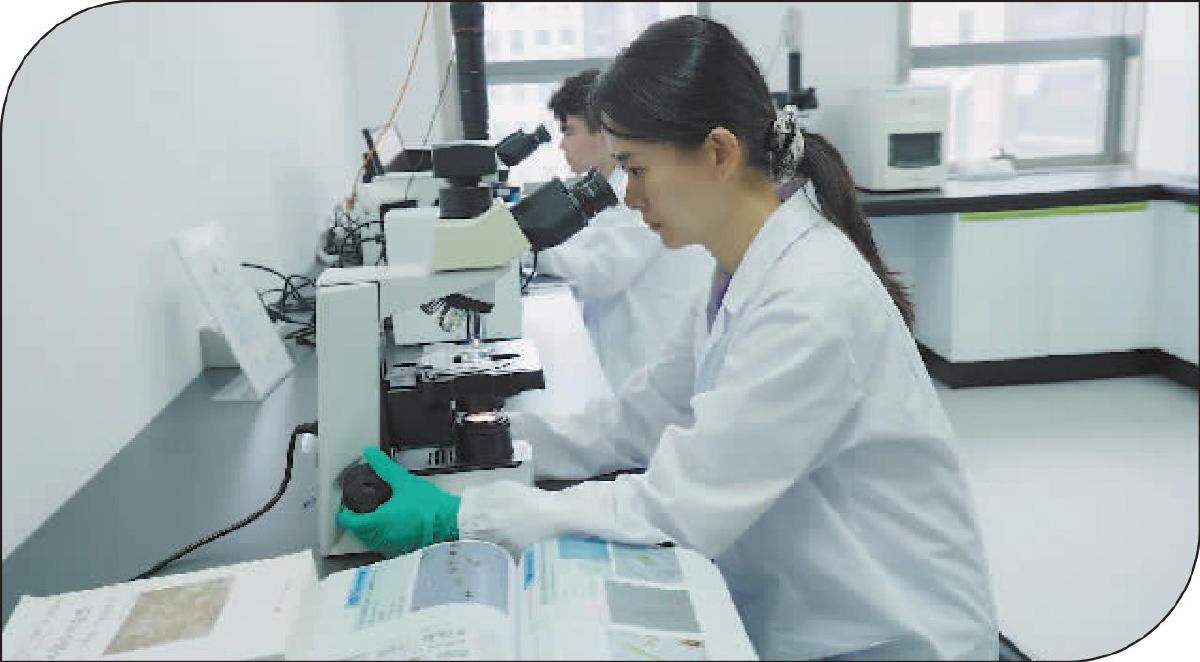
湖南省生态环境监测中心|五十载风雨守望 新时代绿色征程
Zhong Guo Huan Jing Bao· 2025-10-30 01:09
Core Insights - The Hunan Provincial Ecological Environment Monitoring Center has achieved early warning and precise positioning, advancing ecological monitoring towards digital intelligence, precision, and efficiency [2][7] Group 1: Historical Development - Established in 1975, the center has evolved from manual sampling to a smart monitoring system, marking significant progress in ecological monitoring over 50 years [2][10] - The center has built a comprehensive ecological monitoring system that integrates various elements and methods, contributing to the improvement of environmental quality in Hunan [2][3] Group 2: Environmental Challenges and Responses - Hunan, known for its rich mineral resources, faces significant environmental management challenges, particularly concerning heavy metal pollution [3] - Since 1979, the province has initiated research on pollution control, leading to significant achievements in monitoring and managing water quality, particularly in the Xiangjiang River [3][4] Group 3: Monitoring System Enhancements - The province has established a three-dimensional monitoring system covering water, air, soil, and noise, with improvements in water quality metrics from 93.6% to 97.6% for surface water [4][5] - The center has developed a network of 534 water quality monitoring points and enhanced air quality monitoring across various administrative levels [4][5] Group 4: Technological Innovations - The center has established a key laboratory for heavy metal pollution monitoring, leading to the development of real-time monitoring technologies and significant research outputs [5][6] - Innovations include the deployment of mobile monitoring systems and AI-driven detection technologies, enhancing the precision and efficiency of environmental monitoring [7][8] Group 5: Smart Monitoring Framework - The center has created a "smart monitoring" system that integrates various technologies for proactive environmental management, significantly improving response times to pollution incidents [7][9] - The establishment of decision support platforms utilizing AI and big data has enabled precise pollution forecasting and effective decision-making [8][9] Group 6: Future Directions - The center aims to further enhance its monitoring capabilities by improving data accuracy and integrating advanced digital technologies, contributing to the broader goal of building a beautiful China [10]
广西着力解决结构性长期性根源性问题
Zhong Guo Huan Jing Bao· 2025-10-30 01:09
Core Points - The Guangxi Zhuang Autonomous Region held a meeting to advance air pollution prevention efforts for the autumn and winter of 2025, emphasizing the importance of implementing national policies and addressing air quality issues [1][2] - The region's air quality has significantly declined due to factors such as open burning of sugarcane leaves and fireworks during the Spring Festival, prompting a comprehensive response to reverse this trend [1][2] Group 1 - The meeting highlighted the need for a coordinated approach to tackle air pollution, balancing development and environmental protection while addressing structural and long-term issues [1][2] - Specific strategies include improving the utilization of sugarcane leaves, enforcing regulations on fireworks, and optimizing industrial, energy, and transportation structures to reduce emissions [2] - The region aims to enhance air quality management capabilities and achieve sustainable improvements in air quality [1][2] Group 2 - The action plan for 2025-2026 focuses on key areas such as the comprehensive utilization of agricultural waste, strict regulation of fireworks, and the promotion of clean energy [2] - Measures will be taken to control dust and cooking fumes, ensuring that urban life is maintained while protecting air quality [2] - The meeting also addressed the need for effective responses to pollution events, emphasizing early warning and coordinated actions to mitigate air quality deterioration [2][3]
中国人民大学教授陈敏鹏:农业适应气候变化亟待系统性规划
Zhong Guo Huan Jing Bao· 2025-10-29 13:28
Core Viewpoint - The article discusses the impact of extreme weather events and climate change on agriculture in China, emphasizing the need for proactive measures to enhance climate resilience in farming practices and infrastructure [3][4][5]. Group 1: Impact of Extreme Weather on Agriculture - Extreme weather events, such as droughts and floods, have significantly affected agricultural production, particularly in central China during the summer of 2025 [3]. - Traditional farming practices are becoming less effective due to the increasing frequency and intensity of extreme weather, necessitating a shift towards systematic adaptation strategies [4][5]. Group 2: Vulnerability of Different Farming Entities - Smallholder farmers, relying on traditional knowledge, are more vulnerable to climate risks compared to larger agricultural enterprises that have better access to resources and information [4]. - Larger agricultural companies can enhance their risk management capabilities through asset allocation and strategic planning [4]. Group 3: Recommendations for Farmers - Farmers should improve their understanding of climate change and its risks to take adaptive actions effectively [6]. - Access to precise information and guidance on climate adaptation strategies is crucial for farmers, with a focus on transforming weather alerts into actionable guidelines [6]. Group 4: Infrastructure and Emergency Systems - There is a pressing need to develop agricultural emergency response systems, but adaptation should be integrated into all levels of decision-making and planning [7]. - The Chinese government has initiated a national strategy for climate change adaptation, guiding provinces to develop localized action plans [7]. Group 5: Building Climate-Resilient Agriculture - Key areas for developing climate-resilient agriculture include strategic planning, infrastructure upgrades, and promoting adaptive technologies [8][9]. - Establishing a low-carbon agricultural standard system is essential for achieving China's dual carbon goals, alongside encouraging consumer choices that favor low-carbon products [10].

义乌从共享到共治
Zhong Guo Huan Jing Bao· 2025-10-29 01:01
Core Viewpoint - Yiwu, known as the "World Commodity City," is making significant strides in ecological civilization construction, implementing Xi Jinping's ecological civilization thoughts and achieving national-level honors in environmental protection [7][22]. Group 1: Ecological Initiatives - Yiwu has established a "Green Water and Green Mountain is Gold and Silver Mountain" practice innovation base, winning the "Five Water Governance" Da Yu Ding for nine consecutive years, with increasing ecological satisfaction ratings [7][22]. - The city has developed various volunteer teams, including "QR Code Managers" and "Yanghe Longs," to engage the community in environmental protection efforts [8][19]. Group 2: Volunteer Engagement - The Yiwu Ecological Environment Bureau has created diverse platforms to connect social responsibility with volunteerism, fostering a culture of environmental stewardship among citizens [8][22]. - The "Green Pioneer Ecological Assistance" initiative, led by party members, provides tailored support to enterprises, enhancing their compliance with environmental regulations [9][10]. Group 3: Community and International Collaboration - The establishment of the Yiwu Ecological Volunteer Association marks a significant step in mobilizing social forces for ecological protection, with 191 initial volunteers participating in various environmental activities [12][22]. - An international volunteer service team has been formed in the Ji Ming Mountain community, promoting cross-cultural collaboration in environmental governance [16][17]. Group 4: Agricultural and Rural Development - Volunteers are actively involved in agricultural practices, such as the "straw exchange for fertilizer" initiative, which reduces burning risks and promotes sustainable farming [19][20]. - The integration of ecological tourism with rural revitalization efforts has led to significant visitor numbers, showcasing the potential for economic benefits from environmental initiatives [20][22]. Group 5: Policy and Governance - Yiwu's volunteer services have effectively extended environmental oversight, complementing professional enforcement and improving regional environmental quality [22][23]. - The city's experience highlights the importance of social participation, brand projects, and integration with governance for successful ecological civilization initiatives [23][24].
开发利用屋顶空间 破解城市生态困局
Zhong Guo Huan Jing Bao· 2025-10-28 05:23
Core Viewpoint - The integration of rooftop greening systems with distributed photovoltaic technology is essential for improving energy efficiency, reducing carbon emissions, and enhancing urban microclimates as urbanization rates exceed 65% in China [1] Current Challenges - The complex ownership of urban rooftop spaces poses significant obstacles to project advancement, as usage rights are often dispersed among numerous owners in residential and commercial buildings [2] - Existing buildings, particularly older ones, frequently lack the necessary load-bearing capacity for integrated projects, with typical rooftop load designs ranging from 50kg/m² to 150kg/m², while integrated renovations require a minimum of 200kg/m² [2] - Distributed photovoltaic systems must meet local consumption and surplus electricity grid connection requirements, which can lead to grid backflow issues; high investment costs and long payback periods also hinder project promotion, with typical industrial projects costing around 200 yuan/m² and payback periods exceeding 10 years [3] Solutions for Advancement - To promote the integration of rooftop greening and photovoltaic systems, a collaborative approach involving policy enhancement, technological innovation, and economic incentives is necessary [4] - Institutional innovations should be implemented at the national level to clarify rooftop space ownership, establish fair usage rules, and create transparent profit-sharing mechanisms; project implementation efficiency can be improved through streamlined processes and online platforms for project registration and grid connection [4] - Standards should be developed to enhance quality and efficiency, including lightweight photovoltaic components for high-rise buildings and modular production techniques; mandatory installation of anti-backflow devices and energy quality monitoring systems is essential for grid safety [4] - Financial support should be increased, expanding the coverage of "photovoltaic loans" and allowing green electricity revenue rights as collateral; innovative business models such as energy management contracts and rooftop leasing with profit-sharing should be explored [5]
黑龙江“十四五”期间生态环境质量稳居全国第一梯队 年均减排二氧化碳六千余吨
Zhong Guo Huan Jing Bao· 2025-10-28 04:44
Core Viewpoint - During the "14th Five-Year Plan" period, Heilongjiang Province has achieved significant progress in ecological and environmental quality, ranking among the top tier in the country, with six consecutive years of excellent performance in pollution prevention assessments [1][2]. Group 1: Ecological Protection Initiatives - The province focuses on addressing urgent environmental issues for the public, emphasizing the importance of clean air, water, and soil [1]. - By 2024, the proportion of good air quality days is expected to increase by 1.3 percentage points compared to 2020, and PM2.5 concentration is projected to decrease by 0.6 micrograms per cubic meter [1]. - The improvement of water quality in the Songhua River is highlighted, with a target of increasing the proportion of good water quality monitoring sections by 10.2 percentage points by 2024 compared to 2020 [2]. Group 2: Economic Development through Ecological Value - The province aims to catalyze economic growth through ecological value, establishing a comprehensive ecological environment zoning and control system [2]. - Since the launch of the national carbon emissions trading market, 99 key emission units in Heilongjiang have actively participated, with a notable project in Daxing'anling that reduces carbon dioxide emissions by over 6,000 tons annually [2]. Group 3: Legal Framework for Environmental Governance - Heilongjiang has implemented local regulations and standards tailored to its specific conditions, focusing on water pollution prevention and other environmental laws [2]. - Innovative systems such as environmental judicial linkage and ecological compensation have been developed to enhance legal governance in environmental protection [2]. Group 4: Technological Empowerment in Environmental Management - The establishment of digital platforms for environmental monitoring and data analysis has been prioritized, utilizing big data and cloud computing for real-time environmental data collection and intelligent decision-making [3]. - The "smart environmental protection" system aims to upgrade environmental supervision from manual to technological and intelligent methods [3].
“十五五”时期,四川生态环境保护工作如何发力?
Zhong Guo Huan Jing Bao· 2025-10-28 00:20
Core Points - The "15th Five-Year Plan" period is crucial for Sichuan Province to achieve socialist modernization and advance the construction of a beautiful China, emphasizing ecological protection and high-quality development [1] Group 1: Carbon Neutrality and Emission Control - Sichuan aims to achieve carbon peak goals by transitioning to dual control of carbon emissions and intensity, establishing a comprehensive evaluation system for carbon neutrality [2] - The province will expand the carbon trading market and innovate regional carbon management mechanisms to promote low-carbon development [2] - Key areas will focus on collaborative innovation in pollution reduction and carbon reduction, ensuring completion of national carbon peak pilot tasks [2] Group 2: Green Economic Transformation - The province will optimize spatial structure through ecological environment zoning and enhance management of environmental factors [3] - Sichuan will adjust its industrial structure by promoting green upgrades and developing strategic emerging industries [3] - Energy structure will be optimized by promoting clean energy and implementing the "Electric Sichuan" initiative [3] Group 3: Pollution Prevention and Control - Comprehensive air quality management will be strengthened, focusing on the control of NOX and VOCs emissions [4] - Water environment governance will be enhanced through integrated management of water resources and ecosystems [5] - Soil safety will be prioritized with strict management of agricultural land and pollution remediation [5] Group 4: Ecosystem Protection and Restoration - Sichuan will establish a robust ecological safety framework and enhance the protection of critical ecosystems [6] - Biodiversity protection efforts will be intensified, focusing on rare and endangered species [6] - Regulatory measures for ecological protection will be reinforced, ensuring compliance with ecological red lines [6] Group 5: Major Projects and Reforms - The province will plan significant projects with national and regional impacts, including ecological protection and environmental quality improvement initiatives [7] - Reforms will focus on ecological damage compensation and resource environment rights trading [7] - Major policies will address critical ecological and environmental issues, enhancing management and compensation mechanisms [7]
浙江“三效统一”为“两山”转化提供清晰路径
Zhong Guo Huan Jing Bao· 2025-10-27 23:24
Core Viewpoint - Zhejiang has developed a comprehensive action framework centered on the organic unity of ecological, economic, and social benefits, termed "Three Effects Unity," through 20 years of exploration in implementing the "Two Mountains" concept [1][9]. Group 1: Planning and Systematic Framework - The transformation of the "Two Mountains" concept relies on scientific top-level design and systematic institutional arrangements, with "Three Effects Unity" as the core value orientation in major strategic deployments [2]. - Strategic guidance and planning integration are emphasized, ensuring ecological protection, economic development, and improvement of people's livelihoods are interconnected from the outset [2]. - Rigorous constraints and goal orientation are reinforced in project approvals and policy-making, establishing a robust institutional framework to ensure the correct direction and sustained momentum for the transformation [3]. Group 2: Ecological Protection and Safety - The foundation of ecological safety is recognized as essential for the transformation, with a focus on strict environmental protection and resource conservation [4]. - Scientific greening efforts are undertaken to enhance ecological value, demonstrating that investment in ecosystems can yield significant ecological, economic, and social benefits [4]. - Smart management through digital means is implemented to improve ecological monitoring and protection efficiency, ensuring the sustainability of the transformation [5]. Group 3: Innovative Transformation Paths - Multiple parallel and mutually reinforcing pathways for transforming ecological advantages into developmental advantages are explored [6]. - The "Direct Value Addition" path promotes the industrialization of ecology through carbon economy and ecological branding [6]. - The "Mechanism Breaking" path focuses on institutional innovation to address bottlenecks in property rights, value assessment, and market transactions [7]. Group 4: Shared Development Goals - The ultimate goal of the transformation is to benefit the people, with a focus on improving environmental quality and enhancing public welfare [8]. - Efforts are made to reduce development disparities through collaborative economic models and revitalizing rural areas, ensuring that the benefits of green development reach broader communities [8]. - Social consensus is fostered through community engagement in ecological civilization construction, promoting a culture of environmental stewardship and shared outcomes [8].