Zhong Guo Zhi Liang Xin Wen Wang

Search documents
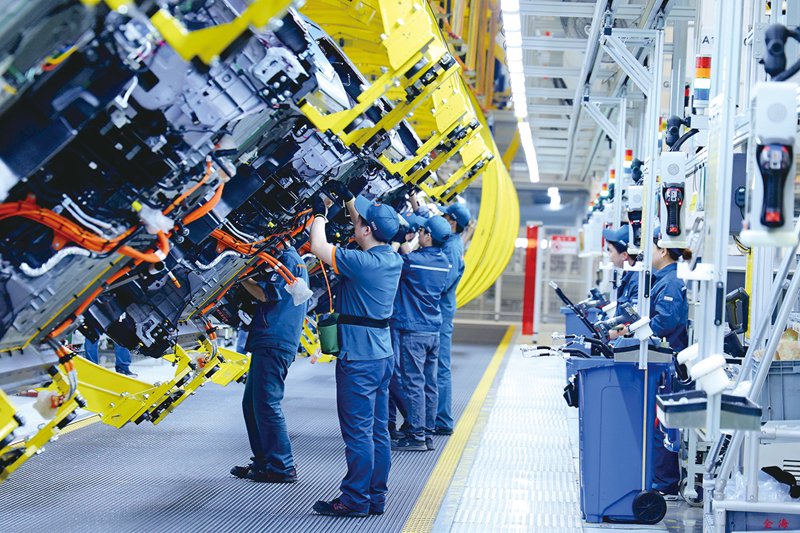
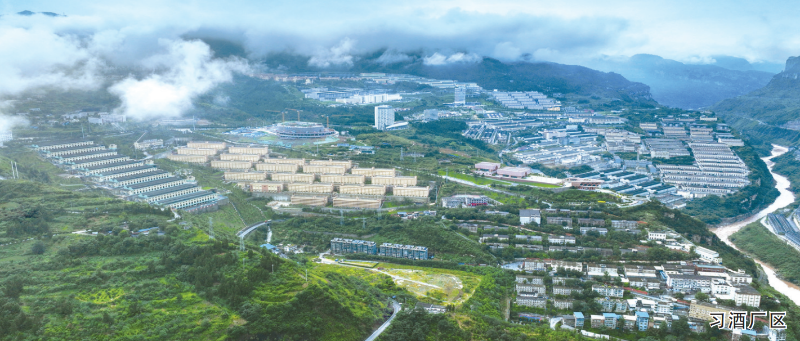
坚持全面质量管理 促进产品质量提升——习酒凝练“333”质量管理模式守正创新酿造美好
Zhong Guo Zhi Liang Xin Wen Wang· 2025-09-12 08:28
Core Viewpoint - The article emphasizes the importance of comprehensive quality management in enhancing product quality, highlighting the "333" quality management model adopted by Xijiu to innovate and improve its brewing processes [1][10]. Group 1: Quality Management Practices - Xijiu has been recognized with several awards, including the Guizhou Provincial Quality Award and the National Quality Award, showcasing its commitment to quality management in the liquor industry [4]. - The company defines its quality management through four dimensions: "崇道" (respect for natural laws), "务本" (focus on quality culture), "敬商" (respect for business), and "爱人" (care for people) [5][6]. - Xijiu has implemented a "333" quality management approach, which includes comprehensive monitoring of quality across all production and operational stages [10]. Group 2: Innovations and Improvements - The company has integrated traditional brewing techniques with modern technology, ensuring a balance between quality and production efficiency [11]. - Xijiu has established a comprehensive research platform that focuses on flavor compounds, sensory evaluation, and brewing microorganisms, leading to significant advancements in quality control [10][12]. - The company is actively pursuing digital transformation and innovation-driven development, enhancing its product offerings and brand reputation through various initiatives [12]. Group 3: Social Responsibility and Employee Engagement - Xijiu has invested significantly in social responsibility projects, such as "Xijiu? My University," which has funded over 26,000 students with a total investment of 1.59 billion yuan [7]. - The company emphasizes employee development through dual career paths and various training programs, fostering a supportive work environment [7]. - Xijiu's commitment to consumer satisfaction is evident in its continuous market research and customer feedback initiatives, resulting in improved brand loyalty and recognition [7].

获评“辽宁优品”产品企业分享品牌故事共话质量强省新路径
Zhong Guo Zhi Liang Xin Wen Wang· 2025-09-12 08:25
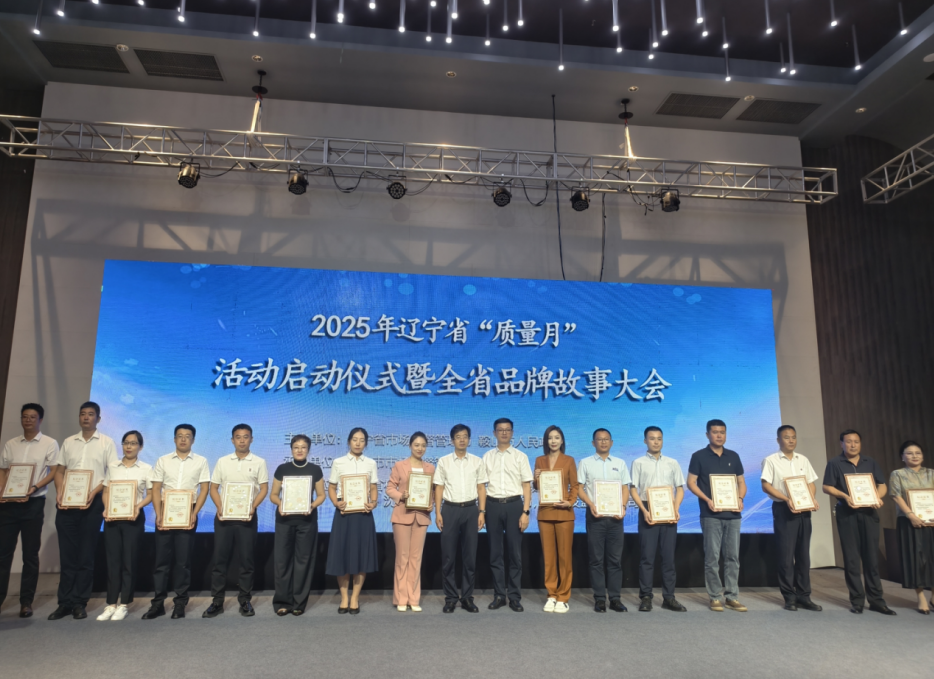
Group 1 - The "Quality Month" event in Liaoning Province was launched on September 10, 2025, focusing on brand building and high-quality development with the theme "Brand Power, Quality Wins the Future" [1] - The event served as a platform for discussing new paths for quality and brand work in the province, gathering various stakeholders [1] Group 2 - Several companies were recognized as "Liaoning Excellent Products," including Benxi Longshan Spring Beer Co., Ltd. and Huludao Yifeng (Group) Sportswear Co., Ltd. [3] - Other companies nominated for the "Liaoning Excellent Products" title included Shenyang Xingqi Eye Medicine Co., Ltd., Dayang Group, Liaoning Sangou Liquor Co., Ltd., and Liaoning Lingxiushan Shenghui Industrial Group Co., Ltd. [3] Group 3 - Shenyang Xingqi Eye Medicine Co., Ltd. shared the story of developing China's first cyclosporine eye drops for dry eye treatment after 18 years of research [5] - Dayang Group recounted its journey from employing 85 rural women to aiming to create the best suits in China and the world [5] - Benxi Longshan Spring Beer Co., Ltd. highlighted its commitment to quality and technological innovation in a competitive market [5] Group 4 - Liaoning Sangou Liquor Co., Ltd. emphasized its core value of "openness" through multiple reforms, enhancing its brand's historical significance [7] - Liaoning Lingxiushan Shenghui Industrial Group Co., Ltd. shared its health-oriented product development strategy to differentiate itself from industry giants [7] - Huludao Yifeng (Group) Sportswear Co., Ltd. narrated its evolution from a small vendor to a complete industry chain through technological innovation [7]
市场监管总局《关于加快推进质量认证数字化发展的指导意见》专题新闻发布会实录
Zhong Guo Zhi Liang Xin Wen Wang· 2025-09-12 08:18
Core Viewpoint - The State Administration for Market Regulation (SAMR) has issued the "Guiding Opinions on Accelerating the Digital Development of Quality Certification," aiming to enhance the digital transformation of the quality certification industry and support the broader digital economy [4][5][10]. Summary by Sections Overall Requirements - The guiding opinions position digital quality certification as a crucial tool for empowering industrial digital transformation, unlocking the value of technology and data, and supporting high-quality economic and social development [5][6]. Specific Goals - Two phases of specific goals are set: by 2030, to improve the digital certification system and establish exemplary cases; by 2035, to fully develop a clear and innovative digital quality certification system adaptable to various industries [5][6]. Key Tasks - Four main tasks are outlined: 1. Accelerate the development of the quality certification industry and enhance the application of digital technologies [6]. 2. Empower industry digital transformation by advancing certification systems in smart manufacturing and other sectors [6]. 3. Strengthen the foundation for digital economic innovation by enhancing certification for digital infrastructure [6]. 4. Promote the application of digital resources and establish a quality certification big data system [6]. Implementation and Support - SAMR will collaborate with relevant departments to promote the implementation of the guiding opinions and ensure that measures are effectively executed [7][36]. Background and Considerations - The guiding opinions are a response to the increasing demand for efficient and intelligent quality certification services in emerging sectors like smart manufacturing and digital healthcare [10][12]. Focus Areas - The guiding opinions emphasize three focus areas for empowering industrial digital transformation: supporting new industrialization, promoting smart agriculture, and enhancing service industry transformation [12][13]. Technological Role - Technology is identified as a key driver for the digital transformation of quality certification, with a focus on improving efficiency, enhancing service capabilities, and strengthening the credibility of certification results [21][22]. Talent Development - SAMR plans to establish a professional team to enhance the digital capabilities of certification institutions and personnel, focusing on training and collaboration with educational institutions [29][30][31]. Regional Implementation - Zhejiang Province has made significant progress in digital economy development, with a focus on quality certification to support key industries and enhance data security [25][34]. Systematic Support Measures - The guiding opinions propose systematic support measures, including policy support, standardization efforts, and promoting international mutual recognition of certification [36][37].
我国质量领域最高荣誉 全球质量管理的“中国方案”—— 回顾中国质量奖诞生及前四届评选
Zhong Guo Zhi Liang Xin Wen Wang· 2025-09-12 08:16
Core Points - The China Quality Award is the highest honor in the field of quality in China, established in 2012 to promote scientific quality management systems and methods, and to encourage quality management innovation [1][2][6] - The award aims to enhance quality awareness across society and to showcase China's quality management achievements to the world [2][19] - The award has been presented in four previous editions, recognizing 28 organizations and 4 individuals for their significant contributions to quality management [2][3] Group 1: Establishment and Purpose - The China Quality Award was established to implement the directives of the central government regarding quality work, aiming to build a quality-oriented nation [1][4] - The award evaluates management practices and philosophies, setting quality benchmarks and encouraging innovation in quality management [2][4] - The establishment of a national quality award system was a response to the need for a quality management framework that suits China's national conditions [4][5] Group 2: Historical Context - The first China Quality Award was presented in December 2013, with notable recipients including China Aerospace Science and Technology Corporation and Haier Group [3][4] - The award is part of a broader trend, with over 96 countries having established similar quality awards, highlighting the global importance of quality management [3][4] - The second edition of the award in 2016 emphasized the need for quality to become a societal value and spirit [8][9] Group 3: Recent Developments - The fourth edition of the China Quality Award was held in September 2021, marking its first appearance at the China Quality (Hangzhou) Conference, the largest international event in the quality field [20][22] - The fourth edition saw a record number of participants, with 696 organizations and 168 individuals competing, reflecting the growing emphasis on quality management in various sectors [22][23] - The award has also recognized foreign enterprises for the first time, indicating an increasing internationalization of the quality management landscape in China [22][23] Group 4: Impact and Future Directions - The China Quality Award serves as a catalyst for quality management innovation, encouraging organizations to adopt advanced quality management practices [19][24] - The award aims to enhance the global perception of Chinese quality and to contribute to the development of quality management theories and methods that are uniquely Chinese [19][24] - The ongoing commitment to quality is seen as essential for China's economic transformation and competitiveness on the global stage [19][24]
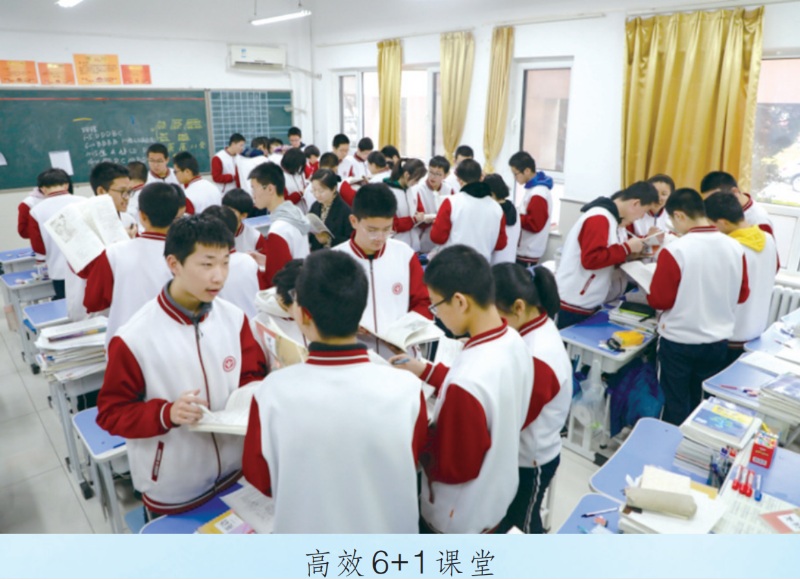
河北省石家庄精英中学:“市政府质量奖”背后的高质量发展密码
Zhong Guo Zhi Liang Xin Wen Wang· 2025-09-12 08:14
Core Viewpoint - The awarding of the "Government Quality Award" to Shijiazhuang Elite High School signifies a profound management revolution in China's basic education sector, highlighting the transformation of "fine management" into educational nourishment for youth [1][15]. Group 1: School's Achievements and Recognition - Shijiazhuang Elite High School has achieved remarkable growth, increasing its admissions to prestigious universities from 4 students in 2012 to 38 students in Tsinghua and Peking University by 2025 [1][14]. - The school has been recognized as one of the "Top 50 High Schools in China" and has received accolades from Tsinghua University and Peking University for its quality student sources [4][14]. Group 2: Educational Philosophy and Management Strategy - The school's educational approach is encapsulated in a "three-pronged" system: "Passion Education" ignites internal motivation, "Efficient Classroom" enhances learning capabilities, and "Fine Management" solidifies support [4][11]. - The transition from "entrepreneurial education" to "educational governance" reflects a strategic commitment to long-term educational goals, driven by the founder's vision and the principal's reformative actions [5][6]. Group 3: Classroom Reform and Teaching Methodology - The "Efficient 6+1 Classroom" reform emphasizes student-centered learning, transforming the role of teachers from knowledge transmitters to facilitators of active learning [8][10]. - The structured process of the "Efficient 6+1 Classroom" includes six steps: introduction, independent thinking, collaborative learning, passionate presentation, targeted feedback, and application of knowledge [9][10]. Group 4: Management Practices and Data-Driven Approach - The school's management practices are characterized by meticulous attention to detail, including systematic analysis of student performance and tailored support for individual learning needs [12][13]. - The implementation of a "three preparations and two research" system for lesson planning ensures continuous improvement in teaching quality through collective wisdom [10][12]. Group 5: Impact and Influence on the Education Sector - Shijiazhuang Elite High School serves as a model for educational reform, with over 4,000 schools and 350,000 educators learning from its practices [14][15]. - The school's achievements have been featured in national media, establishing it as a benchmark for quality education in China [14][15].
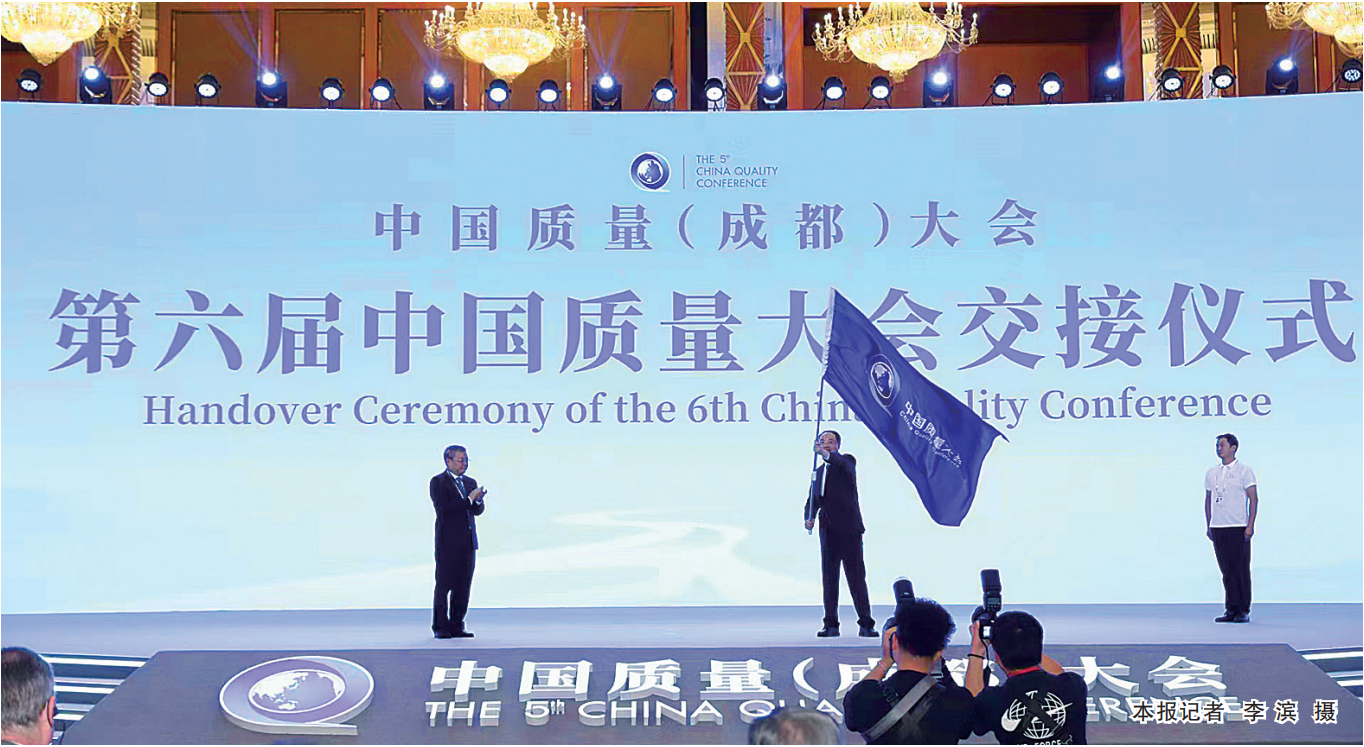
共话合作 共谋发展 共创未来—— 前五届中国质量大会回顾
Zhong Guo Zhi Liang Xin Wen Wang· 2025-09-12 08:13
Group 1 - The China Quality Conference is the highest specification and largest scale international event in the quality field, aiming to promote international cooperation in quality, share quality governance experiences, and advance high-quality development [3][39][43] - The conference has seen participation from leaders of various countries and international organizations, highlighting its global influence and importance [3][39][43] - The theme of the upcoming sixth conference in Nanjing is "Quality: Empowering New Quality Productivity," reflecting the focus on quality transformation and cooperation in the context of global economic development [43] Group 2 - The first China Quality Conference was held in Beijing in 2014, marking a significant milestone in international quality discussions [4][12] - Subsequent conferences in Shanghai, Shenzhen, Hangzhou, and Chengdu have continued to build on this foundation, each with unique themes addressing quality improvement and innovation [13][20][27][38] - The conferences have attracted representatives from various sectors, including government, academia, and industry, fostering a collaborative environment for quality enhancement [5][21][38] Group 3 - The conferences have emphasized the importance of quality in driving economic resilience and development, especially in the post-pandemic context [39][40] - The integration of quality management with digital and green initiatives has been a recurring theme, showcasing the evolving nature of quality standards in modern industries [35][36][40] - The establishment of a global quality "community" through these conferences has facilitated knowledge sharing and collaboration among diverse stakeholders [17][19][43]
宝钛股份:以质量为钥锻造钛业强链?以创新为楫领航产业未来
Zhong Guo Zhi Liang Xin Wen Wang· 2025-09-12 08:13
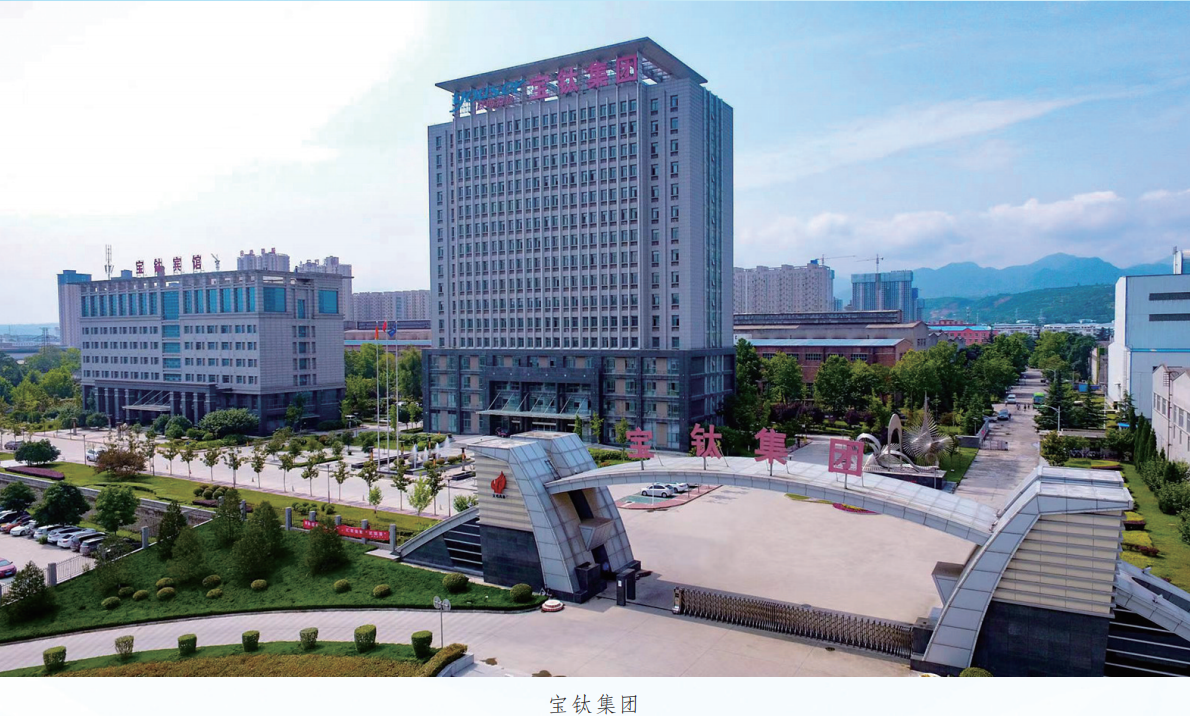
Core Viewpoint - The article emphasizes the critical role of titanium and titanium alloys in supporting the development of strategic emerging industries such as aerospace and high-end equipment in China, highlighting the transition from "Made in China" to "Created in China" and from "Chinese speed" to "Chinese quality" [1]. Company Overview - BaoTi Group Co., Ltd. was established in 1965 as a key national enterprise to meet the needs of national defense and advanced technology development [1]. - BaoTi Co., Ltd., a subsidiary of BaoTi Group, was founded in July 1999 and became the first publicly listed company in China's titanium industry in 2002 [3]. - The company has established ten production systems covering sponge titanium, casting, forging, plates, strips, seamless pipes, welded pipes, bars, precision casting, and raw material processing, leading the world in titanium production and comprehensive strength [3]. Quality Management - BaoTi Co., Ltd. has developed a comprehensive quality management system over three stages, evolving from basic compliance with ISO9001 to a customer-oriented quality concept with AS9100 and GJB9001 certifications [4]. - The company implements advanced quality management tools and has adopted a "Chief Quality Officer" system to enhance quality responsibility awareness [5]. - The company promotes a "zero defect" quality management philosophy, focusing on continuous improvement and employee engagement in quality standards [5]. Technological Innovation - BaoTi Co., Ltd. focuses on addressing national strategic needs by forming innovation teams that integrate production, education, research, and application, particularly in aerospace and aviation sectors [6]. - The company aims to enhance the mechanical properties and stability of its products through optimized melting processes and improved forging parameters [6]. Standardization Efforts - BaoTi Co., Ltd. actively participates in the formulation and revision of national and international standards, transitioning from a follower to a leader in the titanium industry [7][8]. - The company has established a comprehensive domestic titanium industry standard system and has been recognized with the "China Standard Innovation Contribution Award" [7]. - It has led the development of the ISO 23515-2022 standard, marking a significant achievement in international standardization for titanium [8]. Future Strategy - BaoTi Co., Ltd. aims to become a world-class titanium enterprise by focusing on high-quality development and innovation in strategic emerging fields such as aerospace and high-end medical equipment [9]. - The company plans to enhance its competitive edge by collaborating with upstream and downstream enterprises to tackle key technologies and improve overall industry competitiveness [9]. - Long-term goals include establishing a comprehensive innovation system and expanding the application of titanium in new energy and environmental protection sectors [9]. Conclusion - BaoTi Co., Ltd. is committed to leading the titanium industry in China and globally, leveraging quality, innovation, and standardization to contribute to the nation's manufacturing strength and the realization of the Chinese dream [10].

多彩贵州 质量创新之路踔厉前行
Zhong Guo Zhi Liang Xin Wen Wang· 2025-09-12 07:54
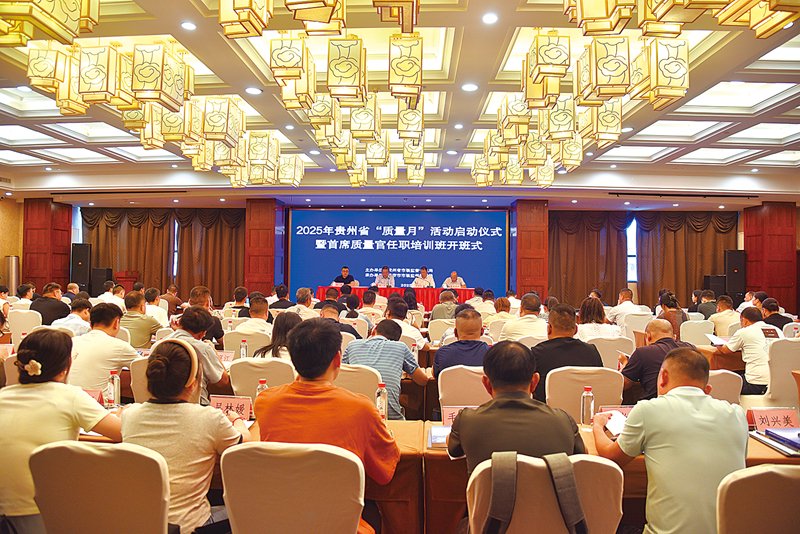
Core Viewpoint - Guizhou has made significant progress in building a quality-driven economy over the past 14 years, focusing on quality improvement and brand development to enhance market competitiveness [1][3]. Group 1: Quality Management Initiatives - The Guizhou Provincial Market Supervision Bureau has launched the "Quality Month" activities and emphasized the importance of Chief Quality Officers in driving quality improvements within enterprises [2][21]. - Guizhou has developed 84 typical cases of Chief Quality Officer practices, highlighting successful quality management models from companies like Moutai and Hongxing Development [2]. Group 2: Policy and Financial Support - The Guizhou government has prioritized quality management in its policy agenda, implementing 58 quality development projects that mobilized social investment of 1.024 billion yuan [3]. - Quality financing initiatives have been introduced, with 5 out of 9 cities providing 49 financial products to support quality improvements, resulting in a total credit of 15.827 billion yuan and loans of 9.004 billion yuan [15][16]. Group 3: Industry-Specific Developments - Guizhou is focusing on six leading industries, including traditional sectors like liquor and emerging sectors like new energy batteries, to enhance quality management and innovation [3][11]. - The province has implemented quality improvement projects in the liquor industry, investing nearly 10 million yuan in quality certification and smart production technologies [10]. Group 4: Collaborative Efforts and Innovations - Guizhou has established partnerships with academic institutions and industry experts to address quality challenges in sectors like aerospace and agriculture, fostering innovation and quality improvements [13][14]. - The province is leveraging digital technologies and advanced quality management systems to enhance the quality of products and services across various industries [4][6]. Group 5: Future Directions - Guizhou aims to enhance the "green quality" of its products by focusing on carbon footprint reduction and recycling initiatives, aligning with national sustainability goals [7]. - The province is committed to building a modern industrial system that integrates quality, brand value, and financial support to foster a competitive market environment [19].
质量筑基育新质 三晋蝶变换新颜
Zhong Guo Zhi Liang Xin Wen Wang· 2025-09-12 07:47
Core Viewpoint - Shanxi is undergoing a profound quality transformation, shifting from traditional industry upgrades to the rise of emerging industries, leveraging quality as a driving force for high-quality development and resource-based economic transformation [1][8]. Group 1: Quality Improvement Initiatives - Shanxi has launched the "Head Goose Action" to enhance quality in enterprises, resulting in a quality strong enterprise cultivation database with 166 companies and training over 353 quality talent [2][3]. - The province's market supervision department has provided support to over 20 enterprises, leading to the establishment of 11 typical quality strong enterprise cases [2]. - Companies like Taiyuan Iron and Steel Group and Shanxi Jinbo Biopharmaceuticals have achieved significant certifications and global leadership in their respective fields [2][3]. Group 2: Strategic Framework for Quality Enhancement - Shanxi has developed a multi-layered quality improvement system, focusing on key industries and advantageous enterprises to stimulate internal motivation for quality enhancement [3][4]. - Policies such as quality awards and "Jinzhidai" financing have been implemented to encourage quality innovation, with Taiyuan Iron and Steel Group setting ambitious quality improvement goals [3][4]. Group 3: Quality Management Models - Various companies in Shanxi have adopted unique quality management models, such as Taiyuan Heavy Industry's integrated management system and Shanxi Fenjiu's dual-ecosystem quality management approach [4][5]. - Shanxi Huaxiang Group emphasizes a "zero defect" goal, viewing quality as the core driving force for enterprise development [3][4]. Group 4: Economic Impact of Quality Initiatives - The quality initiatives have led to significant revenue growth for enterprises, with Taiyuan Iron and Steel becoming a unique supplier in the nuclear power sector and Shanxi Fenjiu ranking among the top three domestic liquor brands [5][6]. - The province has seen the emergence of "invisible champions" among SMEs, such as Shanxi Jinbo Biopharmaceuticals, which leads globally in collagen protein research [6][7]. Group 5: Quality Infrastructure Development - Shanxi has invested in quality infrastructure, establishing 11 national and 35 provincial quality inspection centers to support quality enhancement across industries [12][13]. - The province has implemented a one-stop service platform for quality management, providing extensive support to enterprises [16][17]. Group 6: Digital Transformation and Quality - Digital transformation is a key driver for quality enhancement, with companies adopting smart manufacturing technologies to improve efficiency and product quality [13][14]. - Shanxi has seen significant improvements in production efficiency and cost reduction through digitalization efforts across various industries [13][14]. Group 7: Collaborative Quality Improvement - Shanxi promotes collaborative innovation among enterprises to tackle quality bottlenecks, with successful joint efforts leading to improved quality metrics across multiple industries [14][15]. - The establishment of cross-chain quality alliances has facilitated resource sharing and problem-solving, resulting in substantial revenue increases [14][15]. Group 8: County-Level Quality Initiatives - The "Quality Strong County" strategy has been implemented to transform county economies, with 22 counties included in the quality strong county cultivation database [15][17]. - Local governments are encouraged to develop tailored quality improvement plans, fostering unique industrial clusters and enhancing overall economic quality [16][17]. Group 9: Brand Development and Recognition - The "Shanxi Quality" brand has emerged as a symbol of high-quality products and services, with a structured approach to brand building involving government, enterprises, and social participation [18][19]. - The introduction of advanced standard evaluation mechanisms has ensured that certified "Shanxi Quality" products meet or exceed national standards [18][19]. Group 10: Financing Innovations - The "Jinzhidai" financing initiative has transformed quality recognition into financing advantages, facilitating access to credit for enterprises based on their quality achievements [19]. - By mid-2025, the program had assisted numerous enterprises in securing significant financing, demonstrating its effectiveness in supporting quality-driven growth [19].

工业增长破局 新兴产品领跑——重庆探索质量链式攻坚助力新质生产力加速跑
Zhong Guo Zhi Liang Xin Wen Wang· 2025-09-12 07:47
Core Insights - The article emphasizes the importance of new quality productivity as a core driving force for regional development in Chongqing, highlighting the city's proactive approach to adapt to new opportunities and accelerate high-quality economic growth [1][3]. Economic Performance - Chongqing has made significant strides in quality-driven economic development, with industrial production value increasing by 5.6% year-on-year in the first half of 2025. Key sectors such as motorcycles and equipment saw growth rates of 27.7% and 10.2%, respectively [2]. - The production of electric vehicles reached 489,300 units, marking a 25% increase, while integrated circuits grew by 67.3% to 5.204 billion pieces [2][6]. Quality Initiatives - The city has established a collaborative mechanism involving 19 core enterprises and 105 party organizations to tackle quality challenges, integrating quality improvement into the 2025 quality city construction goals [4]. - The market supervision bureau has initiated nearly 50 key technology projects this year, achieving significant breakthroughs in quality technology bottlenecks [5]. Technological Innovation - Chongqing is focusing on the integration of technology and quality innovation, with over 120 applications for various industrial technologies and 164 major innovative products cultivated [6][10]. - The city has launched initiatives to strengthen innovation platforms and has established 17 industrial innovation complexes across various sectors [10][11]. Manufacturing and Export Growth - The motorcycle industry in Chongqing achieved an export value of 13.361 billion yuan, reflecting a 48.4% year-on-year increase [6]. - The city aims to produce 1.3 million "Chongqing-made" electric vehicles by 2025, showcasing its ambition in the automotive sector [17]. Quality Standards and Certification - Chongqing's market supervision bureau has led the development of 196 national standards and 11 industry standards, contributing to a 54.5% increase in total standards [13]. - The city is actively supporting local enterprises in obtaining international certifications, thereby enhancing market trust and competitiveness [14].