Hu Xiu

Search documents
K签证=抢饭碗?能抢走的,根本看不上你的工资
Hu Xiu· 2025-09-30 02:06
本文来自微信公众号:局外人的视界,作者:卡夫卡不忙了,原文标题:《聊聊K签证》,题图来自: 视觉中国 前天的文章我提到了K签证,很多人留言对此颇多怨念。 中国职场有多残酷,我混过很多单位,连不是老乡都会被人针对,怎么,你们还真的以为一个平庸的印 度阿三,到中国企业里,可以通过拉帮结派来搞寄生? 想什么呢。 民营企业里,自然有各种人情世故将他往死里整,要不然996,007也会将他卷得痛不欲生,别忘了,汉 语是这世界上最难掌握的语言,一个能卷生卷死,汉语流利得能跟中国人正常交流,处理工作的外国 人,已经是人中龙凤了,就这种水准,最后你还得接受职场天花板。 没错,职场歧视无所不在。 本地人对外乡人都会联合起来搞事情,我曾经在潮州人的公司打过工,老板跟着一群老乡讲潮州话,我 们这些所谓的高级打工仔连他们讲什么都听不懂,怎么可能融入?更别提外国人。 至于国央企、事业单位、你觉得是普通外国人能进得去的吗? 真有90年代那些前苏联高级工程师的水平,大家都认,但就靠着有个学历拿个K签证,可能让随便进 吗? 至于像印度甲亢姐预期的,所谓几十万印度人拿着K签证冲击东大的就业市场,呵呵,听听就算了。 大约只有外企会欢迎拿着K签证的 ...
中国需要什么样的文科生?
Hu Xiu· 2025-09-30 01:53
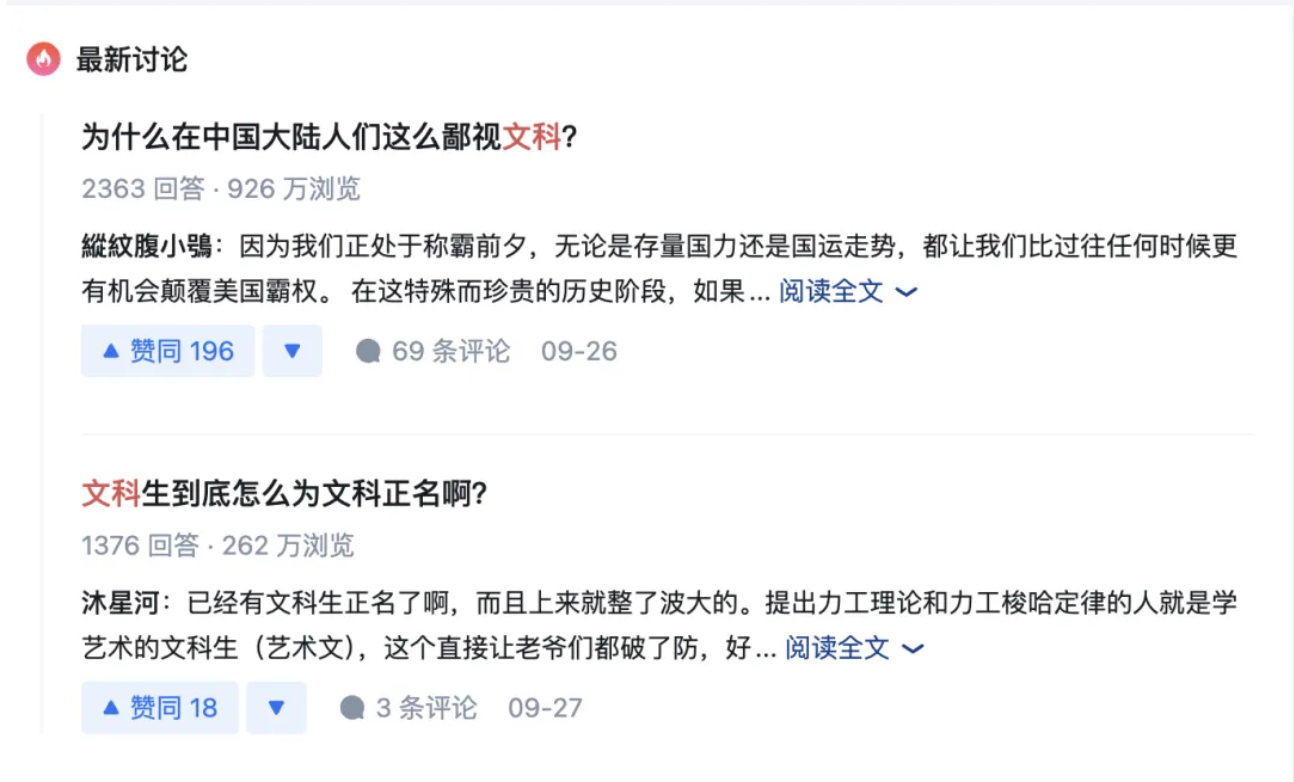
Group 1 - The core viewpoint is that the value of liberal arts and liberal arts students in China is facing unprecedented skepticism and criticism in today's society [2][4] - The number of liberal arts programs being eliminated in universities has reached 1,422 from 2019 to 2022, indicating a systemic reduction in the field [5] - Employment and salary issues for liberal arts graduates are highlighted, with non-technical positions often being at the bottom of the pay scale and facing higher risks of layoffs [6] Group 2 - The essence of the disdain towards liberal arts is that the knowledge possessed by liberal arts students is often not convertible into tangible benefits, leading to a perception of uselessness [21][28] - The difficulty in quantifying the value of liberal arts achievements is attributed to their subjective nature, making objective evaluation challenging [29][31] - The slow iteration of liberal arts theories and the lack of innovative contributions from Chinese scholars further complicate the realization of their value [32][36] Group 3 - The current era presents a unique opportunity for liberal arts in China, as advancements in STEM fields can serve as a foundation for cultural and artistic development [41][44] - The need for liberal arts students to transform their knowledge into practical value is emphasized, suggesting that they can play a crucial role in promoting Chinese culture and brands internationally [50][72] - The importance of storytelling and cultural representation is highlighted, with examples of how cultural narratives can enhance the perceived value of products and ideas [68][70]

中国科研原创力爆发?孙丰鑫团队迎来重大突破
Hu Xiu· 2025-09-30 01:53
Core Insights - A new "structure-driven" weaving design framework has been proposed by the research team led by Sun Fengxin from Jiangnan University, which allows for programming within fabrics by controlling the geometric layout of knitted structures, enabling soft robots to achieve flexible deformation and mimicry capabilities [1] Summary by Categories - **Innovation**: The proposed framework introduces a novel approach to fabric design that integrates programming capabilities directly into the textile structure [1] - **Applications**: This technology can enhance the functionality of soft robots, providing them with advanced deformation and camouflage abilities [1] - **Research Significance**: The development represents a significant advancement in the field of soft robotics and textile engineering, potentially leading to new applications in various industries [1]
“旧经济”,正在缓缓落幕
Hu Xiu· 2025-09-30 01:27
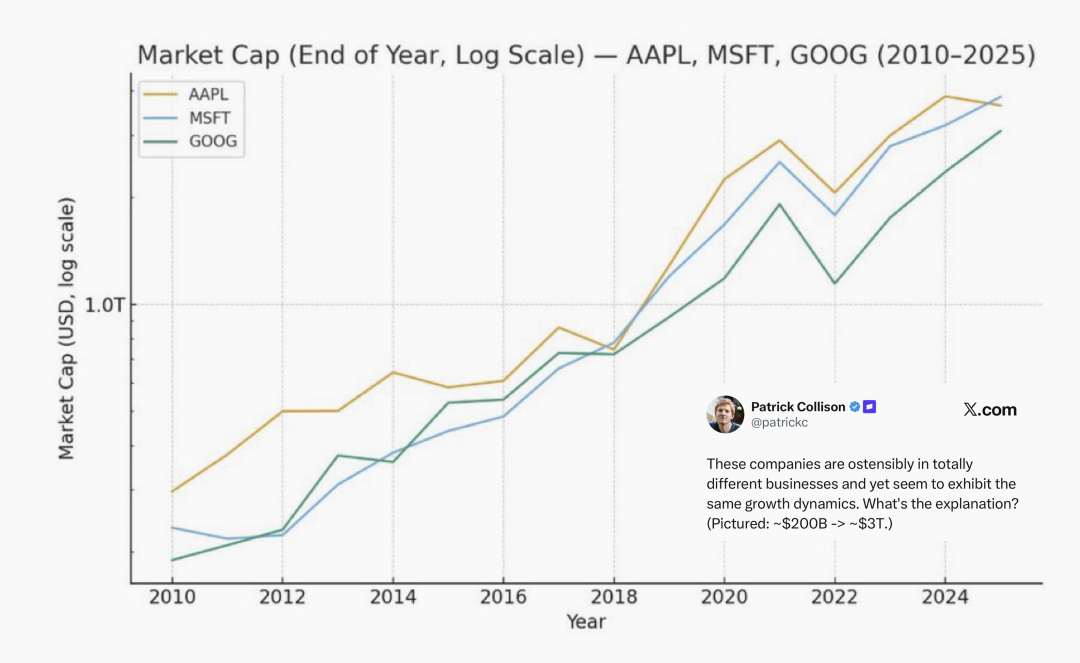
Core Insights - The growth trajectories of Apple, Microsoft, and Google from 2010 to 2025 show a parallel increase in market value, suggesting a unified growth dynamic despite their different business models [2][3] - Balaji Srinivasan posits that the traditional economy is fading while the internet economy is emerging, marking a significant economic shift [6][10] Group 1: Decline of the Traditional Economy - The traditional economy is characterized by physical entities and linear growth, heavily reliant on capital expenditure and regulatory frameworks [11][12][13] - Key sectors like manufacturing and energy are experiencing stagnation, with U.S. manufacturing worker productivity growth at approximately 2% since 2018, compared to 7% in the tech sector [17][16] Group 2: Rise of the New Economy - The internet economy exhibits exponential growth potential and is driven by network effects, allowing companies like Google and Meta to dominate their markets [20][22] - AI enables small teams to create significant value, with the potential for "one-person companies" to reach valuations of $1 billion [25][26] - The cost of adding users in digital services is negligible, allowing for global scalability without physical constraints [27][28] Group 3: Magnificent Seven as New Productivity Leaders - The "Magnificent Seven" (Apple, Microsoft, Alphabet, Amazon, Nvidia, Meta, and Tesla) now account for about 34% of the S&P 500's market capitalization, up from 12% in 2015 [31] - In 2023, these companies achieved a collective return rate of 75.71%, significantly outperforming the S&P 500's 24.23% [32] - Their platforms are integral to modern business activities, positioning them as infrastructure builders in the new economy [37] Group 4: Societal and Market Implications - The transition from traditional to new economy is reshaping societal structures and investment landscapes, presenting both opportunities and risks [40][41] - The concentration of wealth in technology sectors raises concerns about inequality and job losses in traditional industries [42] - The concept of "network states" may emerge, where communities based on shared values operate with their own currencies and governance, potentially replacing traditional nation-states [44][45]






围观中坠落的“唐飞机”,致命的民间飞行梦
Hu Xiu· 2025-09-30 01:02
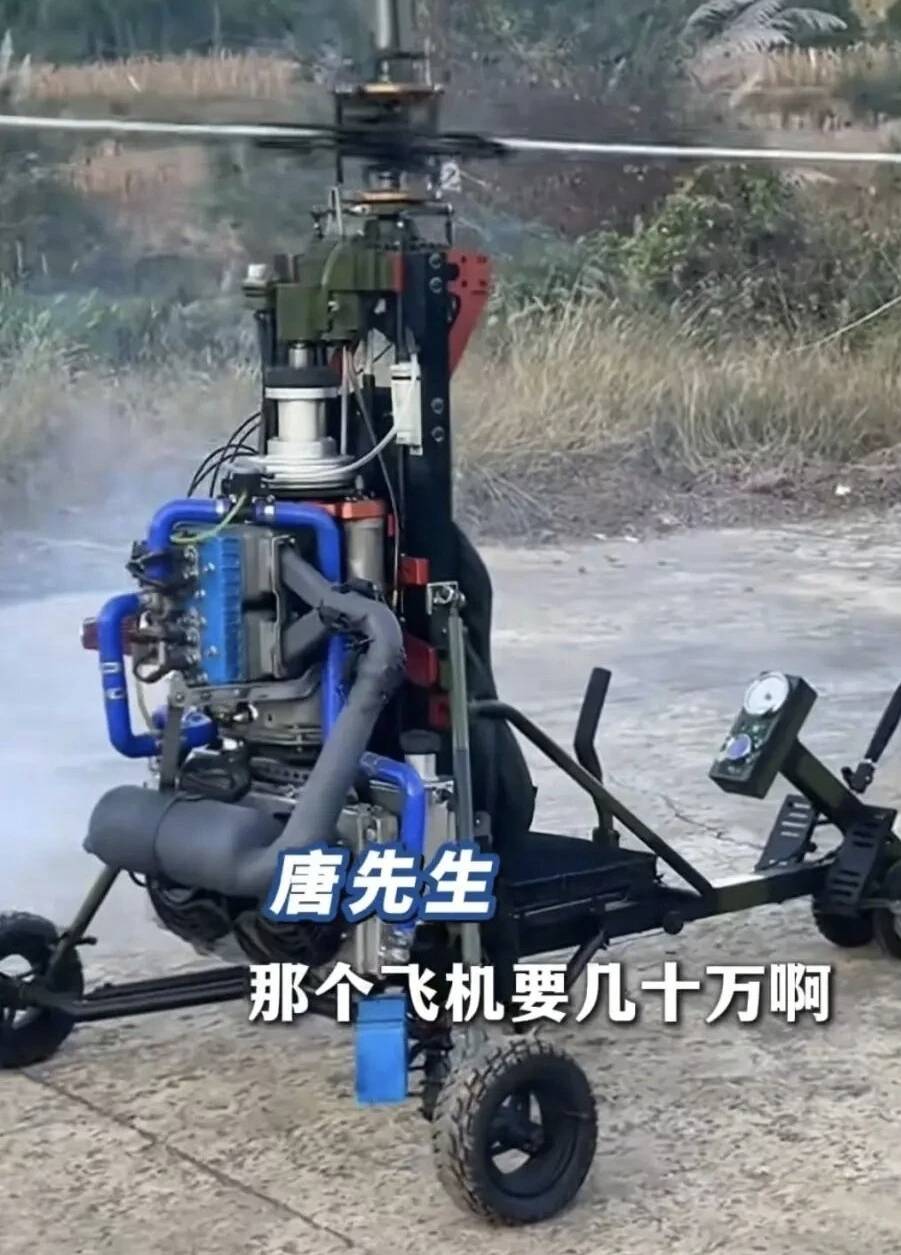
Core Viewpoint - The tragic accident of "Tang Feiji" highlights the dangers associated with amateur aviation enthusiasts in China, emphasizing the need for safety awareness and regulation in this niche hobby [8][26][27]. Group 1: Incident Overview - "Tang Feiji," a popular online figure, tragically died in a live-streamed plane crash on September 27, 2025, witnessed by over 1,000 viewers [2][18]. - The aircraft involved was a second-hand ultra-light plane purchased for 350,000 yuan, capable of reaching speeds of 100 km/h and altitudes of 600 meters [3][4]. - This was not the first incident for Tang, as he had experienced two previous crashes in 2025 alone, raising concerns about his flying safety practices [6][7]. Group 2: Safety Concerns - Tang's approach to flying safety was notably lax; he claimed to have learned flying techniques online in just nine hours, which proved insufficient for safe operation [5][17]. - The incident has drawn attention to the broader issue of amateur flying in rural China, where individuals often pursue their aviation dreams without adequate training or safety measures [9][21]. Group 3: Cultural and Social Implications - The phenomenon of amateur flying is often romanticized, with enthusiasts like Tang being viewed as "heroes" despite the inherent risks involved [17][25]. - The live-streaming of such dangerous activities creates a feedback loop where viewer engagement can inadvertently encourage riskier behavior among pilots [20][24]. - The tragic outcome serves as a stark reminder of the consequences of neglecting safety in pursuit of personal dreams, highlighting the need for a cultural shift towards responsible aviation practices [27][28].
大屠杀题材需要回避暴力吗?
Hu Xiu· 2025-09-30 00:17
Core Viewpoint - The article discusses the unique nature of Holocaust-themed films, emphasizing their role in warning against the repetition of historical atrocities and the necessity of confronting trauma through the depiction of real violence and bloodshed [3][4][5]. Group 1: Holocaust Films - The film "Dara of Jasenovac," directed by Serbian filmmaker Predrag Antonijevic, portrays the ethnic cleansing of Serbs by the Ustaše regime during World War II from the perspective of a young girl [4]. - The Ustaše, a far-right fascist organization led by Ante Pavelić, established a puppet state in Croatia with Nazi support, implementing racist policies and constructing concentration camps to exterminate Serbs, Jews, and Roma [6][7]. - The Jasenovac concentration camp, known as the "Balkan Auschwitz," was notorious for its brutal killings using cold weapons, with methods including beheading and dismemberment [8][9]. Group 2: Historical Context - The film illustrates the extreme ideology of the Ustaše, which believed in the necessity of converting, expelling, or exterminating one-third of the non-Croatian population to maintain ethnic purity [13]. - The article highlights the discrepancies in victim counts from the Jasenovac camp, with Croatian officials estimating 82,570 victims, while Serbian sources claim up to 700,000 [17]. - The historical denial and minimization of atrocities by Croatian leaders during the 1990s, similar to Japanese denial of wartime crimes, are also discussed [18][19]. Group 3: Other Notable Films - The article mentions the film "Wolyn," directed by Wojciech Smarzowski, which depicts the spontaneous violence between Ukrainians and Poles during World War II, resulting in over 100,000 Polish deaths [22][27]. - The film "Wolyn" contrasts with "Dara of Jasenovac" by focusing on civilian violence rather than state-sponsored extermination, showcasing the brutal realities of war [22][28]. - The Romanian film "Romania's Black History," directed by Radu Jude, addresses the Odessa massacre where 30,000 Jews were killed, highlighting Romania's dark wartime history [34][35].

AI基建投资,或正在复制2000年的互联网光纤泡沫
Hu Xiu· 2025-09-30 00:17
Core Insights - The current enthusiasm for artificial intelligence (AI) is reminiscent of the internet bubble of the late 1990s [1][2] - AI companies are being valued in the hundreds of billions, with significant capital expenditures directed towards AI infrastructure by tech giants [2][3] - There is a dual sentiment in the market, characterized by both skepticism and excitement regarding AI's potential [4] Group 1: Investment Trends - Global corporate investment in AI is projected to reach $252.3 billion in 2024, a 13-fold increase from 2014 [2] - Major tech companies, including Amazon, Google, Meta, and Microsoft, plan to spend a total of $320 billion on capital expenditures this year, primarily focused on AI infrastructure [2] - In the past two years, Microsoft, Meta, Tesla, Amazon, and Google have collectively invested approximately $560 billion in AI infrastructure, with only about $35 billion in clearly identifiable AI-related revenue [9] Group 2: Historical Parallels - The article draws parallels between the current AI investment climate and the over-investment in telecommunications infrastructure during the 2000 internet bubble, where excessive fiber optic cables became "dark fiber" due to overestimation of demand [5][8] - The business model of many internet companies in 2000 was hollow, with companies like Commerce One valued at $21 billion despite having no revenue [6][7] - The article suggests that the current AI landscape may face similar challenges if demand does not meet expectations, potentially leading to "dark compute" scenarios [8] Group 3: Economic Dynamics - The sustainability of AI infrastructure investments hinges on three critical curves: cost curve, demand curve, and capital curve [10][12] - The cost curve must show a continuous decline in computing and algorithm costs, while the demand curve needs to shift from pilot projects to essential production elements [10][12] - The capital curve is influenced by interest rates and risk premiums, which can compress the valuation of long-term cash flows if capital costs remain high [11][12] Group 4: Future Scenarios - The article outlines three potential paths for the AI sector: soft landing, phase-out of excess capacity, and structural differentiation between overcapacity in infrastructure and thriving applications [15] - It emphasizes the importance of focusing on operational metrics such as GPU utilization, cost efficiency, and customer retention rather than just narrative-driven valuations [15][16] - Historical lessons suggest that while AI will ultimately change the world, avoiding pitfalls similar to the internet bubble will depend on tangible economic indicators rather than market sentiment [16]

练背不如攀岩,都市健身新思路
Hu Xiu· 2025-09-30 00:05
Core Insights - The climbing industry in China is experiencing significant growth, with the number of commercial climbing gyms increasing by 31% from 485 in early 2022 to 636 by the end of 2023, surpassing the number in the United States for the first time [5] - Social media engagement around climbing is substantial, with over 650,000 related posts on Xiaohongshu and a topic view count of 750 million for ClimbingTalk [2] - Climbing is being recognized not only as a physical activity but also as a mental and social experience, providing a unique environment for urban dwellers to engage in fitness and social interaction [10][14] Industry Growth - The climbing gym market in mainland China has seen rapid expansion, indicating a growing interest in climbing as a recreational and fitness activity [5] - The increase in climbing-related content on social media platforms reflects a cultural shift towards valuing climbing as a desirable and engaging form of exercise [2] Training and Performance - Climbing emphasizes full-body coordination and functional strength, contrasting with traditional gym workouts that often focus on isolated muscle training [3][15] - The training philosophy for climbers is shifting from merely lifting heavier weights to mastering diverse movement patterns, highlighting the importance of technique and coordination [15][16] Social Dynamics - Climbing gyms foster a collaborative and supportive community atmosphere, allowing individuals to connect over shared interests and goals [14] - The concept of "Beta" in climbing illustrates the personalized nature of the sport, where each climber finds their unique approach to challenges, promoting individual expression and problem-solving [13] Psychological and Physical Benefits - Climbing provides immediate feedback and a sense of achievement, contributing to mental well-being and motivation through the experience of flow [11][12] - The sport encourages awareness of one's body and movement, enhancing overall physical capabilities and understanding of personal limits [12][17] Transition from Traditional Fitness - Many fitness enthusiasts are transitioning to climbing, viewing it as a more enjoyable and engaging alternative to conventional gym workouts [15][18] - The integration of climbing with traditional strength training is seen as beneficial, allowing climbers to maintain their fitness while developing specific skills for climbing [16][17]
欧洲车企,走上一条偏裂之路
Hu Xiu· 2025-09-29 23:46
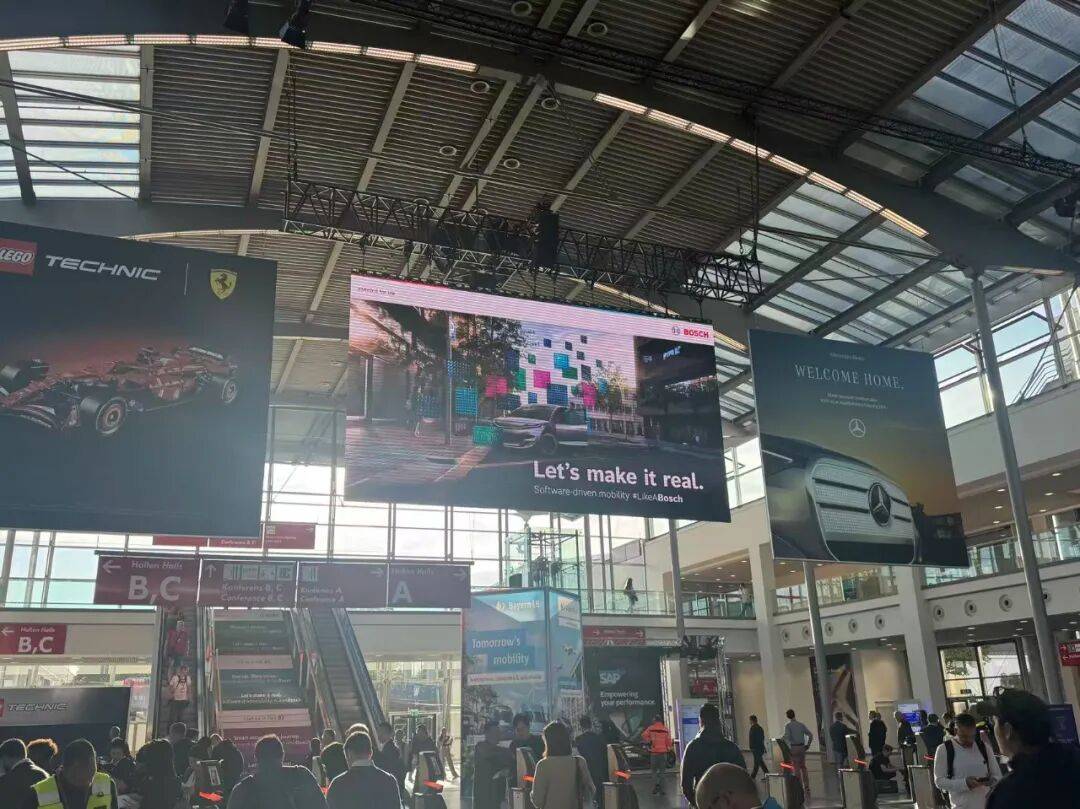
Core Viewpoint - The Munich Auto Show, one of the world's most prestigious auto exhibitions, is often misunderstood as a gateway for Chinese manufacturers to enter the European market, while in reality, the entrenched arrogance of the European automotive market remains unchallenged [1][3][6]. Group 1: European Market Dynamics - The historical arrogance of the European automotive industry is rooted in its industrial revolution and colonial expansion, which has not dissipated despite attempts at modernization [4][6]. - The European automotive market is experiencing significant layoffs and overcapacity in electric vehicle factories, indicating that the push for electrification is not yielding the expected results [6][7]. - The presence of Chinese battery manufacturers at the show highlights the dominance of the "ternary lithium" battery technology, but challenges remain for lithium iron phosphate batteries to penetrate the European market [12][13]. Group 2: Chinese Companies at the Show - Many Chinese manufacturers and suppliers mistakenly view the Munich Auto Show as a platform to gain visibility in Europe, but the actual engagement with European stakeholders is minimal [2][8][22]. - The exhibition space and style of Chinese companies starkly contrast with local European firms, reflecting a disconnect in understanding the European market [10][29]. - Some Chinese companies, like BYD, have adopted a more strategic approach by focusing on networking with European political and business leaders rather than solely showcasing products [35][36]. Group 3: Challenges Faced by Chinese Manufacturers - The lack of genuine engagement and understanding of European consumer preferences among many Chinese manufacturers leads to poor reception and ineffective marketing strategies [72][120]. - The overall scale of the Munich Auto Show is significantly smaller compared to other global exhibitions, limiting the exposure for lesser-known companies [29][30]. - The cultural and operational differences between Chinese and European companies create barriers that hinder successful market entry for many Chinese firms [9][101]. Group 4: Technological Landscape - European Tier 1 suppliers like Bosch and Mobileye continue to dominate the intelligent driving technology market, while many Chinese companies struggle to compete at this level [74][78]. - The slow progress in the deployment of charging infrastructure in Europe reflects broader inefficiencies within the region's automotive ecosystem [15][16]. - The emergence of UK and US AI startups at the show indicates a shift in focus towards innovative technologies, contrasting with the stagnation observed among some European firms [95][96].



中东资本,加速融入中国
Hu Xiu· 2025-09-29 23:46
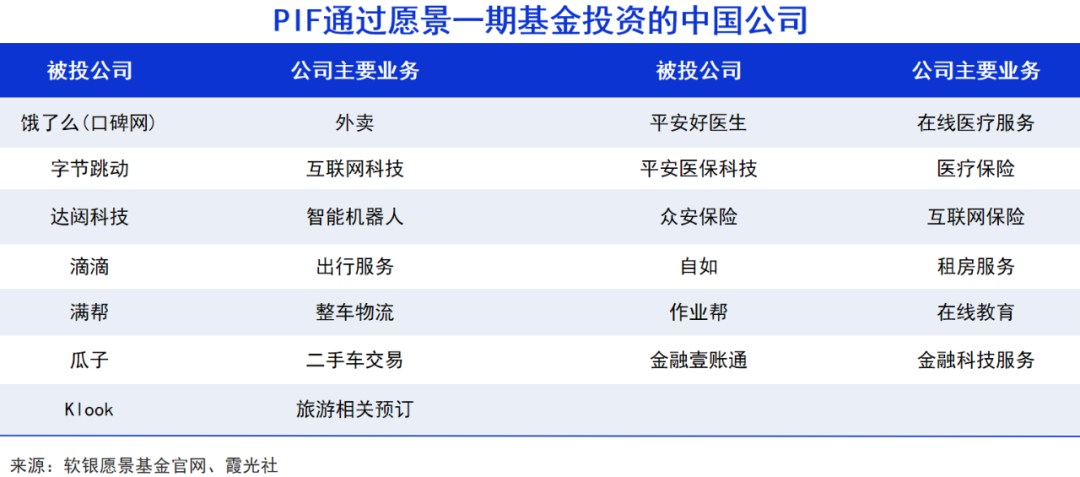
Group 1 - Middle Eastern countries, which hold over 58% of the world's oil reserves, are accelerating capital investments into China, with countries like Saudi Arabia, UAE, Qatar, Kuwait, and Jordan leading the charge [2][3] - In 2023, significant investments include 5 billion yuan into GCL-Poly Energy and 638 million USD into Yantai Wanhua, with major projects like the Huajin Aramco refinery reaching 80% completion [3][4] - Middle Eastern sovereign funds are establishing offices in China, indicating a shift from purely financial investments to seeking industrial collaboration and economic diversification [5][6] Group 2 - Infini Capital, a notable investment firm, has made substantial investments in Hong Kong-listed companies, totaling nearly 15 billion HKD in three months, positioning itself as a key player in the Middle Eastern investment landscape [9][10] - The firm has participated in several IPOs and strategic investments, including 1.308 billion HKD in Fourth Paradigm and 2 billion USD in Weimob [11][12] - Infini Capital aims to build a bridge between Middle Eastern sovereign wealth funds and Chinese technology sectors, with plans to establish offices in Shanghai and Shenzhen [16][17] Group 3 - Middle Eastern investments are increasingly focused on renewable energy, with Saudi Arabia's Vision 2030 aiming to enhance non-oil sector contributions and significantly increase renewable energy capacity [24][31] - Collaborations between Middle Eastern capital and Chinese companies, such as GCL-Poly, are exemplifying the integration of capital and technology in the renewable sector [25][30] - The Saudi Public Investment Fund (PIF) plans to invest 50 billion USD in China by 2030, targeting 22 GW of clean power installations [31][32] Group 4 - Middle Eastern countries are moving beyond traditional oil exports to invest in downstream industries, enhancing their economic structures through partnerships with Chinese firms [40][41] - Kuwait's investment in Wanhua Chemical and Saudi Arabia's joint ventures with Sinopec highlight the strategic shift towards high-value chemical production [42][46] - The establishment of the Fujian Sino-Arab Refining and Chemical Company, with a registered capital of 28.8 billion yuan, marks a significant investment in China's refining sector [47][49] Group 5 - The integration of Middle Eastern capital into China's manufacturing and energy sectors is seen as a strategic move to ensure sustainable development post-oil era [56][57] - The collaboration is expected to reshape global industrial and economic landscapes, with each investment laying the groundwork for future geopolitical dynamics [58][59]