
Hu Xiu

Search documents
黄金涨疯了,4000美元不是梦?
Hu Xiu· 2025-09-29 23:32
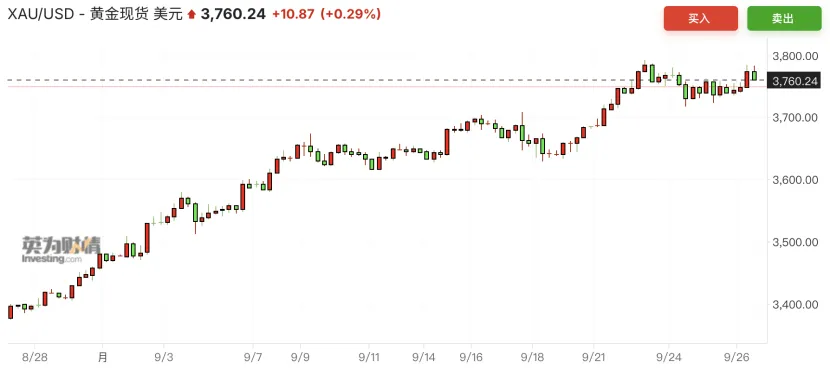
Core Viewpoint - The recent surge in gold prices is primarily driven by expectations of interest rate cuts by the Federal Reserve, alongside geopolitical uncertainties and strong investment demand for gold [4][12]. Group 1: Interest Rate Cuts and Economic Factors - In September 2023, gold prices increased by over 6%, with spot gold reaching historical nominal price highs [1][6]. - The Federal Reserve cut the federal funds rate by 25 basis points to a range of 4.00% to 4.25%, marking the first rate cut since September 2024, with expectations for two more cuts within the year [5][6]. - The decline in bond yields due to rate cuts enhances gold's appeal as an alternative asset, especially when other income-generating assets lose attractiveness [7]. - Concerns over the U.S. economy, highlighted by disappointing employment data and political pressure on the Federal Reserve, have further fueled gold's rise [8][9]. Group 2: Market Sentiment and Dollar Alternatives - The ongoing rise in gold prices reflects a broader market sentiment seeking alternatives to dollar-denominated assets amid rising U.S. policy uncertainties and increasing national debt [13][14]. - Historical parallels are drawn to past instances where distrust in the dollar led to a shift towards gold, indicating a potential long-term trend [14][15]. - Significant gold purchases by China and a strong demand for physical gold suggest a shift in global investment patterns, with central banks increasing their gold reserves [16][19]. Group 3: Future Price Trends and Technical Analysis - Short-term fluctuations in gold prices are expected, with potential pullbacks after rapid increases, as seen when gold briefly retreated from over $3,800 to around $3,760 [20][21]. - Current market conditions indicate that gold is in an overbought state, with technical indicators suggesting a possible correction [22]. - Despite recent outflows from Chinese gold ETFs, the overall bullish sentiment remains, supported by structural factors such as U.S. debt issues and concerns over the dollar's status [22][23]. - Future price movements will depend on key support levels and the potential for upward breakthroughs, with analysts projecting continued bullish trends in the near term [25].

特朗普威胁对海外制片征100%关税,好莱坞懵了
Hu Xiu· 2025-09-29 23:19
Core Viewpoint - The article discusses President Trump's threat to impose a 100% tariff on films produced outside the U.S., which could disrupt Hollywood's global business model [1][5]. Group 1: Policy Threat and Market Reaction - Trump reiterated his threat from May to impose a 100% tariff on foreign-produced films, but did not specify the implementation details or legal authority for such a move [5][6]. - The market reacted variably to the tariff threat, with AMC Entertainment rising over 6.2%, Disney increasing nearly 1.2%, and Netflix initially dropping 1.9% before turning positive [2]. Group 2: Industry Concerns and Execution Challenges - Industry executives expressed confusion over how the tariff would be executed, given the cross-border nature of modern film production [4][9]. - There are doubts about Trump's legal authority to impose such tariffs on services rather than goods, raising questions about the feasibility of the policy [3][9]. Group 3: Current Challenges in the U.S. Film Industry - The U.S. film industry is facing significant challenges, including a decline in box office revenue, which peaked at nearly $12 billion in 2018 but fell to just $2 billion in 2020 due to the pandemic [10]. - The number of films released has decreased significantly, with domestic box office revenue not exceeding $9 billion since the pandemic [10]. Group 4: Broader Tariff Measures - In addition to the film tariff, Trump announced a series of other tariffs on various imported products, including a 50% tariff on kitchen cabinets and a 30% tariff on imported furniture [12].
存储芯片涨价,哪些设备受益?| 0929 张博划重点
Hu Xiu· 2025-09-29 17:09
Core Viewpoint - The market experienced a strong upward trend on September 29, with all three major indices rising collectively, indicating positive investor sentiment and market dynamics [1] Market Performance - The total trading volume in the Shanghai and Shenzhen markets reached 2.16 trillion, an increase of 146 billion compared to the previous trading day [1] - By the end of the trading session, the Shanghai Composite Index rose by 0.90%, the Shenzhen Component Index increased by 2.05%, and the ChiNext Index surged by 2.74% [1] Sector Analysis - Brokerage stocks have recently played a role as "rhythm regulators" in the market, with significant contributions from the large financial sector [1] - Notable stocks such as Huijin Co., Guosheng Financial Holdings, Huatai Securities, and Guosheng Financial Holdings hit the daily limit, while others like Zhina Compass, Wealth Trend, Dongwu Securities, Dongfang Fortune, and CITIC Securities showed strong gains [1] - The explosive performance of the large financial sector has a strong impact on both the indices and overall market sentiment [1]

印奇:市场上主流厂商的“含模量”可能不到50%
Hu Xiu· 2025-09-29 14:42
Core Viewpoint - The article discusses the strategic vision of Qianli Technology, led by CEO Yin Qi, focusing on AI-driven intelligent driving solutions and the integration of various teams to enhance their capabilities in the automotive sector [1][3]. Group 1: Company Strategy and Vision - Qianli Technology aims to establish itself as a leader in AI and intelligent driving, with a comprehensive plan that includes not only autonomous driving but also AI systems and new AI terminals [1][3]. - The company has integrated teams from Geely and other subsidiaries to create a unified approach towards developing intelligent driving solutions, emphasizing the importance of both AI-native capabilities and strong engineering skills [4][5]. - The focus areas for Qianli Technology over the next three years include intelligent driving, smart cockpits, and Robotaxi services, which are seen as critical industry challenges to address [6][7]. Group 2: Technological Development and Market Position - Qianli Technology is working towards commercializing its AI solutions for intelligent driving, with expectations of generating significant revenue starting next year [9]. - The company is confident in enhancing its "含模量" (content ratio of models, rules, and maps) to 80%-90% within six months, positioning itself competitively against other market players [12][13]. - The article highlights the belief that future intelligent driving solutions will be driven by large models and visual perception, moving away from traditional sensor-based approaches [16][21]. Group 3: Industry Trends and Competitive Landscape - The intelligent driving industry is expected to consolidate, with fewer suppliers emerging as leaders, as many existing solutions are seen as redundant [27][28]. - Qianli Technology's approach to collaboration with OEMs and its open platform strategy is viewed as a model that could be replicated across the industry, although the timing and context may vary [25][26]. - The company aims to capture a significant share of the global intelligent driving market, emphasizing the importance of international expansion as a core strategy [29].

“他们被像水牛一样买卖”:上官正义撕开黑砖厂的真相
Hu Xiu· 2025-09-29 13:25
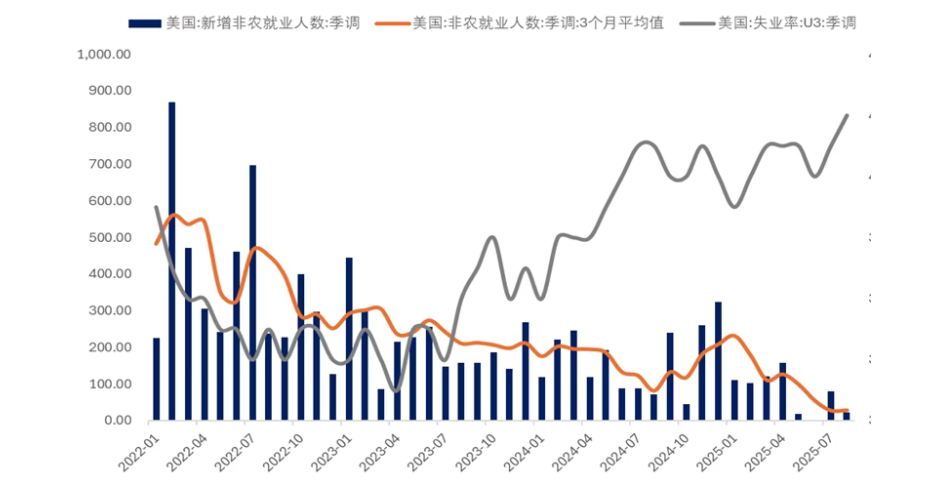
Core Viewpoint - The article highlights the ongoing issue of forced labor in illegal brick factories across multiple provinces in China, emphasizing the efforts of an activist, Shang Guanzheng, who has reported 27 such factories and rescued over 200 disabled workers since June 2023 [2][4][9]. Group 1: Forced Labor and Rescue Efforts - Shang Guanzheng has been actively reporting illegal brick factories, rescuing over 200 disabled workers from harsh working conditions [2][9]. - The working environment for these rescued individuals is described as extremely poor, with many suffering from malnutrition and physical deformities due to excessive labor without proper compensation [10][11][15]. - The phenomenon of forced labor among disabled individuals is not new, with some workers missing for decades, indicating a systemic issue that persists despite previous legal actions against similar practices [4][8][10]. Group 2: Criminal Networks and Business Models - The article discusses the existence of family-based criminal networks that exploit disabled individuals for labor, often using online platforms to facilitate these transactions [24][30]. - Brick factory owners and local labor contractors are often aware of the exploitation but choose to overlook it due to the low cost and high productivity of disabled workers [26][27]. - The labor conditions are so severe that local authorities and factory owners may turn a blind eye, as the financial benefits outweigh the moral implications [39][40]. Group 3: Challenges in Law Enforcement - Despite reports and evidence, law enforcement often struggles to act effectively, with many perpetrators fleeing before authorities arrive [33][34]. - The article raises concerns about the adequacy of existing laws, particularly the lack of legal provisions addressing the trafficking of adult males, which hampers efforts to combat forced labor comprehensively [50]. - There is a call for more robust legal frameworks to address the exploitation of disabled individuals and to ensure that law enforcement agencies take these issues seriously [50].
AI经济学:为什么失业率上升经济不衰退?
Hu Xiu· 2025-09-29 13:06
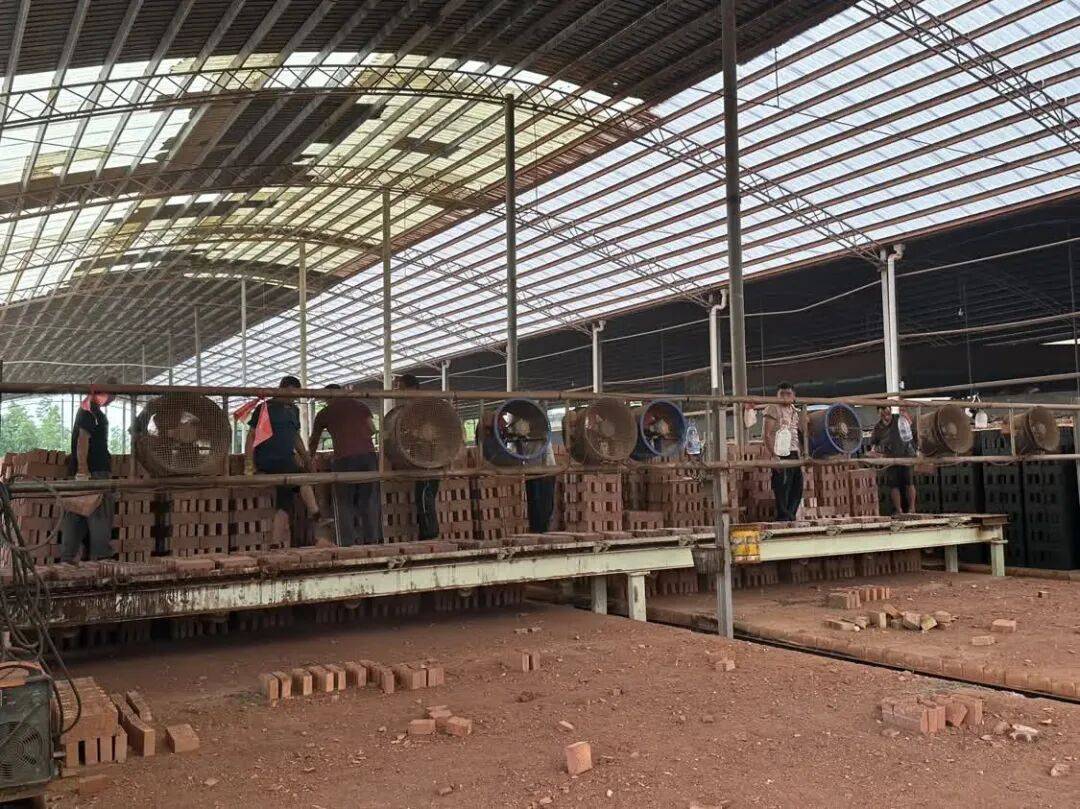
Core Viewpoint - The article discusses the paradox in the U.S. economy where employment data shows signs of recession while other economic indicators, such as GDP growth and unemployment rates, do not support this narrative. This discrepancy is increasingly attributed to the impact of AI investments on the economy and employment structure [1][2][8]. Economic Data Discrepancies - The U.S. Labor Statistics Bureau revised non-farm employment data downwards by over 900,000, marking the largest revision in 20 years, with only 22,000 jobs added in August, indicating a recessionary level [2]. - Despite poor employment data, the unemployment rate in August was 4.3%, which is still below the recession threshold of 6% [4]. - Major banks have revised GDP growth forecasts, with Q2 annualized growth at 3.8% and Q3 tracking at 2.6%, which are not indicative of a recession [5]. AI Investment Impact - A Deutsche Bank report suggests that large-scale AI infrastructure investments have prevented the U.S. from entering a recession, with tech giants leading this investment [9][10]. - AI investments are capital-intensive and do not create as many jobs as traditional manufacturing, with AI infrastructure generating only 10% of the employment opportunities compared to traditional manufacturing investments [12][13]. Employment Quality and Participation - The labor force participation rate fell to 59.6% in August, close to post-2008 financial crisis lows, indicating a decline in employment quality [19]. - The U-6 unemployment rate, which includes discouraged workers and part-time workers, was around 8.1%, suggesting a significant number of individuals are in "underemployment" situations [20][22]. Recruitment Trends - A recent study from Harvard indicates that companies adopting AI technologies are reducing their hiring for entry-level positions, with a 22% decline in entry-level job postings in the first quarter of 2023 [27][31]. - The retail sector, which heavily relies on part-time workers, has seen the most significant drop in entry-level hiring, aligning with U-6 data trends [34]. Future Employment Landscape - The study highlights that graduates from lower-tier universities are more likely to be replaced by AI, while top-tier graduates are being groomed for management roles [37][40]. - The article posits that while AI may reduce entry-level job opportunities, it could also lead to the creation of new industries that require a large workforce, similar to past technological advancements [42][43].
吴京被黑,到底谁在做局?
Hu Xiu· 2025-09-29 13:06
Core Viewpoint - The situation surrounding Wu Jing is complex and involves more than just celebrity criticism or internet memes, indicating deeper issues at play [1] Group 1 - The controversy regarding Wu Jing is not merely a case of public backlash but suggests potential orchestrated efforts against him [1] - There are implications of financial motivations behind the negative attention directed at Wu Jing, hinting at possible paid campaigns [1] - The narrative suggests that the situation may involve various stakeholders with vested interests in discrediting Wu Jing [1]
墨西哥对华加征关税,不只因特朗普施压
Hu Xiu· 2025-09-29 12:28
Core Viewpoint - The Chinese Ministry of Commerce announced an investigation into Mexico's trade and investment barriers against China, particularly in response to Mexico's proposed increase in import tariffs on products from non-free trade partners, including China [1][2][3]. Summary by Sections Trade Measures - Mexico's government proposed to raise import tariffs by up to 50% on products from China and other countries without free trade agreements, affecting a wide range of goods including automobiles, steel, textiles, and consumer products [3][5]. - The proposed tariffs could impact approximately $52 billion worth of imports, accounting for 8.6% of Mexico's total imports, and are expected to generate an additional $3.76 billion in tariff revenue annually [5][20]. Economic Implications - The new tariffs are seen as a way to protect local manufacturing and respond to pressures from the U.S. government regarding imports from China [7][21]. - The tariffs could lead to increased costs for consumers and businesses in Mexico, potentially exacerbating inflation [20][21]. Industry Reactions - The Mexican Chinese Technology Chamber expressed concerns that the tariffs could hinder Mexico's ability to absorb and develop advanced technologies in key industries such as automotive and electronics [10][12]. - Some Chinese companies have already paused investment plans in Mexico due to the uncertainty created by the proposed tariffs [12][20]. Bilateral Relations - The Chinese ambassador to Mexico emphasized the importance of avoiding protectionism and maintaining cooperative relations between China and Mexico [16]. - Despite the proposed tariffs, Mexican officials stated that the measures are not aimed at any specific country and that they wish to maintain good relations with China [8][10]. Broader Context - The timing of the tariff proposal coincides with the upcoming review of the USMCA agreement, which may influence Mexico's trade strategy and negotiations with the U.S. [6][21]. - Mexico's reliance on exports to the U.S. (over 90% of its total exports) makes it crucial for the country to navigate these trade tensions carefully [22][29].

波兰关闭通道,中欧班列“停摆”13天,中国商人“极限操作”
Hu Xiu· 2025-09-29 12:21
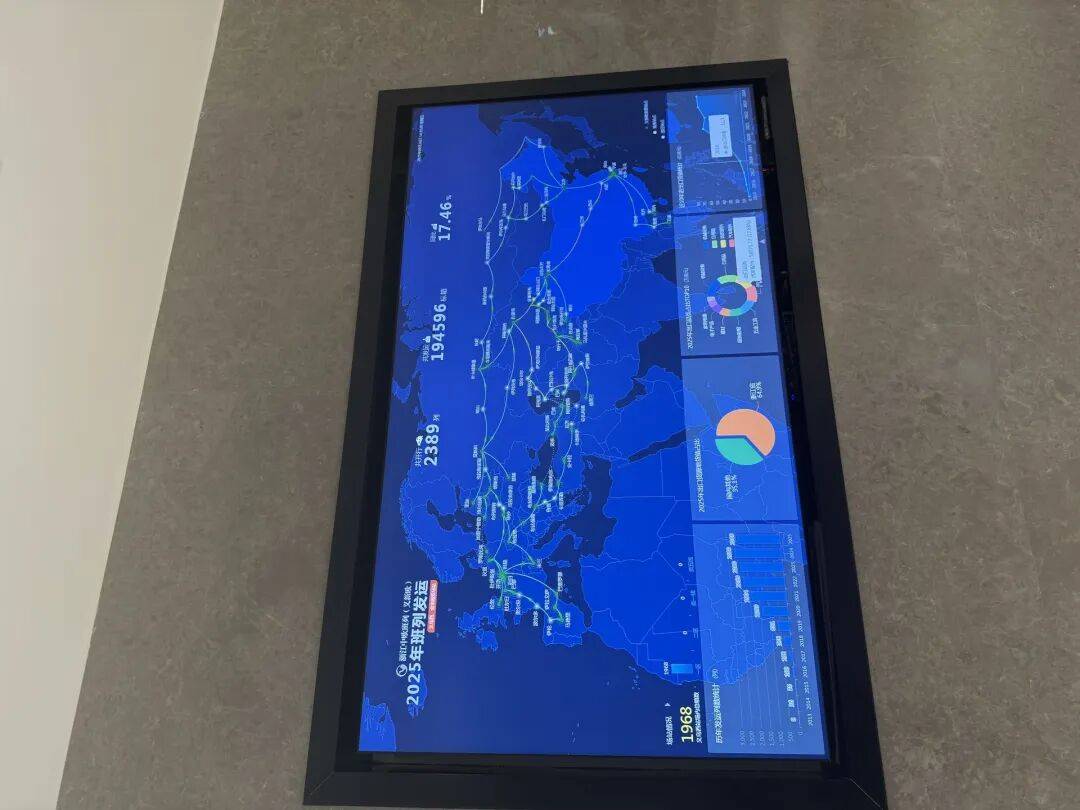
Core Viewpoint - The reopening of the "Yiwu-Madrid" China-Europe Railway Express at the Polish-Belarusian border marks a significant recovery for international logistics after a 13-day closure due to geopolitical tensions, impacting numerous freight operations and highlighting the importance of this route for cross-border trade [2][12][29]. Group 1: Impact of Border Closure - Approximately 350 China-Europe trains were stranded at the border during the 13-day closure, with an estimated recovery time of three to four weeks for normal operations to resume [3][12]. - The closure of the Polish-Belarusian border was a significant disruption, as around 90% of China-Europe trains transit through Poland, making it a critical hub for logistics [12][27]. - The closure led to increased pressure on supply chains, with many businesses facing inventory shortages and potential disruptions in their operations [12][15]. Group 2: Alternative Solutions - Companies have begun to explore alternative transportation methods, including air and sea freight, to mitigate the impact of the border closure [16][21]. - Air freight is significantly more expensive, costing about three times more than rail, while sea freight is cheaper but takes longer, with delivery times extending by 20 to 30 days compared to rail [23]. - Logistics firms are advising clients to adapt their shipping strategies, utilizing air or sea options for urgent shipments while awaiting the resumption of rail services [17][21]. Group 3: Future Outlook - Despite the recent disruptions, there is confidence in the continued viability of the Poland route for logistics, as it remains economically advantageous and efficient compared to alternative routes [26][29]. - The development of new shipping routes, such as the Arctic shipping line, which significantly reduces transit times to Europe, is being closely monitored by logistics companies [30][31]. - The overall impact of the border closure on the broader logistics industry appears limited, with many businesses in the cross-border trade sector demonstrating resilience and adaptability [28][29].
都知道长期主义好,但有用的习惯一个都坚持不下来?
Hu Xiu· 2025-09-29 12:01
Core Insights - The concept of "micro-habits" emerged in the 1990s in the United States, presenting a new opportunity for personal development [1] - Despite initial enthusiasm, maintaining these habits over time proves to be challenging [1] Summary by Categories - **Origin and Popularity** - "Micro-habits" gained traction in the 1990s, suggesting a transformative approach to behavior change [1] - **Challenges in Implementation** - Users often struggle to sustain these habits after an initial period of engagement, indicating a gap between theory and practice [1]