Jin Shi Shu Ju

Search documents
2008年魅影再现?瑞银警告:数万亿美元保险业埋雷!
Jin Shi Shu Ju· 2025-11-04 13:40
Core Viewpoint - UBS Chairman Colm Kelleher warns that insurance companies seeking higher ratings for their private credit assets are creating "potential systemic risks" for the global financial system [1][2]. Group 1: Insurance Industry Risks - Kelleher highlights that the insurance industry, particularly in the U.S., is engaging in "rating arbitrage," similar to the practices seen before the 2008 financial crisis [1]. - There are growing concerns about the risks within the insurance sector, which holds illiquid private credit loans and suffers from a lack of transparency in information disclosure [1][2]. - The Bank for International Settlements (BIS) recently indicated that the ratings of private credit assets held by U.S. insurance companies may be inflated, warning of potential concentrated sell-off risks during financial stress [2]. Group 2: Rating Agencies and Compliance - Small rating agencies are reportedly conducting superficial "investment compliance reviews," which raises concerns about the effectiveness of regulatory oversight in managing insurance industry risks [1]. - The market share of small rating agencies has increased due to their provision of "private letter ratings," which are disclosed only to issuers and select investors [2]. Group 3: Swiss Financial Landscape - Kelleher criticizes Switzerland for losing its attractiveness due to competition in wealth management from Hong Kong and Singapore, as well as the impact of the Trump administration's high tariffs on the pharmaceutical industry [3][4]. - The Swiss banking sector is facing an identity crisis, compounded by stringent capital requirements imposed on UBS following its acquisition of Credit Suisse [4][5].

美政府停摆追平历史最长纪录!两党互撕何时休?
Jin Shi Shu Ju· 2025-11-04 12:59
Core Points - The U.S. government shutdown has reached its 35th day, matching the longest shutdown during Trump's first term, with ongoing blame between Republicans and Democrats [1] - The shutdown has led to significant losses, including the first interruption of food assistance for low-income families and unpaid federal employees, causing economic decision-making to become blind due to lack of data [2] - The political polarization in Congress has resulted in this unprecedented shutdown, which is the 15th since 1981, with efforts to resolve the situation appearing minimal [3] - The Congressional Budget Office estimates that if the shutdown continues for another week, the U.S. economy could lose $11 billion, complicating the Federal Reserve's ability to gauge employment and economic conditions accurately [4] - Trump has focused on foreign affairs during the shutdown but has recently taken a hardline stance, insisting on the elimination of the Senate's 60-vote rule for lengthy debates [5] - Some moderate Democratic senators have shifted their stance to support reopening the government, while others insist on Republican concessions to reaffirm congressional funding authority against Trump's executive overreach [6]
特朗普淡化与委内瑞拉开战的可能性,但暗示马杜罗政权即将终结
Jin Shi Shu Ju· 2025-11-04 09:59
特朗普淡化了美国与委内瑞拉爆发战争的可能性,但暗示马杜罗的总统任期已进入倒计时。 在接受哥伦比亚广播公司(CBS)《60分钟》节目采访时,当被问及美国是否会对委内瑞拉动武,特朗 普回应称:"我对此表示怀疑,应该不会。但他们一直对我们很不友好。" 过去两个月,美国军方在加勒比海地区集结了包括军舰、战斗机、轰炸机、海军陆战队、无人机和侦察 机在内的庞大军事力量,这是数十年来该地区规模最大的军事部署。 美国持续对加勒比海地区涉嫌走私毒品的船只发动袭击。特朗普政府称,这些行动是遏制毒品流入美国 的必要手段。 针对外界关于"美国行动旨在推翻长期对手马杜罗而非打击毒品"的质疑,特朗普予以否认,称其目标 是"多方面的"。 据CBS新闻(BBC美国新闻合作伙伴)报道,自9月初以来,美国在加勒比海和东太平洋地区的军事行 动已造成至少64人死亡。 特朗普在佛罗里达州海湖庄园(Mar-a-Lago)表示:"每一艘被击落的船只都能减少2.5万份毒品流入, 拯救全美无数家庭。" 当被追问美国是否计划对委境内发动地面打击时,特朗普又拒绝排除这一可能性,称:"我不会倾向于 说我会这么做……我不会告诉你我是否会对委内瑞拉采取行动。"他说," ...
特斯拉前十大股东之一发难!马斯克万亿薪酬方案泡汤?
Jin Shi Shu Ju· 2025-11-04 09:28
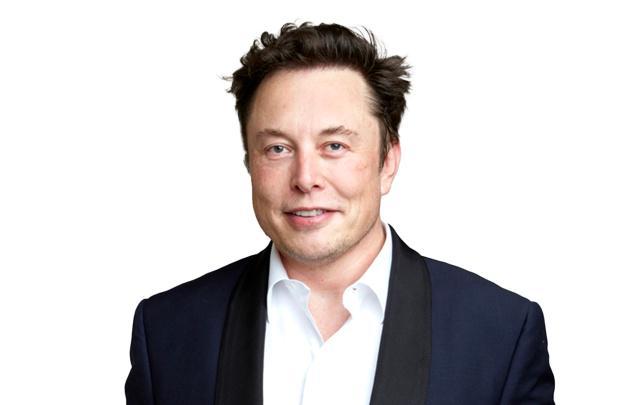
特斯拉董事长罗宾·登霍姆(Robyn Denholm)认为,这场投票对留住马斯克担任首席执行官至关重要。 而马斯克已公开威胁,若股东再次否决他的薪酬方案,他将离职。 去年,作为特斯拉前十大股东(持股1.1%)的挪威主权财富基金就曾投票反对马斯克当时那份规模达 560亿美元的薪酬方案——该方案曾是美国企业史上最大规模高管薪酬计划。尽管该560亿美元薪酬方案 在去年6月获得股东批准,但同年12月被特拉华州法院第二次驳回。 两大股东咨询机构——格拉斯·刘易斯(Glass Lewis)和机构股东服务公司(ISS)均建议投资者否决这 份最新的1万亿美元薪酬方案。该方案与特斯拉股价及运营绩效的高难度里程碑目标挂钩。 一批大型养老金基金也发布公开信反对该薪酬计划,称特斯拉董事会执着于留住首席执行官;的做法已 损害公司声誉,并导致高管薪酬过高。 特斯拉年度股东大会前,1.9万亿挪威主权财富基金公开反对马斯克1万亿薪酬方案。马斯克此前威胁方 案不通过就离职。 挪威规模达1.9万亿美元的主权财富基金,成为首家公开表态的主要投资者,明确反对特斯拉(TSLA) 首席执行官埃隆·马斯克(Elon Musk)新提出的1万亿美元薪酬方案。 ...


特朗普差评拖累选情!三州选举打响,民主党能否翻盘?
Jin Shi Shu Ju· 2025-11-04 08:57
Core Points - The article discusses the dissatisfaction among voters regarding President Trump's handling of the economy and inflation, which presents an opportunity for the Democratic Party in upcoming elections [1][2][3] - Affordability has become a central issue for the Democratic Party in key elections in Virginia, New Jersey, and New York City, as they aim to regain public trust and address economic concerns [1][2][3] - Polls indicate a significant shift in voter sentiment, with Democrats now perceived as more capable of managing the economy compared to Republicans, a change from previous years [3][4] Group 1: Election Context - The upcoming gubernatorial elections in Virginia and New Jersey, along with the mayoral election in New York City, will test the Democratic Party's strategy focused on affordability [1][2] - Democratic candidates are emphasizing plans to reduce costs, such as Abigail Spanberger's "Affordable Virginia" initiative and Mikie Sherrill's proposal to freeze utility rates [1][2][5] - In New York City, mayoral candidate Zohran Mamdani has proposed various affordability measures, including free childcare and rent stabilization [2] Group 2: Voter Sentiment and Polling - Recent polls show that dissatisfaction with Trump's economic management has led to a narrowing trust gap between Democrats and Republicans regarding economic issues [3][4] - A Gallup survey indicates that for the first time, Democrats are viewed as more capable of maintaining national prosperity, marking a significant shift from previous Republican advantages [3] - Despite this shift, some analysts caution that Democrats should not overinterpret these changes, as they may be more reflective of voter discontent with Trump than a strong endorsement of Democratic policies [3][4] Group 3: Internal Party Dynamics - The Democratic Party faces internal divisions on how to approach the affordability issue, balancing between progressive taxation and more centrist policies [6] - Polling experts suggest that the party needs to develop specific policy proposals that resonate with a broader audience while distancing itself from more leftist agendas [6] - The challenge lies in effectively communicating affordability as a key issue without alienating moderate voters [6]
“大空头”伯里已出手:11亿空单瞄准两大AI巨头!
Jin Shi Shu Ju· 2025-11-04 08:29
Core Viewpoint - Investor Michael Burry has made significant bearish bets against Nvidia and Palantir, signaling concerns about a potential market bubble driven by AI hype [1][2][3] Group 1: Investment Positions - Scion Asset Management holds put options equivalent to 1 million shares of Nvidia, valued at approximately $186.6 million, and 5 million shares of Palantir, valued at about $912 million [2] - The recent filing indicates a strategic shift for Burry, as he did not hold positions in these companies in the previous quarter [3] Group 2: Market Context - Nvidia's stock has risen 54% this year, driven by surging demand for AI hardware, while Palantir's stock has skyrocketed 174% amid AI enthusiasm and increased defense spending [2] - The S&P 500 and Nasdaq 100 indices have reached historical highs, intensifying discussions about whether the AI boom has inflated stock valuations into bubble territory [3] Group 3: Sentiment Analysis - Retail investor sentiment towards Nvidia has shifted from "extremely bullish" to "bullish," while sentiment for Palantir remains "extremely bullish" with increased discussion activity [3] Group 4: Other Holdings - Despite bearish positions on Nvidia and Palantir, Scion has taken bullish positions in Halliburton and Pfizer, and holds stocks in Lululemon, Bruker, Molina Healthcare, and SLM [4] - As of September 30, Scion's total investment positions have decreased from 15 to 8 [4]


瑞银喊多黄金:回调已暂时平息,乐观目标看向4700
Jin Shi Shu Ju· 2025-11-04 08:16
瑞银(UBS)分析师表示,当前黄金市场的回调仅为暂时现象,金价仍有望达到每盎司4200美元;若地 缘政治或市场风险加剧,乐观情况下金价甚至可能冲高至每盎司4700美元。 "市场期待已久的回调已暂时平息,"瑞银在周一发布的研究报告中称,"除技术面因素外,我们未发现 此次抛售存在基本面支撑。" 这家瑞士银行业巨头指出,"价格动能减弱引发期货持仓量出现第二轮下滑",但同时强调,黄金的潜在 需求依然强劲。 瑞银分析师还援引世界黄金协会(World Gold Council)《第三季度黄金需求趋势报告》称,该报告证 实"各国央行与个人投资者的购金需求均表现强劲且持续升温"。 他们在报告中写道:"今年以来各国央行已购金634吨,虽低于去年同期速度,但第四季度购金量正逐步 回升,符合我们对2025年全年900-950吨购金量的预测。" 黄金ETF资金流入达222吨,金条与金币需求连续第四个季度超过300吨,这些数据均表明投资者对黄金 的兴趣已显著增强。瑞银指出,"珠宝需求也未如预期般疲软"。 "我们倾向于逢低买入黄金,"分析师表示,并补充称他们仍认为投资者对黄金的"配置比例偏低"。瑞银 建议,投资者应在投资组合中配置中等个 ...
一张图表让美股“死多头”倒戈!AI泡沫风险正在飙升?
Jin Shi Shu Ju· 2025-11-04 06:05
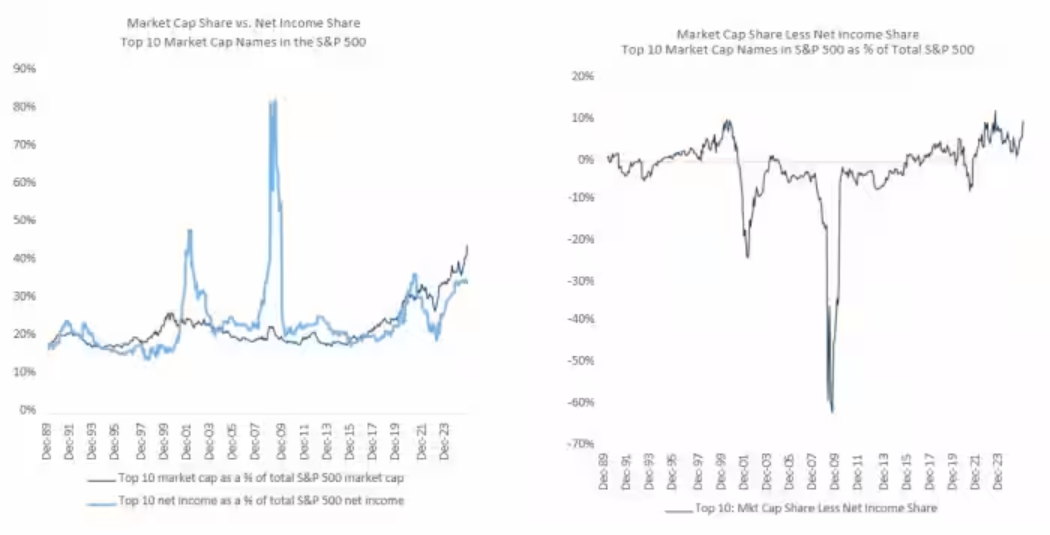
加拿大皇家银行资本市场(RBC Capital Markets)的美国股票策略主管Lori Calvasina曾多次反驳美国股市已进入AI驱动泡沫的说法,但最近,她也有所 倒戈,只因一张图表让她感到紧张。 这张图表比较了标普500指数中市值最高的10只股票的权重与这些公司在总净利润中所占的份额。正如Calvasina指出的,根据RBC使用的数据,这些股票在 指数中的权重最近触及了超过44%的新高,这是至少自1990年以来的最高水平。然而,这些公司在所有指数成员公司总利润中所占的份额却并未完全跟 上。 可以肯定的是,这并非一个全新的趋势。Calvasina表示,至少从2021年起,标普500指数中最大公司的整体权重增长速度就一直快于其盈利份额的增长。 这主要是因为投资者愿意为更强劲的长期盈利增长预期支付溢价,尤其是在2022年底ChatGPT引爆AI投资热潮之后。 然而,在过去几个月中,这一差距扩大的速度有所加剧。根据最新可用数据,截至10月底,标普500指数中最大的10家公司占指数内所有公司总净利润的 34.3%。这使得这些公司的权重与其利润份额之间的差距扩大到9.9个百分点。这与2000年3月时10.3个百 ...


美国加码稀土投资!商务部与五角大楼联手扶持本土磁体巨头
Jin Shi Shu Ju· 2025-11-04 06:03
Core Points - The U.S. Department of Commerce and the Department of Defense have committed to providing financial support and potential equity investment to Vulcan Elements, a domestic rare earth magnet manufacturer [1] - Vulcan Elements will receive $50 million from the CHIPS Act to purchase equipment for producing permanent magnets, which are essential for fighter jets, wind turbines, and other critical products [1] - The company will also secure a direct loan of $620 million from the Department of Defense and $550 million in private capital to build a magnet factory with an annual production capacity of 10,000 tons [1] - The partnership with ReElement Technologies will involve an $80 million direct loan for expanding recycling and processing capabilities, with matching private capital [1] - This initiative is part of a broader effort by the U.S. federal government to invest directly in the permanent magnet supply chain, aiming to reduce dependence on foreign sources [1] Financial Arrangements - The funding from the CHIPS Act is described as a non-binding preliminary agreement, leaving the specifics of the arrangements unclear [2] - The Department of Defense confirmed that the conditional loans are sourced from the One Big Beautiful Bill Act, which authorizes $100 billion in loans for critical mineral production and related projects [2] Strategic Implications - The agreements aim to support the development of advanced rare earth element separation, metallization, and magnet manufacturing capabilities within the U.S. [3] - The U.S. Secretary of Commerce has previously converted part of the CHIPS Act funding into equity investments in struggling domestic chip manufacturers, indicating a potential similar approach with Vulcan Elements [3] - The Department of Defense will also receive warrants for future equity purchases in Vulcan Elements and ReElement Technologies, although the specific value of these warrants has not been disclosed [3]
通胀担忧再度燃起!澳洲联储继续按兵不动
Jin Shi Shu Ju· 2025-11-04 04:32
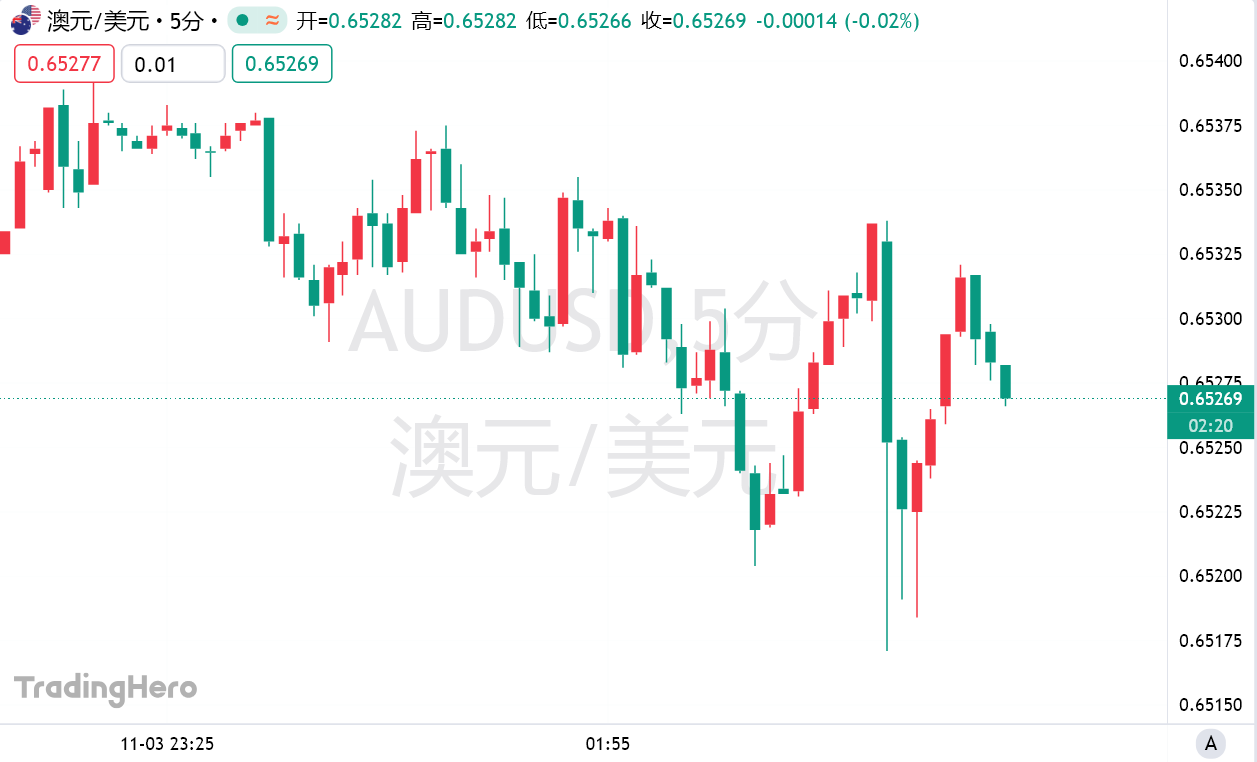
周二,澳洲联储继续维持其关键利率不变,但同时警告经济中存在更强的通胀压力,并重申未来的行动将以新出炉的数据为指导。 澳洲联储周二决定将现金利率维持在3.6%不变。此前,澳大利亚上季度消费者价格指数涨幅超出预期,而劳动力市场依旧紧张。根据声明,这一决定由九 人组成的委员会一致通过。行长布洛克将在晚些时候举行新闻发布会。 委员会在声明中表示:"最近的通胀数据表明,经济中可能仍然存在一定的通胀压力。鉴于私人需求正在复苏,劳动力市场状况似乎仍有些紧张,委员会认 为在本次会议上将现金利率维持在当前水平是合适的。" 决议公布后,澳元小幅走低,而对政策敏感的三年期政府债券收益率则跌至3.61%。 澳洲联储周二还发布了季度宏观经济预测,显示核心通胀预计将在2026年中期前攀升至2-3%目标区间的上限以上,而劳动力市场可能保持大致稳定。最新 的预测是基于明年第二季度将有一次降息的假设。 澳洲联储表示,强于预期的第三季度CPI报告"表明潜在的通胀压力可能比我们之前想象的要大一些",并指出,近期的一系列数据增加了这样一种可能性, 即"经济中的产能压力比我们之前评估的要稍大"。 澳洲联储在双重使命下运作,其目标是在实现可持续的充分就 ...