商业洞察

Search documents
“珍品虫草”价格跌了,这个藏民小伙儿,在全国火了!!
商业洞察· 2025-12-17 08:49
Core Viewpoint - The article highlights the efforts of a Tibetan entrepreneur, Gesang, who sells wild Cordyceps at affordable prices, making it accessible to the general public while ensuring quality and authenticity [1][15][50]. Group 1: Product Quality and Sourcing - Gesang sources wild Cordyceps directly from the renowned production area of Yushu, specifically from the county of Zaduo, known for its high-quality and nutritious Cordyceps [1][14]. - The company emphasizes the importance of quality control, ensuring that every Cordyceps is cleaned thoroughly to avoid weight manipulation by unscrupulous vendors [28][30][32]. - The Cordyceps undergoes multiple cleaning and drying processes to maintain high standards, with a moisture content of over 95% for better storage [30][39]. Group 2: Customer Assurance and Trust - Gesang guarantees that all products sold are wild Cordyceps, with a promise of tenfold compensation for any counterfeit products [21][52]. - The business model includes direct sourcing from local Tibetan farmers, eliminating middlemen to provide fair pricing and transparency [14][50]. - Customers can verify the quality upon delivery, with a satisfaction guarantee that allows them to pay only after confirming the product's quality [18][49]. Group 3: Market Position and Strategy - Gesang has built a reputation as a reliable supplier in the Cordyceps market, focusing on customer satisfaction and repeat business rather than one-time sales [39][53]. - The company leverages word-of-mouth marketing, with many customers becoming repeat buyers due to the high quality and effectiveness of the products [47][50]. - Gesang's approach includes educating customers about Cordyceps, its benefits, and how to identify genuine products, addressing common concerns and misconceptions [23][43].


羡慕段永平的王石,真的老了!
商业洞察· 2025-12-17 08:49
Core Viewpoint - The article reflects on the journey of Vanke and its founder Wang Shi, highlighting the company's rise and current challenges, emphasizing the impact of Wang's leadership style and market decisions on Vanke's trajectory [5][21]. Group 1: Company History and Development - Vanke was founded in 1984 by Wang Shi, initially as a trading company dealing in consumer electronics, achieving over 50 million in revenue and 3 million in net profit in its first year [9][10]. - The company underwent significant transformations, including a shareholding reform in 1986, which aimed to clarify ownership and led to the establishment of Vanke as a real estate developer [14][15]. - By 1991, Vanke was listed on the Shenzhen Stock Exchange, with a diverse shareholding structure that included state-owned, collective, and foreign shares, which facilitated its entry into the real estate market [15][16]. Group 2: Market Position and Strategy - Vanke quickly adapted to the real estate sector, becoming a leading player in a competitive market characterized by both state-owned enterprises and local developers [18][19]. - The company distinguished itself through a focus on product quality and customer service, achieving a reputation for excellence in the mid to high-end market segments [20][21]. - Vanke's strategic decisions, such as slowing down expansion in favor of quality over quantity, contributed to its strong financial health and reputation as a "top student" among real estate firms [21]. Group 3: Leadership and Challenges - Wang Shi's leadership style, characterized by a strong desire for control, led to significant conflicts during two major shareholder disputes, the "Junwan War" and the "Baowan War," which impacted Vanke's stability [23][24]. - The "Baowan War" resulted in substantial financial strain on Vanke, as aggressive tactics to fend off external investors drained resources and shifted the company's focus back to high turnover and expansion [24][25]. - The article suggests that had Wang Shi approached these conflicts with a more market-respecting attitude, Vanke might have navigated its challenges more effectively, potentially avoiding its current difficulties [25].


携程受害者,开始反击
商业洞察· 2025-12-16 09:35
Core Viewpoint - The Yunnan Tourism Homestay Industry Association has initiated legal actions against Ctrip for alleged anti-competitive practices, marking the first time an industry association has publicly called for collective complaints against a major platform since the Anti-Monopoly Law took effect in 2008 [6][4]. Group 1: Legal Actions and Industry Response - The association has engaged legal advisors to collect evidence and analyze the situation, with plans to file collective complaints once sufficient evidence is gathered [4][10]. - This action represents a shift from individual grievances to a coordinated legal approach, indicating a serious escalation in the conflict between small businesses and Ctrip [12][33]. - Previous regulatory actions against Ctrip included discussions about pricing order maintenance, but the current initiative directly addresses issues like "choose one from two" practices [7][11]. Group 2: Ctrip's Financial Performance - Ctrip reported a revenue of 18.3 billion yuan for Q3 2025, a 16% year-on-year increase, with a net profit of 19.9 billion yuan, showcasing strong financial health despite the ongoing industry challenges [13][14]. - The company's gross profit margin remains above 80%, significantly outperforming other internet giants like Tencent and Alibaba [14][30]. - In contrast, the hotel industry in Beijing reported a 7.3% decline in revenue and a staggering 92.9% drop in profit, highlighting the disparity between Ctrip's success and the struggles of traditional hospitality businesses [16][18]. Group 3: Market Dynamics and Ctrip's Dominance - Ctrip holds a market share of approximately 56% in the OTA sector, and when including its affiliated platforms, its control exceeds 70% [22][23]. - The reliance of hotels on OTA channels is significant, with 63% of hotel orders coming from these platforms, indicating Ctrip's substantial influence over pricing and market rules [23][24]. - Ctrip's business model, characterized by low asset requirements and high commission rates, allows it to profit regardless of the financial health of its partner hotels [25][26]. Group 4: Implications for the Industry - The actions taken by the Yunnan association could set a precedent for other regional associations to follow, potentially leading to broader challenges against Ctrip's business practices [35][36]. - The situation poses a critical test for Ctrip, as it may face increased scrutiny and legal challenges from various industry stakeholders [36][37].


激烈“争夺”300亿杉杉,辽宁首富、国资都来了
商业洞察· 2025-12-16 09:35
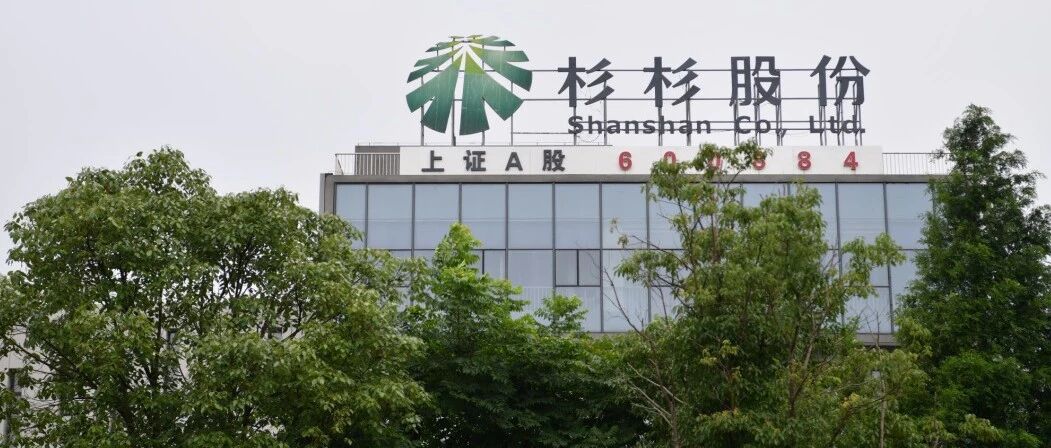
Core Viewpoint - The article discusses the financial struggles and potential restructuring of Singshan Group, highlighting the interest from significant investors and the challenges faced in the restructuring process [4][6][28]. Group 1: Capital Involvement - Singshan Group's restructuring has attracted notable investors, including Fangda Carbon and Hunan Salt Industry Group, both of which have relevant industrial backgrounds and financial capabilities [6][11][14]. - The second round of investor recruitment for Singshan Group has seen increased interest compared to the first round, indicating the group's perceived value despite its financial difficulties [10][15]. Group 2: Financial Status and Assets - Singshan Group has reported over 40 billion yuan in debts, yet it possesses significant assets, including a 23.37% stake in Singshan Co., valued at approximately 7 billion yuan based on the company's market capitalization [18][19]. - Singshan Co. has shown a recovery in its financial performance, with a revenue of 14.81 billion yuan in the first three quarters of the year, marking an 11.48% increase year-on-year, and a net profit of 284 million yuan, up 1121.72% [22][23]. Group 3: Restructuring Challenges - The restructuring process is under tight deadlines, with a critical date of December 20 for the submission of a viable restructuring plan, raising concerns about the feasibility of a successful outcome [29][30]. - Previous restructuring proposals faced criticism for lacking clarity on improving operational conditions and debt resolution, which may hinder future proposals from gaining approval [30][31]. Group 4: Competitive Landscape - Among the competing investors, Fangda Carbon has substantial backing but faces challenges due to its own high debt levels, while Hunan Salt Industry Group, with its state-owned background, may have an advantage in gaining creditor trust [32][33].


苏宁,资不抵债了,谁的错?
商业洞察· 2025-12-15 09:42
Core Viewpoint - Suning, a well-known brand group, has been declared insolvent, facing a massive debt of 230 billion yuan and asset liquidation valued at approximately 41 billion yuan, leading to a potential adjustment or complete loss of shareholder equity [3][8]. Group 1: Company Overview - In 2019, Suning's revenue was approximately 269.23 billion yuan, with a GMV of 378.74 billion yuan, and it operated over 8,216 offline stores across China and internationally [12]. - Suning's brand value was estimated at 39 billion USD, making it one of the most valuable brands in China's retail sector [12]. - The company expanded from a single appliance retailer to a diversified "omni-channel retail ecosystem," including e-commerce, logistics, financial services, and more [16]. Group 2: Mistakes Made by Suning - Suning made significant strategic investments in real estate during 2017-2018, locking substantial funds in long-term projects, which strained liquidity [26]. - In 2019, Suning acquired a majority stake in Carrefour China, which subsequently faced continuous losses and goodwill impairment [29]. - The company struggled with high operational costs due to its large offline store network, which conflicted with its O2O strategy [31]. - Over the past decade, Suning's extensive investments in various sectors diluted its resources, leading to increased debt and liquidity issues [33]. - The COVID-19 pandemic exacerbated existing problems, revealing vulnerabilities in Suning's business model and asset management [34]. Group 3: Leadership Accountability - Zhang Jindong, the founder of Suning, and his son Zhang Kangyang have faced scrutiny for their management decisions, including the acquisition of Inter Milan, which ultimately did not yield the expected benefits [36][45]. - The financial strain from the Inter Milan investment, including a €275 million loan that could not be repaid, led to a loss of control over the club [45]. - Critics argue that while Zhang Kangyang has international experience, he lacks the expertise to manage large-scale businesses effectively, particularly in the competitive retail and sports sectors [46]. Group 4: Restructuring Efforts - Suning's restructuring plan aims to manage debt through a trust, selling valuable assets while continuing operations for viable companies [50]. - The restructuring proposal has faced multiple delays, indicating ongoing negotiations among creditors and potential legal uncertainties [50]. - If the restructuring plan is approved, it may allow for the continuation of core retail operations, but the path to recovery and debt repayment remains challenging [54].


张一鸣,杀入移动支付
商业洞察· 2025-12-15 09:42
Core Viewpoint - Douyin has launched a new feature called "Douyin Buy" which allows consumers to make payments directly through the Douyin app, marking its entry into the offline payment market and showcasing its ambitions in the payment sector [4][10]. Group 1: Payment Strategy - Douyin's payment strategy began with acquiring an internet payment license in August 2020 through the acquisition of Wuhan Hezhong Yibao Technology Co., Ltd. [6] - In early 2023, Douyin Payment Technology Co., Ltd. significantly increased its registered capital from 150 million to 3.15 billion yuan, a 20-fold increase, positioning it as the fourth largest in the non-bank payment industry [6][7]. - Douyin has also acquired a 100% stake in a subsidiary of Hai Lian Jin Hui, which holds a payment license for "bank card collection," thus completing its qualifications for offline payment [8]. Group 2: Business Integration - The introduction of "Douyin Buy" completes the business loop for Douyin's local life services, allowing users to engage with content, navigate to stores, and make payments all within the app [10]. - This feature not only facilitates payments but also helps merchants convert public traffic into private followers, enhancing customer retention through subsequent marketing efforts [10]. - Douyin Buy supports multiple payment options, including Alipay and WeChat Pay, indicating a strategy to coexist with existing payment giants while leveraging its unique content-driven payment model [10][11]. Group 3: Market Challenges - Despite its potential, Douyin Payment faces challenges in changing user payment habits, as WeChat Pay and Alipay have established strong user bases over more than a decade [14][15]. - There are reports of low adoption rates among merchants, with only a few transactions utilizing the new feature, primarily among younger consumers [16]. - Douyin is prepared to invest in promotions and subsidies to encourage merchant adoption, with incentives for both merchants and users to increase transaction volumes [17].

小行动大改变|跟卖、抄袭、工厂背刺后,他们学会了主动防御
商业洞察· 2025-12-15 09:42
Core Insights - The article discusses the challenges faced by cross-border e-commerce sellers in a highly competitive market, emphasizing the need for differentiation and unique growth strategies [1] - It highlights the experiences of three sellers who overcame significant obstacles to establish their brands and achieve success [1] Seller Case Studies Seller Liang Ting - Liang Ting transitioned from platforms like eBay and Wish to Amazon, facing challenges with product homogeneity and price wars [2][3] - A critical turning point occurred when one of her products was taken down due to copyright issues, prompting her to rethink her strategy [3][4] - She decided to create her own brand by collaborating with factories to develop unique products and enhancing brand visibility through consistent packaging and marketing efforts [5][6] - These actions led to a 40% repurchase rate and a stable annual sales figure of over 1 million euros [7] Seller Qi Fan - Qi Fan, initially a traditional factory operator, successfully transitioned to e-commerce but faced a severe price war in the small appliance category [8][10] - He discovered that a competitor had innovated their product development, reducing costs by 30%, which made it impossible for him to compete on price alone [10][11] - Qi Fan pivoted to focus on outdoor portable appliances, leveraging advancements in battery technology to create a new market niche [12][13] - His advertising strategy combined both on-platform and off-platform efforts, resulting in over 70% of his sales coming from organic orders [14][15] Seller Zheng Xiao Xing - Zheng Xiao Xing and her husband faced internal challenges when a trusted factory began cutting corners and selling inferior products, leading to a significant drop in sales [16][18] - They learned valuable lessons about maintaining professional boundaries in partnerships and implemented strict quality controls and legal protections for their products [19][20][21] - By optimizing their supply chain and focusing on product innovation, they elevated their store ranking to the top 3 in their category, achieving annual sales of 8 million yuan [22][23] Industry Trends - The article illustrates the ongoing competitive nature of the cross-border e-commerce industry, where sellers must continuously adapt to survive [24] - It emphasizes the importance of proactive strategies, such as product iteration and market analysis, to build a resilient brand [25][26] - The collective experiences of the sellers demonstrate that small, strategic actions can lead to significant changes in business outcomes [27]

市值蒸发千亿,“玻尿酸女王”也不赚钱了?
商业洞察· 2025-12-14 09:22
Core Viewpoint - Huaxi Biological, a leading player in the medical beauty industry, is currently facing significant challenges as the hyaluronic acid market experiences diminishing returns, leading to a decline in revenue and profit [3][5]. Group 1: Financial Performance - In the first three quarters of this year, Huaxi Biological's revenue decreased by 18.36% to 3.163 billion yuan, while net profit attributable to shareholders fell by 30.29% to 252 million yuan [5]. - As of December 5, Huaxi Biological's stock closed at 45.57 yuan, below its IPO price of 47.79 yuan, with a market capitalization of only 22 billion yuan, a drop from its peak of 140 billion yuan [5]. - By the third quarter of 2025, the company's revenue was 903 million yuan, down 15.16%, while net profit attributable to shareholders increased by 55.63% to 32 million yuan [14]. Group 2: Product and Brand Strategy - Huaxi Biological's skincare products, primarily based on hyaluronic acid, have seen a significant revenue decline, with a 33.97% drop in the first half of 2025, contributing to 40.36% of the company's main business revenue [9]. - The company has decided to eliminate several underperforming sub-brands, including Runxihe, Runxiquan, and Demarun, in an effort to focus on its core brands [9][11]. - The revenue from core brands like Kuadi and Runbaiyan has also shown signs of fatigue, with both brands expected to fall below the 1 billion yuan revenue mark by 2024 [10][17]. Group 3: Market Dynamics - The cosmetic market is experiencing intense competition, with a significant increase in the number of hyaluronic acid products, leading to market saturation and reduced consumer interest [16]. - The price war in the hyaluronic acid sector has intensified, with products like Joia's hyaluronic acid being sold at drastically reduced prices, marking the end of high-profit margins in the industry [17]. - The overall market for functional skincare products is projected to reach 211.8 billion yuan by 2025, with collagen expected to surpass hyaluronic acid as the leading ingredient [21]. Group 4: Future Outlook - Huaxi Biological is undergoing a transformation, shifting its focus from skincare to new areas such as weight loss and small nucleic acid drugs, investing 138 million yuan in a strategic partnership with Saint Pharma [24]. - The company is rebranding its skincare product line to emphasize technological innovation, indicating a shift in strategy to adapt to changing market conditions [24].


中国燃油车,在海外杀疯了!
商业洞察· 2025-12-14 09:22
Core Viewpoint - The article discusses the significant transformation of Chinese fuel vehicles from being ridiculed to becoming competitive in international markets, highlighting their successful export growth and market penetration in regions where electric vehicles face challenges [5][31]. Group 1: Export Growth of Chinese Fuel Vehicles - Since 2020, for every four cars exported from China, three have been fuel vehicles [8]. - In 2021, China exported 2.015 million cars, with 1.705 million being fuel vehicles, accounting for 84.6% of total exports [9]. - In 2022, the total car export volume reached 3.111 million, with fuel vehicles increasing to 2.342 million, representing 78.2% [10]. - In 2023, the export volume of traditional fuel vehicles was 3.707 million, making up 75.4% of total exports [11]. - Projections for 2024 indicate that fuel vehicle exports will reach 4.574 million, maintaining a share of 78.1% [12]. Group 2: Market Performance and Competitive Advantage - Chinese fuel vehicles have gained significant market share in regions like Eastern Europe, Latin America, and Africa, with Chinese manufacturers capturing nearly 16% of the South African market in the first half of the year, up from 10% the previous year [14]. - In Chile, Chinese fuel vehicles account for nearly one-third of the market, while traditional brands like Chevrolet and Nissan have seen sales declines of 34% to 45% [15]. - The competitive edge of Chinese fuel vehicles lies in their cost-effectiveness and superior configurations compared to traditional brands, allowing consumers to purchase higher-spec models for similar prices [21][22]. Group 3: Strategic Adaptations and Local Production - Chinese automakers are establishing production bases in key markets such as Thailand, Brazil, and Russia to reduce costs and enhance local supply chains [26]. - This strategy not only helps in avoiding tariffs and logistics costs but also allows for better market integration and responsiveness to local demands [26]. - Some joint venture brands are leveraging Chinese manufacturing advantages to create globally competitive vehicles, with exports constituting nearly 70% of their total sales [29]. Group 4: Future Outlook - The narrative of Chinese fuel vehicles represents a quiet yet robust response to the global shift towards electric vehicles, focusing on markets where practical needs outweigh technological aspirations [31]. - Despite challenges in brand recognition and scale compared to established players like Toyota and Volkswagen, Chinese manufacturers are poised to leverage their complete industrial chain and strategic initiatives to enhance global competitiveness [32].



金龙鱼,“天塌了”?
商业洞察· 2025-12-13 09:27
以下文章来源于互联网那些事 ,作者互联网那些事 互联网那些事 . 新态度,深角度。 作者: 互联网那些事 来源: 互联网那些事 一边陷入与湖北前首富兰世立的"连番对决",一边是子公司卷入合同诈骗被判退赔18.8亿元,又叠加了新加坡总理引发众怒的媚日发言… 坊间有关金龙鱼"凉得更快"的抵制声音此起彼伏,金龙鱼能否化解这场信任危机? 01 金龙鱼的"多事之冬" 日前,在小红书、微博等多个平台,金龙鱼的相关话题下面,都不乏各种"以后再也不会买金龙鱼"、"抵制金龙鱼"等热评,让不明真相的网友大为 震惊, 家喻户晓的金龙鱼,咋突然就"塌房"了? ------------------------------- 图:截自小红书、微博等平台 综合公开报道来看,金龙鱼的风评急转直下,与近期多起事件存在直接或间接的关联,尤其是新加坡总理黄循财让我们原谅日本、放下历史的"挺日 拉偏架"的言论,彻底激怒了一众媒体、网络大V和普通网友们。 大是大非面前,朴素的网友始终都是坚定地与国家立场保持一致的,而金龙鱼的母公司益海嘉里的母公司丰益国际是在新加坡注册的跨国企业,益海 嘉里金龙鱼董事长、新加坡丰益国际集团董事局主席郭孔丰亦为新加坡籍。 ...