
投资界

Search documents
中国并购抄底时机到了
投资界· 2025-12-11 02:23
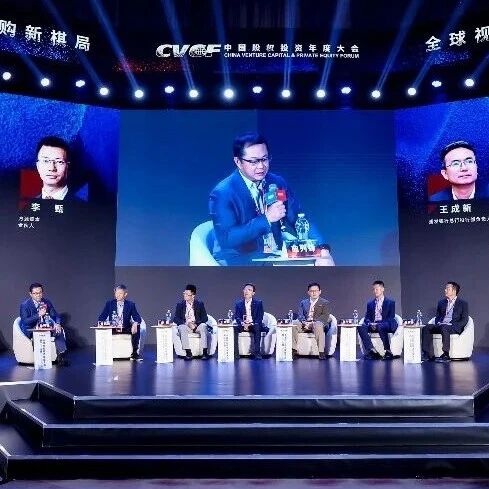
Core Viewpoint - The article discusses the emerging landscape of mergers and acquisitions (M&A) in China, highlighting the increasing opportunities and the evolving market dynamics that are driving this trend. Group 1: Market Environment - The current year is seen as a pivotal moment for new types of M&A, with expectations for rapid growth in the scale of M&A funds over the next five years [3][6] - The Chinese economy has matured, leading to a shift in focus from growth to efficiency and market positioning, which is conducive to M&A activities [9][16] - The concentration of industries in China is low compared to developed markets, creating a fertile ground for consolidation through M&A [9][16] Group 2: Institutional Perspectives - Various investment firms, such as CITIC Jinshi and Fangyuan Capital, have been actively establishing M&A funds and have extensive experience in the field [3][4][5] - The panelists emphasize the importance of understanding market demands and building capabilities to meet the growing need for M&A [8][17] - The role of private equity (PE) firms is crucial in connecting capital with quality assets, facilitating the M&A process [17] Group 3: Strategic Considerations - M&A is increasingly viewed as a necessary strategy for companies to diversify and develop second core businesses, especially for those that have reached a plateau in their primary sectors [6][8] - The need for professional management and strategic integration post-acquisition is highlighted as a key factor for successful M&A [20][29] - The importance of identifying unique and differentiated businesses for acquisition is emphasized to avoid market saturation and price wars [14][26] Group 4: Future Outlook - The article suggests that the current market conditions present a unique opportunity for M&A, with many quality companies available at attractive valuations due to recent market adjustments [17][28] - The potential for significant growth in the M&A sector is anticipated, driven by both domestic and international factors [17][27] - The development of a robust ecosystem of mid-sized and large M&A funds is seen as essential for sustaining industry growth [17][30]

今年最大并购诞生了
投资界· 2025-12-10 02:47
Core Viewpoint - The article discusses a significant acquisition battle in Hollywood, highlighting Netflix's announcement to acquire Warner Bros. Discovery's film studio and streaming business for approximately $827 billion (about 580 billion RMB) and the competitive response from Paramount SkyDance, which has made a cash offer of $1,084 billion (about 770 billion RMB) for all outstanding shares of Warner Bros. Discovery [5][9][10]. Group 1: Acquisition Details - Netflix's acquisition proposal includes a cash and stock transaction at $27.75 per share, totaling $720 billion in equity value, while also assuming Warner Bros.' debt [9][10]. - Paramount SkyDance has countered with a cash offer of $30 per share, raising the total enterprise value to $1,084 billion [5][10]. - The acquisition is contingent upon Warner Bros. completing a divestiture plan for its cable television assets, including CNN, TBS, and TNT, allowing Netflix to acquire core film assets like Warner Bros. Pictures and HBO [10][11]. Group 2: Industry Context - Warner Bros. Discovery, a 107-year-old company, is facing challenges in the evolving media landscape, with traditional film studios struggling against the rise of streaming platforms [7][8]. - The article reflects on the historical significance of Warner Bros., which has produced iconic franchises such as Harry Potter, The Lord of the Rings, and DC Universe films, but is now seeking new paths amid declining fortunes [6][12][16]. - The competition in Hollywood is intensifying, with streaming services like Netflix and Disney+ reshaping the industry dynamics, leading to a shift from traditional filmmaking to new media formats [17][18]. Group 3: Historical Perspective - Warner Bros. was founded in 1923 and rose to prominence with the introduction of sound films, becoming one of the major Hollywood studios [12][13]. - The company experienced significant growth during the mid-20th century, producing classic films and establishing a vast intellectual property empire [14][15]. - However, the acquisition by AOL in 2000 and subsequent ownership changes have led to challenges, including debt reduction strategies that have affected its production capabilities [15][16].



港投公司,一举联手10家基金
投资界· 2025-12-10 02:47
Core Viewpoint - The article discusses the recent appointment of ten investment institutions under Hong Kong's "New Capital Investor Immigration Program," highlighting the strategic focus on high-growth sectors such as hard technology, life sciences, and new energy [5][6]. Group 1: Investment Program Overview - The "New Capital Investor Immigration Program" was introduced by the Hong Kong government in March 2023 to attract high-net-worth individuals to invest in Hong Kong [6]. - Qualified applicants must invest at least 30 million HKD in approved assets, with 3 million HKD allocated to a designated investment portfolio managed by the Hong Kong Investment Management Company [6][7]. - The selected investment institutions include a diverse range of strategies, covering venture capital, private equity, private credit, and hedge funds [7]. Group 2: Selected Investment Institutions - The ten appointed institutions are: PanShih Capital, Sky Horizon Ventures, CMC Capital, Morning One Fund, Yinshi Capital, M Capital, Baijun Capital, Springhua Capital, Xincheng Capital/CITIC Capital, and Value Partners Group [5][7]. - These institutions have outlined specific plans to expand their business in Hong Kong, focusing on areas such as artificial intelligence applications, sustainable technology, materials science, and biotechnology [8]. Group 3: Investment Performance and Strategy - As of October 2023, the Hong Kong Investment Management Company manages approximately 640 billion HKD and has invested in over 150 projects, with two IPOs completed [9][11]. - The investment strategy emphasizes hard technology, which accounts for 71% of total investments, while life sciences and new energy/green technology represent 13% and 11%, respectively [10]. - The company has reported an investment income of 2.345 billion HKD for the year, with operational profit reaching 2.252 billion HKD [9]. Group 4: Future Outlook - The estimated scale of the "2025 Fund Group" is projected to be at least 3 billion HKD by the end of this year, with investments expected to commence in the first quarter of 2026 [8]. - The company claims that every 1 HKD invested can attract over 6 HKD in market follow-on funding, indicating a strong leverage effect [11].

今天,港交所迎来一场罕见敲锣
投资界· 2025-12-10 02:47
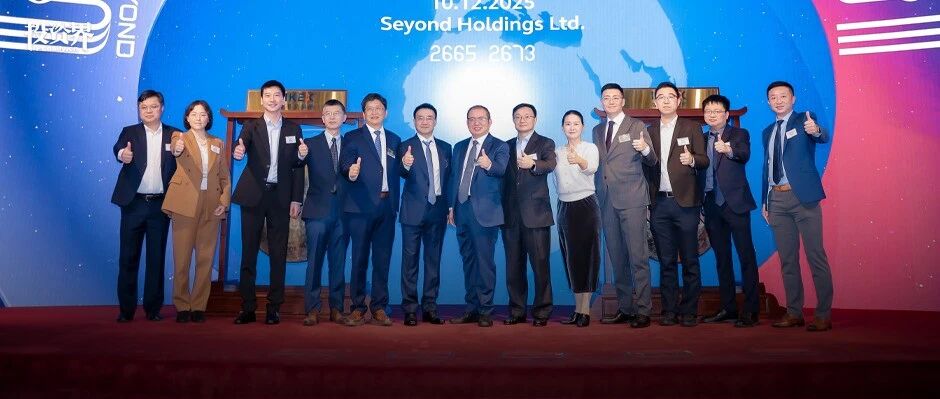
Core Viewpoint - The article highlights the successful listing of TuDatong (Seyond) on the Hong Kong Stock Exchange through the De-SPAC model, marking a significant milestone for the company and the hard technology sector in China [2][12]. Company Overview - TuDatong was founded in 2016 by technical experts Baijunwei and Li Yimin, focusing on the development and mass production of laser radar technology, which is crucial for autonomous driving [3][4]. - The company has achieved a market capitalization exceeding 20 billion HKD after its stock surged over 60% on its debut [2]. Development Journey - The founders faced significant challenges during the early stages, including high R&D costs and skepticism from the automotive industry regarding the feasibility of laser radar technology [5]. - A pivotal moment occurred in 2020 when NIO announced that its flagship model ET7 would feature TuDatong's 1550 nm laser radar, leading to a revenue increase of 1341% in 2022 [6]. Listing Process - TuDatong's listing was facilitated by Tech Star SPAC, which raised approximately 1 billion HKD and completed the merger with TuDatong, making it the first hard technology company to go public via the De-SPAC route [7][8]. - The De-SPAC model offers advantages such as time certainty, transparent valuation, and controlled costs, making it an attractive option for companies seeking to go public [8]. Investment Landscape - TuDatong has attracted a strong lineup of investors, including prominent firms like CICC Capital and Gao Rong Venture Capital, which have supported the company since its early days [10]. - The company is positioned to deliver over 230,000 vehicle-grade laser radars in 2024, ranking second globally in sales revenue for ADAS laser radar solutions [11]. Market Context - The article reflects a broader trend of increasing interest in Chinese technology assets, particularly in sectors like autonomous driving, where companies like TuDatong are gaining recognition for their technological advancements [12][13]. - The successful listing of TuDatong is seen as part of a larger narrative of value reassessment for Chinese tech companies on the global stage [12][13].
中国出海的经验与教训
投资界· 2025-12-10 02:47
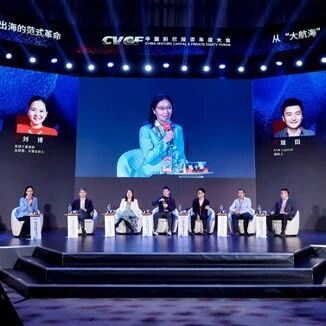
Core Viewpoint - The article discusses the evolution of Chinese companies' overseas expansion strategies, highlighting the shift from low-value trade products to high-value brands and technologies, and the importance of local adaptation and strategic partnerships in international markets [2][7][10]. Group 1: Investment Institutions and Their Focus - Tiantu Investment focuses on consumer brands and has invested in companies like Baoshifu and Nayuki Tea, which are expanding overseas [3][7]. - Qidi Star Venture emphasizes early-stage investments in hard technology and has established incubators in various countries, including partnerships with international tech parks [4][9]. - ATMCapital, founded by a former Alibaba executive, specializes in helping Chinese companies enter emerging markets in Southeast Asia and Latin America [5][10]. - Zero One Capital has been investing in cross-border ventures since 2015, focusing on smart manufacturing and international expansion [6][12]. - Jiuhua Venture has invested in over 300 early-stage tech companies, with a growing interest in cross-border e-commerce [6][14]. Group 2: Strategies for Overseas Expansion - The discussion highlights various models of overseas expansion, including product export, brand establishment, and technology transfer [7][10]. - Tiantu Investment's strategy includes investing in brands that are inherently designed for international markets, such as VIVAIA [8][19]. - Qidi Star Venture has been proactive in establishing overseas partnerships and incubators to facilitate technology transfer and innovation [9][10]. - ATMCapital emphasizes the importance of local market knowledge and building supply chains for successful brand expansion in Southeast Asia [11][21]. - Zero One Capital notes the significance of adapting business models to local markets and leveraging AI capabilities for global applications [15][20]. Group 3: Challenges and Risks in Overseas Markets - The panelists discuss challenges such as unfamiliarity with local regulations and market dynamics, which can lead to significant losses [26][27]. - Political and regulatory environments are highlighted as critical factors for successful overseas operations, necessitating local partnerships [27][28]. - The need for a clear strategic direction before entering foreign markets is emphasized, as missteps can lead to substantial financial losses [28][29]. Group 4: Future Investment Strategies - The article concludes with a focus on the potential for Chinese companies to become global leaders by leveraging their competitive advantages in technology and supply chain [33][34]. - Investment institutions are increasingly looking to support companies that are designed for global markets from inception, rather than adapting later [30][31]. - The establishment of collaborative networks among banks and investment firms is seen as essential for supporting overseas ventures [34].
中国垃圾不够烧了
投资界· 2025-12-09 08:40
Core Viewpoint - The article discusses the significant transformation in China's waste incineration industry, shifting from a "garbage siege" to a situation where there is insufficient waste to incinerate, reflecting a historical turning point in economic development and lifestyle changes in China [3][4]. Phase Summaries Phase 1: Overdevelopment and Mismatch - The origins of China's waste incineration industry date back to the late 1980s, with the establishment of the first modern waste incineration power plant in Shenzhen in 1985, which was costly and faced technological challenges [5][6]. - The waste composition in China was not suitable for incineration, leading to low energy generation and high operational costs, resulting in minimal commercial viability [6]. Phase 2: Problem Solving and Preparation - The real growth of the waste incineration industry began around the turn of the century, driven by rapid economic growth and an increase in waste generation, leading to the emergence of "garbage siege" phenomena [7][8]. - Policy support, technological advancements, and innovative business models began to emerge, with significant developments such as the inclusion of waste incineration equipment in the encouraged development catalog in 2000 and subsidies for waste-to-energy projects [8][9]. Phase 3: Golden Decade - The year 2012 marked a milestone for the industry, with the introduction of substantial policy support that increased subsidies for waste incineration, enhancing its commercial viability [11][12]. - By 2016, the annual power generation from waste incineration reached approximately 29.3 billion kWh, with an efficiency of 279 kWh/ton, nearly doubling previous figures [12][15]. - The number of operational waste incineration plants surged from 167 in 2012 to 840 by 2021, with installed capacity increasing significantly [16]. Phase 4: Insufficient Waste - Post-2021, some regions began experiencing a "not enough waste to burn" phenomenon, with average utilization rates around 60% and some facilities operating at even lower capacities [17][18]. - Factors contributing to this issue include overcapacity from previous years, improvements in waste sorting, and regional imbalances in waste management capabilities [18][19]. - The article highlights the need for regional collaboration and policy improvements to address the mismatch between waste generation and incineration capacity, suggesting that cross-regional waste management could optimize resource allocation [20][21].

华盖资本许小林:中国将诞生万亿医疗公司
投资界· 2025-12-09 08:40
Core Viewpoint - The article discusses the evolution and future prospects of China's medical investment landscape over the next decade, highlighting significant changes and opportunities in the industry, particularly in innovative pharmaceuticals and medical technology [2][3]. Summary by Sections Historical Context - The period from 2015 to 2024 marks a complete decade of development for China's innovative drug sector, with a focus on both achievements and future directions for medical investment [3]. Key Milestones in 2025 - 2025 is identified as a historic year for the medical industry, with notable events such as the emergence of Eli Lilly as the first trillion-dollar company in the healthcare sector, reflecting the industry's potential for high market valuations [4]. - The Hong Kong Stock Exchange has become a crucial platform for medical companies, achieving a financing amount of $36 billion and nearly 100 listed companies, with 10% being healthcare firms, particularly in innovative drugs [4]. - Significant business development (BD) transactions have occurred, including a landmark $1.25 billion upfront payment to 3SBio, indicating growing international recognition of Chinese innovative drug intellectual property [4]. Industry Growth and Changes - The past decade has seen a dramatic increase in clinical trial institutions from 400 to approximately 1,600, and the number of personnel in China's drug review center has risen from 100 to nearly 700, although still lagging behind the U.S. [6]. - The shift from licensing in to licensing out has transformed China's role in the global pharmaceutical market, with the country becoming the largest marketplace for innovative drugs [6][7]. Future Predictions - The article predicts that during the 14th Five-Year Plan, China will solidify its position as the world's largest innovative drug marketplace and will strive to achieve parity with the U.S. in original innovation [8]. - The integration of AI in healthcare is expected to grow significantly, with applications in clinical settings and drug development, indicating a trend towards more advanced healthcare solutions [9][11]. Investment Themes - Four core investment themes for the next decade are identified: 1. Original innovation in pharmaceuticals will be a key investment direction, potentially yielding high returns [10]. 2. The evolution of the Hong Kong Stock Exchange and the STAR Market will facilitate investment in innovative companies lacking immediate revenue or profits [10]. 3. The combination of AI and healthcare will lead to more practical applications, including AI-driven pharmaceuticals and home healthcare robots [11]. 4. As Chinese pharmaceutical innovation and international expansion continue, the market capitalization of leading companies may exceed one trillion, with the emergence of global multinational corporations [11].
VC开抢深圳硬件项目
投资界· 2025-12-09 08:40
Core Viewpoint - The article highlights the resurgence of hardware startups in Shenzhen, particularly in the context of "hardware + going global," showcasing a vibrant investment scene and innovative products in various sectors such as robotics, sleep health, and smart wearables [2][10]. Group 1: Event Overview - The "X-Day" event held on February 4 in Shenzhen attracted significant attention, with six startups presenting their innovations to a packed audience of investors [2]. - The participating companies included Benmo Technology, Subrain Technology, Dream Innovation, Natural AI, Laimu Technology, and Ruiman Intelligent, covering cutting-edge fields like intelligent robotics and smart apparel [2]. Group 2: Company Highlights - Benmo Technology, founded in 2020, has completed Series C financing and launched the world's first detachable dual-person robot, gaining substantial media attention [4]. - Subrain Technology, established in October 2023, focuses on an intelligent sleep aid device that reduces average sleep onset time by 20 to 30 minutes, having completed three rounds of financing in under two months [4]. - Dream Innovation's core product, the smart sleep lamp "SunflowerX," aims to facilitate effortless sleep and natural awakening, and has secured seed funding from Xbot Park in Chongqing [5]. - Natural AI introduced a full-domain AI temperature control garment, aiming to integrate AI into wearable technology, and is set to deliver its first batch of B-end products [6]. - Laimu Technology, which has completed several rounds of financing totaling hundreds of millions, focuses on the overseas market potential for its lawn mowing robots [6]. - Ruiman Intelligent, established in 2017, specializes in ultra-lightweight humanoid robotic arms and emphasizes the necessity of international expansion for Chinese intelligent companies [7]. Group 3: Investment Landscape - The event showcased a strong presence of venture capital firms, indicating a booming interest in hardware projects [9]. - The trend of hardware companies going global is driven by successful examples like DJI and others, which have provided impressive returns to investors [10]. - The article notes that new-generation hardware products are inherently designed for international markets, leveraging Shenzhen's supply chain advantages [10]. Group 4: Future Prospects - The "X-Day" event is set to continue, with a focus on innovative early-stage projects in frontier sectors, aiming to identify potential new unicorns [13]. - The article emphasizes a shift in perception of Chinese products from "Made in China" to "Created by China," reflecting advancements in technology and innovation [13].

字节跳动,新王炸诞生了
投资界· 2025-12-09 08:40
Core Viewpoint - The article highlights the rapid rise of the short drama app "Hongguo" under ByteDance, which has achieved significant user engagement and viewership metrics, indicating a strong potential for growth and monetization in the short drama industry [2][3][5]. Group 1: User Engagement and Growth - Hongguo short drama has reached over 200 million monthly active users (MAU) and peaked at nearly 10 billion views in a month, surpassing platforms like Youku and Xiaohongshu [2][3]. - The platform has seen a total viewing volume exceeding 30 billion during the summer season, with 131 trending topics and 920 million total views [3]. - The MAU of Hongguo has grown from several million to 236 million in less than two years, making it one of the fastest-growing platforms in ByteDance's portfolio [6]. Group 2: Monetization and Revenue - In 2024, the average revenue per user (ARPU) from advertisements for Hongguo is projected to reach 29 yuan, surpassing iQIYI's membership ARPU [5]. - By 2025, the total revenue from script distribution on Hongguo is expected to exceed 73 million yuan, with some studios earning over 10 million yuan monthly and individual writers making over 1 million yuan [5]. - The success of specific dramas, such as "Northeast Love Story" with 1.5 billion views, illustrates the platform's ability to generate substantial revenue from grassroots content [5]. Group 3: International Expansion - The short drama format is beginning to penetrate international markets, with the overseas short drama market projected to exceed 2.1 billion yuan in 2025, growing at a rate of 145.7% [7]. - ByteDance has launched the overseas short drama platform "Melolo," which has seen significant growth in downloads, particularly in Southeast Asia [8]. - The application of AI technology has reduced production costs by 80%, facilitating the global spread of short dramas and proving that lightweight content can successfully cross cultural boundaries [8]. Group 4: Industry Context and Competitors - The article also mentions other successful products from ByteDance, such as "Soda Music" and "Lemon8," which have disrupted their respective markets and contributed to ByteDance's reputation as a "hit-making machine" [9][10][11]. - The competitive landscape includes various applications that have gained significant user bases, with "Soda Music" reaching 120 million monthly active users, marking a 90.7% year-on-year growth [10].

接入人脑,正在中国悄悄爆发
投资界· 2025-12-08 09:44
地球知识局 . 人文+地理+设计,全球视野新三观。 合作请联系:xiaobaibai_9999(注明品牌和需求) 以下文章来源于地球知识局 ,作者地球知识局 爆发元年。 作者/浮森黑子 来源/地球知识局 (ID:diqiuzhishiju) 前几天,马斯克抛出一个极具争议的预测:人类能在2 0年内将意识数字化,并上传到特 斯拉的人形机器人Op t imu s 中,达到类似"赛博克隆"的效果。 马斯克这发言在科学界堪称激进,看来未来数年是要死磕脑机接口。 现如今,AI如日中天,但在2 0 2 0年爆发之前,很少有人能预见它今天的盛况。这种现 象在科技前沿并不罕见,许多技术前景远大,但发展时间难以判断,直到爆发临界点到 来,行业外的人才会突然意识到原来它已经完成了蓄力。 今年,类似的迹象再次出现,又一个前沿领域——脑机接口——正被点燃。 脑机接口的爆发 2 0 2 4年至2 0 2 5年,是脑机接口从实验室走向现实的关键两年。 2 0 2 4年1月,马斯克的Ne u r a l i n k公司完成首例人类脑机植入手术。几个月后,受试者 仅凭意念就能控制电脑。这一成果的出现,让脑机接口首次从学术议题变成了可量化、 ...
