36氪

Search documents
不差钱的腾讯,也开始借钱了?
36氪· 2025-09-18 10:18
Core Viewpoint - Tencent is issuing bonds for the first time in four years, raising 9 billion yuan, which has sparked market speculation about the company's cash flow needs and financial strategies [5][6]. Group 1: Debt Issuance and Financial Strategy - Tencent's bond issuance is primarily aimed at general corporate purposes, despite the company having sufficient cash flow to cover upcoming debt maturities [6][9]. - The market speculates that the bond issuance may be a strategy for refinancing existing debts, as Tencent has a $1 billion bond maturing in January 2026 and another $500 million due in April [8]. - However, given Tencent's strong free cash flow of 47.1 billion yuan and 43 billion yuan in the first two quarters of the year, the need for refinancing is low [8][9]. Group 2: Share Buyback Program - A significant purpose of the bond issuance is likely to support Tencent's large-scale share buyback program, which has seen a total repurchase amount of 49.95 billion HKD this year, accounting for 1.02% of its total share capital [10]. - Tencent's buyback activities have intensified since 2021, with a record buyback of 112 billion HKD last year and a target of 80 billion HKD for this year [10]. - The strategy mirrors that of Apple, which has successfully used debt issuance to fund share buybacks, thereby enhancing its earnings per share (EPS) [17][21]. Group 3: Financial Optimization - Tencent's decision to issue bonds, despite having ample cash reserves, aligns with common financial practices where companies optimize their capital structure by taking advantage of low-interest rates [12][21]. - Similar to Apple's approach, Tencent's bond issuance could help reduce the cost of existing high-interest dollar debt, benefiting from lower interest rates in the renminbi market [9][12]. - The bond issuance is expected to enhance shareholder value and potentially lead to an increase in Tencent's EPS, as seen in Apple's historical performance [24][25].



2025产业未来大会圆满收官:于嘉禾之地,共启产业精耕新篇章
36氪· 2025-09-18 10:18
Core Viewpoint - The global economic landscape and industrial ecology are undergoing profound restructuring, marking the end of the extensive growth era and the beginning of the "precision farming era," characterized by deep exploration, collaborative innovation, and long-term value [1] Group 1: Investment Trends - In 2023, both fundraising and investment in the primary market have shown a year-on-year increase, with a shift towards hard technology sectors aligned with national strategic directions [3] - Investment in the low-altitude economy is characterized by early and small investments, with approximately 40% of funding going to angel rounds, and a focus on leading companies with scale and orders [12] - The energy sector's core metric is the cost per kilowatt-hour, with rapid technological iterations in new energy outpacing capacity adjustments, leading to the elimination of outdated capacities [15] Group 2: Industry Challenges and Innovations - The low-altitude economy faces challenges such as an incomplete air traffic network and the need for application scenarios to transition to consumer ends [13] - The integration of AI in the energy sector is expected to redefine energy networks, allowing electric vehicles to not only consume energy but also participate in grid regulation [17] - The manufacturing sector is experiencing a transformation where AI is shifting from a tool to a production force, optimizing supply chain efficiency and enhancing production logic [39] Group 3: Future Industry Outlook - The conference highlighted the "Top Ten Future Industries" in China, including embodied intelligence, artificial intelligence, advanced manufacturing, and new energy, indicating a vibrant investment landscape [41] - The emphasis on domestic substitution and the construction of a professional industrial ecosystem is crucial for the development of the biopharmaceutical industry [35] - The integration of AI into manufacturing is seen as a key advantage for China, leveraging its rich manufacturing scenarios to foster technological application [39]
一升装的「工地饮料」,成了打工人的营养液
36氪· 2025-09-18 00:19
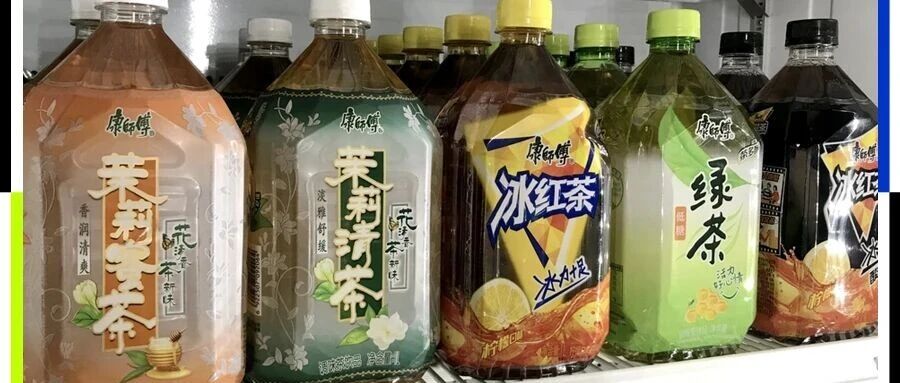
Core Viewpoint - The article discusses the rising popularity of 1L bottled drinks, referred to as "construction site drinks," among young white-collar workers, highlighting their affordability and perceived health benefits compared to other beverages [4][11][20]. Group 1: Market Dynamics - The 1L bottled drinks are seen as a cost-effective option, with prices as low as 2.9 yuan during group purchases, making them more appealing than smaller, more expensive bottles [11][8]. - As other beverages increase in price or decrease in quantity, the pricing of 1L drinks remains stable, attracting budget-conscious consumers [11][42]. - The competition among brands has intensified, with various companies launching their versions of "construction site drinks," including well-known brands like 康师傅 and 农夫山泉 [40][41]. Group 2: Consumer Behavior - Young professionals have shifted their preferences, finding comfort in the simplicity and nostalgia of 1L drinks, which were previously dismissed as childish [30][52]. - The consumption of these drinks has become a social currency, allowing individuals to participate in group purchases without the pressure of expensive options like milk tea [38][39]. - The article notes that while these drinks are not considered healthy, they are perceived as less harmful than other options laden with artificial sweeteners [18][22]. Group 3: Cultural Significance - The 1L bottled drinks have evolved into a symbol of practicality and straightforwardness for young workers, contrasting with the more elaborate marketing of coffee and tea [33][35]. - The drinks are associated with a no-frills lifestyle, where the focus is on work efficiency rather than indulgence [35][49]. - The article emphasizes that these drinks evoke a sense of nostalgia and familiarity, making them a preferred choice for hydration and energy during work hours [52][53].
寻找A股甲骨文
36氪· 2025-09-18 00:19
Core Viewpoint - Oracle's recent financial report revealed a significant increase in remaining performance obligations (RPO) to $455 billion, a 359% year-over-year growth, primarily driven by a rumored $300 billion cloud computing contract with OpenAI [4][5]. Group 1: Oracle's Cloud Business - Oracle Cloud Infrastructure (OCI) was launched in 2016 and targets high-performance computing (HPC) and large-scale AI workloads, differentiating itself through high cost-performance, full-stack services, and a relatively independent position among cloud providers [8][9][10]. - OCI's architecture innovations, such as "Off-box Network Virtualization," enhance hardware performance and security, while its flat data center network architecture reduces latency and costs compared to competitors [8]. - OCI's full-stack service offerings include IaaS, PaaS, and SaaS, and it promotes a multi-cloud strategy, allowing clients to deploy services across major platforms like Microsoft Azure and Amazon AWS [9]. Group 2: Market Comparison - No domestic companies fully match Oracle's model, as firms like Yonyou and Kingdee lack significant investments in cloud infrastructure and IaaS capabilities [12][18]. - The Chinese IaaS market is dominated by major players such as Alibaba, Tencent, Huawei, and telecom operators, but these companies have weaker neutrality compared to Oracle [13][17]. - Independent cloud service providers may find opportunities as AI application developers diversify their cloud service providers, but they still face challenges due to their limited business structures and cash flow stability [18]. Group 3: Investment Opportunities - The "sell shovel" approach, focusing on upstream suppliers of cloud infrastructure, is highlighted as a promising investment avenue, particularly in data center hardware [20]. - Investment in AI servers, network devices, and storage equipment is projected to dominate data center expenditures, with AI servers accounting for 60%-80% of the main equipment investment [22]. - The power supply system, cooling systems, and management systems are critical components of data centers, with a growing trend towards liquid cooling solutions expected to dominate the market by 2026 [25].


前理想CTO王凯创业具身智能,已获约5000万美元融资|早起看早期
36氪· 2025-09-18 00:19
Core Viewpoint - The article discusses the rising interest and investment in embodied intelligence within the automotive industry, highlighting key figures and funding rounds that indicate a trend towards this technology [5][6][7]. Group 1: Investment and Funding - The startup focused on embodied intelligence has attracted significant attention, securing approximately $50 million in total funding from prominent investors such as Yuanjing Capital, Sequoia Capital, and BlueRun Ventures [5][6]. - Another startup in the same field, Itstone Zhihang, raised $120 million in its angel round, setting a record for the largest angel round financing in China's embodied intelligence sector [7]. Group 2: Key Personnel and Expertise - Wang Kai, a former CTO of Li Auto and now a partner at Yuanjing Capital, is a key figure in the startup, bringing extensive experience in AI technology and engineering from his previous roles [6]. - The project also includes a core technology executive from a leading automotive company, who has a strong background in autonomous driving and has been involved in end-to-end production delivery processes [6][9]. Group 3: Industry Trends - The embodied intelligence sector is gaining traction as a new growth point for automotive companies, with many executives from the autonomous driving field transitioning to this area for entrepreneurial opportunities [8][9]. - Companies like Tesla and XPeng are viewing embodied intelligence as a significant avenue for future development, indicating a competitive landscape for talent and resources in both autonomous driving and embodied intelligence [9].
8点1氪:西贝回应“公筷喂狗”事件;美联储宣布降息25个基点;DeepSeek梁文锋论文登上《自然》封面
36氪· 2025-09-18 00:19
Group 1 - The incident at Xibei restaurant involved customers using restaurant utensils to feed a pet dog, raising concerns about dining safety [4] - The restaurant confirmed that all utensils used by the customers were discarded and a thorough disinfection of the premises was conducted [4] - Local authorities stated there are currently no legal grounds to penalize the restaurant for allowing pets, as the customer's actions were deemed personal behavior [4] Group 2 - The Federal Reserve announced a 25 basis point cut in the federal funds rate, marking its first rate decrease since December 2024 [4] Group 3 - NIO Group successfully completed a financing round of $1.16 billion, aimed at enhancing its technological capabilities and expanding charging infrastructure [20] - AI chip startup Groq raised $750 million in a new funding round, achieving a post-money valuation of $6.9 billion [20] - "Qingyun New Materials" announced the completion of a multi-hundred million C round financing to support the development of advanced materials [20] Group 4 - The month of September saw a significant increase in lemon prices, doubling from 7.83 yuan per kilogram to 15 yuan per kilogram over the past year, leading to supply shortages at some stores [15] - The mooncake industry in China is transitioning from seasonal demand to year-round consumption, with over 20,000 related enterprises currently registered [24]
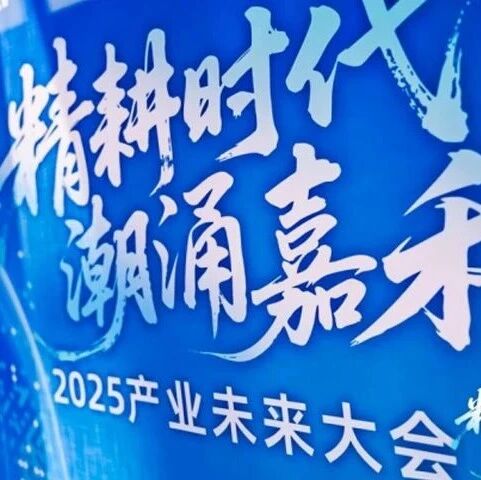
产业升级下一局:不拼故事,改拼「精耕」|36氪2025产业未来大会金句集锦
36氪· 2025-09-17 13:35
会上,36氪合伙人、副总裁李政分享了其对行业的前瞻观察:今年一级市场募资端和投资端呈现同比双升态势,投资方向也逐步 转向符合国家战略导向的硬科技领域,从关注用户量、GMV到频繁地讨论起技术参数、良品率,创投市场已经从上一个"创新模 式"周期进入"硬核时代"。硬科技创业者除了需要在各自的技术领域上深耕,他们也需要产业资本多维度的赋能,更需要社会共同 搭建起一个适合创新产业发展的生态环境,而这也是产业资本的未来方向。 此外,参与本次大会的国资与财务基金掌舵人、明星创业公司及产业龙头创始人们分别带来了最前沿的理论洞察、最敏锐的资本 洞察、最真实的产业需求以及最鲜活的实战经验。一句点睛,或许就得以窥见未来一隅。让我们回顾大会嘉宾的精彩洞见—— 此刻,我们正站在产业逻辑被彻底重塑的时代转折点。 2025 产业未来大会 中国·厦门 | 9.10-9.11 9月10日,由36氪主办的2025年36氪产业未来大会在中国厦门盛大启幕。本次大会重磅携手商务部主办的"中国国际投资贸易洽谈 会",以"精耕时代,潮涌嘉禾"为核心主题,倾力打造一场兼具国家高度、产业深度与市场热度的高规格、高价值、高影响力产业 盛典。大会紧密锚定国家战略 ...
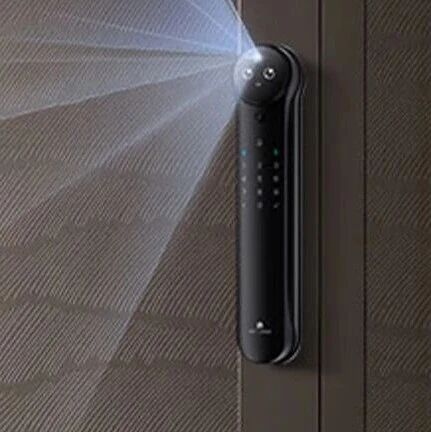
智能锁迎来「ChatGPT时刻」,德施曼首创AI智能锁开辟主动守护新范式
36氪· 2025-09-17 13:35
Core Viewpoint - AI has fundamentally changed the competitive logic of the smart lock industry, transitioning from a focus on hardware specifications to an emphasis on AI applications and ecosystem integration [22][23]. Industry Overview - The smart lock industry in China has evolved over two decades, moving from a phase of rapid expansion and price wars to a more refined competition driven by AI technology [21]. - In 2015, the industry saw over 3,500 brands and more than 1,500 manufacturers, leading to a "thousand lock battle" characterized by low-quality products and services [21]. AI Integration - The introduction of AI has marked a significant shift in the smart lock market, with a focus on intelligent interaction and proactive service capabilities rather than just hardware features [23]. - The launch of the DeShiMan Kirin R9 series signals a new era where AI applications and ecosystem connectivity are prioritized [22][23]. Market Leadership - DeShiMan has established itself as a leader in the AI smart lock sector, achieving the highest sales and customer satisfaction ratings, with a reported satisfaction score of 90.04 and a recommendation rate of 92% [19]. - The Kirin R9 series has sold 49,192 units from 2024 to 2025, doubling the sales of the second-ranked brand, indicating strong market validation [19]. Product Innovation - The Kirin R9 series integrates advanced features such as the Miya smart assistant, which enhances user interaction and provides personalized services [13][16]. - The product also includes upgraded fingerprint recognition technology, ensuring security and ease of use in various conditions [15]. Competitive Advantage - DeShiMan's comprehensive approach combines technology innovation, market performance, and user feedback, allowing it to dominate both market breadth and depth [19]. - The company has shifted the focus from mere functionality to creating a smart home hub, setting a benchmark for the industry [19][23].
Nothing完成2亿美元C轮融资,估值达13亿美元|最前线
36氪· 2025-09-17 13:30
Core Viewpoint - Nothing has completed a $200 million Series C funding round, achieving a valuation of $1.3 billion, with plans to launch AI-native devices in the coming year [5][6]. Funding and Valuation - Nothing announced a $200 million Series C funding round on September 16, with a valuation of $1.3 billion. The round was led by Tiger Global, with participation from Google Ventures, Highland Europe, EQT, Latitude, I2BF, Tapestry, and new strategic investors [5]. - Since its establishment in 2020, Nothing has shipped millions of devices and is projected to surpass $1 billion in cumulative sales by early 2025, with a growth rate of 150% in 2024 [5]. Market Insights - According to IDC, global smartphone shipments are expected to reach 1.22 billion units in 2024, a 6% year-over-year increase, with AI being a key driver of this growth [6]. - The CEO of Nothing, Carl Pei, emphasized that smartphones will remain the only device category with annual shipments exceeding one billion units, highlighting their unique contextual information and user recognition capabilities [6]. Innovation and Future Plans - Pei noted that despite significant advancements in AI over the past three years, smartphone experiences have stagnated, with innovations limited to minor improvements in photography, translation, and voice assistance [6]. - To fully leverage AI's potential, consumer hardware must undergo a transformation, leading to the development of a next-generation operating system characterized by personalized user understanding and adaptive interaction mechanisms [6]. - Nothing plans to introduce its first AI-native devices in the upcoming year, which will be context-aware and capable of generating interactive interfaces based on user goals [7]. Community Financing - Nothing is also preparing for the next round of community financing to support its growth and innovation initiatives [8].

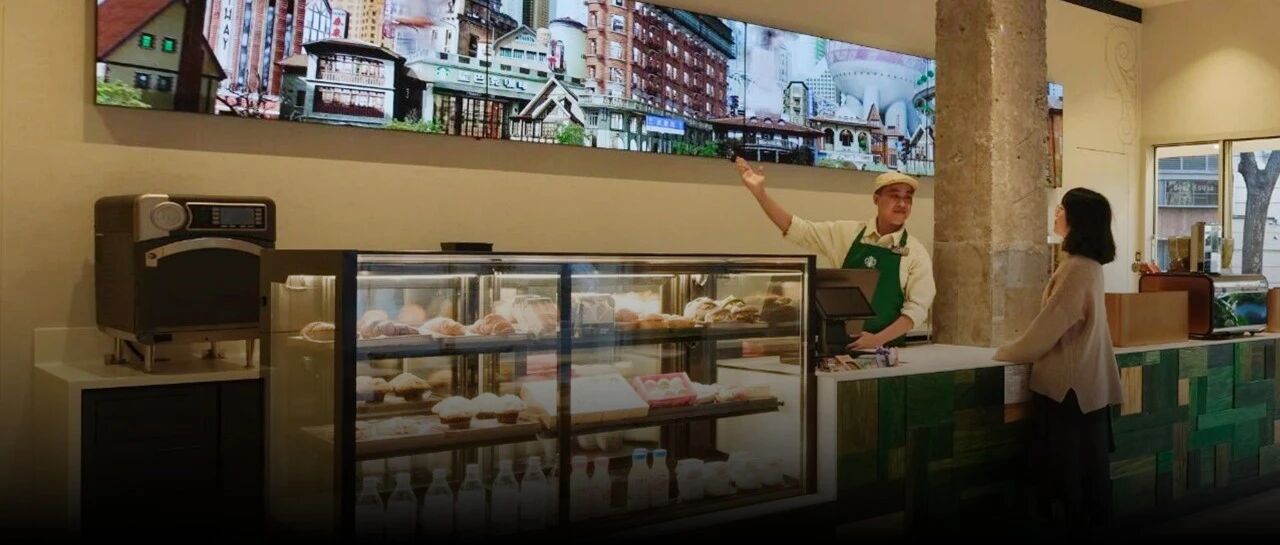
从一杯咖啡到第三空间,星巴克如何用数智化赋能咖啡体验?
36氪· 2025-09-17 13:30
Core Viewpoint - Technology is transforming consumer logic, shifting from transactional purchases to experiential relationships, where brands connect with consumers on a deeper emotional level [3][4][5]. Group 1: Technology and Consumer Experience - The evolution of consumer behavior is evident as technology enhances the shopping experience, making it more about personal style exploration and emotional connection rather than mere transactions [3][4]. - A McKinsey study indicates that 71% of consumers expect personalized interactions from brands, while 76% feel frustrated without it, highlighting the importance of being understood in brand relationships [5]. - PwC's research shows that 73% of consumers consider experience a key factor in purchasing decisions, emphasizing the shift towards interaction and emotional recognition as core elements of consumer choice [5]. Group 2: Starbucks' Digital Transformation - Starbucks' Innovation Technology Center (SITC) represents the company's commitment to digital transformation, focusing on enhancing customer experience through technology integration [6][9]. - The SITC aims to empower Starbucks to become a fully digital experience-driven coffee company, leveraging AI and data to create unique value for customers [9][12]. - The concept of the "third space" is redefined through SITC's innovations, where the coffee experience transcends basic consumption to become a cultural and social engagement platform [16][19]. Group 3: Personalized Customer Engagement - SITC's initiatives include deploying electronic menu boards that not only display products but also share stories about coffee origins, enhancing customer engagement [17]. - The use of AI-driven tools allows for personalized recommendations based on customer preferences and time of day, creating a tailored experience for each visit [19][20]. - The "interest social space" initiative helps customers find stores that match their interests, further personalizing the Starbucks experience [20]. Group 4: Empowering Partners through Technology - Starbucks emphasizes a partner culture, where technology is used to alleviate operational burdens, allowing partners to focus on customer interaction and coffee craftsmanship [28][30]. - Automation in inventory management and AI tools for scheduling enable partners to spend more time engaging with customers rather than managing logistics [29][31]. - The implementation of smart IoT systems across stores has led to significant energy savings and improved operational efficiency, enhancing the overall customer experience [34]. Group 5: Strategic Investment in Digital Innovation - Starbucks plans to invest approximately 1.5 billion RMB in SITC over the next three years, aiming to attract talent in AI, big data, and IoT to drive innovation [42]. - SITC serves as a model for digital transformation in the retail and coffee industry, showcasing how technology and human elements can coexist to create unique consumer experiences [42].