36氪

Search documents
跨年夜,歌手都去办演唱会了,晚会怎么办?
36氪· 2025-12-31 13:54
以下文章来源于毒眸 ,作者毒眸编辑部 毒眸 . 看透娱乐,死磕真相 跨年晚会的存在主义危机。 明晚,全国大约会有20多场知名歌手的跨年演唱会,同一时间在全国不同城市举办。周深2025「深深的」巡演跨年纪念场将在香港启德主场馆上演,张杰 「未·你好吗」2026年跨年在澳门威尼斯人综艺馆举办,王源的「客厅狂欢」跨年演唱会在郑州连演三天。此外,汪苏泷、林忆莲、邓紫棋、张远、胡彦斌 等多位歌手均选择在演唱会与粉丝一同跨年。 文 | 胡毓靖 编辑 | 刘南豆 来源| 毒眸(ID: DomoreDumou ) 封面来源 | 2024年湖南跨年晚会 跨年夜即将来临,不像以前人们都守着电视等跨年晚会,今年很多人已经买好票准备在演唱会现场倒数了。 各歌手演唱会详情(图源:截自大麦) 放在往年,歌手与粉丝一同跨年的场域,是各大卫视的跨年演唱会。而今年,更多主流歌手选择离开卫视跨晚,不再做"大拼盘"的一员,借力线下演出市场 连续两年的火热势头,在跨年夜与自己的粉丝一起走向线下狂欢。 像周深、邓紫棋、汪苏泷、张靓颖等人气歌手,曾经与跨年晚会都有过一段蜜月期,是节目单上少不了的熟面孔。 阵地的转移,折射了话语权的一起一落。演唱会市场的 ...

鸿蒙智选:开放生态进化论背后,从「连接」到「共生」
36氪· 2025-12-31 13:54
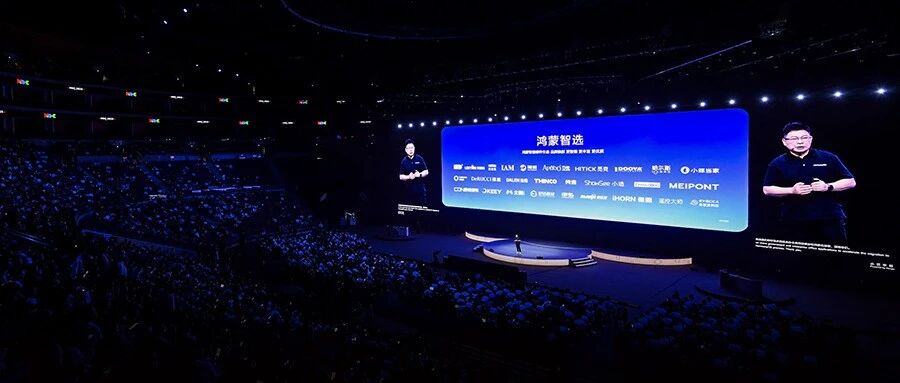
Core Viewpoint - The article discusses Huawei's new "Harmony Smart Selection" brand, which aims to redefine the smart home experience by focusing on a cohesive ecosystem rather than individual hardware products, emphasizing user-centric, seamless interactions across devices [5][6][39]. Group 1: Brand Upgrade and Ecosystem Strategy - Huawei announced the upgrade of its "Huawei Smart Selection" brand to "Harmony Smart Selection," focusing on the Harmony operating system and a full-scene ecosystem to enhance user experience [5][6][10]. - The upgrade aims to create a more open and collaborative ecosystem, allowing for efficient integration of various products into the Harmony system, thus enhancing the quality and experience of smart home products [6][9][21]. - The new brand positioning emphasizes a high standard of quality and seamless integration of devices, moving away from fragmented experiences to a unified smart home environment [9][17][35]. Group 2: User Experience and Demand Shift - There has been a fundamental shift in user demand from individual product functionality to a collaborative, scene-based experience where devices respond proactively to user needs [17][18][30]. - The Harmony ecosystem aims to eliminate the need for users to manually switch between different apps and devices, allowing for a more intuitive and seamless interaction [14][20][26]. - The concept of "sleep mode" exemplifies this shift, where multiple devices work together automatically to create a comfortable environment without user intervention [18][30]. Group 3: Technical Framework and Product Development - The Harmony Smart Selection framework is built on a "1+2+N" model, where "1" is the smart hub, "2" includes hardware and software control interfaces, and "N" represents various ecosystem devices [21][24]. - The brand focuses on deep collaboration with partners to enhance product quality and user experience, ensuring that all devices meet stringent reliability and performance standards [23][35][36]. - The integration of advanced technologies, such as sensors and AI, allows devices to actively understand and respond to user behavior, creating a more intelligent home environment [27][30][34]. Group 4: Market Positioning and Future Directions - Harmony Smart Selection aims to differentiate itself from competitors by focusing on a holistic approach to smart home solutions rather than merely accumulating devices [26][39]. - The brand's strategy includes family-oriented, series-based, and scene-based product offerings to cover a wide range of user needs and enhance competitive positioning [41][43]. - The emphasis on user sovereignty and trust in the ecosystem is expected to foster a sustainable and healthy market environment, moving the industry from device competition to ecosystem competition [39][46].
2025年,大公司的头号公敌是它
36氪· 2025-12-31 09:20
Core Viewpoint - The article highlights the increasing threat of organized online attacks, particularly through "water armies," which have become a significant concern for technology companies and their reputations in a competitive market [5][6][14]. Group 1: Organized Attacks and Their Impact - In 2025, major companies have reached a consensus that "water armies" are the primary adversary, with at least eight tech companies publicly accusing organized attacks this year [5][6]. - The case of the Antigravity A1 drone from Yingshi illustrates the issue, as over 2,500 malicious comments appeared online shortly after its launch, prompting the company to file a police report [5][10]. - The rise of water armies has transformed from a background noise to a strategic tool in business competition, with companies now offering rewards for information on these malicious activities [5][14]. Group 2: Nature and Organization of Water Armies - Water armies are defined as organized groups that manipulate information to damage a company's reputation, often hired to spread negative comments or extort companies [12][24]. - The phenomenon has spread across various industries, including the automotive sector, where companies like Xiaomi and Li Auto have also reported similar attacks [12][13]. - The tactics of water armies have evolved, utilizing advanced technology and AI to create more sophisticated and believable fake comments, making them harder to detect [16][17]. Group 3: Challenges in Combatting Water Armies - Companies face significant challenges in proving the organized nature of water army attacks, as it requires extensive evidence collection and analysis of user behavior [17][19]. - Legal recourse is often limited, as many negative comments do not meet the threshold for defamation, making it difficult for companies to take action against water armies [17][24]. - The response from platforms varies, with some taking a long time to act on complaints, leaving companies vulnerable to ongoing attacks [18][19]. Group 4: The Broader Implications for Innovation - The ongoing battle against water armies diverts resources and attention from innovation, as companies must focus on managing public perception rather than product development [25]. - The article emphasizes the importance of protecting innovators and the detrimental effects of being drawn into a public relations war, which can overshadow genuine technological advancements [25].

当科技养老成为新趋势,中国如何书写本土答案?
36氪· 2025-12-31 09:20
Core Viewpoint - The article discusses the emerging trend of technology-driven elderly care, highlighting innovative solutions that address the core pain points in elderly communities, and emphasizes the need for a differentiated approach in China's aging care industry [3][6]. Group 1: Technology in Elderly Care - Inspiren, a startup in the U.S., has developed an integrated solution that uses AI to predict risks for the elderly, focusing on real-time data analysis rather than historical records [3]. - The company has rapidly expanded, entering 150 regular elderly care communities and 33 dementia care communities within 18 months, raising over $155 million in funding [4]. - Japan has also invested heavily in care robotics, with over $300 million allocated by the government for research and development by 2018, showcasing a global trend towards technology in elderly care [4]. Group 2: Challenges in China's Elderly Care - By the end of 2024, China's population aged 60 and above is projected to reach 310 million, accounting for 22% of the total population, with a significant portion living alone [9][10]. - The current fragmented healthcare system in China struggles to meet the needs of the aging population, highlighting the necessity for a more integrated approach to healthcare and elderly care [10][11]. - The article emphasizes the importance of "predictive" care models that can preemptively address health issues, as seen in innovative practices like those at TaiKang [12]. Group 3: Innovative Solutions and Models - TaiKang has integrated AI, IoT, and big data into its elderly care services, creating a smart healthcare system that includes emergency response features and personalized health management [12][14]. - The introduction of emotional support robots and AI companions is seen as a growing market, with predictions of significant revenue growth in the "AI + emotional companionship" sector [17]. - TaiKang's "Happiness Appointment" product links insurance with elderly care services, allowing seniors to secure future care while managing current financial pressures [25]. Group 4: Economic and Service Accessibility - The current elderly care landscape in China shows a disparity where approximately 90% of seniors rely on home care, while only 3% reside in care facilities, primarily due to cost and service accessibility issues [23]. - The average monthly fees for private elderly care institutions range from 4,000 to 8,000 yuan, which is often beyond the financial reach of many seniors [23]. - The article suggests that technological innovations and strategic partnerships can help reduce costs and improve service quality, making high-quality care more accessible [24][27]. Group 5: Sustainable Business Models - The article argues for a shift in the elderly care industry from a profit-driven model to one that balances social responsibility and commercial viability [29]. - TaiKang's approach combines insurance, service, and investment to create a self-sustaining ecosystem that addresses the long-term needs of the elderly [32]. - The exploration of new insurance models demonstrates that commercial value and social significance can coexist, providing a framework for sustainable elderly care solutions [33].


被生活推着走的年轻人,需要自己的新节奏
36氪· 2025-12-31 09:20
Core Viewpoint - The article discusses how Swisse's collaboration with People's Daily to launch the short film "Year-End Talk" reflects a deeper understanding of the contemporary challenges faced by young people, particularly regarding the concept of "natural rhythm" in health and life [3][11]. Summary by Sections Brand Expression and Public Discussion - The year-end period is characterized by brands vying for emotional engagement, yet this often leads to a sense of fatigue among consumers as clarity diminishes amidst information overload [3]. - Swisse's initiative is not merely a brand expression but a public discourse on the relationship between health, life, and rhythm, suggesting that "natural health has its own rhythm" [3][9]. Observations on Young People's Reality - Swisse's insights stem from long-term observations of young people's realities, highlighting their lack of opportunity to pause and assess their true circumstances [5][6]. - The film features a simple narrative structure, focusing on the theme of "rhythm" without conventional emotional manipulation or prescriptive advice, allowing for personal reflection [6][7]. Communication Strategy - The approach avoids common elements in year-end content, such as emotional mobilization and success templates, instead empowering individuals to determine their own pace and whether to accelerate or pause [7][12]. - This method enhances the credibility of the message, as it does not impose a specific health guideline but rather acknowledges the variability in personal rhythms [12]. Public Value and Authority - The collaboration with People's Daily lends authority to the discussion, positioning the topic of "rhythm" within a public context and making it more accessible for discourse [11][18]. - The narrative presented by actress Qin Lan reflects a genuine experience of disrupted rhythm, which resonates with the audience and grounds the concept of "natural rhythm" in reality rather than abstract ideals [11][12]. Brand Role and Long-term Perspective - Swisse's narrative successfully captures the emotional disconnect experienced by young people while establishing its brand role as a participant in broader discussions about health and lifestyle [15][16]. - The brand's focus on understanding health as part of daily rhythm management rather than merely addressing symptoms represents a strategic shift that could influence the health industry long-term [16]. Conclusion on Brand Impact - The partnership with a mainstream media outlet signifies the societal value of the discussed concepts, moving beyond mere marketing to a recognized public dialogue on health and lifestyle [18].

小米汽车明年拟推4款新车,包含2款增程丨36氪独家
36氪· 2025-12-31 09:20
以下文章来源于36氪汽车 ,作者徐蔡钰 36氪汽车 . 看懂汽车产业新百年。36氪旗下智能电动车产业报道公号。 正式进军家庭市场。 文 | 徐蔡钰 编辑 | 李勤 来源| 36氪汽车(ID:EV36Kr) 封面来源 | IC photo 2026年,小米汽车的产品攻势,迅猛且精准。 36氪从产业处获悉,小米汽车明年初步计划将推出4款新车,分别为SU7改款、SU7行政版、一款增程五座SUV及一款增程七座SUV。 一位知情人士透露,SU7改款与增程七座SUV初步计划在上半年推出,SU7行政版与增程五座SUV则计划在下半年至年底推出。 今年10月,雷军与小米一众高管曾赴新疆开展汽车测试,期间不断有小米新车伪装谍照曝出。从网友发布的照片可以看到,这是一辆近似全尺寸的SUV车 型,并且尾部带有发动机排气管。 综合这些线索,小米这款路测新车,极有可能就是明年即将推出的增程七座SUV车型。 据36氪了解,这款增程七座SUV内部代号为"昆仑",定位与理想L9、零跑D19相似,是一款面向家庭市场打造的中大型SUV,将采用超70度电量的"大电 池"的动力方案,具备400-500公里的纯电续航里程。 知情人士告诉36氪,小米同步还 ...

28岁拿下小红书开发者大会头奖,种子轮获真格投资丨早起看早期
36氪· 2025-12-31 00:14
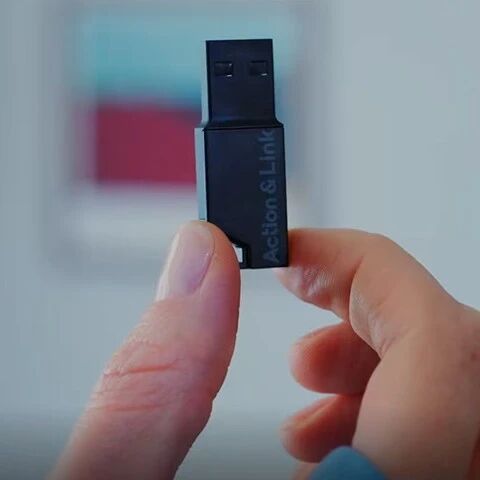
以下文章来源于硬氪 ,作者彭丽 硬氪 . 专注全球化、硬科技报道。36kr旗下官方账号。 把所有的游戏变成体感游戏。 文 | 彭丽 编辑 | 袁斯来 来源| 硬氪(ID:south-36kr) 封面来源 | 企业供图 硬氪获悉 ,专注于 智能体感游戏外设 的企业 " Action&Link" 近日完成数百万元种子轮融资。" Action&Link" 成立于 2023 年 , 其创始人戎思佳是 95 后 , 此次创业对他来说是兴趣、思考和技术的结合 。 我们总结了本轮融资信息和该公司几大亮点: 融资金额及投资机构 融资轮次: 种子轮 融资规模: 数百万元人民币 投资方: 真格基金 资金用途: 扩张团队,重点补充软件算法研发人员、运营人员 。建立供应链,实现产品量产。 公司基本信息 产品和技术亮点: Action&Link Portal体感控制器是一款创新的体感交互设备,不管在PC端还是Switch上还是手机平台上,不管是3A大作还是休闲小 游戏,能将大家熟悉的游戏,比如 《原神》《黑神话:悟空》等, 转化为全身参与的体感体验。简单来说,当你挥动手臂,游戏里的角色也会同步挥 剑,你的身体就是最自然的操作器。公司目 ...
8点1氪:特斯拉“车顶维权”女车主被限高,申请人为特斯拉;多家品牌足金首饰价格大幅下跌;蔡磊渐冻症病情接近终末期
36氪· 2025-12-31 00:14
Group 1 - Tesla's "roof rights protection" female car owner has been restricted in spending, with a court order involving an amount of 172,300 yuan [2] - The price of gold jewelry has significantly dropped, with some stores reporting a decrease of 42 yuan in a single day, which is considered unusual [3] - Tesla's global production reached its 9 millionth electric vehicle at the Shanghai Gigafactory [7] Group 2 - Xiaomi's Lei Jun announced a New Year's Eve live stream where engineers will disassemble a car live [6] - SoftBank has completed a total investment commitment of $40 billion in OpenAI, with the last payment of approximately $22 billion made recently [6] - L&F, a South Korean battery materials manufacturer, saw its stock price drop by 11% after a significant reduction in orders from Tesla, from $2.91 billion to $738,600 [12] Group 3 - Manus has announced its upcoming integration with Meta, continuing to operate in Singapore while enhancing its product offerings [5] - Ningde Times has entered the hydropower station business by establishing a joint venture for the development of a hydropower project [9] - Baidu Smart Cloud has launched a comprehensive AI solution for the consumer electronics industry, covering everything from chips to applications [22]


何小鹏和马斯克的共识:通向L4之路已经清晰
36氪· 2025-12-31 00:14
Core Viewpoint - Xiaopeng Motors, under the leadership of He Xiaopeng, is positioning itself among the global leaders in autonomous driving technology, closely monitoring advancements in AI and directly comparing its technology with Tesla's [1][2]. Group 1: Autonomous Driving Technology Development - The essence of autonomous driving is a physical AI problem, where the combination of "large computing power + large data + large models" has proven effective in accelerating AI evolution [2]. - He Xiaopeng's recent test drive of Tesla's FSD V14.2 revealed significant advancements, with the system transitioning from L2 to a "quasi-L4" stage, showcasing improved decision-making and responsiveness in complex scenarios [5][9]. - The testing route was consistent with previous experiences, allowing for a clear comparison of technological iterations [6]. Group 2: Technical Consensus Among Leading Companies - Leading companies in the industry are forming a consensus on technology, focusing on pure vision solutions and end-to-end design logic to enhance autonomous driving capabilities [11][13]. - Both Tesla and Xiaopeng Motors are committed to a pure vision approach, relying on camera data for driving decisions, which reflects a convergence in their technological paths [13][14]. Group 3: Xiaopeng's Second-Generation VLA - Xiaopeng's second-generation VLA has restructured the traditional "vision-language-action" framework, eliminating the language translation step, which enhances decision-making efficiency and responsiveness [19]. - The system demonstrates a deep understanding of the physical world, effectively recognizing and responding to various driving scenarios, including traffic signals and pedestrian movements [20][24]. - The training data for the second-generation VLA has reached nearly 100 million clips, simulating a vast array of driving conditions, which supports its continuous learning and self-evolution capabilities [24]. Group 4: Market Differentiation and Localization - Xiaopeng's focus on localizing its technology for Chinese road conditions provides a competitive edge, particularly in complex driving environments that differ significantly from those in Silicon Valley [14][15]. - The second-generation VLA is designed to handle a variety of scenarios, including narrow roads and mixed traffic, which enhances its performance in localized contexts [15]. Group 5: Future Plans and Milestones - Xiaopeng Motors has set a clear timeline for the rollout of its autonomous driving technology, with plans to launch the second-generation VLA in early 2026 and introduce multiple L4-level Robotaxi models [32][34]. - The company aims to achieve parity with Tesla's FSD V14.2 by August 30, 2026, demonstrating confidence in its technological capabilities [34][37]. - The industry is transitioning from theoretical discussions to practical validations of autonomous driving technologies, with both Tesla and Xiaopeng Motors leading the way in this evolution [38][39].


「十五五」时期重点产业前瞻与发展路径研究丨36氪研究院
36氪· 2025-12-31 00:14
Core Insights - The "14th Five-Year Plan" period prioritizes the construction of a modern industrial system, marking a strategic shift from single-point technological breakthroughs to systematic industrial upgrades [6][19]. - The new energy industry is transitioning from a focus on installed capacity to building a "source-grid-load-storage" collaborative system, emphasizing dynamic balance between production and consumption [7]. - The aerospace sector is developing a dual-driven model of national engineering and commercial space, with large aircraft industrialization and commercial space driving the scale and capability of the industry chain [8]. - Future industries such as 6G and quantum technology place China in the global leading tier of R&D, aiming to seize the high ground in technology standards and industrial ecosystems through forward-looking layouts [9]. - The transformation of traditional industries emphasizes not only greening and intelligentization but also explicitly promotes "service-oriented manufacturing," guiding the manufacturing sector to extend services throughout the product lifecycle [10]. Group 1: Modern Industrial System - The construction of a modern industrial system is the primary task of the "14th Five-Year Plan," highlighting its core position as a foundation for new era development [19][20]. - The modern industrial system consists of three parts: upgrading traditional industries, developing emerging pillar industries, and strategically laying out future industries [20]. Group 2: Emerging Pillar Industries - The cultivation of emerging pillar industries is positioned as the strategic core of the modern industrial system, providing a strong new growth engine for high-quality development [23]. - Key emerging pillar industries include new energy, new materials, aerospace, and low-altitude economy, which are expected to drive explosive growth in multiple trillion-level markets [23]. Group 3: New Energy - The new energy sector has evolved into a comprehensive ecosystem encompassing "production, storage, transmission, and application," with a strategic significance in ensuring national energy security and achieving carbon neutrality [24]. - As of the end of 2024, China's cumulative installed capacity of new energy reached 1.41 billion kilowatts, maintaining a global leading position [25]. - The annual new installed capacity during the "14th Five-Year Plan" period is expected to remain around 30 million kilowatts [25]. Group 4: New Materials - The new materials industry in China has rapidly grown, with total output value exceeding 8 trillion yuan in 2024, but still faces structural challenges with about 30% of key high-end materials relying on imports [34]. - Significant breakthroughs are being made in various fields, including third-generation semiconductor materials and high-end alloys for aerospace applications [39]. Group 5: Aerospace - The aerospace sector has formed a dual-driven model of national major projects and commercial markets, with the C919 large aircraft and commercial space rapidly developing [42]. - The market size of China's aerospace manufacturing industry is expected to reach 601.7 billion yuan by 2025, with a compound annual growth rate of approximately 14.05% [42]. Group 6: Low-altitude Economy - The low-altitude economy, driven by various manned and unmanned aerial vehicles, is expected to reach a scale of 505.95 billion yuan in 2023, with a year-on-year growth of 33.8% [50]. - The market is projected to exceed 1 trillion yuan by 2026, with a compound annual growth rate of approximately 29.6% from 2021 to 2026 [50]. Group 7: Future Industries - Future industries represent cutting-edge technological and industrial development directions, including quantum technology, biomanufacturing, hydrogen energy, and brain-computer interfaces [61]. - The quantum technology sector is expected to grow significantly, with the industry scale projected to reach approximately 80 billion USD by 2024 and potentially near 1 trillion USD by 2035 [64].