市值风云

Search documents
前方吃紧,后方紧吃!尚水智能再闯IPO:现金流遇困境,实控人猛套现
市值风云· 2025-12-15 10:08
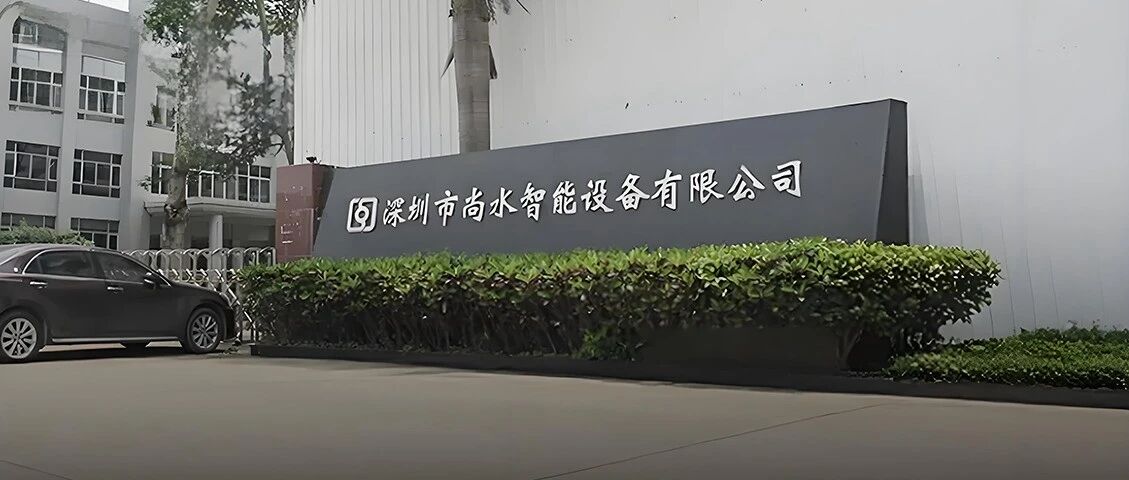
Core Viewpoint - The article discusses the challenges faced by Shenzhen Shangshui Intelligent Co., Ltd. in its IPO journey, highlighting its heavy reliance on BYD as a major customer and the decline in its market share in the lithium battery equipment sector [1][3][15]. Group 1: IPO Journey - Shangshui Intelligent's IPO application was initially accepted in June 2023 but was withdrawn in June 2024 due to concerns from the exchange regarding customer dependency and technological advancement [3][4]. - The company has reinitiated its IPO process with a new target on the ChiNext board, reducing its fundraising goal from 1 billion to 587 million [3][4]. Group 2: Market Position and Competition - Shangshui Intelligent's market share in the circular pulping equipment segment has decreased from 89% in 2022 to 60% in 2024, indicating increasing competition [9][10]. - In the overall lithium battery pulping system market, the company holds only a 12.8% share, ranking third behind competitors with significantly higher revenues [10][11]. Group 3: Revenue Dependency - The company derives over 90% of its revenue from a single product, the circular pulping equipment, which limits its growth potential [11]. - BYD contributes 65.8% of Shangshui Intelligent's revenue in 2024, highlighting the company's dependency on a single customer [15][24]. Group 4: Financial Performance and Challenges - The average execution cycle for core products has increased from 17.53 months in 2022 to 23.20 months in 2024, indicating delays in customer acceptance [28][30]. - As of the end of 2024, the company's inventory reached 885 million, accounting for nearly half of its total assets, with a low inventory turnover rate of 0.37 times [32][33]. - Despite reporting profits in 2022, the company has faced negative operating cash flows in 2023 and 2024, indicating liquidity issues [34][35]. Group 5: Management and Governance Issues - The company's actual controller has reportedly cashed out over 50 million, raising concerns about governance and financial management during a critical period for the company [38][40]. - The controller's actions, including significant cash withdrawals and stock transfers, have occurred despite the company's financial struggles, suggesting potential conflicts of interest [40][41].

从“75亿理财”争议,看懂中国芯片公司的真实生存法则
市值风云· 2025-12-13 13:13
Core Viewpoint - The financial announcement from Moer Technology, the first domestic GPU company, reveals a misunderstanding of the chip industry, particularly regarding the management of idle funds and the long-term nature of chip development [1][2]. Group 1: Financial Operations and Industry Characteristics - The chip industry requires long-term investments, with the design and development of high-end GPUs taking years and necessitating substantial funding at various stages [2]. - Moer Technology's decision to manage idle funds through cash management tools, such as time deposits, is a common practice among global tech companies aimed at ensuring safety and liquidity rather than seeking high returns [2][4]. Group 2: Clarification of Financial Terms - The 7.5 billion yuan mentioned in the announcement refers to the maximum cash management limit approved by the shareholders, not the actual amount allocated for financial management [3][4]. - The company dynamically adjusts its cash management based on projected R&D expenditures, ensuring that funds are available when needed for development costs [4]. Group 3: Evidence of Continuous Investment - Moer Technology has invested nearly 4 billion yuan in R&D over the past three years, averaging over 1 billion yuan annually, indicating a strong commitment to its core business [5]. - The primary purpose of the recent fundraising is to increase future R&D and production investments, aligning financial management with long-term strategic goals [5]. Group 4: Insights from the Controversy - The situation highlights the need for a better understanding of the "industry clock" in hard tech sectors like chips and biomedicine, which operate on different timelines compared to internet industries [6]. - Public oversight should be based on a fundamental understanding of financial principles and industry characteristics to avoid misinterpretations that could hinder innovation [6][7]. - A supportive environment for long-termism is essential for core technological breakthroughs, requiring a society that tolerates trial and error and respects professional decision-making [7][8].
紧握年末政策窗口,掘金A股跨年行情
市值风云· 2025-12-12 10:25
Core Viewpoint - The article discusses the upcoming investment opportunities and risks in the A-share market as the year-end approaches, highlighting the significance of fundamental factors and policy directions for the next year [3][4]. Group 1: Cross-Year Market Logic and Historical Review - The A-share market exhibits seasonal characteristics, with a "cross-year market" being a notable investment window, showing over 70% probability of gains from November to January since 2010, with an average increase of 11.5% for the Shanghai Composite Index and 14.9% for the ChiNext Index during this period [5][6]. - The cross-year market typically lasts about 44 trading days, with historical data indicating varying performance based on previous year's market conditions [6][7]. - Factors contributing to this phenomenon include increased bank credit issuance at year-end, which enhances market liquidity, and positive signals from key policy meetings that boost market expectations [7][8]. Group 2: Special Background for 2024-2025 Cross-Year Market - The current macroeconomic environment presents unique conditions for the upcoming cross-year market, particularly with a moderate internal economic recovery and anticipated liquidity improvements from the Federal Reserve's interest rate cuts [13][14]. - The Federal Reserve has cut rates by 75 basis points throughout the year, signaling a potential end to the rate-cutting cycle, which may ease pressure on the RMB exchange rate [15][17]. - As the first year of the "14th Five-Year Plan," there is heightened policy expectation focusing on technological innovation and new productivity, which may lead to early market movements and increased volatility [17]. Group 3: Investment Opportunities Selection - The article suggests a positive outlook for the new year, emphasizing that internal economic recovery, policy support, and valuation corrections provide a solid foundation for A-shares [18]. - Recommended investment themes include the AI industry, globally competitive high-end manufacturing, and industries benefiting from supply-side optimization [18][20]. - Specific ETFs are highlighted for investment, such as those focusing on AI trends, advantageous manufacturing, and sectors experiencing supply-side improvements, providing efficient tools for investors to participate in the cross-year market [21][26][29].

钱对我不重要!穿越集采迷雾,国药现代如何作答?
市值风云· 2025-12-12 10:25
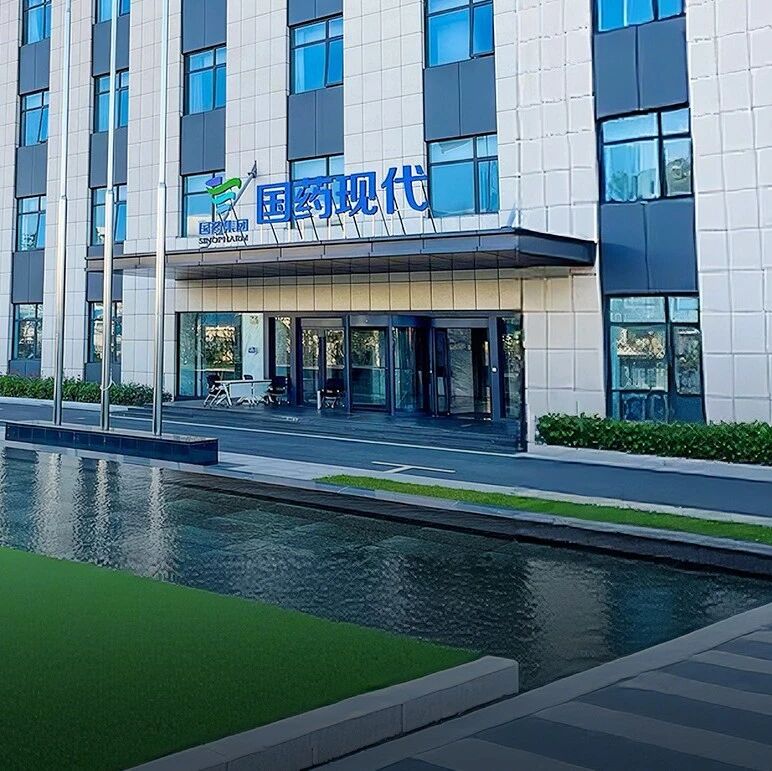
Core Viewpoint - The article discusses the transformation and challenges faced by Guoyao Modern, a major pharmaceutical company under the China National Pharmaceutical Group, highlighting its financial performance and strategic shifts in response to industry changes [3][5][36]. Group 1: Financial Performance - In 2024, Guoyao Modern achieved a revenue of 10.9 billion, a year-on-year decline of 9.4%, but its net profit excluding non-recurring items reached 1.04 billion, marking a historical high [19]. - The company's net profit margin reached 9.9% in 2024, continuing to rise since 2021, despite a decline in gross margin [17]. - By the third quarter of 2025, the company reported a revenue of 6.92 billion, a year-on-year decrease of 19.5%, with net profit dropping by over 45% [26]. Group 2: Cost Management - Guoyao Modern has significantly reduced its sales expenses from 30% in 2019 to 10% in 2024, and further to 5% in the first three quarters of 2025, contributing to profit growth despite declining revenues [21][24]. - The company has maintained a stable R&D expense ratio around 5%, indicating a focus on innovation while managing costs [24]. Group 3: Market Position and Challenges - Guoyao Modern is a key player in the antibiotic sector, holding approximately 19% market share in key intermediates, ranking second in the industry [8]. - The company faces challenges from price declines in raw materials and the impact of centralized procurement, leading to a significant drop in revenue from its antibiotic products [27]. - The overall market for raw materials and intermediates has been affected by oversupply, impacting core products like amoxicillin and 6-APA [27]. Group 4: Strategic Outlook - Guoyao Modern is undergoing a transformation from scale expansion to quality improvement, with a focus on high-end formulations and biopharmaceuticals [5][36]. - The company holds nearly 9 billion in cash reserves, representing 46.6% of total assets, providing a strong financial foundation for future investments [29]. - The company has increased its dividend payout ratio to 37% in 2024, indicating a commitment to returning value to shareholders [34].

大步探索仿制药企出路,华润双鹤:我来,我见,我买了
市值风云· 2025-12-12 10:25
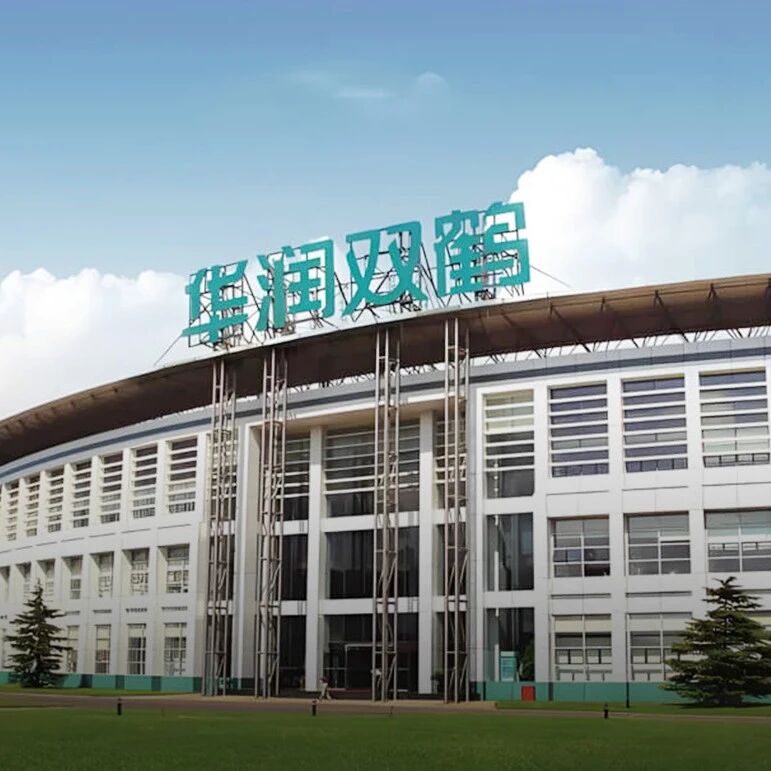
与国药现代"各走一边"! 作者 | 螳螂虾 编辑 | 小白 华润双鹤的故事可以追溯到1939年的太行山区。前身是"利华药厂",1949年随军迁京更名为"北京制 药厂",1997年在上交所上市。 从早期的部队药厂到如今的大型国有医药企业,实控人是隶属国务院国资委的中国华润有限公司。 在医药行业深度调整的今天,这家老牌国企的转型吸引了风云君的注意。按照公司的说法,正经历 从"大输液"向"慢病+专科"双核驱动的转型。 公司表示:响应国家"三进"行动,将集采药品推向基层、民营机构和零售药店。 这种渠道策略的重 构,使得更多的资源转向了基层市场和零售终端,为存量业务寻找到了新的增长空间。 那么,这一战略转型能否通过 财务数据 来 印证呢? 风云君这就上干货。 大路朝天,各走一边 在风云君看来,没有比国药现代更适合的参照系了:同是大型国有医药产业资本旗下的仿制药生产企 业,同是面临集采这一数十年一遇的剧变,两家公司会分别交上一份怎样的答卷呢? 2025年前三季度,公司营收82.8亿元,同比微降3.1%。 但在营收承压的情况下,公司通过成本管控,实现了扣非净利润同比增长2.9%。 这一成绩主要得益于费用的有效控制。2025 ...
全球市占率20%!风电设备部件龙头锡华科技:A股登陆在即,2025年业绩剑指历史新高
市值风云· 2025-12-12 10:25
行业需求增长、产能释放与核心技术引领形成三重共振。 | 作者 | | 木盒 | | --- | --- | --- | | 编辑 | | 小白 | 12月12日,江苏锡华新能源科技股份有限公司(简称"锡华科技")正式启动申购。 作为风电核心零部件的主力军,锡华科技的产品在大兆瓦风机大型化产业趋势中实现引领和快速放 量,拓展了众多行业优质客户。 此次IPO将助力公司抓住新能源风电行业的发展机遇,推动产能扩张与技术升级,未来有望跻身全球 顶尖大型高端装备专用部件制造商行列。 绿色低碳高质量发展,既是我国可持续发展的必然要求,也是全球经济未来的发展趋势。其中,风电 行业的发展,对推动我国能源体系向绿色低碳转型、提升可再生能源发电比例具有重要意义。 风电机组中,风电齿轮箱是核心传动部件,其作用是将叶片在风力作用下产生的动力传递给发电机并 使其获得较高转速。该部件技术含量与行业门槛极高,对使用寿命、承载能力和可靠性均有严苛要 求。 锡华科技专注于风电齿轮箱专用部件领域,处于风电齿轮箱上游,是国内少数可提供风电齿轮箱专用 部件全工序服务的企业。 (招股意向书) 公司产品包括行星架、齿轮箱体、扭力臂与法兰等,其中行星架收入 ...
全球老大,百亿分红,龙佰集团:钛白粉周期大考,赚钱、分红底气不减
市值风云· 2025-12-11 10:11
Core Viewpoint - Titanium dioxide, known as titanium white, is a key chemical product and a barometer of economic development, with China holding significant influence in this sector, particularly through Longbai Group, which has become a global leader in titanium dioxide production [3][4]. Group 1: Company Overview - Longbai Group, formerly known as Baililian, transformed into the largest titanium dioxide manufacturer in China after acquiring Longmang Titanium Industry in 2016 for 9 billion yuan, marking a significant merger in the industry [4]. - The acquisition allowed Longbai Group to control the entire supply chain from vanadium-titanium magnetite to titanium concentrate and titanium dioxide, enhancing its cost control capabilities [4][5]. - As of 2023, Longbai Group's titanium dioxide production capacity reached 1.51 million tons, surpassing international competitors and establishing it as the largest producer globally [5]. Group 2: Production and Cost Advantages - Longbai Group employs both sulfate and chloride processes for titanium dioxide production, with a focus on the more efficient chloride process, which is encouraged by the state [5]. - The company has a significant cost advantage, with production costs approximately 1,000 yuan per ton lower than its peers, providing a buffer during industry downturns [5][6]. - The innovative "sulfur-chlorine coupling" model recycles waste acid from the sulfate process, further reducing production costs and addressing environmental concerns [6]. Group 3: Financial Performance - Despite its strong production capacity and low costs, Longbai Group faced a decline in performance due to macroeconomic pressures and supply-demand imbalances, with a 6.9% year-on-year drop in revenue to 19.45 billion yuan in the first three quarters of 2025 [8]. - Net profit attributable to shareholders fell significantly by 34.7% to 1.67 billion yuan, with the third quarter alone seeing a 65.7% drop in net profit [10][12]. - The decline in profitability was primarily driven by falling titanium dioxide prices, despite record production and sales volumes [12]. Group 4: Market Challenges and Strategic Response - Longbai Group's international revenue decreased by 10.8% in the first half of 2025 due to anti-dumping investigations and high tariffs imposed by the EU, India, and Brazil [16][17]. - In response, the company is shifting its export focus to emerging markets in the Middle East and Southeast Asia, where demand is strong and trade barriers are lower [17]. - Longbai Group has maintained a high dividend payout ratio, distributing nearly all profits to shareholders, reflecting its commitment to returning value to investors [17].

守正出奇:奇瑞的全球化纵深与生态野望
市值风云· 2025-12-11 10:11
Core Viewpoint - Chery's rise is attributed to a long-term strategy and systematic capabilities, showcasing a unique competitive strength that is often underestimated by the market [1][22]. Group 1: Market Performance and Recognition - Chery has achieved significant export sales, with a cumulative export of 1.1996 million vehicles from January to November 2025, marking a 14.7% year-on-year increase [6][7]. - The company has consistently ranked first in China's automotive export sector, with a monthly export of 136,700 vehicles in November 2025, reflecting a substantial 30.3% growth compared to the previous year [7]. - Chery's net profit grew by 28% in the first three quarters of 2025, significantly outpacing the 18% revenue growth, indicating strong profitability [6]. Group 2: Strategic Developments - Chery is set to list on the Hong Kong capital market in 2025, receiving positive ratings from major investment banks like Bank of America and CICC, which have initiated coverage with "buy" or "outperform" ratings [4][5]. - The company is focusing on a multi-brand strategy and diverse powertrain development, with expectations for new models to be launched by 2026, enhancing its growth potential in the new energy vehicle sector [5]. Group 3: Technological Advancements - Chery's "瑶光2025" strategy emphasizes long-term R&D, with a focus on five core areas: Mars architecture, Kunpeng power, Lingxi intelligent cockpit, Falcon intelligent driving, and Galaxy ecosystem [10]. - The company has made significant advancements in solid-state battery technology, achieving a cell energy density of 600Wh/kg, which is expected to enhance electric vehicle range to 1200-1300 kilometers [10][11]. - Chery's new generation Kunpeng Tianqing hybrid engine boasts over 48% thermal efficiency, aiming to challenge fuel consumption standards [11][13]. Group 4: Globalization and Market Expansion - Chery has established a sales network in over 120 countries, implementing a "localization" strategy that ensures products meet diverse market demands [9]. - The company has built a robust global user base, with over 18.28 million users worldwide, including more than 5.7 million overseas users [7]. Group 5: Ecosystem Transition - Chery is transitioning from automotive manufacturing to intelligent robotics, with the launch of the "墨甲机器人" (Mojia Robot) and plans for significant growth in this sector [16][19]. - The company aims to leverage its automotive expertise to develop practical applications for robots, targeting a sales goal of over 40,000 units by 2030 [21].

主业稀碎,投资续命,掏空式分红与高位减持齐头并进!起底“核聚变”概念股永鼎股份
市值风云· 2025-12-11 10:11
Core Viewpoint - The nuclear energy industry is experiencing significant positive developments, with major projects like the successful grid connection of the "Hualong One" nuclear power unit and advancements in thorium-based molten salt reactors, indicating a promising future for the sector [3][4]. Group 1: Company Performance - Yongding Co., Ltd. has seen its stock price surge nearly 280% year-to-date and approximately 450% over the past 15 months, driven by the positive sentiment in the nuclear energy sector [4]. - Despite the stock price increase, the controlling shareholder, Yongding Group, has been reducing its stake, selling 3.0165 million shares for over 48 million yuan, raising concerns about the company's ability to sustain its high market valuation [6][10]. - In the first three quarters of 2025, Yongding reported revenue of 3.63 billion yuan, a year-on-year increase of 22.1%, breaking a long stagnation in revenue growth [10]. Group 2: Profitability Analysis - The company's net profit for the same period reached 330 million yuan, a staggering increase of 474.3%, with the non-recurring net profit soaring by 613.7%, suggesting a one-year profit equivalent to seven years [8][10]. - However, the majority of this profit (96.66%) stemmed from investment income, primarily from real estate ventures, raising questions about the sustainability of its core business [10][11]. - Excluding investment income, the company's remaining profit was only 11 million yuan, down from 31 million yuan the previous year, indicating a decline in operational performance [11][12]. Group 3: Business Segments - Yongding's main business lines include optical communication and power transmission, with automotive wiring harnesses being the largest revenue source, projected to generate 1.206 billion yuan in 2024, accounting for nearly 30% of total revenue [26]. - The power engineering segment, which is heavily reliant on overseas projects, is expected to generate 1.041 billion yuan in 2024, but its profitability is unstable due to project dependency [33]. - The high-temperature superconducting wire segment, while seen as having significant potential, has underperformed compared to peers, with revenue of only 586 million yuan in 2024, representing 14.24% of total revenue [38]. Group 4: Market Position and Challenges - The optical communication business, despite the industry's growth, has seen a revenue decline of 7.8% to 428 million yuan in the first half of 2025, failing to capitalize on the overall market expansion [51]. - The company faces significant competition in the high-temperature superconducting market, with its performance lagging behind competitors like Western Superconducting, which reported a net profit of 546 million yuan in the same period [42][44]. - Overall, Yongding's narrative reflects a company that has been buoyed by market trends but lacks substantial operational performance to justify its stock price, raising concerns about its long-term viability [53][54].

从东方红到万星互联,电科蓝天:为中国航天充电供能
市值风云· 2025-12-10 10:10
Core Viewpoint - The article discusses the significant role of China Electronics Technology Group Corporation's subsidiary, China Electronics Technology Blue Sky Technology Co., Ltd. (referred to as "Blue Sky"), in the aerospace power supply market, highlighting its market coverage exceeding 50% and its involvement in major national space projects [3][5][12]. Group 1: Company Overview - Blue Sky was established in 1992 and is a key player in the aerospace power supply sector, operating under the China Electronics Technology Group Corporation [5]. - The company is structured into three main business segments: aerospace power, special power, and renewable energy applications and services [7]. - Blue Sky has participated in the power supply systems for over 700 spacecraft, making it a core supplier in the aerospace power sector [12]. Group 2: Business Performance - The aerospace power segment is the largest revenue source for Blue Sky, projected to generate 1.915 billion yuan in revenue for 2024, accounting for over 60% of total income [10]. - Revenue from the aerospace power business has grown from 1.345 billion yuan in 2022 to 1.915 billion yuan in 2024 [21]. - The company has faced challenges with high customer concentration, with the top five customers accounting for over 70% of revenue since 2022, and even exceeding 80% in the first half of 2025 [23]. Group 3: Market Trends - The commercial aerospace market in China is experiencing explosive growth, with a projected demand for satellite power systems reaching approximately 40 billion yuan due to the construction of large satellite constellations [13][17]. - The domestic aerospace power market is expected to exceed 5 billion yuan by 2025, driven by the rapid development of China's space industry [17]. Group 4: Financial Metrics - In the first half of 2025, Blue Sky's total revenue was approximately 982 million yuan, with the aerospace power segment contributing 728 million yuan [21]. - The company's net profit for 2024 was 338 million yuan, reflecting a 78% year-on-year increase despite a revenue decline of 11% [28].