市值风云

Search documents
月内规模增长几乎翻倍!卫星ETF30亿资金背后的调仓逻辑
市值风云· 2025-12-18 10:09
Core Viewpoint - The article emphasizes the recent revisions to the National Index for Commercial Satellite Communication, focusing on a more concentrated approach to the index's composition and weight distribution, enhancing its representation of the upstream satellite manufacturing and launch sectors [4][6][10]. Group 1: Index Revisions - The index has clarified its focus on "commercial satellite communication," limiting sample companies to those involved in satellite manufacturing, launching, operation, and ground equipment, while excluding peripheral companies [6]. - A significant change in the weight setting rules has been implemented, mandating that the combined weight of satellite manufacturing and launching companies must be no less than 50%, while individual weights of other sectors cannot exceed 3% [7]. Group 2: Market Impact - Several communication stocks, including China Telecom, have been removed from the index, while companies like GuoBo Electronics and Si Rui New Materials have been added, reflecting a shift towards core upstream sectors [8][10]. - The satellite ETF (159206.SZ) has seen its scale grow from 1.6 billion to over 3 billion, indicating strong investor interest and inflow into the satellite sector [11][14]. Group 3: Investment Trends - Since early September, the satellite sector has attracted significant capital due to supportive policies, rocket launches, and substantial growth potential, leading to increased attention from investors [13]. - The satellite ETF has experienced a 71% increase in shares this month, highlighting a trend where funds are increasingly favoring the satellite communication index over broader satellite industry indices [14][20]. Group 4: Comparative Performance - The satellite communication index focuses on satellite internet construction and communication, while the satellite industry index encompasses a broader range of satellite-related activities, including navigation and remote sensing [18]. - Historical performance shows that while the satellite industry index performed better in previous years, the satellite communication index has shown superior performance in recent times, with both indices yielding similar returns this year [19][20].

抱紧检测金饭碗,中国汽研的生意经
市值风云· 2025-12-17 10:07
既有保底的饭碗,也有成长的空间。 | 作者 | | 白猫 | | --- | --- | --- | | 编辑 | | 小白 | 买车对许多家庭来说是件大事。消费者在挑选新车时,往往关注品牌、外观和动力。 但很少有人知道,在一辆新车上市前,必须经过一系列严苛的"体检"。从风阻系数的测定到碰撞安全 测试,这些看不见的环节决定了一辆车能否合法上路。 在这个隐秘而关键的环节中,有一家企业扮演着"考官"的角色。 它就是中国汽研(601965.SH)。 手握"通行证"的行业考官 在中国,并不是谁都有资格给新车做"体检"。 新车上市强制性检测是一个有着高准入门槛的行业。 据东吴证券,目前国内仅有六家机构具备政府主管部门全面授权检测资质,检测范围涵盖各类车型, 具备工信部公告体系要求的全部检验检测能力。 中国汽研便是当中之一。 从历史数据看,技术服务业务一直是公司的利润核心。这项业务不仅收入占比高,毛利率更是长期维 持在高位。即便在行业竞争加剧的背景下,凭借资质壁垒,这部分业务依然是公司最稳定的现金奶 牛。 2025年1-9月,公司实现营收30.2亿元,其中汽车技术服务业务营收为27.5亿元,营收占比91%。2024 年, ...


近五年年化9%,这只偏债基金如何炼成的?|1分钟了解一只吾股好基(七十)
市值风云· 2025-12-17 10:07
Core Viewpoint - The article introduces the "Xingye Juhua Mixed A" fund, managed by seasoned fixed-income investor Ding Jin, which employs a "fixed income plus" strategy to pursue stable returns while controlling volatility [3][27]. Fund Overview - Xingye Juhua Mixed A was established in March 2020 and has been managed by Ding Jin since inception, achieving an annualized return of 9.6% [4]. - The fund's current combined scale exceeds 1.9 billion [3]. - Year-to-date performance shows a return of +15.77%, with a +69.43% return since inception, outperforming the CSI 300 index which returned +23.11% [5]. Performance Analysis - Under Ding Jin's management, the fund has consistently outperformed its benchmark and peers in most complete years, with a maximum drawdown of less than 10% [8][9]. - The fund's performance in recent years includes a return of 16.32% in 2025 and 13.42% in 2024, while it faced a slight decline of -4.07% in 2022 [9]. Investment Strategy - As a mixed-asset fund, Xingye Juhua maintains a stock investment ratio between 0%-40%, with fixed income assets serving as the foundation [16]. - The fund has maintained an equity position around 36%, enhancing its flexibility [17]. - The investment strategy balances value and growth, focusing on sectors like pharmaceuticals, telecommunications, and electronics [19]. Holdings and Concentration - The top ten holdings account for over 75% of the fund's equity market value, indicating a concentrated portfolio [21]. - Major holdings include Midea Group, Luxshare Precision, and Mindray Medical, with significant weightings in each [21]. Bond Allocation - The bond allocation primarily consists of convertible bonds and financial bonds, focusing on high-rated bank bonds for safety and limited downside risk [22]. - The fund has been reducing its convertible bond position in response to a strengthening market, maintaining a defensive allocation [25]. Institutional Interest - The fund has garnered significant institutional interest, with over 80% of the A-class shares held by institutional investors as of June 30, 2025 [27]. Target Audience - The fund is positioned as an attractive option for individual investors seeking higher returns than pure bond funds while maintaining lower volatility than equity funds [29].

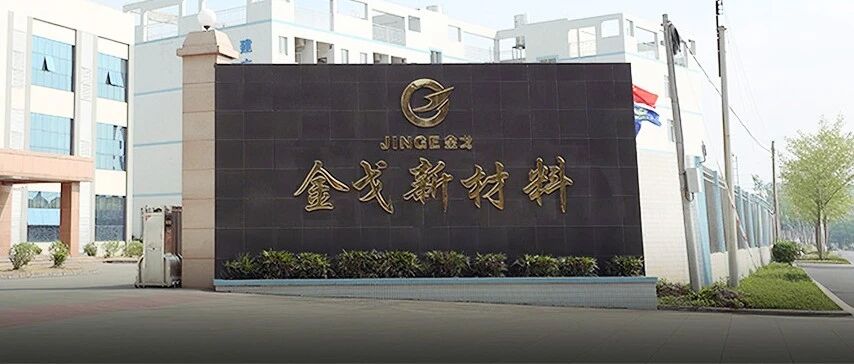
“材料组装厂”金戈新材IPO来了:核心技术是用5万块买来的,核心原材料竟也是从“友商”买来的!
市值风云· 2025-12-17 10:07
Core Viewpoint - The article discusses the performance and challenges of Guangdong Jinge New Materials Co., Ltd. as it approaches its IPO on the Beijing Stock Exchange, focusing on its product offerings in thermal interface materials and the competitive landscape in the industry [5][6]. Group 1: Company Overview - Guangdong Jinge New Materials Co., Ltd. specializes in functional materials, particularly thermal interface materials, which enhance heat transfer efficiency and provide electrical insulation [4][7]. - The company primarily focuses on aluminum oxide-based thermal fillers, which are crucial for its product performance [15][17]. Group 2: Financial Performance - In 2024, Jinge New Materials is projected to achieve revenues of 467 million, a year-on-year increase of 21.6%, with a net profit of 47.39 million, reflecting a 14.8% growth [20]. - The revenue breakdown shows that thermal powder materials contribute 68.4% to total revenue, while flame-retardant materials account for 27.7% [11][14]. Group 3: Market Dynamics - The company faces declining prices across all product categories, particularly thermal powder materials, which have seen a price drop from 15,600 yuan/ton in 2022 to 12,900 yuan/ton in 2025, a cumulative decline of one-third [22]. - The competitive landscape in the electric vehicle sector has intensified, leading to increased cost pressures that affect upstream suppliers like Jinge [23]. Group 4: Production Capacity and Strategy - Jinge plans to increase its production capacity from 28,600 tons/year to 56,400 tons/year by mid-2025, aiming to offset price declines through increased sales volume [24][25]. - The IPO aims to raise 205 million yuan, primarily for expanding production capacity by an additional 30,000 tons [27]. Group 5: R&D and Innovation - The company has a low R&D expenditure rate, consistently below 5%, which is below the industry average, and it has further decreased to 3.6% in the first three quarters of 2025 [30]. - Jinge's reliance on externally acquired patents for core technologies raises concerns about its innovation capabilities [32][36]. Group 6: Supply Chain Vulnerabilities - Approximately 90% of Jinge's core raw material, spherical aluminum oxide, is sourced from three main competitors, creating a significant supply chain risk [44][46]. - The company's business model heavily depends on the procurement of high-priced raw materials, which could jeopardize its profitability if supply conditions change [41][43].
L3级自动驾驶驶入快车道,把握千亿产业链的投资机遇!
市值风云· 2025-12-17 10:07
Core Viewpoint - The commercialization of Level 3 (L3) autonomous driving in China marks a new era for investment opportunities in the automotive industry, with significant policy developments and the approval of L3 vehicles for road testing [3][4]. Policy Breakthrough - The Ministry of Industry and Information Technology approved the first L3 conditional autonomous driving vehicle licenses on December 15, 2025, allowing Changan and BAIC models to operate in designated areas [4]. - The approval signifies a shift from "testing demonstration" to "commercial application" in China's autonomous driving industry, with more companies expected to receive similar licenses in the future [4]. Technology and Responsibility Shift - The fundamental difference between Level 2 (L2) and Level 3 (L3) autonomous driving lies in the shift of responsibility; in L2, the driver must be ready to take control, while in L3, the responsibility shifts to the vehicle manufacturer in specific scenarios [5][6]. - The realization of L3 autonomous driving relies on a complex supply chain and stringent safety standards, necessitating a reliable closed-loop system for perception, decision-making, and execution [6]. Investment Tools and Strategies - For ordinary investors, the high technical barriers and volatility in the smart automotive industry make investing through fund products a more prudent choice [7]. - Currently, there are only two smart automotive ETFs with a scale greater than 100 million: the Smart Automotive ETF (515250.SH) and the Smart Driving ETF (516520.SH), both tracking the CS Smart Automotive Index [7][8]. ETF Performance and Composition - The CS Smart Automotive Index includes leading companies across various segments of the smart automotive industry, reflecting the overall performance of the sector [9][10]. - The top ten weighted stocks in the index include companies like Luxshare Precision (6.11%), Chipone (5.37%), and iFlytek (4.95%), covering the entire hardware and software support chain for smart vehicles [10][11]. Market Trends and Volatility - The largest smart automotive ETF traded around 1.10 yuan as of mid-December, showing signs of short-term pressure due to the high volatility of the smart automotive sector [11][12]. - The smart automotive sector has experienced significant fluctuations, with a maximum drawdown exceeding 30% in the past year, highlighting its sensitivity to market conditions [12]. Long-term Investment Logic - The long-term investment rationale for smart automotive ETFs is rooted in the irreversible trend of automotive intelligence, while short-term performance is influenced by market sentiment and volatility [15]. - Current market adjustments may present opportunities for investors to gradually accumulate positions, with a focus on long-term industry benefits and monitoring developments in L3 autonomous driving commercialization [15].

首批26只浮动费率基金首战告捷,最高收益率65%,但业绩分化严重!
市值风云· 2025-12-16 10:12
Core Viewpoint - The first batch of floating rate funds has shown a trend of performance differentiation, with 22 out of 26 funds achieving positive returns, indicating a successful initial operation period [3][4]. Performance Overview - As of mid-December, 84.6% of the first batch of 26 floating rate funds achieved positive returns, with notable performances from several funds [4]. - The top-performing fund, Huashang Zhiyuan Return A (024459.OF), achieved a return rate of 65.1%, while the lowest-performing fund, Guangfa Value Steady A (024448.OF), recorded a return of -5.96% [5][6]. - The performance gap between the highest and lowest returning funds exceeds 70 percentage points, highlighting significant differentiation in fund performance [8]. Fund Size and Performance Correlation - There is a clear positive correlation between fund size and performance, with larger funds often attracting more capital due to their superior returns [7]. - Huashang Zhiyuan Return A, with a size of 2.838 billion, is the largest fund in this batch, reflecting investor recognition of its outstanding performance [7]. Return Attribution Analysis - The performance differentiation among the funds is attributed to investment strategies, industry allocation, and stock selection capabilities [9]. - Huashang Zhiyuan Return A's success is linked to its manager's strategic focus on the technology sector, particularly in AI computing [9]. - The second-ranked fund, Xin'ao Advantage Industry A (024473.OF), capitalized on structural opportunities in the new energy and high-end manufacturing sectors [11]. Investment Strategy Insights - Funds with conservative value investment strategies, such as Guangfa Value Steady A, underperformed due to a misalignment with the market's growth-oriented trends [14]. - The top-performing funds predominantly focused on sectors like technology and AI, which were key drivers of market performance during the reporting period [14]. Fee Mechanism Impact - The floating fee structure aligns the interests of fund managers and investors, linking management fees to performance outcomes [20][21]. - Under this model, funds that exceed performance benchmarks may see management fees increase, while underperforming funds face fee reductions, incentivizing managers to focus on performance [22]. Selection of Floating Rate Funds - Investors are encouraged to understand the investment strategies and backgrounds of fund managers rather than relying solely on past performance or brand reputation [23]. - The selection process should involve assessing the manager's investment philosophy and ability to navigate market trends effectively [24][26]. Future Outlook - The initial success of the first batch of floating rate funds sets a positive precedent, but the long-term effectiveness of this fee structure in enhancing value for investors remains to be seen [26]. - As more floating rate funds are introduced, a broader range of products catering to different risk-return profiles is expected to emerge, providing investors with more options [26].
“地表超强材料”横空出世,百年煤企化身科技大咖!
市值风云· 2025-12-16 10:12
Core Viewpoint - The article highlights a significant breakthrough in the materials industry with the domestic mass production of T1000-grade carbon fiber, which is expected to transform the industry landscape [3][4]. Group 1 - The T1000-grade carbon fiber is recognized as a "super material" with a strength five times that of steel while having only one-fourth the density of steel, previously monopolized by a few countries through technological barriers [3]. - This breakthrough signifies a transition for China from a follower to a leader in the high-performance fiber sector, providing a new perspective for the strategic upgrade of traditional industries [4].

中国铁建出海:基建巨头的突围与坚守
市值风云· 2025-12-16 10:12
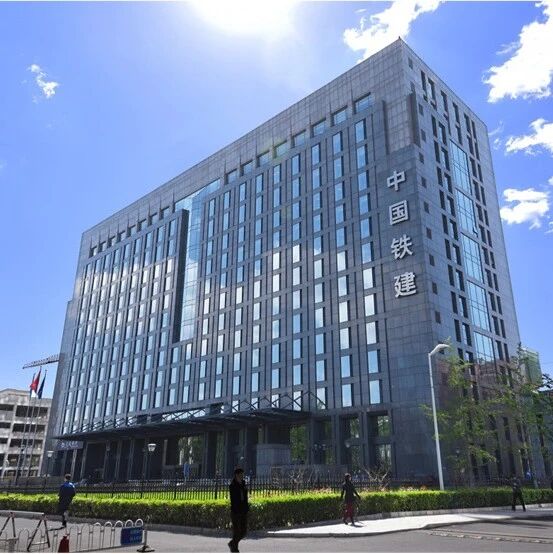
Core Viewpoint - China Railway Construction Corporation (CRCC) is adapting to a challenging domestic environment by focusing on cost reduction and enhancing operational efficiency while experiencing significant growth in overseas orders [4][29]. Financial Performance - In the first three quarters of 2025, CRCC reported a revenue of 728.4 billion yuan, a decrease of 3.9% year-on-year, and a total profit of 204.6 billion yuan, down 13.9% [6]. - The net profit attributable to shareholders only slightly decreased by 5.6% to 148.1 billion yuan, with a notable 8.3% increase in net profit for the third quarter [8][10]. - The company has successfully reduced sales and management expenses by 8.5% and 9.7% respectively in the first half of 2025, demonstrating effective cost control [10]. Business Segments - Engineering contracting remains the core business, contributing over 85% of total revenue, with a revenue of 4,346 billion yuan and a gross margin of 7.4% in the first half of 2025 [12][13]. - The overseas business has seen a remarkable increase, with new contracts signed amounting to 204.8 billion yuan, a 94.5% year-on-year growth, indicating a successful expansion into international markets [15][16]. Real Estate and Manufacturing - The real estate sector is currently a pain point for the company, with a significant revenue drop of 34.2% in the first half of 2025, and a gross margin that fell to 9.7% [18][19]. - In contrast, the industrial manufacturing segment is thriving, with a revenue of 118.3 billion yuan, a 5.3% increase, and a high gross margin of 21.2% [20][22]. Cash Flow and Dividends - The company faced a net cash outflow of 797.6 billion yuan from operating activities in the first three quarters of 2025, although this was an improvement from the previous year [23]. - Despite fluctuations in performance, CRCC has maintained stable dividend payouts, providing a sense of security for investors [24]. Future Outlook - The company is positioned to benefit from a significant increase in overseas orders, which could become a crucial growth driver in the coming years [27]. - The focus on cost reduction and efficiency improvements, alongside high-margin segments like industrial manufacturing, suggests a resilient operational strategy [29].

流感创新药亮“中国方案”!创新药替代进口加速?
市值风云· 2025-12-16 10:12
Core Viewpoint - The article highlights the rapid approval and commercialization of domestic influenza antiviral drugs in China, suggesting that 2025 may be regarded as the "Year of Domestic Influenza Innovation Drugs" due to the continuous improvement of China's pharmaceutical innovation capabilities [1]. Group 1: Commercialization of Domestic Influenza Drugs - From March to July 2025, three domestic antiviral drugs (Mashu Lashawei Tablets, Angladwei Tablets, and Mase Luoshawei Tablets) were approved for market entry, with two more (Madu Nuo Shawei and Mapaqi Shawei) completing clinical trials and applying for approval [3][4]. - Sales of these domestic innovative drugs are steadily increasing, indicating recognition of their efficacy and safety [3]. Group 2: Market Potential and Competition - The global seasonal influenza cases are estimated at around 1 billion annually, with 3 to 5 million severe cases, indicating a vast market for antiviral drugs [4]. - The Chinese antiviral drug market is projected to grow at a compound annual growth rate (CAGR) of 20.2% from 2024 to 2028, potentially reaching 26.9 billion yuan by 2028 [4]. - Despite strong demand, the domestic market has been dominated by imported drugs, with Oseltamivir holding over 80% market share in 2023 [4]. Group 3: Factors Driving Innovation - The rise of domestic influenza innovative drugs is attributed to a combination of policy support, technological advancements, and capital investment, marking a significant transformation in the industry [6]. - The National Medical Products Administration has implemented measures to accelerate drug approval processes, resulting in a rapid increase in the number of approved innovative drugs, with 48 approved in 2024 and 43 in the first half of 2025, a 59% year-on-year increase [7]. - The Chinese biopharmaceutical industry is developing rapidly, with the total value of biopharmaceutical business development (BD) transactions exceeding 100 billion USD in 2025, expected to reach 265.9 billion USD by 2030, with a CAGR of 31.3% from 2024 to 2030 [7]. Group 4: Market Sentiment and Future Outlook - Recent catalysts in the innovative drug sector, including the results of national health insurance negotiations and international conferences, are expected to improve market sentiment [8]. - The article suggests that despite recent adjustments in the sector, the trend of "innovation + internationalization" remains strong, with potential for recovery in the innovative drug sector [8].

天雷滚滚,基金经理“金饭碗”告急!哪些“顶流”基金经理可能要被降薪?
市值风云· 2025-12-15 10:08
Core Viewpoint - The introduction of the new performance assessment guidelines for fund managers aims to tightly link their compensation to both relative and absolute performance, with a significant focus on ensuring that investors earn returns [3][4]. Group 1: New Regulations and Impact - The new guidelines stipulate that fund managers who underperform their benchmarks by more than 10% over three years and incur losses will face a salary reduction of at least 30% [3][4]. - Approximately 30% of active equity fund managers may hit the "30% salary reduction" threshold due to poor performance [5][10]. - The ultimate goal of the regulations is to align the interests of fund managers with those of investors, ensuring that investors genuinely profit from their investments [4]. Group 2: Performance Statistics - Data shows that nearly 60% of funds have failed to outperform their benchmarks over the past three years, with only 44% of the 3,794 funds analyzed achieving this [6]. - Among these, 1,394 funds have underperformed their benchmarks by over 10%, representing nearly 37% of the total sample [7]. - The analysis indicates that around 34% of funds not only underperformed but also had negative profit margins, failing to generate positive returns for investors [10]. Group 3: Notable Fund Managers and Cases - Several prominent fund managers, such as Lu Bin and Shi Cheng, have multiple funds that have triggered the salary reduction criteria, with all their managed products underperforming significantly [15][16]. - Lu Bin's funds have consistently underperformed, with all seven products managed by him failing to meet benchmarks over the past three years [16]. - Shi Cheng's strategy of heavily investing in a single sector (new energy) led to significant gains during a bull market but resulted in substantial losses as market conditions changed, highlighting the risks of concentrated investment strategies [21][22].