申万宏源证券上海北京西路营业部

Search documents
【申万宏源策略】涨价链和非银开门红可期—— A股行业中观景气跟踪月报(2025年12月)
申万宏源证券上海北京西路营业部· 2026-01-08 02:49
Core Viewpoint - The article discusses the anticipated positive performance of the A-share market, particularly focusing on the price increase chain and the promising outlook for non-bank financial institutions in December 2025 [2] Group 1: Price Increase Chain - The price increase chain is expected to contribute significantly to the overall market performance, with various sectors showing signs of recovery and growth [2] - Specific industries are highlighted as benefiting from this trend, indicating a broader economic recovery that could enhance investor sentiment [2] Group 2: Non-Bank Financial Institutions - Non-bank financial institutions are projected to have a strong start in December 2025, driven by favorable market conditions and increased demand for financial services [2] - The article emphasizes the potential for these institutions to capitalize on market opportunities, suggesting a robust growth trajectory in the near term [2]

申万宏源获多项年度荣誉 多层次REITs市场投资能力受肯定
申万宏源证券上海北京西路营业部· 2026-01-08 02:49
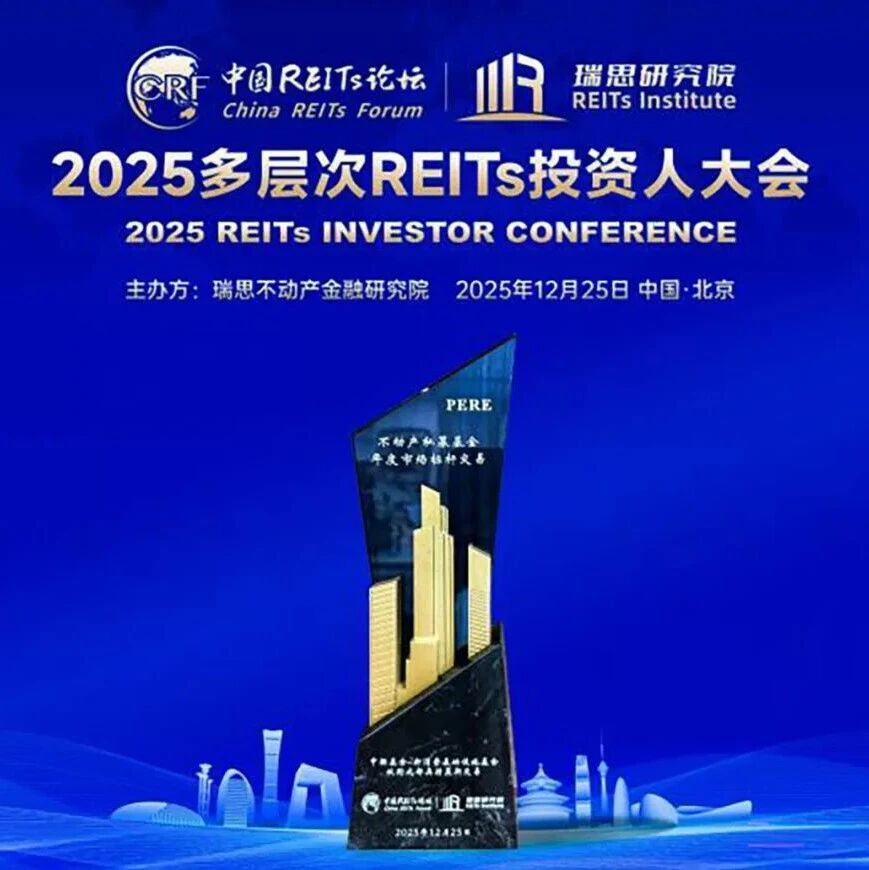
Core Viewpoint - The article highlights the achievements of Shenwan Hongyuan in the multi-level REITs market, showcasing its recognition as a leading investment institution in various categories at the 2025 Multi-level REITs Investor Conference [1][4]. Group 1: Awards and Recognition - Shenwan Hongyuan's FICC division and Hongyuan Huizhi received multiple honors at the conference, including "Outstanding Investment Institution in the Inter-Institutional REITs Market" and "Outstanding Investment Institution in the Real Estate Private Fund Market" [1]. - The "Zhonglian Fund - New Consumption Infrastructure Fund's acquisition of Chengdu Outlets Project" was recognized as the "Benchmark Transaction of the Year in the Real Estate Private Fund Market" [1]. Group 2: Market Contribution - The evaluation was co-hosted by the China REITs Forum and the Ruisi Real Estate Financial Research Institute, aimed at recognizing significant contributions in public REITs, inter-institutional REITs, and real estate private funds [4]. - Shenwan Hongyuan has been deeply involved in the construction of China's multi-level REITs market, covering public REITs, inter-institutional REITs, and real estate private funds, leveraging its "investment + investment banking" synergy [4]. Group 3: Investment Strategy - In the real estate private fund sector, Hongyuan Huizhi focuses on core asset categories such as affordable rental housing, industrial plants, shopping centers (including outlets), and data centers, employing diverse strategies to enhance portfolio resilience and value elasticity [5]. - The FICC division acts as a market maker for all public REITs and several inter-institutional REITs products, providing professional support for market liquidity and pricing [5]. Group 4: Future Outlook - Looking ahead, Shenwan Hongyuan aims to implement major decisions from the central government, focusing on technology finance, green finance, inclusive finance, pension finance, and digital finance to support national development strategies [5].

【申万固收|信用】中短端套息无虞,博弈3-5年机会可期——2026年一季度信用债市场展望
申万宏源证券上海北京西路营业部· 2026-01-08 02:49
Core Viewpoint - The article presents an optimistic outlook for the credit bond market in the first quarter of 2026, highlighting opportunities in the 3-5 year segment while indicating that short to medium-term interest rate arbitrage remains viable [2] Group 1: Market Outlook - The credit bond market is expected to experience stability, with a focus on the 3-5 year maturity segment offering potential investment opportunities [2] - The analysis suggests that the current economic environment supports a favorable backdrop for credit bonds, particularly in the mid-term [2] Group 2: Investment Strategy - Investors are encouraged to engage in interest rate arbitrage strategies, particularly in the short to medium-term, as the market conditions are conducive to such approaches [2] - The article emphasizes the importance of monitoring economic indicators that could influence credit spreads and overall market performance [2]
新股日历|今日新股/新债提示
申万宏源证券上海北京西路营业部· 2026-01-08 02:49
Group 1 - The article discusses the issuance of a convertible bond by Lianrui New Materials, with a conversion price set at 63.55 yuan and an issuance price of 100.00 yuan [1] - The bond is rated AA, indicating a relatively high level of creditworthiness [1]


申万宏源助力贵阳农商银行绿色金融债券成功发行
申万宏源证券上海北京西路营业部· 2026-01-07 02:26
本 期 债券是 贵州省内农商行 首单 绿色 金融债券 , 是申万宏源证券与 贵阳农 商 银行长期信任与紧密合作的坚实成果 , 展现出申万宏源 证券 服务区域经济,助 力绿色产业发展、做好绿色金融大文章的核心理念。未来,申万宏源证券将进一步加 大金融服务力度,持续提升服务实体经济的质效,以优质的专业能力和高效的沟通协 作,共同为区域经济高质量发展注入金融动能。 免责声明 近日,由申万宏源担任牵头主承销商的 " 贵阳农村商业银行股份有限公司 2025 年第一期绿色金融债券 " 成功发行,本期债券发行规模 15 亿元,期限 3 年,票面 利率 2.40 % 。 本期债券的发行主体贵阳农商银行成立于 2011 年,是贵州省第三大法人银行。 发行人 连续五年入围 " 中国银行业 200 强 " 、三登贵州百强系列名单、获评 2025 年省级服务业龙头企业、荣获全国五四红旗团委、全国金融系统文化建设优秀 单位 。 本内容最终解释权归申万宏源证券有限公司所有。 ...

快讯 | 申万宏源承销保荐助力德信羊绒在新三板挂牌
申万宏源证券上海北京西路营业部· 2026-01-07 02:26
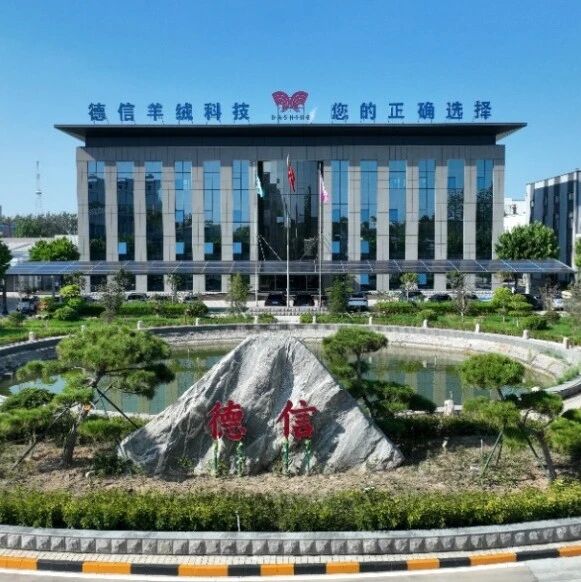
Core Viewpoint - Shandong Dexin Cashmere Technology Co., Ltd. successfully listed on the National Equities Exchange and Quotations (NEEQ) on December 31, 2025, marking a new phase in its capital operations and reflecting the support of Shenwan Hongyuan Securities in promoting small and medium-sized enterprises [1]. Company Overview - Established in 2003, Shandong Dexin Cashmere focuses on differentiated wool spinning yarn business, producing four main product series: silk velvet yarn, cashmere yarn, plush yarn, and natural fiber blended yarn, utilizing natural fibers such as cashmere, silk, merino wool, and alpaca wool [1]. - The company covers a full process system including semi-worsted and fancy yarn, with applications in high-end fashion women's wear, casual knitted jackets, and business attire [1]. Sustainability Commitment - Dexin Cashmere adheres to principles of green environmental protection, energy conservation, emission reduction, and sustainable development, emphasizing low-carbon energy, green product development, clean production, and efficient resource utilization [1]. - The company has received certification as a green factory from Dezhou City, showcasing its commitment to sustainable practices [1]. Capital Market Engagement - The successful listing on the NEEQ signifies a strategic move for the company in capital operations, providing a solid foundation for future upgrades in its industrial chain [1]. - Shenwan Hongyuan's underwriting and sponsorship team played a crucial role in assisting the company with project application and listing processes, aligning with the national innovation-driven development strategy [1].
热点思考 | 设备投资,能否“持续高增”?(申万宏观·赵伟团队)
申万宏源证券上海北京西路营业部· 2026-01-07 02:26
Core Viewpoint - The article discusses the sustainability of high growth in equipment investment, analyzing current trends and future prospects in the industry [2] Group 1: Current Trends - Equipment investment has shown a significant increase, with a year-on-year growth rate of X% in the last quarter [2] - The demand for advanced manufacturing technologies is driving investment, particularly in sectors such as automation and robotics [2] Group 2: Future Prospects - Analysts predict that equipment investment will continue to grow, but at a potentially slower pace, with estimates suggesting a growth rate of Y% over the next year [2] - Factors influencing future investment include technological advancements, government policies, and global economic conditions [2] Group 3: Sector Analysis - Specific sectors such as renewable energy and semiconductor manufacturing are expected to see the highest levels of investment, reflecting broader industry trends [2] - The article highlights the importance of innovation in maintaining competitive advantages within these sectors [2]
【申万固收|利率】久期的博弈机会vs票息的稳健价值——2026年一季度债券投资策略展望
申万宏源证券上海北京西路营业部· 2026-01-07 02:26
Core Viewpoint - The article discusses the investment strategy for bonds in the first quarter of 2026, focusing on the trade-off between duration opportunities and the stable value of coupon rates [2] Group 1: Duration Opportunities - The analysis highlights the potential for duration-based strategies to capitalize on interest rate movements, suggesting that investors may benefit from adjusting their portfolio duration in response to market conditions [2] - It emphasizes the importance of monitoring macroeconomic indicators that could influence interest rates, such as inflation and central bank policies [2] Group 2: Coupon Rate Stability - The article points out that coupon rates provide a reliable income stream, which can be particularly attractive in a volatile interest rate environment [2] - It suggests that maintaining a portion of the portfolio in high-quality bonds with stable coupon payments can mitigate risks associated with interest rate fluctuations [2]
申万宏源助力铁建投资集团持有型不动产ABS(机构间REITs)成功发行
申万宏源证券上海北京西路营业部· 2026-01-07 02:26
Core Viewpoint - The establishment of the "Ping An Securities - China Railway Investment Group Holding Real Estate Asset-Backed Special Plan" marks a significant breakthrough in the field of real estate securitization, showcasing a successful collaboration with a central enterprise and the issuance of a specialized asset-backed security (ABS) for office properties [2][3]. Group 1 - The project, with a total issuance scale of 748 million yuan and a term of approximately 28 years, utilized a market-based pricing mechanism, resulting in a premium issuance that reflects high market recognition of the underlying asset quality and operational management capabilities [2]. - The underlying asset of the special plan is the Zhuhai Railway Construction Building, recognized as a high-quality office property with stable income potential and good market acceptance, providing investors with a long-term and stable investment target [2]. - The successful issuance of this project is a key achievement for the company in deepening cooperation with central enterprises and expanding into the niche market of real estate securitization [3]. Group 2 - The company leveraged its professional service advantages in asset securitization, with collaboration across various departments ensuring the smooth progress of the project and gaining full recognition from the original rights holder and partners [3]. - This first project solidifies the company's strategic layout in the multi-tier REITs and asset securitization market, broadening its service boundaries for real enterprises and demonstrating its comprehensive strength in providing customized financial services for different types of entities and property forms [3]. - The company aims to continue deepening its expertise and strategic layout in asset securitization and multi-tier REITs, expanding cooperation boundaries, enriching its product service system, and focusing on the diverse financing needs of real enterprises [3].