QYResearch

Search documents
行业聚焦:全球精密运动系统行业头部企业市场份额及排名情况(附厂商名单)
QYResearch· 2025-11-25 02:49
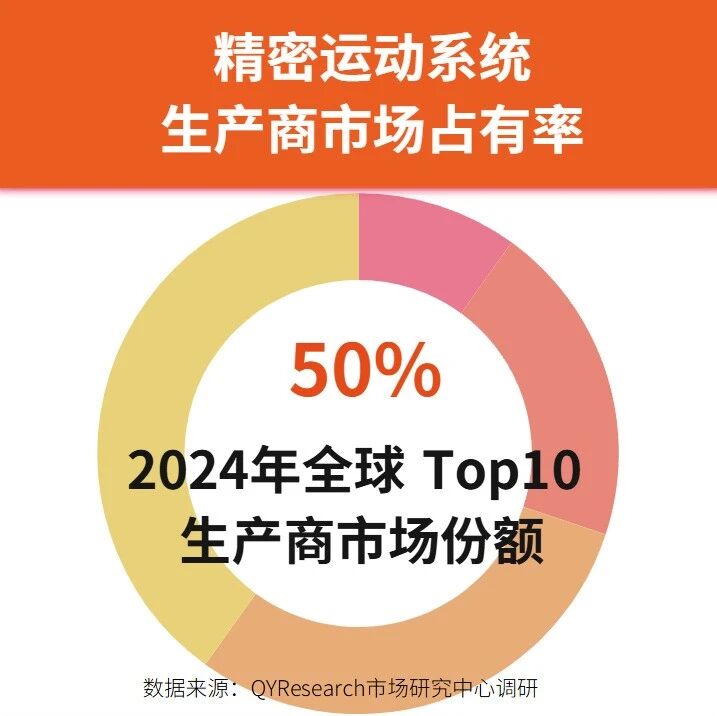
Core Insights - The global precision motion systems market is projected to reach $1.99 billion by 2031, with a compound annual growth rate (CAGR) of 8.77% in the coming years [5] - The industry is characterized by a dual structure of "oligopoly stability + accelerated local differentiation," with top manufacturers holding significant market shares [9] Market Size and Trends - The precision motion systems market is expected to grow significantly, driven by advancements in semiconductor manufacturing and optical device production [5][13] - The market is shifting from single-axis standard products to multi-axis collaborative and intelligent control systems [13] Competitive Landscape - The top three manufacturers account for approximately 26% of the market share, while the top ten account for about 50%, indicating high market concentration and significant entry barriers [9] - Major players like MKS (Newport), Physik Instrumente (PI), and THK dominate the high-end market through vertical integration and comprehensive system solutions [9] Product Segmentation - Precision motion platforms can be categorized into linear, rotary, and composite platforms, with linear platforms representing over 60% of total demand [11] - The demand for high precision and high rigidity in semiconductor wafer transport and optical measurement drives the market for linear platforms [11] Application Structure - The semiconductor and flat panel display sectors are the largest downstream applications, accounting for about 40% of the market [13] - The demand for precision motion systems is evolving towards more complex applications, including multi-axis coordination and intelligent control systems [13] Supply Chain Analysis - Key upstream components include linear motors, rotary motors, and air bearings, which are crucial for determining the precision and stability of motion platforms [19] - Major suppliers like THK and NSK dominate the high-precision linear guide and ball screw markets, while domestic companies are making strides in mid-to-high-end segments [19] Industry Development Trends - The precision motion systems industry is witnessing a trend towards sub-micron precision and the acceleration of breakthroughs in nano-level precision [23] - Modularization and customization are becoming prevalent, allowing for faster delivery and integration while meeting stringent requirements in high-end applications [24] Driving Factors - Long-term demand from the semiconductor and precision optics sectors is driving the need for high-end platforms capable of nano-level positioning [28] - The expansion of laser processing applications and the increasing demand for high bandwidth are pushing advancements in precision motion technology [28]

不止于二手资料:QYResearch如何通过深度访谈获取一线信息?
QYResearch· 2025-11-25 02:49
Core Insights - The article emphasizes the shift from traditional secondary data to in-depth primary research for market analysis, highlighting the importance of capturing insights from industry professionals [3][4]. Research Evolution - The market research industry is at a transformative juncture, moving away from reliance on secondary data sources like databases and public reports, which have limitations such as information homogenization and data lag [4]. - QYResearch recognizes that valuable insights often lie in the experiences of decision-makers and frontline personnel [4]. Methodology - QYResearch employs a dual strategy of "localization + specialization" to access industry professionals globally, establishing local support teams in countries like the USA, China, Japan, India, and Germany [5]. - The company has developed a systematic methodology for conducting deep interviews, which includes extensive preparation, a balance of structured and unstructured questioning, and rigorous cross-validation of information [6][7][8][9]. Interview Techniques - Analysts are required to conduct "excessive preparation" before interviews, understanding the target company's background, product characteristics, and market positioning [7]. - The interview framework is semi-structured, allowing for both preset questions and flexibility to explore unexpected yet valuable information [8]. - QYResearch employs a "triangular verification method" to ensure the authenticity of information by cross-referencing multiple independent sources [9]. Thought Process - Analysts are encouraged to adopt a "zero-based thinking" approach during interviews, listening without preconceived notions and asking insightful questions [11]. - There is a focus on identifying "connection points" between various information, linking technological trends with market demands and corporate strategies [12]. - Analysts are motivated to delve deeply into key information, employing a "five-layer deep" questioning technique to uncover the essence of issues [14]. Case Studies - In a study of the chemical industry, QYResearch's interviews revealed that actual inventory levels were significantly higher than public data suggested, indicating a potential market adjustment [15]. - In the automotive electronics sector, insights from frontline engineers highlighted a critical trend of traditional automotive electronic architecture evolving towards a centralized model, providing clients with forward-looking market assessments [15]. Future Outlook - Despite advancements in AI and big data, QYResearch believes that technology will enhance rather than replace the value of deep interviews, exploring AI tools for background analysis, real-time semantic analysis during interviews, and structured content processing post-interview [16]. - The company aims to deepen its global research network, promoting the model of "local analysts studying local markets" [16]. Company Background - QYResearch, established in 2007 with headquarters in Los Angeles and Beijing, has evolved into a leading consulting firm providing detailed industry research services across various sectors, including high-tech industries, chemical materials, advanced materials, machinery manufacturing, and more [17].

行业聚焦:全球建筑陶瓷行业头部企业市场份额及排名情况(附厂商名单)
QYResearch· 2025-11-25 02:49
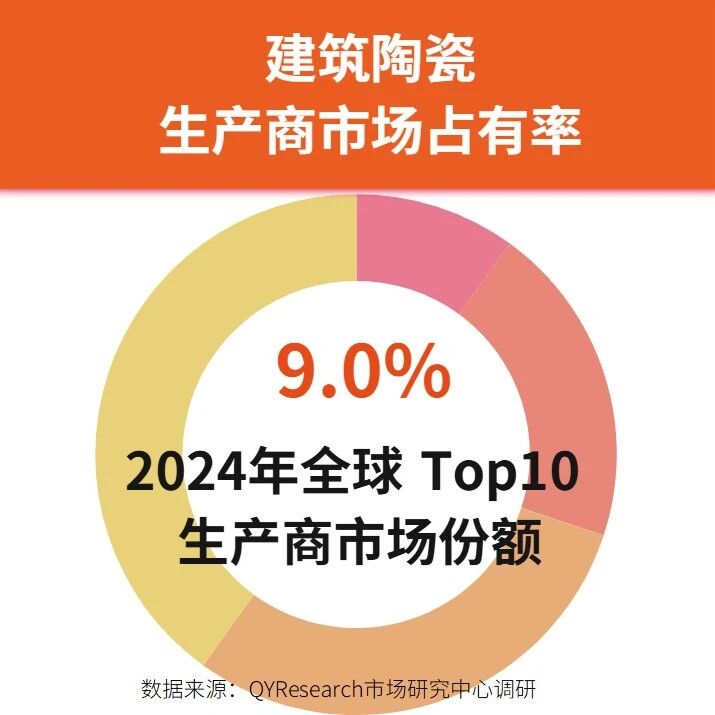
Core Viewpoint - The global building ceramics market is projected to reach a size of $137.44 billion by 2031, with a compound annual growth rate (CAGR) of 2.4% in the coming years [4]. Market Overview - Building ceramics include various ceramic products used in construction, such as wall tiles, floor tiles, and glazed tiles, characterized by high strength, fire resistance, moisture resistance, frost resistance, acid and alkali resistance, and color retention [2]. - The global market for building ceramics is currently undergoing a strategic transformation, shifting from scale expansion to value-driven and sustainable development [13]. Market Size and Trends - The global production of tiles is expected to decline to 14.95 billion square meters in 2024, a decrease of 6.2% from 2023 [11]. - Asia is the largest production region for building ceramics, accounting for 72.8% of global production, while Europe contributes 10.9% [11]. Key Market Players - Major global manufacturers include Mohawk Industries, LAMOSA, Grupo Pamesa, Marco Polo, Dongpeng Holdings, and Mona Lisa, with the top ten companies holding approximately 9.0% of the market share in 2024 [7]. Product Segmentation - Ceramic tiles are the primary product segment, holding about 71.2% of the market share [9]. Market Drivers - The demand for aesthetically pleasing and durable building materials is increasing, particularly for natural stone tiles, which offer rich design options and exceptional durability [18]. - The ongoing expansion of the construction and real estate sectors, especially in emerging economies, is a significant driver for the building ceramics market [19]. - Advances in manufacturing technology, such as digital printing and automation, are enhancing product quality and design possibilities while optimizing production costs [20]. Challenges Facing the Industry - The building ceramics industry faces environmental pressures and rising production costs due to the need for compliance with carbon neutrality and stricter environmental policies [22]. - The application of new technologies, such as foamed ceramics, is hindered by technical and standardization barriers, limiting their market adoption [23]. - Intense competition and market fragmentation, particularly in developing countries, lead to price competition and compressed profit margins [24].
全球及中国航空机载惰性气体发生系统行业研究及十五五规划分析报告
QYResearch· 2025-11-24 05:01
Core Viewpoint - The article discusses the development and market potential of aircraft onboard inert gas generation systems (OBIGGS), highlighting the growth in demand driven by the aviation industry's expansion and safety regulations [6][9]. Industry Overview and Statistics - The global market size for aircraft onboard inert gas generation systems was $55.268 million in 2020, projected to reach $92.551 million by 2024, with a compound annual growth rate (CAGR) of 16.02% from 2020 to 2025 [6]. - By 2031, the market is expected to grow to $238.586 million, with a CAGR of 12.74% from 2025 to 2031 [7]. Market Demand and Trends - Global air passenger traffic is expected to exceed 10 billion by 2025, a 6% increase from 2024 and over 16% from 2019, indicating a strong demand for new aircraft [9]. - Boeing forecasts a need for nearly 44,000 new aircraft from 2024 to 2043, while Airbus predicts a demand for 42,430 aircraft during the same period [9]. - The increasing demand for maintenance, repair, and overhaul (MRO) services due to the aging fleet also presents opportunities for OBIGGS systems [9]. Technology and Market Structure - The OBIGGS market is characterized by high technical barriers and limited production companies, with major players including Eaton, Safran Group, Jianghang Equipment, and Air Liquide [10]. - Eaton is the largest producer, with a revenue of $617.54 million in 2024, accounting for 66.72% of the global market [10]. Product Types and Applications - The market is primarily divided into hollow fiber membrane (HFM) OBIGGS, pressure swing adsorption (PSA) OBIGGS, and other systems, with HFM OBIGGS dominating the market at $877.36 million in 2024, representing 94.80% of the total [13]. - HFM OBIGGS systems are noted for their compact structure, lightweight, and high reliability, making them suitable for onboard applications [13]. Industry Characteristics - The industry is highly technology-intensive, requiring deep expertise in air separation and gas purification technologies [14]. - Market demand is closely tied to military and civil aviation sectors, influenced by the number of military aircraft and the delivery of new commercial aircraft [14]. - High entry barriers exist due to stringent safety certifications and significant capital investment required for research and development [14]. Favorable Factors - The recovery of the global civil aviation market and the increase in new aircraft deliveries are driving demand for OBIGGS systems [15]. - Regulatory support from aviation authorities emphasizes the importance of OBIGGS for fuel tank safety, leading to mandatory upgrades [15]. - Technological advancements in materials and processes enhance system efficiency and reliability, stimulating demand for upgrades [15]. Policy Environment in China - The Chinese government supports the aviation industry through funding for research and development, tax incentives, and the establishment of industry standards [17][19]. - Policies encourage innovation and collaboration, enhancing the competitive landscape for domestic companies in the OBIGGS market [17].

行业解决方案:针对不同行业客户需求,发布定制化解决方案,展现公司专业服务能力
QYResearch· 2025-11-24 05:01
Core Insights - The article emphasizes the complexity of challenges and opportunities faced by enterprises in a rapidly evolving global industrial landscape, driven by digital transformation, supply chain restructuring, policy changes, and upgraded market demands [3]. Group 1: Industry Focus - The electronic and semiconductor industry is characterized by rapid technological updates and is influenced by global digital economy growth and geopolitical factors. The research team provides insights into wafer manufacturing, packaging testing, and equipment materials to help clients maintain technological leadership [4]. - The mechanical equipment industry is undergoing a deep transformation towards digital systems driven by smart manufacturing and automation trends. Research focuses on production models, supply chain structures, and overseas market expansion to identify digital transformation opportunities [5]. - The chemical and new materials industry faces higher demands for green transformation and sustainable development. The research team explores innovations in production processes and downstream market changes to help companies find breakthroughs under policy and market pressures [5]. - The automotive and rail transit industry is being redefined by the rise of electric vehicles and smart transportation. Research covers battery supply chains, autonomous driving, and smart cockpit technologies to assist manufacturers in strategic planning [5]. - The renewable energy sector is becoming a core growth driver amid the "dual carbon" strategy and global energy transition. Research focuses on breakthroughs in materials and equipment, battery technology, and smart grid systems to help companies seize opportunities in the low-carbon economy [5]. - The pharmaceutical and medical industry is rapidly growing due to aging populations and increased health demands. Research spans from raw materials to high-end formulations, providing market data and insights for pharmaceutical companies and healthcare institutions [5]. - The consumer goods industry is experiencing rapid iteration driven by consumption upgrades and digital retail. Research analyzes market size, consumer behavior, and supply chain management to support sustainable growth strategies [5]. - The software and services industry has evolved into a key driver of economic and social development, with a focus on cloud computing, big data, and AI. Research helps clients understand the transition from "tool software" to "platform ecosystems" [5]. Group 2: Customized Solutions - The company offers three core service models to meet diverse client needs: standardized research reports, customized research solutions, and strategic consulting with deep collaboration [6][8][9]. - Standardized research reports provide comprehensive industry data, market size forecasts, competitive landscape analysis, and policy environment interpretations to help clients quickly understand the industry [7]. - Customized research solutions are tailored to specific client needs, such as entering new markets or evaluating new technologies, ensuring alignment with strategic goals [8]. - Strategic consulting involves long-term collaboration, where the company acts as a strategic advisor, participating in the strategy formulation process and continuously updating market information [9]. Group 3: Professional Service Capabilities - The company's professional service capabilities include in-depth research across the entire industry chain, from raw materials to end-user applications, and from technological trends to market models [10]. - The company maintains an international perspective, tracking global market dynamics to assist clients in developing globalization strategies [10]. - Emphasis is placed on the practical application of research, ensuring that solutions are feasible and actionable, enabling clients to find breakthroughs in complex environments [10].

行业聚焦:全球电子数据交换 (EDI) 软件行业头部企业市场份额及排名情况
QYResearch· 2025-11-24 05:01
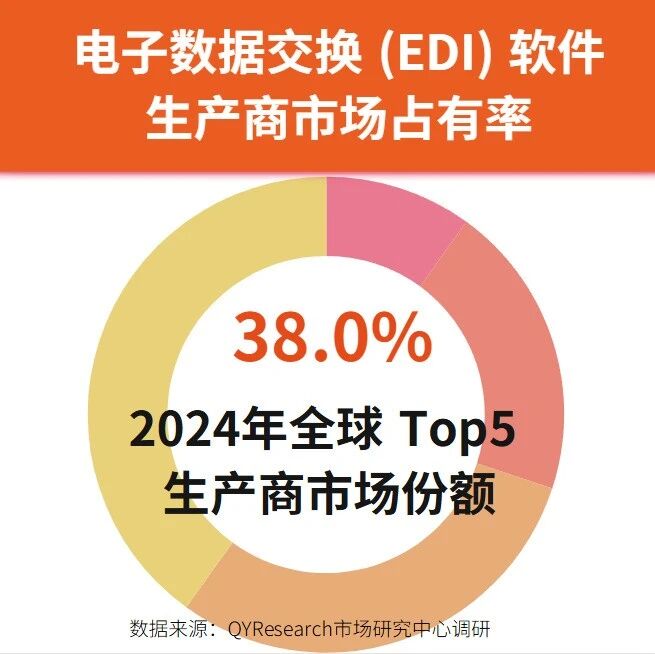
Core Viewpoint - The global Electronic Data Interchange (EDI) software market is projected to reach $2.08 billion by 2030, with a compound annual growth rate (CAGR) of 6.2% in the coming years [3]. Market Overview - The EDI software market is primarily driven by supply chain efficiency and automation, which significantly reduces processing time and human errors [12]. - Major players in the EDI software market include TrueCommerce (DiCentral), Salesforce (MuleSoft), SPS Commerce, Comarch, Rocket Software, Software AG, Boomi, Epicor (Data Interchange), OpenText, and Cleo, with the top five companies holding approximately 38.0% market share in 2024 [6]. - Cloud-based EDI solutions dominate the market, accounting for about 66.2% of the total share [8]. - Large enterprises represent the primary demand source, making up approximately 72.8% of the market [11]. Key Drivers - EDI enhances supply chain efficiency and automation, streamlining processes from order to payment and significantly reducing processing time from days to minutes [12]. - Cost reduction is achieved by eliminating expenses related to document processing, such as paper, printing, mailing, and labor, leading to a substantial return on investment (ROI) [12]. - Compliance with large trade partners' requirements, such as those from Walmart and Amazon, necessitates the use of EDI for business operations [12]. - EDI improves data accuracy and quality by automating data transmission, thus minimizing disputes and delays [12]. - Enhanced visibility and tracking capabilities allow for real-time monitoring of orders, shipments, and inventory levels, improving planning and customer service [13]. - EDI provides a secure and standardized method for transmitting sensitive data in regulated industries, supporting compliance with regulations like HIPAA [14]. - The shift towards paperless processes aligns with corporate environmental, social, and governance (ESG) initiatives [14]. Challenges - The complexity and high initial setup costs of implementing EDI can be significant, particularly for small and medium-sized businesses (SMBs) [18]. - Ongoing maintenance and costs, including software licensing and value-added network (VAN) fees, can be substantial despite long-term savings [18]. - The existence of multiple EDI standards increases complexity, as partners using different standards require data conversion [18]. - Traditional EDI systems are batch-oriented, lacking real-time interactivity, which can be a limitation in fast-paced environments [18]. - Security and compliance risks are heightened when transmitting sensitive business data, necessitating robust security measures [18]. - The rise of application programming interfaces (APIs) presents competition, as APIs offer real-time bidirectional communication and are often seen as more flexible than traditional EDI [18]. - Onboarding new trading partners to EDI can be a slow and cumbersome process, hindering agility [18].
行业聚焦:全球电子汽车衡(地磅)行业头部企业市场份额及排名情况
QYResearch· 2025-11-24 05:01
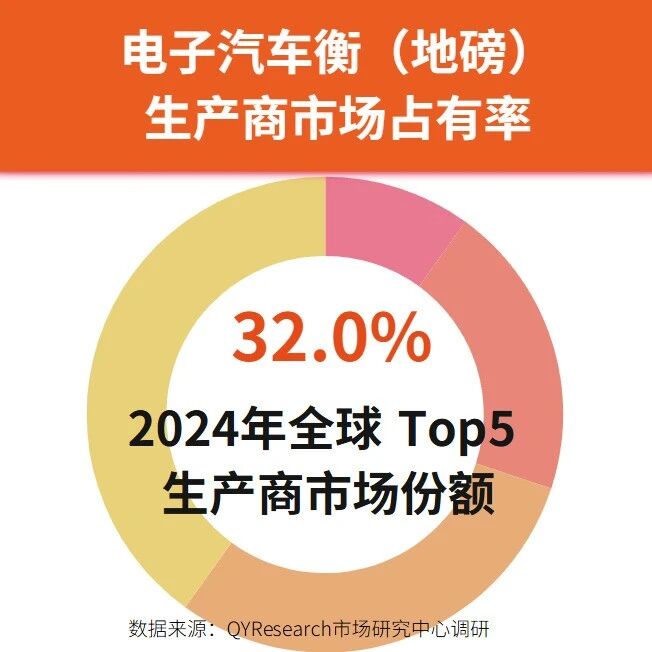
Core Insights - The global electronic truck scale (weighbridge) market is projected to reach USD 1.02 billion by 2030, with a compound annual growth rate (CAGR) of 4.1% from 2025 to 2031, driven by the transformation towards digitalization and system integration in traditional equipment sectors [3][19]. Market Overview - The electronic truck scale is widely used in logistics, warehousing, metallurgy, and chemical industries, consisting of components such as load cells, display instruments, and limit devices [2]. - The market is primarily driven by the growth in the transportation and logistics sector, strict overload compliance regulations, and increasing demand from mining, construction, and agriculture [16][18]. Market Dynamics - Major manufacturers in the global electronic truck scale market include Mettler Toledo, Avery Weigh-Tronix, and Fairbanks Scales, with the top five companies holding approximately 32.0% market share in 2024 [7]. - The ground-mounted scales represent the largest product segment, accounting for about 17.1% of the market share [10]. - The transportation and logistics sector is the leading application area, contributing approximately 38.5% of the market demand [12]. Challenges - High initial investment and maintenance costs pose a barrier for small businesses [19]. - Environmental conditions can affect the accuracy and lifespan of scales, particularly in outdoor or heavy-load environments [19]. - Complex installation requirements and data security issues related to system integration are significant challenges [19]. Future Outlook - Emerging markets are investing in infrastructure development, which is expected to drive demand for reliable weighing solutions [18]. - The market is experiencing a shift towards automation and digital weighing solutions, enhancing operational efficiency and real-time decision-making capabilities [16].
全球关税政策波动下的市场挑战与QYResearch的专业解决方案
QYResearch· 2025-11-21 03:14
Core Viewpoint - The recent tariff increases by the Trump administration are expected to reshape global trade dynamics, significantly impacting multinational companies in sectors such as semiconductors, electric vehicles, photovoltaics, communications, and advanced materials [3]. Group 1: Impact of Tariff Policies - The escalation of tariff policies poses a dual challenge to industry chain costs and market structures [4]. - Increased cost pressure is anticipated, with rising cross-border trade costs for key products like semiconductor equipment, power batteries, and photovoltaic components, thereby squeezing profit margins for companies [5]. - Accelerated supply chain restructuring is necessary as companies reassess regional and nearshore strategies to mitigate policy risks [5]. - Market competition is expected to become more polarized, with some countries potentially using domestic subsidy policies to protect their industries, leading to intensified global market share battles [5]. - The complexity of compliance is increasing due to overlapping multilateral trade rules and various countries' countermeasures, necessitating dynamic adjustments in compliance strategies by companies [5]. - The impact of tariff policies will vary significantly by industry characteristics, with the semiconductor equipment sector facing technology export restrictions and localization demands [5]. Group 2: QYResearch's Core Services - QYResearch provides data-driven, standardized, and customized services to help companies navigate market changes induced by tariff policies [6]. - Comprehensive industry chain data insights are offered, including industry research reports covering sensitive sectors like semiconductors, photovoltaics, and electric vehicles, along with supply-demand analysis, price trend forecasts, and policy impact assessments [6]. - Competitive dynamics monitoring is conducted to track major global companies' capacities, sales regions, product prices, revenues, and key customers, enabling market structure predictions [6]. Group 3: Strategic Consulting and Investment Support - Market entry strategies are developed to address tariff barriers and competitive environments in target countries, creating differentiated entry plans [7]. - Government affairs support is provided to assist companies in obtaining qualifications such as "specialized and innovative" and "single champion," allowing them to capture policy benefits to offset external risks [7]. - IPO consulting and compliance verification services are available, offering specialized analysis reports on the financial impacts of tariff policies for companies planning to go public, ensuring compliance with disclosure requirements [7]. Group 4: Company Background - QYResearch, established in 2007, is headquartered in Los Angeles, USA, and Beijing, China, and has evolved into a leading consulting firm providing detailed industry research services to global clients over 18 years [8]. - The service areas encompass various high-tech industry chains, including electronics, semiconductor, chemical raw materials, advanced materials, machinery manufacturing, electric vehicles, and photovoltaics [8].

行业聚焦:全球剥离抗蚀剂行业头部企业市场份额及排名情况
QYResearch· 2025-11-21 03:14
Core Viewpoint - The global lift-off resist market is projected to reach USD 560 million by 2031, with a compound annual growth rate (CAGR) of 8.6% in the coming years [4]. Market Overview - The global lift-off resist market is expected to grow significantly, driven by the increasing demand in the semiconductor and advanced packaging sectors [15]. - Major manufacturers in the lift-off resist market include Merck KGaA, Nagase ChemteX Corporation, Tokyo Ohka Kogyo, and others, with the top five companies holding approximately 63.0% market share in 2024 [6]. Product Segmentation - Positive lift-off resist is the dominant product type, accounting for about 69.5% of the market share, due to its advantages in forming stable profiles and supporting thicker films for metal lift-off processes [9]. Application Structure - The primary demand for lift-off resist comes from electronic components, which represent approximately 42.3% of the market, including semiconductor chips and integrated circuit packaging [12]. Market Dynamics - Key drivers include the continuous expansion of global semiconductor and advanced packaging demands, particularly in logic chips, memory chips, and power devices [15]. - The prevalence of difficult-to-etch materials and complex multilayer metal stacks is increasing the importance of lift-off processes, which avoid etching damage and enhance reliability [16]. - Rapid development in MEMS, sensors, and optoelectronic devices is driving the need for fine metal patterns and structures, further boosting lift-off resist demand [17]. Challenges - The lift-off process is sensitive to various parameters, which can lead to issues such as metal bridging and pattern collapse, affecting yield rates [18]. - Competition from established etching and embedding processes limits the adoption of lift-off technology in mainstream applications [18]. Industry Opportunities - The structural growth in power semiconductors and RF devices due to advancements in electric vehicles, photovoltaics, and 5G communications presents significant opportunities for lift-off resist applications [19]. - Advanced packaging and heterogeneous integration are creating high-value applications that require precise metal patterns, which lift-off resists can fulfill [20].

行业聚焦:全球便携式酶标仪行业头部企业市场份额及排名情况
QYResearch· 2025-11-21 03:14
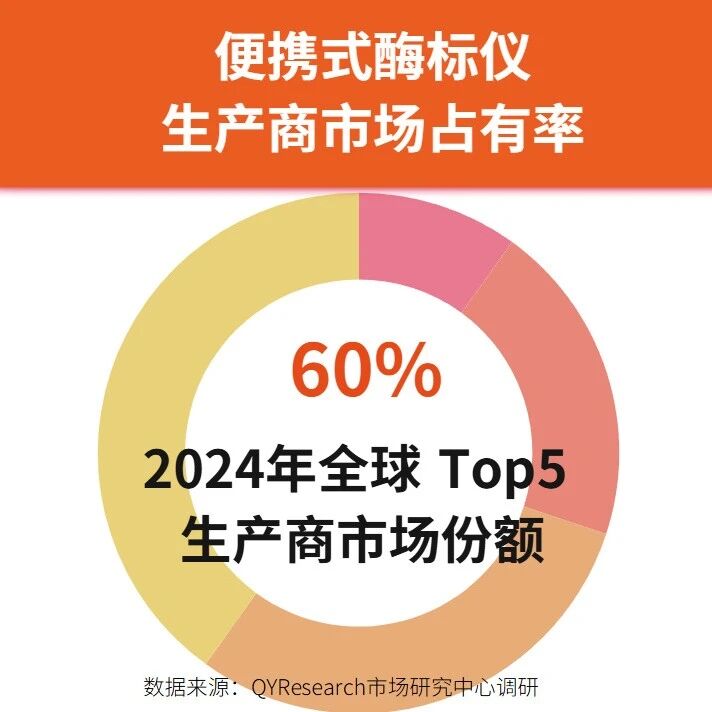
Core Insights - The portable microplate reader market is experiencing rapid growth driven by the increasing demand for point-of-care testing (POCT), ongoing investment in biopharmaceutical research, and the advancement of grassroots healthcare in emerging markets [4][10] - The market is highly concentrated, dominated by a few major players such as Thermo Fisher Scientific, BIO-RAD, and PerkinElmer, which have established strong market barriers through brand reputation and extensive sales networks [4][9] Market Trends and Drivers - The key drivers for the growth of the portable microplate reader market include the significant expansion of POCT demand, particularly in grassroots healthcare and emergency response scenarios [10] - Continuous investment in biopharmaceutical and life sciences research, along with advancements in detection technology towards miniaturization, automation, and user-friendliness, are also contributing to the market's growth [10] Opportunities and Challenges - Government support for precision medicine and public health emergency capabilities presents clear market opportunities, especially in infectious disease monitoring and bedside diagnostics [5] - However, increasing regulatory scrutiny and stringent medical device approval processes raise market entry barriers and costs, posing challenges for companies [5] Market Size and Growth Projections - According to QYResearch, the global portable microplate reader market is expected to reach USD 1.05 billion by 2031, with a compound annual growth rate (CAGR) of 4.5% in the coming years [5] Competitive Landscape - The top five manufacturers, including Thermo Fisher Scientific, BIO-RAD, and PerkinElmer, hold approximately 60% of the market share, indicating a highly concentrated competitive environment [9] Future Industry Opportunities - Future opportunities lie in upgrading grassroots healthcare systems in emerging markets and penetrating non-traditional clinical fields such as veterinary, food safety, and environmental monitoring [12] - The integration of artificial intelligence and IoT technologies for smart interpretation and remote data management is expected to create new application scenarios and business models [12]