
伍治坚证据主义

Search documents
美元的“超额特权”还能维持多久?
伍治坚证据主义· 2025-08-12 02:57
Core Viewpoint - The article discusses the potential decline of the US dollar's dominance as a global reserve currency, drawing parallels to historical events that reshaped the financial landscape, particularly during the Nixon Shock and the Plaza Accord [2][9]. Economic Pressures - The current economic pressures in the US mirror those of the 1970s and 1980s, characterized by large fiscal deficits, expanding debt, and increasing trade deficits, compounded by frequent sanctions that have led to a new level of "abuse" of the dollar [3][4]. Trade Policies - Trump's administration has implemented tariffs on countries like China and the EU to reduce trade deficits, which has inadvertently weakened other nations' motivations to stabilize their currencies against the dollar, thus harming global trade liquidity and diminishing dollar demand [3][4]. Trust in Dollar Assets - Sanctions and asset freezes against countries such as Russia and Iran have eroded trust in holding dollar-denominated assets, raising concerns among nations like China, which holds approximately $2 trillion in dollar reserves, about the safety of these assets [4][5]. Policy Implications - Proposals like the "Mar-a-Lago Agreement," which suggest converting foreign-held US debt into non-tradable bonds, could undermine trust in dollar assets, risking a significant shift in global currency reserves away from the dollar [4][5]. Inflation and Interest Rates - The US government's tax cuts and deficit spending have led to inflationary pressures, forcing the Federal Reserve to maintain high interest rates, while presidential interference in the Fed's independence could further erode confidence in the dollar [4][5]. Decline of Dollar's Reserve Status - According to IMF data, the dollar's share of global official foreign exchange reserves has declined from approximately 66% in 2015 to about 57% by 2025, indicating a shift towards other currencies [7][8]. Future Outlook - The dollar's dominance is weakening, and the decline in the dollar index reflects diminishing market confidence. The emergence of a multipolar currency system, with increased internationalization of the yuan and innovations in EU finance, poses a threat to the dollar's status [9]. Historical Context - The article draws historical parallels, suggesting that the current situation may lead to a restructuring of the dollar's role in the global financial system, similar to past events that preceded significant shifts in monetary power [9].


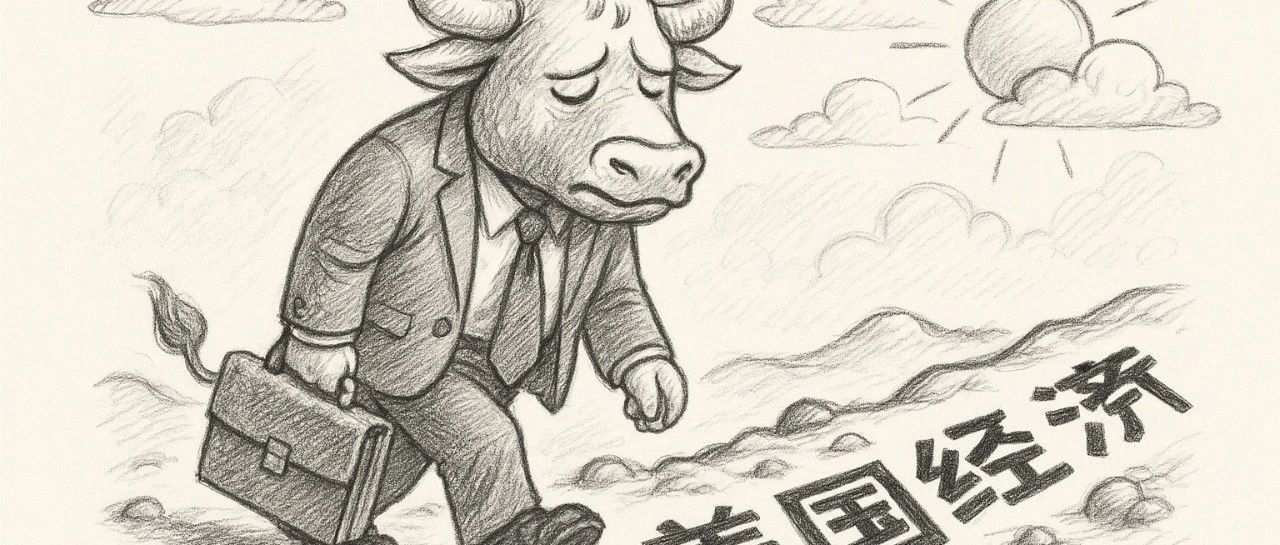
美国经济处于什么状态?
伍治坚证据主义· 2025-08-11 03:24
Core Viewpoint - The U.S. economy is currently in a delicate state, avoiding a hard landing but still facing underlying structural issues that could lead to future instability [2][6][7] Economic Indicators - The unemployment rate decreased to 4.1% in June 2025, with initial non-farm employment data showing an increase of approximately 147,000 jobs, although subsequent revisions revealed a significant drop to only 14,000 jobs added [2] - Average hourly wages increased by 3.9% year-on-year in June, still above the Federal Reserve's 2% inflation target, indicating that consumer income can support spending [2] GDP and Growth Dynamics - The U.S. GDP contracted by 0.3% in Q1 2025, marking the first quarterly decline since 2022, with net exports negatively impacting GDP by approximately 4.6 percentage points [3] - Consumer and private fixed investment grew by 3.0%, suggesting some internal economic support, but growth in durable goods orders and residential investment is slowing [3] Policy Environment - The "One Big Beautiful Bill" is projected to increase the budget deficit by $3.3 trillion over ten years, with a stable deficit rate around 6% of GDP, indicating ongoing high fiscal deficits that may support the economy in the short term but pose long-term sustainability risks [4] - The marginal effects of fiscal stimulus may diminish in a context of tight monetary policy [4] Trade Policy Implications - Recent trade barriers, including a 20% tariff on imports from Vietnam and a 10% base tariff on nearly all imports starting April 2025, may raise production costs and weaken international competitiveness [5] - Such protectionist measures could lead trade partners to seek alternative markets, potentially exerting downward pressure on U.S. exports [5] Capital Market Performance - The S&P 500 index rebounded quickly after a 15% decline, recovering in just 15 trading days, the fastest in 75 years, driven by expectations of interest rate stabilization and fiscal stimulus [5] - Historical data suggests that similar rebounds typically lead to average gains of 6%, 10.5%, and 16.5% over the next three, six, and twelve months, respectively [5] Structural Challenges - The current economic state resembles a temporarily balanced situation, with underlying structural issues such as productivity growth slowdown, aging population, rising debt burdens, and international trade tensions still present [6][7] - Investors are advised to remain cautious, as superficial data and market rebounds may obscure the true economic resilience [6][7]
AI基建热潮下,1.5万亿美元的融资缺口谁来填补?
伍治坚证据主义· 2025-08-07 06:51
Core Insights - The article highlights the massive capital expenditure by major tech companies on AI infrastructure, exceeding $250 billion in 2024, with a projected total investment of $2.9 trillion over the next four years [1][2] - There exists a significant funding gap of approximately $1.5 trillion in AI-related investments, indicating that major companies can only cover about half of their needs, necessitating external financing [2][3] - Private credit is emerging as a key source of funding to fill this gap, as traditional banks are increasingly reluctant to lend for long-term, asset-heavy AI projects [4] Investment Landscape - The private credit market has seen rapid growth, expanding from $1 trillion in 2020 to an estimated $1.5 trillion in 2024, with projections to exceed $2.6 trillion by 2029 [3][5] - Investors are attracted to private credit due to its higher yields, often exceeding 10%, compared to traditional bank deposits [5] - Asset-backed financing (ABF) is particularly appealing for AI data center projects, allowing for flexible financing options even during early project stages [5] Corporate Financing Strategies - Major tech companies like Google and Amazon have the capacity to issue up to $600 billion in debt without affecting their credit ratings, but they prefer to limit debt issuance to avoid shareholder concerns about excessive spending [6] - Companies are strategically using their cash reserves and limited debt to fund initial investments in AI infrastructure, planning to seek additional financing once these investments yield returns [6] Energy Consumption Concerns - The energy consumption of global data centers is projected to reach 415 terawatt-hours (TWh) in 2024, accounting for 1.5% of global electricity use, with expectations to double by 2030 [7][4] - Major tech firms are exploring renewable energy solutions to mitigate the high energy demands of AI operations, including significant contracts for renewable energy and acquisitions of energy facilities [7][6] Long-term Investment Trends - Institutional investors, such as pension funds and sovereign wealth funds, are increasingly investing in AI infrastructure due to its potential for stable cash flows and inflation protection, with expected annual returns of 7-9% over the long term [8] - These investors prioritize projects that demonstrate certainty in growth, policy support, and environmental sustainability, particularly those with ESG credentials [9] Risks and Challenges - Investors face risks related to economic slowdowns, which could lead to reduced risk appetite and a preference for more liquid assets, potentially impacting private credit markets [10] - The uncertainty surrounding AI commercialization could disrupt financing expectations, especially if tech companies cut capital expenditures [10] - Practical challenges, such as securing land permits and connecting to power grids, can hinder project progress and investor confidence [10] Conclusion - The article emphasizes the explosive growth in capital investment for AI infrastructure, the significant funding gap, and the role of private credit in addressing this gap [12] - It also highlights the importance of understanding the underlying dynamics of this investment landscape, including energy consumption and the need for strategic risk management [12]





选专业像选股票,问题出在哪里?
伍治坚证据主义· 2025-08-05 02:23
Core Viewpoint - The article emphasizes that choosing a major is not a singular decision that determines a child's future, but rather a part of a complex, ongoing process of growth and development [2][7]. Group 1: Misconceptions about Career Choices - Parents often oversimplify the decision of selecting a major, believing it to be the key to their child's success, similar to how investors seek the "best stock" for guaranteed returns [2][7]. - The article critiques the "single-point determinism" mindset, which overlooks the complexities and dynamics of real-world scenarios [2][3]. Group 2: The Role of Experts - The belief that experts can predict the future is flawed; even top investors like Warren Buffett and Charlie Munger avoid making predictions due to inherent uncertainties [3][4]. - Munger advocates for building a long-term judgment framework rather than relying on predictions, emphasizing the importance of continuous improvement and cognitive discipline [3][4]. Group 3: Focus on Internal Capabilities - Munger suggests that the focus should be on optimizing internal capabilities rather than trying to control external variables [4]. - Parents should prioritize developing their child's thinking patterns, learning habits, values, and resilience, which are essential for long-term success [4][5]. Group 4: Examples of Career Misunderstandings - The article discusses the misconception that certain majors, like accounting, will become obsolete due to AI; however, valuable accountants are those who understand the logic behind numbers and can make strategic decisions [5][6]. - It also highlights the misleading notion that studying hard sciences guarantees success in quantitative finance, stressing the need for a deep understanding of financial principles beyond technical skills [5][6]. Group 5: The Importance of Broader Skills - The article argues that success in any field requires a stable and resilient skill set, including communication, critical thinking, and self-driven learning, which cannot be achieved merely by choosing the right major [6][7]. - Parents should recognize that the choice of a major is just one of many decisions that shape a child's future, and subsequent choices are equally important [7][8]. Group 6: Embracing Uncertainty - The article concludes that even rational choices do not guarantee positive outcomes, as luck plays a significant role in life [8]. - It encourages parents to focus on developing their child's ability to navigate complexity and uncertainty rather than seeking a single correct answer [8].

稳定币,金融创新还是隐患?
伍治坚证据主义· 2025-07-30 07:06
Core Viewpoint - Stablecoins, regarded as the "digital dollar" of the crypto world, are currently at the forefront of regulatory reform, particularly following the signing of the Genius Act by President Trump, which establishes clear federal standards for stablecoin issuance and regulation [1][12]. Summary by Sections Regulatory Framework - The Genius Act mandates that only entities with federal licenses or those regulated by the Federal Reserve and FDIC can issue "payment stablecoins," requiring issuers to hold high-quality reserve assets such as cash or U.S. Treasury bonds [1][12]. Market Overview - As of July 22, 2025, the total market capitalization of global stablecoins is approximately $268 billion, with Tether (USDT) being the largest at around $161 billion, followed by USDC at about $65 billion [2][3]. Tether (USDT) - USDT is the most liquid stablecoin but has faced transparency issues regarding its reserves, leading to past controversies and fines from regulatory bodies [2]. USDC - USDC is the second-largest stablecoin, known for its transparent asset disclosures and public audits, but it faced a significant price drop during the Silicon Valley Bank crisis in 2023 [3][8]. Case Studies - The UST collapse in 2022 exemplified the risks of algorithmic stablecoins, where a failure in the underlying asset led to massive market losses [5][7]. - The USDC crisis in March 2023, triggered by the Silicon Valley Bank's insolvency, resulted in a 12% price drop, highlighting the importance of reliable asset backing and federal guarantees [8][9]. Key Insights - Stablecoins require real, liquid, and low-risk assets for stability, with U.S. dollars or Treasury bonds being the most trusted collateral [9]. - For stablecoins to become mainstream payment tools, they must integrate into traditional financial regulatory frameworks, ensuring compliance and security [9][12]. - The design of stablecoins should include fair redemption mechanisms and liquidity stress testing to prevent panic-induced runs [10][11]. Regulatory Developments - The Genius Act and Hong Kong's Stablecoins Ordinance aim to enhance transparency and risk control in stablecoin issuance, with different focuses on compliance and innovation [12][13]. - Both regulations emphasize the need for stablecoins to be treated as "digital cash" with regulatory oversight, aiming for a balance between safety, transparency, and efficiency [14]. Future Outlook - The U.S. and Hong Kong are likely to engage in a competitive yet complementary relationship regarding stablecoin internationalization, with U.S. stablecoins potentially integrating into global payment systems and Hong Kong serving as a bridge for digital RMB [14][15].

如何抓住人工智能的第二序红利?
伍治坚证据主义· 2025-07-28 02:11
Core Viewpoint - The article emphasizes that the true beneficiaries of the AI revolution are not only the companies creating AI technologies but also those that effectively integrate AI into their operations to enhance efficiency and profitability, referred to as "second-order winners" [1][2][9]. Group 1: Historical Context and Examples - Historical examples illustrate that during technological revolutions, the greatest returns often come from companies that leverage new technologies rather than those that create them. For instance, the automotive industry saw more significant gains from downstream service providers than from car manufacturers [1][2]. - Gulf Refining's establishment of self-service gas stations exemplifies how companies can capitalize on technological advancements without being the creators of the technology [2]. Group 2: AI Integration in Companies - Companies like Shake Shack have successfully integrated AI and automation to enhance operational efficiency, reducing the time to prepare meals and lowering labor costs while increasing employee wages and profit margins [3]. - Ecolab's modeling indicates that it can automate approximately 50% of high-probability automation roles, leading to significant cost savings and improved profit margins without altering revenue [4]. Group 3: Chinese Companies Leveraging AI - JD Logistics has implemented the "Zhi Lang" system, which has tripled picking efficiency and significantly improved sorting accuracy, contributing to its profit growth [6]. - Ping An has effectively utilized AI in insurance processes, achieving rapid underwriting and claims processing, which has led to substantial cost reductions and enhanced customer experience [6]. Group 4: Investment Perspective - Investors are encouraged to focus on companies that have embedded AI into their operations, as these firms are likely to provide more stable returns compared to high-valuation AI technology creators [7]. - The characteristics of promising companies include labor-intensive operations that can benefit from AI cost reductions, clear and repetitive business processes, and the ability to scale AI applications effectively [7]. Group 5: Macro Economic Impact - The integration of AI is expected to reshape overall productivity in China, with projections indicating a potential GDP increase of about 8% by 2030 due to AI applications across various sectors [8]. - Companies that can quickly adapt and utilize AI to enhance efficiency are likely to continue benefiting from the efficiency dividends in the coming years [8]. Group 6: Conclusion - The article concludes that AI represents a revolution in efficiency, and investors should focus on companies that effectively integrate AI into their business models, as these "downstream" enterprises may yield better returns than those merely creating AI technologies [9].

特朗普重启关税战:投资者们准备好了吗?
伍治坚证据主义· 2025-07-10 01:40
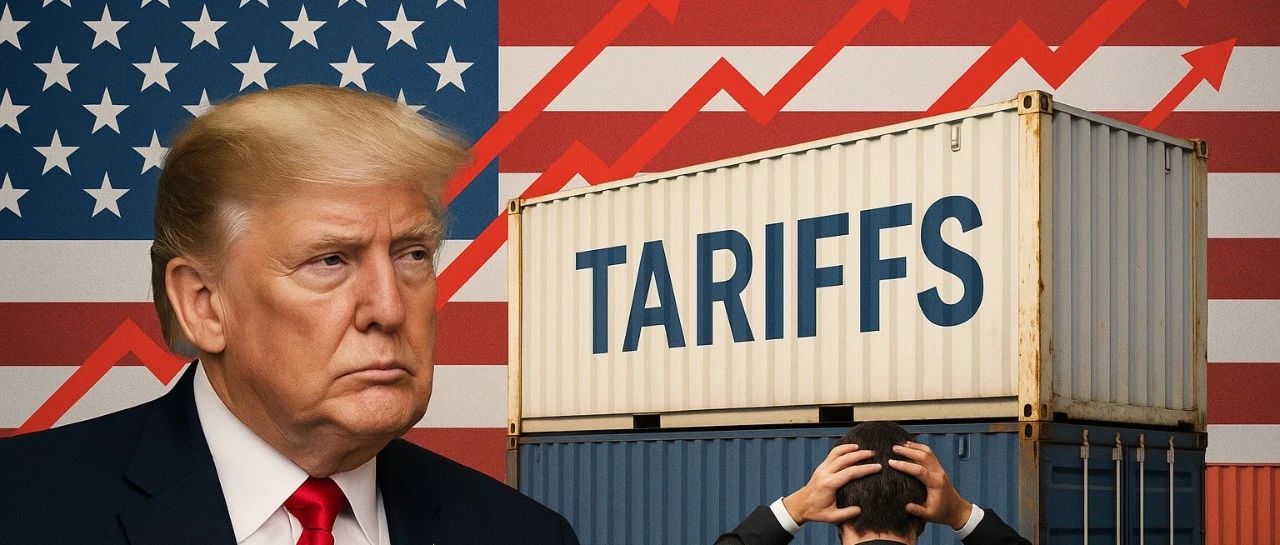
Core Viewpoint - The article discusses the escalation of the trade war initiated by President Trump in 2025, focusing on the implications for various asset classes including U.S. stocks, bonds, the dollar, and gold, amidst rising economic policy uncertainty and potential inflationary pressures [1][2]. Group 1: Economic Policy Uncertainty - Since March 2025, the Economic Policy Uncertainty Index has reached unprecedented levels, indicating significant uncertainty in U.S. economic policy, particularly following the announcement of "super tariffs" [2]. - The index's daily average in Q1 2025 surpassed any quarter during Trump's first term, even exceeding levels seen during the early COVID-19 pandemic [2]. Group 2: U.S. Stock Market - The S&P 500 index experienced a sharp decline of over 10% in early April 2025, marking the largest drop since 2020, but rebounded by 9.5% the day after Trump announced a 90-day pause on new tariffs [2]. - Overall, despite volatility, the S&P 500 recovered and reached a historical high in June 2025 [2]. Group 3: U.S. Treasury Bonds - In April 2025, the yield on 10-year U.S. Treasury bonds rose from 3.96% to 4.6%, a three-year high, contrary to typical behavior during risk shocks [4]. - This rise in yield was attributed to concerns over cost-push inflation, declining tolerance for U.S. fiscal deficits, and a liquidity squeeze due to leveraged fund sell-offs [4]. Group 4: U.S. Dollar - The U.S. Dollar Index (DXY) fell from 104.2 to 96.8 by July 1, 2025, representing a decline of approximately 10.7% since the beginning of the year [5]. - Factors contributing to this decline included foreign capital selling U.S. Treasuries, expectations of Federal Reserve rate cuts, and increasing doubts about U.S. policy stability [5]. Group 5: Gold - Gold prices surged to over $3,300 per ounce in mid-April 2025, reflecting a year-to-date increase of around 27% [6]. - The rise in gold prices was driven by significant inflows into global ETFs and increased purchases by central banks, particularly in China, India, and Russia [6]. Group 6: Comparison with Previous Trade War - The article compares the market reactions between the 2018-2019 trade war and the 2025 tariff conflict, highlighting differences in stock performance, bond yields, dollar strength, and gold prices [8]. - The 2019 trade war saw a "soft landing" due to rapid Fed rate cuts and a bilateral framework agreement, while the current situation faces more constraints due to persistent inflation and high interest rates [8]. Group 7: Future Outlook - The future market direction heavily depends on the outcomes of negotiations between the U.S. and other countries regarding tariffs [9]. - A resolution could lead to a sustained stock market rally, while an escalation in trade conflicts may result in increased market volatility and a further decline in the dollar's safe-haven status, with gold remaining a reliable asset [9].
如果幸福不是终点,那我们真正渴望的是什么?
伍治坚证据主义· 2025-06-23 07:17
Core Viewpoint - The pursuit of happiness is often overshadowed by more concrete and realistic aspects such as family health, life security, and financial stability, rather than happiness itself [1][2]. Group 1: Research Findings - The study found that "children's health" has a marginal utility 67 times the average, indicating that respondents are willing to make significant sacrifices for even a slight improvement in their children's health [2]. - Other top welfare dimensions include "children's happiness," "ability to provide economic support for the family," and "personal health," while "life satisfaction" has a marginal utility of only 1.6-2 times the average, indicating a lower priority [2]. - The research suggests that happiness is not the ultimate goal but rather a byproduct of fulfilling responsibilities, health, and stability [2]. Group 2: Philosophical Perspectives - Historical perspectives from philosophers like Aristotle and Mencius align with the study's findings, emphasizing that happiness arises from a life of virtue and moral integrity rather than mere sensory pleasure [3][4]. - Both Western and Eastern philosophies converge on the idea that happiness is achieved through the realization of moral values rather than the accumulation of emotional gratification [4]. Group 3: Individual Preferences - The study highlights that individual preferences are shaped more by personal experiences, resources, and mental states than by demographic factors such as age, gender, or income [4][5][6]. - Personal experiences, including childhood environment and significant life events, significantly influence what individuals prioritize in life [5]. - Resources such as wealth, health, and social relationships determine the potential for achieving various welfare dimensions, affecting how individuals perceive value in different aspects of life [5]. Group 4: Psychological Factors - A person's cognitive state, including their emotional regulation and comparison mechanisms, profoundly impacts their happiness experience [6]. - There is often a discrepancy between what individuals claim is important and what they are willing to sacrifice for it, indicating that subjective happiness is a result rather than a goal [6][7]. - The study concludes that when individuals focus on stability, close relationships, and health, happiness naturally follows, rather than being a direct pursuit [7].

现货比特币ETF能否成为加密投资的新风向标?
伍治坚证据主义· 2025-05-16 01:54
Core Viewpoint - The launch of spot Bitcoin ETFs on January 11, 2024, has quickly become a focal point in the financial market, attracting over $75 billion in inflows within the first year despite regulatory challenges [1][4]. Market Performance - The first ten spot Bitcoin ETFs launched have shown exceptional performance, with IBIT, GBTC, and FBTC capturing the majority of market share. IBIT has accumulated over $60 billion in assets under management (AUM), while FBTC has around $20 billion. GBTC, despite its higher management fee of 1.5%, still holds nearly $20 billion in AUM [4]. - All spot Bitcoin ETFs have recorded approximately 80% annual returns since inception, primarily due to the relatively low Bitcoin price at launch ($42,000) compared to its price in early May 2025 (around $100,000) [8]. Advantages of Spot Bitcoin ETFs - **Liquidity and Convenience**: Spot Bitcoin ETFs provide a convenient investment method for cryptocurrencies, mitigating storage and security risks associated with direct Bitcoin ownership, especially for institutional investors [10]. - **Cost Efficiency**: Spot Bitcoin ETFs generally have lower fees compared to futures ETFs, with HODL offering a 0% fee strategy, enhancing cost-effectiveness [11]. - **Low Correlation with Mainstream Assets**: The correlation of spot Bitcoin ETFs with global stock indices (MSCI ACWI) is around 0.25, providing diversification benefits for stock portfolios [12]. - **High Market Acceptance**: The direct tracking of Bitcoin prices by spot ETFs aligns with market expectations, leading to significant investor interest and trust in products like IBIT and FBTC [13]. Disadvantages of Spot Bitcoin ETFs - **Regulatory Uncertainty**: The SEC's cautious stance on the Bitcoin spot market poses long-term challenges for the development of spot Bitcoin ETFs, as opposed to futures ETFs which are based on regulated futures contracts [15]. - **High Market Volatility**: Bitcoin's inherent price volatility presents risks, with annualized volatility for GBTC reaching 56.9%, similar for IBIT and FBTC [16]. - **Complex Arbitrage Mechanisms**: Spot Bitcoin ETFs may occasionally trade at prices deviating from their net asset value (NAV) due to liquidity and arbitrage constraints, as seen with GBTC's previous significant discount [17]. Future Outlook - The successful launch of spot Bitcoin ETFs marks a significant shift in cryptocurrency investment methods, with IBIT and FBTC emerging as preferred choices due to their lower fees and high market acceptance. However, regulatory changes and increased market competition may introduce new uncertainties [18].

2025年新加坡大选有哪些看点?
伍治坚证据主义· 2025-04-30 23:01
Core Viewpoint - The upcoming 2025 Singapore general election is a critical examination of the country's governance model, focusing on issues such as global competitiveness, political transparency, and social cohesion [15]. Political Landscape - The election will feature 211 candidates vying for 97 elected parliamentary seats across 33 constituencies, with the ruling People's Action Party (PAP) and the main opposition Workers' Party (WP) being the key players [2][4]. - The PAP, led by Prime Minister Lawrence Wong, has been in power since Singapore's independence in 1965, while the WP aims to secure at least one-third of the seats to enhance parliamentary checks and balances [4][5]. Party Positions - The PAP advocates for a continuation of globalization and economic openness, emphasizing order, efficiency, and elite governance, while providing limited support to disadvantaged groups [6]. - The WP promotes constructive checks and gradual reforms, focusing on living costs, housing affordability, and employment security, while maintaining fiscal sustainability [6]. - Other smaller opposition parties, such as the Progress Singapore Party (PSP) and Singapore Democratic Party (SDP), prioritize local citizen welfare and advocate for tighter foreign labor policies [6]. Voter Demographics - The PAP primarily attracts "winners" from the globalized economy, including well-educated individuals with stable jobs who benefit from economic growth [7]. - Conversely, some voters support the WP to ensure a healthy debate in parliament and to hold the PAP accountable for its decisions [9]. - A segment of the electorate, comprising those who feel left behind by globalization, may lean towards more populist opposition parties seeking greater government support and welfare [9][10]. Governance Debate - The election raises questions about the balance between freedom and order, with criticisms of the PAP's governance style focusing on political and speech freedoms [11]. - The success of Singapore's governance model is contrasted with other nations, such as Mauritius and Taiwan, highlighting the potential risks of centralized governance and the need for adaptability [12][13]. Future Considerations - The 2025 election serves as a reminder for voters to consider Singapore's ability to maintain its global competitiveness while fostering a more open and responsible civil society [15]. - The PAP must demonstrate its commitment to the public interest and effective governance to retain voter support amidst rising scrutiny [14].