创业邦

Search documents
人形机器人,缺一个杀手级共识
创业邦· 2025-08-26 03:37
Core Viewpoint - The article discusses the contrasting approaches of two leading companies in the humanoid robotics industry, Starry Era and Yuzhu Technology, highlighting their differing philosophies on how to enhance robot capabilities and their respective paths towards commercialization [8][10][49]. Group 1: Company Strategies - Starry Era focuses on a "soft and hard integration" approach, emphasizing the importance of combining hardware and software to create a cohesive system for humanoid robots [30][32]. - Yuzhu Technology adopts a "hardware-first" strategy, prioritizing the development of hardware capabilities before integrating software solutions [31][32]. - Both companies have distinct views on the viability of the VLA (Vision-Language-Action) paradigm, with Starry Era seeing it as a broad framework for integrating various modalities, while Yuzhu expresses skepticism about its practical application [12][16]. Group 2: Technical Development - Starry Era has developed an end-to-end VLA model, ERA-42, which integrates reinforcement learning and world models, showcasing their commitment to advancing robot intelligence [15][39]. - Yuzhu Technology is concentrating on building reusable data and model resources, focusing on the engineering aspects of distributed computing to enhance their robots' capabilities [22][27]. - Both companies recognize the necessity of a closed-loop system that combines perception, decision-making, and execution to achieve effective humanoid robot performance in complex environments [34][54]. Group 3: Market Positioning - Starry Era is currently deploying its robots in B-end industrial scenarios, achieving over 70% efficiency in real-world applications, with plans to reach around 90% efficiency next year [23][36]. - Yuzhu Technology is primarily focusing on entertainment and demonstration scenarios, acknowledging that their robots are not yet ready for complex tasks, thus adopting a strategy of gradual market entry [26][27]. - Both companies anticipate a significant shift in the humanoid robotics market, with predictions of a "ChatGPT moment" within the next few years, where robots will be capable of understanding and executing complex instructions in unfamiliar environments [50][56]. Group 4: Future Outlook - The industry is expected to see parallel advancements in various technical paths, including end-to-end VLA and world models, with leading companies validating commercial viability in specific industrial applications [56]. - In the mid-term, a unified technical standard may emerge, expanding applications from industrial to logistics, healthcare, and retail sectors [56]. - Long-term aspirations include humanoid robots becoming household companions, necessitating advancements in safety, reliability, and natural interaction [56].

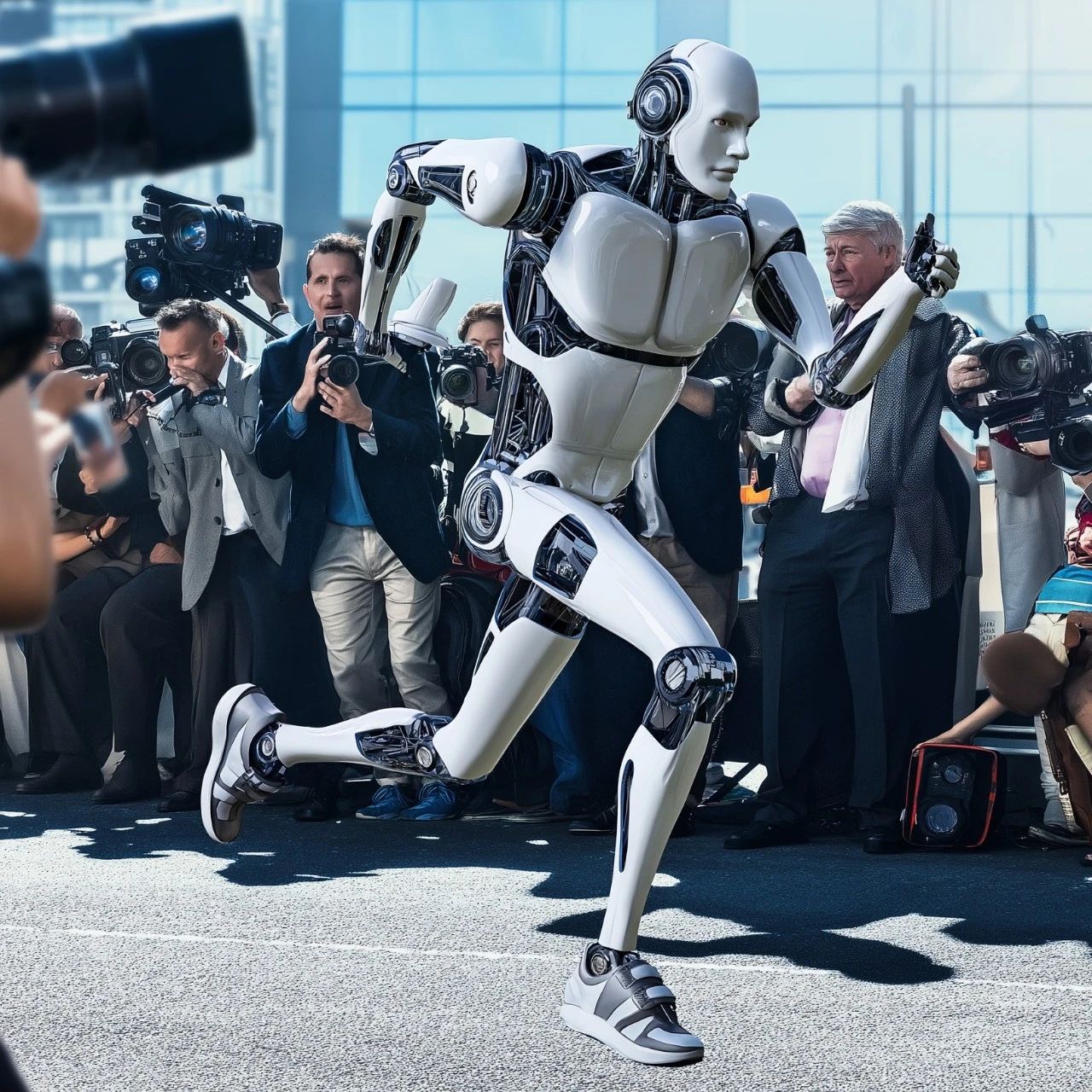
吉利:已拥有行业最大短刀电池产能;面向6G低轨卫星的多天线数字波束合成技术完成可行性验证丨智能制造日报
创业邦· 2025-08-26 03:37
Group 1 - The multi-antenna digital beamforming technology for low Earth orbit satellites has achieved feasibility verification, marking a significant milestone in China's satellite communication field, with improvements in signal-to-noise ratio of up to 5.5dB for transmission and 2.6dB for reception [2] - A domestic team has initiated the world's first multi-center clinical trial using brain-computer interface technology for precise diagnosis and treatment of hydrocephalus, significantly reducing diagnosis time from 2-3 days to 30 minutes [2] - Geely has announced that its subsidiary has the largest advanced production capacity for short-blade batteries in the industry, aiming for a production scale of 70GWh by 2027, with a 126% year-on-year increase in new energy vehicle sales in the first half of the year [2]


越来越多的园区,开始“0租金”了
创业邦· 2025-08-26 03:37
Core Viewpoint - The article discusses the recent trend of "zero rent" industrial parks in China, highlighting how local governments are offering significant rent-free periods to attract technology companies, aiming to stimulate innovation and economic growth amid macroeconomic pressures [5][12][14]. Group 1: Zero Rent Initiatives - Various cities are implementing "zero rent" policies, with Guangzhou leading by offering 150,000 square meters of state-owned industrial space rent-free for up to three years [5][12]. - Shenzhen has allocated 100,000 square meters for selected tech startups, providing up to two years of free office space, alongside a 500 million yuan strategic investment seed fund [7]. - Hangzhou's "Run Miao Plan" offers at least 200,000 square meters of state-owned park resources for up to five years of zero rent to selected startups [9]. - Other cities like Suzhou and Chengdu are also adopting similar policies, indicating a nationwide trend towards rent-free support for innovative enterprises [10][12]. Group 2: Underlying Reasons for Zero Rent - The emergence of "zero rent" industrial parks is attributed to macroeconomic challenges, policy shifts, and regional competition [14][21]. - Economic recovery post-pandemic has been difficult, prompting local governments to use "zero rent" as a tool to lower operational costs for startups and stimulate innovation [14][15]. - Policy changes, including the decline of land finance and stricter regulations on traditional incentives, have led local governments to seek new compliant support mechanisms [17][19]. - Intense competition among cities to attract high-quality projects and talent has resulted in extended rent-free periods and larger areas being offered [19][21]. Group 3: New Operational Models - The "zero rent" model is transforming the operational approach of industrial parks, with state-owned enterprises taking the lead [23][24]. - State-owned parks can absorb short-term rental losses to achieve long-term strategic benefits, contrasting with private developers who are less likely to offer comprehensive rent waivers [24][26]. - The role of state-owned parks is evolving from mere landlords to partners that share risks and rewards with tenant companies, emphasizing a collaborative growth model [26][30]. Group 4: Targeted Beneficiaries - Access to "zero rent" benefits is highly selective, focusing on strategic emerging industries and high-growth potential companies [31][35]. - The selection criteria for companies include high-tech firms, specialized small giants, unicorns, and winners of innovation competitions, ensuring that only the most promising projects benefit from these policies [31][36]. - The overarching goal is to strengthen local industrial chains and enhance competitiveness by attracting high-quality projects [36]. Group 5: Economic Implications - The short-term financial impact of "zero rent" policies is seen as a strong incentive for attracting businesses, with significant cost savings for companies [38][40]. - Long-term, the expectation is that the initial loss of rental income will be offset by increased tax revenues, job creation, and innovation from successful enterprises [40][42]. - Historical examples, such as the success of the Tianhe Software Park, illustrate the potential for substantial returns on investment from early-stage support [40][42]. Group 6: Challenges and Risks - The sustainability of the "zero rent" model raises concerns about the financial viability of park operators, with reports of significant losses among listed park management companies [42]. - There is a risk of market saturation and competition leading to "ghost towns" if parks fail to attract and retain quality tenants [42]. - Potential issues include policy exploitation by transient companies seeking short-term benefits and the challenge of ensuring that resources are allocated to genuinely innovative projects [42]. Group 7: Conclusion - The "zero rent" initiative represents a significant evolution in China's industrial policy, moving towards a more integrated approach that combines space, capital, and services [45]. - The shift in mindset from landlords to partners reflects a deeper commitment to fostering sustainable growth and innovation ecosystems [45].

85亿,江苏泰州"创二代"刚刚敲钟,乡镇小厂逆袭全球第一
创业邦· 2025-08-26 03:37
Core Viewpoint - The article highlights the successful IPO of Shuangdeng Group Co., Ltd., a leader in data center energy storage solutions, emphasizing its unique business model and growth trajectory in the context of the global energy storage market [3][4]. Company Overview - Shuangdeng Group was listed on the Hong Kong Stock Exchange on August 26, with an IPO price of HKD 14.51 per share, reaching a market capitalization of up to HKD 93.79 billion (approximately RMB 85.9 billion) [3]. - The company specializes in energy storage solutions for communication base stations, data centers, and power systems, positioning itself as a critical player in ensuring stable power supply amidst fluctuations [3][4]. Business Growth and Market Position - In 2024, Shuangdeng Group is projected to achieve the highest global shipment volume in communication and data center energy storage batteries, serving five of the top ten global telecom operators and 80% of leading data center companies in China [3][4]. - The company has seen a significant shift in revenue, with data center energy storage business revenue surpassing traditional communication base station business for the first time in 2025 [4][12]. Leadership Transition - The transition of leadership from founder Yang Shanjin to his son Yang Rui marked a strategic shift, focusing on AI-driven data center energy storage as a new growth avenue [4][10]. - Yang Rui's academic background and strategic vision have been pivotal in navigating the company through technological changes and market challenges [6][10]. Financial Performance - From 2022 to 2024, Shuangdeng's revenue grew from RMB 40.72 billion to RMB 44.99 billion, with a notable increase in the data center segment, which saw a compound annual growth rate of 34.9% [12][16]. - The company's gross margin improved from 16.9% in 2022 to a peak of 20.3% in 2023, although it faced a decline due to rising raw material costs in 2024 [17]. Global Expansion Strategy - Shuangdeng has expanded its operations internationally, with overseas revenue increasing from RMB 6.8 billion in 2022 to RMB 8.9 billion in 2024, accounting for nearly 20% of total revenue [19][21]. - The establishment of an international headquarters in Singapore and a production facility in Malaysia reflects the company's strategic focus on the Southeast Asian market, which is becoming a hub for data center development [19][20]. Industry Trends - The global demand for data center energy storage is expected to grow significantly, with projections indicating a compound annual growth rate of 52.7% from 2024 to 2030 [12]. - The shift towards multi-center global digital infrastructure is reshaping the competitive landscape, with Shuangdeng positioned to capitalize on these trends through its innovative solutions and strategic partnerships [20][21].
Meta与Midjourney合作开发AI图像和视频模型;群核科技发布空间大模型丨AIGC日报
创业邦· 2025-08-26 00:04
Group 1 - Meta collaborates with Midjourney to develop AI image and video generation technologies, aiming to integrate these advancements into future AI models and products [2] - DingTalk launched its next-generation AI office application "DingTalk ONE," designed as a unified entry point for natural language dialogue between humans and AI, focusing on creating an agent-driven work information flow [2] - Baidu's AI search app "梯子AI" (Tizzy.ai) has been officially renamed and positioned as an intelligent search assistant, emphasizing ad-free smart search and integrating deep thinking, resource retrieval, and entertainment features [2] - Qunhe Technology released its latest spatial large model, including SpatialLM 1.5, an interactive spatial language model, and SpatialGen, a multi-view image generation model based on diffusion architecture [2]


宇树科技被起诉;蜜雪冰城回应加盟费;马斯克正式起诉OpenAI和苹果公司;KDP将收购皮爷咖啡母公司丨邦早报
创业邦· 2025-08-26 00:04
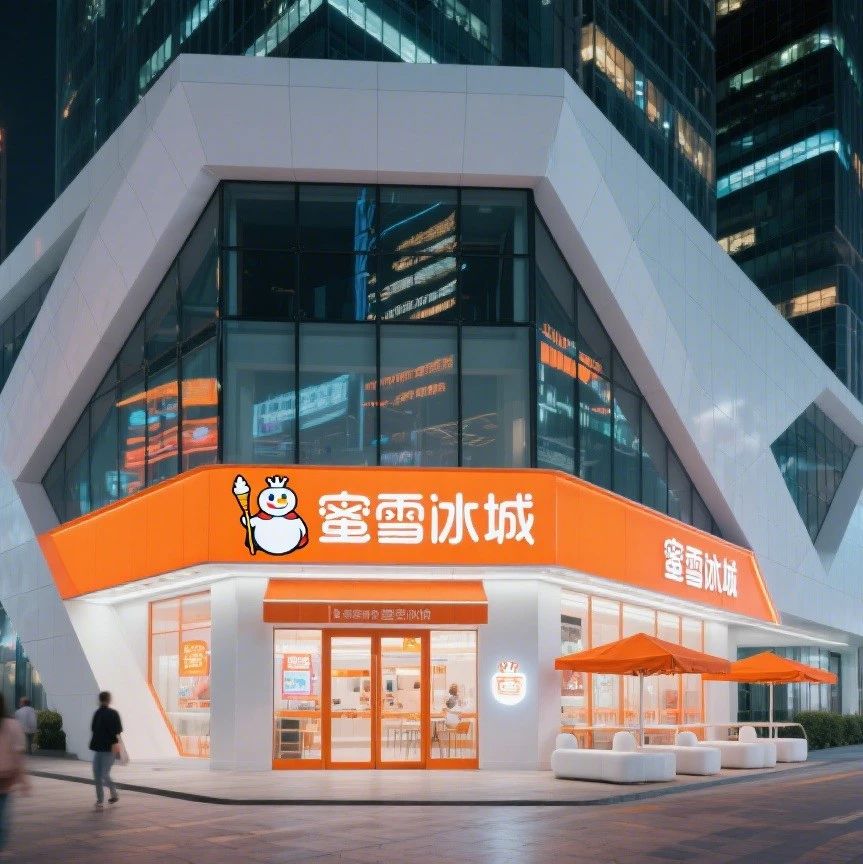
Group 1 - Yushu Technology is facing a lawsuit for patent infringement by Hangzhou Luwei Meirihua Co., Ltd, with the court hearing scheduled for August 26 [3] - The lawsuit involves a dispute over an invention patent, with Yushu Technology having seven robotic dog products in its lineup [3] - The franchise fee for Mixue Ice City has sparked discussions, with the total investment starting at 210,000 yuan, excluding additional costs like rent and transfer fees [4] Group 2 - ByteDance has denied rumors about the imminent release of AI glasses, stating that the product is still in the early exploration phase [6][7] - Meituan has addressed user complaints regarding refund delays, attributing the issues to high customer service volume and has implemented measures to resolve them [7] - Kuaishou has been ordered to pay 89.1 million yuan for copyright infringement related to popular shows, with the courts ruling that Kuaishou's actions were significantly negligent [8] Group 3 - Haidilao reported a 13.7% decline in net profit for the first half of 2025, attributing the drop to decreased table turnover rates and initial adjustments in product and service innovation [11] - Pinduoduo's Q2 revenue reached 103.98 billion yuan, a 7.1% year-on-year increase, with online marketing revenue growing by 13.4% [11][13] - Dongfeng Motor Group has resumed trading on the Hong Kong Stock Exchange, with its subsidiary Lantu Auto set to go public [13] Group 4 - NVIDIA has launched the Jetson AGX Thor developer kit, aimed at robotics applications, with a starting price of $3,499, enhancing AI computing power significantly [13] - Ele.me has announced an expansion of social security subsidies for delivery riders nationwide, covering up to 100% of insurance premiums [13] - Elon Musk has filed a lawsuit against OpenAI and Apple, alleging anti-competitive behavior to suppress competition in the AI sector [13] Group 5 - JD.com and Wanda have established a partnership in Beijing with a capital contribution of approximately 8.05 billion yuan [14] - Keurig Dr Pepper has agreed to acquire JDE Peet's for 15.7 billion euros, with plans to split the company into two independent entities post-acquisition [17] - Shanghai Disneyland will adjust its ticket pricing structure, introducing more intermediate price levels while maintaining the existing price range [18]

腾讯系关联公司参与的160亿元基金落地深圳;长江庚智基金完成备案,规模30亿元丨08.18-08.24
创业邦· 2025-08-26 00:04
Key Points - The article discusses significant events in the private equity fund market from August 18 to August 24, highlighting various fund establishments and their focus areas [5]. Government-Backed Funds - Changjiang Gengzhi Fund has completed registration with a total scale of 3 billion yuan, focusing on new materials and high-end equipment [7]. - Jiangsu Xuzhou New Industry Special Mother Fund has been established with a total scale of 3 billion yuan, targeting emerging industries like new energy and integrated circuits [8]. - Lishui City has set up a 2 billion yuan venture capital fund, emphasizing early-stage investments in technology-driven startups [9]. - Fujian Province has initiated a 1 billion yuan publishing industry mother fund, focusing on cultural industry integration [9]. - A 3 billion yuan semiconductor industry fund has been established in Ezhou, targeting the semiconductor industry chain [9]. Market-Oriented Funds - Tencent-related companies have launched a fund in Shenzhen with a scale of approximately 16.08 billion yuan, focusing on investment activities and enterprise management [16]. - QFLP projects have been established in Kunshan and Tianjin, with a focus on technology and medical innovation sectors [16][18]. - KKR has launched its first onshore RMB fund in Shanghai, indicating its commitment to the Chinese market [18][19]. Industry-Specific Funds - Huadong Medicine has participated in establishing a 2 billion yuan specialized pharmaceutical industry fund, focusing on innovative drugs and health sectors [21]. - Tianjin Lisheng Pharmaceutical is setting up a 1 billion yuan industry fund, targeting the health and biotechnology sectors [22]. - Visual China has invested in a 500 million yuan industry merger fund, focusing on AI and high-end equipment manufacturing [23]. Emerging Trends - The establishment of various funds indicates a growing trend towards specialized investments in sectors such as artificial intelligence, new materials, and healthcare [10][11][12][14][15]. - The collaboration between government and private sectors is evident in the formation of these funds, aiming to enhance local industry development and innovation [6][8][9].

蜜雪冰城的低价挡箭牌,扛得住东方明珠“扫射”,扛不住食品安全危机
创业邦· 2025-08-25 10:11
Core Viewpoint - The article discusses the marketing success and public perception of the brand Mixue Ice City, highlighting its ability to leverage social media trends and consumer engagement while facing ongoing food safety issues [5][10][21]. Group 1: Marketing and Brand Image - Mixue Ice City has successfully integrated its brand image with the "Snow King" IP, which has become a cultural symbol beyond just beverages, emphasizing the importance of brand influence [12][14]. - The brand's social media strategy focuses on making the Snow King character relatable and engaging, resulting in high interaction rates on platforms like Xiaohongshu, where posts related to the Snow King receive significantly more engagement than those related to the brand itself [14][15]. - Mixue Ice City capitalizes on trending topics and user-generated content, such as the "first cup of milk tea in autumn" campaign, which led to a significant sales boost for new products [17][19]. Group 2: Food Safety Concerns - Despite its marketing success, Mixue Ice City faces serious food safety challenges, with a high volume of complaints reported on platforms like Black Cat Complaints, indicating operational difficulties and safety pressures that exceed those of competitors [22][27]. - The brand has experienced multiple food safety incidents in 2023, yet its conservative response strategy has not significantly damaged its overall public image, as many consumers continue to support the brand [21][23]. - The perception of Mixue Ice City as a low-cost option has led to a degree of consumer leniency regarding its food safety issues, but this tolerance may be waning as more incidents occur [26][39]. Group 3: Business Strategy and Expansion - As of December 31, 2024, Mixue Ice City has expanded to 46,479 stores globally, surpassing Starbucks, but faces challenges in maintaining quality control across its vast franchise network [29][35]. - The company has announced a strategic slowdown in new store openings to focus on improving existing store operations and ensuring standardized practices to mitigate food safety risks [35][37]. - The brand's identity is closely tied to its low-price strategy, which has been a double-edged sword; while it attracts a large customer base, it also limits the brand's ability to innovate and upgrade its product offerings [38][39].
全新智界R7、S7官宣上市;奇瑞捷豹路虎针对“Freelander神行者”品牌纯电车型启动人才招聘丨汽车交通日报
创业邦· 2025-08-25 10:11
Group 1 - Great Wall Motors' WEY brand will launch the Gaoshan 7 MPV on September 10, featuring standard laser radar and intelligent four-wheel drive [2] - SAIC Audi's new manufacturing base has been completed, with an annual production capacity of 360,000 units, producing the first mass-produced model, the Audi E5 Sportback [2] - Chery Jaguar Land Rover has initiated global talent recruitment for the Freelander brand electric vehicles, with over 30 positions available, following a strategic cooperation agreement with Chery [2] - The new Zhijie R7 and S7 models have been officially launched with starting prices of 249,800 yuan and 229,800 yuan respectively, and a significant investment of over 10 billion yuan and a 5,000-person R&D team from Huawei and Chery [2]

中年人,扎堆去酒店开房
创业邦· 2025-08-25 10:11
Core Viewpoint - The article discusses the challenges faced by middle-aged individuals, particularly focusing on their coping mechanisms and the pressures of work and family life, highlighting the need for personal time and space to decompress [4][25]. Group 1: Middle-aged Individuals' Challenges - Middle-aged individuals often experience increased weight and health issues, reflecting a broader midlife crisis [5][6]. - The pressures of work and family lead to a monotonous routine, with many feeling overwhelmed by responsibilities such as mortgages and childcare [7][11]. - The article likens middle-aged life to a series of challenges, drawing a parallel to the trials faced by characters in "Journey to the West" [5]. Group 2: Coping Mechanisms - Middle-aged men often turn to hobbies like fishing and gaming as a means of stress relief, while women seek brief escapes through activities like karaoke and spa visits [11][15]. - The article highlights the importance of personal time, with women particularly valuing moments of solitude, often found in hotels or cafes, to recharge [16][20]. - Many middle-aged women resort to creative excuses, such as work commitments, to carve out time for themselves, reflecting the societal pressures they face [30][29]. Group 3: Stress Sources - The primary sources of stress for middle-aged women include childcare responsibilities, work pressures, and household chores, with a significant portion feeling unrecognized and unsupported [22][24]. - A study cited indicates that mothers lose an average of 1.8 hours of leisure time daily due to childcare, compared to 1.3 hours for fathers [26]. - The article emphasizes the emotional toll of these responsibilities, with many women feeling trapped in their roles as caregivers and homemakers [28][33].