国家能源局

Search documents
专家解读丨《监管办法》落地实施,公平开放监管力度与时俱进提升
国家能源局· 2025-10-20 07:33
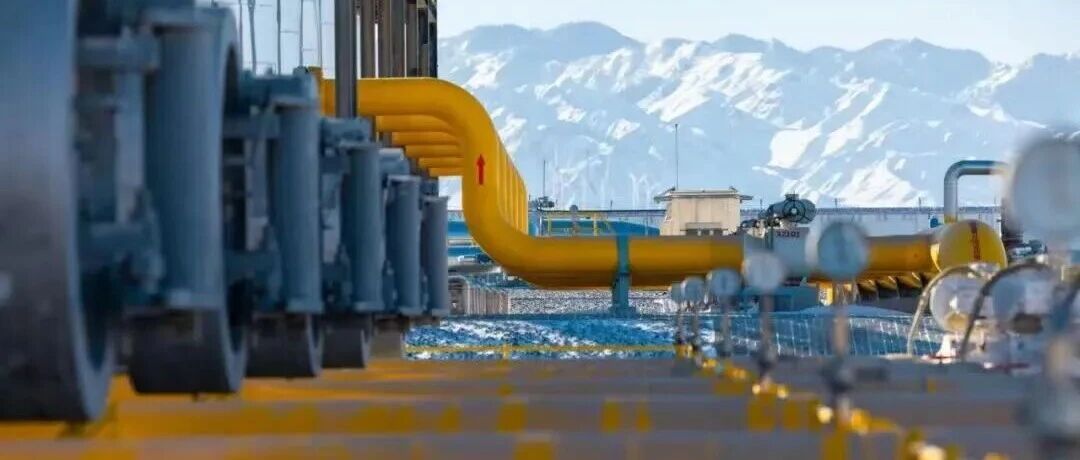
Core Viewpoint - The implementation of the "Regulatory Measures for Fair and Open Access to Oil and Gas Pipeline Facilities" aims to enhance the regulatory framework for oil and gas pipeline facilities, promoting a fair and competitive market environment in the oil and gas industry [3][4]. Group 1: Background and Context - The new regulatory measures respond to significant changes in oil and gas policies and market dynamics since 2017, emphasizing the separation of pipeline operations from oil and gas sales and ensuring fair access for third-party market participants [4][5]. - The establishment of the National Pipeline Group in 2019 marked a shift towards a unified and efficient oil and gas transportation service, necessitating government oversight and industry supervision [5][6]. Group 2: Key Highlights of the Regulatory Measures - The new regulatory measures elevate the status to departmental regulations, enhancing the authority and deterrent effect of the regulatory framework [6]. - Specific penalties for violations are outlined, reducing discretionary enforcement and minimizing disputes [6][7]. Group 3: Fair Access and Service Application - The measures detail user registration requirements, ensuring fair and non-discriminatory access for eligible enterprises [7]. - Pipeline operators must provide written explanations for any service application rejections and establish clear guidelines for capacity allocation and service requests [7][8]. Group 4: Contractual Obligations and Information Disclosure - Pipeline operators are prohibited from extending transportation distances to increase revenue and must adhere to fair contract terms without unreasonable demands [8]. - The measures specify information reporting requirements, distinguishing between proactive and upon-request disclosures, ensuring transparency in operational data and service conditions [8][9]. Group 5: Overall Impact and Future Directions - The regulatory measures are expected to strengthen oversight of monopolistic practices, promote fair competition in the oil and gas market, and enhance the efficiency of resource allocation [9]. - Future efforts will focus on refining regulatory requirements, improving enforcement capabilities, and enhancing information transparency to support industry and societal oversight [9].


人民日报丨公平使用油气管网设施有了“畅行证”
国家能源局· 2025-10-20 07:33
Core Viewpoint - The National Development and Reform Commission has introduced a regulatory framework to promote the fair and open operation of oil and gas pipeline facilities, effective from November 1, 2025, which aims to enhance competition and efficiency in the oil and gas market [3]. Group 1: Regulatory Framework - The newly introduced "Regulatory Measures for Fair Access to Oil and Gas Pipeline Facilities" defines fair access as the provision of oil and gas transportation, storage, unloading, and vaporization services to qualified users without discrimination [3]. - This regulatory framework marks several firsts, including the introduction of departmental regulations in the oil and gas pipeline supervision field, the inclusion of administrative penalties, and the establishment of standardized service processes for fair access [3]. Group 2: Information Disclosure - Information asymmetry is identified as a major bottleneck to fair access, prompting the need for graded public disclosure of relevant information regarding pipeline facilities [4]. - Companies are required to proactively disclose basic information about the fair access system and user registration conditions to the public, while sensitive information should be shared with registered users [4]. Group 3: Positive Impacts - The new measures provide various operating entities with a "pass" to use pipeline facilities, facilitating a more competitive and efficient oil and gas market [5]. - The framework is expected to enhance the participation of oil and gas production companies, urban gas companies, and retail enterprises, while preventing discriminatory practices and ensuring transparency [5]. - It will allow for a more flexible allocation of diverse oil and gas sources, such as imported LNG and coal-derived gas, thereby improving resource allocation efficiency and energy security [5].
国家能源局发布2025年9月全国电动汽车充电设施数据
国家能源局· 2025-10-20 06:03
Core Insights - The National Energy Administration released data on electric vehicle charging facilities in September, indicating significant growth in infrastructure [2] Summary by Categories Overall Growth - As of the end of September 2025, the total number of electric vehicle charging facilities in China reached 18.063 million, representing a year-on-year increase of 54.5% [2] Public Charging Facilities - The number of public charging facilities reached 4.476 million, with a year-on-year growth of 40% [2] - The total rated power of public charging piles is 199 million kilowatts, with an average power of approximately 44.36 kilowatts [2] Private Charging Facilities - The number of private charging facilities reached 13.587 million, showing a year-on-year increase of 60% [2] - The installed electricity capacity for private charging facilities reached 120 million kilovolt-amperes [2]

硬核“十四五”丨逐光驭风 澎湃绿能点亮万家灯火
国家能源局· 2025-10-20 02:55
Core Viewpoint - China is undergoing a significant transformation in its energy production and consumption landscape, focusing on green energy development and infrastructure expansion, particularly in the context of the "14th Five-Year Plan" [2][12]. Group 1: Renewable Energy Generation - The deployment of solar energy has led to the establishment of vast solar power plants in previously barren areas, with an annual generation capacity equivalent to replacing 560,000 tons of coal [4]. - Wind energy is also being harnessed effectively, with 93-meter-long blades generating enough electricity for three households for two days with each rotation [6]. - In total, China generates over 10 trillion kilowatt-hours of electricity annually, accounting for one-third of global production, with one-third of its electricity coming from renewable sources [8]. Group 2: Infrastructure Development - The construction of six large hydropower stations along the Yangtze River has created the world's largest clean energy corridor, while new energy bases in the western regions are rapidly expanding [10]. - The "14th Five-Year Plan" has seen the initiation of 19 ultra-high voltage power transmission lines, creating a super network for electricity delivery that spans over 50,000 kilometers [12]. Group 3: Energy Storage Solutions - New energy storage solutions have emerged prominently in the "Five-Year Plan," with capacity increasing nearly 30 times to 95 million kilowatts, addressing the intermittency of renewable energy [14]. - These storage systems have played a crucial role during peak demand periods, particularly during extreme summer heat, by storing energy during low demand and discharging it during peak times [14]. Group 4: Achievements and Goals - China has established the world's largest and most complete renewable energy industry chain, achieving the target of 20% non-fossil energy consumption as set in the "14th Five-Year Plan" [16].

新华社︱写在党的二十届四中全会召开之际
国家能源局· 2025-10-20 01:31
一以贯之的主题,始终不渝的初心,接力奋斗的足迹。 确保基本实现社会主义现代化取得决定性进展——写在党的二十届四中全会召开之际 历史,正在书写新的篇章。 10月20日至23日,党的二十届四中全会在北京召开。会议将审议《中共中央关于制定国民经济和社会发展第十五个五年规划的 建议》,为未来五年中国发展擘画蓝图。 2021年—2025年,"十四五"时期是我国全面建成小康社会、实现第一个百年奋斗目标之后,乘势而上开启全面建设社会主义现 代化国家新征程、向第二个百年奋斗目标进军的第一个五年。全国上下勠力同心、攻坚克难,我国经济社会发展取得新的开创 性进展、突破性变革、历史性成就。 2026年—2030年,围绕以中国式现代化全面推进强国建设、民族复兴伟业,"十五五"时期是基本实现社会主义现代化夯实基 础、全面发力的关键时期。 "十五五"新的征程即将开启,以习近平同志为核心的党中央团结带领全党全国各族人民,向着全面建成社会主义现代化强国、 实现第二个百年奋斗目标踔厉奋发、勇毅前行,必将确保基本实现社会主义现代化取得决定性进展,开创中国式现代化崭新局 面。 领航定向 驾驭发展全局创造新的历史伟业 "十四五"规划收官之际,"两张 ...

《油气管网设施公平开放监管办法》专家解读丨深化油气管网设施公平开放 构建现代化油气市场体系的制度基石
国家能源局· 2025-10-19 05:48
Core Viewpoint - The newly released "Regulatory Measures for Fair Access to Oil and Gas Pipeline Facilities" marks a significant upgrade in China's oil and gas regulatory framework, transitioning from mere guidelines to enforceable regulations, thereby establishing a solid legal foundation for a modern oil and gas market system [3][4][5]. Group 1: Background of the Regulatory Measures - The previous regulatory measures from 2019 played a historic role in breaking monopolies and improving pipeline utilization, but their limitations became apparent as reforms deepened [4]. - The establishment of the National Pipeline Group signifies a fundamental change in the oil and gas market structure, leading to heightened demands for fair and transparent access to pipeline facilities [4]. - The new regulatory measures are a response to the evolving legal framework and central government directives aimed at enhancing oversight of fair access to oil and gas pipeline facilities [4][5]. Group 2: Key Highlights of the Regulatory Measures - The measures provide a clear definition of "fair access to oil and gas pipeline facilities," establishing a common understanding among government, enterprises, and users, which helps avoid disputes and execution deviations [7]. - A comprehensive service specification system is established, detailing user registration, service application, capacity allocation, and contract execution, ensuring transparency and fairness in operations [8][9]. - The measures introduce a dual information disclosure system, balancing transparency with information security, mandating public disclosure of basic information while allowing sensitive operational data to be accessed upon request by registered users [10]. - Legal responsibility clauses are added, transforming the document from a guiding framework to a binding regulation, with specified penalties for various violations by both operators and users [11]. - A credit supervision mechanism is introduced, linking compliance performance to market reputation and operational benefits, promoting proactive compliance among enterprises [12]. Group 3: Policy Recommendations for Implementation - The implementation of the regulatory measures requires the rapid development of detailed supporting rules, ensuring operational feasibility and clarity in capacity allocation and information disclosure [13]. - Strengthening regulatory capabilities is essential, necessitating the training of professionals skilled in law, economics, and oil and gas engineering to handle complex regulatory tasks effectively [13]. - Industry consensus and cultural transformation are crucial, with pipeline operators needing to shift from being resource controllers to public service providers, embedding the principles of fairness and openness into their operations [14].

《油气管网设施公平开放监管办法》院士解读丨健全油气领域监管制度体系 推进油气管网设施公平开放
国家能源局· 2025-10-18 09:41
Core Viewpoint - The article discusses the implementation of the "Regulatory Measures for Fair and Open Access to Oil and Gas Pipeline Facilities," which aims to enhance the regulatory framework in the oil and gas sector, addressing the natural monopoly characteristics of oil and gas pipeline networks [3][4]. Group 1: Adaptation to New Regulatory Requirements - The regulatory measures are a response to the need for independent operation and market-oriented reforms in natural monopoly sectors, as highlighted in the 20th National Congress of the Communist Party of China [4]. - The measures signify a shift in regulatory focus from electricity to all types of energy, establishing a comprehensive regulatory framework involving the National Energy Administration and local energy authorities [4]. Group 2: Support for High-Quality Development in the Oil and Gas Industry - Oil and gas play a crucial role in China's energy security, and the pipeline infrastructure is essential for supporting high-quality economic and social development [5]. - The measures aim to prevent redundant construction and unhealthy competition among different networks, thereby enhancing operational efficiency and fostering cooperation between pipeline networks and users [5]. Group 3: Addressing Upstream and Downstream Regulatory Needs - The regulatory measures respond to the increasing demands for fair access and market operation mechanisms in the oil and gas sector, especially following the establishment of the National Pipeline Network Group [6]. - The measures clarify the rights and obligations of various stakeholders, empower regulatory authorities with enforcement capabilities, and aim to protect the legitimate rights of all market participants [6]. - The implementation of these measures is a significant step towards building a comprehensive energy regulatory system, which will have a profound impact on the high-quality development of the oil and gas industry [6].

新华社丨缓解“里程焦虑”!电动汽车充电设施将“三年倍增”
国家能源局· 2025-10-18 03:47
Core Viewpoint - The article discusses the "Three-Year Doubling Action Plan" for electric vehicle charging infrastructure in China, aiming to double the charging service capacity by the end of 2027, addressing the issue of "range anxiety" for electric vehicle users [2][3]. Summary by Sections Current State of Charging Infrastructure - As of September 2025, China has built the world's largest electric vehicle charging network with 18.063 million charging facilities, providing 2 charging stations for every 5 vehicles. Over 60,000 charging facilities have been established in highway service areas, facilitating cross-province travel [2]. Doubling the Number of Charging Facilities - The plan aims to increase the number of charging facilities to 28 million by the end of 2027, providing over 300 million kilowatts of public charging capacity to meet the needs of over 80 million electric vehicles. New residential areas are required to install charging facilities or prepare for future installations [3]. Enhancing Charging Facility Usability - The action plan emphasizes the construction of high-power charging facilities, with 1.6 million new direct current charging guns planned, including 100,000 high-power charging guns. The average power of public charging facilities is currently 45.5 kilowatts, which is insufficient for peak demand scenarios [4][5]. Comprehensive Coverage and Smart Energy Network - The charging infrastructure is transitioning from centralized to comprehensive coverage, enhancing convenience for electric vehicle users. The plan includes the expansion of vehicle-to-grid (V2G) technology, with over 5,000 new V2G facilities and a reverse power supply of over 20 million kilowatt-hours by 2027 [5]. Economic Impact - The implementation of the action plan is expected to stimulate over 200 billion yuan in investment in charging facility equipment manufacturing and construction, indicating significant market opportunities for the industry [5].

政策解读 | 《关于加强用户侧涉网安全管理的通知》在广州的实践与探索
国家能源局· 2025-10-18 03:33
一、构建系统框架,为基层实践指明方向 《通知》系统性提出了用户侧涉网安全管理的总体要求,核心在于构建权责清晰的"用户-电网-政府"三方责任体系,涵 盖相关电力用户、电网企业及其调度机构、国家能源局派出机构和地方各级电力管理部门。该体系从源头解决了以往责任 界定模糊、管理存在短板的问题,覆盖从源头管控、运行管理到监督管理的全流程,为形成"用户主体责任、电网专业支 撑、政府监督管理"的协同治理新格局奠定了制度基础。 强化源头管控,筑牢第一道防线。将安全管理前置到规划接入、业扩报装和设备选型等源头环节,并要求规范配置继电保 护、低压脱扣和电能质量治理装置,推动相关标准的完备性和一致性提升,体现了"预防为主、源头防治"的先进理念。 聚焦运行管理,提升"四可"能力。提升用户侧"可观、可测、可调、可控"水平,深化用户侧运行安全风险管控,强化网络 安全和自备电厂统一调度,精准应对当前用户侧运行管理的薄弱环节,旨在全面提升电网的主动预警和协同控制能力。 《关于加强用户侧涉网安全管理的通知》在广州的实践与探索 近日,国家能源局印发《关于加强用户侧涉网安全管理的通知》(以下简称《通知》),从国家层面系统构建了用户侧涉 网安全管理 ...

政策解读 | 《国家能源局关于加强用户侧涉网安全管理的通知》
国家能源局· 2025-10-18 03:33
《国家能源局关于加强用户侧涉网安全管理的通知》 近年来,因用户侧原因导致的电网故障停电事件数量呈现上升趋势,涉网安全管理必须向用户侧延 伸。国家能源局印发《关于加强用户侧涉网安全管理的通知》(以下简称《通知》),恰逢其时。 《通知》是全国首次专门针对用户侧涉网安全管理工作出台的系统性政策文件,标志着用户侧涉网 安全管理从零散化、个性化向系统化、规范化转变,对提升电力系统整体安全稳定运行水平具有里 程碑意义。 《通知》围绕准确把握用户侧涉网安全管理的总体要求、强化源头管控、强化运行管理、强化监督 管理四个方面,提出十二条具体措施,旨在构建"责任清晰、管控有力、运行规范、监管到位"的用 户侧涉网安全管理体系,提升用户侧涉网安全风险管控能力。结合当前电力系统的实际,对《通 知》中的重点内容解读如下: 一、明确用户侧涉网安全管理范围及各方责任 《通知》首次明确由省级电力管理部门组织电网企业及其调度机构按年度形成"用户侧涉网安全管 理范围的电力用户清单",将局部地区负荷占比高、电能质量敏感、重要行业、源荷混合、负荷聚 合类、高风险越级跳闸等用户纳入重点管理。这一条款科学界定了用户涉网安全管理范围,突出重 点,将有助于各 ...