日经中文网

Search documents
FT中文网精选:东南亚的投资机会初探(上)
日经中文网· 2025-11-27 02:53
Core Insights - The article discusses the evolving trade dynamics between China and the United States, highlighting a shift towards a "divergent restructuring" of bilateral trade relations, while emphasizing the growing trade volume between China and ASEAN countries, particularly Vietnam and Thailand [6][5]. Group 1: Trade Dynamics - The trade relationship between China and the U.S. is entering a phase of "competitive cooperation," with a noticeable trend of restructuring in trade patterns [6]. - The proportion of bilateral trade between China and the U.S. is decreasing, while trade with ASEAN countries has increased by 54% over the past five years [6]. - In 2024, China's trade surplus with Vietnam is projected to be approximately 450 billion RMB, while the surplus with Thailand is expected to be around 270 billion RMB [6]. Group 2: Economic Conditions in Thailand and Vietnam - Thailand's economic development remains stable, characterized by a steady growth trajectory [6]. - Historically, Thailand was recognized as a rising economic star in Southeast Asia, particularly during its economic boom from the 1980s to the 1990s, with an average growth rate of 6%-8% [7]. - The success of Thailand's export-oriented industrialization has been driven by the transfer of industries from Japan and the "Asian Tigers," focusing on textiles, apparel, automotive parts, and electronics assembly [7].


日本5家企业合作欲重振造船业
日经中文网· 2025-11-27 02:53
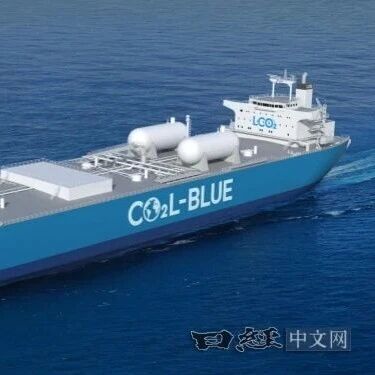
Core Viewpoint - The collaboration between Japan's three major shipping companies and shipbuilding firms aims to revitalize the Japanese shipbuilding industry by creating a unified development system for next-generation vessels, particularly focusing on liquefied carbon dioxide transport ships and alternative fuel vessels [2][10]. Group 1: Collaboration and Investment - Japan's three major shipping companies, Nippon Yusen, Mitsui O.S.K. Lines, and Kawasaki Kisen Kaisha, will invest in the ship design company MILES, which is jointly funded by Imabari Shipbuilding and Mitsubishi Heavy Industries [2][4]. - This marks the first time that shipping companies and shipbuilders in Japan have collaborated at the capital level to establish a ship development system [4]. - The investment aims to develop MILES into a common platform for ship design, integrating the needs of the three shipping companies and expanding the framework for joint development to a wider range of vessel types [6][10]. Group 2: Market Context and Strategic Goals - The Japanese shipbuilding industry has been at a disadvantage due to the rise of shipbuilding industries in China and South Korea, leading to a significant decline in market share from about 50% in the 1970s and 1980s to approximately 10% by 2024 [10]. - The Japanese shipping companies plan to prioritize orders from Japanese shipyards, including the potential procurement of liquefied carbon dioxide transport ships domestically [8][9]. - The Japanese government has designated shipbuilding as a critical area under the Economic Security Promotion Law, aiming to double the construction volume by 2035 compared to 2024, with a planned investment of 1 trillion yen in a 10-year fund for the shipbuilding sector [9][10]. Group 3: Future Developments - Nippon Yusen plans to increase its fleet of LNG carriers by nearly 40% by the fiscal year 2028, reaching a total of 130 vessels, with most orders currently going to Chinese and South Korean shipyards [9]. - The collaboration is expected to enhance production efficiency through the standardization of ship designs, which has been a challenge for Japanese shipbuilders due to the custom nature of vessel orders [8][10].
日本将要求Temu等跨境电商缴纳消费税
日经中文网· 2025-11-27 02:53
Core Viewpoint - Japan is implementing a tax obligation for e-commerce platforms with annual sales exceeding 5 billion yen, targeting platforms like Temu, SHEIN, and Qoo10, which will affect the pricing of imported goods [2][4]. Group 1: Tax Regulation Changes - The Japanese government proposed a tax reform that requires e-commerce platforms with annual sales over 5 billion yen to fulfill tax obligations [4]. - Previously exempt small cross-border transactions under 10,000 yen (approximately 454 RMB) will now be subject to consumption tax, leading to an estimated price increase of around 10% for consumers [4][5]. - This change aims to address the influx of low-priced goods through Chinese-backed e-commerce platforms, which have been able to sell products at lower prices due to tax exemptions [2][5]. Group 2: Impact on Local Retailers - Local Japanese retailers, who are required to pay various taxes, are facing competitive disadvantages against these cross-border e-commerce platforms that have been evading tax obligations [5]. - The current policy mandates that imported goods priced over 10,000 yen must have consumption tax collected and remitted by the merchants on the platforms, but there have been reports of tax evasion among these merchants [5].


液化天然气因美国出口热潮转向供应过剩
日经中文网· 2025-11-27 02:53
Core Viewpoint - The article discusses the significant increase in U.S. LNG exports, reaching 9.9 million tons in October, and the implications for global natural gas prices and domestic U.S. prices as supply is expected to exceed demand in the near future [2][4]. Group 1: U.S. LNG Export Growth - U.S. LNG exports reached 9.9 million tons in October, nearing the 10 million tons mark for the first time [4]. - Venture Global exported 2.14 million tons from the Plaquemines LNG facility in Louisiana, a 38% increase from September [6]. - Cheniere Energy's Corpus Christi facility also set a record with exports of 1.55 million tons in October [6]. Group 2: Market Implications - The global LNG market is shifting from a supply shortage to a supply surplus, leading to a downward trend in LNG prices [2][7]. - The JKM price is projected to drop to $8.8 per million BTU by mid-2028, approximately 20% lower than current prices [7]. - Japan, heavily reliant on LNG imports, stands to benefit from lower electricity costs as LNG prices decline [7]. Group 3: Domestic Price Impact - Increased LNG exports are expected to raise domestic natural gas prices in the U.S., with Henry Hub futures recently reaching an 8-month high of about $4.4 per million BTU [8][10]. - Historically, U.S. natural gas prices were one-third of those in Asia and Europe, but rising exports may lead to a convergence of prices [10]. - There is a potential risk that the U.S. may prioritize domestic price stability over exports if domestic prices continue to rise [10].

中国长期利率首次低于日本
日经中文网· 2025-11-27 02:53
Core Insights - The long-term interest rates in China have fallen below those in Japan for the first time since comparable data became available in September 2000, indicating a significant shift in economic dynamics between the two countries [4]. Group 1: Interest Rate Trends - Japan's 10-year government bond yield rose to 1.84%, while China's remained around 1.83%, reflecting a divergence in monetary policy and economic conditions between the two nations [4]. - The inversion of long-term interest rates suggests that China may be facing deflationary pressures, which could lead to further expectations of interest rate cuts by the central bank [2][4]. Group 2: Economic Implications - The reversal of long-term interest rates between China and Japan indicates that both economies are moving in different directions, with potential implications for global economic stability [5].

高市早苗解释“台湾有事”的存亡危机答辩
日经中文网· 2025-11-26 07:47
Group 1 - The core viewpoint of the article is that Japanese Prime Minister Fumio Kishida emphasizes a pragmatic relationship with Taiwan, stating that Japan has relinquished all rights and authority over Taiwan according to the San Francisco Peace Treaty [2][5]. - Kishida's response to questions about Taiwan's legal status indicates that Japan does not have a definitive stance on the matter, maintaining a non-governmental and practical relationship with Taiwan [5]. - The discussion between Kishida and opposition leader Yoshihiko Noda highlights concerns over Japan's defense posture, particularly regarding the implications of a potential crisis in Taiwan and the responsibilities of the Self-Defense Forces [4][5]. Group 2 - Noda acknowledges the strategic mutual relationship confirmed during the October summit between Japan and China but criticizes Kishida's remarks on Taiwan, suggesting they may have contributed to a cooling of Japan-China relations [4]. - Kishida defends his statements made during the budget committee meeting, asserting that he answered honestly based on specific inquiries regarding Taiwan's situation [5]. - Kishida emphasizes the importance of dialogue in building comprehensive and beneficial relations, asserting that maximizing national interests is his responsibility [4].

瑞银全球财富管理高管:金价或涨至4900美元
日经中文网· 2025-11-26 07:47
Core Viewpoint - UBS Global Wealth Management's Dominic Schnider predicts that gold prices will rise to $4,500 in the coming months, potentially reaching $4,900 if conditions such as a depreciating dollar and ongoing uncertainty in Federal Reserve monetary policy persist [2][4]. Group 1: Gold Price Trends - The London spot price of gold surged from summer to October, reaching a peak of $4,381.21 per ounce before adjusting to around $4,100 [2]. - Despite a slowdown in the pace of increase, gold prices are expected to continue rising, influenced by speculative funds frequently entering and exiting the market [4]. - The increase in gold prices in 2025 is anticipated to be the most significant in decades, driven by factors such as inflation and a shift away from dollar assets [5]. Group 2: Market Influences - Current real interest rates in the U.S. remain positive, but a shift to negative real rates would create a favorable environment for gold, which does not yield interest [5]. - Central bank purchases of gold remain strong, with combined purchases and investment demand exceeding 700 tons per quarter, providing robust support for gold prices [5]. - Gold is viewed as a valuable asset in investment portfolios, capable of maintaining value during stock market downturns and potentially rising when market sentiment improves, especially in scenarios of central bank rate cuts [5].


瑞萨开发AI服务器内存半导体,每秒传96亿次数据
日经中文网· 2025-11-26 07:47
Group 1 - The core product developed by the company is the RRG5006x, a Registered Clock Driver (RCD) designed for AI server memory, which improves data writing speed to memory by 10% compared to previous products [2][5]. - The RRG5006x is integrated into DDR5 components, facilitating efficient data storage from CPUs and GPUs to memory, with a data transfer capability of 9.6 billion times per second [4]. - The increasing data capacity due to the rise of generative AI necessitates faster data storage solutions, prompting the company to collaborate with DRAM manufacturers for the development of RCDs, with mass production expected to start in the first half of 2027 [5].

肥料产地集中于中俄等,地缘风险令价格高涨
日经中文网· 2025-11-26 02:47
肥料占据玉米生产成本的35%(照片为美国伊利诺伊州,reuters) 肥料价格创三年来新高 含有磷和氮的磷酸二铵(DAP)的国际价格8月达到每吨795美元,创下三年来的高点。9月价格小幅回 落至每吨780美元,尽管如此,仍比年初上涨了34%。 肥料价格受地缘政治风险左右。2022年,因俄乌冲突,肥料价格曾急速上涨。原因是来自全球最大肥料 出口国俄罗斯的供应不确定性上升。 肥料的原料磷矿石的全球总产量中,中国占46%。中国、摩洛哥、美国、俄罗斯这四个国家的磷矿石产 量合计占到全球的70%以上。中国于10月中旬暂停出口尿素等肥料,动摇了全球供应链…… 国际肥料价格正再度攀升。背后的原因是肥料生产地集中于中国、俄罗斯等国家,而地缘政治紧张导致 供应不稳定。中国于10月中旬暂停出口尿素等肥料,动摇了全球供应链。肥料农业生产不可或缺的物 资,其价格高涨及供应受限可能会对食品价格形成上涨压力。 与稀土管制相似 中国10月中旬暂停了氮肥尿素及磷酸二铵的出口。2024年,中国氮肥出口量比上年减少90%以上,尽管 今年春季以后似乎曾出现扩大出口的动向,但如今又再度转向实施出口管制。这种做法与中国将稀土当 作武器进行出口管制的做 ...

日经Gaming精选——日本游戏大厂Q3财报:任天堂大涨110%,光荣、SE、SEGA均下滑
日经中文网· 2025-11-26 02:47
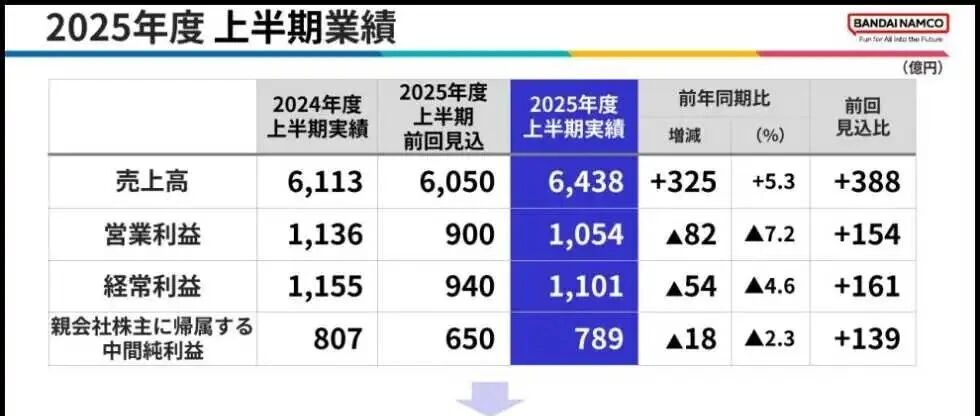
Core Insights - The article provides a summary of the financial performance of major Japanese gaming companies for the third quarter of 2025, highlighting trends and challenges faced by each company [3][4]. Company Performance Overview - **Koei Tecmo**: Reported revenue of 31.268 billion yen (approximately 1.441 billion RMB), a year-on-year decline of 11.2%. Net profit was 13.465 billion yen (approximately 619.2 million RMB), down 15.7% [5][6]. - **CAPCOM**: Released the Nintendo Switch 2 version of "Street Fighter 6," relying on nostalgia-driven sales rather than new major titles [4]. - **KONAMI**: Launched remakes of classic games and new titles, including "Silent Hill f," contributing to its performance [4]. - **SQUARE ENIX**: Adjusted its annual performance forecast downward due to special losses from organizational restructuring [4]. - **SEGA**: Experienced significant expenses related to acquisitions, impacting its financial results [4]. - **Bandai Namco**: New releases like "SD Gundam G Generation Eternal" and "Elden Ring: Nightfall" performed well [4]. Financial Highlights - **Koei Tecmo's Q3 Financials**: - Revenue: 31.268 billion yen (approximately 1.441 billion RMB), down 11.2% year-on-year - Operating profit: 7.964 billion yen (approximately 366.49 million RMB), down 25.2% - Ordinary profit: 17.795 billion yen (approximately 818.57 million RMB), down 15.3% - Net profit: 13.465 billion yen (approximately 619.2 million RMB), down 15.7% [5][6][8].