日经中文网

Search documents
夏普EV:让车内成为家的另一个房间
日经中文网· 2025-11-04 08:00
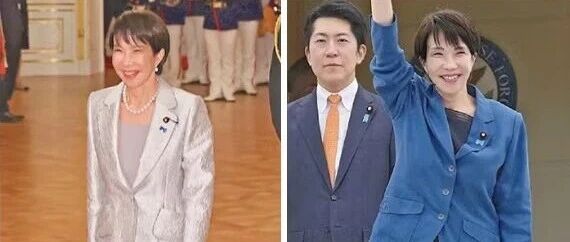
Core Concept - Sharp's concept car, named LDK+, aims to transform the vehicle into an additional living space when parked, featuring a design that emphasizes comfort and usability [1][10]. Design and Features - The LDK+ is based on the "Model A," an MPV-sized electric vehicle developed by Sharp's parent company, Hon Hai Precision Industry [3]. - The interior features a wood-patterned floor instead of traditional carpeting, creating a room-like atmosphere [5]. - The car includes indirect lighting options in five colors, enhancing the overall ambiance [5]. - The driver's seat can rotate 180 degrees to face the rear seats, providing ample space and comfort [6]. - A central storage box can be moved and used as a table, suitable for working or studying [8]. - The central storage box also incorporates Sharp's "Plasmacluster" technology for air purification and a built-in projector for entertainment [9]. Privacy and Usability - The vehicle is equipped with "liquid crystal blinds" that block external light, allowing users to enjoy movies without outside distractions [10]. - The CTO of Sharp emphasized the versatility of the LDK+ for users of all ages, highlighting its potential as a comfortable space for various activities [10][12]. - The vehicle is designed to cater to different user needs, such as providing a quiet study area for students [12]. Future Development - Sharp's EV project leader indicated that while the concept car is promising, it currently scores 60 out of 100, with plans for improvements and a focus on building a sales and maintenance network by 2027 [13].

“世界经营者会议”开幕,强生CEO:中国医疗技术进步令人惊讶
日经中文网· 2025-11-04 08:00
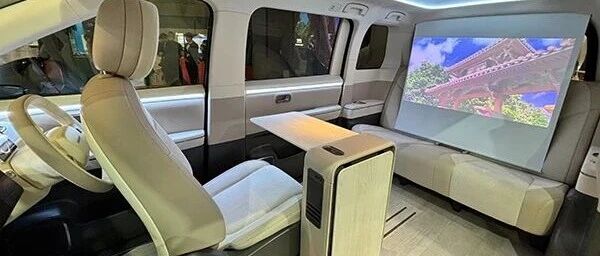
Group 1 - The core theme of the conference is "Leadership Image in Times of Crisis - The Power to Turn Crisis into Opportunity" [4] - Joaquin Duato, CEO of Johnson & Johnson, stated that the medical field will achieve the same level of progress in the next 10 years as it has in the past 100 years, driven by innovations such as artificial intelligence (AI) [2][5] - Duato emphasized the importance of combining medical technology with IT to enable efficient and rapid detection of major diseases like cancer [5] Group 2 - Duato highlighted that health should be viewed as an investment opportunity that can yield economic returns, rather than solely focusing on the negative impacts of rising social costs [5] - He expressed surprise at the advancements in medical technology in China and stressed that the priority should be the interests of patients, advocating for the adoption of the best technological innovations regardless of their origin [5] - The conference will feature discussions among business leaders on how to prioritize decisions and communicate effectively in an environment of uncertainty, influenced by geopolitical tensions and cybersecurity threats [4]

高市早苗外交重视“晒”
日经中文网· 2025-11-04 08:00
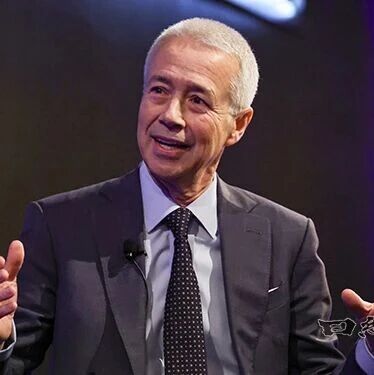
Group 1 - The core viewpoint of the article highlights the diplomatic activities of Japan's new Prime Minister, Kishi Sanae, within her first ten days in office, emphasizing her engagements with leaders from the US, South Korea, and China [2][3] - Kishi Sanae's meetings are characterized by a positive atmosphere, with a focus on visual representation through images and photos to convey a sense of optimism and clarity [2][3] - The article notes that Kishi Sanae's first meeting with US President Trump took place on the deck of the USS George Washington, marking a significant moment in Japan-US relations [3] Group 2 - Kishi Sanae expressed that her diplomatic activities have laid a solid foundation for future leader diplomacy, indicating a proactive approach to international relations [3] - The article mentions that during the meeting, Trump referred to Kishi as "the first female Prime Minister in Japan," highlighting the historical significance of her position [2] - The article also points out that the Japan-US stock market reached a historical high, reflecting positive economic sentiment following Kishi's engagement with Trump [3]
中国延长对日本公民的免签政策
日经中文网· 2025-11-04 02:32
Core Points - The Chinese government has extended the short-term visa exemption policy for Japanese citizens until the end of 2026, allowing stays of up to 30 days for business and tourism purposes [2][4] - This policy also applies to citizens from over 40 countries, including France, Germany, South Korea, and Australia, aiming to enhance international exchanges and high-level openness [2][4] - The visa exemption policy was initially suspended in March 2020 due to the COVID-19 pandemic and was set to be restored in November 2024, with the original expiration date being the end of 2025 [4] Group 1 - The extension of the visa exemption policy is part of China's broader strategy to promote high-level international openness and facilitate personnel exchanges [2][4] - The announcement was made by the Chinese Foreign Ministry, emphasizing the importance of this policy for enhancing bilateral relations [2][5] - The policy is expected to positively impact tourism and business interactions between Japan and China, aligning with the mutual interests of both nations [4][5]
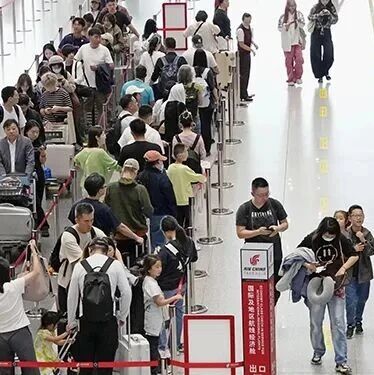
日本熊害严重,考虑让警察用步枪驱熊
日经中文网· 2025-11-04 02:32
Core Viewpoint - The article discusses the severe bear attacks in Japan and the government's consideration of allowing police to use rifles to drive away bears, highlighting the increasing danger to public safety and the need for effective wildlife management [2]. Group 1 - The frequency of bear encounters has significantly increased, with reports indicating a rise in bear-related incidents across various regions in Japan [2]. - Local authorities are facing challenges in managing bear populations, leading to discussions about more aggressive measures, including the potential use of firearms by law enforcement [2]. - The article emphasizes the importance of balancing wildlife conservation with public safety, as the bear population continues to grow in urban areas [2].

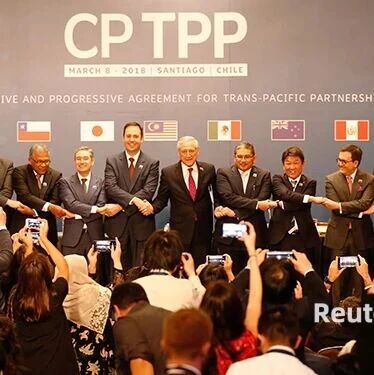
菲律宾和阿联酋申请加入CPTPP
日经中文网· 2025-11-04 02:32
Group 1 - The core viewpoint of the article highlights the increasing attractiveness of joining the Comprehensive and Progressive Agreement for Trans-Pacific Partnership (CPTPP) due to rising tariffs imposed by the United States, prompting countries like the Philippines and the UAE to apply for membership [1][7]. - The CPTPP framework aims to eliminate numerous tariffs and unify intellectual property rules, with 12 countries currently participating and additional countries, including the Philippines and UAE, having submitted applications [3][4]. - The process for new countries to join the CPTPP requires unanimous consent from all existing member countries, with discussions on new members expected to take place at the ministerial meeting in 2025 [5]. Group 2 - The Philippines has expressed a strong interest in joining the CPTPP, driven by economic pressures from U.S. tariffs, and sees membership as crucial for its economic strategy amid increasing global trade decoupling [6]. - The UAE's application marks it as the first Middle Eastern country seeking to join the CPTPP, aligning with its economic reforms aimed at reducing oil dependency and enhancing trade and foreign direct investment [6]. - The expansion of the CPTPP is anticipated to benefit Japan's economy, with estimates suggesting a potential 1.5% increase in Japan's real GDP due to trade liberalization among member countries [7].
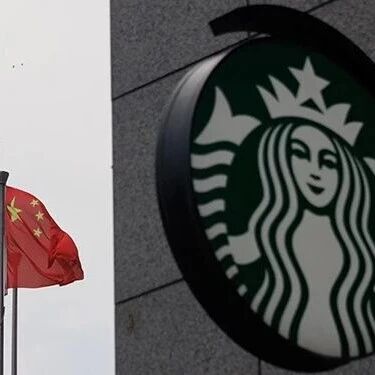
星巴克部分中国业务将出售给博裕资本
日经中文网· 2025-11-04 02:32
Core Viewpoint - Starbucks is selling 60% of its shares to Boyu Capital for $4 billion to establish a joint venture aimed at revitalizing its struggling business in China, which has become its second-largest market after the U.S. [2] Group 1: Market Context - Starbucks entered the Chinese market in 1999 and has played a significant role in promoting coffee culture in a country where coffee was not widely popular at the time [2] - Currently, Starbucks operates approximately 7,800 stores in China, making it one of the most successful American consumer brands in the country, alongside Apple [2] Group 2: Challenges Faced - Recent economic slowdown in China has led consumers to prefer local coffee chains like Luckin Coffee, which offer lower prices, causing Starbucks to lose its position to third place in store count [2] - Starbucks has struggled to keep up with changing consumer preferences regarding coffee, which has contributed to difficulties in attracting customers [2] Group 3: Strategic Response - The joint venture will leverage Starbucks' brand licensing and Boyu's local expertise to refresh the brand image and accelerate store openings in smaller, untapped cities to compete against local brands [2]

日经BP精选:铠侠2027年推出面向AI的100倍速SSD
日经中文网· 2025-11-04 02:32
Group 1 - Kioxia Holdings plans to commercialize SSDs with data reading speeds increased by nearly 100 times by 2027 [5] - The company will collaborate with NVIDIA to develop SSDs aimed at servers for generative AI operations [5][6] - The goal is to replace a portion of HBM (High Bandwidth Memory) that connects to GPUs to expand GPU storage capacity [5] Group 2 - The announcement was made during a technology briefing for the AI market held in Tokyo on September 2, 2025 [6] - Kioxia's SSD application technology department chief engineer Koichi Fukuda stated that development will proceed according to NVIDIA's suggestions and requirements [6]


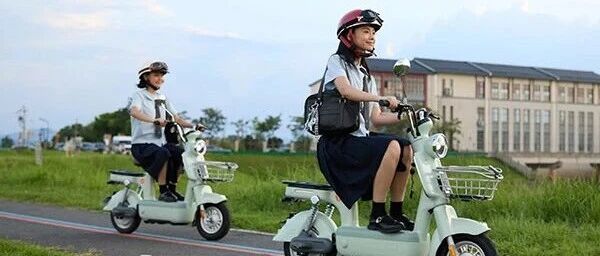
雅迪登陆日本,会成为“黑船”吗?
日经中文网· 2025-11-04 02:32
Core Viewpoint - Yadea Group Holdings, the largest electric two-wheeler company globally, is set to launch its electric scooter PORTA in Japan in November, priced at 217,800 yen (approximately 10,450 RMB), which is about 30% cheaper than similar products from Japanese companies like Honda [2][4][5]. Market Entry Strategy - The launch coincides with Japan's new stricter exhaust emission regulations, which will significantly reduce carbon monoxide and nitrogen oxide emissions, creating a favorable market environment for electric vehicles [5][8]. - Yadea aims to disrupt the market by offering competitive pricing that aligns with gasoline scooters, thereby attracting consumers looking to switch [5][17]. Product Specifications - The PORTA falls under Japan's "original class 1" electric two-wheeler category, with a maximum output of 0.6 kW, and can be charged using standard household outlets, offering a maximum range of 60 kilometers on a full charge [4][12]. Market Context - Japanese companies, including Honda, Yamaha, Suzuki, and Kawasaki, dominate over 40% of the global two-wheeler market, primarily with gasoline-powered models [11]. - The Japanese two-wheeler market has seen a significant decline, with sales projected to drop to approximately 320,000 units by 2024, down from over 3 million in the early 1980s [7]. Competitive Landscape - Other emerging players in the electric two-wheeler market include Ola Electric Mobility from India, VinFast from Vietnam, and Gogoro from Taiwan, indicating a growing competition in the sector [14]. - Honda plans to invest 500 billion yen in electric two-wheeler development by 2030, aiming to launch 30 electric models globally [15]. Future Projections - The electric two-wheeler market is expected to grow, with projections indicating that by 2035, the electric vehicle share could reach 18.8% of new two-wheeler sales globally [12].

“早苗”流时尚穿搭在日本引发话题
日经中文网· 2025-11-03 08:29
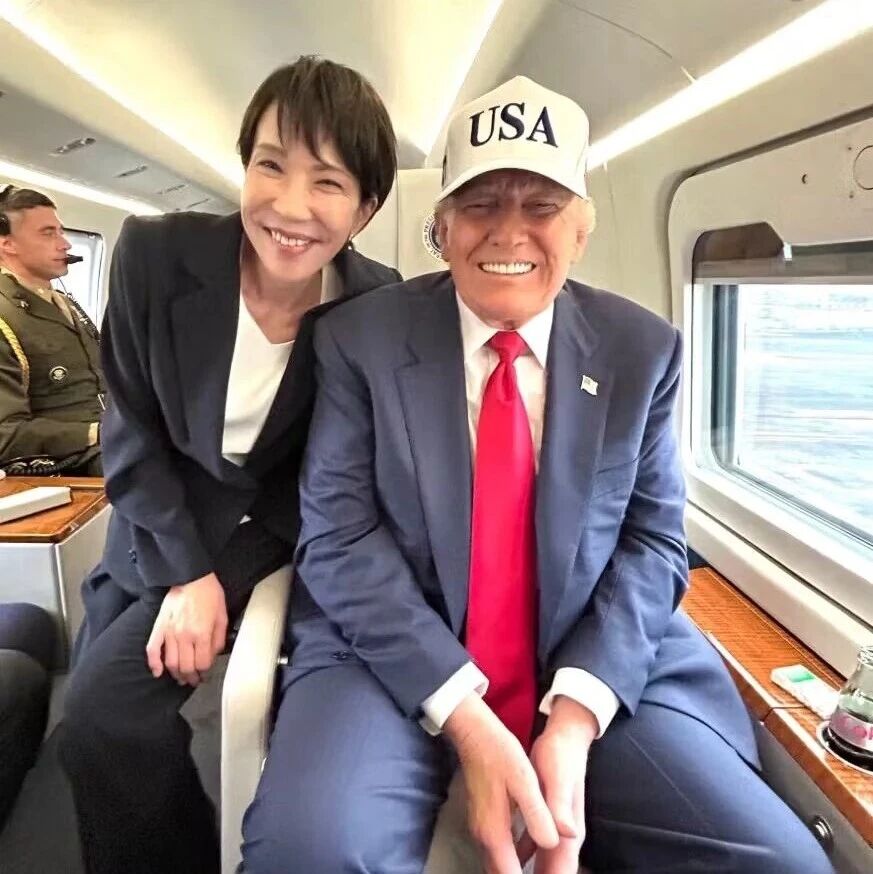
Core Viewpoint - The article highlights the fashion choices of Japan's Prime Minister, Kishi Sanae, emphasizing her frequent outfit changes and the significance of her attire in various official settings [1][3][6]. Group 1: Fashion Choices - Kishi Sanae often changes outfits multiple times in a day, particularly noted during her meeting with U.S. President Trump on October 28, where she changed at least three times [1][3]. - Her outfits include a glossy white coat during the Japan-U.S. summit, which complemented the ambiance of the Tokyo guesthouse [3]. - Kishi's style has become more diverse and rich since her appointment as Prime Minister, showcasing her attention to occasion-appropriate dressing [1]. Group 2: Brand Preferences - The Japanese fashion brand "Jun Ashida" frequently appears in Kishi's wardrobe, with reports of the brand's vehicles visiting her residence during the presidential election period [6]. - Kishi is also known to carry a black bag from "Hirano Leather Craft," a brand favored by the Japanese royal family, which distinguishes her from previous Prime Ministers who typically had aides carry their bags [7]. Group 3: Public Engagement - Kishi's choice of a pink ballpoint pen for note-taking during press conferences has sparked significant interest on social media, leading to a surge in orders for that specific pen model [7].