混沌学园

Search documents
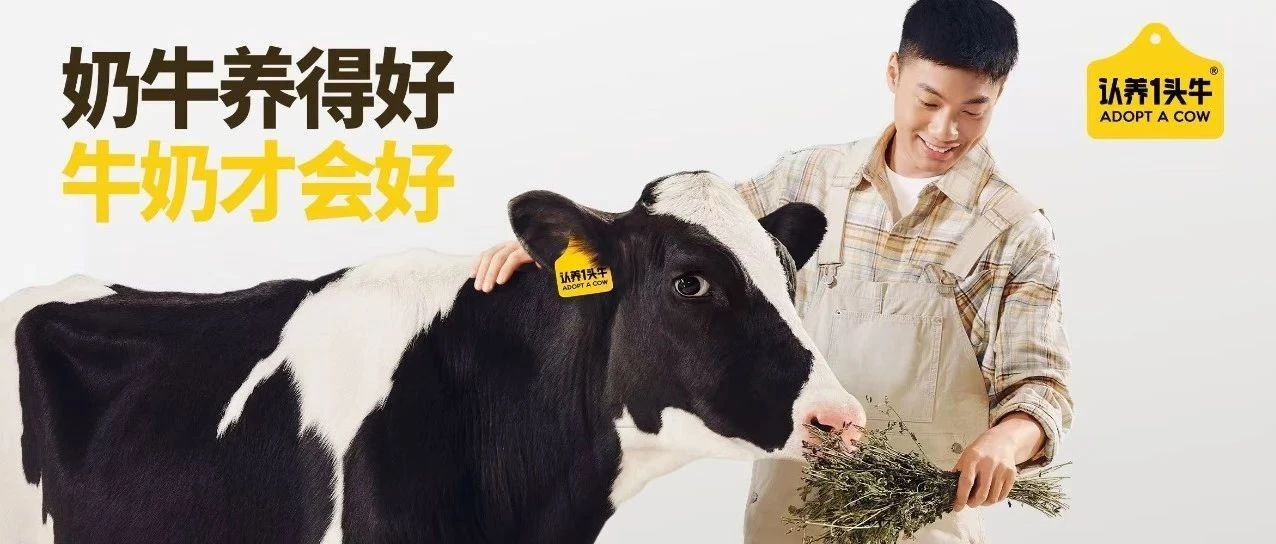
“认养一头牛”的商业密码:重资产的“慢功夫”
混沌学园· 2025-07-15 09:53
Core Viewpoint - The article discusses the evolution of the Chinese dairy industry over the past decade, highlighting the emergence of "Raising a Cow" as a new force in the market, driven by deep investment in the supply chain and a focus on user trust and product quality [1][45]. Group 1: Industry Background - The Chinese dairy industry faced a trust crisis after the 2008 incident, leading to a decline in consumer confidence in domestic products and a rise in overseas purchasing [1]. - Intense competition and homogenization within the industry prompted the need for innovative solutions [1]. Group 2: Company Development - "Raising a Cow" was founded in 2014 by Xu Xiaobo, who transitioned from real estate to dairy after identifying industry pain points during a purchasing experience [1]. - The company has established 10 modern farms and 2 advanced factories, housing over 100,000 dairy cows, with a self-sufficiency rate of 95% for milk sources and over 60 million users [1][8]. Group 3: Investment Strategy - The company invests 70% of its assets into livestock farming, contrary to the perception of being an online brand [7]. - This heavy asset investment strategy is aimed at building a robust supply chain and achieving long-term competitive advantages [45]. Group 4: Technological Empowerment - "Raising a Cow" emphasizes the transition from experience-based to data-driven dairy farming, utilizing technology to enhance productivity and management [9][11]. - Each cow is assigned a unique ID for precise management, ensuring tailored nutrition and health monitoring [12]. Group 5: User Engagement and Trust - The company focuses on building user trust through effective communication and engagement, aiming to create a loyal customer base [24][25]. - It has developed a user model that encourages loyalty through personalized service and interaction, with over 30 million members [25]. Group 6: Product Innovation - The company responds to user needs by innovating products, such as the A2 milk, which addresses specific consumer concerns about digestion [34]. - It has also introduced high-quality products like "Jiuanshan Milk" and organic milk to meet rising consumer expectations [35][36]. Group 7: Community and Social Impact - "Raising a Cow" collaborates with local farmers to enhance their income, demonstrating a commitment to community development [17]. - The company aims to transform the perception of agriculture, attracting younger generations to the industry [17]. Group 8: Marketing and Brand Strategy - The company avoids price wars, focusing instead on quality and value, and emphasizes consistent engagement with core users [46]. - It believes in the importance of gradual improvements and deepening user relationships to drive brand loyalty [46].

AI的商业实战化,是未来最值钱的资产
混沌学园· 2025-07-14 10:13
Core Viewpoint - Chinese small and medium-sized enterprises (SMEs) are facing unprecedented challenges, with average lifespans dropping below 3 years and operational costs skyrocketing, particularly in terms of traffic costs which have increased 30 times over the past decade [2][5]. Group 1: Challenges Faced by SMEs - The average lifespan of Chinese SMEs has fallen below 3 years, indicating a critical survival issue [2]. - The cost of traffic has surged 30 times in the last decade, significantly impacting operational viability [2]. - In the manufacturing sector, as employee numbers increase from 10 to 100, productivity per employee drops by 53%, while management costs as a percentage of total costs rise from 8% to 22% [3]. Group 2: The Role of AI in Business Transformation - AI is emerging as a key force in the ongoing business transformation, providing essential tools for SMEs to navigate challenges [6][17]. - The practical application of AI is considered the most valuable asset for future business success [7]. Group 3: Reasons for SMEs to Adopt AI - In business strategy, AI helps companies analyze complex industry trends and competitive landscapes, reducing reliance on past experiences [11]. - AI enhances customer value by shifting from a passive service model to a proactive prediction model based on detailed customer behavior analysis [12]. - For product innovation, AI uncovers user pain points and needs, moving away from subjective decision-making [13]. - In brand marketing, AI generates attractive content and enables precise advertising, optimizing marketing budgets for rapid brand growth [14]. - AI integrates online and offline data, optimizing inventory management, logistics, and service processes [15]. - AI frees employees from repetitive tasks, allowing them to focus on more creative and valuable work [16]. Group 4: AI Practical Workshops and Events - The "Chaos AI Business Practical National Tour" has been launched in four cities, providing entrepreneurs with hands-on AI business experiences [20][32]. - Each event features case studies and practical exercises, allowing participants to understand AI applications in various business contexts [32]. - The workshops emphasize deep collaboration and immediate output, helping participants develop actionable strategies tailored to their business needs [39].

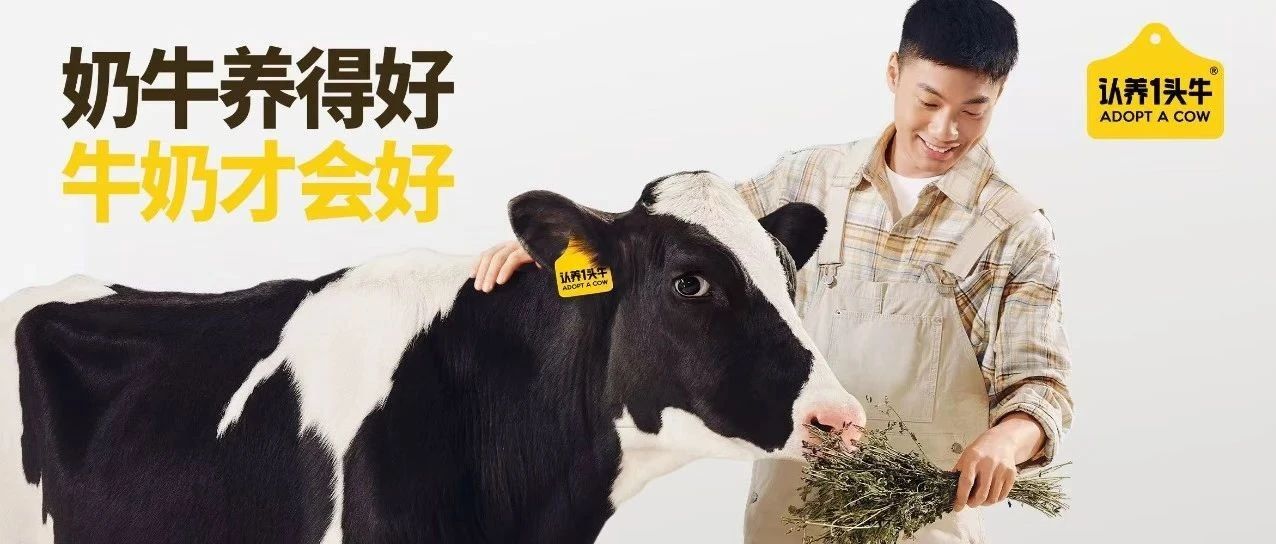
绑定 6000 万家庭用户,花 10 年用 70% 资产重投牧场:左手养牛,右手用户,认养一头牛的内生驱动力究竟是什么?
混沌学园· 2025-07-11 09:32
Core Viewpoint - The article discusses the innovative strategies and growth of the dairy company "Raising a Cow," founded by Xu Xiaobo, emphasizing its focus on high-quality milk production and user trust as key drivers of success [2][3][18]. Group 1: Company Background and Growth - Xu Xiaobo, the founder of "Raising a Cow," was inspired to enter the dairy industry after a personal experience with imported milk powder in 2012, leading to the establishment of a new dairy enterprise [1][2]. - The company has invested 70% of its assets in farms, achieving a milk yield of 13.81 tons per cow, surpassing levels in the US and Israel [3][13]. - "Raising a Cow" has built a strong user base of 60 million families, demonstrating a successful model of high asset investment combined with high repurchase rates [3][12]. Group 2: Business Strategy and Model - The company breaks the conventional low-price competition and reliance on traffic by focusing on deep supply chain integration and user trust [12][18]. - The strategy involves a "golden triangle model" of farming, user engagement, and product development, which has led to a 95% self-sourced milk supply rate [4][12][13]. - The company’s approach to user engagement includes building a community of 80 brand co-creators in 2016, which has resulted in a loyal customer base [21][22]. Group 3: Industry Insights and Innovations - The course led by CEO Sun Shijun aims to reveal the underlying logic of innovation in the dairy industry, focusing on the balance between slow and fast business practices [19][27]. - The company has adopted a digital approach to manage its operations, allowing one person to oversee 50 cows, enhancing efficiency [20][21]. - "Raising a Cow" has developed a unique product standard for A2 beta-casein milk, responding to consumer needs for higher protein content [23][25]. Group 4: Long-term Vision and Philosophy - The company emphasizes long-termism, demonstrating that consistent growth and user trust can be achieved through steady efforts over time [27][29]. - The founder's philosophy is that success in heavy asset industries can be achieved through thoughtful strategies rather than merely competing on resources [29][31].
DeepSeek流量暴跌,全球AI霸主地位遇滑铁卢;90后开发者6个月狂赚8000万;人形机器人A轮5亿融资|混沌AI一周焦点
混沌学园· 2025-07-11 07:55
Core Trends - The "Chaos AI Business Practical National Tour" has successfully commenced, aiming to ignite practical applications of AI across 20 innovative cities in China, with events already held in Changsha and Nanchang [1][2] - The AI application landscape is evolving with lower entry barriers due to open-source models and contextual engineering, enabling disruptive innovations that empower ordinary individuals [2] - AI penetration in vertical industries is increasing, particularly in pharmaceuticals, digital healthcare, and live service sectors, indicating potential transformative changes [2] AI Applications - Feishu has launched a comprehensive upgrade of its AI product matrix, including knowledge Q&A and AI meetings, along with the industry's first AI application maturity standard to facilitate enterprise AI adoption [3][4] - Google DeepMind's spinoff, Isomorphic Labs, is set to begin human trials for its AI-assisted cancer drug, marking a significant milestone in the pharmaceutical industry [12][13] Investment and Financing - Star Sea Map has raised over $100 million in its A4/A5 financing rounds, with a total pre-A and A round financing of nearly 1.5 billion yuan, reflecting strong capital interest in the embodied intelligence sector [6][7] - TARS, founded by former Huawei employees, completed a record $122 million angel round financing, showcasing investor confidence in embodied intelligence technologies [13] - Cloud Deep has secured nearly 500 million yuan in financing, positioning itself as a leader in the quadruped robot field with over 600 industry projects [14] - Star Motion Era has raised nearly 500 million yuan in its A round financing, emphasizing breakthroughs in humanoid robot technology and significant global demand [16] Business Cases - Wix's acquisition of AI startup Base44 for $80 million highlights the trend of AI enabling entrepreneurship, with Base44 allowing users to generate full-stack application code through natural language [7][8] - The AI personal finance assistant, Kapi Accounting, has gained over one million users in six months, indicating a shift in personal finance management through AI [21][22] Market Insights - The digital human market in China is projected to reach 30 billion yuan by 2025, with significant cost reductions in enterprise live streaming [19][20] - The rise of "contextual engineering" in Silicon Valley is reshaping AI model development, enhancing efficiency and application quality [18][20] Technology Developments - Baidu has open-sourced ten major models, significantly lowering the barriers for AI development and enhancing multi-modal capabilities [21] - The introduction of the Star Stream Agent, designed for Chinese designers, aims to revolutionize the design industry with automated processes and multi-modal content creation [24]

马斯克疯狂点赞,Lovart凭什么是世界上第一个设计智能体?
混沌学园· 2025-07-11 07:55
Core Viewpoint - Lovart is redefining the creative process in the AI era by transforming AI from a mere tool into a comprehensive creative team, addressing the limitations of existing AIGC tools and enhancing user experience [4][5][13]. Group 1: Pain Points in the Old World - The old AIGC tools only addressed the initial stages of the creative process, leaving users to handle the majority of integration and editing tasks manually, leading to frustration [9][11]. - The emergence of workflow tools like ComfyUI in the 2.0 era, while powerful, created complexity that deterred most designers, as they required advanced skills to operate [10][11]. Group 2: New Model and Insights - Lovart's founder identified that creators need a "creative team" rather than just a sharper tool, emphasizing the shift from being an operator to becoming a client who specifies needs [12][14]. - The core idea of Lovart is to elevate AI from a tool to a service provider, fundamentally restructuring the production relationship in creative industries [13][29]. Group 3: Interaction Redefined - Lovart introduces a new interaction paradigm with a "canvas + dialogue box" approach, allowing users to communicate their needs in natural language while the AI handles the complex backend processes [21][22]. - This model emphasizes the importance of a shared visual space for effective collaboration, particularly in visually intensive tasks [22]. Group 4: Market Positioning and Strategy - Lovart focuses on the underserved "creative individual" and professional consumer segments, differentiating itself from major players like Adobe and Midjourney by leveraging domain knowledge combined with AI capabilities [25]. - The company aims to capitalize on the emerging "Agent" era, which is seen as the next evolution in AI tools, positioning itself ahead of the curve [26][27]. Group 5: Future Outlook - The transformation brought by Lovart is not just technological but represents a significant shift in the relationship between humans and tools, potentially democratizing access to high-level creative capabilities [29][30]. - The founder's past experiences in the internet industry have equipped him with insights to navigate the AI landscape, emphasizing the importance of foresight and execution in entrepreneurship [31][32].

CEO可立即执行的10步AI行动方案
混沌学园· 2025-07-11 07:53
Core Viewpoint - The article emphasizes the necessity for CEOs to actively engage with AI technologies to drive organizational transformation and efficiency, rather than treating AI as a mere accessory [1][70]. Group 1: CEO's Role in AI Adoption - CEOs must personally experience AI's impact to understand its potential and limitations, which is crucial for leading their organizations through transformation [1][70]. - The article outlines ten actionable steps for CEOs to embrace AI, starting from simple tasks to build a tangible understanding of AI's capabilities [1][70]. Group 2: Practical Steps for CEOs - The first step is to download various AI applications to gain firsthand experience, with recommendations for popular tools like ChatGPT and DeepSeek [6][8]. - CEOs are encouraged to purchase an overseas AI account, such as ChatGPT or Claude, to access advanced capabilities and enhance their engagement with AI [10][12]. - Utilizing Deep Research tools at least three times is recommended to leverage AI for comprehensive information gathering and analysis [13][16]. Group 3: Creating AI Agents - CEOs should create AI agents to automate repetitive tasks, enhancing efficiency and allowing for better resource allocation [19][30]. - The article suggests developing a custom AI agent for specific tasks, such as note-taking or casual communication, to streamline workflows [22][28]. Group 4: Learning and Development - AI can assist in filtering valuable content and deepening knowledge on specific topics, allowing CEOs to focus on strategic thinking rather than operational tasks [32][37]. - Recording meetings and using AI for analysis can provide insights into interpersonal dynamics and improve decision-making processes [41][45]. Group 5: Content Creation and Sharing - CEOs are encouraged to produce content using AI tools, which can significantly reduce the time and effort required for content generation [55][58]. - Sharing experiences of using AI within the organization can foster a culture of innovation and encourage others to adopt AI practices [67][70].

马斯克最新访谈:10个问题告诉你,第一性原理是超能力
混沌学园· 2025-07-10 11:14
Core Insights - The conversation between Garry Tan and Elon Musk at the AI Startup School highlighted Musk's candid reflections on his entrepreneurial journey and insights into the future of AI and humanity [1][2][3] Group 1: Entrepreneurial Journey - Musk's initial choice in 1995 was between pursuing a PhD in materials science or venturing into the then-nascent internet sector, ultimately opting for the latter [6][7] - The first lesson Musk learned from his experience with Zip2 was the importance of allowing technology to speak for itself, rather than being influenced by traditional media perspectives [9] - After selling Zip2 for $300 million, Musk invested heavily in X.com, which later became PayPal, emphasizing the value of direct consumer engagement [11] Group 2: SpaceX and Innovation - Musk founded SpaceX in 2002 with the belief that only a startup could tackle the challenges of space exploration, as larger companies were constrained by government contracts [13][14] - The success of SpaceX was critical for Musk, especially during the financial struggles of 2008, when both SpaceX and Tesla faced near bankruptcy [14] Group 3: Lessons on Leadership and Mindset - Musk emphasized the need for leaders to be "useful" and to maintain a strong feedback loop, warning against the dangers of ego in decision-making [16][17] - He advocates for a focus on "engineering" rather than "research," promoting simplicity and practicality in language and approach [17] Group 4: First Principles Thinking - Musk described first principles thinking as a method to break down problems to their fundamental truths, which can be applied across various fields, including AI and rocket manufacturing [19][20] - He illustrated this with examples from building rockets and AI training infrastructure, showcasing how to optimize processes by addressing core components [20] Group 5: Future of AI and Robotics - Musk predicted that humanoid robots will outnumber all other types of robots combined, indicating a significant shift in robotics development [25] - He expressed a desire for AI to help humanity understand the universe's essence, emphasizing the importance of creating value and maintaining truth in AI development [29][30]


从妇产科大夫到COO再到AI先锋,她为何从体制内走向创业?
混沌学园· 2025-07-09 10:25
清晨的长沙, BF Mall 闺蜜家的办公室已有了动静。 陈曦时常坐在桌前,面前是 all in AI 后的成果,以及在混沌· AI 学院的一份份共学作业。 陈曦从妇产科医生到企业管理者,再到 AI 领域的探索者,她的人生轨迹在跨界中不断延伸。 "我自己也比较斜杠,爱好很多。" 陈曦笑着说。唱歌、跳舞、拳击、喝茶,这些爱好丰富了她的生活。 2018 年到 2019 年初,一个做 MCN 和新媒体的病人看中了她独特的看病风格,邀请她打造抖音号进行科普。 起初,陈曦不太喜欢到台前,便承担了内容运营的工作。 "当时主任出镜,我来写内容,一做就是快三年,每天都要更新。" 她专注于女性妇产科方面的知识科普,写出了大量实用的内容。 这段时间,她既做医生,又兼顾账号更新,忙碌却充实。而与闺蜜家的缘分,也在这时悄然萌芽。 "我在当医生时,就给闺蜜家做过一些讲课活动、产品相关的兼职工作。"在疫情结束后,陈曦生了场病,请了三个月假,在这个期间,闺蜜家再次找到了 她,陈曦想着也是休息,不如去了解了解。 她免费为闺蜜家工作了三个月,没想到,自此以后改变了她的人生轨迹。 闺蜜家的转型推手 体制内的 "斜杠" 医生 在三甲医院的妇产科工 ...

AI与你:让AI放大你的独一无二
混沌学园· 2025-07-08 11:08
Core Viewpoint - The article emphasizes the need to shift the perception of AI from a mere tool to a collaborative partner in thought, advocating for a "thinking community" between humans and AI [5][11][81]. Group 1: AI Evolution - AI has evolved beyond being a simple answer-generating machine to a partner that can explore thought processes with users [4][22]. - The emergence of models with "Chain of Thought" capabilities signifies a new phase in AI evolution, allowing for deeper reasoning and exploration of possibilities [20][21]. Group 2: Human-AI Interaction - The relationship with AI should transition from passive learning to active collaboration, where human intuition ("人感") and AI's reasoning capabilities work together [5][30]. - The concept of "撩" (to tease or stimulate) is introduced as a method to engage AI in a way that encourages it to reveal its thought processes, enhancing the collaborative experience [48][39]. Group 3: Practical Application - A five-step method for effectively engaging with AI is proposed, which includes defining true problems, co-constructing thought frameworks, challenging assumptions, simulating scenarios, and innovating beyond conventional boundaries [51][63]. - The approach encourages users to leverage their unique human experiences and insights to guide AI in generating more meaningful and relevant outputs [45][38]. Group 4: Philosophical Perspective - The article presents a philosophical view that in the age of AI, individuals can explore multiple dimensions of existence and creativity, facilitated by AI as a partner [80][81]. - It highlights the importance of human emotions and experiences, which AI cannot replicate, as essential elements in this collaborative relationship [85][86].

深度好文 |中美贸易摩擦下的经济形势:抓住偶然背后的必然
混沌学园· 2025-07-07 01:13
Group 1 - The core viewpoint of the article is that the trade conflict between China and the United States is a long-term struggle driven by conflicting national goals, with both sides unwilling to compromise, leading to a potential decades-long competition [1][12][32] - The "reciprocal tariffs" policy initiated by the Trump administration aimed to reduce the U.S. trade deficit by imposing high tariffs on countries with which the U.S. has a trade deficit, particularly China, which faced a 34% tariff based on its trade deficit ratio [5][12] - The underlying cause of the U.S. trade deficit is linked to the unique position of the U.S. dollar as the world's primary reserve currency, allowing the U.S. to create dollars with minimal cost, leading to a persistent trade deficit [7][8] Group 2 - The article discusses the "hollowing out" of the U.S. manufacturing sector due to the dollar's dominance, with manufacturing's share of GDP dropping from 24% in the 1970s to an estimated 10% in 2024, while finance and real estate sectors have grown [8][9] - The article highlights the increasing income inequality in the U.S., where the share of wages in GDP has declined over the past 30 years, exacerbating social tensions and contributing to the rise of populist sentiments [9][11] - The U.S. has two potential strategies to address the challenges posed by globalization: abandoning dollar hegemony in favor of a global currency and implementing domestic policies for wealth redistribution, but both options face significant political and ideological hurdles [11][12] Group 3 - The article outlines the "mirror imbalance" in the U.S.-China economic relationship, where China has a trade surplus and low consumption, while the U.S. has a trade deficit and high consumption, which has historically supported mutual economic growth [14][17] - China's economic challenges are rooted in insufficient effective demand, which is linked to income distribution issues, where a significant portion of national income does not translate into consumer spending [17][19] - The article proposes three strategies for China to address effective demand issues: a fundamental shift towards consumption through income redistribution, continued investment to stabilize growth, and the risk of falling into a cycle of overcapacity and low demand if no action is taken [20][22] Group 4 - The article emphasizes the importance of stabilizing the economy and market in the context of U.S.-China competition, suggesting that China has more policy tools at its disposal to address demand issues [24][26] - The expected policy direction for China is to focus on investment-driven growth, particularly in infrastructure and real estate, to stimulate the economy in the short term [27][28] - The current state of China's stock, bond, and currency markets is characterized by bottom oscillation, with expectations of government support and stabilization measures influencing market dynamics [28][30]