高工锂电

Search documents
超300万吨长协潮下的磷酸铁锂,是什么在重写定价权?
高工锂电· 2025-12-03 09:39
Core Viewpoint - The lithium iron phosphate (LFP) industry is attempting to recover from significant price declines and collective losses by implementing a price increase of 3000 yuan/ton for processing fees, while also securing long-term procurement agreements exceeding 3 million tons [2][4][10]. Group 1: Price Increase and Cost Analysis - The recent price adjustment of 3000 yuan/ton is aimed at restoring profitability to a sustainable level, moving from a state of significant losses to a position of barely sustainable operations [5][6]. - The current average price for LFP is approximately 39,950 yuan/ton for power-type and 36,950 yuan/ton for energy storage-type, reflecting a rebound of about 25% from the low point of 34,000 yuan/ton [4][5]. - The average cost for leading companies in the industry is estimated to be between 15,700 to 16,400 yuan/ton, indicating that the recent price adjustments are primarily focused on the processing fee segment to recover lost margins [5][6]. Group 2: Underlying Logic of Price Increase - The price increase is driven by multiple factors, including rising costs of lithium, structural mismatches in production capacity, and increased organization within the industry [6][7]. - Lithium prices have rebounded from a low of 60,000 yuan/ton to a range of 90,000 to 100,000 yuan/ton, significantly impacting the pricing formula for LFP [7]. - The tightening of phosphorus and iron supply due to environmental regulations is expected to limit new production capacity, further supporting price stability [7][8]. Group 3: Long-term Contracts and Market Dynamics - The LFP industry is witnessing a surge in long-term contracts, with companies like Longpan Technology securing nearly 200,000 tons of orders, indicating a strategic shift towards stable supply agreements [10][12][13]. - Long-term contracts are structured to prioritize quantity and cash flow rather than fixed pricing, allowing for dynamic adjustments based on market conditions [17][19]. - The competitive landscape is shifting, with leading companies focusing on high-density products and overseas production to maintain market share and profitability [24][26]. Group 4: Future Price Trends and Market Outlook - The potential for LFP prices to experience extreme fluctuations similar to lithium hexafluorophosphate is limited due to shorter production cycles and existing idle capacity [27][28]. - The industry is expected to stabilize around 45,000 to 50,000 yuan/ton by 2026, with leading companies achieving net profit margins of 5-10% through high-density products and overseas capacity [29][30]. - The recent price adjustments signal a transition from a cost-driven competition to one focused on technological specifications, capacity positioning, and resource control [30].




固态电池急找市场
高工锂电· 2025-12-03 09:39
Group 1 - The solid-state battery industry must address market questions regarding its value proposition and competitive advantages [1] - The development of solid-state batteries is expected to reshape existing equipment systems, with approximately 20% new equipment, 30% upgraded equipment, and 50% requiring retrofitting [6] - The cost bottleneck of sulfide electrolytes is fundamentally a scaling issue, which can be overcome to achieve commercial competitiveness [7] Group 2 - The latest generation of polymer solid-state batteries has achieved an energy density of approximately 340Wh/kg, demonstrating significant safety advantages in extreme conditions [11] - The low-altitude economy is recognized as a strategic emerging industry, with a clear focus on achieving 400Wh/kg battery mass production and 500Wh/kg product validation [12] - High energy density and safety are critical for solid-state batteries, making them suitable for applications in low-altitude vehicles, robotics, consumer electronics, and electric vehicles [15] Group 3 - The industry is moving towards a next-generation "super solid electrolyte" by innovatively combining various electrolyte materials [16] - The penetration rate of liquid-solid batteries is expected to rise to 10% by 2030, while all-solid-state batteries may reach 1% [19] - Lithium sulfide is identified as a key factor in reducing costs for sulfide solid-state batteries, with expectations for significant cost reductions in the next two to three years [20] Group 4 - Overseas clients are increasingly looking to replicate China's mature manufacturing capabilities, but challenges arise from differences in local conditions and operational costs [24] - The emergence of solid-state batteries represents a revaluation of the industry chain's value [25] - The dry electrode process is viewed as the optimal choice under the transformation of solid-state battery material systems [28]
安全投入量化回报,锂电产业开启“溢价买单”新周期
高工锂电· 2025-12-03 09:39
铭感科技,这家仅成立两年的新锐企业,近期不仅斩获2025高工金球奖——年度(投资)价值奖项,还完成了乔迁扩产,以扎实的技术硬实力与快速 成长势能,成为锂电安全领域的"黑马"。 摘要 在需求端的持续驱动下,锂电产业缺货涨价信号已然显现,新一轮上行周期正式开启。 高工锂电董事长张小飞博士在 2025高工锂电年会上明确指出, 2025年动力电池出货量将首破TWh,未来10年仍有近3倍增长空间,储能电池出货量也将 持续翻倍,仅2026年行业新增有效产能就将超700GWh。 与前几轮周期单纯追求规模增长不同,新一轮锂电产业发展中, "长期主义"被提升至前所未有的高度。 宁德时代董事长曾毓群博士 在展望行业未来十五年发展路径时强调,随着产业规模持续扩大,企业必须认清锂电行业 "重研发、长周期、高投入" 的本质 属性,坚守行业自律,以 长期主义心态深耕技术与产品 ; 亿纬锂能董事长刘金成博士 也直言 "长期主义是锂电池的天生属性" ——动力电池需满足15年车载使用寿命,储能电池更要支撑20年以上稳定运营,短期 投机心态绝无可能做好这个行业。 而践行长期主义的核心前提, 是攻克锂电产业的关键难题:安全 。 在过去几轮产业快速 ...
12月电池排产高位持平,周期转换,工信部召开座谈
高工锂电· 2025-12-02 09:16
摘要 这是自2022年年末以来,锂电排产首次在12月出现不降反稳(或微增)的情况。 12 月, 电池产业链各环节排产整体预计与 11 月持平,打破历史季节规律。 根据综合数据, 12 月中国市场电池总排产量预计维持在 220GWh 的历史高位附近,环比基本持平(或微增)。 尤其值得注意的是,这是自 2022 年年末以来,首次在 12 月出现排产不降反稳(或微增)的情况。上一次类似的高景气局面,正是 2022 年末锂价 处于高位、产业链开启大规模扩产周期的起点。 正是在此节点, 11 月 28 日,工业和信息化部召开高规格动力和储能电池行业座谈会。 与会企业负责人从左至右依序包括: 恩捷股份创始人、董事长 李晓明; 容百科技董事长 白厚善; 海辰储能联合创始人、总经理 王鹏程; 亿纬锂能董事长 刘金成; 中创新航董事长兼总经理 刘静瑜; 比亚迪集团董事长 王传福; 宁德时代副董事长 李平; 欣旺达创始人 王明旺; 贝特瑞总经理 黄友元; 天赐材料董事长 徐金富。 此次座谈的时机极具深意。它发生在储能新增长爆发前夜,同时也处于消化上一轮扩张后结构性过剩问题的阶段 ,在此关键节点向锂电产业发出警 示,良机面前,切记 ...
固态电池2027量产窗口期临近,干法电极成“破局者”
高工锂电· 2025-12-02 09:16
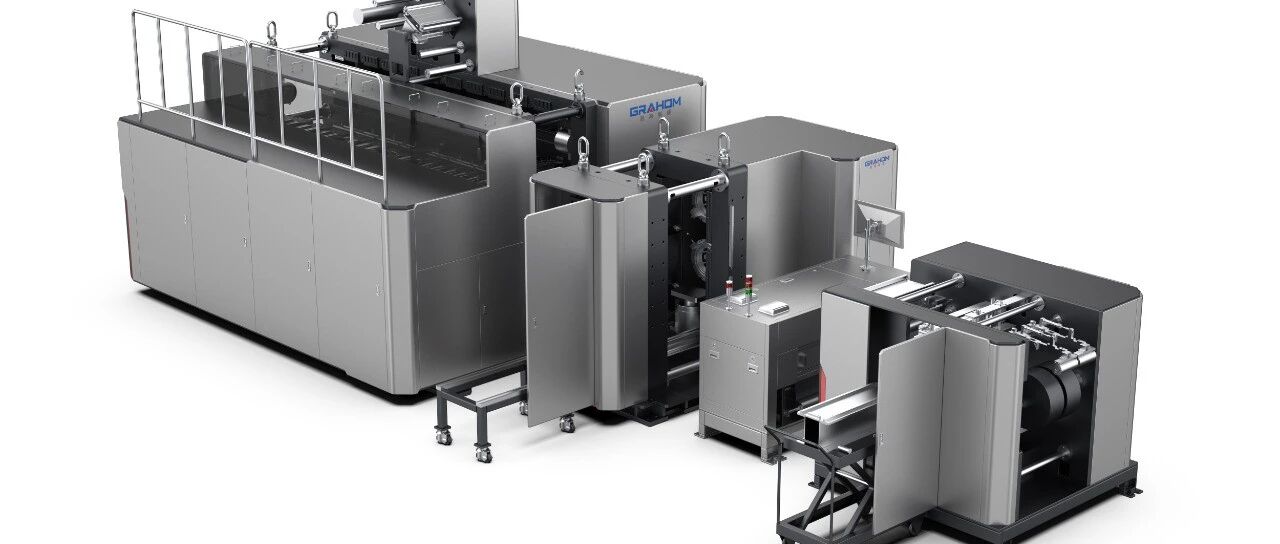
Core Viewpoint - The solid-state battery industry is approaching a critical commercialization window in 2027, driven by technological breakthroughs and capacity planning from companies like Guanhong Intelligent, which are clearing industrialization obstacles and promoting high-quality development in the new energy battery sector [1][4][23]. Group 1: Industry Trends and Projections - The global lithium battery shipment is expected to reach 10 TWh by 2035, with solid-state battery penetration projected to be 5%-10% [5]. - 2027 is identified as a key milestone for the industry, marking both a technological breakthrough and a market validation period, with the first small-scale production of sulfide-based solid-state batteries anticipated [5][4]. - Major companies such as GAC Group and CATL are advancing their production plans, with GAC Group already testing small-scale production and aiming for mass production between 2027 and 2030 [5][6]. Group 2: Technological Developments - The solid-state battery technology landscape is evolving, with sulfide-based batteries emerging as the most promising option due to their high ionic conductivity and compatibility [9][10]. - Dry electrode technology is gaining traction as a solution to the challenges faced by sulfide solid-state batteries, offering significant advantages in terms of cost and process efficiency [11][12]. - The dry electrode process eliminates the need for liquid solvents, reducing energy consumption by over 30% and improving production efficiency [12][19]. Group 3: Company Focus and Innovations - Guanhong Intelligent is positioning itself as a key player in the dry electrode equipment sector, providing comprehensive solutions that span from laboratory development to large-scale production [16][18]. - The company has achieved significant advancements in its equipment, including a reduction in delivery cycles to under four months and high customer satisfaction with its tailored solutions [17][18]. - Guanhong Intelligent's innovations have been recognized with awards, highlighting its leadership in addressing industry challenges and setting benchmarks for technological innovation [21][23].
锂电铜箔领域签订三年37.3万吨保供大单
高工锂电· 2025-12-02 09:16
Core Viewpoint - Nord Shares has signed a three-year supply agreement with Zhongchuang Xinhang for lithium battery copper foil, ensuring a total supply of 373,000 tons from 2026 to 2028, which will stabilize production and reduce raw material price fluctuations [2]. Group 1: Supply Agreement - The agreement stipulates that from 2026 to 2028, Baijiada will supply Zhongchuang Xinhang with 58,000 tons in 2026, 130,000 tons in 2027, and 185,000 tons in 2028, prioritizing supply during capacity constraints [2]. - This agreement continues the partnership that began with a previous supply agreement for 45,000 tons in 2025, which has been fulfilled as per the terms [2]. Group 2: Market Trends - Copper prices have been on the rise, increasing from 73,000 yuan/ton at the beginning of 2025 to 86,000 yuan/ton currently, with expectations to exceed 90,000 yuan/ton in 2026 [3]. Group 3: Product Development - Nord Shares is advancing the research and large-scale application of ultra-thin copper foil, with 4.5-micron copper foil reducing battery production costs by approximately 9.3 million yuan per GWh compared to 6-micron foil [4]. - The company has developed customized copper foil products for next-generation battery technologies, including nickel-plated alloy foil for solid-state batteries and silicon-carbon anodes [4]. Group 4: Capacity and Expansion - Currently, Nord Shares has an annual copper foil production capacity of 140,000 tons, with a project in Europe aiming for an additional 30,000 tons per year, targeting a total global capacity of 300,000 tons by 2030 [5]. - The company has established partnerships with over 200 global clients, including leading lithium battery manufacturers [5].


恩捷拟通过并购,快速“扩产”40亿平隔膜
高工锂电· 2025-12-01 09:45
Core Viewpoint - The article discusses the strategic acquisition of Qingdao Zhongke Hualian New Materials Co., Ltd. by Enjie Co., Ltd., a leading lithium battery separator manufacturer, which aims to enhance market concentration in the separator industry without the need for new production lines [3][5][19]. Group 1: Acquisition Details - Enjie plans to acquire 100% of Zhongke Hualian's shares and raise matching funds through a share issuance [3][4]. - The acquisition is positioned as a means to quickly integrate a growing separator company's planned capacity into Enjie's operations, thereby increasing industry concentration [5][9]. - Zhongke Hualian, established in 2011, specializes in high polymer new material equipment and has capabilities in wet separator manufacturing through its subsidiary, Qingdao Lanke Tu Membrane Materials Co., Ltd. [6][7]. Group 2: Market Dynamics - The separator industry is experiencing a new round of targeted expansion, with Enjie's acquisition seen as a way to add unexpected capacity and shift the competitive landscape [5][9]. - The separator's cost structure is more influenced by engineering factors rather than raw material prices, making it a heavy asset manufacturing product [10][11]. - As lower-end capacities exit the market, the proportion of high-end products is expected to increase, leading to a stabilization of wet separator prices by mid-2025 [12]. Group 3: Strategic Implications - The acquisition allows Enjie to address its shortcomings in equipment and production line capabilities, reducing reliance on external suppliers [13][14]. - By integrating Zhongke Hualian's existing and planned capacities, Enjie can enhance its market share and operational efficiency without undergoing a full construction cycle [14][19]. - The transaction reflects a broader industry shift from resource-based competition to engineering and integrated capabilities, potentially prompting other material companies to pursue similar strategies [19].

大众向东,国轩向上:看国轩如何用UC切入欧罗巴大陆
高工锂电· 2025-12-01 09:45
Core Viewpoint - The collaboration between Guoxuan High-Tech and Volkswagen represents a significant shift in the global automotive industry, where Chinese companies are not just suppliers but are becoming key players in defining global industrial standards, particularly in battery technology [1][40][44]. Group 1: Partnership and Production - Guoxuan High-Tech's UC battery cells are being mass-produced and delivered to Volkswagen, marking a critical point in Volkswagen's electrification strategy [1][5]. - Volkswagen's recent financial struggles highlight the need for cost-effective solutions, with Guoxuan's UC battery cells potentially reducing costs by approximately 50% compared to previous LG systems [5][15]. - The UC battery cells are designed to standardize dimensions across various vehicle models, allowing for greater efficiency and reduced production costs [11][12]. Group 2: Technological Innovation - The UC battery cells allow for a unified design that can accommodate different chemical compositions, addressing the diverse needs of Volkswagen's extensive product line [12][13]. - Guoxuan's production capacity at the Hefei plant has increased from an initial 20 GWh to 28 GWh, reflecting strong demand from Volkswagen [14]. - The introduction of a standardized battery design is expected to enable Volkswagen to produce profitable small electric vehicles, a segment previously deemed unfeasible [13]. Group 3: Market Positioning and Strategy - Guoxuan High-Tech is transitioning from being perceived as a secondary player to a primary technology partner for Volkswagen, enhancing its market position [17][21]. - The partnership with Volkswagen's PowerCo indicates a strategic collaboration rather than competition, as Guoxuan develops battery products for various platforms [20][21]. - Guoxuan's advancements in battery technology, including improvements in lithium iron phosphate (LFP) and nickel manganese cobalt (NMC) batteries, are reshaping perceptions of its capabilities [22][23]. Group 4: Environmental Compliance and Strategic Value - Guoxuan's zero-carbon negative electrode material factory in Ulanqab is strategically positioned to meet stringent European regulations on carbon emissions [27][28]. - The factory's operations are expected to significantly reduce carbon emissions, providing a competitive edge in the European market [28][29]. - By controlling the entire supply chain, Guoxuan can ensure compliance with EU regulations, mitigating risks associated with carbon footprints and supply chain transparency [29]. Group 5: Future Growth and Impact - Guoxuan's projected battery shipment volume of 100 GWh in 2025 positions it among the top players in the global battery market [32]. - The upcoming launch of new electric vehicle models equipped with Guoxuan's UC battery cells is anticipated to drive Volkswagen's recovery and profitability [35][36]. - The collaboration is expected to generate valuable real-world data that will enhance Guoxuan's future research and development efforts [38].

电解液海外短缺,韩企五年供货被头部电池厂锁定
高工锂电· 2025-12-01 09:45
Core Viewpoint - The global supply of electrolyte is experiencing a time lag, prompting battery companies to consider introducing Korean suppliers to stabilize their supply chains [2][10]. Group 1: Supply Agreements - Korean electrolyte company Enchem is preparing to sign a five-year supply agreement for 70,000 tons per year, totaling approximately 350,000 tons, with an estimated contract value of about 1.5 trillion KRW (approximately 1.03 billion USD) [2]. - The specific partner for this agreement has not been named, but the market widely interprets it as CATL (Contemporary Amperex Technology Co., Limited) [3]. - As of the report's release, neither CATL nor Enchem has publicly confirmed the news [4]. Group 2: Market Context - The timing of this market news is sensitive, as several leading battery companies have recently announced overseas expansion plans [5]. - CATL has laid the foundation for a lithium iron phosphate battery factory in Zaragoza, Spain, with a total investment of 4.1 billion euros and an annual production capacity of 50 GWh [5]. - In contrast, local production capacity for electrolytes in Europe and North America is still in the ramp-up phase [6]. Group 3: Chinese Electrolyte Production - Chinese electrolyte companies have been expanding overseas, but the overall capacity remains in a "spot layout + gradual ramp-up" phase, making it difficult to match the pace of Chinese battery companies' overseas expansion [7]. - Tianqi Materials has initiated its first North American electrolyte factory in Texas with an investment of about 200 million USD and a planned annual capacity of 200,000 tons, currently under construction [8]. - New Zobang's 40,000-ton electrolyte project in Poland has officially started production in 2023, with plans to expand to 60,000-80,000 tons to meet European demand [8]. Group 4: Long-term Supply Strategies - Battery companies have locked in long-term supply agreements for electrolytes and upstream materials in the domestic market over the past year [9]. - Tianqi Materials' subsidiary signed a material supply agreement with CATL, expected to supply 58,600 tons of electrolyte products by the end of 2025, equivalent to about 500,000 tons of electrolyte [9]. - The long-term agreement with Enchem can be seen as an extension of battery companies' long-term strategies into overseas localized supply chains [10]. Group 5: Price Dynamics - Since the third quarter of this year, the price of lithium hexafluorophosphate has surged by approximately 150%, leading to an increase in electrolyte prices from about 17,500 CNY per ton to over 25,000 CNY per ton [12]. - The price environment has prompted battery and material companies to manage cyclical fluctuations through "locking volume + price following the market" strategies [12]. - If Enchem's five-year contract is finalized, it will replicate a similar negotiation structure in the overseas market, allowing leading battery manufacturers to secure compliant capacity while maintaining price flexibility [13].

AI驱动电池产业变革:路径、挑战与图景
高工锂电· 2025-11-30 09:35
Core Insights - The battery industry is entering an "intelligent transformation era," driven by AI and a collaboration of industry experts and algorithms, leading to quantifiable industrial advancements [1] Group 1: AI and Battery Technology - The energy competition in AI-driven products is shifting from simply increasing battery quantity to enhancing the capabilities of each battery [4] - AI strategies have proven to increase returns by approximately 30% in practical applications, highlighting the importance of solid engineering foundations alongside AI [5] - The integration of physical simulation and AI is essential for overcoming current bottlenecks in battery research and development [10] Group 2: Safety and Risk Management - The true challenge in energy storage safety lies in the invisible risks within battery cells, necessitating a shift from passive to proactive safety measures [8][9] - Monitoring must penetrate each battery cell to identify risks well in advance, allowing for early intervention and establishing a sustainable safety paradigm [9] Group 3: Data and AI Implementation - The lithium battery industry requires a robust data foundation and platform pathways to effectively implement AI, moving from isolated AI projects to comprehensive, reusable AI platforms [13] - Digital quality and platform capabilities are becoming critical differentiators for the next phase of lithium battery manufacturing [13] Group 4: Industry Collaboration and Innovation - The industry is encouraged to open data ecosystems to enhance safety in new energy applications, with smaller models in industrial settings proving to be more reliable than larger language models [14]