高工锂电

Search documents
天赐材料:左手再拿80万吨大额订单,右手赴港IPO
高工锂电· 2025-09-24 09:06
Core Viewpoint - The article highlights the strategic moves of Tianqi Materials in the lithium battery industry, focusing on large supply agreements, an upcoming IPO in Hong Kong, and advancements in solid-state technology as a comprehensive strategy to secure market position and future growth [3][8][12]. Group 1: Supply Agreements - Tianqi Materials has signed an 800,000-ton electrolyte supply agreement with Ruipu Lanjun, effective until 2030, ensuring a monthly supply capacity of up to 20,000 tons, reflecting a new industry logic of deep partnerships among leading companies [3][6]. - In July, Tianqi Materials also reached a 550,000-ton supply agreement with Chuangneng New Energy, and last year, a 58,600-ton agreement with CATL, indicating a growing order matrix from top battery manufacturers [5][6]. - GGII data shows that the top five companies in the electrolyte industry held over 70% market share in the first half of 2025, with one leading company exceeding 36% [6]. Group 2: Financial Performance - Tianqi Materials reported a revenue of 7.03 billion yuan in the first half of 2025, a year-on-year increase of 29.0%, and a net profit of 268 million yuan, up 12.79%, despite a decline in lithium hexafluorophosphate prices [7]. Group 3: IPO and Global Strategy - On the same day as the supply agreement with Ruipu Lanjun, Tianqi Materials submitted an IPO application to the Hong Kong Stock Exchange, marking a strategic shift from its previous GDR plan to better support its global operations [8][10]. - The IPO aims to raise funds for overseas business, with 80% of the proceeds allocated to international projects, including a 150,000-ton electrolyte project in Morocco, which is strategically located to facilitate trade with Europe [8][10]. Group 4: Technological Advancements - Tianqi Materials is also investing in next-generation technology, specifically in sulfide solid electrolytes, which are seen as essential for future competitiveness in the industry [11][12]. - The company has achieved kilogram-level production of lithium sulfide, with plans to reach hundred-kilogram sample production by the end of the year, indicating significant progress in solid-state technology [12][14]. Group 5: Strategic Framework - The three-pronged strategy of securing large orders, pursuing a global IPO, and investing in solid-state technology forms a complete strategic loop for Tianqi Materials, as articulated by its chairman [14][15]. - This approach is seen as a model for leading companies in the lithium battery materials sector, emphasizing the need to balance current orders, global expansion, and future technological innovations to thrive in a restructuring industry [15].


出海,更要“反内卷”
高工锂电· 2025-09-24 09:06
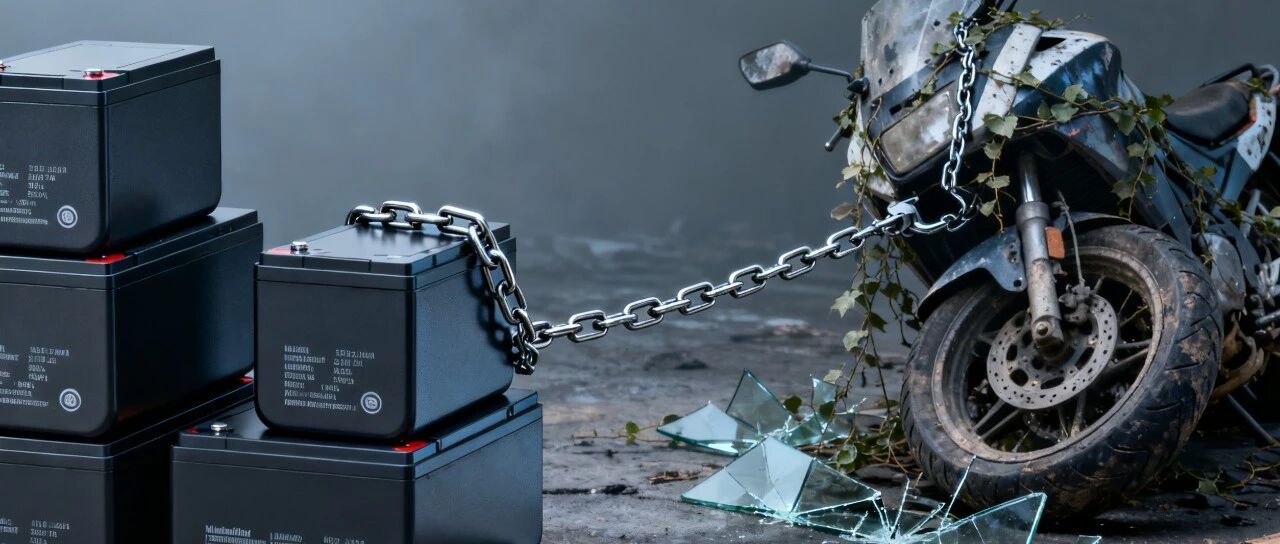
Core Viewpoint - The Chinese lithium battery industry is accelerating its global presence driven by strong demand in electric vehicles and energy storage, despite facing challenges such as price wars and geopolitical uncertainties [1] Group 1: Industry Trends - In the first eight months of 2025, China's lithium-ion battery exports exceeded 3.003 billion units, marking an 18.66% year-on-year increase, with export value reaching $48.296 billion, up 25.79% [1] - The industry is experiencing a significant price war, particularly in the electric vehicle and energy storage sectors, with prices for energy storage systems dropping over 80% in the past three years [2][4] Group 2: Historical Lessons - The current price competition in the new energy sector mirrors the historical decline of the Chinese motorcycle industry in the 1990s, where aggressive pricing led to a loss of market trust and quality issues [2][4] - The decline in quality due to price cuts could result in a loss of overseas markets and damage the reputation of Chinese products globally [4] Group 3: Policy Responses - The Chinese government is implementing a series of anti-involution policies starting in 2024 to regulate competition in the lithium battery and new energy vehicle sectors, aiming to prevent a repeat of past industry failures [5][6] - New regulations, including the revised Anti-Unfair Competition Law, prohibit selling below cost, providing a legal basis to combat price dumping [5] Group 4: Market Adjustments - As a response to the anti-involution policies, some companies are adjusting their strategies, moving away from aggressive pricing to prioritize quality [6][7] - The lithium battery material market is showing signs of recovery, with prices for key materials like lithium hexafluorophosphate beginning to rise [7] Group 5: Sustainable Development - The focus is shifting towards a collaborative ecosystem across the entire supply chain, emphasizing the importance of maintaining healthy profit margins for all players involved [9] - The industry is encouraged to prioritize technological and quality advancements over price competition to establish a sustainable growth path [10]




欧洲新能源渗透率首破30%,而大众二次下调盈利预期
高工锂电· 2025-09-23 10:13
Core Viewpoint - The European electric vehicle market is experiencing significant growth, with a market penetration rate exceeding 30%, but traditional automakers like Volkswagen are facing systemic challenges in their transition to electric vehicles [1][7][20]. Market Performance - In August 2025, the total sales of new energy vehicles in nine European countries reached 176,000 units, a year-on-year increase of 41.2%, with a penetration rate of 31.4%, up 8.3 percentage points from the previous year [1]. - Sales of pure electric vehicles (BEVs) reached 114,000 units, growing by 32.3%, with a market penetration rate surpassing 20% [2]. - Plug-in hybrid electric vehicles (PHEVs) saw even more rapid growth, with sales hitting 62,000 units, a staggering increase of 61.5% [3]. Country-Specific Insights - Germany's market showed a notable recovery, with pure electric vehicle sales reaching 39,000 units, a significant year-on-year increase of 45.7%, and a penetration rate of 19.0% [4]. - The UK government’s renewed car purchase subsidy plan has positively impacted the market, with pure electric vehicle penetration reaching a yearly high of 26.5% [6]. - France's market recovery is linked to subsidy adjustments, with pure electric vehicle penetration at 19.4%, also a yearly high [6]. - Spain and Italy are experiencing rapid growth, with Spain's sales increasing over 160% year-on-year due to new models and government incentives [6]. Industry Challenges - Volkswagen issued its second profit warning in 2025, indicating severe structural challenges in its transition to electric vehicles, attributing a potential profit loss of €5.1 billion to various factors including delayed model launches and market demand fluctuations [8][9]. - The company’s strategy of balancing traditional fuel vehicle production with electric vehicle investments is under significant financial strain, highlighting the difficulties of dual operations [12]. Supply Chain Dynamics - CATL, the world's largest battery manufacturer, has increased its market share in Europe from 37% to 45%, maintaining optimism about the region's electric transition despite challenges [13]. - The high costs of battery production in Europe are acknowledged, with issues such as skilled labor shortages and high energy costs being common challenges for all battery manufacturers [16]. - CATL is advocating for battery standardization to reduce costs and enhance supply chain resilience, which could also facilitate the development of battery swapping models and improve recycling processes [19][20].
格林美、金晟新能接连赴港上市,抢滩锂电“退役潮”
高工锂电· 2025-09-23 10:13
Core Insights - The article discusses the simultaneous IPO plans of two representative companies in China's power battery recycling industry, GreeenMe and Jinsheng New Energy, highlighting their differing business models and financial performances as they seek international capital [5][11][13]. Company Overview - GreenMe has submitted an application for a dual listing in A-shares and H-shares, while Jinsheng New Energy is updating its prospectus for its Hong Kong listing [3][4]. - GreenMe's founder, Professor Xu Kaihua, emphasizes a technology-driven, integrated industry chain approach, while Jinsheng New Energy, founded by the Li brothers, focuses on specialized technical services within specific segments of the industry [6][10]. Business Models - GreenMe operates an integrated business model that includes battery and vehicle recycling, as well as deep processing of recovered metal resources, creating a closed-loop system [7][8]. - Jinsheng New Energy positions itself as a third-party recycling specialist, focusing on the recovery of battery-grade lithium carbonate and other chemicals from retired batteries and production waste [10]. Financial Performance - GreenMe's revenue is projected to grow from 29.4 billion yuan in 2022 to 33.2 billion yuan in 2024, with a net profit of 1.16 billion yuan in 2023, recovering to 1.33 billion yuan in 2024 [11][12]. - Jinsheng New Energy's revenue is expected to decline from 2.9 billion yuan in 2022 to 2.16 billion yuan in 2024, with cumulative net losses of 959 million yuan from 2023 to the first half of 2025 [13][14]. Market Trends - The lithium battery recycling market is anticipated to experience explosive growth, driven by the retirement of first-generation batteries as electric vehicle sales surge [15]. - The competitive landscape is intensifying, with major players like CATL's Bangpu Recycling posing significant challenges to third-party recyclers [16]. Strategic Implications - Both companies' IPO efforts reflect a broader industry trend towards capital-intensive expansion and consolidation, as they seek to secure funding for growth and navigate a rapidly evolving market [15][16].
每日速递|天赐材料赴港上市、获80万吨电解液大单
高工锂电· 2025-09-23 10:13
Battery Industry - Envision AESC appointed Wan Biao as the global CEO, bringing over 20 years of management experience from Huawei and Honor [1] - Honeycomb Energy successfully delivered a 30MWh liquid-cooled energy storage system to Slovenia, featuring a dual-layer cooling design that reduces cell temperature differences by 50% and increases throughput by 10% over its lifecycle [2] - Jiuwu High-Tech signed a procurement contract worth 81.5 million yuan for a membrane treatment system with Guotou Xinjiang Lithium Industry [5] - Shengxin Lithium Energy plans to acquire a 21% stake in Qicheng Mining for 1.456 billion yuan to enhance its lithium resource supply capacity [6] - Suzhou Xiesheng completed a Pre-A round financing of 10 million yuan, indicating strong market recognition of its technology and development plans [7] - Tianci Materials submitted an application for an IPO in Hong Kong and signed a supply agreement for at least 800,000 tons of electrolyte with Ruipu Lanjun by December 31, 2030 [9] - Chongqing Lide Energy Technology signed a contract for a 5,500-ton solid-state battery composite lithium metal anode material project in Sichuan, utilizing advanced lithium distillation technology [11] Equipment Industry - Dazhu Laser established a lithium battery technology company with a registered capital of 30 million yuan, focusing on battery manufacturing and related technologies [13]


摩托“油转电”,拐点已至
高工锂电· 2025-09-23 10:13
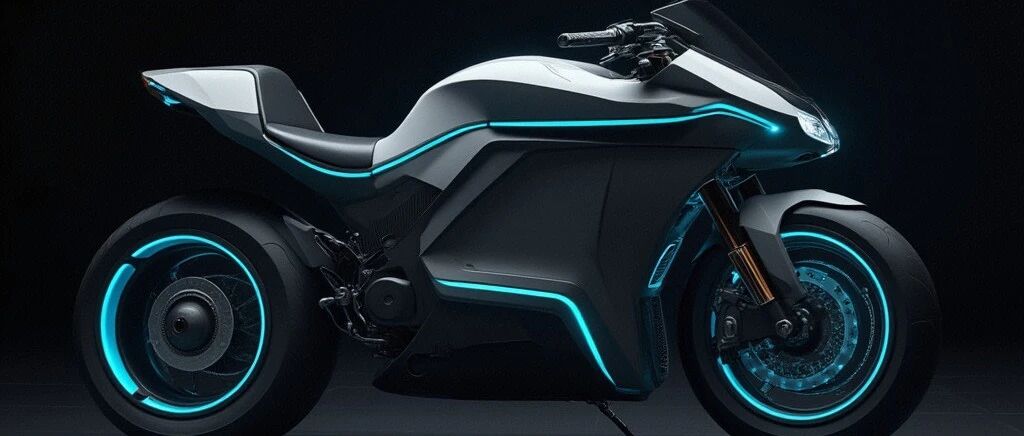
Core Viewpoint - The article highlights a significant structural transformation in the motorcycle industry, where electric motorcycles (e-motorcycles) are systematically replacing fuel motorcycles (oil motorcycles) across major markets, driven by advancements in battery technology and evolving consumer demands [2][3][4]. Group 1: Market Trends - In Southeast Asia and China, the market share of fuel motorcycles is rapidly being eroded by electric motorcycles, with notable growth rates such as over 26% in Indonesia and a 45% increase in high-end e-motorcycle sales in China [2]. - Government policies, such as the ban on fuel motorcycles in Hanoi starting in 2026, are accelerating this transition [2]. Group 2: Consumer Preferences - The younger generation is shifting their perception of two-wheelers from mere transportation to lifestyle products, emphasizing design, smart features, and overall riding experience [5]. - E-motorcycles offer advantages such as lower charging costs and reduced maintenance expenses, making them more economically viable over their lifecycle compared to fuel motorcycles [6]. Group 3: Challenges and Solutions - The industry faces challenges including safety concerns due to low-quality batteries and a fragmented approach to solutions that do not cover all user scenarios [10]. - A focus on safety and comprehensive solutions that address various travel scenarios is essential for overcoming these challenges [11]. Group 4: Technological Innovations - New energy companies like 新能安 are leading the way with innovative solutions, emphasizing safety and performance through rigorous testing and high standards [14][16]. - The introduction of customized solutions for different user scenarios, such as lightweight batteries for urban commuting and high-capacity batteries for long-distance travel, showcases the industry's commitment to enhancing user experience [18][19]. Group 5: Industry Outlook - The electric motorcycle sector is poised for rapid growth, with the potential for Chinese brands to gain significant influence in the global motorcycle industry [24]. - The transition from fuel to electric motorcycles is expected to accelerate, particularly in economic and commuting scenarios, as technology and value systems mature [25].
技术迭代+场景拓展:固态电池初创企业竞速无人机赛道
高工锂电· 2025-09-22 10:38
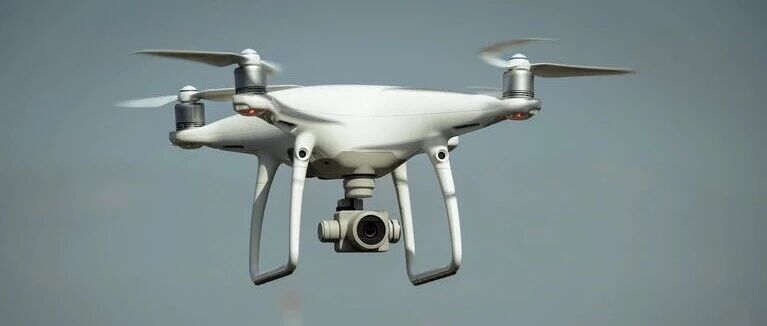
Core Viewpoint - The article discusses the rapid growth and technological advancements in the solid-state battery sector, particularly in relation to the drone industry, highlighting the competitive landscape and the potential for commercialization of these technologies. Group 1: Market Growth and Potential - The Chinese commercial drone market is projected to reach approximately 121.5 billion yuan in 2024, with significant contributions from agriculture, surveying, and security sectors [2] - The logistics sector within the drone market has already achieved a scale of 12.8 billion yuan, with an annual growth rate of 32%, indicating substantial expansion potential [2] Group 2: Technological Advancements - Solid-state battery startups are rapidly entering the market due to their ability to customize technology and respond quickly to market demands [3] - Enli Power achieved production of 1 million solid-state battery sets by May, which can power 80,000 industrial drones, and aims to reach 2 million sets by September [1] - The performance of solid-state batteries has improved significantly, with high discharge rates maintaining low temperature increases, enhancing flight safety and endurance for drones [5] Group 3: Product Development and Features - Enli Power focuses on three product platforms: semi-solid Swift system (300-350 Wh/kg), pure solid Fleet system (over 400 Wh/kg), and full solid Kosmos system [6][7] - The company has successfully collaborated with Softbank to meet challenging battery specifications for stratospheric drones, demonstrating its commitment to long-term technological development [5] Group 4: Production Capacity and Expansion - Enli Power's GWh demonstration factory in Beijing commenced operations in November 2023, with plans for a 10 GWh advanced battery manufacturing project in Chuzhou, Anhui, starting in May 2024 [9] - The company anticipates achieving GWh-level production capacity this year, with sales projected to exceed 1 billion yuan by 2026 [10] Group 5: Competitive Landscape - Solid-state batteries are positioned to replace traditional lithium-ion batteries in drone applications due to their superior energy density and cost-effectiveness [11] - Companies like Huyuan Lithium and Weilan New Energy are innovating in solid-state battery technology, focusing on high energy density and safety [11][12] Group 6: Commercialization and Future Outlook - In the short term, semi-solid batteries are expected to dominate drone commercialization, particularly in logistics and agriculture [14] - Long-term prospects suggest that solid-state batteries could achieve energy densities exceeding 500 Wh/kg, becoming essential for advanced applications like eVTOL and long-endurance reconnaissance drones [14] - The development of hybrid hydrogen-lithium systems by research teams is addressing the challenges of drone endurance and payload capacity [15]
马斯克100万台KPI催化人形机器人量产 多家电池企业最新进展追踪
高工锂电· 2025-09-22 10:38
Core Viewpoint - The humanoid robot industry is transitioning from "function realization" to "capability evolution," driven by both policy support and commercial ambitions [4][5]. Group 1: Industry Trends - The Chinese government is promoting the application of humanoid robots in sectors like automotive manufacturing and logistics, laying the groundwork for a trillion-dollar market [5]. - The valuation of humanoid robot company Figure has reached $39 billion, indicating rapid recognition from global capital and suggesting a steep increase in future production [6]. - Tesla's CEO Elon Musk has set ambitious goals for the next-generation Optimus 3 robot, including fine motor skills and large-scale production capabilities [7][8]. Group 2: Production and Technological Challenges - A key operational goal for Tesla is to deliver 1 million humanoid robots, which is expected to accelerate production across the industry [8][9]. - Current humanoid robots typically have a battery life of less than 2 hours, far below the 8-hour standard required for commercial applications [9]. Group 3: Battery Technology Developments - Solid-state batteries are viewed as the ultimate solution, with companies like Panasonic and Guoxuan High-Tech making significant progress in development [11][12]. - Guoxuan High-Tech has launched a battery solution for all-terrain robots, capable of high discharge rates and over 3 hours of runtime, with a production capacity of 600 battery sets per day [14]. - Companies are innovating in liquid battery technology as they transition to solid-state solutions, with EVE Energy releasing products that support rapid charging and extended battery life [13][15]. Group 4: Diverse Strategies in Battery Solutions - All battery companies are focused on addressing core issues such as endurance, safety, fast charging, and lightweight design, with solid-state technology seen as a future high ground [16]. - Panasonic and Guoxuan High-Tech are aggressively pursuing solid-state battery technology, while EVE Energy and Guoxuan High-Tech are providing scalable solutions through continuous optimization [16]. - A diversified approach in battery technology is essential for driving humanoid robots towards mass production [17].


每日速递|字节跳动发布数据中心储能项目招标
高工锂电· 2025-09-22 10:38
Policy - Four departments, including the National Energy Administration, have issued guidance to promote the establishment of a high-safety, high-reliability battery energy storage equipment system, focusing on the development of long-life, wide-temperature, low-degradation lithium batteries, sodium batteries, and solid-state battery key equipment [1] - The guidance also emphasizes breakthroughs in battery management system safety monitoring, hazard warning, and proactive protection technology to enhance the intrinsic safety performance of energy storage batteries [2] Battery - ByteDance has announced a tender for a data center energy management project, seeking partners capable of investment, construction, and operation for a microgrid system that integrates wind and solar energy with large-scale energy storage [5] - The project aims to reduce reliance on traditional power grids and ensure uninterrupted power supply for data center operations, with a procurement scope of over 200MWh large-scale lithium battery storage [5] Export Data - From January to August 2025, China's lithium-ion battery exports reached 3 billion units, a year-on-year increase of 18.66%, with an export value of $48.296 billion, up 25.79% year-on-year [6] Company Developments - Jiangxi Ganfeng Lithium has established a shipping company with a registered capital of 20 million yuan, focusing on various transportation services [8] - Li Auto and battery manufacturer Sunwoda have formed a joint venture to produce lithium-ion power batteries for electric vehicles, with plans for the self-developed battery products to be launched next year [10] Materials - Jianyuan Technology reported a recovery in copper foil processing fees, indicating a positive trend in the lithium battery industry driven by increasing demand [12] - A major project for the annual production of 35 million lithium battery structural components has been launched in Zhejiang, with a total investment of 750 million yuan [13] - Hunan Bobang Mountain River New Materials has signed a procurement framework agreement with Gotion High-Tech for lithium battery anode materials, with a total estimated value of up to 117.5 million yuan [15]

刚果钴配额制来袭,2025仅剩1.8万吨
高工锂电· 2025-09-22 10:38
Core Viewpoint - The article discusses the significant tightening of cobalt supply due to the Democratic Republic of Congo's (DRC) new export quota system, which will impact the global battery supply chain and potentially lead to increased cobalt prices and a shift towards cobalt-free materials in the long term [3][10][11]. Summary by Sections Cobalt Export Quota Changes - The DRC will end its eight-month export ban on October 15, transitioning to a strict quota system, which will result in a clearer and tighter supply landscape for the domestic battery industry [2][3]. - The remaining export quota for 2025 is set at 18,100 tons, which is over 60% lower than the actual export volume from the previous year, leading to a global cobalt supply reduction of 67,000 tons [3][4]. Quota Allocation and Impact - The DRC's annual export limits for 2026 and 2027 are set at 96,600 tons, significantly lower than the 220,000 tons produced in 2024, indicating that the quota will be less than half of the production capacity [4]. - The quota distribution will be based on historical export volumes, reserving 10% for key projects in the DRC, which may disadvantage smaller mining companies and those without operational mines [5]. Domestic Market Implications - Following the lifting of the export ban, the first batch of 3,625 tons of cobalt will not arrive at domestic ports until late January next year, creating an import gap where the domestic market will rely on existing inventory [6]. - The average monthly consumption in the domestic battery supply chain is between 12,000 to 14,000 tons, with peak demand reaching up to 17,800 tons, indicating a need to consume 45,000 to 50,000 tons of inventory in Q4 [7]. Price Trends and Market Reactions - As a result of the tightening supply, cobalt prices have risen, reaching 280,000 yuan per ton, with expectations to stabilize between 300,000 to 350,000 yuan per ton [8]. - Battery manufacturers and cathode material producers are preemptively stockpiling materials, anticipating increased demand for high-performance models in the peak season [7][8]. Long-term Industry Shifts - The tightening of cobalt supply may accelerate the development of cobalt-free materials as battery manufacturers adapt to rising costs and supply constraints [9][11]. - Historical trends show that during previous spikes in cobalt prices, the lithium battery industry considered moving towards cobalt-free solutions, with companies like Hive Energy and Tesla exploring high-nickel, cobalt-free battery technologies [12]. Conclusion - The DRC's new export policies are expected to create a competitive resource environment among China, Japan, and Europe, with immediate effects on battery manufacturers needing to manage inventory and costs while potentially driving innovation towards alternative materials [10][11].