是说芯语

Search documents
台积电EUV光刻机重大突破!节电44% !
是说芯语· 2025-10-03 01:35
Core Viewpoint - TSMC has significantly reduced the peak power consumption of its advanced EUV lithography equipment by 44%, addressing a major challenge in the semiconductor industry's sustainability efforts [1][3][5]. Group 1: Technological Innovations - The energy efficiency improvement is attributed to deep innovations in equipment collaboration optimization, light source conversion efficiency, and system operation modes [3]. - TSMC's efforts in enhancing manufacturing energy efficiency will effectively reduce the carbon footprint of downstream products, strengthening their market competitiveness [3][5]. Group 2: Industry Context - The semiconductor manufacturing industry is one of the fastest-growing sectors in terms of energy consumption, with TSMC committing to 100% renewable energy usage and net-zero emissions by 2050 [5]. - The energy consumption of manufacturing equipment constitutes a significant portion of the total carbon footprint of chips, making efficiency improvements in core manufacturing equipment crucial for the industry's emission reduction goals [5]. Group 3: Impact of EUV Lithography - A single advanced EUV lithography machine consumes approximately 24,000 to 36,000 kWh per day, equivalent to the daily electricity usage of 1,200 to 1,800 average Chinese households [7][8]. - The reduction of 44% in power consumption translates to an estimated savings of about 13,200 kWh per day for TSMC, leading to annual savings in the range of hundreds of millions of kWh across its production lines [11]. Group 4: Future Outlook - TSMC plans to continue investing in green manufacturing technologies and integrate sustainability deeply into its technological blueprint, aiming to lead the global semiconductor industry towards a more efficient and cleaner future [5].


没人需要原子弹,但每个人都需要AI
是说芯语· 2025-10-02 07:00
Core Insights - Huang Renxun views OpenAI not just as a customer but as a co-builder of the next-generation AI factory, predicting it could become a trillion-dollar tech company [6][8] - NVIDIA's investment in OpenAI could reach up to $100 billion, aimed at building a massive AI data center with 4-5 million GPUs, which is close to NVIDIA's entire shipment plan for 2025 [8] - AI is seen as a means to enhance human cognitive capacity, with 55%-65% of global GDP derived from human brainpower, suggesting significant economic growth potential if AI can double or triple productivity in various sectors [9][11] Investment and Infrastructure - Huang emphasizes the need for a robust infrastructure to support AI, which requires substantial energy and computational resources [11][12] - The demand for computational power is shifting from traditional software execution to real-time reasoning, necessitating a new approach to AI development [13][15] - NVIDIA's strategy focuses on maximizing output per watt of energy rather than competing on chip prices, establishing a long-term competitive advantage [20][22] Market Dynamics - NVIDIA's annual release of new architectures is essential to keep pace with the exponential growth in token generation, requiring continuous system upgrades [23][25] - Huang acknowledges the rise of self-developed AI chips by major companies but asserts that NVIDIA's general-purpose platform remains more adaptable in a rapidly changing AI landscape [28][29] - NVIDIA's ecosystem approach, including partnerships and open-source initiatives, positions it as a key player in the AI economy [31][32] Global AI Landscape - Huang discusses the concept of "sovereign AI," where nations recognize the importance of controlling their own AI systems and infrastructure [35][36] - He advocates for countries to build their own AI capabilities while leveraging existing models like OpenAI and Gemini [36] - Huang maintains a balanced view on competition with China, emphasizing the need for the U.S. to engage with the Chinese market while adhering to regulations [38] Future of Work - Huang addresses concerns about AI-induced job losses, suggesting that while some roles may be replaced, overall job opportunities will increase as AI enhances productivity [43] - He envisions a future where individuals have personal AI assistants that integrate into daily life, enhancing decision-making and productivity [46][48] - Huang encourages early participation in the AI revolution, suggesting that those who engage now will benefit the most as the industry evolves [49][51]


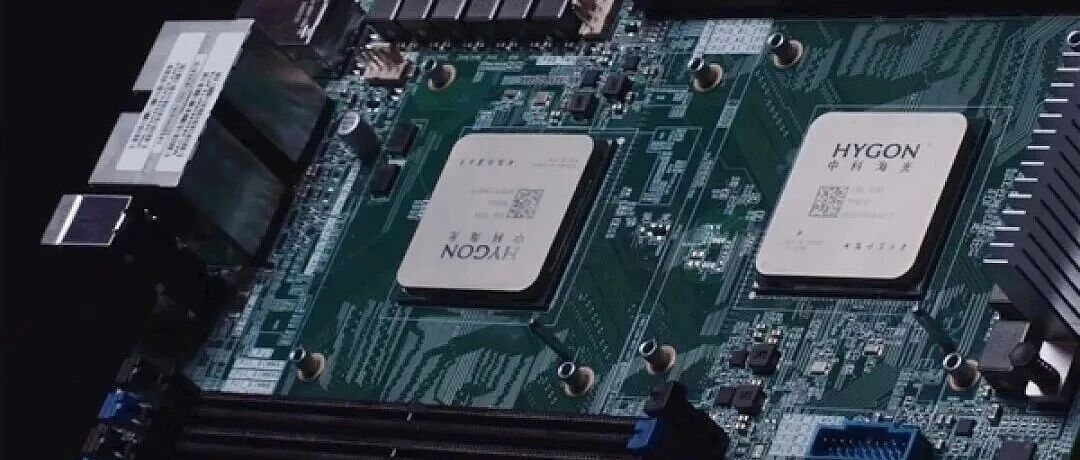
30亿大单,海光C86中标!
是说芯语· 2025-10-01 23:42
Core Viewpoint - The procurement project by Industrial and Commercial Bank of China (ICBC) for Haiguang chip servers marks a significant advancement in the domestic server replacement process within the financial sector, indicating a shift from "alternative selection" to "main option" for domestic general-purpose processors [2][13]. Summary by Sections Project Announcement - ICBC announced the public tender for the 2025 Haiguang chip server procurement project on August 25, 2023, signaling a robust commitment to domestic technology [2][3]. Tender Details - The project is funded through self-raised funds and is open for public bidding, with a total procurement amount estimated at 3 billion yuan [4][6]. - The tender includes one lot for the procurement of wind-cooled Haiguang chip servers [4]. Bidding Candidates - The main winning candidate is Inspur Electronic Information Industry Co., Ltd., with ZTE and Lenovo as backup candidates, all utilizing domestic Haiguang chip solutions [6][11]. - The evaluation of the candidates confirmed that all met the requirements outlined in the tender documents [7]. Market Context - Recent procurement activities, including those by Nanjing Bank and others, show a growing trend of domestic server adoption in the financial sector, with significant procurement amounts indicating a shift towards local solutions [10][12]. - The increasing scale and importance of these projects highlight the critical requirements for stability, compatibility, and security in the financial industry [13]. Implications - The large-scale procurement by ICBC reflects the practical value of domestic general-purpose processors, which are now seen as essential components in core business scenarios within the financial sector [13].




放弃英伟达!全球巨头宣布自研芯片
是说芯语· 2025-10-01 23:42
Core Viewpoint - Microsoft plans to primarily use self-developed chips in data centers to reduce reliance on Nvidia and AMD, focusing on optimizing AI workloads with a complete system design approach [1][4]. Group 1: Chip Development and Strategy - Microsoft has launched the Azure Maia AI accelerator and Cobalt CPU in 2023, continuing to develop next-generation chip products [1]. - The company aims to design a complete data center system to optimize AI workloads, indicating a shift towards self-sufficiency in chip design [4]. - Microsoft currently uses Nvidia and AMD chips in data centers, prioritizing cost-effectiveness, but is expanding the use of its own chips [4]. Group 2: Market Context and Competition - Nvidia dominates the market with its GPUs, while AMD holds a relatively small market share [3]. - Major tech companies, including Microsoft, Google, and Amazon, are designing their own chips for data centers to reduce dependence on Nvidia and AMD and to better meet specific needs [3]. Group 3: Capacity Challenges - There is a severe shortage of computing power since the launch of ChatGPT, making it difficult for Microsoft to quickly establish sufficient capacity [5]. - Tech giants, including Meta, Amazon, Alphabet, and Microsoft, have committed over $300 billion in capital expenditures this year to meet AI demands [5].


国产模拟半导体新并购!瞄准隔离芯片
是说芯语· 2025-10-01 02:15
Core Viewpoint - The acquisition proposal by DiAo Micro (688381.SH) is fundamentally a strategic move to secure technology positioning in the semiconductor industry, aiming to enhance its product matrix and market competitiveness through the acquisition of Rongpai Semiconductor [1][4]. Group 1: Acquisition Details - DiAo Micro has signed a letter of intent to acquire shares from Rongpai Semiconductor's major shareholder, Dong Zhiwei, through a combination of "share issuance + cash payment" [1]. - Dong Zhiwei holds a 54.31% stake in Rongpai Semiconductor, which, if the transaction is completed, will make Rongpai a subsidiary of DiAo Micro [1]. - The transaction's financial terms, including the amount and share issuance ratio, have not yet been disclosed, but the valuation could reach several billion, considering the semiconductor industry's average acquisition valuation in 2025 [1][4]. Group 2: Market Context and Strategic Rationale - The Chinese analog chip market is projected to reach 317.58 billion in 2024, with over 80% of the market share held by foreign companies, particularly in high-end fields like isolation chips [4]. - Rongpai Semiconductor is recognized as the first domestic company to break through digital isolator technology, which significantly enhances its competitive edge in the market [4][8]. - The acquisition is seen as a necessary step for DiAo Micro to bridge the gap in automotive electronics, where its current market share is significantly lower compared to leading competitors [2][4]. Group 3: Growth Potential and Future Outlook - The isolation chip sector is expected to grow over 20% due to the rising demand from electric vehicles and energy storage [5]. - DiAo Micro's potential for profit growth post-acquisition is supported by the success of similar mergers, such as Changchuan Technology, which saw a ninefold increase in net profit after its acquisition [5]. - The acquisition aligns with national policies supporting semiconductor companies in strengthening their supply chains, indicating a favorable regulatory environment for such transactions [5]. Group 4: Company Profiles - DiAo Micro specializes in high-performance analog chip design, focusing on power management and signal chain chips, with a revenue of 306 million in the first half of 2025, reflecting a 15.11% year-on-year increase [7]. - Rongpai Semiconductor, established in 2017, focuses on high-performance analog chip design, including digital isolators and drivers, and has achieved significant breakthroughs in the isolation chip sector with its proprietary iDivider technology [8].

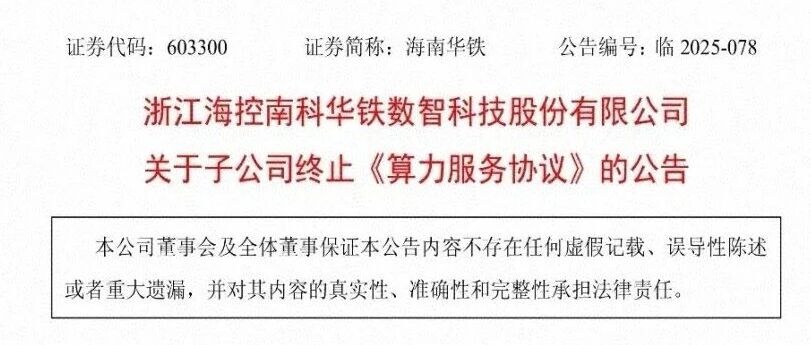
国庆前夜,36.9亿元算力合同告吹!
是说芯语· 2025-10-01 00:36
Core Viewpoint - The termination of the "Computing Power Service Agreement" between Hainan Huatie and Company X reflects significant changes in market conditions and demand since the contract was signed, leading to no procurement orders being received [1][5]. Group 1: Contract Termination - Hainan Huatie announced the termination of the "Computing Power Service Agreement" with Company X, which was originally signed in March for a total amount of 3.69 billion yuan (including tax) over a service period of five years [1][5]. - The company issued a letter to Company X regarding the termination, citing changes in market conditions and the lack of procurement orders since the agreement was signed [5]. Group 2: Business Overview - Hainan Huatie primarily engages in equipment leasing, with a focus on engineering equipment services and intelligent computing business [5]. - The engineering equipment rental services include high-altitude work platforms, forklifts, heavy-duty drones, and various other machinery [5]. Group 3: Future Plans and Investments - The company plans to invest 1 billion yuan in the construction of an intelligent computing center, aiming to provide high-end computing resource leasing and value-added technical services [5]. - The intelligent computing center will involve the procurement of chips and servers, and will collaborate with universities and research institutions in various fields such as AI, autonomous driving, and high-end manufacturing [5][6]. Group 4: Financial Performance - In the first half of the year, Hainan Huatie achieved total revenue of 2.805 billion yuan, representing a year-on-year increase of 18.89%, and a net profit of 341 million yuan, up 1.85% year-on-year [7]. Group 5: International Expansion - Hainan Huatie is planning to list on the Singapore Stock Exchange to promote its international strategy and enhance its competitiveness and brand influence [9]. - The company aims to accelerate the implementation of its computing power overseas strategy, particularly in Southeast Asia [9].
日本跟进!将我国多家实体列入出口管制“最终用户清单”
是说芯语· 2025-09-30 05:49
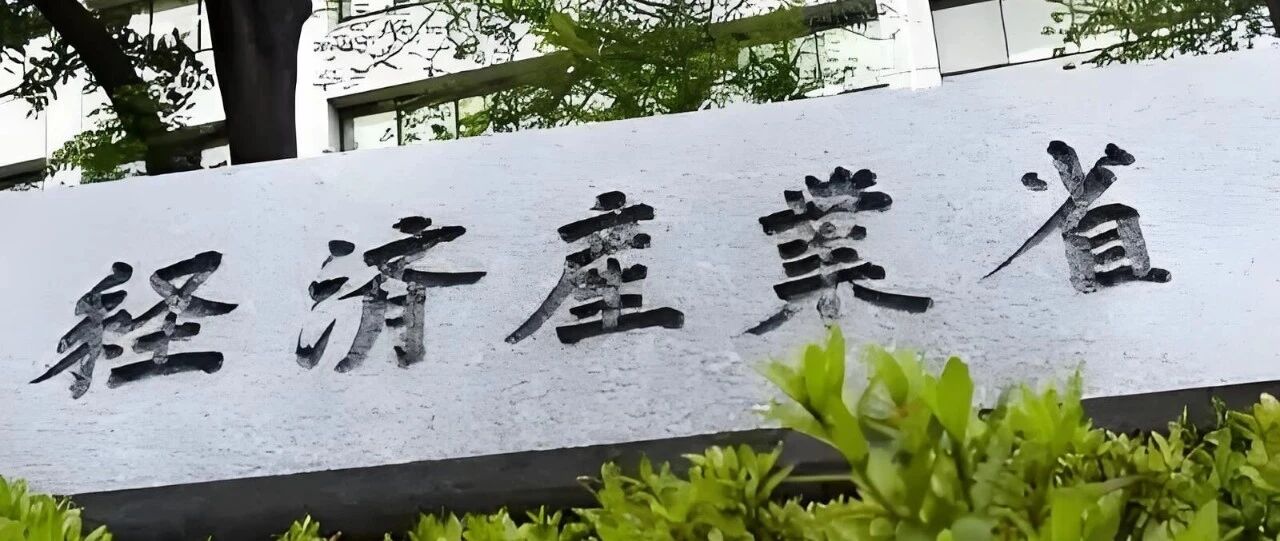
Core Viewpoint - Japan's Ministry of Economy, Trade and Industry (METI) updated the "final user list" on September 29, adding multiple Chinese companies while removing two previously listed companies [1][2]. Group 1: Japan's Export Control Measures - Japan has been tightening export controls on high-end semiconductor manufacturing equipment since 2023, with further restrictions planned for 2025, using the "final user list" as a tool to prevent technology from being used for military purposes [2][3]. - The initial expansion of the list in February included 42 Chinese entities, bringing the total number of affected Chinese companies, research institutions, and organizations to approximately 110, primarily in critical technology sectors such as semiconductors, artificial intelligence, and quantum computing [3]. Group 2: China's Response - The Chinese Ministry of Commerce expressed strong opposition to Japan's actions, stating that the listing of Chinese companies lacks factual basis and harms the interests of both countries' enterprises [2][4]. - China welcomed the removal of two companies from the list, viewing it as aligned with mutual interests, and expressed a willingness to enhance communication with Japan to facilitate the removal of more Chinese companies from the list [4].
突发!美国对华制裁升级,封杀中企子公司
是说芯语· 2025-09-30 04:05
Core Viewpoint - The recent export control regulations by the U.S. Department of Commerce are seen as an extension of the U.S. government's efforts to restrict Chinese companies, particularly in the semiconductor and AI sectors, by imposing similar restrictions on subsidiaries owned more than 50% by sanctioned entities [2][3][4]. Group 1 - The U.S. Department of Commerce has introduced rules to prevent sanctioned companies from using subsidiaries to circumvent export controls, specifically targeting Chinese AI chip giants [3][4]. - Companies with at least 50% ownership by entities on the U.S. Entity List will now face the same export restrictions as their parent companies, increasing scrutiny on shipments to these subsidiaries [3][4]. - The new regulations align the Department of Commerce's approach with the Treasury Department's sanctions enforcement, standardizing the treatment of entities on the Entity List and Military End User List [3][4]. Group 2 - U.S. officials believe that the new regulations will not significantly impact trade flows, as they are designed to prevent sanctioned companies from exploiting subsidiaries as loopholes [4]. - Industry officials express concerns that the changes may complicate the process for companies trying to determine if potential customers are subject to additional restrictions [5].

21亿并购落定,国产EDA龙头重大并购!
是说芯语· 2025-09-30 02:12
Core Viewpoint - The acquisition of 100% equity in Ruicheng Semiconductor and 45.64% equity in Naneng Micro by Gaolun Electronics for a total price of 2.174 billion yuan is a significant asset restructuring that will enhance the company's capabilities in the semiconductor industry, particularly in EDA tools and semiconductor IP [1][2][3]. Group 1: Transaction Overview - The transaction involves issuing shares and cash payments to acquire the stakes from various parties, totaling 2.17384 billion yuan [2]. - Gaolun Electronics aims to raise 1.05 billion yuan in supporting funds from no more than 35 specific investors to facilitate the transaction [2]. Group 2: Strategic Importance - The merger aims to integrate EDA tools with semiconductor IP, creating a synergistic effect that can shorten design cycles and reduce R&D costs, aligning with industry trends [3]. - The acquisition will provide Gaolun Electronics with a vast library of physical IP, establishing a dual-engine development model that covers the entire chain from front-end tools to back-end IP empowerment [3]. Group 3: Market Context - The global EDA market is dominated by three major players, with domestic EDA tool localization rates below 15%, highlighting the scarcity of high-end resources in the IP sector [3]. - Gaolun Electronics' acquisition is expected to accelerate the localization process of advanced EDA tools and high-reliability IP, contributing to the maturity of the domestic EDA ecosystem [3]. Group 4: Company Performance - As of September 29, Gaolun Electronics' stock price was 42.48 yuan per share, with a total market capitalization of 18.486 billion yuan, indicating strong market confidence in the merger [4]. - The company reported a revenue of 279 million yuan for the first three quarters of 2024, reflecting a year-on-year growth of 25.74% [6]. Group 5: Company Background - Gaolun Electronics, established in March 2010, is the first publicly listed EDA company in China, focusing on providing comprehensive EDA solutions for integrated circuit design and manufacturing [5]. - The company has a competitive edge in key technologies and has expanded its product matrix through several acquisitions, including those of Bodawave, Entasys, and Magwel [6]. Group 6: Target Companies - Ruicheng Semiconductor, founded in 2011, specializes in integrated circuit IP product design and has established partnerships with over 30 global foundries [7][9]. - The company holds more than 140 domestic and international patents and ranks as the 10th global provider of physical IP, with notable positions in various IP categories [9].

国庆前产业大动作!国产半导体公司密集冲刺港股IPO
是说芯语· 2025-09-29 23:33
Group 1: Market Activity - The semiconductor and intelligent manufacturing sectors in the Hong Kong capital market are experiencing significant activity, with six companies filing for IPOs, including Zhongwei Semiconductor, Jingchen Technology, and others, indicating a surge in hard-tech capital enthusiasm [1][3]. Group 2: Company Highlights - Zhongwei Semiconductor, a leader in the MCU market with a 12.6% market share, aims to raise funds to develop automotive-grade chips and AI-specific MCUs, projecting a profit of 86.47 million yuan in the first half of 2025 with a gross margin of 31.1% [3]. - Jingchen Technology, known for its chips in smart TVs and set-top boxes, has filed for an IPO with over 90% of its revenue coming from overseas, expecting a 64% increase in net profit to 819 million yuan in 2024 [4]. - Xingchen Technology, focused on security electronics, reported an 18.6% revenue increase to 1.4 billion yuan in the first half of 2025, but a 7.47% decline in net profit due to increased R&D spending and market competition [5]. - Beijing Junzheng plans to expand its automotive storage chip production and AI algorithms, with a projected 20% growth in its automotive business in 2024 [6]. - Huanlin Micro-Nano specializes in MEMS acoustic components and semiconductor testing probes, aiming to enhance its overseas business and develop next-generation probes [7]. - Youai Zhihuo, known for its mobile robots, seeks to refine its embodied intelligence technology and potentially acquire competitors to become the leading mobile operation robot company [7]. Group 3: Industry Trends - The recent IPO wave reflects a collective effort in the Chinese technology industry, with companies spanning the entire supply chain from chips to applications, aiming to address technological gaps and seize domestic substitution opportunities [8]. - The domestic MCU localization rate is currently below 20%, and high-end probes are largely imported, creating a push for companies to advance in these areas [8]. Group 4: Challenges Ahead - Zhongwei Semiconductor faces supplier concentration risks, with five suppliers accounting for 84.8% of its procurement [8]. - Jingchen Technology relies on five major customers for 66% of its revenue, posing risks if customer relationships change [8]. - The fast-paced nature of the technology industry requires significant R&D investment, with Jingchen Technology spending over 1 billion yuan annually to stay competitive [8].