材料汇

Search documents
1000+深度报告下载:半导体材料/显示材料/新材料能源/新材料等
材料汇· 2025-08-23 14:35
Investment - The article discusses various investment opportunities in new materials, semiconductors, and renewable energy sectors, highlighting the growing demand and technological advancements in these areas [1][3][4]. Semiconductor - It emphasizes the importance of semiconductor materials such as photolithography resins, electronic specialty gases, and silicon wafers, which are critical for the production of advanced electronic devices [1][3]. - The report also covers the development of third and fourth generation semiconductors, including silicon carbide and gallium nitride, which are essential for high-efficiency power devices [1][3]. New Energy - The article outlines the investment potential in new energy technologies, particularly lithium batteries, solid-state batteries, and hydrogen energy, which are pivotal for the transition to sustainable energy sources [1][3]. - It highlights the advancements in battery materials, including silicon-based anodes and composite current collectors, which enhance battery performance [1][3]. Photovoltaics - The report details the growth in the photovoltaic sector, focusing on materials such as photovoltaic glass, back sheets, and perovskite materials, which are crucial for solar energy applications [1][3]. New Display Technologies - The article discusses the emerging display technologies, including OLED, MiniLED, and MicroLED, along with the materials used in their production, such as optical films and adhesives [3]. Fibers and Composites - It covers the advancements in fiber materials, including carbon fiber and aramid fiber, which are essential for lightweight and high-strength applications in various industries [3]. Notable Companies - The report mentions key players in the industry, such as ASML, TSMC, and Tesla, which are leading the innovation and development of new materials and technologies [4].


2025年100大最具潜力新材料评选
材料汇· 2025-08-23 14:35
Core Viewpoint - The article highlights the significance of new materials in driving innovation across various industries, emphasizing their transformative potential in sectors such as electronics, renewable energy, biomedicine, and aerospace [3]. Group 1: New Generation Semiconductor Materials - The article lists 12 types of new generation semiconductor materials, including Silicon Carbide (SiC) and Gallium Nitride (GaN), which are crucial for enhancing efficiency in electric vehicles and data centers [5][6]. - SiC substrates are projected to have a global demand of 1.4 million pieces by 2025, with a compound annual growth rate (CAGR) of 30% [10]. - GaN-on-Si epitaxial wafers are expected to reach a market size of $3 billion by 2030, with a CAGR of 48% for automotive GaN devices [14]. Group 2: New Energy Strategic Materials - The article identifies 15 types of new energy strategic materials, such as solid-state electrolytes and sodium-ion batteries, which are essential for the future of energy storage [5][6]. - Solid-state electrolytes (Li₆PS₅Cl) are projected to have a market size of $12 billion by 2030, with a CAGR of 68% [70]. - Sodium-ion batteries are expected to have a demand of 200,000 tons for cathode materials by 2030, with a market size of $5 billion in China [74]. Group 3: New Display and Optical Materials - The article outlines 10 types of new display and optical materials, including Quantum Dot Light Emitting Diodes (QLED) and IGZO (Indium Gallium Zinc Oxide) [5][6]. - The QLED materials market is projected to reach $1.8 billion by 2028, with a penetration rate of over 20% in televisions [124]. - IGZO technology is expected to achieve a market size of $2.5 billion by 2025, with a 50% penetration rate in high-end panels [127]. Group 4: Advanced Chemical New Materials - The article discusses 10 types of advanced chemical new materials, which are critical for various applications in industries such as automotive and electronics [5][6]. - The market for advanced chemical materials is expected to grow significantly, driven by innovations in production processes and material properties [5]. Group 5: Frontier Disruptive Materials - The article highlights 8 types of frontier disruptive materials that have the potential to revolutionize existing technologies [5][6]. - These materials are anticipated to play a key role in the development of next-generation technologies across multiple sectors, including telecommunications and computing [5].

“十五五”新材料产业发展规划
材料汇· 2025-08-22 15:00
Core Viewpoint - The new materials industry is crucial for supporting modern industrial systems and fostering new productive forces, with significant strategic importance for China's high-level technological self-reliance and manufacturing strength [2]. Group 1: Industry Background and Development Situation - During the 14th Five-Year Plan, China's new materials industry saw continuous growth, with total output value exceeding 8.2 trillion yuan and an average annual growth rate of over 12% [4]. - Achievements include breakthroughs in ultra-high-strength steel, high-performance carbon fiber, semiconductor silicon wafers, and key materials for lithium-ion batteries [4]. - Challenges remain in high-end materials and the need for improved self-sufficiency in core processes and equipment [4]. Group 2: Overall Requirements - The guiding ideology emphasizes innovation-driven development, demand-oriented approaches, and green low-carbon principles [7]. - Key principles include self-reliance through innovation, application-driven demand, and collaboration among enterprises [9]. Group 3: Development Goals (by 2030) - Strategic material security capabilities should exceed 80%, with a focus on achieving global leadership in frontier new materials [11]. - The goal is to cultivate internationally competitive new materials enterprises and establish over 20 distinctive industrial clusters [11]. Group 4: Key Development Directions - Advanced basic materials include ultra-high-strength automotive steel and high-performance aluminum alloys [13]. - Key strategic materials focus on high-temperature alloys and advanced semiconductor materials [14][15]. - Frontier new materials include low-dimensional and intelligent materials, quantum information materials, and bio-based sustainable materials [17][18]. Group 5: Key Tasks and Major Projects - Focus on urgent new materials needed in key application areas such as aerospace, new energy vehicles, and electronic information [21]. - Specific targets include developing high-performance carbon fiber composites and high-energy-density battery materials [22][26]. Group 6: Collaborative Innovation System - Establish a collaborative innovation system centered on enterprises, integrating industry, academia, and research [45]. - Encourage leading enterprises to form innovation alliances with universities and research institutions [46]. Group 7: Market Cultivation for Key New Materials - Implement insurance compensation mechanisms for the first application of key new materials to reduce user risks [50]. - Establish a project library for demonstration projects to showcase the advantages of new materials in practical applications [50]. Group 8: Breakthroughs in Key Processes and Equipment - Focus on overcoming bottlenecks in key processes and specialized equipment for new materials production [55]. - Develop advanced manufacturing technologies such as additive manufacturing and automated composite material forming processes [56]. Group 9: Standard System Improvement - Construct a comprehensive standard system covering the entire new materials industry chain to ensure quality and consistency [60]. - Develop over 500 key new materials standards, including international standard proposals [62]. Group 10: "Internet Plus" New Materials Action - Promote the integration of new information technologies with the new materials industry to enhance operational efficiency [64]. - Establish national-level industry internet platforms to facilitate real-time information sharing across the supply chain [66].

国产掩膜版2.0突围:打破28nm封锁,百亿替代市场自主可控(附PPT报告)
材料汇· 2025-08-21 13:01
Core Viewpoint - The article emphasizes the critical role of photomasks in the semiconductor manufacturing process, highlighting the high technical barriers and low domestic penetration rates in the photomask market, which presents significant investment opportunities in the context of domestic semiconductor supply chain enhancement [2][3]. Group 1: Photomask Production and Market - Photomask production has high technical barriers, and the market is vast with low domestic penetration rates [3][57]. - The photomask market is one of the top three segments in the semiconductor materials market, accounting for approximately 12% of the semiconductor materials market size [63]. - The semiconductor and flat panel display sectors are the largest application markets for photomasks, with semiconductors occupying 60% of the market share [61]. Group 2: Market Size and Growth - The global semiconductor materials market is projected to reach $67.5 billion in 2024, with a year-on-year growth of 3.8% [69]. - The domestic semiconductor photomask market is expected to approach 20 billion RMB by 2025, with wafer manufacturing photomasks estimated at 10 billion RMB [66]. - The independent third-party photomask manufacturers' market share is expected to increase, as they can leverage economies of scale and specialized technology [70]. Group 3: Investment Logic - Investing in the photomask sector is seen as a dual opportunity: it is not only a story of domestic replacement in a multi-billion scale semiconductor materials market but also an investment in companies capable of overcoming technological barriers and growing alongside China's wafer production capacity [2].


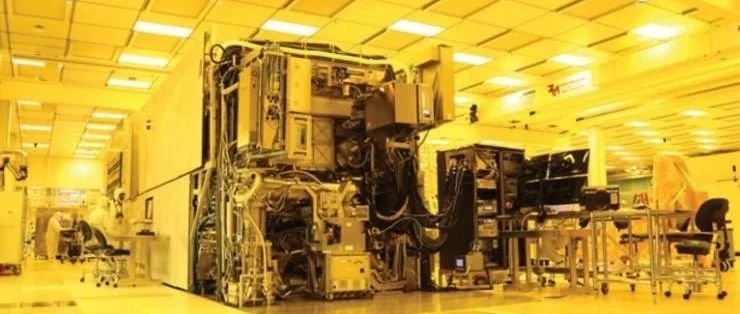
7N纯度隐形战争:拆解半导体溅射靶材的百亿替代路径(技术壁垒/市场红利/核心玩家)
材料汇· 2025-08-20 15:51
Core Viewpoint - The semiconductor sputtering target materials industry, often overlooked, is crucial for the semiconductor supply chain, with significant investment potential as domestic alternatives emerge to replace long-standing foreign monopolies [2][4]. Industry Overview: What are Sputtering Target Materials? - Sputtering target materials are essential for physical vapor deposition (PVD) processes, creating functional thin films on substrates like silicon wafers through magnetron sputtering technology [6][8]. - These materials are critical for manufacturing integrated circuits, specifically in metal interconnect layers, barrier layers, and contact layers, requiring ultra-high purity (typically above 99.9995%) and precise dimensions [8][12]. Classification of Targets - Targets are categorized by material type: metal targets (e.g., copper, aluminum), alloy targets (e.g., copper-manganese), and ceramic targets (e.g., indium tin oxide) [12][10]. - Each type serves specific functions in semiconductor applications, with increasing purity and structural uniformity requirements as technology advances [12][13]. Upstream Supply: High-Purity Metals and Equipment - The upstream supply involves high-purity metal and non-metal raw materials, with significant reliance on imports for high-purity materials [15][16]. - Key domestic producers include Xinjiang Zhonghe for aluminum and Jiangfeng Electronics for tungsten, while global leaders include Hydro for high-purity aluminum and Hitachi Metals for tungsten [16][15]. Midstream Manufacturing: Technically Intensive Core Segment - The midstream segment encompasses the manufacturing of sputtering targets, involving complex processes such as melting, forming, and binding, requiring significant R&D investment [18][17]. - Precision in temperature, time, and atmosphere during melting is crucial for ensuring material uniformity and purity [18]. Downstream Coating: Sputter Coating - The main coating processes include PVD and chemical vapor deposition (CVD), with PVD being the predominant method in semiconductor and display applications [19][21]. - The sputtering coating market is largely dominated by American and Japanese multinational corporations [21]. Terminal Applications: Core Demand from Semiconductor Industry - Downstream applications are primarily in semiconductor chip manufacturing, where sputtering target materials are vital for forming key chip structures [22][23]. - The demand for high-quality sputtering targets is driven by the increasing performance requirements of chips in high-performance computing, AI, and 5G communications [22][23]. Market Situation - The global sputtering target market has grown from 82.1 billion yuan in 2018 to 116.3 billion yuan in 2022, with a compound annual growth rate (CAGR) of 9.1% [47]. - The market is projected to reach 194.5 billion yuan by 2027, with a CAGR of 10.7% during the forecast period [47]. Competitive Landscape - The global sputtering target market is characterized by an oligopoly, with major players like JX Nippon Mining, Honeywell, and Tosoh dominating approximately 80% of the market [60][62]. - Domestic companies such as Jiangfeng Electronics and Yuyuan New Materials are making significant strides in technology and market penetration, particularly in the midstream segment [64]. Future Development Trends - The industry is expected to see increased demand for higher purity and quality sputtering targets as semiconductor processes advance to 3nm and below [68]. - Emerging applications in AI, IoT, and automotive sectors are anticipated to drive further growth in the sputtering target market [69]. Core Investment Logic - Investing in semiconductor sputtering targets is fundamentally about investing in certainty, as demand remains closely tied to capital expenditures in wafer manufacturing [74]. - The industry is protected by high technical barriers, long certification cycles, and strong customer loyalty, making it difficult for new entrants [75]. - The narrative of domestic substitution presents a significant investment opportunity, with domestic leaders poised to capture market share from established foreign players [76].






谁在布局硫化物固态电池?宁德、比亚迪、丰田等巨头纷纷押注
材料汇· 2025-08-19 14:57
Core Viewpoint - Solid-state batteries are the trend due to high safety and high energy density, focusing on sulfide routes with performance targets of 400Wh/kg and over 1000 cycles, aiming for small-scale production in 2027 and mass production by 2030 [2][8]. Group 1: Solid-State Battery Development - The transition to solid-state batteries is driven by the need for improved safety and energy density, as traditional lithium-ion batteries pose safety risks due to flammable organic electrolytes [8]. - Solid-state batteries eliminate liquid electrolytes, enhancing safety and space utilization, with energy densities potentially reaching 500Wh/kg [9][10]. Group 2: Sulfide Electrolyte Characteristics - Sulfide electrolytes are favored for their high ionic conductivity at room temperature, making them ideal solid-state electrolyte materials despite challenges like air stability and electrochemical window limitations [3][10][22]. - The main types of sulfide electrolytes include lithium sulfide-silver-germanium structures, which offer low cost, high conductivity, and good electrochemical stability [3][24]. Group 3: Competitive Landscape - The competitive landscape for lithium sulfide and sulfide electrolytes is diverse, with major players like Ganfeng Lithium and Tianqi Lithium leading, alongside emerging startups and semiconductor companies expanding into the sulfide supply chain [4][14]. - The competition is expected to intensify as battery manufacturers actively develop their own sulfide electrolytes, with the barrier to entry for lithium sulfide being higher than for sulfide electrolytes [4][14]. Group 4: Investment Opportunities - Investment opportunities are identified in companies with unique processes and outstanding product performance in lithium sulfide production, with potential for large-scale applications in the medium term [5]. - Key companies include Xiamen New Energy, Shanghai Xiba, and Rongbai Technology, each with distinct advantages in solid-state battery technology and production capabilities [5][20]. Group 5: Future Projections - By 2030, the market for sulfide solid-state batteries is projected to reach 117GWh, with a corresponding market value estimated between 117 billion to 175.5 billion yuan [20][21]. - The demand for lithium sulfide is expected to exceed 20,000 tons by 2030, driven by the anticipated production scale of solid-state batteries [21].




散热行业迎来黄金十年!AI+5G驱动石墨/VC/热管全面爆发
材料汇· 2025-08-19 14:57
Core Viewpoint - The article emphasizes the critical role of thermal management materials in enhancing the performance and reliability of electronic devices, particularly in the context of increasing heat generation due to advancements in AI, 5G, and IoT technologies. The demand for effective thermal solutions is expected to grow significantly as electronic products become thinner, more integrated, and high-performing [4][13][24]. Group 1: Thermal Management Materials - Thermal management materials are essential for improving heat dissipation in electronic products, which directly affects their stability and reliability [4]. - The failure rate of electronic components increases exponentially with temperature, with a 50% reduction in system reliability for every 10°C rise in temperature [4][11]. - The market for thermal management technologies is projected to grow, with the global thermal management market expected to reach $26.1 billion by 2028, growing at a CAGR of 8.5% from $17.3 billion in 2023 [26][27]. Group 2: Product Classification - Thermal management materials can be classified into active (forced cooling) and passive (natural cooling) types, with active systems like fans and liquid cooling being common in consumer electronics [9][10]. - Passive cooling methods rely on conduction and radiation, suitable for compact devices like smartphones and tablets [9][10]. Group 3: Mainstream Products - Key products in the thermal management space include artificial synthetic graphite heat dissipation films, heat pipes, and vapor chambers, which are becoming mainstream solutions in the market [12][14][19]. - The rise of synthetic graphite materials began in 2011 with their application in smartphones, expanding to tablets, laptops, automotive electronics, and communication base stations [19]. Group 4: Market Trends and Growth Drivers - The demand for thermal management solutions is driven by the increasing heat generated by AI and 5G technologies, particularly in consumer electronics like smartphones and personal computers [35][40]. - The AI upgrade in smartphones is expected to significantly increase thermal management needs, with AI-enabled devices requiring more efficient cooling solutions due to higher power consumption [35][40]. - The global smartphone shipment is projected to reach 1.371 billion units by 2027, representing a growth of approximately 13.3% from 2022, further driving the demand for thermal management materials [38]. Group 5: Industry Challenges and Opportunities - The industry faces challenges such as the need for innovative thermal solutions to manage increased heat generation from high-performance components [54]. - Opportunities exist in the customization and diversification of thermal management solutions to meet the complex demands of modern electronic devices [54][56]. - The trend towards localized sourcing in response to global trade dynamics is expected to benefit domestic thermal management product manufacturers [54].




1000+深度报告下载:半导体材料/显示材料/新材料能源/新材料等
材料汇· 2025-08-18 16:01
Investment - The article discusses various investment opportunities in new materials, semiconductors, and renewable energy sectors, highlighting the growing demand and technological advancements in these areas [1][3][4]. Semiconductor - It emphasizes the importance of semiconductor materials such as photolithography, electronic special gases, and silicon wafers, which are critical for the production of advanced electronic devices [1][3]. - The report outlines the trends in third-generation semiconductors, including silicon carbide and gallium nitride, which are expected to drive future growth [1][3]. New Energy - The article covers the advancements in new energy technologies, particularly lithium batteries and solid-state batteries, which are pivotal for electric vehicles and energy storage solutions [1][3]. - It also mentions the significance of hydrogen energy and wind power as part of the broader renewable energy landscape [1][3]. Photovoltaics - The report highlights the growth in the photovoltaic sector, focusing on materials such as photovoltaic glass and back sheets, which are essential for solar panel production [1][3]. New Display Technologies - The article discusses innovations in display technologies, including OLED, MiniLED, and MicroLED, which are transforming the consumer electronics market [3]. Fibers and Composite Materials - It outlines the developments in fiber materials, such as carbon fiber and aramid fiber, which are increasingly used in various industries for their lightweight and high-strength properties [3]. Notable Companies - The report lists key players in the materials sector, including ASML, TSMC, and Tesla, indicating their roles in driving innovation and market growth [4]. Investment Strategies - The article provides insights into investment strategies across different stages of company development, from seed rounds to pre-IPO phases, emphasizing the importance of team and industry assessments [6].

化工新材料“元素周期表”:15大核心门类全景扫描|史上最全工业级终极清单
材料汇· 2025-08-18 16:01
Core Viewpoint - The article emphasizes the importance of chemical new materials as a core engine of strategic emerging industries, highlighting the need for a comprehensive understanding of the complex landscape of these materials to identify key materials and disruptive forces that drive industrial transformation [2][3]. Group 1: Overview of Chemical New Materials - The article introduces a comprehensive "Periodic Table of Chemical New Materials," categorizing them into 15 core categories, aiming to cover all significant materials that are currently in large-scale production, technologically mature, rapidly growing, and have clear industrialization paths [2][3]. - It aims to provide a clear classification framework that adheres to industry consensus and the intrinsic properties of materials, offering precise sub-category divisions and concise definitions [3]. Group 2: High-Performance Polymers and Composites - High-performance polymers are defined as synthetic polymer materials that exceed general plastics in heat resistance, mechanical strength, chemical resistance, dimensional stability, or special functions, often used as matrices or reinforcements in composite materials [5]. - The article lists various types of high-performance polymers, including specialty engineering plastics, high-performance thermosetting resins, and high-performance composites, detailing specific materials within each category [6][7]. Group 3: Functional High Polymer Materials - Functional high polymer materials are defined as polymers that provide special physical, chemical, or biological functions beyond basic mechanical properties [11]. - The article categorizes these materials into several types, including membrane separation materials, conductive polymers, optical materials, biomedical polymers, and stimuli-responsive polymers, detailing specific examples for each category [10][12][13]. Group 4: Organic Silicon and Fluorine Materials - Organic silicon materials are characterized by a main chain of silicon-oxygen bonds and organic groups, offering excellent high and low-temperature resistance, electrical insulation, and hydrophobic properties [14]. - Organic fluorine materials are defined as synthetic polymers containing fluorine atoms, known for their exceptional chemical inertness and temperature resistance [15][16]. Group 5: Specialty Rubber and Polyurethane Materials - Specialty rubber is defined as synthetic rubber with special properties such as oil resistance, high-temperature resistance, and flame retardancy, outperforming general rubber [18]. - Polyurethane materials are described as polymers formed from the reaction of polyisocyanates and polyols, with diverse forms and properties, including foams, elastomers, adhesives, and coatings [20][21]. Group 6: Advanced Electronic and Information Materials - Advanced electronic materials are critical for integrated circuits, display devices, storage devices, and optoelectronic devices, with categories including semiconductor manufacturing materials and packaging materials [29][30]. - The article details specific materials used in semiconductor manufacturing, such as silicon wafers, photoresists, and electronic specialty gases [30]. Group 7: New Energy Materials - New energy materials are essential for the development and utilization of solar, wind, and energy storage technologies, with categories including lithium-ion battery materials, fuel cell materials, and solar cell materials [33][34]. - The article provides a detailed breakdown of materials used in lithium-ion batteries, including cathode and anode materials, electrolytes, and separators [34]. Group 8: Environmental and Sustainable Materials - Environmental materials focus on reducing environmental impact, resource conservation, and recyclability, with categories including bio-based materials and biodegradable materials [37][38]. - The article lists various bio-based monomers and polymers, as well as biodegradable polymers, highlighting their significance in sustainable development [38]. Group 9: Specialty Additives and Coatings - Specialty additives are defined as fine chemicals that significantly improve processing or performance with minimal addition, including modifiers, flame retardants, and lubricants [40][41]. - Specialty coatings are designed to meet specific environmental protection or functional requirements, with categories including anti-corrosion coatings, high-temperature coatings, and functional coatings [43][44].
2025中国“卡脖子”材料100大清单与全景图:哪些材料国产化极低?(附100+行研报告)
材料汇· 2025-08-17 15:23
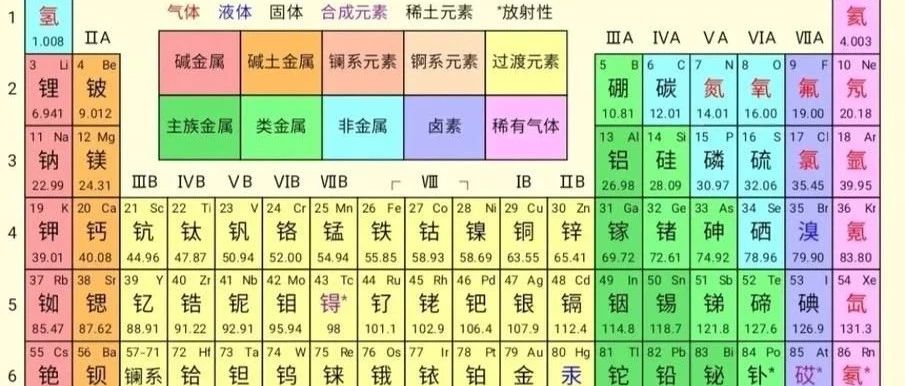
Core Viewpoint - The article emphasizes the critical role of materials in industrial manufacturing, highlighting the challenges and progress in the localization of key materials in China, particularly in the semiconductor sector, amidst global supply chain restructuring and technological competition [2]. Semiconductor Wafer Manufacturing Materials - The global photoresist market is projected to reach approximately $15 billion by 2030, with a domestic market expected to grow to 30 billion RMB. The current domestic localization rate is about 10% [6][11]. - The global silicon wafer market is expected to exceed $20 billion by 2030, with the domestic market projected to reach 50 billion RMB. The current localization rate is around 15% [11][12]. - The global electronic specialty gases market is anticipated to reach $12 billion by 2030, with a domestic market expected to grow to 35 billion RMB. The current localization rate is about 20% [14][15]. - The global target materials market is projected to exceed $20 billion by 2030, with a domestic market expected to reach 40 billion RMB. The current localization rate is around 30% [17][18]. - The global CMP materials market is expected to grow to $4 billion by 2030, with a domestic market projected to reach 7 billion RMB. The current localization rate is about 15% [23][24]. - The global wet electronic chemicals market is projected to reach $9 billion by 2030, with a domestic market expected to grow to 20 billion RMB. The current localization rate is around 35% [27][28]. - The global photomask market is expected to exceed $7 billion by 2030, with a domestic market projected to reach 12 billion RMB. The current localization rate is about 20% [30][31]. - The global GaN materials market is projected to reach $5 billion by 2030, with a domestic market expected to grow to 8 billion RMB. The current localization rate is around 30% [34][35]. - The global SiC materials market is expected to reach $3.5 billion by 2030, with a domestic market projected to grow to 6 billion RMB. The current localization rate is about 25% [36][37]. - The global ALD/CVD precursors market is projected to exceed $3 billion by 2030, with a domestic market expected to reach 6 billion RMB. The current localization rate is around 10% [38][39]. Advanced Packaging Materials - The global high-performance epoxy molding compound market is projected to reach $3.5 billion by 2030, with a domestic market expected to exceed 6 billion RMB. The current localization rate is about 30% [39][40]. - The global chip adhesive market is expected to reach $1.2 billion by 2030, with a domestic market projected to grow to 1.8 billion RMB. The current localization rate is around 25% [40][41]. - The global underfill materials market is projected to reach $3 billion by 2030, with a domestic market expected to exceed 5 billion RMB. The current localization rate is about 25% [42]. - The global thermal interface materials market is expected to exceed $12 billion by 2030, with a domestic market projected to reach 20 billion RMB. The current localization rate is around 35% [44][45]. - The global advanced packaging electroplating materials market is projected to reach $4.5 billion by 2030, with a domestic market expected to exceed 8 billion RMB. The current localization rate is about 15% [46][47]. Semiconductor Components - The global electrostatic chucks market is projected to reach $2.5 billion by 2030, with a domestic market expected to grow to 4 billion RMB. The current localization rate is around 10% [56][57]. - The global quartz products market for semiconductors is expected to reach approximately 40.2 billion RMB by 2030, with a current localization rate of less than 10% [58]. - The global etching silicon components market is projected to reach $2.26 billion by 2030, with a current localization rate of less than 20% [60].