材料汇

Search documents
英伟达GB300引爆100%液冷革命!800亿市场谁与争锋?
材料汇· 2025-08-17 15:23
Core Insights - The upgrade of NVIDIA's architecture is driving the development of liquid cooling, with the GB300 liquid cooling system covering over 80% of high-power components, and the Rubin architecture expected to achieve 100% liquid cooling by 2027 [1][4] - The ASIC cooling segment shows high gross margin potential, with a surge in ASIC chip shipments anticipated in 2026, as major tech companies like Google, Meta, and Amazon plan to release large quantities of ASIC chips [4][5] - The liquid cooling industry is expected to give rise to new industry leaders, with significant growth potential for Chinese companies in this sector due to their strong manufacturing and materials science foundations [5][6] Group 1: Liquid Cooling Development - The GB300 liquid cooling system utilizes a Direct-to-Chip Liquid Cooling (DLC) architecture, allowing for precise thermal conduction by cooling liquid through microchannel cold plates directly attached to high-power components [2][3] - The GPU liquid cooling market is projected to reach 80 billion yuan by 2026, driven by the demand for liquid cooling solutions in high-performance computing environments [3][4] - The first batch of GB300 shipments will still use the Bianca architecture, while future iterations will adopt independent liquid cooling plate designs to enhance cooling efficiency [4][38] Group 2: ASIC Chip Market - ASIC products are primarily designed and developed in collaboration with clients, leading to more flexible pricing and higher gross margins, making them a key focus for future industry growth [4][5] - Google has fully adopted liquid cooling solutions for its TPU clusters, achieving a GW-level operational scale with high availability [4][5] - Major companies are expected to release significant quantities of ASIC chips, with Google projected to ship 1.5 to 2 million TPUs by 2025, and Meta planning to release 1 to 1.5 million high-performance AI ASIC chips between 2025 and 2026 [4][5][56] Group 3: Industry Leaders and Opportunities - Companies like Qiyi Technology and Shuguang Data Creation are positioned to become leaders in the liquid cooling market, with successful deployments and innovative solutions [5][6] - The liquid cooling market is anticipated to expand significantly, with NVIDIA's GB200 and GB300 architectures driving increased adoption and market penetration [4][47] - The integration of liquid cooling solutions in data centers is expected to enhance overall system performance and efficiency, creating new opportunities for growth in the sector [5][6]



1000+深度报告下载:半导体材料/显示材料/新材料能源/新材料等
材料汇· 2025-08-16 15:58
Investment - The article discusses various investment opportunities in new materials, semiconductors, and renewable energy sectors, highlighting the growing demand and technological advancements in these areas [1][3][4]. Semiconductor - The semiconductor industry is emphasized with a focus on materials such as photolithography resins, electronic specialty gases, and silicon wafers, which are critical for chip manufacturing [1][3]. - Key players in the semiconductor space include ASML, TSMC, and SMIC, indicating a competitive landscape with significant investment potential [4]. New Energy - The new energy sector is explored, particularly in lithium batteries, solid-state batteries, and hydrogen energy, showcasing the shift towards sustainable energy solutions [1][3]. - The article notes the importance of materials like silicon-based anodes and composite current collectors in enhancing battery performance [3]. Photovoltaics - The photovoltaic industry is highlighted, focusing on materials such as photovoltaic glass and back sheets, which are essential for solar panel efficiency [1][3]. - The article mentions the increasing adoption of perovskite materials, which could revolutionize solar technology [3]. New Display Technologies - New display technologies like OLED, MiniLED, and MicroLED are discussed, with an emphasis on the materials used, such as optical films and adhesives [3]. - The potential for growth in the display market is linked to advancements in these technologies [3]. Fibers and Composites - The article covers advancements in fiber materials, including carbon fiber and aramid fiber, which are crucial for lightweight and high-strength applications [3]. - The demand for composite materials is expected to rise in various industries, including automotive and aerospace [3]. Notable Companies - The article lists notable companies in the materials sector, including BYD, Huawei, and Tesla, indicating their role in driving innovation and market growth [4]. - The focus on carbon neutrality and lightweight materials is seen as a key trend influencing investment strategies [4].

100种材料重塑产业!中国2025新材料决胜图曝光:半导体突围、固态电池量产、人造血管落地
材料汇· 2025-08-16 15:58
Core Viewpoint - The article emphasizes the significance of new materials in driving innovation across various industries, highlighting a selection of 100 most promising new materials that are reshaping the future [3]. Group 1: New Generation Semiconductor Materials - Silicon Carbide (SiC) substrates are projected to have a global demand of 1.4 million pieces by 2025, with a compound annual growth rate (CAGR) of 30% [12]. - Gallium Nitride (GaN) epitaxial wafers are expected to reach a market size of $3 billion by 2030, with a CAGR of 48% for automotive GaN devices [18]. - Gallium Oxide (β-Ga₂O₃) is anticipated to have a wafer demand of 500,000 pieces by 2030, with a global market value of $19.3 billion and a CAGR of 50.13% [22]. Group 2: New Energy Strategic Materials - Sulfide solid electrolytes (Li₆PS₅Cl) are projected to have a global demand exceeding 80,000 tons by 2030, with a market size of $12 billion and a CAGR of 68% [68]. - Sodium-ion battery cathodes (Fe₄[Fe(CN)₆]₃) are expected to have a demand of 200,000 tons by 2030, with a market size of $5 billion in China [74]. - Perovskite solar cells (FAPbI₃) are projected to reach a global market size of $12 billion by 2030, with a production capacity exceeding 60% from China [77]. Group 3: New Display and Optical Materials - Quantum Dot Light Emitting Diodes (QLED) are expected to reach a market size of $1.8 billion by 2028, with a penetration rate of over 20% in televisions [125]. - Metal Oxide Thin Film Transistors (IGZO) are projected to have a market size of $2.5 billion by 2025, with a 50% penetration rate in high-end panels [127]. - Micro-LED display technology is anticipated to reach a market size of $30 billion by 2030, with an annual growth rate of 80% [130].

从露西的石斧到三体“水滴”:一部300万年材料文明史
材料汇· 2025-08-15 15:39
Core Viewpoint - The article explores the evolution of materials throughout human history, highlighting key materials that have transformed civilization and speculating on future materials that could redefine human capabilities and experiences [2][10]. Group 1: Ancient and Stone Age: The Spark of Material Enlightenment (Approx. 3 million years ago - 3000 BC) - Flint was the first technological breakthrough, providing sharp edges comparable to modern surgical tools, marking the beginning of human capability to manipulate the environment [13]. - Bone needles were essential for creating clothing, enabling human migration and survival in various climates [14]. - Pottery represented a revolutionary storage method, allowing for the stable storage of food and the emergence of early urban civilizations [15]. - Chalcedony symbolized power and social hierarchy, as its rarity and processing difficulty defined social status [16]. Group 2: Industrial Revolution: The Carnival of Material Mass Production (1860s - Mid-19th Century) - The Bessemer converter revolutionized steel production, reducing the time to produce steel from 10 hours to just 10 minutes, significantly impacting railway construction [19]. - Celluloid emerged as a substitute for ivory, leading to innovations in billiard balls and film production, thus transforming entertainment [20]. Group 3: Electrical and Information Revolution: The Material Carriers of the Invisible World (Mid-19th Century - Early 21st Century) - Tungsten filaments provided a durable light source, extending the lifespan of light bulbs from 40 hours to over 1000 hours [23]. - Silicon chips became the cornerstone of the digital age, integrating billions of transistors into compact devices, enabling the modern computing era [24]. - Optical fibers revolutionized communication, allowing for high-speed data transmission over long distances with minimal signal loss [25]. - Aluminum alloys significantly improved aircraft design, enhancing performance and capacity [27]. Group 4: AI Era: The Awakening of Material Intelligence (Early 21st Century - Present) - Graphene, discovered through a simple method, exhibits extraordinary strength and conductivity, leading to innovations in flexible electronics and batteries [32]. - Shape memory alloys, capable of returning to a predetermined shape, are being utilized in medical devices and robotics [33]. - AI-driven material design is accelerating the discovery of new materials, exemplified by the identification of high-temperature superconductors [34][35]. Group 5: Future Materials: Breaking the Boundaries of Imagination (Mid-21st Century - 2300) - Biological steel, derived from genetically modified goats, offers lightweight and biodegradable alternatives for protective gear [39]. - Time crystals, maintaining oscillation even at absolute zero, promise unprecedented precision in timekeeping [40]. - Dark matter composite materials could enable anti-gravity technologies, drastically reducing travel times in space exploration [43]. - Space folding materials could revolutionize transportation, allowing large spacecraft to be compacted for launch and expanded in space [50]. - Biophotovoltaic materials could create self-sustaining buildings that generate energy through photosynthesis [52]. - Memory glass technology could transform architecture and personal devices, allowing surfaces to display information dynamically [55]. - Quantum entanglement materials could eliminate communication delays, enhancing global connectivity [57]. - Black hole composite materials could harness stellar energy, significantly increasing energy efficiency [60]. - Consciousness storage materials could redefine existence, allowing for digital immortality [62]. - Dimension folding materials could enable compact living spaces, revolutionizing urban design [64]. - Antimatter containment materials could facilitate interstellar travel, making distant worlds accessible [67]. - Probability crystals could provide insights into parallel universes, expanding the horizons of scientific inquiry [69].

9.25-26 苏州见!2025先进封装及热管理大会
材料汇· 2025-08-15 15:39
Core Viewpoint - The semiconductor industry is transitioning towards the "beyond Moore" era, driven by the increasing demand for efficient thermal management technologies in emerging fields such as 5G, AI, HPC, and data centers [2] Group 1: Conference Overview - The 2025 Advanced Packaging and Thermal Management Conference will focus on high-performance thermal management challenges, featuring three main forums: Advanced Packaging and Heterogeneous Integration Forum, High-Performance Thermal Management Innovation Forum, and Liquid Cooling Technology and Market Application Forum [3][4] - The conference aims to build a platform for industry-academia-research collaboration, promoting technological integration and providing innovative momentum for the semiconductor supply chain [3] Group 2: Conference Details - The conference is organized by Flink Qiming Chain and supported by the National Third Generation Semiconductor Technology Innovation Center (Suzhou) [4] - Scheduled for September 25-26, 2025, in Suzhou, Jiangsu, the conference expects around 500 participants [3] Group 3: Confirmed Speakers - Notable speakers include Professor Liang Jianbo from the National Third Generation Semiconductor Technology Innovation Center, who will discuss high thermal conductivity interface and packaging technology [7] - Other speakers represent various institutions, including the Chinese Academy of Sciences and universities, covering topics such as photothermal polyimide materials and advanced packaging applications [8][9] Group 4: Forum Topics - The forums will address key topics such as advanced packaging technology routes, cost optimization, and challenges in 2.5D/3D integration [17] - The High-Performance Thermal Management Forum will explore thermal interface materials, high-performance chip thermal management solutions, and the impact of Chiplet technology on thermal management [20][21] Group 5: Liquid Cooling Technology - The Liquid Cooling Technology Forum will discuss innovations and challenges in liquid cooling, including the standardization of cooling fluids and the application of immersion cooling in high-power density scenarios [23][24] - Topics will also cover the lifecycle cost analysis of liquid cooling systems and their integration in data centers and electric vehicles [25]
告别石墨负极?无负极电池突破:能量密度650Wh/kg,宁德比亚迪已布局!
材料汇· 2025-08-14 13:21
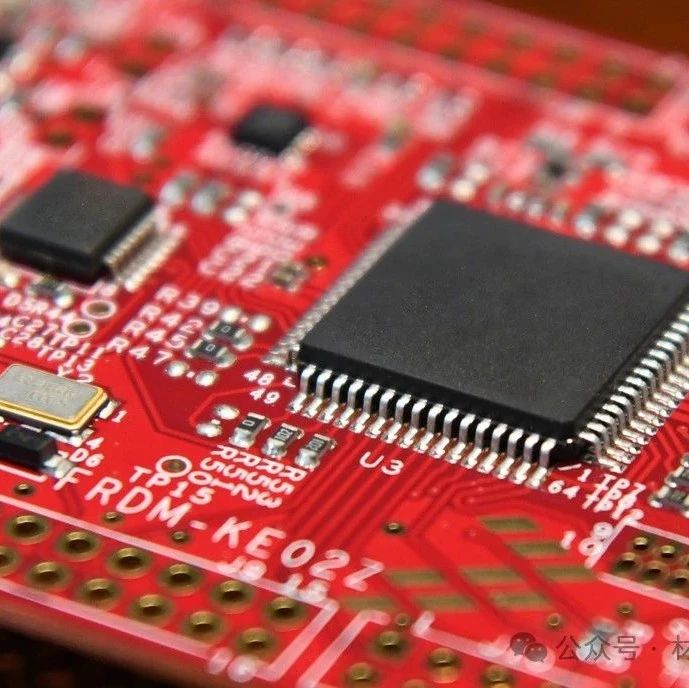
Core Viewpoint - The article discusses the advancements and challenges of anode-free battery technology, highlighting its potential for higher energy density and lower costs compared to traditional lithium-ion batteries. It also addresses the technical issues such as lithium dendrite growth and SEI film instability, along with solutions being explored by companies like CATL and BYD [2][5][9]. Group 1: Advantages of Anode-Free Technology - Anode-free batteries offer higher energy density due to higher discharge voltage and reduced weight and volume, achieving a mass energy density of 650 Wh/kg and a volume energy density of 1300 Wh/L [5][6]. - The technology simplifies the manufacturing process by reducing the need for metallic lithium, thereby lowering overall battery costs [6]. Group 2: Key Challenges - Lithium dendrite formation poses a significant risk, as lithium ions directly deposit on the current collector, leading to uneven growth and potential short circuits [9]. - The instability of the SEI film, which can break and reform during lithium deposition and stripping, consumes active lithium ions and reduces battery capacity [10]. Group 3: Solutions to Challenges - Solutions focus on four main areas: current collector modification, SEI film stabilization, lithium supplementation, and electrolyte optimization [16]. - Modifying current collectors involves creating a three-dimensional structure to enhance surface area and lithium affinity, which helps suppress dendrite growth [17][18]. - Optimizing electrolytes includes using high-concentration solutions to minimize side reactions and potentially employing solid-state electrolytes [16]. Group 4: Industry Progress - CATL announced its "self-generating anode" technology, which improves energy density by 60% in volume and 50% in mass, while enhancing ion conductivity by 100 times and reducing active lithium consumption by 90% [25]. - BYD has patented a porous sponge-like current collector that gradually increases lithium affinity, achieving a porosity of 40-60 wt%, which helps accommodate lithium ions and reduce dendrite formation [30].



90nm只是起点!国产光刻机核心部件拆解与技术详解
材料汇· 2025-08-14 13:21
Core Insights - The report addresses key issues regarding the types and principles of core components in lithography machines, the market potential, ASML's industry collaboration model, and the current status and recommendations for domestic lithography machine components [1]. Investment Logic - Lithography machines are essential for chip manufacturing, directly influencing the miniaturization of chips. Key performance indicators include resolution, depth of focus, overlay accuracy, and yield. The global lithography machine market is projected to reach $29.37 billion by 2025, with specific segments such as illumination and optics, light sources, and stages having estimated market sizes of $4.78 billion, $2.86 billion, and $2.15 billion respectively [2]. - The EUV lithography machine market is expected to reach $9.6 billion by 2025, with its core components also showing significant market potential [2]. ASML's Success Factors - ASML's success is attributed to technological innovation and industry collaboration, with key partners including Zeiss, Cymer, Gigaphoton, and TRUMPF. The company has a global supply chain that enhances its competitive edge [3]. Core Components and Market Barriers - The core components of lithography machines, such as light sources, optics, and stages, represent significant barriers to entry in the industry. The complexity of manufacturing these components contributes to the competitive landscape [2][3]. - The report emphasizes the importance of domestic supply chains in China, particularly in light sources, optics, and stages, which are expected to benefit from government support [3]. Key Indicators of Lithography Machines - The report outlines critical indicators for lithography machines, including resolution, overlay accuracy, yield, and depth of focus. The resolution is determined by the Rayleigh formula, and advancements in technology are necessary to improve these metrics [11][14][36]. - The depth of focus is crucial for accommodating wafer surface irregularities, and improvements in immersion lithography technology have enhanced both resolution and depth of focus [34]. Core Component Analysis - The report details the main components of lithography machines, including light sources, illumination systems, optics, and stages. The collaboration among these components is essential for achieving high imaging quality [42][46]. - The light source is identified as a key factor influencing resolution, with various types of light sources being utilized over the years, including mercury lamps and excimer lasers [52][55]. Conclusion - The lithography machine industry is characterized by high technical barriers and significant market potential, particularly in the context of domestic supply chain development in China. The focus on core components and technological advancements will be critical for future growth and competitiveness in the semiconductor manufacturing sector [3][42].

从硅片到光刻胶:中国半导体材料卡脖子清单与破局者图谱
材料汇· 2025-08-13 15:49
Core Viewpoint - The semiconductor materials industry is crucial for chip manufacturing, encompassing essential materials like silicon wafers, photolithography resins, and electronic gases, which are vital for technological advancement and industry growth [2][4]. Group 1: Semiconductor Materials Overview - Semiconductor materials play a core role in chip manufacturing, ensuring complete functionality and superior performance of chips, which is significant for technological progress [4]. - The industry includes various generations of materials, from the first generation (germanium, silicon) to the third generation (gallium nitride, silicon carbide), each with unique properties and applications [6][10]. Group 2: Market Dynamics - In 2024, the global semiconductor materials market is projected to reach $628 billion, with a year-on-year growth of 19.1% [30]. - Japan holds a significant market share of 52% in the global semiconductor materials market, indicating its strong position and expertise in this field [19]. - China is focusing on increasing the domestic production rate of high-end semiconductor materials to reduce reliance on imports and ensure supply chain security [23][30]. Group 3: Domestic Developments - China's 12-inch silicon wafer domestic production rate is currently below 10%, but companies like Shanghai Silicon Industry and Lian Micro are expanding capacity to increase market share [26][59]. - The domestic market for ArF photolithography resins is even lower, at less than 5%, although companies like Nanda Optoelectronics are making progress in this area [28]. Group 4: Policy and Investment - The National Integrated Circuit Industry Investment Fund has provided 344 billion yuan to support the semiconductor materials industry, driving technological innovation and stability [29]. - The U.S. CHIPS Act allocates $52 billion to enhance domestic semiconductor manufacturing capabilities, aiming to reduce foreign dependency and promote innovation [31]. Group 5: Industry Trends - The semiconductor materials industry is expected to experience accelerated domestic substitution, with a focus on technological breakthroughs and expanding application scenarios [33]. - By 2028, the domestic production rate of third-generation semiconductor materials is anticipated to exceed 50%, indicating a significant shift towards local manufacturing [134]. Group 6: Key Players and Innovations - Major players in the semiconductor materials sector include companies like TCL Technology, North Huachuang, and Sanan Optoelectronics, which are leading in various segments [101][102]. - Innovations in materials such as silicon carbide substrates and advanced packaging technologies are driving the industry's growth and competitiveness [96][100].



从高速覆铜板到HBM:AI如何重塑高端电子填料千亿赛道?
材料汇· 2025-08-13 15:49
Group 1 - The rapid development of AI is driving the demand for high-end electronic-grade functional fillers, particularly spherical silica and spherical alumina, which are core materials for semiconductor electronic powders [2][12][9] - The performance requirements for PCB and CCL are increasing due to higher standards for AI servers, necessitating the use of Very Low Loss or Ultra Low Loss grade copper-clad laminate materials [3][24][21] - The market for high-performance spherical silica is expected to grow significantly, with its market share in the copper-clad laminate sector exceeding 44% in 2021 and projected to expand further [4][30][28] Group 2 - The HBM (High Bandwidth Memory) market is experiencing rapid growth, with projections indicating a rise from $2.7 billion in 2022 to $37.7 billion by 2029, representing a compound annual growth rate (CAGR) of 38% [5][36][34] - Low-α spherical alumina is a critical material for HBM packaging, helping to mitigate soft errors caused by radioactive impurities [5][33][36] - The increasing demand for HBM is expected to drive the need for Low-α spherical alumina, which constitutes over 80% of the weight in granular epoxy encapsulation materials [5][36][33] Group 3 - The market for functional fillers in high-frequency and high-speed copper-clad laminates is projected to grow from 110 million yuan in 2019 to 1.11 billion yuan by 2025, with a compound annual growth rate of 47% [19][18][19] - The demand for epoxy encapsulation materials is also expected to rise, with projections indicating a market size of 181,000 tons by 2025, reflecting a compound annual growth rate of 11.94% [19][18][19] - The increasing complexity of server platforms is leading to a rise in the number of PCB layers, which in turn is driving the demand for high-performance functional fillers [29][26][29] Group 4 - The company Lianrui New Materials is highlighted as a key player in the market, focusing on high-performance silicon micro-powders and expanding its production capacity to meet growing demand [39][41][40] - The company aims to enhance its product offerings in advanced packaging and high-frequency high-speed copper-clad laminates, with a projected revenue of 960 million yuan in 2024, reflecting a year-on-year growth of 34.94% [41][40][41] - The company plans to issue convertible bonds to fund expansion projects for ultra-pure spherical silica and high-thermal conductivity spherical powder materials [41][40][41]


国产高性能纤维突围战:现状、差距与2035战略布局!
材料汇· 2025-08-12 13:45
Core Viewpoint - The high-performance fiber industry is crucial for national defense, aerospace, and emerging strategic industries, with significant growth potential in China due to government support and technological advancements [1]. Group 1: Carbon Fiber - Carbon fiber, with over 90% carbon content, is essential for aerospace and military applications, with usage in military aircraft ranging from 30% to 65% [2]. - In 2020, global carbon fiber demand was 10.6 kilotons, while China's operational capacity was approximately 3.6 kilotons, with an actual production of about 1.8 kilotons, ranking second globally [2]. Group 2: Aramid Fiber - Para-aramid fiber, developed by DuPont, dominates the market with a significant share, while China is emerging as a new market with a growth rate of around 10% [4][27]. - The global para-aramid fiber capacity was 83.7 kilotons in 2020, expected to reach 94.6 kilotons by 2022, with major production concentrated in DuPont, Teijin, and KOLON [4]. Group 3: Other High-Performance Fibers - Meta-aramid fiber, primarily produced by DuPont, accounted for over 50% of global usage in 2017, with a market size of 6.3 billion yuan in 2020, projected to grow to 10.3 billion yuan by 2026 [6]. - UHMWPE fiber, with a global production capacity of approximately 80 kilotons in 2020, is increasingly used in ballistic protection, with 45% of its total production dedicated to this application [9]. - Polyimide fiber is widely used in high-temperature protective clothing, with significant demand in various industries, including metallurgy and nuclear energy [11]. - PPS fiber, with a global market dominated by Japanese companies, has seen advancements in production technology, enhancing its competitive edge in high-temperature filtration applications [13][38]. Group 4: International Development Trends - The U.S., Japan, and Europe hold a significant advantage in high-performance fiber technology, with the U.S. leading in viscose-based carbon fiber and aramid fibers [24][25]. - The global market for high-performance fibers is characterized by oligopolistic competition, with major players like DuPont and Teijin maintaining a dominant position [4][27].