材料汇

Search documents
特种塑料:PEEK及PI在人形机器人的应用(附20页PPT)
材料汇· 2025-06-02 14:33
Group 1 - Specialty plastics are key materials supporting high-end manufacturing, new energy, and aerospace industries, with a global market size of 94 billion yuan in 2022 and a compound annual growth rate (CAGR) of 9.58% from 2018 to 2022 [2][8] - The Chinese specialty engineering plastics market reached 13.5 billion yuan in the same period, accounting for 14% of the global market, but the self-sufficiency rate was only 36% in 2021 [8] - Major types of specialty plastics include polycarbonate, specialty polyamide, polyimide, polyether ether ketone (PEEK), and polysulfone [2][8] Group 2 - PEEK material exhibits excellent high-temperature resistance, chemical corrosion resistance, high strength, rigidity, and good dimensional stability, making it ideal for high-end manufacturing applications, including humanoid robots [3][12] - The long-term usage temperature of PEEK can reach 260°C, with short-term usage temperatures exceeding 300°C, maintaining good mechanical properties even in high-temperature environments [3][9] - PEEK's production involves high barriers due to its complex manufacturing process, which includes multiple steps and requires precise control of temperature and pressure [15][13] Group 3 - PI (polyimide) is recognized for its excellent flame retardancy, electrical insulation, mechanical properties, and chemical stability, making it one of the most promising engineering plastics of the 21st century [4][35] - The global flexible sensor market is projected to reach 6.51 billion USD in 2024, with expectations of explosive demand driven by the rapid development of the robotics industry [4][35] - The supply of high-end polyimide is currently dominated by foreign companies, with domestic manufacturers focusing mainly on lower-end products [44][35] Group 4 - The humanoid robot market in China is estimated to be between 2 to 5 billion yuan, with projections suggesting it could grow to 50 to 500 billion yuan by 2035 [27][28] - PEEK material is expected to replace certain structural components in humanoid robots, with a potential value contribution of approximately 1,367 to 4,102 yuan per robot [25][24] - The competition in the PEEK market is intensifying, with international companies currently leading but domestic firms rapidly advancing in technology and market share [28][31]


【收藏】未来40年新材料发展趋势(附13张PPT)
材料汇· 2025-06-01 14:59
Core Viewpoint - The article emphasizes the importance of sharing knowledge and insights in the field of new materials, including various categories such as metals, polymers, ceramics, carbon, composites, advanced materials, information materials, biomedical materials, energy materials, environmental materials, construction materials, surface engineering, and material analysis [1][2][3][4][5][6][7][8][9][10][11][12][13][14]. Group 1: Metal Materials - The article discusses the significance of metal materials in various applications and industries [1]. Group 2: Polymer Materials - The role of polymer materials in innovation and technology advancements is highlighted [2]. Group 3: Ceramic Materials - Ceramic materials are noted for their unique properties and applications in different sectors [3]. Group 4: Carbon Materials - The article outlines the importance of carbon materials in modern technology and their diverse applications [4]. Group 5: Composite Materials - Composite materials are recognized for their enhanced performance characteristics and versatility [5]. Group 6: Advanced Materials - The significance of advanced materials in driving technological progress is emphasized [6]. Group 7: Information Materials - Information materials are discussed in the context of their role in data storage and processing [7]. Group 8: Biomedical Materials - The article highlights the critical applications of biomedical materials in healthcare and medical devices [9]. Group 9: Energy Materials - Energy materials are noted for their importance in renewable energy technologies [10]. Group 10: Environmental Materials - The role of environmental materials in sustainability and ecological applications is discussed [11]. Group 11: Construction Materials - Construction materials are highlighted for their significance in infrastructure development [12]. Group 12: Surface Engineering - The article discusses the importance of surface engineering in enhancing material performance [13]. Group 13: Material Analysis - Material analysis is emphasized as a crucial aspect of understanding and improving material properties [14].

2025年新材料产业未来趋势展望:技术突破重构产业格局(10000字)
材料汇· 2025-06-01 14:59
目录 1. 产业变革背景:碳中和与第四次工业革命的双重驱动 1.1全球政策加速材料迭代 1.2 技术交叉催生颠覆性突破 2. 六大核心赛道深度解析 点击 最 下方 关注《材料汇》 , 点击"在看"和" "并分享 添加 小编微信 ,遇见 志同道合 的你 写在前面 (文末有惊喜) 一直在路上,所以停下脚步,只在于分享 包括: 新 材料/ 半导体 / 新能源/光伏/显示材料 等 正文 3. 2025年战略聚焦方向 4. 企业突围路径建议 5. 结语:材料革命重塑人类文明 2.1 固态电池材料:电动车革命的终极答案 2.2 超导材料:能源网络与量子计算的基石 2.3 生物基可降解材料:万亿级替代市场启动 2.4 宽禁带半导体材料:5G/6G时代的底层支撑 2.5 智能响应材料:人机交互的新界面 2.6 超材料:重新定义物理规律 3.1 商业化临近临界点的材料 (1)固态电解质 (2)钙钛矿光伏材料 3.2 可能引发产业链重构的技术 (1)分子级自组装材料 (2)氢脆抑制合金 3.3 地缘政治敏感领域 (1)极紫外光刻胶 (2)高纯石英砂 4.1 生态构建:宁德时代"材料 - 电芯 - 回收"闭环体系 4.2 敏捷创新 ...


1000+份行业报告:投资/半导体/新能源/显示/新材料等
材料汇· 2025-05-31 15:00
Group 1 - The article emphasizes the importance of following the "Material Exchange" platform for valuable insights and reports [1][2][3] - It encourages readers to connect with the editor via WeChat for further engagement and access to more materials [2][3] - The editor expresses a personal passion for new materials and invites those with financing needs to reach out [3][5] Group 2 - The article highlights the community aspect of the "Material Exchange," aiming to connect like-minded individuals in the new materials field [4][7] - It suggests sharing the platform with friends and social circles to increase awareness and participation [5][6]

专家报告:新材料发展趋势与创新机制思考
材料汇· 2025-05-31 15:00
点击 最 下方 " 推荐"、"赞 "及" 分享 ","关注"材料汇 添加 小编微信 ,遇见 志同道合 的你 正文 新材料发展趋势与创新机制思考 主讲人:徐坚 博士 深圳大学 化学与环境工程学院/低维材料基因工程研究院 国家新材料领域专家委专家 国家战略性新兴产业专家咨询委员会专家 工信部新材料专家委员会专 国家重点科技计划材料基因专家组专家 中国复合材料学会副理事长 原863计划高性能纤维及复合材料重点专项专家组组长 原国家973计划碳纤维项目首席专家 March.15, 2020 几个什么? 向岸顾: 2 2000-2020中国新材料进展 2015-2020化工新材料现状 3 A 2020-2025中国新材料热点 2020-2045新兴科技国际预测 5 中国新材料发展趋势预测 6 中国新材料发展的瓶颈与挑战 7 4 4 1. 什么是创新? 2. 什么是新材料? 新材料是指通过新思想、新技术、新工 CH 2 PBL 艺、新装备等的应用,使传统对逃性能有明显得高 或产生新功能,或是设计开发出传统材料所不具备 gan 的优异性能和特殊功能的材料。 · 熊彼特:创新是生产要素的新组合。创新是一种经济活动,企业 家是 ...
60页PPT详解固态电池技术路线及产业化进展
材料汇· 2025-05-30 15:35
点击 最 下方 " 推荐"、"赞 "及" 分享 ","关注"材料汇 添加 小编微信 ,遇见 志同道合 的你 正文 1.1 固态电池使用固态电解质替代电解液和隔膜 突破能量密度上限和解决安全隐患,固态电池成为下一代锂电池重要技术路线。传统锂离子电池采用液态电解质, 容易引发安全隐患,同时能量密度的瓶颈为350Wh/kg,无法满足行业更高要求。为解决安全隐患并提高能量密度上 限,全球范围内的科学家都在积极研发固态锂离子电池。 ◆ 固态电池是一种使用固态电解质的电池,用固态电解质替代了传统锂电池的电解液和隔膜。固态电池在高能量密度、 高安全性等方面优势明显,其理论能量密度上限为500+Wh/kg。固态电池的正极可沿用磷酸铁锂、锰酸锂、钴酸锂、 三元等,有望以高镍多元、富锂猛基材料为主;负极的发展初期以硅系负极材料为主,再过渡到纳米硅碳负极,最 后发展到锂金属负极材料;包装材料一般采用铝塑膜。 液态、固态电池结构对比 固态电池发展历程 25wt% 10wt% 5wt% 1wt% 0wt% 电池中液体含量 牆胶 卡图表 准固态 液 全国险 0wt% 5wt% 30wt% 50wt% 80-100wt%负极金属键含量 预 ...



【内部培训】如何构建你的知识体系(新材料篇)?
材料汇· 2025-05-30 15:35
Core Viewpoint - The article emphasizes the importance of building a structured knowledge system to enhance understanding and decision-making in various fields, particularly in investment and industry analysis [8][12][18]. Group 1: Knowledge System Structure - A knowledge system consists of a large number of knowledge points organized in an orderly structure, which helps in identifying patterns and insights [12][18]. - The knowledge pyramid illustrates the hierarchical organization of knowledge, from basic concepts to complex theories [13][15]. Group 2: Steps to Form a Knowledge System - The formation of a knowledge system involves accumulating heuristic knowledge, establishing a knowledge framework, and creating a structured approach to thinking [19][20]. - Key steps include broadening knowledge through diverse sources, deepening understanding by establishing frameworks, and applying structured thinking methods [42][45]. Group 3: Analytical Frameworks - Various analytical frameworks are essential for industry research, including PESTEL analysis, SWOT analysis, and Porter's Five Forces model, which help in understanding external and internal factors affecting industries [57][70][63]. - The industry lifecycle model categorizes industries into stages such as introduction, growth, maturity, and decline, providing insights into market dynamics and investment opportunities [61][62]. Group 4: Practical Applications - The article suggests practical methods for gathering information, such as attending industry conferences, engaging with practitioners, and utilizing reports from financial institutions and consulting firms [46][49]. - It highlights the importance of understanding industry pain points and aligning professional skills to address these challenges effectively [75].

更多报告
材料汇· 2025-05-28 14:44
更多报告可前往 知识星球-材料汇(1000+份报告) ,链接如下: https://t.zsxq.com/WNpPc 或者扫一扫一下二维码 期待-江湖有你 一直在路上,所以停下脚步,只在于分享 1、 记得关注"材料汇" (左下角) ,以可以接收更多 有价值的文章 。 2、记得添加小编微信 (长按 or 扫描下图二维码) ,小编亦是 新材料达人 。还有更多惊喜等着你 (报告下载or审核后入群) 。 (小编微信二维码) 3、 您的支持与鼓励,是小编最大的动力 。请记得 分享给身边朋友or朋友圈, 让更多人关注 材料汇 。 4 、材料汇 是小编的个人业余爱好 , 小编 本职是专注新材料领域投资 ,有 融资需求 朋友欢迎加小编微信 。 感谢看完 小编期待遇见 志同道合的 你!!! ...

光刻机:半导体技术之巅,国产替代空间广阔(附10+报告1000页+)
材料汇· 2025-05-28 14:23
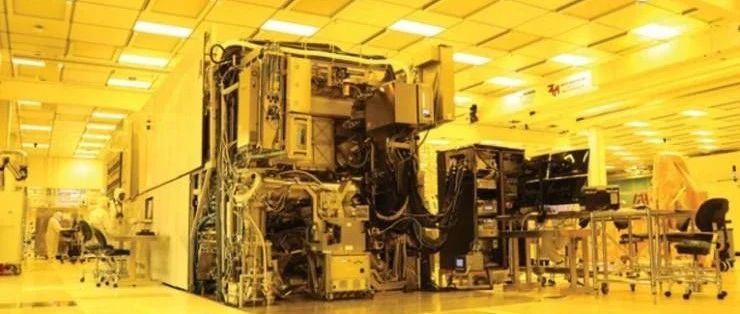
Core Viewpoint - The article emphasizes the critical role of lithography machines in semiconductor manufacturing, highlighting their complexity, high costs, and the significant market opportunities for domestic alternatives in China as the industry seeks to reduce reliance on foreign technology [2][4][5]. Group 1: Lithography Machines Overview - Lithography is the most complex and essential process in integrated circuit manufacturing, accounting for about one-third of manufacturing costs and taking up 40-50% of the time [2]. - The lithography machine consists of multiple subsystems, including optical, mechanical, and control systems, with the optical system being the most critical [3]. - The market for lithography machines is dominated by a few key players, with ASML, Nikon, and Canon holding the majority of market share [3][4]. Group 2: Market Dynamics and Opportunities - The sales of lithography machines in mainland China are projected to reach approximately $8.46 billion in 2024, representing about 36% of ASML's total sales [4]. - The domestic semiconductor equipment market has surpassed 200 billion RMB in 2023, with lithography equipment accounting for over 20% of this market [4]. - There is significant potential for domestic companies to replace imported lithography machines, particularly in i-line and KrF equipment [4][5]. Group 3: Technological Developments - The development of advanced lithography technologies, such as EUV (Extreme Ultraviolet) lithography, is ongoing, with domestic companies making progress in achieving breakthroughs in key technologies [39][40]. - The article notes that while domestic lithography machines have made strides, the overall domestic market still relies heavily on imports, with a current localization rate of only 2.5% [40]. - The advancements in laser sources and optical systems are crucial for improving the resolution and efficiency of lithography machines [41][57]. Group 4: Investment Recommendations - Continuous monitoring of the lithography machine supply chain, particularly in components like light source systems and projection optics, is recommended as the market for high-end lithography machines continues to grow [5]. - The article suggests that achieving breakthroughs in certain categories of lithography machines could open up substantial market opportunities for domestic manufacturers [5].



未来产业:超导材料在可控核聚变的应用及相关企业(附19页PPT)
材料汇· 2025-05-28 14:23
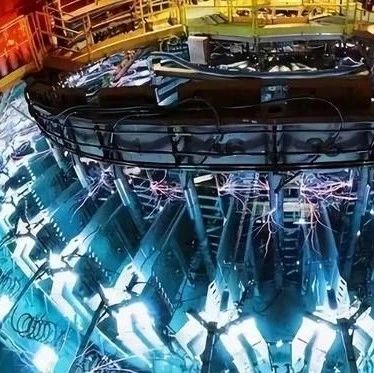
Core Viewpoint - The article emphasizes the significant potential and applications of superconducting materials in various fields, particularly in controlled nuclear fusion, highlighting the advancements in high-temperature superconductors and their role in future energy solutions [2][4][17]. Group 1: Superconducting Materials Overview - Superconducting materials exhibit unique properties such as zero electrical resistance and complete diamagnetism, making them valuable in energy, medical equipment, transportation, quantum computing, defense, and scientific research [2][17]. - The global market for low-temperature superconducting materials currently dominates, accounting for over 90% of the superconducting materials market, while high-temperature superconductors are expected to gain market share as applications like superconducting cables and controlled nuclear fusion develop [2][3]. Group 2: Applications in Controlled Nuclear Fusion - In the ITER project, superconducting magnets account for 28% of the total cost, indicating their critical role in tokamak devices [2][4]. - High-temperature superconductors, such as ReBCO, are anticipated to significantly reduce production costs and have vast commercial prospects, especially in the development of superconducting magnet systems operating above 16T at 4.2K [3][22]. Group 3: Investment Recommendations - The article suggests focusing on companies involved in the supply chain for tokamak devices, including leading firms like Guoguang Electric, Hezhong Intelligent, and Lianchuang Optoelectronics, which are engaged in various components and systems for fusion reactors [4][44]. - Key players in superconducting materials include Yongding Co., Dongfang Tantalum, and Xibu Superconductor, which specialize in high-temperature and low-temperature superconducting materials [4][44]. Group 4: Technological Advancements - The article discusses the advancements in superconducting materials, particularly the transition from low-temperature superconductors to high-temperature superconductors, which can operate in more complex environments and are expected to expand the application range significantly [3][17]. - The SPARC project in the U.S. is highlighted as a leading initiative utilizing high-temperature superconductors to enhance operational efficiency and reduce costs in nuclear fusion applications [35][36]. Group 5: Future Prospects - The article outlines the ongoing development of domestic projects like the "Xinghuo No. 1" hybrid fusion-fission reactor, which aims to achieve continuous power generation and is expected to significantly contribute to sustainable energy development [43][44]. - The BEST project, a compact fusion energy experiment, is also mentioned as a significant step forward in demonstrating fusion energy generation capabilities [42][43].