合成生物学与绿色生物制造

Search documents
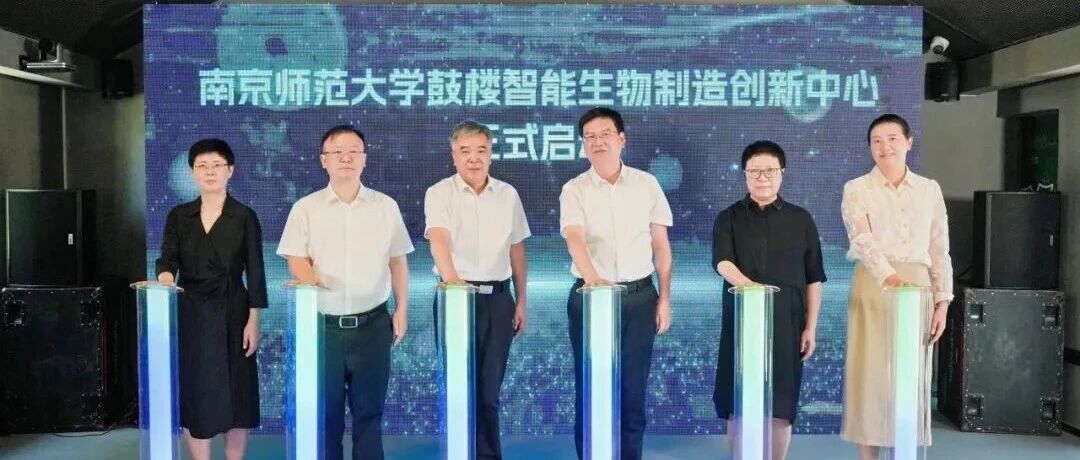
聚焦痛点!黄和院士领衔,南京智能生物制造创新中心启动
合成生物学与绿色生物制造· 2025-09-08 13:21
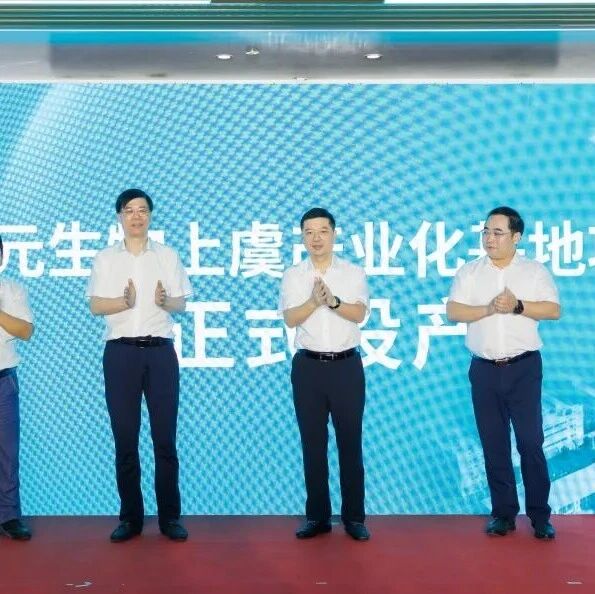
从产业生态搭建来看, 微康益生菌拥有亚洲最大的益生菌菌种研发智能制造基地 ,产品更是获评拜耳制药全球最佳供应商;还成功孵化 益一科技、康科 生物、修喵修勾科技、玖明医疗等企业 ,覆盖医疗健康、膳食营养、宠物健康等细分领域,有效补全鼓楼合成生物产业链条。 SynBio团队 | 黄和院士 【SynBioCon】 获 悉, 近 日,鼓楼区政府与南京师范大学共建的 智能生物制造创新中心 启动仪 式在南京幕府智谷成功举办。 中心以合成生物学底层技术为核心,打造"1+1+N"创新模式,既依托南师大科研平台攻克核心技术,又联动企业推动成果落地,真正破解 "实验室突破 难转化为产业产品"的痛点 。 值得关注的是, 中国工程院院士、 南京师 范大学副校长黄和将担任智能生物制造创新中心管委会主任 。他将带领团队聚焦生物制造前沿领域,依托新 科学与新技术,推动创新中心打造成为合成生物学科研高地,为生命健康产业集群发展提供有力支撑。 仪式现场,黄和院士还为 微康益生菌 、纽邦生物、迪必尔生物工程、北极光等 企业负责人颁发智能生物制造创新中心产业顾问聘书。 此次活动签约的海尔生物、德悦普惠医疗、量准科技等项目,进一步覆盖 细胞库建设 ...

官宣 | 2025(第五届)非粮生物质高值化利用论坛将于11月杭州启程!
合成生物学与绿色生物制造· 2025-09-06 21:02
Core Viewpoint - The article emphasizes the development of non-grain biomass resources for energy and bio-based materials, highlighting the upcoming NFUCon 2025 forum aimed at discussing commercialization paths and technological advancements in this sector [2]. Group 1: Forum Overview - The NFUCon 2025 forum will take place from November 27 to 29, 2025, in Hangzhou, Zhejiang, organized by DT New Materials and the National Key Laboratory of Bio-based Transportation Fuels [2][3]. - The forum will gather industry representatives and experts to explore key areas such as green pretreatment of biomass, non-grain sugars, bio-based chemicals and materials, and biomass energy [2][4]. Group 2: Forum Agenda - The forum will feature a series of specialized sessions, including topics on biomass green pretreatment technologies, non-grain sugars, bio-based chemicals, and non-grain biomass materials [6][9]. - A special focus will be on sustainable aviation fuel (SAF) and the conversion of agricultural residues into valuable energy sources [10]. Group 3: Supporting Institutions - The forum is supported by various academic and research institutions, including Zhejiang University and its associated laboratories, which focus on polymer science, bio-systems engineering, and biomass utilization [4][14]. - The event will also involve participation from enterprises engaged in biomass energy and chemical development, as well as government and association organizations [14]. Group 4: Special Activities - A special activity will be held for showcasing and connecting innovative projects in the biomass utilization field, with a goal of promoting commercialization and industry collaboration [9][10].

精英计划 | 天津工生所张以恒团队博士后招聘启事
合成生物学与绿色生物制造· 2025-09-06 21:02
Core Viewpoint - The article emphasizes the importance of industrial biotechnology in supporting China's sustainable development and innovation in the bio-economy, focusing on key technologies and research areas that can replace fossil resources with renewable carbon resources and enhance industrial processes through modern biotechnology [5][20]. Group 1: Research Focus - The research institute focuses on three strategic themes: replacing fossil resources with renewable carbon resources, using clean biological processing instead of traditional chemical methods, and enhancing industrial levels through modern biotechnology [5]. - Key research areas include industrial protein science and biocatalysis engineering, synthetic biology and microbial manufacturing engineering, and biological systems and bioprocess engineering [5]. Group 2: Team Introduction - Zhang Yiheng, a prominent researcher and doctoral supervisor, leads the Low Carbon Synthesis Engineering Biology National Key Laboratory and has made significant contributions to the field, including the establishment of the in vitro BioTransformation (ivBT) engineering technology system [6]. - Zhang Yuzhen, another researcher, has developed microfluidic technologies for quantitative studies of microbial populations and is working on high-throughput identification techniques for important industrial enzymes [7][8]. Group 3: Recruitment Information - The institute is seeking to hire 2-3 postdoctoral research assistants and 1-2 assistant researchers, with a focus on candidates holding doctoral degrees in microbiology, molecular biology, or enzyme engineering [9][10]. - Competitive salaries and benefits are offered, including social insurance, housing funds, and opportunities for professional development and overseas visits [11][12]. Group 4: Career Development - Postdoctoral researchers can apply for permanent positions with competitive salaries and development opportunities, including potential advancement to senior technical roles based on their research achievements [13][14]. Group 5: Upcoming Events - The article mentions an upcoming forum on non-grain biomass high-value utilization, scheduled for January 27-29, 2025, in Hangzhou, focusing on clean pretreatment of biomass and commercialization of bio-based materials and fuels [20].

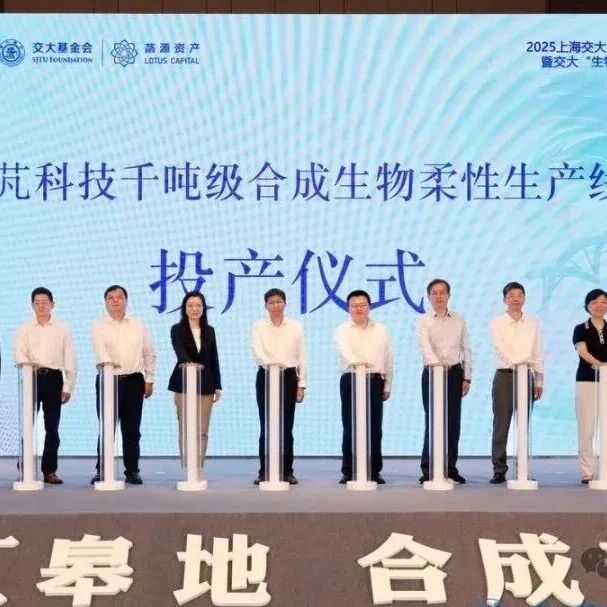
肆芃科技千吨级合成生物柔性生产线顺利落成,加速合成生物制造跨越式发展
合成生物学与绿色生物制造· 2025-09-06 21:02
Core Insights - The article highlights the recent launch of a thousand-ton synthetic biology flexible production line by Siping Technology in Rugao, Jiangsu, marking a significant step in the company's full-chain layout in synthetic biology [2] - Siping Technology aims to become an innovative leader in synthetic biological manufacturing platforms, focusing on high-performance bio-based materials and carbon-negative intelligent manufacturing [2] - The company has partnered with the Tianjin Institute of Industrial Biotechnology to develop bulk bio-based material monomer products using methanol, aiming to reduce reliance on food carbon sources and promote "one-carbon bio-manufacturing" [4] Group 1 - Siping Technology's new production line is a key component in scaling up biological manufacturing technology and aims to lead the industry towards intelligent, non-food, and sustainable development [2] - The product matrix includes carbon-negative new materials, polymer monomers, and high-value-added compounds, with a focus on efficient conversion from laboratory technology to industrial application [2] - The collaboration with the Tianjin Institute is based on shared strategic goals, leveraging the institute's expertise in low-carbon synthetic biology and Siping's advancements in bio-based products [4] Group 2 - The national strategy emphasizes the innovation and development of non-food bio-based materials, utilizing resources like crop straw and bamboo [7] - A forum on high-value utilization of non-food biomass is scheduled for November 2025 in Hangzhou, focusing on clean pretreatment, non-food sugars, chemicals, and biofuels [7]
深圳为合成生物产业立法!这波操作有多“硬核”?
合成生物学与绿色生物制造· 2025-09-06 21:02
Core Viewpoint - The article discusses the recent legislative measures taken by Shenzhen to promote the synthetic biology industry, which is considered a new "golden track" in the context of the third biotechnology revolution. The new regulations aim to support innovation and development in this emerging sector, establishing a comprehensive service support system for synthetic biology enterprises [2][3]. Summary by Sections Legislative Framework - Shenzhen has passed the "Regulations on Promoting the Innovative Development of the Synthetic Biology Industry," which will take effect on October 1. This legislation is a pioneering effort in the field of industrial promotion and aims to address development bottlenecks in the synthetic biology sector [2][3]. Industry Support and Ecosystem - The regulations outline a full-chain service support system for synthetic biology, emphasizing the importance of source innovation for technology transfer. Approximately 40% of new synthetic biology enterprises in China have been established in Shenzhen over the past three years [4]. Product Market Entry - The regulations include measures to shorten the product market entry cycle for synthetic biology products, addressing the challenges of lengthy approval processes. This includes exploring new models for evaluation and technical institutions, as well as promoting the market demand for synthetic biology products through curated lists and procurement facilitation [6][7]. Financial and Spatial Support - The regulations reinforce the need for spatial and financial support for the synthetic biology industry. They prioritize land supply for enterprises and encourage financial institutions to lower financing costs for startups in this sector. Additionally, there are efforts to streamline approval processes and enhance the regulatory environment for synthetic biology enterprises [7].
震元生物上虞基地正式投产!建成全国首个千吨级组氨酸生物合成产业化装置
合成生物学与绿色生物制造· 2025-09-04 01:44
Core Viewpoint - The article highlights the launch of the Zhejiang Zhenyuan Biological Industrialization Base, emphasizing its significance in the synthetic biology sector and its role in promoting high-quality economic development in Shaoxing [3][5]. Company Progress - Zhejiang Zhenyuan officially inaugurated its biological industrialization base on August 30, marking a key milestone in the development of synthetic biology and the production of high-end amino acids [3][5]. - The base is the first in China to feature a thousand-ton-level industrialization facility for the biosynthesis of histidine, showcasing advanced synthetic biology and fermentation engineering technologies [5][6]. - The project has received recognition as a major industrial project in Zhejiang and is part of the national green low-carbon advanced technology demonstration projects [5][6]. Financial Performance - In the first half of 2025, Zhejiang Zhenyuan reported a revenue of 1.283 billion yuan, a decrease of 34.49% year-on-year, while net profit attributable to shareholders increased by 29.27% to 56.26 million yuan [6][7]. - The company’s net profit, excluding non-recurring gains and losses, was 30.12 million yuan, down 20.32% compared to the previous year [6][7]. - The company’s total assets decreased by 13.55% to approximately 2.955 billion yuan, while net assets attributable to shareholders increased by 2.62% [7]. Industry Context - The synthetic biology sector is recognized as a core component of the "third biological technology revolution," with significant support from local government policies and funding exceeding 10 billion yuan [5][6]. - The base aims to replace traditional high-pollution and high-energy consumption processes with green technologies, contributing to the development of a sustainable industrial ecosystem [6][8]. - The project aligns with national strategies for the innovation and development of non-grain biomass materials, focusing on clean energy and material systems [10].

天津工生所在淀粉修饰方面取得新进展
合成生物学与绿色生物制造· 2025-09-04 01:44
Core Viewpoint - The article discusses recent advancements in starch modification through the research conducted by the Tianjin Institute of Industrial Biotechnology, focusing on the enzyme Amylomaltase (AM) and its potential applications in addressing food security and carbon neutrality [5][6]. Group 1: Research Findings - The research team utilized large-scale molecular simulations and quantum mechanics/molecular mechanics (QM/MM) calculations to reveal the complete catalytic cycle of AM, identifying the rate-limiting steps in cycloamyloses (CA) synthesis [6][7]. - The study demonstrated that by strategically adjusting the polysaccharide chain transfer steps, several active mutant variants were obtained, enhancing enzyme performance primarily through reduced substrate transfer affinity [6][7]. - Mass spectrometry confirmed the generation of cycloamyloses with degrees of polymerization ranging from 22 to 61, validating theoretical predictions [6][7]. Group 2: Industrial Implications - The research provides a systematic molecular-level understanding of the biosynthesis process of CA, offering a clear engineering blueprint for the AM family, which could lead to more efficient and specific glycosyltransferases [6][7]. - The findings are significant for the industrial application of starch modification, contributing to the development of biobased materials and energy systems utilizing non-grain resources [9][11]. Group 3: Support and Collaboration - The research was supported by the Chinese Academy of Sciences' strategic pilot technology projects and the Tianjin Synthetic Biology Technology Innovation Capability Enhancement Action [7]. - Collaborations included contributions from various institutions, highlighting the interdisciplinary nature of the research [7].
年产1000吨, 自然堂要建一座合成生物发酵原料工厂?
合成生物学与绿色生物制造· 2025-09-04 01:44
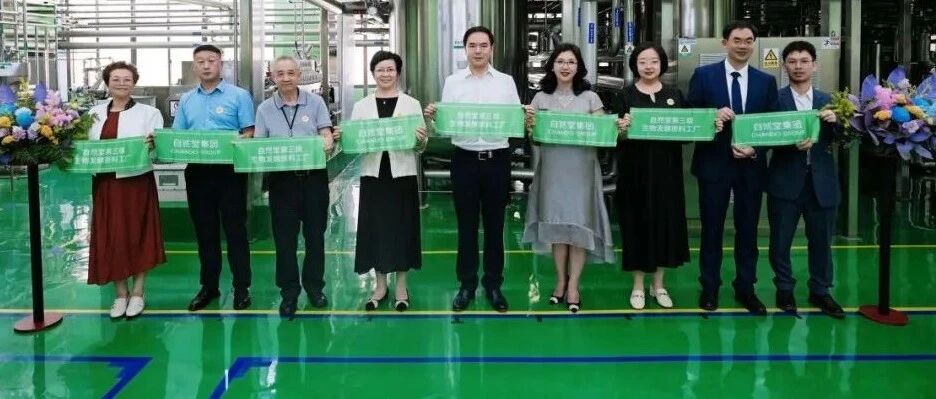
Core Viewpoint - The article highlights the launch of the "Natural Hall Fermentation Factory," which utilizes fifth-generation intelligent fermentation technology to enhance the production of core cosmetic ingredients, marking a significant advancement in the company's R&D capabilities [2][4]. Group 1: Fifth-Generation Fermentation Technology - The fifth-generation fermentation technology integrates microbiology, synthetic biology, data science, and AI, leading to improved strain construction, verification, and industrial efficiency [4][7]. - This technology allows for high-throughput screening of optimal strains and process combinations, significantly enhancing the stability and purity of raw materials while achieving precise enrichment of active ingredients [4][7]. - The factory features two parallel production lines, with a single batch capable of producing 20 tons, resulting in an annual capacity of 1,000 tons, which is a fivefold increase compared to traditional processing methods [4][5]. Group 2: Product Development and Applications - The company has successfully developed key active ingredients such as "Polar Yeast Ximoin®," which promotes basal cell regeneration by 5.91 times and collagen growth by 67.68%, demonstrating clear efficacy and market leadership [4][5]. - The ingredient has been incorporated into several products, including the "Natural Hall Little Purple Bottle" series and "Extreme Essence" [5]. - The fermentation team has identified 622 strains of unique Himalayan microorganisms, leading to the development of five types of polar yeast and lactic acid bacteria ingredients, which are used in nearly 20 popular products [5]. Group 3: Industry Context and Future Directions - The article mentions national initiatives aimed at promoting the innovation and development of non-grain bio-based materials, focusing on utilizing resources like straw and bamboo [9]. - An upcoming forum in 2025 will gather industry representatives and experts to discuss advancements in biomass clean pretreatment, non-grain sugars, and biofuels, contributing to the dual carbon goals [9].
日本三大化工巨头联手,成立新公司!
合成生物学与绿色生物制造· 2025-09-03 00:56
Core Viewpoint - The collaboration among Asahi Kasei, Mitsui Chemicals, and Mitsubishi Chemical aims to establish a limited liability partnership, Setouchi Ethylene LLP, focusing on carbon reduction technologies and capacity optimization in ethylene production facilities in western Japan, with a goal of achieving a green transition by 2030 [2][5]. Group 1: Ethylene Production and Carbon Emissions - Ethylene is one of the largest chemical products globally, with its production process accounting for 1.8% of global industrial emissions, primarily due to high-temperature energy consumption in steam cracking furnaces [5]. - Japan, as the third-largest ethylene producer, has an annual capacity of approximately 10 million tons, but its carbon intensity is 20%-30% higher than that of Europe and the U.S. [5]. - The Japanese Ministry of Economy, Trade and Industry (METI) plans to achieve a 40% reduction in emissions from the chemical industry by 2030, making the stability, greening, and efficiency optimization of ethylene production crucial for the development of downstream engineering plastics [5]. Group 2: Strategies for Green Transition - The three companies have been discussing specific measures to promote carbon neutrality in ethylene production facilities since last year, focusing on transitioning raw materials from traditional petroleum resources to biomass-based materials and introducing low-carbon fuels [6]. - They plan to optimize production frameworks, including potential capacity reductions for more efficient resource utilization, and have agreed that forming the LLP is the best way to deepen cooperation and accelerate their goals [6]. - Asahi Kasei has developed a "lignin cracking technology" that can convert paper waste and other biomass into ethylene feedstock, which can replace some petroleum-based raw materials. Pilot data shows that with a biomass ratio of 20%, carbon emissions can be reduced by 35%, and costs are 15% lower than traditional bioethanol routes [6]. Group 3: Differences Between Bio-based Olefins and Traditional Ethylene - Bio-based ethylene opens a new pathway for ethylene production, sourced from renewable biomass resources such as agricultural and forestry waste, through a series of biological and chemical conversion processes [7]. - The carbon emissions from bio-based ethylene production are significantly lower, with CO2 emissions ranging from 0.8 to 1.2 kg CO2 per kg of product, representing a 60% reduction compared to petrochemical routes [7]. - However, challenges remain in terms of cost competitiveness, with raw material costs accounting for 60%-70% of total costs, and higher energy consumption compared to petrochemical processes [7]. Group 4: Industry Movements and Innovations - Major companies like Braskem, BASF, and New Energy Blue are pursuing bio-based ethylene as a key focus area in the context of low-carbon sustainability [7]. - Braskem, the sixth-largest petrochemical company globally, has been producing bio-based polyethylene since 2010 and is expanding its bio-based ethylene production capacity in Brazil [8]. - In China, Sinopec has made significant strides in bio-based polyethylene, successfully launching its first bio-based product in September 2024, with an initial production of 2,500 tons [10].
标准 |《生物燃料乙醇》,《生物燃料制备用秸秆糖化发酵技术规范》等两项团标发布!
合成生物学与绿色生物制造· 2025-09-02 02:48
Core Points - The article discusses the recent release of two group standards related to biofuels: T/CITS 506-2025 for biofuel ethanol and T/CIET 1606-2025 for straw saccharification and fermentation technology [2][5]. Group 1: Biofuel Ethanol Standard - The standard T/CITS 506-2025 outlines the technical requirements, testing methods, inspection rules, labeling, packaging, transportation, and storage for biofuel ethanol [3][5]. - It is applicable to ethanol produced from biomass and carbon-containing industrial waste gases through fermentation [3][5]. - Key drafting organizations include Sinopec (Dalian) Petrochemical Research Institute, Wuhan Ruijia Kang Biotechnology Co., Ltd., Shandong University, and others [2][3]. Group 2: Straw Saccharification and Fermentation Standard - The standard T/CIET 1606-2025 specifies the basic requirements, process flow, process control and monitoring, quality control, and safety and environmental requirements for straw saccharification and fermentation for biofuel preparation [5]. - This standard is intended for the production of alcohol-based biofuels from straw [5]. - Major drafting units include Wuhan Ruijia Kang Biotechnology Co., Ltd., Shandong University, and the Chinese Academy of Sciences Tianjin Institute of Industrial Biotechnology [4][5]. Group 3: Industry Context - The article highlights the national initiatives aimed at promoting the innovative development of non-grain bio-based materials, focusing on the utilization of agricultural residues like straw and bamboo [6]. - An upcoming forum, NFUCon 2025, will be held in Hangzhou, Zhejiang, from January 27-29, 2025, focusing on the clean pretreatment of biomass, non-grain sugars, chemicals, materials, bio-methanol, fuel ethanol, and SAF [6].