经济观察报

Search documents
为外卖行业划定合规竞争“红线”
经济观察报· 2025-09-25 10:26
Core Viewpoint - The essence of the food delivery industry is service rather than capital games, and the industry will mature when rules replace chaos and responsibility outweighs scale [1]. Group 1: Regulatory Changes - On September 24, the State Administration for Market Regulation released a draft for public consultation on the basic requirements for food delivery platform services, marking the end of over a decade of "land grab" in China's food delivery industry and the beginning of a new phase focused on compliance, responsibility, and sustainability [2]. - The new regulations aim to address issues such as platform fee transparency, merchant profit calculations, and the forced sharing of promotional costs, thereby preventing platforms from shifting costs onto merchants [3]. Group 2: Merchant and Rider Protections - The new regulations strengthen the merchant entry review process, requiring real certificates and on-site store information, and introducing video verification to eliminate "ghost deliveries," thus protecting food safety and supporting compliant small merchants [4]. - A new mechanism for order control will be implemented to monitor merchant load and alert consumers when merchants are busy, establishing a buffer between merchant capacity, consumer experience, and platform responsibility [4]. - The regulations also provide systematic protections for riders, including limits on continuous order acceptance and ensuring compensation matches task intensity, marking a shift from an "efficiency-first" algorithm to one that balances safety and fairness [4]. Group 3: Future Industry Outlook - The previous model of burning cash for market share is no longer sustainable; future competition will focus on refined operations, algorithm ethics, and balancing the interests of all parties involved [5]. - The new regulations are not constraints but rather a starting signal for a new competitive landscape, emphasizing that the essence of food delivery is service, and the industry will mature when rules replace chaos and responsibility outweighs scale [5].


福特在华渠道“二合一”,如何“收编”福特纵横成关键
经济观察报· 2025-09-25 10:26
Core Viewpoint - Ford is restructuring its sales channels in China by establishing a wholly-owned subsidiary, Ford Sales Service Company, to manage marketing, sales, and service for its passenger cars and pickup trucks in the Chinese market, marking a significant shift in its operational strategy [2][5]. Group 1: Company Restructuring - On September 23, Ford China announced the establishment of Ford Sales Service Company, which will officially start operations on October 1 [2]. - Chen Xiaobo has been appointed as the president of Ford Sales Service Company, previously holding key positions in Changan Ford and other marketing roles [2]. - The new company will unify the sales of Changan Ford, Ford imported vehicles, and Jiangling Ford, which includes models like Changan Ford Edge and Explorer, as well as Jiangling Ford's Lingrui and F-150 Raptor [3][4]. Group 2: Financial Performance and Challenges - Jiangling Ford Technology Company has been operating at a loss since its inception, with revenues of 1.24 million, 6.43 million, and 53.23 million from 2022 to 2024, and net losses of 1.06 million, 8.39 million, and 6.77 million respectively, totaling approximately 16.22 million in losses over three years [4]. - As of mid-2023, Jiangling Ford Technology Company reported total assets of about 875 million and a negative net asset of 1.42 billion [4]. Group 3: Strategic Implications - The establishment of Ford Sales Service Company aligns with CEO Jim Farley's strategy to reduce investment in China and focus on high-return businesses, indicating a strategic retreat in the Chinese market [5]. - The integration of sales channels is seen as a necessary step to streamline operations and improve profitability, as the previous fragmented sales structure was no longer suitable for Ford's strategy in China [4][5].


“9·24”一周年,还会有新的增量政策吗
经济观察报· 2025-09-24 15:11
Core Viewpoint - The article discusses the potential for a new round of "924" policies in response to slowing consumption and investment growth, as well as increased volatility in real estate prices in certain cities as of the second half of 2025 [1][7]. Group 1: Review of "924" Policy - The "924" policy, introduced on September 24, 2024, marked a significant shift in China's economic policy from "prudent" to "moderately loose" [3][9]. - The policy included a series of measures such as interest rate cuts, reserve requirement ratio reductions, and innovative monetary policy tools aimed at stabilizing growth, promoting consumption, and restoring property and stock market stability [5][12]. - The implementation of the "924" policy led to a notable increase in the Shanghai Composite Index, which rose over 1,000 points within a year [4][5]. Group 2: Economic Conditions and Challenges - By the second half of 2025, consumption and investment growth began to slow, with some cities experiencing increased fluctuations in real estate prices, prompting questions about the need for new policies [7][17]. - Economic indicators showed a decline in retail sales growth to 3.4% year-on-year in August 2025, and fixed asset investment growth was only 0.5% for the first eight months of the year, with real estate investment down by 12.9% [16][17]. - The challenges faced include the diminishing marginal effects of previous policies and the need for more targeted measures to address unresolved issues from earlier interventions [17][18]. Group 3: Future Policy Directions - Experts suggest that new incremental policies will likely be introduced, with a focus on addressing specific economic challenges rather than replicating the "924" policy [18][19]. - Recommendations for future policies include expanding subsidies for service consumption, directly providing cash or digital currency to low-income groups, and reinitiating policy financial tools to support local project capital [18][19]. - There is a call for a more coordinated approach between monetary and fiscal policies to enhance the effectiveness of future interventions and improve the overall economic environment [19].

浅议张亚中的两岸和平备忘录
经济观察报· 2025-09-24 15:11
Core Viewpoint - The article discusses the performance of Zhang Yazhong in the Kuomintang (KMT) chairmanship election, highlighting his clear stance on the "1992 Consensus" and his proposals for cross-strait relations, including a draft for a "Cross-Strait Peace Memorandum" [3][4][5]. Group 1: Zhang Yazhong's Position and Proposals - Zhang Yazhong accurately explained the essence of the "1992 Consensus," emphasizing the principles of one China and the pursuit of unification [4]. - He criticized other KMT leaders for their secretive political maneuvers, challenging the long-standing "jar culture" within the party [5]. - Zhang proposed to restore the "National Unification Guidelines" and negotiate with the mainland to sign a "Cross-Strait Peace Memorandum" if elected [5]. Group 2: Content of the "Cross-Strait Peace Memorandum" - The draft memorandum emphasizes peace as the highest value and the need to end the current hostile state between the two sides [8]. - It recognizes the shared identity of the Chinese nation and the importance of mutual respect and equality in future relations [10][12]. - The memorandum includes commitments to not use force, promote integration, and establish representative offices after signing a peace agreement [13][15]. Group 3: Reactions and Critiques - The memorandum has received limited attention in Taiwan, with both pro-independence and pro-unification factions expressing dissatisfaction [17]. - Critics argue that the memorandum lacks references to the "Republic of China" and "Three Principles of the People," suggesting it may be an attempt by the KMT to impose its agenda on the Taiwanese people [17]. - There are concerns that the core content of the memorandum resembles the pro-independence stance of "two countries theory," indicating a significant gap from the mainland's "one country, two systems" approach [18]. Group 4: Suggestions for Revision - The article suggests that Zhang should revise the memorandum to explicitly state "Peaceful Unification Memorandum" and prioritize the "1992 Consensus" [19][20]. - It recommends adjusting the content to align with the spirit of the "1992 Consensus" to clarify the KMT's position on unification [21].
从丰收节看中国农业转型升级
经济观察报· 2025-09-24 15:11
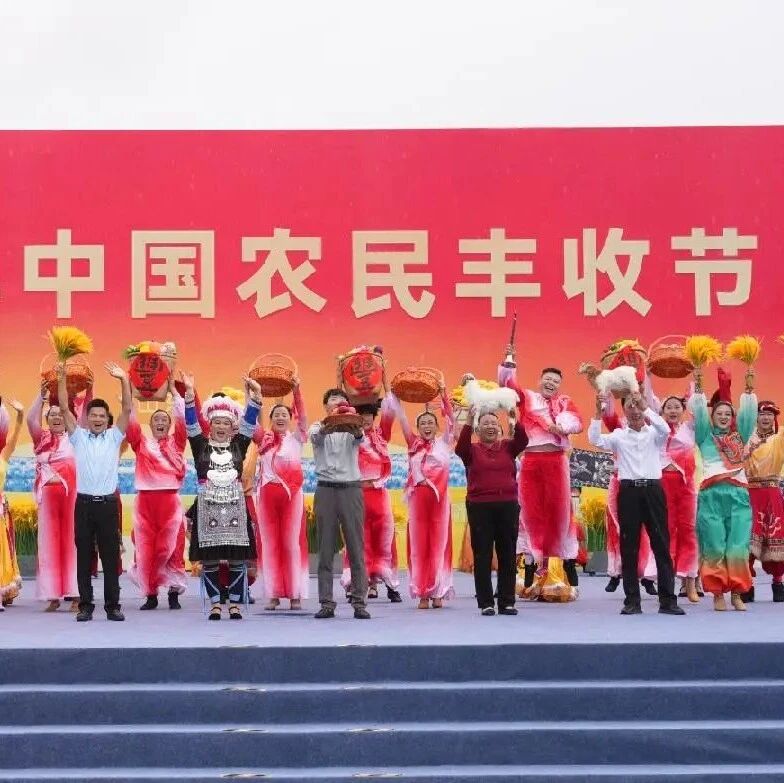
Core Viewpoint - The Harvest Festival serves not only as a celebration of agricultural abundance but also as a crucial opportunity to promote the integration of the entire agricultural industry chain, facilitate production and sales connections, and invigorate rural vitality through resource sharing and technological collaboration, ultimately aiding China's agriculture in achieving high-quality and sustainable development [2][3]. Agricultural Achievements - The 2024 grain production in China is projected to exceed 1.4 trillion jin, an increase of 74 billion jin compared to 2020, ensuring food security for 1.4 billion people [2]. - The per capita grain availability in China has reached 500 kg, achieving basic self-sufficiency in grains and absolute safety in staple food [2]. Industry Transformation - The concept of "harvest" has evolved beyond mere yield to encompass value-added production through high-quality seeds and deep processing, emphasizing a shift from scale-based growth to value-based development [3]. - The transformation reflects an increase in farmers' income and the resilience of the agricultural industry [3]. Seed Industry Innovations - The seed industry is undergoing a "seed revolution," with advancements in both plant and animal breeding, such as the domestically bred "Guangming No. 2" white feather chicken, which has broken the reliance on imported breeds [6][7]. - The "Guangming No. 2" chicken can reach a weight of 3 kg in 42 days, showcasing superior performance compared to imported varieties [7]. Deep Processing and Value Addition - Companies are focusing on deep processing to stabilize income and enhance the value of agricultural products, as seen with the Yantai Boshida Group's apple products [10]. - The comprehensive utilization of products, such as the processing of "Chinese First Pomelo" into juice and essential oils, has significantly increased the economic returns for farmers [11]. E-commerce and Modernization - The integration of e-commerce with agriculture is evident, with the national agricultural product online retail sales expected to exceed 630 billion yuan in 2024, reflecting a 15.8% year-on-year growth [12]. - The deep processing of agricultural products has transitioned from isolated efforts to collective development, with major agricultural provinces forming billion-level processing clusters [12]. Smart Agriculture - The introduction of modern agricultural machinery, such as the DJI T100 agricultural drone, demonstrates the potential for efficiency improvements, achieving up to 600 acres of spraying per day, which is 40 times more efficient than manual labor [14]. - Innovations like apple-picking robots and smart beehives are addressing labor shortages and enhancing productivity in agriculture [16][17]. Conclusion - The Harvest Festival has become a vital platform for showcasing the transformation and modernization of China's agriculture, emphasizing the importance of innovation, deep processing, and smart technology in driving the industry forward [4][13].
锅圈苗苗食品 一锅酸汤走出贵州大山
经济观察报· 2025-09-24 15:11
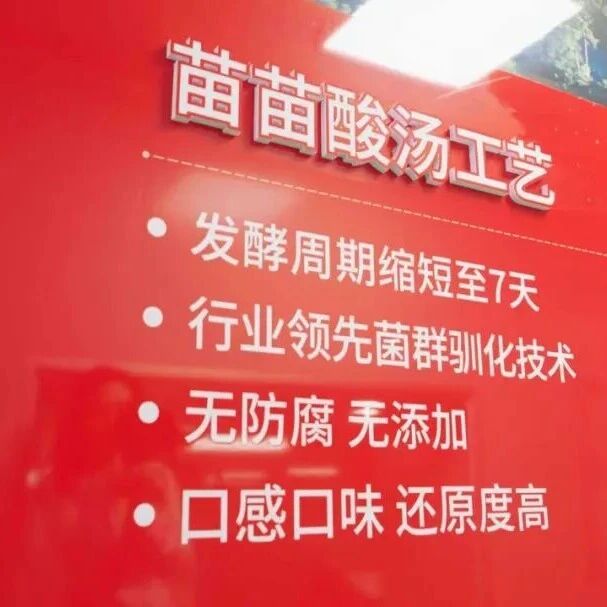
Core Viewpoint - Guizhou's sour soup, a traditional flavor, is undergoing modernization and industrialization, supported by government, enterprises, and research institutions, becoming a model for rural revitalization and food industry integration [1][2][15]. Summary by Sections Traditional Flavor and Cultural Significance - Sour soup, a traditional flavor from the Yunnan-Guizhou region, is closely linked to Miao culture and is made from local ingredients like "hairy spicy fruit" tomatoes and Erjing Tiao peppers [2]. - The sour soup fish-making technique was recognized as a national intangible cultural heritage in 2021, highlighting its cultural importance [2]. Industrialization and Technological Support - In 2024, a modern factory for sour soup production will be established in Taijiang County, supported by local government and the Chinese Academy of Agricultural Sciences [2]. - The factory, covering approximately 20,000 square meters, will utilize modern production lines to enhance efficiency and product quality [2]. Economic Impact on Local Farmers - The introduction of the Miaomiao Food factory has increased the local demand for peppers, with the factory purchasing them at 2.2 yuan per kilogram, higher than the market price [4][6]. - The area for planting raw materials has expanded from 8,000 mu to 50,000 mu, benefiting 85% of low-income families through various income sources [7]. Supply Chain and Employment Opportunities - The factory has created nearly 100 jobs, with a significant portion going to local women, and has increased the average annual income of local farmers by 4,800 yuan [11]. - The local agricultural service center is encouraging larger farmers to support smaller ones, fostering a cooperative farming environment [7]. Technological Advancements in Production - Researchers have developed a second-generation composite fermentation agent, reducing the fermentation period from 3-24 months to just 7 days, while maintaining the traditional flavor [10][11]. - The factory's production line has an annual capacity of 12,000 tons, with plans to expand to over 40,000 tons [11]. Market Potential and Growth - The sour soup market is rapidly growing, with over 8,700 restaurants featuring "sour soup" in their names, and a growth rate of over 40% in related establishments from 2023 to 2024 [6][14]. - The total investment in 16 sour soup-related projects in Taijiang County is 2.418 billion yuan, indicating strong market confidence and potential for further development [13]. Strategic Partnerships and Future Plans - Miaomiao Food is part of a broader strategy by Guoquan Food to integrate agricultural production, processing, and market expansion, creating a comprehensive supply chain [14]. - The success of the sour soup project is seen as a replicable model for modernizing other traditional fermented foods, such as pickles and soy milk [14][15].
多家银行下调美元定存利率 这些银行利率仍达3.9%以上
经济观察报· 2025-09-24 14:46
Core Viewpoint - The article discusses the recent adjustments in the USD fixed deposit rates by mainland banks following the Federal Reserve's decision to lower interest rates, indicating a trend of decreasing rates across various banks in China [2][5]. Group 1: Mainland Bank Adjustments - Following the Federal Reserve's rate cut on September 17, 2025, many local banks in mainland China have begun to lower their USD fixed deposit rates, which previously exceeded 4% [2]. - On September 23, Huashang Bank reduced its USD fixed deposit rates by 25 basis points, with new rates for 1-month, 3-month, and 6-month deposits set at 3.75%, 3.85%, and 3.90% respectively [2]. - Xi'an Bank is also expected to lower its rates around September 28, with rates for various terms dropping from 3.6%-4.3% to 3.2%-3.98% [3]. Group 2: Customer Strategies - Customers are advised to lock in their deposits before the rates drop further, as indicated by bank representatives [3][4]. - A customer named Chen Li was informed about significant rate cuts at Guangdong Huaxing Bank before they occurred, prompting her to secure her deposits at higher rates [5]. - Chen Li's experience highlights the importance of timing in securing favorable deposit rates, as she managed to deposit before the rates fell below 4% [6]. Group 3: Hong Kong Market Comparison - In contrast to mainland banks, many Hong Kong banks still offer attractive USD fixed deposit rates above 3%, with some promotional rates reaching as high as 5.09% for new funds [9][10]. - A virtual bank in Hong Kong launched a promotional campaign offering a 3-month USD fixed deposit at 5.09%, which attracted significant customer interest [9]. - Major banks in Hong Kong, such as HSBC and Bank of China Hong Kong, have maintained their rates around 3.5%-3.7% despite the Federal Reserve's rate cut [11].



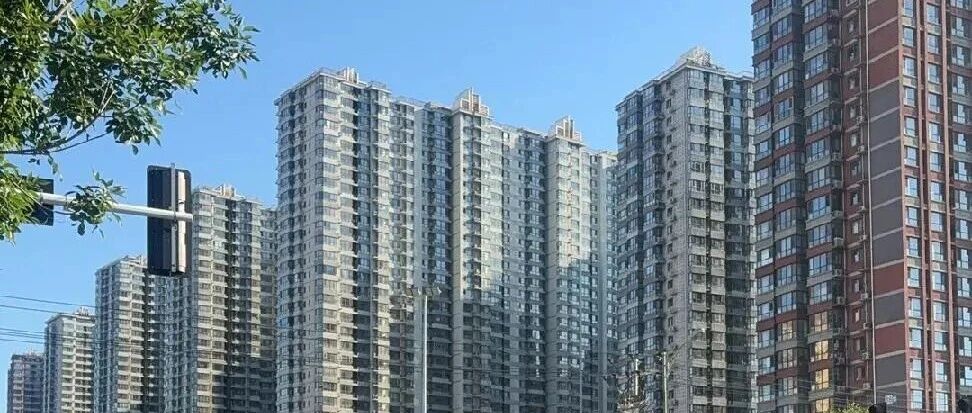
天恒集团处置上百套房产 总价超3.3亿元
经济观察报· 2025-09-24 14:34
Core Viewpoint - Tianheng Group is selling 111 properties in Beijing with a total minimum transfer price exceeding 330 million yuan, primarily to optimize asset structure and alleviate liquidity pressure due to a shift in business focus towards urban renewal [2][4][7]. Group 1: Property Sale Details - The properties for sale range from 1.06 million yuan to 13.97 million yuan, with a total minimum transfer price of over 330 million yuan [2][4]. - Among the 111 properties, three have a minimum transfer price exceeding 10 million yuan, all located in Beijing's Xicheng District [4]. - The majority of the properties are residential, with 59 units priced below 2 million yuan, primarily from Tianheng Lehuo City in Fangshan District [4][5]. Group 2: Financial Performance - In the first half of 2025, Tianheng Group reported revenue of 670 million yuan, a year-on-year decline of 13.4%, with a peak revenue of 13.2 billion yuan in 2021 [7]. - The net profit attributable to shareholders for the first half of 2025 was -390 million yuan, a nearly 40% decrease year-on-year, following a loss of 5.07 billion yuan in 2024 [7][8]. - The company has experienced continuous net cash outflows from operating activities over the past three years, with a net outflow of 720 million yuan in the first half of 2025 [7]. Group 3: Business Transformation - Tianheng Group is transitioning from real estate development to urban renewal, with significant capital investment and limited new project contributions to cash flow [8][10]. - The company has no remaining land reserves or new first-level development projects, indicating a shift in focus towards urban renewal projects [11][12]. - Urban renewal projects, while having long investment cycles and slow returns, are expected to provide stable income once they reach the return phase, with the "Million Garden" project anticipated to launch in October [12].
千亿资金“竞逐”中尺寸IT面板
经济观察报· 2025-09-24 12:20
Core Viewpoint - The Chinese display panel industry has seen significant investments in the 8.6-generation OLED production lines, totaling approximately 150 billion yuan, driven by the demand for high-end IT panels such as laptops and tablets [2][5][10]. Investment Landscape - Major players like BOE, Visionox, and TCL Huaxing are heavily investing in the 8.6-generation OLED production lines, with investments of 630 billion yuan, 550 billion yuan, and 295 billion yuan respectively [2][3]. - TCL Huaxing's recent announcement of a 295 billion yuan investment contrasts with its previous statement indicating no plans for new 8.6-generation lines [2][3]. Technology Choices - Companies are adopting different technological routes: BOE and Samsung Display are focusing on the mature "evaporation" process, while TCL Huaxing is investing in the "printing" process, and Visionox is pursuing its proprietary "ViP" technology [3][18][20]. - The 8.6-generation line's larger glass substrate size (2290mm x 2620mm) allows for more efficient cutting of mid-size IT panels compared to the previous 6-generation lines [5][6]. Market Dynamics - The shift from LCD to OLED in the high-end IT market was catalyzed by Apple's launch of the OLED iPad Pro, prompting manufacturers to invest heavily in OLED technology [7][10]. - Despite initial optimism, LG Display has expressed caution regarding the demand for 8.6-generation OLEDs, delaying its investment plans until 2026 due to market uncertainties [9][21]. Competitive Strategies - Companies are adopting different strategies based on their financial health and market outlook: - BOE and Samsung Display are betting on established technologies for certainty and speed [15]. - TCL Huaxing and Visionox are seeking to leverage new technologies for cost advantages [18][20]. - Deepinma and LG Display are focusing on maintaining profitability in existing operations while cautiously evaluating new investments [21][22]. Financial Performance - As of mid-2025, major Chinese panel manufacturers reported improved financial results, with BOE achieving a revenue of 101.28 billion yuan, a year-on-year increase of 8.45% [13]. - In contrast, LG Display faced a complex financial situation, with a slight revenue decline despite a significant reduction in losses [13][21]. Conclusion - The competition in the mid-size IT panel market is intensifying, with various companies pursuing distinct paths based on their assessments of technology, market potential, and financial stability [22].



以云迹科技冲刺港股之路,看具身智能的资本热潮
经济观察报· 2025-09-24 09:30
Core Viewpoint - The article discusses the significant advancements and potential of Yunji Technology in the field of embodied intelligent robots, highlighting its upcoming IPO and its position as a leader in the market [2][4][39]. Group 1: Company Overview - Yunji Technology submitted its IPO application to the Hong Kong Stock Exchange in March, becoming the sixth specialized technology company to do so under Chapter 18C of the Listing Rules [4]. - The company has updated its prospectus and recently passed the IPO filing, bringing it closer to listing on the Hong Kong Stock Exchange [4][39]. - Founded in 2014, Yunji Technology has established itself as a leader in the global hotel service robot market, with its products deployed in over 34,000 hotels, hospitals, factories, and other venues worldwide [6][9]. Group 2: Market Position and Performance - In 2024, Yunji Technology is projected to hold a 13.9% market share in the Chinese hotel service robot market, ranking first, while the combined market share of the next four competitors is only 13.5% [9]. - The company has achieved a coverage rate of 99% across 331 of China's 333 prefecture-level administrative regions [10]. - Yunji Technology has received over 1.2 billion yuan in total funding since its inception, with a post-D round valuation of 4.08 billion yuan [11]. Group 3: Financial Growth and Revenue Streams - The company reported an 18.9% revenue growth in the first five months of 2025 compared to the same period last year, driven by stable hotel scene income and expansion into other sectors [17]. - The revenue from its HDOS (intelligent agent application) business saw a remarkable growth rate of 194.2% in the same period, indicating the emergence of a high-margin second revenue stream [20]. - Yunji Technology's gross margin has improved significantly, with comprehensive gross margins increasing from 24.3% in 2022 to 43.5% in 2024 [25]. Group 4: Technological Advancements - The company has invested heavily in R&D, with 57.4 million yuan allocated in 2024, representing 23.4% of total revenue [24]. - Yunji Technology has developed a new generation of robots, the UP series, which can use tools, understand task distribution, and collaborate in groups [21][22]. - The company is recognized as one of the first to launch a fully autonomous closed-loop learning system for service intelligent agents, enhancing its technological capabilities [22]. Group 5: Market Expansion and Future Prospects - Yunji Technology is focusing on expanding into international markets, particularly in developed regions and emerging markets, to capitalize on the growing demand for robots in various sectors [35][36]. - The company is also integrating its robots into delivery systems to reduce reliance on human labor and improve delivery efficiency [37]. - The overall market for humanoid robots is expected to grow significantly, with projections indicating a market size of 2.03 billion USD in 2024, reaching 13.25 billion USD by 2029 [32].