傅里叶的猫

Search documents
电力出海--燃气轮机和HRSG
傅里叶的猫· 2025-12-03 03:39
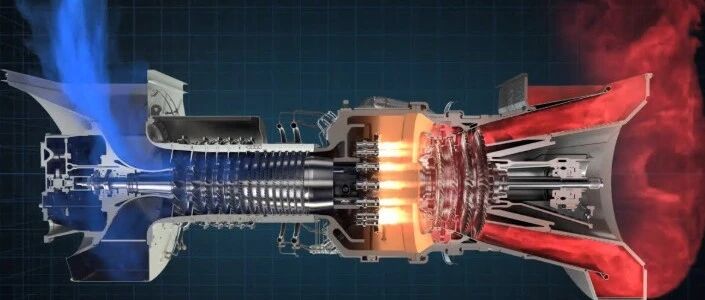
Core Viewpoint - The article discusses the rising interest in the gas turbine sector, highlighting recent significant orders for Jerry Holdings and the overall market potential driven by the demand for stable power supply, particularly for AI data centers [1][18]. Summary by Sections Gas Turbine Overview - Gas turbines convert thermal energy into mechanical power using a high-speed rotating wheel, reflecting a country's industrial strength and playing a crucial role in the energy supply system. They are recognized for their environmental performance, operational flexibility, space efficiency, and excellent power quality [3]. Market Share and Key Players - According to GEM data, GE Vernova, Siemens Energy, and Mitsubishi Heavy Industries dominate the global gas turbine market, holding two-thirds of the share in gas-fired power plants under construction. GE Vernova leads with nearly 55GW of capacity, particularly in Asia [4]. Advantages of Gas Turbines - Compared to nuclear power, gas power plants have shorter construction cycles, aligning better with data center needs. The average construction time for gas plants in the U.S. is under four years, while nuclear plants take about 115 months [5]. - Gas plants have faster approval processes and more stable power supply compared to solar and wind energy, which are affected by natural conditions [6]. - Gas turbines outperform diesel generators in startup speed, deployment flexibility, and maintenance costs, making them more suitable for data centers [7][8]. Cost Advantages - The Levelized Cost of Energy (LCOE) for gas power projects in the U.S. was $45/MWh in 2020, with projections to decrease to $42.72/MWh by 2028, enhancing their economic viability for AI data centers [9]. HRSG (Heat Recovery Steam Generator) - HRSG is a key component in gas-steam combined cycle systems, recovering waste heat from gas turbines to improve energy efficiency. The market for HRSG is currently underexplored, with a significant capacity gap expected to widen by 2027 [10][11]. Market Dynamics and Barriers - The North American market has stringent technical standards and customization requirements for HRSG, creating barriers for entry. Tariffs and trade policies also impact the export of HRSG equipment [12][13][14]. Domestic HRSG Export Outlook - Domestic companies like BYTH and Xizi Clean Energy are optimistic about HRSG exports, with significant production capacity planned in Vietnam and successful projects in various countries [15][16]. HRSG Value Assessment - The pricing model for HRSG is similar to gas turbines, with average values per production line estimated at $10-12 million. The industry’s net profit margins are expected to rise as supply-demand gaps widen [17].

谷歌TPU机架的互联方案,OCS市场空间测算
傅里叶的猫· 2025-12-02 13:34
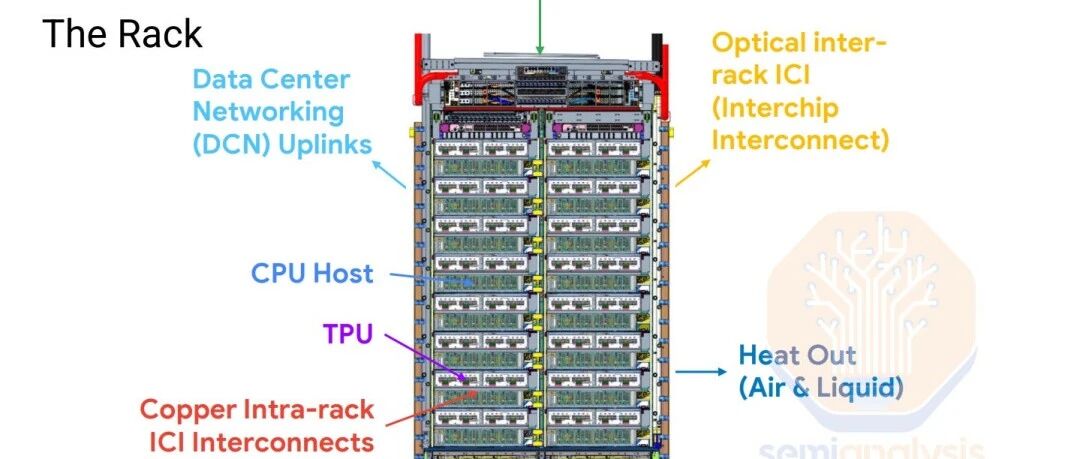
Core Insights - The article discusses Google's TPU v7 interconnect architecture, focusing on the ratio of TPU to copper cables and optical modules, highlighting the technical aspects of the TPU design and its cooling solutions [1][6][7]. TPU Rack Interconnect Architecture - One of the notable features of TPU is its ability to achieve large-scale world size expansion through the ICI protocol, with a TPU Pod capable of accommodating up to 9216 Ironwood TPUs [2]. - Each TPU rack consists of 16 TPU trays and a varying number of host CPU trays, along with a top-of-rack switch and power units [2]. - The TPU tray contains a TPU board with four TPU chips, each equipped with multiple interfaces for interconnectivity [2]. Cooling Solutions - Google has adopted liquid cooling for TPU racks since the TPU v3 era, with a 1:1 ratio of TPU trays to host CPU trays in liquid-cooled racks, compared to a 2:1 ratio in air-cooled racks [6]. - The market anticipates that 2024 will be the "year of liquid cooling," as more ASIC servers begin to adopt this technology, indicating significant market growth potential [6]. Market Projections - In 2026, Google is expected to ship 2.5 million TPU v7 units, leading to a liquid cooling market space of approximately $2.8 to $3.2 billion [7]. - By 2027, shipments are projected to exceed 5 million units, with the value of liquid cooling per rack potentially increasing to $90,000 to $100,000, resulting in a market space of $7 to $8 billion [7]. Interconnect Design - The TPU v7 utilizes a 3D torus topology for interconnectivity, where each TPU connects to six neighboring nodes across three dimensions [8]. - Internal connections within the TPU tray use copper cables, while external connections utilize optical modules and OCS for inter-unit communication [9][12]. Optical Connectivity and Market Demand - A TPU Pod with 9216 TPUs will require approximately 11,520 copper cables and 13,824 optical modules, indicating a significant demand for optical components in the market [16]. - Google is projected to need around 15,000 OCS switches by 2026, with a market space for OCS estimated at $2.2 billion based on a price of $150,000 per switch [17][18].

SemiAnalysis的TPU报告解析--谷歌产业链信息更新
傅里叶的猫· 2025-12-01 04:29
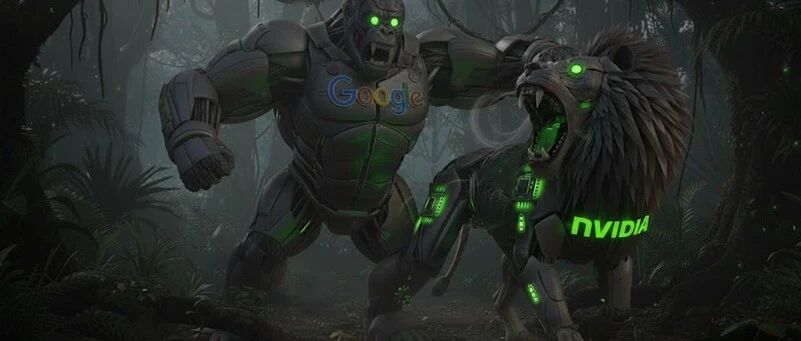
Core Insights - The report highlights the competitive landscape between Google's TPU and NVIDIA's GPU, emphasizing that while Google is gaining traction with its TPU technology, NVIDIA remains a dominant player in the market [1][4][6]. TPU Technology and Market Dynamics - Google's TPU technology has garnered significant attention, with competitors like OpenAI facing challenges due to the strong performance of Google's Gemini model, which is trained on TPU [4]. - The collaboration between Google DeepMind, Google Cloud, and TPU has led to substantial advancements, including an increase in TPU production capacity and the deployment of large TPU clusters by companies like Anthropic [4][8]. - Major organizations such as Meta, SSI, and OpenAI are now in the queue to procure TPU, indicating a growing customer base for Google's TPU technology [4][10]. NVIDIA's Response and Market Position - NVIDIA has publicly stated its continued leadership in the AI hardware space, despite the competitive pressure from Google's TPU [4][6]. - The company has clarified that its strategic investments in AI startups represent a small fraction of its revenue, aiming to dispel concerns about its financial stability [6]. Anthropic's Adoption of TPU - Anthropic's decision to rent 600,000 TPUs from Google is driven by a strategic focus on cost efficiency and performance, as TPU offers significant advantages in effective computational power compared to NVIDIA's GPUs [26][30]. - The collaboration between Google and Anthropic includes a substantial investment from Google, which allows Anthropic to leverage TPU's capabilities while minimizing reliance on NVIDIA [9][10]. TPU Performance and Cost Efficiency - TPU v7 Ironwood has achieved performance metrics that are competitive with NVIDIA's flagship GPUs, with a notable focus on total cost of ownership (TCO) advantages [21][22]. - The effective utilization of TPU can lead to a lower cost per PFLOP compared to NVIDIA's offerings, making it an attractive option for companies like Anthropic [30][31]. Software Ecosystem and Strategic Adjustments - Google is undergoing a significant shift in its TPU software strategy to enhance its appeal to external developers, focusing on native support for PyTorch and improving the overall developer experience [41][42]. - The integration of TPU with popular frameworks like PyTorch is expected to attract more developers and expand the TPU ecosystem, addressing previous limitations in software support [43][44]. Future Outlook and Competitive Landscape - The ongoing developments in TPU technology and strategic partnerships suggest that Google is positioning itself to compete more effectively against NVIDIA in the AI hardware market [35][36]. - The collaboration with Anthropic and the focus on cost-effective solutions indicate a shift in the competitive dynamics of AI computing, moving towards practical performance and cost considerations rather than just theoretical capabilities [33][34].

大空头的观点解析
傅里叶的猫· 2025-11-28 03:32
Core Viewpoints - Michael Burry emphasizes that the primary indicator of a bubble is supply-side greed, which leads to over-expansion and ultimately market crashes, rather than demand shortages or profit deficiencies [7][11][12] - The current AI boom mirrors the 1990s internet bubble, with significant investments in AI infrastructure that may not align with actual demand [12][13] Group 1: Historical Analysis of Bubbles - The internet bubble of the 1990s was driven by excessive capital investment in data transmission infrastructure, leading to a supply-demand imbalance [7][8] - Major companies like AT&T and MCI invested heavily in infrastructure, but the actual demand for broadband was not met, resulting in a significant market crash by 2002 [8][11] - Similar patterns of over-investment leading to market corrections have been observed in the real estate bubble of the 2000s and the shale oil revolution of the 2010s [11] Group 2: Current AI Landscape - Major tech companies plan to invest nearly $3 trillion in AI infrastructure over the next three years, raising concerns about potential overcapacity [12] - OpenAI's projected spending of $1.4 trillion over eight years, with revenues not even close to covering this expenditure, highlights the unsustainable nature of current valuations [12] - The rapid pace of technological advancement in AI, particularly with companies like NVIDIA, raises questions about the longevity and economic viability of older chip models [22][23] Group 3: Financial Practices and Risks - Burry points out that major tech firms are extending the depreciation periods of their assets, which artificially inflates reported profits [20][21] - This accounting practice can lead to significant risks, as seen in the case of Baidu, which had to write down substantial asset values after extending depreciation periods [25] - The rapid obsolescence of technology, particularly in data centers, poses a risk of "zombie assets" that may not generate expected returns [24] Group 4: Clarifications on Misinterpretations - Burry clarifies that his positions in options against companies like Palantir and NVIDIA have been misrepresented in the media, emphasizing the importance of accurate reporting [26] - He distinguishes between criticizing accounting practices and directly accusing companies of fraud, asserting that his concerns are about industry-wide practices rather than specific companies [26]




关于中际旭创、新易盛、华虹半导体等8家中国企业被计划列入1260H清单
傅里叶的猫· 2025-11-27 03:33
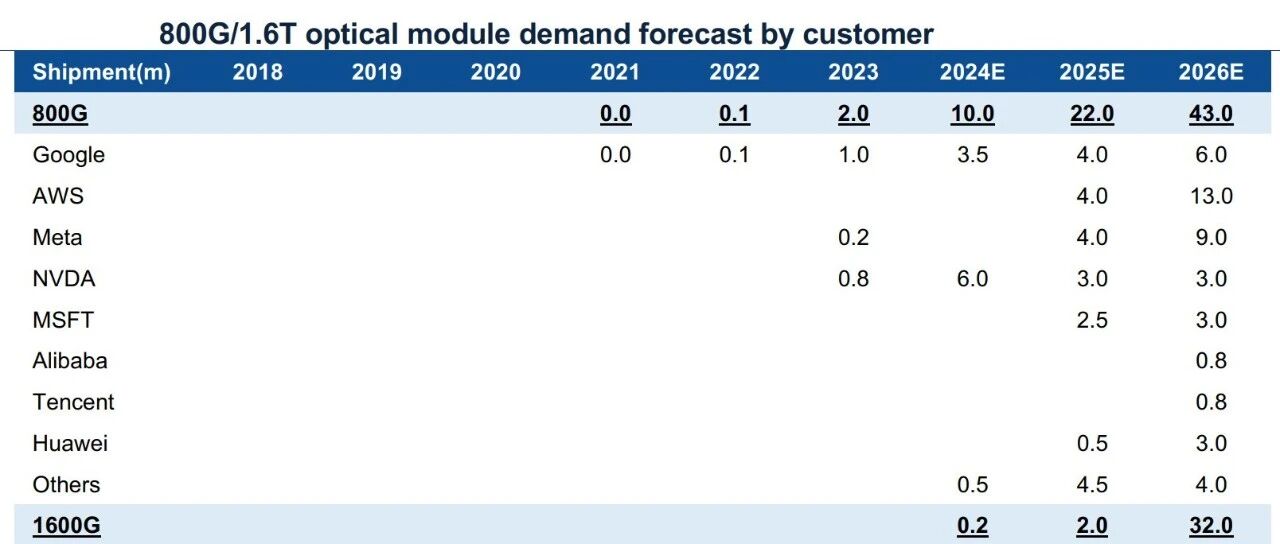
Core Viewpoint - The article discusses the implications of the Pentagon's identification of Alibaba Group, Baidu, and BYD as companies that assist the Chinese military, highlighting the potential impact on their operations and the broader market response to this news [2][4]. Group 1: Pentagon's Identification - The Pentagon has identified Alibaba, Baidu, and BYD as companies that should be included in the list of entities assisting the Chinese military, with this conclusion emerging about three weeks before a meeting between the two countries' leaders [2]. - The Deputy Secretary of Defense, Stephen Feinberg, indicated that five additional companies are also worthy of inclusion, suggesting that the list is not yet finalized [2]. - The core impact of the 1260H list is to restrict cooperation between listed companies and the U.S. Department of Defense, although it does not directly prohibit collaboration with ordinary U.S. companies, which may lead to indirect cooperation obstacles [2]. Group 2: Market Response and Industry Implications - Following the news, companies like Xuchuang and Xinyi Sheng did not experience significant market impact, indicating a rational market response to the information [6]. - Investors are particularly concerned about optical module companies, with forecasts indicating that NVIDIA will require 20 million 1.6T modules and Google will need 12 million in the coming year, raising questions about supply if companies like Zhongji Xuchuang and Xinyi Sheng are affected [2]. Group 3: Demand Forecast for Optical Modules - A detailed forecast for the demand of 800G and 1.6T optical modules shows a significant increase in shipments from 2023 to 2026, with Google expected to require 6 million 1.6T modules by 2026 [3]. - The demand forecast highlights the critical role of various companies in the supply chain, including major players like Google, AWS, and NVIDIA, which are projected to have substantial needs for optical modules in the coming years [3]. Group 4: Supply Chain Analysis - The article includes a breakdown of domestic suppliers in the Google supply chain, detailing their products, market share, supply methods, and expected orders for 2026, indicating a robust network of companies supporting major tech firms [8]. - The analysis emphasizes the importance of these suppliers in maintaining the operational capabilities of larger companies like Google and NVIDIA, particularly in the context of potential restrictions on Chinese firms [8].


扒一扒安谋科技AI战略,这些IP产品够辣吗?
傅里叶的猫· 2025-11-27 03:33
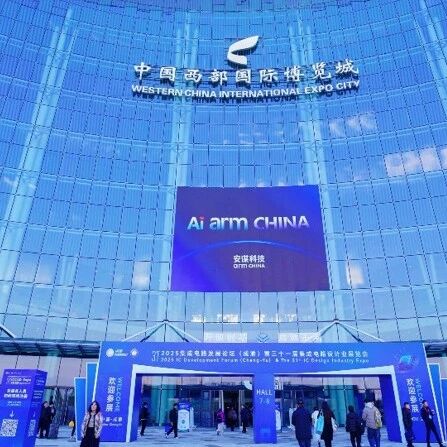
Core Viewpoint - The article emphasizes the importance of self-developed IP as a core pillar in the "AI Arm CHINA" strategy, highlighting the launch of two significant products, "Zhouyi" X3 NPU IP and "Xingchen" STAR-MC3 CPU IP, which mark the implementation of the company's "All in AI" product strategy [1][6]. Group 1: Product Innovations - The "Zhouyi" X3 NPU IP addresses key pain points in edge AI models, overcoming traditional NPU challenges such as low efficiency and poor adaptability through a hybrid DSP+DSA architecture, achieving a single cluster computing power of 8-80 FP8 TFLOPS and a single-core bandwidth of 256GB/s [3][5]. - The "Xingchen" STAR-MC3 CPU focuses on democratizing AI in the AIoT sector, enhancing AI computing performance in low-power IoT devices, enabling local facial recognition in smart locks with a response time under 300 milliseconds and a power consumption of only 60% compared to traditional solutions [6][8]. Group 2: Technical Advancements - The "Zhouyi" X3 features multiple technical innovations, including a shift from fixed-point to floating-point calculations, supporting mixed precision modes to reduce bandwidth consumption, and a self-developed WDC hardware decompression engine that provides an additional 15% equivalent bandwidth [5][8]. - The company has established a comprehensive R&D capability since the NPU team was formed in 2018, ensuring 100% local development and delivery, while also collaborating with top domestic universities for cutting-edge technology advancements [8]. Group 3: Market Impact - The implementation of self-developed IP has shown significant market results, with a smart automotive client reducing ADAS system environmental perception latency from 50 milliseconds to 15 milliseconds and achieving a 40% reduction in power consumption [9]. - The self-developed IP serves as a crucial link between global technology and local demand, leveraging Arm architecture's efficiency while adapting to the Chinese market's needs, thus facilitating AI penetration across various industries [9].
光合组织 2025 首届人工智能创新大会来了,欢迎报名参与!
傅里叶的猫· 2025-11-26 00:03
Core Viewpoint - The article discusses the upcoming AI Innovation Conference (HAIC 2025) focusing on the evolution of AI technologies and the collaborative development of an open computing ecosystem, aiming to explore new opportunities in the AI industry [6][11]. Group 1: Conference Overview - The AI Innovation Conference will feature discussions on AI innovation, large model technology evolution, AI system innovation, and collaborative optimization of hardware and software [6]. - The event aims to gather industry leaders to outline a new blueprint for the next generation of open computing ecosystems [6]. Group 2: Specialized Forums - The conference will host over 30 specialized forums that will focus on practical empowerment across the entire AI value chain, including hardware and system optimization, large model training acceleration, and industry application implementation [7]. - Experts will explore solutions to the technical challenges faced in the AI sector [7]. Group 3: Exhibition Area - A 5000+ m² exhibition area will showcase AI chips and hardware, foundational AI software stacks, large-scale computing clusters, large models, and industry applications [8]. - The exhibition aims to provide a one-stop experience of current achievements and a forward-looking view of the future landscape of the computing industry based on open architecture [8]. Group 4: Event Details - The conference will take place from December 17 to 19 at the Kunshan International Exhibition Center in China [9][10].

中美“稳定”叙事,谷歌链持续走强
傅里叶的猫· 2025-11-25 03:39
Group 1 - The core message of the article highlights the positive implications of a recent phone call between the leaders of two countries, with Trump agreeing to visit Beijing in April and inviting Chinese leaders for a state visit next year, which is seen as a stabilizing factor for domestic companies looking to expand overseas [1][2] Group 2 - The article discusses the increasing popularity of Google's TPU (Tensor Processing Unit), which was developed to address the growing demand for data center capacity due to the rise of AI applications. The first TPU was launched in 2016, and the latest version, TPU v7, is set to be released in April 2025, featuring significant upgrades in memory, bandwidth, and interconnect systems [3][4] - TPU v7 offers a memory capacity of 192 GB HBM and a bandwidth of 7370 GB/s, which is a substantial improvement over its predecessor, TPU v5p, which had 96 GB memory and 2765 GB/s bandwidth [3] - The TPU architecture utilizes a "Systolic Array" design to minimize memory access and enhance performance in AI inference tasks, making it more efficient compared to traditional CPU and GPU solutions [4] - The cost of training using TPU v7 is reported to be only half that of NVIDIA's B200, indicating a significant cost advantage for users [5][6] Group 3 - The article provides an overview of the domestic Google supply chain, detailing various companies involved, their products, market share, and expected orders for 2026. For instance, 光库科技 has a market share of 27% in OCS manufacturing, while 德科立 and 膀景科技 are also key players in the supply chain [8] - The supply chain analysis includes information on product profitability, with 光库科技 having a gross margin of 200,000 and an optimistic order expectation for 2026 [8]
浪潮、新华三、绿色云图、中石油、中化蓝天等演讲,参观国家超算中心,液冷论坛11.27乌镇召开!
傅里叶的猫· 2025-11-24 05:32
Core Insights - The article emphasizes the rapid growth of liquid cooling technologies, particularly immersion cooling, as essential for meeting the demands of modern data centers driven by the explosion of artificial intelligence technology [8][9] - It highlights the significant market potential for liquid cooling solutions in China, projecting the liquid cooling server market to reach $2.37 billion in 2024, a 67% increase from 2023, and expects the market to exceed 180 billion RMB by 2030 [8] Industry Trends - The article discusses the transition from traditional air cooling to liquid cooling methods, with immersion cooling being recognized for its superior thermal conductivity and energy efficiency [8] - It notes the challenges faced by the domestic immersion cooling technology, including the need for localization of core materials and overcoming technical bottlenecks in dual-phase cooling systems [9] Market Opportunities - The article outlines the expected growth of the liquid cooling materials market, estimating it to reach between 36 billion to 45 billion RMB [8] - It mentions various technological routes for cooling liquids, including fluorinated liquids, synthetic oils, and bio-based coolants, indicating a diverse landscape of innovation [8] Event Information - The first "Cooling Liquid and Liquid Cooling Technology Forum" is scheduled for November 27-28, 2025, in Wuzhen, Zhejiang, focusing on material innovation and the commercial application of efficient liquid cooling technologies [9][18] - The forum aims to gather leading companies and research institutions to discuss breakthroughs in materials, technological advancements, and application scenarios [9][18]

工业富联小作文分析--英伟达直接提供L10?
傅里叶的猫· 2025-11-24 05:32
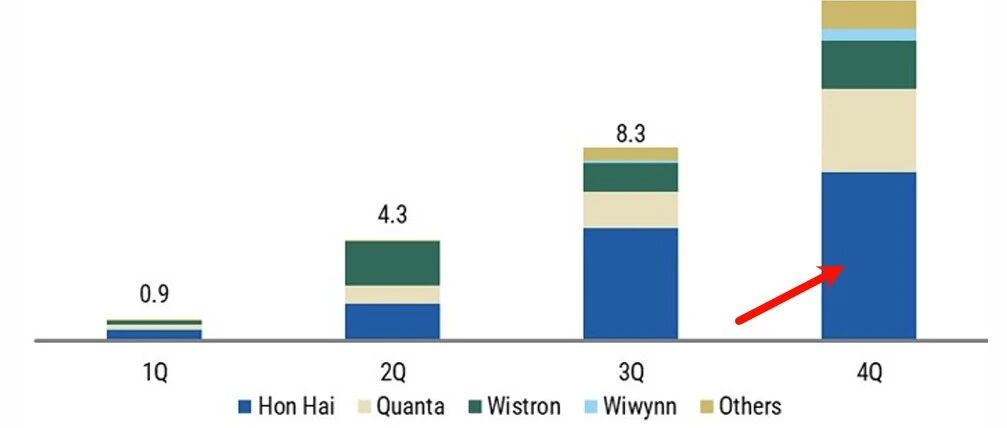
Core Viewpoint - The article discusses the recent rumors surrounding Industrial Fulian (富联) and its relationship with NVIDIA, particularly regarding the potential impact of NVIDIA's Level-10 (L10) system on the company's performance and market position [2][3][5]. Group 1: Market Rumors and Clarifications - There has been a surge of rumors about Industrial Fulian, primarily focusing on its role as a core asset in computing power and its advancements with ASIC manufacturers like Google [2]. - An analyst's comments during Wistron’s Q3 earnings call suggested that NVIDIA might supply L10 systems directly to partners, which has led to confusion regarding the company's product strategy [3]. - The article emphasizes that the claims about transitioning from L6 to L12 are incorrect, as NVIDIA has only achieved L6 so far [3]. Group 2: Performance Expectations - The article mentions that despite the rumors, Industrial Fulian's Q4 cabinet deliveries are expected to grow by over 30% quarter-on-quarter, indicating a positive outlook for the company's performance [4]. - The downward revision of Q4 performance guidance is questioned, as it seems unreasonable to adjust forecasts so soon after the Q3 report, especially when other business segments remain stable [5]. - The cloud computing segment is projected to see a continued increase in gross margin due to successful GB200 shipments and improved production efficiency with GB300 [5]. Group 3: Competitive Landscape - The article outlines the various levels of integration in the production process, from component manufacturing to multi-rack cluster integration, highlighting the complexity of the supply chain [6]. - It notes that in the GB200/300 series, CSPs (Cloud Service Providers) can customize their AI server trays significantly, which may be impacted by NVIDIA's push for standardized L10 trays [11]. - JP Morgan's analysis suggests that CSPs may oppose NVIDIA's standardization efforts, which could lead to a more concentrated competitive landscape among ODMs [10][11]. Group 4: Future Prospects - Industrial Fulian's ASIC customization business is expected to enter a substantial deployment phase next year, with projections indicating a revenue contribution ratio of 2:8 for ASIC to GPU [9]. - The article concludes that the current situation remains uncertain, and the market tends to react negatively to any adverse news, necessitating a rational perspective on the developments [11].