GLP1减重宝典

Search documents
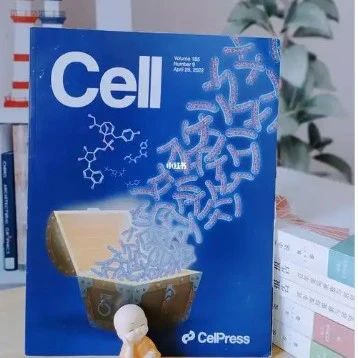
《细胞》最新警告:生酮饮食"瘦身陷阱"曝光!临床研究证实减重背后暗藏健康隐患:坏胆固醇飙升、肠道菌群严重失衡
GLP1减重宝典· 2025-08-14 10:33
Core Viewpoint - The article discusses the health implications of sugar consumption and dietary trends, particularly focusing on the effects of sugar intake and ketogenic diets on weight loss and metabolic health [6][8][21]. Summary by Sections Sugar Consumption and Health - Sugar, particularly free sugars, is linked to increased caloric intake and various health issues such as obesity and metabolic disorders. Reducing free sugar intake to below 5% of total daily calories could lead to a decrease of approximately 100 kilocalories in daily consumption [7][8]. - The article emphasizes that controlling sugar intake has become a central trend in modern dietary practices [8]. Ketogenic Diet Findings - A recent clinical trial involving 60 participants over 12 weeks revealed that while ketogenic diets effectively promote fat loss, they also pose potential health risks, including increased levels of "bad cholesterol" (LDL) and worsened glucose tolerance [9][10]. - The study included three dietary groups: a control group with normal sugar intake, a group with restricted free sugar intake, and a strict low-carbohydrate ketogenic group. Both the low sugar and ketogenic groups showed significant weight loss [12][15]. Metabolic and Microbiome Changes - The ketogenic group exhibited a significant decline in glucose tolerance and an increase in various low-density lipoprotein (LDL) particles, while high-density lipoprotein (HDL) levels decreased [16][20]. - Changes in gut microbiota were also noted, with a significant reduction in beneficial Bifidobacteria in the ketogenic group, which could increase the risk of digestive issues and infections [18][20]. Long-term Health Implications - The article warns that the long-term effects of ketogenic diets may include adverse changes in sugar and fat metabolism, which are associated with increased mortality risk even within "healthy" ranges of blood sugar and cholesterol levels [20]. - It suggests that while weight loss can benefit heart health, achieving this through a ketogenic diet may not be the best approach. Instead, simply controlling free sugar intake might be a more prudent choice for cardiovascular health [21].

68周减重18.34 kg,司美格鲁肽片为何能突破多肽药物的口服易降解、难吸收?
GLP1减重宝典· 2025-08-14 10:33
Core Viewpoint - The successful development of oral semaglutide marks a significant breakthrough in the administration of peptide drugs, overcoming challenges related to stability, absorption, and individual variability in efficacy [4][6][9]. Group 1: Development and Mechanism - Oral semaglutide has successfully addressed multiple barriers, including instability due to gastric acid and digestive enzymes, large molecular size affecting absorption, and individual differences in therapeutic response [4]. - The use of SNAC (sodium N-(8-[2-hydroxybenzoyl] amino) caprylate) enhances the solubility and absorption of the peptide, while also protecting it from degradation [6]. - Pharmacokinetic and pharmacodynamic studies have established optimal dosing methods, ensuring that the semaglutide tablet combined with 300 mg of SNAC achieves maximum bioavailability [6]. Group 2: Clinical Efficacy - Clinical studies have demonstrated that a 14 mg oral semaglutide tablet can significantly reduce HbA1c levels by approximately 2% and promote weight loss [9]. - In the OASIS 1 study, participants with an average baseline weight of 105.4 kg experienced an average weight reduction of 17.4% (18.34 kg) with the 50 mg oral semaglutide group, indicating a more pronounced weight loss effect compared to previous studies [9]. Group 3: Mechanism of Action - Semaglutide acts as a "satiety manager" by directly suppressing appetite through central nervous system activation, particularly in the hypothalamus and brainstem [10]. - It slows gastric emptying, prolonging the feeling of fullness, and stabilizes blood sugar levels, indirectly reducing appetite fluctuations [11][12]. - The drug activates three key pathways: central nervous system pathways that enhance satiety signals, gastrointestinal-vagal pathways that slow gastric emptying, and pancreatic-metabolic pathways that smooth blood sugar levels [13].
中国糖尿病流行趋势深度解析:2050年患病率或突破30%大关
GLP1减重宝典· 2025-08-14 10:33
Core Insights - The article highlights a concerning trend in diabetes prevalence in China, indicating a significant increase in the number of patients and the urgent need for effective prevention and control strategies [9][15]. Group 1: Diabetes Prevalence and Trends - As of 2023, the total number of diabetes patients in China has reached 233 million, with a prevalence rate of 15.88%, marking a 163% increase from 88.48 million patients in 2005 [9][15]. - The age-standardized prevalence rate (ASR) of diabetes has risen from 7.53% in 2005 to 13.67% in 2023, with an annual growth rate of 3.36% [9][10]. - The years of life lost due to disability (YLDs) related to diabetes reached 32.49 million in 2023, reflecting a significant decline in overall health quality among the population [9][10]. Group 2: Regional Distribution and Characteristics - The eastern region of China has the highest number of diabetes patients at 78.47 million, followed by central and northern regions with 53.98 million and 36.06 million patients, respectively [11][12]. - The northern region has the highest ASR at 17.20%, with major cities like Beijing and Tianjin exceeding a 20% prevalence rate due to dietary habits [11][12]. - The southwestern region is experiencing the fastest growth in diabetes prevalence, increasing from 5.65% in 2005 to 11.77% in 2023, driven by changes in dietary patterns [12][13]. Group 3: Future Projections and Strategies - Projections indicate that if current trends continue, the ASR of diabetes could reach 16.15% by 2030, 21.52% by 2040, and potentially 29.10% by 2050, posing unprecedented challenges to the healthcare system [13][15]. - Implementing systematic obesity intervention strategies could significantly improve these projections, potentially keeping the ASR below 15% by 2050, a reduction of 49.10% from the natural trajectory [13][14]. - The article emphasizes the need for differentiated regional strategies in diabetes prevention, focusing on early screening and lifestyle interventions tailored to local conditions [14][16].

速递|风靡全球!去年四分之一的美国糖尿病患者使用了GLP-1药物
GLP1减重宝典· 2025-08-14 10:33
Core Viewpoint - The article highlights the increasing usage of GLP-1 medications among diabetes patients in the U.S., indicating a significant trend in diabetes management and weight loss treatment [2][4]. Group 1: Usage Statistics - Over 25% of U.S. adults with diabetes used GLP-1 injection medications last year, with the highest usage among those aged 50 to 64 at 33.3% [2]. - The usage rate for the 18 to 34 age group is 25.3%, while for those aged 65 and above, it is 20.8% [2]. - Approximately 31% of insulin users also use GLP-1 medications, and about 28% of oral hypoglycemic drug users are incorporating GLP-1 into their treatment regimens [4]. Group 2: Demographic Insights - Among different ethnic groups, Hispanic diabetes adults have the highest GLP-1 usage rate at 31.3%, followed by non-Hispanic Black at 26.5% and non-Hispanic White at 26.2% [4]. - Non-Hispanic Asian individuals have the lowest usage rate at 12.1%, which may be attributed to differences in treatment accessibility or acceptance [4]. Group 3: Mechanism and Pricing - GLP-1 medications mimic the action of hormones that regulate blood sugar levels, delay digestion, and prolong feelings of fullness [4]. - The high cost of these medications, approximately $1,000 per month, has drawn criticism [4].


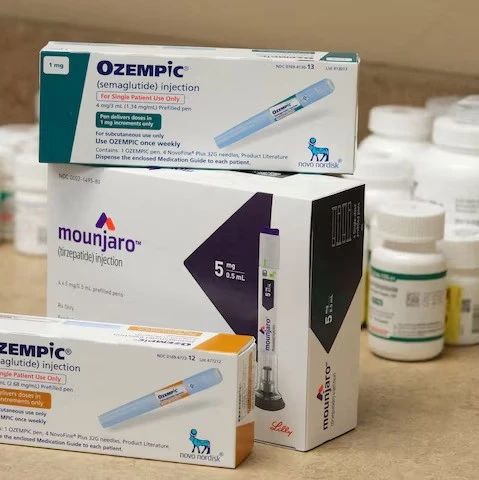
体重骤降,糖友重获新生!《柳叶刀》爆料震撼Meta分析:减重幅度与2型糖尿病缓解率成正比
GLP1减重宝典· 2025-08-13 10:02
Core Insights - A groundbreaking meta-analysis published in *The Lancet Diabetes & Endocrinology* reveals a strong dose-response relationship between weight loss and diabetes remission in overweight or obese patients with type 2 diabetes [6][9] Group 1: Weight Loss and Diabetes Remission - The study analyzed 22 high-quality randomized controlled trials, focusing on complete and partial remission indicators [7] - Complete remission is defined as HbA1c below 6.0% or fasting blood glucose below 5.6mmol/L without any antidiabetic medications after one year of intervention [7] - Dramatic differences in complete remission rates were observed based on weight loss: only 0.7% of patients losing less than 10% of their weight achieved complete remission, while nearly half (49.6%) of those losing 20%-29% did, and an impressive 79.1% of those losing over 30% achieved complete remission [7][8] Group 2: Partial Remission Rates - Partial remission rates also showed a clear stepwise increase: 5.4% for less than 10% weight loss, 48.4% for 10%-19%, 69.3% for 20%-29%, and 89.5% for over 30% weight loss [7] - Each 1% weight loss increases the probability of complete remission by 2.17% and partial remission by 2.74% [8] Group 3: Implications for Clinical Practice - The findings strongly support that weight loss is a critical factor in managing type 2 diabetes and reducing the risk of related complications, providing clear treatment goals and expected outcomes for clinicians and patients [9]
当代人手中的"甜蜜陷阱":研究揭示含糖饮料与340万慢性病例的致命关联
GLP1减重宝典· 2025-08-13 10:02
Core Viewpoint - The excessive consumption of sugar-sweetened beverages (SSBs) is leading to a significant increase in chronic diseases globally, including diabetes and cardiovascular diseases, with alarming trends observed particularly in China [5][8][11]. Group 1: Global Impact of Sugar-Sweetened Beverages - A study published in *Nature Medicine* analyzed health data from 118 countries and found that in 2020, SSBs were responsible for 220,000 new cases of type 2 diabetes (T2D), accounting for 9.8% of global new cases, and 120,000 new cases of cardiovascular diseases (CVD), representing 3.1% [8][9]. - The research also indicated that SSBs were linked to approximately 340,000 deaths globally, with T2D-related deaths at 80,278 and CVD-related deaths at 257,962 [8][9]. Group 2: The Situation in China - A study by the Chinese Center for Disease Control and Prevention revealed that from 1990 to 2019, deaths related to SSB consumption in China surged by 95%, rising from a low base to 46,633 deaths in 2019 [11]. - The proportion of deaths attributable to SSBs increased from 0.34% to 0.46%, indicating that nearly 1 in every 200 deaths is directly related to these beverages [11]. - Ischemic heart disease (IHD) and diabetes were identified as the two leading causes of death linked to SSBs, with IHD-related deaths reaching 42,098 in 2019, reflecting a 95% increase over 30 years [12]. Group 3: Health Risks Associated with SSBs - A long-term study published in *The American Journal of Clinical Nutrition* found that daily consumption of over 500ml of SSBs increases the risk of asthma by 19% and chronic obstructive pulmonary disease (COPD) risk by 53% [13][14]. - The study also highlighted that artificially sweetened beverages (ASBs) pose even greater risks, with a 34% increase in COPD risk and a 10% increase in asthma risk for those consuming two cups daily [13][14].

欺骗大脑 “我吃饱了” ,司美格鲁肽是如何做到的?
GLP1减重宝典· 2025-08-13 10:02
Core Insights - The article discusses the significant advancements in GLP-1 receptor agonists, particularly semaglutide and tirzepatide, in the fields of weight loss and glucose control, emphasizing their ability to enhance feelings of satiety earlier and for longer periods [4][6]. Mechanisms of Action - GLP-1 receptor agonists activate specific neurons in the hypothalamus, leading to pre-ingestive satiation, which allows individuals to feel full before consuming large amounts of food [6]. - Semaglutide directly suppresses appetite by activating GLP-1 receptors in the brain, reducing hunger motivation and enhancing satiety signals [7]. - These drugs slow gastric emptying, prolonging the duration of satiety by maintaining a steady flow of signals from the gastrointestinal tract [8]. - They stabilize blood sugar levels, which indirectly reduces fluctuations in appetite driven by blood sugar spikes and drops [8]. Clinical Efficacy - In clinical trials, semaglutide has shown an average weight loss of approximately 14.9% over 68 weeks in non-diabetic populations, compared to a 2.4% loss in the placebo group [8]. - Tirzepatide, a dual GIP/GLP-1 receptor agonist, has demonstrated an average weight loss of about 20% over 72 weeks, outperforming single-target GLP-1 medications [9]. Shared Mechanisms - Both drugs utilize three key pathways to enhance satiety: central nervous pathways that activate specific brain regions, gastrointestinal-vagal pathways that slow gastric emptying, and insulin-metabolic pathways that stabilize blood sugar levels [10][11]. User Considerations - Common side effects include nausea, vomiting, and abdominal discomfort, primarily due to slowed gastric emptying, which typically improve over time [12]. - Both medications require adherence to a weekly injection regimen, with a gradual dose escalation to improve tolerance [12]. - Individual results may vary, and combining medication with dietary, exercise, and behavioral management is essential for achieving long-term weight and metabolic benefits [12].
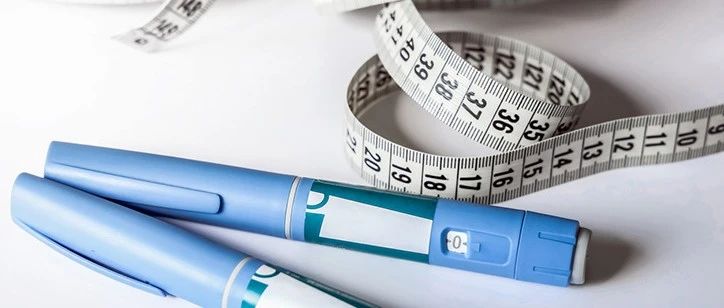
速递|国产首个!博安生物度拉糖肽注射液获批上市
GLP1减重宝典· 2025-08-13 10:02
Core Viewpoint - The article highlights the approval of Boan Biotech's biosimilar drug, Boyouping® (Dulaglutide injection), for blood sugar control in adults with type 2 diabetes, marking it as the first and only approved biosimilar of Trulicity® globally [2][4]. Group 1: Product Approval and Market Potential - Boan Biotech's Boyouping® is the first approved biosimilar of Dulaglutide, with no other similar products in the BLA stage in China [2]. - The drug offers multiple clinical benefits, including improved beta-cell function, reduced major cardiovascular events, weight loss, renal protection, and low incidence of hypoglycemia [4]. - The Chinese diabetes market is significant, with approximately 148 million adults expected to have diabetes by 2024, representing over 25% of the global total [5]. Group 2: Commercialization Strategy - Boan Biotech has granted exclusive commercialization rights of Boyouping® in mainland China to Shanghai Pharmaceuticals, leveraging its extensive distribution network covering over 70,000 medical institutions [6]. - The collaboration aims to enhance product accessibility and market coverage, utilizing Shanghai Pharmaceuticals' marketing capabilities [6]. Group 3: Company Overview and Future Plans - Boan Biotech is a comprehensive biopharmaceutical company focusing on drug development, production, and commercialization, with a strong emphasis on oncology, autoimmune diseases, ophthalmology, and metabolic disorders [8]. - The company has four products approved for market and several innovative drugs in development, supported by a robust integrated value chain from R&D to commercialization [9]. - Boan Biotech aims to accelerate the global launch of Boyouping® and enhance its commercial capabilities to alleviate patient burdens and improve public health [5][7].
科学验证最佳运动时长!每天60分钟显著降低糖尿病等慢性病风险,力量训练不可忽视
GLP1减重宝典· 2025-08-12 09:52
Core Viewpoint - Regular physical activity is essential for health, significantly reducing the risk of chronic diseases such as type 2 diabetes and extending lifespan through optimal exercise regimens [6][12]. Group 1: Exercise and Health Benefits - Exercise is recognized as one of the four pillars of health, alongside sunlight, air, and water, with historical roots tracing back to Hippocrates [6]. - Modern studies confirm that engaging in 60 minutes of moderate-intensity exercise daily can significantly lower the risk of metabolic diseases, particularly when combined with strength training [7][9]. - A recent study indicates a linear relationship between daily exercise duration and the risk of type 2 diabetes, with a reduction in risk of 74% for those exercising over 68 minutes per day [9][10]. Group 2: Optimal Exercise Duration - The World Health Organization (WHO) recommends at least 150-300 minutes of moderate-intensity aerobic exercise weekly, but recent findings suggest that achieving 2-4 times this amount maximizes health benefits [12][13]. - A study covering 116,000 adults over 26 years found that adhering to the higher exercise volume can reduce all-cause mortality by up to 31% [12][13]. Group 3: Strength Training and Aging - Strength training is shown to delay biological aging by an average of 3.9 years, with a recommendation of 90 minutes per week to achieve this effect [15][16]. - Regular strength training can enhance metabolic rate, improve insulin sensitivity, and reduce the risk of chronic diseases such as hypertension and coronary heart disease [15][17]. - The combination of strength training and aerobic exercise yields greater health benefits than either form alone, promoting both muscle retention and fat loss [17].
会议预告|从共识走向行动:第四届中国肥胖大会(COC2025)即将开幕!
GLP1减重宝典· 2025-08-12 09:52
Core Viewpoint - Obesity has become a global public health challenge, with China having the highest number of obese patients in the world, leading to various chronic diseases such as diabetes and cardiovascular diseases [2] Group 1: Conference Information - The 2025 China Obesity Conference (COC) will be held from August 15 to 17, 2025, at the National Conference Center in Beijing [3] - The conference will gather over 400 global experts from significant academic organizations to discuss the latest advancements in obesity prevention and treatment [5] Group 2: Training and Collaboration - A series of training programs will be launched, including the SCOPE School China, aimed at promoting standardized treatment for obesity in China [6] - The conference will feature 60 forums led by scholars from 16 countries, focusing on the integration of clinical and basic research [7] Group 3: Technological Advancements - The conference will address seven key topics, including surgical and pharmacological treatments for weight loss, endoscopic techniques, gut microbiota, immune regulation, drug development, corrective surgery, and artificial intelligence [8] Group 4: Publications and Community Engagement - The publication of the "National Health Management" series and the initiation of the "Obesity Studies" project mark significant milestones in obesity prevention and treatment in China [9] - The "Blue Dragonfly Action" initiative encourages public participation in scientific weight loss practices [10] Group 5: Industry and Academic Collaboration - Discussions on the development of weight loss drugs, new technology transfer, and the construction of an industrial ecosystem will be held [11] - Practical discussions on digital healthcare and AI's role in weight management will reshape the management paradigm [12] Group 6: Guidelines and Youth Involvement - The conference will analyze the latest clinical guidelines for obesity, facilitating the application of cutting-edge research data in clinical practice [13] - A youth forum will showcase innovative research and clinical achievements in obesity prevention and treatment [14]