财富FORTUNE

Search documents
人工智能会抢走你的工作吗?
财富FORTUNE· 2025-06-25 13:13
Core Viewpoint - The impact of artificial intelligence (AI) on the labor market is nuanced, with both positive and negative effects on job demand depending on the exposure to AI and the adaptability of workers [2][4][14]. Group 1: AI's Impact on Job Demand - AI exposure tends to decrease job demand for roles that are heavily reliant on tasks that can be automated, but workers can pivot to less affected tasks, potentially enhancing their performance [2][4]. - High-paying jobs, despite being exposed to AI, show stable demand overall due to the balancing effects of AI on job responsibilities [3][10]. - The relationship between AI exposure and employment is complex, with high variability in task exposure within jobs reducing the likelihood of job replacement [12][13]. Group 2: Adaptability and Skills - Workers need to shift their focus towards tasks that complement AI, such as strategic thinking and collaboration, to mitigate negative impacts [4][5][17]. - The ability to adapt and embrace soft skills will be crucial for workers in navigating the evolving job landscape shaped by AI [17][18]. Group 3: Sector-Specific Insights - High-exposure roles include financial experts and engineers, while low-exposure roles are typically in manual labor sectors like bartending and cleaning [11]. - The net effect of AI on high-paying jobs in sectors like business and finance has been slightly negative, with employment shares declining by 1.9% and 2.6% respectively over five years [15]. - Overall, approximately 14% of employment changes during the study period can be attributed to AI-related factors [16].


全球变暖让2500万美国人更加难以入睡
财富FORTUNE· 2025-06-24 12:42
Core Viewpoint - The article discusses the alarming connection between climate change and the increase in obstructive sleep apnea (OSA), highlighting that rising temperatures can exacerbate this common sleep disorder, affecting both health and economic productivity [1][5][9]. Group 1: Health Implications - Obstructive sleep apnea affects over 25 million adults in the U.S., characterized by repeated breathing interruptions during sleep due to relaxed throat muscles [1][2]. - Increased environmental temperatures are linked to a 45% higher probability of experiencing OSA on certain nights [1][2]. - Untreated or severe OSA can lead to serious health issues, including dementia, Parkinson's disease, hypertension, cardiovascular diseases, anxiety, and depression, potentially shortening lifespan [5][6]. Group 2: Economic Impact - The study estimates that the rise in OSA prevalence due to global warming will result in a loss of 30 billion USD in productivity and 68 billion USD in health deterioration costs globally [1][7]. - In 2023, the increase in OSA cases led to an additional 25 million days of absenteeism across 29 countries, translating to significant economic losses [7][8]. Group 3: Research Findings - The research analyzed sleep data from 116,620 participants across 29 countries over three and a half years, using FDA-approved monitoring devices to establish the link between daily environmental temperatures and OSA [2][3]. - The study warns that the sample may underestimate the health and economic burdens, as it primarily includes participants from developed countries with air conditioning, leaving low-income groups underrepresented [8]. Group 4: Future Projections - With global average temperatures expected to rise by 2.1°C to 3.4°C, the negative impacts of high temperatures on health are likely to worsen [9][10]. - Without effective policy measures to combat global warming, the burden of OSA could double by 2100 due to rising temperatures [10].

著名空头:关税战与第一次世界大战或有相似之处
财富FORTUNE· 2025-06-24 12:42
Core Viewpoint - Billionaire investor Steve Eisman warns that if President Trump’s ongoing tariff stance leads to a full-blown trade war, the global economy could face severe challenges [1][2]. Group 1: Trade War Risks - Eisman identifies tariffs and the potential trade war as the only significant risk currently facing the market, expressing concern over their impact on consumer spending and investor sentiment [2]. - A recent Global Fund Manager Survey indicated that 47% of 222 fund managers view a global recession triggered by trade wars as the biggest "tail risk" for the market [2]. - JPMorgan Research reduced the probability of a U.S. and global recession from 60% to 40%, attributing this to a temporary easing of trade tensions following tariff reductions on China [2]. Group 2: Historical Context and Comparisons - Eisman draws parallels between the current trade environment and the situation before World War I, suggesting that treaties aimed at resolving conflicts can inadvertently lead to larger confrontations [3][4]. - He emphasizes that while no one desires a trade war, the possibility remains due to existing international agreements [4]. Group 3: European Trade Relations - Despite the focus on U.S.-China trade negotiations, Eisman believes that solidifying trade relations with Europe is more significant due to the complexities involved with the EU's 27 member states [5]. - He likens negotiating with the EU to herding cats, highlighting the challenges posed by differing regulations and tax concerns [6]. Group 4: U.S. Negotiation Strategy - Trump has indicated dissatisfaction with the current terms being offered by the EU, suggesting that the U.S. may be overconfident in its negotiating position [7]. - Former Commerce Secretary Wilbur Ross warned that excessive confidence could alienate European allies and complicate negotiations [8].

这家马来西亚企业首次跻身东南亚500强
财富FORTUNE· 2025-06-24 12:42
Core Viewpoint - The rapid rise of companies in Southeast Asia's top 500 is significantly driven by the strong momentum of artificial intelligence, particularly through the surge in data center investments that provide essential infrastructure for AI applications [1] Group 1: Investment Trends - Over the past 18 months, Malaysia has captured a significant share of this investment wave, attracting billions of dollars in collaboration projects from companies like Google, Oracle, and Microsoft [2] - The AI boom has positively impacted the performance of Malaysian companies, including electronic manufacturing service provider NationGate [3] Group 2: Company Performance - NationGate reported a revenue of 5.27 billion Malaysian Ringgit (approximately 1.6 billion USD) last year, ranking 243rd on the Fortune Southeast Asia 500 list, with a remarkable year-on-year revenue growth of over 720%, making it the fastest-growing company on this year's list [4] - The company achieved a profit of 342 million USD, a significant increase of 163% compared to the previous year [5] Group 3: Business Segments - The data computing business segment is the main revenue driver for NationGate, with its contribution rising from 17% in 2023 to 88% this year [6] - More than half of NationGate's revenue comes from Malaysia, with another one-third from Singapore, establishing these countries as data center hubs in Southeast Asia [7] Group 4: Competitive Advantage - As the only original equipment manufacturer (OEM) partner of Nvidia in Southeast Asia, NationGate has a significant competitive edge in assembling AI servers using Nvidia's widely used graphics processing units (GPUs) for high-performance AI applications [7] Group 5: Future Outlook - NationGate sees immense potential in the AI sector and believes that its foray into AI server manufacturing will help it seize opportunities in the Southeast Asian and global data center investment market, which is expected to grow at a double-digit rate [8] Group 6: Regulatory Concerns - However, the AI boom also carries risks, as Malaysia and Singapore face scrutiny for being potential channels for U.S. export-controlled chips to China, with investigations ongoing regarding companies potentially circumventing U.S. export controls [9] - On a macro level, Southeast Asian countries may be constrained by U.S. regulations aimed at limiting the quantity of AI chips they can procure [10] - NationGate has distanced itself from these investigations, asserting it is not involved, yet investor concerns remain, reflected in a 40% drop in its stock price this year [11]
中东战火未冷,全球资本抢滩“人造太阳”
财富FORTUNE· 2025-06-24 12:42
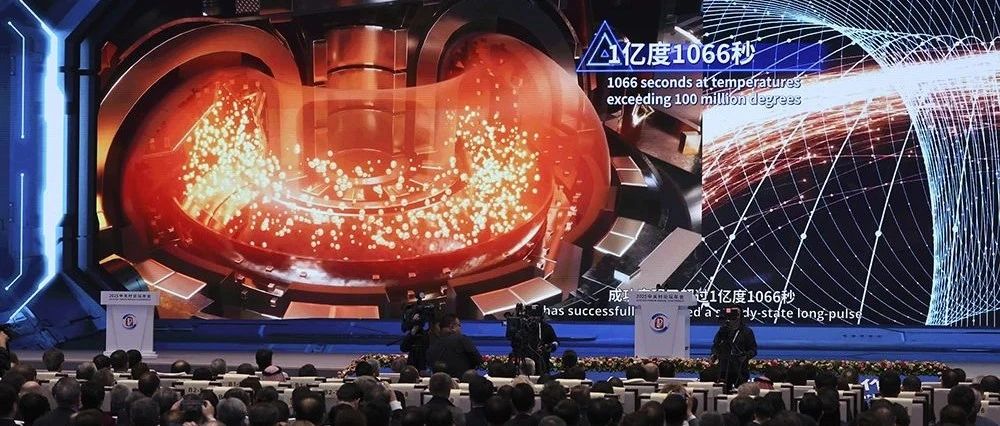
Core Viewpoint - The article emphasizes the accelerating development and investment in controllable nuclear fusion technology, which is seen as a "ultimate energy" solution amid geopolitical tensions and energy security concerns in China [1][7]. Group 1: Energy Security and Nuclear Fusion - China's energy import dependency is at 20%, with oil strategic reserves only sufficient for 24 days, highlighting severe energy security issues [1]. - Controllable nuclear fusion offers significant advantages, such as the energy released from 1 gram of deuterium-tritium fuel being equivalent to 8 tons of oil, and the cost of generating electricity can be controlled below 0.005 yuan per kilowatt-hour [1][6]. - The Chinese government has included nuclear fusion in its "Top Ten Future Industries" initiative, planning over 300 billion yuan investment by 2030 [1]. Group 2: Investment and Commercialization - Social capital is actively investing in nuclear fusion projects, with notable investments like the 3.275 billion yuan increase in Kunlun Capital aimed at controllable nuclear fusion [2]. - The establishment of Fusion New Energy, a core platform for commercializing nuclear fusion technology, has attracted significant investment, with registered capital reaching 14.5 billion yuan [2]. Group 3: Technological Advancements - The CRAFT project, a key system for fusion reactors, achieved full domestic production of its low-noise current drive system, marking a significant technological milestone [3]. - The HL-3, China's largest and most advanced nuclear fusion experimental device, achieved new operational records, indicating rapid progress in fusion technology [3]. Group 4: Market Potential and Future Outlook - The global controllable nuclear fusion market is projected to reach $496.5 billion by 2030 and may exceed $1 trillion by 2050 [6]. - The article notes a decline in China's crude oil imports for the first time in 20 years, reflecting a strategic shift towards reducing oil dependency and increasing focus on nuclear fusion as a viable energy solution [6][7].
近四分之一美国人处于“功能性失业”状态
财富FORTUNE· 2025-06-23 12:51
Core Viewpoint - The current labor market appears strong but conceals significant issues, particularly the rise of "functional unemployment" among American workers [1][2]. Group 1: Employment Statistics - The U.S. unemployment rate remains low at 4.2%, with 139,000 jobs added in May, indicating a relatively healthy job market [1]. - Approximately 24.3% of Americans are classified as "functionally unemployed," an increase from 22.3% two years ago [2]. Group 2: Functional Unemployment - "Functional unemployment" includes individuals who are unemployed but have stopped looking for work, as well as those employed but earning less than $25,000 annually [2]. - The rise in functional unemployment suggests that many workers are struggling to make ends meet, highlighting a growing economic opportunity gap [2][3]. Group 3: Worker Sentiment - Many workers express pessimism about the economy, as indicated by a recent report showing that the confidence index for entry-level employees has reached a historical low [2]. - Concerns about tariffs and the impact of artificial intelligence on future job prospects contribute to this sentiment [2].

又一家中国人工智能公司欲加入全球顶级模型行列
财富FORTUNE· 2025-06-23 12:51
Core Viewpoint - MiniMax has launched a new AI model, M1, claiming its performance can compete with top models from OpenAI, Anthropic, and Google DeepMind, while its training and operational costs are significantly lower [1][3]. Group 1: Model Performance and Cost - MiniMax's M1 model reportedly matches the intelligence and creativity of leading models but was trained at a cost of only $534,700, which is nearly 200 times lower than the estimated training cost of ChatGPT-4o, potentially exceeding $100 million [3]. - The introduction of M1 could disrupt the market demand for OpenAI's products, as OpenAI has already begun to reduce prices for its models to maintain market share [4]. Group 2: Market Impact and Industry Reactions - If M1's performance is validated, it may affect the profitability of cloud service providers like Amazon AWS, Microsoft Azure, and Google Cloud, as companies may not need to invest heavily in computational resources [5]. - The announcement of M1 has not yet caused significant market fluctuations, unlike the previous launch of DeepSeek's R1 model, which led to a 17% drop in Nvidia's stock price [5]. Group 3: Model Features and Accessibility - M1 features a context window of 1 million tokens, allowing it to process more data than some leading models, such as OpenAI's o3 and Anthropic's Claude Opus 4, which have context windows of approximately 200,000 tokens [7][8]. - Users can access M1 for free through its API, and developers can download the entire model to run on their own resources, which may enhance its adoption [7]. Group 4: Company Background and Support - MiniMax is backed by major Chinese tech companies like Tencent and Alibaba, although details about its employee size and CEO are limited [6].

沃尔玛创始人的后代在干什么?
财富FORTUNE· 2025-06-23 12:51
Core Viewpoint - The Walton family, founders of the Walmart empire, prefers to stay out of the spotlight despite their immense wealth and influence, focusing instead on their work and philanthropic efforts [1][2]. Group 1: Walton Family and Builders Vision - Lucas Walton, with a net worth of $39 billion, founded Builders Vision in 2017 to coordinate his philanthropic, investment, and advocacy efforts [3][4]. - Builders Vision aims to deploy capital and advocate for change in areas such as clean energy, food and agriculture, and ocean conservation [4]. Group 2: Philanthropic Approach - Lucas Walton has invested $15 billion of his own funds into Builders Vision, targeting projects that provide both financial returns and social benefits [6]. - Walton emphasizes that his initiatives should not be classified as charity, as they seek to achieve returns that match or exceed those in other market sectors [10]. Group 3: Personal Motivation and Health - Walton's personal experience with a rare cancer during childhood, which he attributes partly to a natural diet provided by his mother, drives his focus on food and agriculture [8][9]. - He believes in leveraging business power to create a more sustainable and equitable world, stating that opportunities exist in the green economy [12]. Group 4: Investment Strategy - Walton is pursuing significant projects with potential returns, such as investing in a Nebraska-based company that purchases farmland for organic agriculture [11]. - He argues that the financing gap in green investments is not due to a lack of projects but rather a need for recognition of environmental issues as integral to industry and finance [13].

不惑中兴,而今迈步从头越
财富FORTUNE· 2025-06-23 12:51
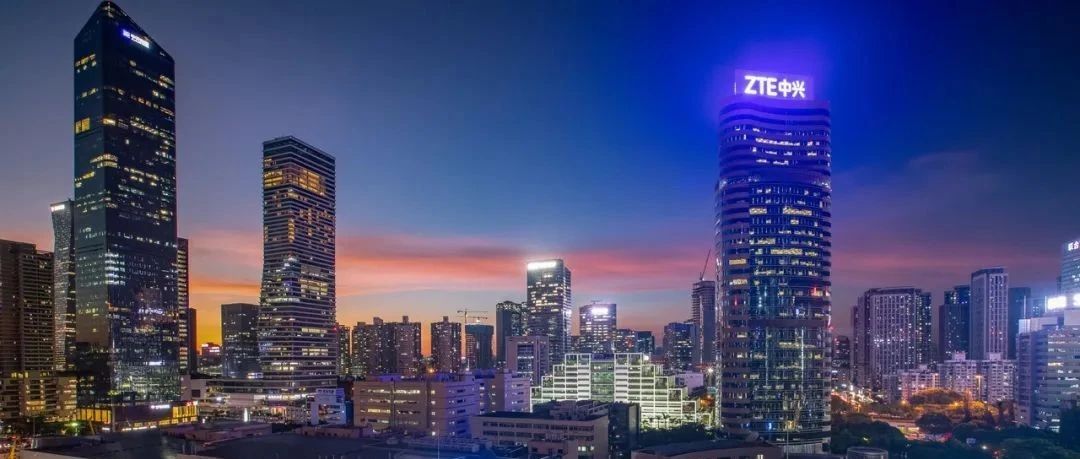
Core Viewpoint - The article highlights the evolution of ZTE Corporation from its inception to becoming a major player in the telecommunications industry, emphasizing its commitment to independent research and development, and its strategic pivot towards AI technology as a core component of its future growth [1][2][46]. Group 1: Historical Development - In 1985, ZTE was established as a joint venture in Shenzhen, initially struggling with low-profit assembly orders, leading to a shift towards independent R&D [1]. - By 1989, ZTE developed its first digital switching system with independent intellectual property rights, marking a significant technological milestone [1]. - Over the past 40 years, ZTE has transformed from a small assembly workshop into the second-largest telecommunications equipment manufacturer in China, achieving revenues exceeding 121.3 billion yuan in 2024 [1][2]. Group 2: AI Strategy - ZTE has identified "full-domain AI" as a crucial part of its development strategy, integrating AI technology with ICT infrastructure to enhance operational efficiency and drive growth [11][14]. - The company has committed significant resources to AI, with a focus on developing comprehensive AI solutions that encompass cloud, network, edge, and terminal technologies [14][16]. - ZTE's investment in R&D reached 24.03 billion yuan in 2024, accounting for approximately 20% of its revenue, with a total R&D expenditure of 117.07 billion yuan over six years [20][22]. Group 3: Manufacturing and Innovation - ZTE operates its own manufacturing facilities, such as the Nanjing smart factory, which has achieved a 41% increase in total output value and a 29% reduction in carbon emissions through smart manufacturing practices [39][40]. - The Nanjing factory is recognized as China's first five-star 5G factory, showcasing the integration of 5G technology in manufacturing processes [35][36]. - ZTE's manufacturing strategy emphasizes automation and smart technology, aiming for a significant portion of its production to operate in "dark factory" mode, where minimal human intervention is required [40][42]. Group 4: Future Outlook - ZTE aims to leverage AI to redefine user experiences in mobile technology, with a focus on creating AI-enabled smartphones that enhance user interaction and functionality [24][27]. - The company is positioned to capitalize on the growing demand for AI applications across various industries, aligning with national initiatives to promote technological innovation [13][46]. - ZTE's long-term vision includes a commitment to sustainable growth through continuous investment in technology and innovation, contributing to the broader goal of national technological advancement [46].
“国补”政策在奔跑中调整姿势
财富FORTUNE· 2025-06-22 13:00
Core Insights - The "National Subsidy" policy for replacing old consumer goods remains unchanged, with a total of 300 billion yuan allocated for the year, and 1,620 billion yuan already distributed in two batches [1][2] - The implementation of the subsidy has led to a significant increase in sales, surpassing last year's total sales figures, with retail sales in May reaching 36,748 billion yuan, a year-on-year growth of 6.5% [2] - Structural issues have emerged during the subsidy implementation, including uneven regional distribution and rapid consumption rates, prompting a dynamic adjustment of the policy framework [2][3] Group 1: Policy Implementation - The "National Subsidy" program includes three funding sources: long-term special government bond funds, local matching funds, and additional local funds based on implementation progress [1] - As of now, approximately 50% of the annual subsidy funds have been utilized, with expectations for June's subsidy spending to exceed 50 billion yuan, potentially reaching 70% of the total for the first half of the year [2][3] Group 2: Challenges and Adjustments - The rapid consumption of funds has led to concerns about market order, with instances of arbitrage and misleading pricing practices emerging, particularly in the automotive and home appliance sectors [2][3] - The government is shifting from broad stimulus measures to more refined controls, including simplifying the subsidy application process and implementing a "subsidy quota warning system" to monitor fund consumption dynamically [4] Group 3: Future Considerations - The challenge lies in transitioning from short-term market support to long-term mechanisms, as the fiscal pressure increases with the depletion of the subsidy pool [5] - The policy aims to promote sustained consumption and industry transformation, but the effectiveness of market-driven growth and the pace of industrial upgrades will be tested as fiscal support diminishes [5]