财富FORTUNE

Search documents
研究表明,房产财富会加剧下一代的贫富差距
财富FORTUNE· 2026-01-21 13:03
富裕家庭的子女在追逐成功的道路上占据先天优势,这早已不是什么秘密——财富与人脉的加持, 历来是他们进军好莱坞、甚至跻身企业高管层的重要助力。如今,一项最新研究表明,那些在三十 年前搭上英国房地产市场繁荣快车的父母,早已为子女的未来成功筑牢根基。 21世纪初,英国房价经历了飙升:从1995年相当于居民年收入的4倍,到2010年攀升至8倍。财政经 济学研究所(Institute for Fiscal Studies)的最新研究表明,有房群体积累了巨额财富,其子女不仅 继承了更多房产资产,也更易斩获高薪职位。相比之下,低收入租房群体则面临新住房可负担性难 题。 报告指出:"房地产繁荣使部分家庭实现了巨额财富增值,另一些家庭却未能受益。我们的研究表 明,排除父母职业技能等其他因素的影响,房产财富会加剧下一代的贫富差距。" 为了更直观地呈现这种财富鸿沟,研究发现:富裕家庭的父母所持房产价值每增加10万英镑(约合 13.38万美元),其子女在近30岁时的家庭资产,便会多出1.5万英镑(约合2万美元)。这笔财富极 大地推动了富裕家庭子女的社会阶层跃升——他们手握充足资金,得以赴伦敦寻找高薪工作;而租 房家庭的子女,则被剥夺 ...


给机器人造一颗会思考的大脑,白惠源的“反共识”突围
财富FORTUNE· 2026-01-21 13:03
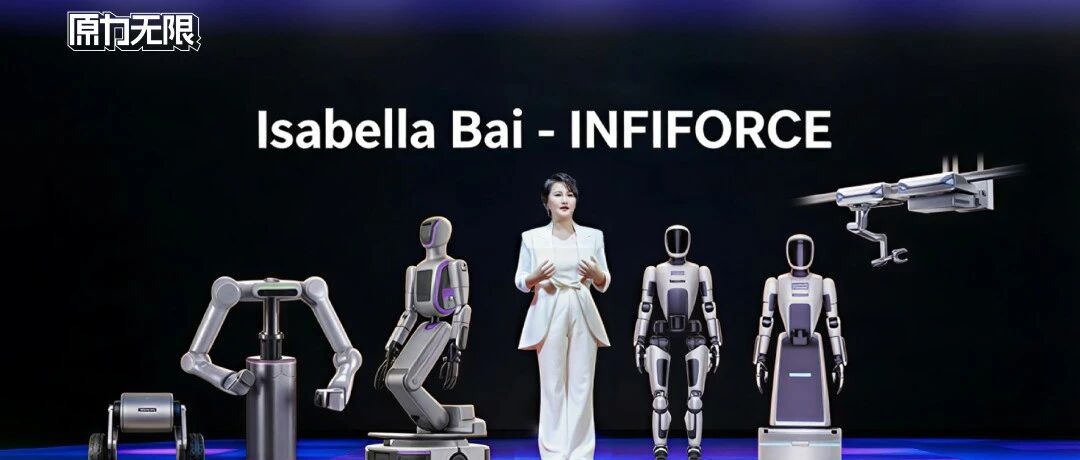
Core Viewpoint - The article emphasizes the need for robots to possess a "thinking" brain that understands the causal relationships of the world, rather than merely focusing on perfecting their physical forms. This perspective is articulated by Bai Huiyuan, the founder and CEO of Infiforce, who argues that the essence of embodied intelligence lies in the brain's ability to perceive and predict the physical world [1][2][3]. Group 1: Industry Context - In 2023, Bai Huiyuan left Alibaba to establish Infiforce amidst a competitive landscape where many companies were focused on hardware advancements, leading to a "body-making" arms race in the robotics industry [2]. - The robotics industry is currently characterized by a fascination with hardware, with companies competing on joint flexibility and human-like movements, while neglecting the cognitive capabilities of the robots [2][3]. - Infiforce aims to break this trend by focusing on developing a "thinking" brain that can adapt to various bodies and understand the physical world, rather than merely enhancing hardware specifications [3][12]. Group 2: Technological Approach - Infiforce's technological strategy involves a continuous learning model called Hyper-VLA combined with a causal world model, which contrasts with the mainstream AI approach that primarily relies on correlation [5][6]. - The existing AI models often depend on vast amounts of data for training, which is not feasible in the physical world, leading to issues of data scarcity and lack of robustness [6]. - Infiforce's approach integrates causal reasoning into its models, allowing robots to understand the implications of their actions, thus enhancing their decision-making capabilities in unfamiliar environments [6]. Group 3: Business Development - In 2025, Infiforce secured over 500 million yuan in commercial orders, signaling a significant milestone in the industry, although these orders are seen more as experimental partnerships rather than the launch of standardized products [8]. - The orders came from leading clients in various sectors, including cultural tourism, research, energy, and smart manufacturing, indicating a willingness to invest in the potential of robotics beyond mere demonstrations [8]. - Infiforce's AstroDroid AD series is transitioning from demonstration to pilot projects, where robots are actively engaging in real-world tasks, such as understanding visitor intentions in museums and performing household chores [8]. Group 4: Vision and Future Aspirations - Bai Huiyuan envisions Infiforce becoming an integral part of the robotics ecosystem, akin to "air" and "water," where the core intelligence of future robots will stem from Infiforce [13]. - The ultimate goal is to create robots that seamlessly integrate into human environments, making their intelligence so advanced that users forget they are interacting with machines [13].
【申报入口】2026年《财富》中国区榜单申报开启
财富FORTUNE· 2026-01-20 13:05
Group 1 - The core viewpoint of the article emphasizes the ongoing evolution of the Chinese business landscape amidst structural adjustments and technological advancements, highlighting the need for companies and individuals with scale, long-term value, innovation capabilities, and social impact to be redefined [2] - The 2026 Fortune China list is officially open for applications, with seven new categories focusing on enterprise scale, technological innovation, ESG, design, corporate reputation, and business leaders [2] - The Fortune Global 500 list will also open for applications in March, indicating a broader recognition of significant players in the global market [2] Group 2 - The application process for the 2026 Fortune China list consists of two stages: a preliminary application and a formal application [10] - The preliminary application requires scanning a QR code and filling out basic information and application intentions [10] - After the preliminary application, eligible candidates will receive a complete application questionnaire via email from Fortune [12]
苹果谷歌联手:一场奇袭
财富FORTUNE· 2026-01-20 13:05
Core Viewpoint - The unexpected collaboration between Apple and Google to integrate Google's AI technology into Apple's mobile operating system, including an upgrade to Siri, has significant implications for both companies and the AI industry as a whole [1][3]. Group 1: Google's AI Leadership - Google has regained its leading position in AI with the launch of the Gemini 3 model, which is now recognized as one of the most advanced models in the market, attracting a large number of customers to Google Cloud services [2]. - The collaboration with Apple serves as an important endorsement for Google's Gemini model, enhancing investor confidence in Google's search business stability and long-term profitability [3]. Group 2: Financial Implications - Apple is expected to pay Google approximately $1 billion annually for the use of its technology, which will contribute to Google's revenue growth [5]. - The partnership allows Google to access Apple's vast user base of around 1.5 billion iPhone users, potentially leading to revenue sharing from purchases made through Siri [5]. Group 3: Apple's Strategic Position - The collaboration enables Apple to offer a more powerful Siri voice assistant at a lower cost while ensuring user privacy, laying a solid foundation for Apple's AI strategy beyond 2026 [8]. - However, Apple's reliance on external partners for core AI functionalities highlights its challenges in developing its own large language models [8][9]. Group 4: Competitive Landscape - The partnership poses a significant challenge to OpenAI, as Apple's choice to collaborate with Google may hinder OpenAI's user growth and market position [12]. - OpenAI's CEO has acknowledged that Apple is a long-term competitor, and the collaboration may complicate OpenAI's ability to understand Apple's AI advancements [13]. Group 5: Industry Trends - The collaboration illustrates that in the AI era, combining top-tier technology with a large user hardware ecosystem is crucial for competitive strength [14]. - Google's recognition by Apple, despite previous doubts about its AI capabilities, signifies a shift in the AI competition landscape from isolated model capabilities to a comprehensive ecosystem approach involving chips, models, cloud, and overall ecosystem [14].



巴菲特之子坦言,直到二十多岁才得知父亲身家过亿
财富FORTUNE· 2026-01-20 13:05
Core Insights - Warren Buffett, known for his ambition, success, and wealth, was once the richest person in the world with a net worth of $62 billion in 2008, surpassing Bill Gates [1] - Peter Buffett, Warren's son, was unaware of his father's wealth until he saw his name on the Forbes list in his twenties, highlighting a disconnect between their family life and public perception [1][2] - Warren Buffett confirmed that his children developed their own identities and values independent of their wealthy background, emphasizing the importance of genuine friendships [3] Wealth Perspective - Warren Buffett's current net worth is approximately $145 billion, ranking him as the tenth richest person globally [4] - Buffett does not equate success with wealth accumulation or public exposure; he values contributions to society over material possessions [5] - He leads a frugal lifestyle, exemplified by his choice of food, vehicle, and residence, and prioritizes philanthropy, intending to pass on his wealth to his children for charitable purposes [5]

美国经济生产率激增,驱动因素却是“未解之谜”
财富FORTUNE· 2026-01-19 13:12
Group 1 - The core viewpoint of the article highlights the surprising efficiency of the U.S. economy in producing goods and services, providing a buffer for policymakers while raising questions about the underlying drivers of this productivity surge [2][4]. - Morgan Stanley reported a significant increase in non-farm productivity, with an annualized growth rate of 4.9% in Q3, marking a substantial rise from the average of 1.9% over the previous four quarters [2]. - The report suggests that the current productivity increase is largely cyclical, and the true drivers behind this acceleration remain a mystery [2]. Group 2 - The labor market in the U.S. has been characterized by "low hiring, low layoffs," with net job additions nearly at zero over the past five months, averaging only 44,000 new jobs per month, the lowest since 2020 [5]. - Despite reduced hiring, productivity has surged, supported by wealthier households maintaining demand, with consumer spending unexpectedly rising by 3.5% in Q3, primarily driven by service consumption [5]. - The article notes a shift in consumer behavior, with high-income households (earning over $150,000) accounting for 43% of new car purchases, up from 30% five years ago, while lower-income households (earning under $75,000) saw their share drop from 35% to 25% [5]. Group 3 - The rise of artificial intelligence is often seen as a potential factor for productivity improvement, but the report emphasizes cyclical factors instead, indicating that companies are not widely replacing human labor with AI but are correcting previous overhiring [6]. - The surge in productivity has direct implications for monetary policy, reducing the urgency for the Federal Reserve to cut interest rates, with revised predictions pushing the expected rate cuts to June and September [6]. - The report concludes that as long as the unemployment rate remains stable, the Federal Reserve can accept a slowdown in job growth [6].


100年前,美国人就盯上了格陵兰岛
财富FORTUNE· 2026-01-19 13:12
Core Viewpoint - The article discusses the complex historical and strategic relationship between the United States and Greenland, emphasizing the need for a responsible approach to the region amid climate change, rather than aggressive territorial claims or resource exploitation [1][18]. Historical Context - The U.S. has a long history of interest in Greenland, dating back to early 20th century explorations and resource extraction, including the controversial actions of naval officer Robert Peary [5][6]. - During World War II, Greenland was strategically important for the U.S. military, serving as a base for operations and weather data collection [7][9][10]. - The Cold War era saw ambitious military projects in Greenland, including the construction of Thule Air Base and plans for nuclear facilities, which ultimately failed due to environmental challenges [11][13][14]. Current Situation - The article highlights the ongoing issues related to abandoned military sites and the environmental impact of past U.S. activities in Greenland, which have left behind significant waste [16][18]. - Recent climate change has accelerated the melting of Greenland's ice sheets, posing risks to global sea levels and infrastructure [19][20]. Strategic Importance - Greenland's ice sheets are deemed more valuable than its potential mineral resources, as their melting could lead to catastrophic global consequences [19][20]. - The U.S. and Denmark are currently conducting geological surveys to identify mineral deposits, but mining activities remain limited and focused on specific resources [18]. Conclusion - The article argues that the most prudent strategy for the U.S. regarding Greenland is to prioritize the protection of its ice sheets and address climate change, rather than pursuing short-term economic gains through resource extraction [20].

商业航天,开始告别宏大叙事
财富FORTUNE· 2026-01-19 13:12
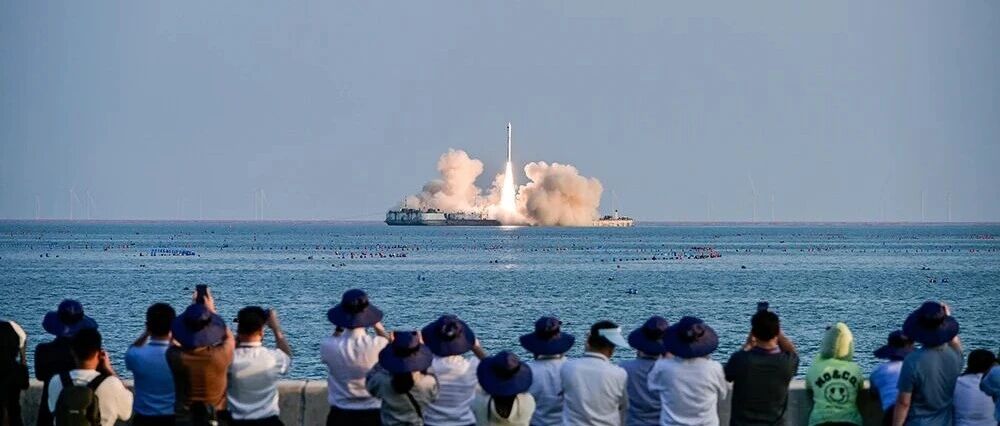
Core Viewpoint - The article highlights the volatility in the commercial aerospace sector, illustrated by the dramatic stock price fluctuations of companies like Goldwind Technology, which experienced a significant drop in market value due to regulatory warnings and market sentiment shifts [1][3][4]. Group 1: Market Dynamics - On January 16, Goldwind Technology's stock plummeted from 33.38 yuan to a limit down of 30.04 yuan, resulting in a market value loss of approximately 14 billion yuan within three trading days [1]. - The rapid rise and fall of Goldwind's stock was linked to its association with the commercial aerospace sector, particularly following a surge in market interest driven by IPO expectations [4][5]. - Regulatory interventions by the Shanghai Stock Exchange targeted companies like Hangxiao Steel Structure and Electronics Science Digital for inaccurate information related to commercial aerospace, contributing to a market sell-off [3][5]. Group 2: Regulatory Environment - The regulatory actions were aimed at curbing irrational speculation in the commercial aerospace sector while supporting the industry's long-term development [5][6]. - The China Securities Regulatory Commission has expedited the IPO process for companies in the commercial aerospace sector, indicating strong governmental support for this strategic emerging industry [6]. Group 3: Industry Outlook - The commercial aerospace sector is expected to transition from a "policy incubation period" to an "industrial explosion period" around 2026, with significant advancements anticipated in reusable rocket technology [6][7]. - Recent successful tests of the Long March 12B rocket, designed for commercial launch needs, underscore the industry's focus on reducing launch costs and increasing launch frequency [7]. - The investment logic in the commercial aerospace sector is shifting from speculative narratives to a focus on companies with real orders and technological advantages within the supply chain [8]. Group 4: Investment Implications - Following the end of speculative trading, market attention is likely to concentrate on companies that are directly involved in core model development and supply critical components [8]. - Goldwind Technology, despite its recent stock volatility, serves as a unique observation point for the commercial aerospace sector, reflecting the market's gradual recovery from panic [8].
马斯克:为退休存钱毫无意义
财富FORTUNE· 2026-01-18 13:08
Core Viewpoint - Elon Musk predicts a future of extreme material abundance due to advancements in artificial intelligence and robotics, challenging traditional financial advice about saving for retirement [1][2]. Group 1: Predictions on AI and Robotics - Musk forecasts that by 2030, AI intelligence will surpass the total intelligence of all humans combined, leading to a significant increase in the number of humanoid robots [3]. - He believes that AI could already perform over half of the tasks associated with many jobs, particularly white-collar positions, which will be increasingly replaced by technology [4]. Group 2: Economic Implications - Musk argues that the technological advancements will drastically enhance productivity, resulting in a level of abundance that surpasses current human imagination, where the relationship between personal income, savings, and living standards will become irrelevant [4]. - He envisions a future where individuals can access what they need without the necessity of traditional employment, likening work to leisure activities such as gardening or gaming [6]. Group 3: Societal Concerns - While Musk presents an optimistic outlook, he acknowledges potential societal issues, such as a crisis of meaning for individuals who may find their work devalued in a world of abundance [7][8]. - He highlights the current financial struggles of many Americans, with only 55% having sufficient savings to cover three months of expenses, contrasting this with his vision of a future without financial worries [7].

比亚迪“阳谋”押中欧盟考题
财富FORTUNE· 2026-01-17 13:13
Core Viewpoint - A significant breakthrough has been achieved in the trade dispute between the EU and China regarding electric vehicles, allowing Chinese automakers to submit a "price commitment" application to replace previously imposed high anti-subsidy taxes [1][3]. Group 1: EU-China Electric Vehicle Negotiations - The EU Commission initiated an anti-subsidy investigation into Chinese electric vehicles in the second half of 2023, leading to a consensus that Chinese exporters can apply for price commitments [1][3]. - The EU will issue guidelines for submitting price commitment applications, ensuring non-discriminatory treatment and adherence to WTO rules [3]. - The Chinese Chamber of Commerce for Import and Export of Machinery and Electronic Products described the negotiation outcome as a "soft landing" for the electric vehicle tariff dispute, but entering the European market remains challenging for Chinese automakers [3]. Group 2: BYD's Strategic Moves - BYD has shifted its focus overseas, increasing investments as the domestic electric vehicle market becomes saturated, leading to price cuts and declining domestic sales [4]. - BYD aims to surpass Volkswagen, Tesla, and Stellantis to become the largest electric vehicle seller in Europe by 2030, with plans for substantial investments in factories and distribution networks [5]. - Despite domestic sales pressures, BYD's pure electric vehicle sales are projected to exceed 2.257 million units in 2025, surpassing Tesla's 1.636 million units, making it the global sales leader [5]. Group 3: Local Production and Market Integration - BYD's early investments in Europe align with EU requirements, enhancing its ability to meet local market demands and regulations [6]. - The company plans to establish local production in Hungary, which will be the first passenger vehicle production base for a Chinese automaker in the EU, with production expected to start by the end of 2026 [6]. - BYD is negotiating with hundreds of European suppliers and aims to open over 1,000 stores across 32 European countries by the end of 2025 [6]. Group 4: Challenges and Market Dynamics - BYD faces challenges from external factors, including multiple recalls affecting over 200,000 vehicles due to battery issues, which could impact brand perception in overseas markets [7]. - The recent EU-China agreement is not a fixed standard, as geopolitical dynamics and tariff policies may change, requiring companies to adapt quickly to evolving rules [8]. - The current automotive landscape emphasizes rapid adaptation, with industry leaders needing to seize opportunities within the next three to five years to remain competitive [8].