财富FORTUNE

Search documents
为提振股市,新加坡试图携手纳斯达克
财富FORTUNE· 2026-01-26 13:27
图片来源:ORE HUIYING VIA GETTY IMAGES 企业很快就能实现美国、新加坡两地同步上市,这一合作模式系全球首创。新加坡交易所与纳斯达 克将于今年晚些时候启动双重上市桥梁计划,这是新加坡为激发本土交易所活力推出的重要举措。 长期以来,该交易所在吸引首次公开募股及其他交易方面始终落后于香港交易所等区域性交易所。 安永会计师事务所(EY)东盟区首次公开募股业务主管陈耀江(Chan Yew Kiang,音译)表示,该 机制或将吸引东南亚企业参与,这类企业既希望依托美国深厚的资本市场融资,也希望维持自身在 东南亚地区"强大品牌认知度"。 德勤东南亚资本服务市场主管郑慧玲(Tay Hwee Ling,音译)补充道,美国企业或借此将交易时段 延伸至美股收盘之后,同时强化在东南亚市场的业务布局。 星展银行(DBS)投资银行全球主管克利福德·李(Clifford Lee)指出,在当前地缘政治不确定性加 剧的背景下,这项合作还为寻求分散投资的亚洲投资者拓宽了投资渠道。 此外,双重上市桥梁计划设置了准入门槛——申请企业的市值需不低于20亿新元(约合16亿美 元),这意味着符合条件的东南亚企业寥寥无几。以新加坡 ...


预判金银市场最灵的指标
财富FORTUNE· 2026-01-26 13:27
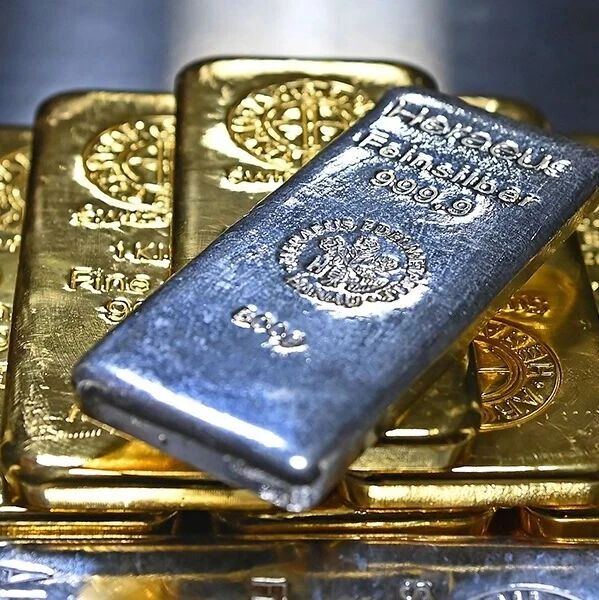
最近有新闻说,金银比已经跌到了50,金银的牛市要结束了。这种说法对不对呢?首先我们要知道 什么是金银比?这个指标有什么意义?金银比很简单,就是金价比上银价。 历史上,1970年至1980年贵金属牛市期间,金银比的起点是19.49,随着金价不断走高,金银比迅速 在1973年升至47.62。这时金价的整体涨幅为234.24%,白银的整体涨幅为36.67%。随后在1980年, 金银比跌到14.01,此时黄金涨了377.19%,白银涨了1523.98%。这一低于15的历史金银比也成为市 场反转的重要节点。 进入21世纪,金银比在40至80区间震荡。新冠疫情之后,金银比中枢显著抬升,尤其是近10年,主 要在70至90区间震荡,其中,在2020年3月至5月以及2025年4月至5月,金银比涨破100。不过,金 银比在2025年12月底跌破60,此次是近10年来首次跌破这一数值。到2026年1月16日,金银比已经 跌破50,为47。 但金银比还没有跌到20以下或15以下,这么早就因此宣布金银的牛市结束,是否过于武断? 我们先看这张图,这是本世纪以来黄金和白银走势的叠加图。黄线当然是黄金走势,红蓝的是白银 走势。有人会问,这白 ...
台积电决定穿过十字路口
财富FORTUNE· 2026-01-26 13:27
Core Viewpoint - TSMC has achieved significant milestones, with its Q4 financial report exceeding expectations, showing a 35% year-on-year net profit growth and a gross margin of 62.3%, indicating strong pricing power and production efficiency [1][3] Financial Performance - TSMC's Q4 net profit reached a historical high, with a gross margin of 62.3%, reflecting its robust pricing power and operational efficiency [1] - The company anticipates a capital expenditure increase to an unprecedented $52 billion to $56 billion by 2026, driven by sustained AI demand [1] Market Position and Client Base - TSMC's advanced process chips, particularly the 3nm process, contributed nearly 30% of wafer revenue in Q4 2025, while 77% of revenue came from 7nm and below processes [3] - NVIDIA has surpassed Apple to become TSMC's largest client, highlighting the importance of TSMC's advanced chips in the AI sector [3] Technological Advancements - TSMC is the only manufacturer capable of mass-producing 2nm process chips, which are crucial for advancing AI technology [4] - The company has successfully commenced mass production of 2nm chips by the end of 2025, maintaining its lead over competitors like Samsung and Intel [4] Global Expansion Strategy - TSMC is expanding its production capabilities internationally, with plans to establish a factory in Arizona, USA, supported by the CHIPS Act [6][7] - The company is also constructing factories in Japan and Germany, aiming to meet customer demands while navigating various operational challenges [8] Political and Economic Context - TSMC faces pressures from geopolitical tensions and trade relations, yet it prioritizes business logic in its expansion plans [5] - The company has committed to investing over $250 billion in the U.S. as part of a phased investment strategy linked to project milestones [7]

贾国龙的理想范本,或许是这家日本公司
财富FORTUNE· 2026-01-25 13:05
Core Viewpoint - The recent public debate between Luo Yonghao and Jia Guolong has sparked significant attention towards the "prepared dishes" market, which is poised for more comprehensive industry standards [1][3]. Group 1: Industry Trends - The Chinese catering industry is transitioning from a rough model to a more refined one, with the recent controversy guiding companies like "Xibei" to explore new paths [3]. - Japan's experience in the catering sector, particularly during economic downturns, may provide valuable insights for Chinese companies facing similar challenges [3]. - Data from Guoxin Securities indicates that from 1990 to 2024, Japan's consumer services sector saw the emergence of 20 tenfold stocks, with 11 from the restaurant industry [3]. Group 2: Company Comparisons - The development strategies of Xibei and Japan's Izumi Group show both similarities and differences, leading to divergent fates for the two companies [4]. - Izumi Group emphasizes supply chain development and has established a vertically integrated supply chain, which includes nine subsidiaries managing all processes from procurement to retail [6]. - In contrast, Xibei has not successfully developed sub-brands and faces higher transportation costs due to its reliance on cooperative supply chain models [4][6]. Group 3: Financial Developments - Xibei recently secured A-round financing, increasing its registered capital from approximately 89.9 million RMB to about 102 million RMB, marking a 13% increase [8]. - Notable investors include Zhang Yong and Hu Xiaoming, who bring operational expertise and experience in brand management to Xibei [8]. Group 4: Future Outlook - As national standards for prepared dishes and related regulations are refined, the Chinese catering market may witness a consolidation similar to Japan's, with smaller enterprises potentially being pushed out [9]. - Jia Guolong must leverage funding and diverse stakeholder interests to navigate Xibei through current challenges and towards its goals [10].

深度报道:另一场硅基战争
财富FORTUNE· 2026-01-24 13:02
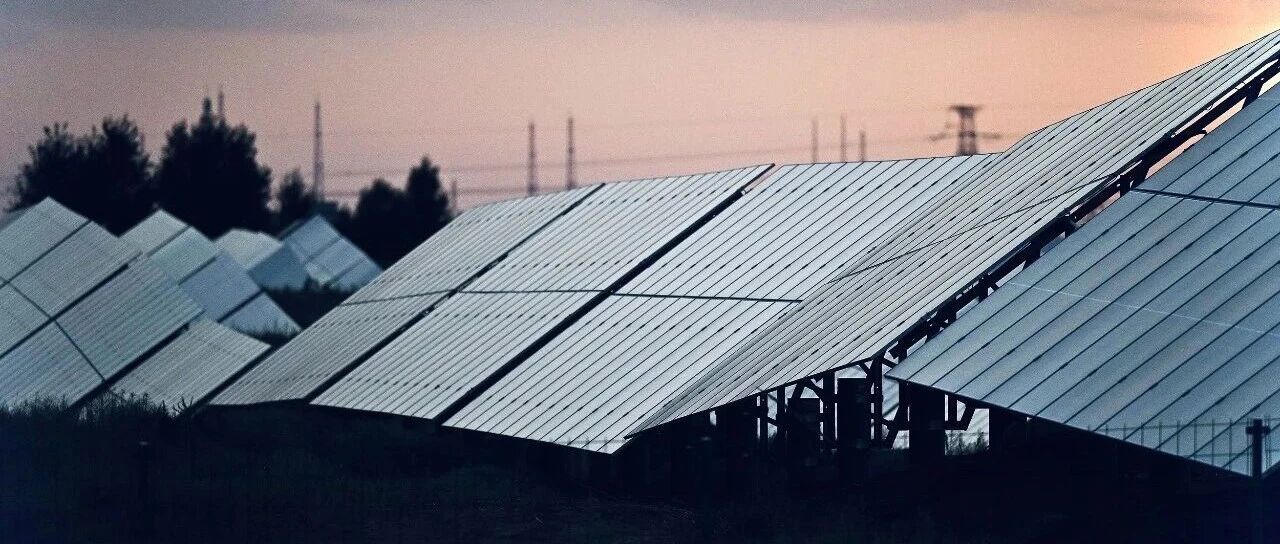
内蒙古 库布齐。图片来源:视觉中国 【编者按】 2026年冬季达沃斯论坛,马斯克提出,瓦特将取代货币成为未来财富的衡量单位,而中国凭借太阳能等可再生能源的海量产出,已占据先机。大洋另一侧, 现实却是,中国光伏业仍在一场产能过剩导致的全行业亏损中苦苦挣扎。 这个产业长期行走于光影之间——前方是能源与算力革命预示的光明前景,身后是过剩与内卷投下的漫长阴影。行业龙头之一——隆基绿能就是一个缩影。《财富》通 过连续数月对隆基、它的伙伴与对手、行业人士的深度采访,试图以它的故事为切片,讲述中国光伏业在这场能源终局降临之际的集体自救。 正午,内蒙古库布齐沙漠,太阳把沙子晒得发烫。 一大片深蓝色、离地数米高的光伏板矗立在大漠间,列队整齐,延绵数十公里不绝。从高处远眺,荒漠的粗糙质地被这些人造物近乎完美的镜面反射所取 代。视线下探,在光伏板投下的大片阴影中,青草在金属支架间摇摆。 这里是位于黄河"几"字弯南岸的中国第七大沙漠,它曾因风沙肆虐被称为 " 死亡之海 " 。 很难想象植物能在这里扎下根系,更违背直觉的是,这场生态 修复的发起者是一排排兀自扎于沙砾之间、与生命毫无关联的工业品。 十多年前,中国的光伏公司开始进入大漠深 ...

特朗普引发恐慌,格陵兰稀土矿企股价暴涨近150%
财富FORTUNE· 2026-01-23 13:05
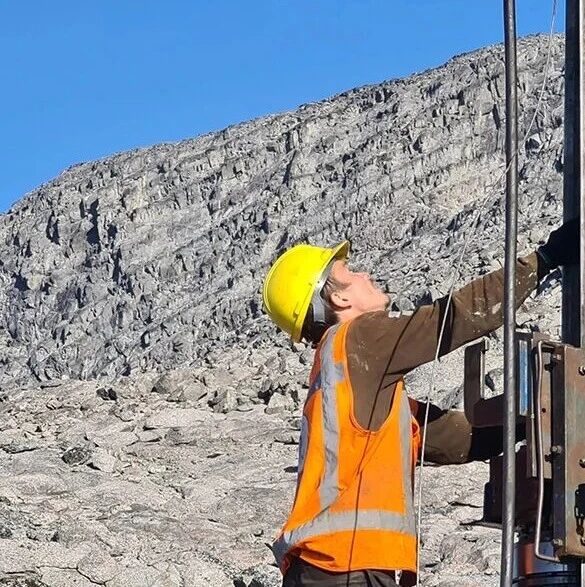
Core Viewpoint - The article discusses the strategic significance of the Tanbreez rare earth project in Greenland, developed by Critical Metals, amidst geopolitical tensions involving the U.S. and Denmark, particularly in light of President Trump's comments about acquiring Greenland [2][3]. Group 1: Company Overview - Critical Metals is developing the Tanbreez rare earth project, with its stock price increasing nearly 150% since the beginning of the year and over 280% in the past six months, leading to a market capitalization exceeding $2 billion [2]. - The company holds a 92.5% stake in the Tanbreez project, which is progressing towards pilot construction, with full-scale operations expected to begin in spring 2027 and completion by the end of 2028 [4]. Group 2: Project Details - The Tanbreez project aims to extract nearly 1 million metric tons of ore annually, with sufficient resources to sustain operations for over a century [4]. - The project is notable for its high concentration of rare earth elements, particularly heavy rare earths like terbium and dysprosium, as well as other valuable elements such as hafnium, gallium, and niobium [4]. Group 3: Geopolitical Context - Trump's strong rhetoric regarding Greenland has raised awareness of the Tanbreez project, highlighting its strategic importance for U.S. supply chains in rare earth mining and processing, an area where China currently holds a dominant position [3]. - The CEO of Critical Metals expressed a desire to maintain good relations with the U.S. government, the EU, and local Greenland authorities, emphasizing the need to avoid being used as a political pawn [2][3].
从IT服务巨头到全栈智能,软通动力的AI进化之路
财富FORTUNE· 2026-01-23 13:05
Core Insights - The article emphasizes that the competition in the AI era is shifting from a focus on individual model parameters to a comprehensive ecosystem approach, as demonstrated by Google's integration of TPU chips, Gemini models, and a full suite of applications [1] - In China, the company Softcom Power is positioned to replicate this "full-stack logic" by creating a complete closed loop of "computing power-model-terminal" in the enterprise market, aiming to bridge the gap between technology supply and industry demand [1] Group 1: Foundation - Softcom Power has made a strategic leap from "software-defined" to "physical support" by acquiring Tongfang Computer, establishing a robust hardware system that includes AI servers, workstations, and storage devices [2] - The company is a significant contributor to China's self-reliant computing ecosystem, leveraging technologies like Kunpeng and Ascend, and is well-positioned within national strategies such as "East Data West Computing" [2][4] Group 2: Hub - The Softcom Tianxuan MaaS (Model as a Service) platform serves as a central hub that transforms computing power into intelligence, akin to Google's Gemini model [5] - This platform benefits from Softcom's 20 years of industry experience, allowing it to fine-tune and train models based on specific industry needs, thus addressing core pain points in sectors like manufacturing, finance, and energy [5][6] Group 3: Reach - Softcom Power is expanding its reach into the consumer market through its "Mechanical Revolution" brand, which promotes AI PCs that evolve computers into "personal intelligent assistants" [8][9] - The company is also venturing into the smart robotics sector, demonstrating its capability to integrate hardware and software solutions for various industrial applications [9] Group 4: Flywheel Effect - The strategy of Softcom Power creates a self-reinforcing business flywheel: computing intelligence provides a strong foundation for software, scene intelligence enhances hardware capabilities, and terminal intelligence broadens commercial boundaries [11] - This "full-stack intelligent" strategy positions Softcom Power not just as an IT service provider but as an "ecological connector" that integrates foundational technology, industry scenarios, and end-user needs, aiming to establish a significant global presence in AI [11]
2026年,手机战场将更挤更昂贵
财富FORTUNE· 2026-01-23 13:05
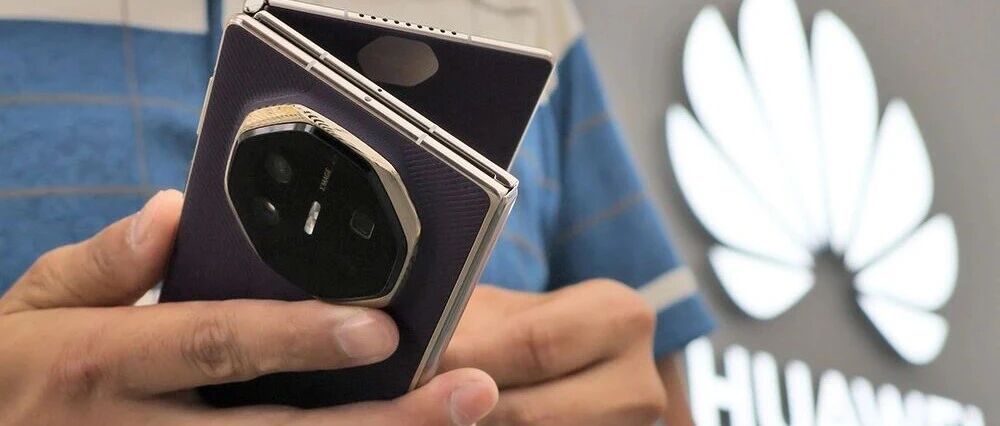
Core Viewpoint - The year 2026 may mark a turning point in the Chinese smartphone industry, as the previous "scale narrative" of gaining market share through low profit margins is likely to fail [1][3]. Group 1: Industry Trends - Major manufacturers like Xiaomi and OPPO have officially lowered their shipment forecasts for 2026 by more than 20%, indicating a strategic shift rather than a minor adjustment [4][5]. - The ongoing price surge in the global memory chip market, with costs expected to rise by 40% to 50% in the first half of 2026, poses a significant challenge for smartphone manufacturers, turning low-end devices into financial liabilities [5][10]. - The end of the "thousand-yuan machine war" suggests that metrics like cash flow and unit gross margin will become more critical than shipment volume in assessing company health [6]. Group 2: Market Dynamics - Huawei has reclaimed the top position in the Chinese market with a 16.4% market share, a significant achievement given its focus on high-end products rather than a broad product range [8]. - Honor's fall from the top five in the Chinese smartphone market highlights the challenges faced by brands lacking vertical integration and a strong ecosystem, as it struggles between the mid-range positioning of vivo and the high-end offerings of Huawei [8]. - Apple and vivo are tied for second place with approximately 16% market share each, with vivo successfully establishing itself in the high-end Android segment [8]. Group 3: Competitive Landscape - Apple's upcoming launch of its first foldable phone in 2026 indicates its desire to maintain its position in the high-end market, as the innovation in traditional smartphones has plateaued [9]. - The foldable phone category, which can command prices above $2,000, represents a new price anchor for Apple, aiming to attract high-value iOS users who have not yet transitioned to Android [9]. - The competitive landscape in the high-end market is expected to become increasingly intense, with both Huawei and Apple vying for dominance through advanced technologies and features [9].

丹麦向全球市场投下深水炸弹
财富FORTUNE· 2026-01-22 01:08
Core Viewpoint - The geopolitical tensions surrounding the U.S. and Denmark, particularly regarding Greenland, have led to significant financial decisions by Danish and Swedish pension funds, indicating a shift in investment strategies away from U.S. debt due to concerns over U.S. fiscal sustainability and policy risks [3][4][5]. Group 1: Danish Pension Fund Actions - Akademiker Pension, Denmark's largest pension fund, announced the liquidation of approximately $100 million in U.S. Treasury holdings, influenced by geopolitical tensions and concerns over U.S. fiscal discipline [3][4]. - The Chief Investment Officer of Akademiker Pension acknowledged that while the decision was based on long-term credit analysis, the current geopolitical climate made the decision easier [3]. Group 2: Broader European Trends - Following Denmark, Sweden's largest pension fund, Alecta, reportedly sold off the majority of its U.S. Treasury holdings, amounting to approximately $7.7 billion to $8.8 billion, citing increased policy risks and unpredictability in the U.S. [5]. - The Peter G. Peterson Foundation reported that the U.S. federal government is projected to add approximately $2.25 trillion in new debt over a 12-month period starting January 2025, highlighting concerns over the sustainability of U.S. fiscal policy [5]. Group 3: Global Investment Sentiment - The total foreign holdings of U.S. securities have surpassed $30.9 trillion, with European investors holding about $8 trillion, indicating a significant reliance on U.S. debt [6]. - Deutsche Bank's research suggests that if Europe decides to "weaponize" capital, it could escalate tensions beyond tariffs to direct impacts on U.S. debt markets, posing risks to both U.S. and European economies [7]. Group 4: China's Strategic Shift - China's holdings of U.S. Treasuries have decreased to $682.6 billion, the lowest level since the 2008 financial crisis, reflecting a strategic shift away from U.S. debt due to concerns over fiscal sustainability and the need for diversification [8]. - Concurrently, the People's Bank of China has increased its gold reserves for 14 consecutive months, reaching 74.15 million ounces, indicating a move towards asset diversification and a potential strategy for internationalizing the yuan [8]. Group 5: Market Reactions and Future Outlook - The decision by Danish pension funds to sell U.S. debt is seen as a symbolic move that could trigger broader market reactions, with investors increasingly wary of U.S. assets [9]. - The ongoing geopolitical and financial risks are expected to intensify as the U.S. midterm elections approach, potentially reshaping global capital flows and investment strategies [7][9].

“中等国家”宣言,给中国一个提醒
财富FORTUNE· 2026-01-21 13:03
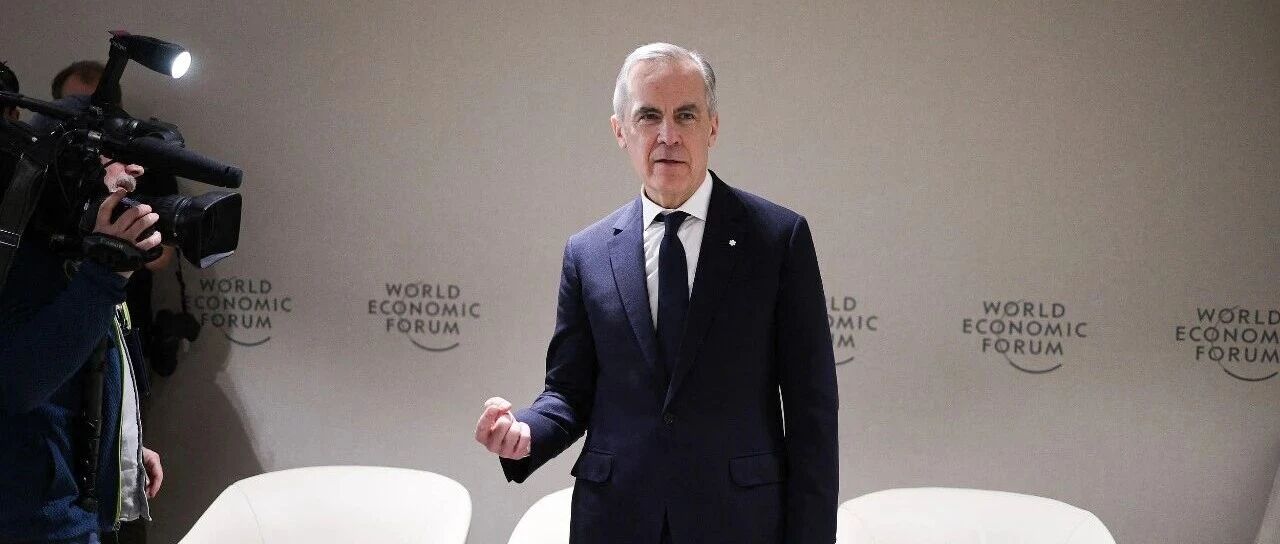
一年一度的冬季达沃斯如期而至,今年气氛明显不同,本周更因为一场政治演说而重夺世界眼球。 在一片雪峰之间, 加拿大总理马克·卡尼(Mark Carney)以一篇火力十足的演讲,宣告了战后美 国治世(Pax Americana)的退场,并吹响了"全世界中等国家联合起来"的号角。 瑞士达沃斯,世界经济论坛年会期间,加拿大总理马克·卡尼出席会议。图片来源:视觉中国 在演讲中,他直言战后"基于秩序的国际规则"已经停止运作,现实是"大国竞争加剧,最强者利用经 济武器追求自身利益"。他呼吁全世界中等国家(middle powers)联合起来应对大国经济胁迫,形 成新秩序。 "当我们只与一个霸权国家进行双边谈判时,我们是在弱势地位上谈判。我们只能接受施舍,我们互 相竞争看谁更顺从。这不叫主权,"他说。 卡尼的演讲迅速占据了全球媒体头条。在中国社交媒体上,演讲全文被火速翻译成中文,在各个微 信群中流转,引发对多个问题的热议:中等国家指谁?中国被划在哪个阵营?卡尼针对的究竟只是 特朗普,还是对美国及世界格局的长期判断? 多数观察者认为,在卡尼的"中等国家"与"霸权"的二分框架中,前者指的是加拿大、欧洲各国等中 等发达国家,而中国 ...