财富FORTUNE

Search documents
泡泡玛特开始找回最初的“快乐”
财富FORTUNE· 2025-06-21 13:03
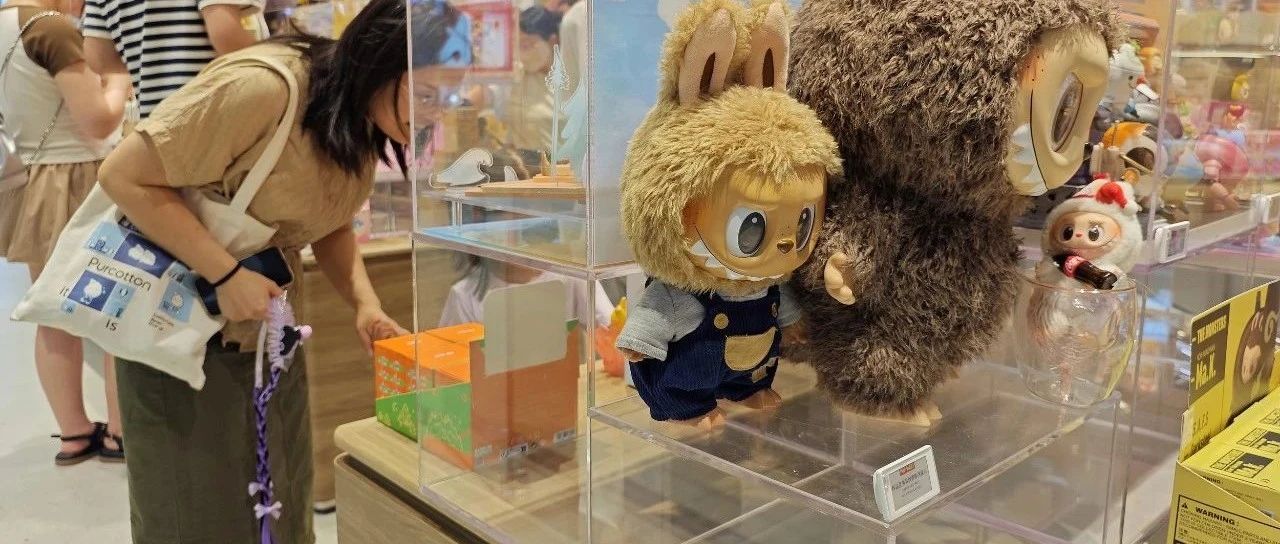
Core Viewpoint - The article discusses the expansion of Pop Mart's independent jewelry brand POPOP, highlighting its strategic focus on globalization and diversification of product offerings, particularly through leveraging popular IPs like LABUBU [1][3][4]. Group 1: Brand Expansion and Strategy - POPOP opened its first global store in Shanghai and a second store in Beijing, featuring products from various popular IPs under Pop Mart [1]. - The founder and CEO, Wang Ning, emphasized the importance of jewelry as a significant category for the company's growth and diversification efforts [2][4]. - Pop Mart's strategy includes increasing overseas revenue and expanding its business around IPs, with overseas revenue reaching 1.066 billion yuan in 2023, accounting for 16.9% of total revenue, and projected to grow to 5.07 billion yuan in 2024, representing a 375.2% increase [3]. Group 2: Market Performance and Consumer Behavior - The launch of the POPOP brand is seen as a move towards a more diversified business model, with the potential for high profitability compared to licensing IPs to other brands [6]. - The popularity of LABUBU has significantly influenced consumer purchasing behavior, with 83% of surveyed respondents considering buying products associated with LABUBU [7]. - The high demand for LABUBU products has led to market disruptions, including incidents of scalping and stock shortages, which have raised concerns about consumer experience and brand reputation [7][8]. Group 3: Financial Performance and Market Sentiment - Despite a significant increase in stock price over the past year, recent market reactions have shown caution, with a 6.04% drop in stock price on June 17, resulting in a market value loss of approximately 22.3 billion HKD [8]. - The company's stock has seen a cumulative increase of over 200% in the past year, but there are growing concerns about whether the stock price has outpaced the company's growth potential [8]. - The company has initiated measures to improve consumer access to LABUBU products, including online pre-sales to mitigate the impact of scalping [11].

《财富》东南亚500强中,面积最小的国家创收最高
财富FORTUNE· 2025-06-20 13:02
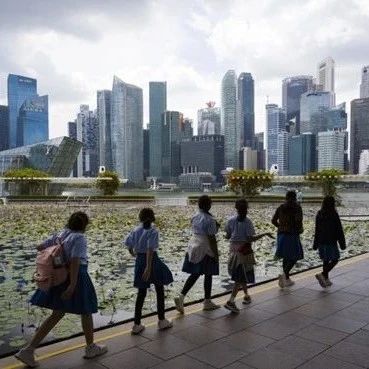
Core Insights - The article discusses the Southeast Asia 500 list by Fortune, which ranks the largest companies in the region based on revenue, covering seven economies: Indonesia, Thailand, Malaysia, Cambodia, Vietnam, the Philippines, and Singapore [1] Group 1: Economic Overview - Indonesia has the largest representation on the list with 109 companies, accounting for over one-fifth of the total ranking [2] - Thailand ranks second with 100 companies, being the second-largest economy in the region [2] - Singapore, despite having the highest GDP per capita, ranks in the middle with 81 companies on the list [3] Group 2: Revenue Insights - Singapore's companies generated a total revenue of $637 billion, which is approximately one-third of the total revenue of $1.8 trillion for the entire list [5] - The revenue figures for the top countries are as follows: - Indonesia: 109 companies, total revenue of $321.8 billion [6] - Thailand: 100 companies, total revenue of $352.6 billion [6] - Malaysia: 92 companies, total revenue of $201.6 billion [6] - Singapore: 81 companies, total revenue of $637.1 billion [6] - Vietnam: 76 companies, total revenue of $161 billion [6] - Philippines: 40 companies, total revenue of $141.3 billion [6] - Cambodia: 2 companies, total revenue of $1.4 billion [6] Group 3: Notable Companies - The top company in Singapore is Trafigura Group, a commodity trading firm with a revenue of $243.2 billion in 2024, significantly surpassing other companies on the list [9] - Other notable companies include Wilmar International and Olam Group, both involved in the agricultural sector, with revenues of $67.4 billion and $42 billion respectively [10] - Singapore's three major banks—DBS, OCBC, and UOB—are recognized as the most profitable companies in the region [7]
亚马逊CEO:AI应用将导致员工减少
财富FORTUNE· 2025-06-20 13:02
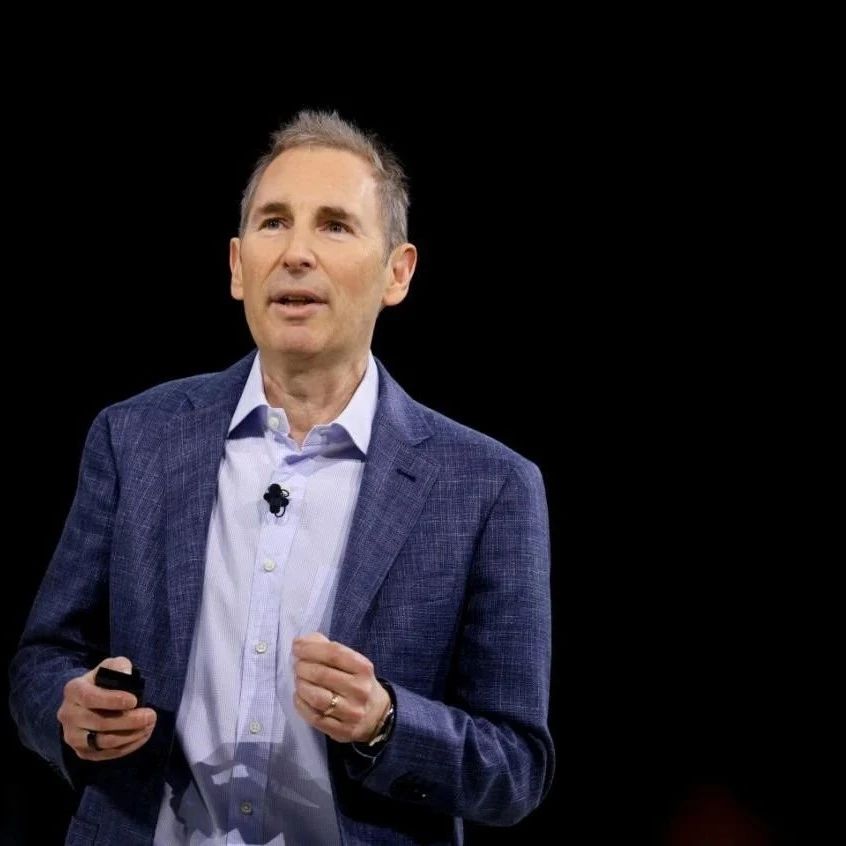
Core Viewpoint - Amazon's CEO Andy Jassy anticipates a reduction in the company's workforce in the coming years as the company increasingly utilizes AI technology to handle more tasks [1][2]. Group 1: Impact of AI on Workforce - Jassy expressed that generative AI and AI-driven software agents will inevitably change the way work is conducted, leading to a decrease in the number of employees needed for certain existing jobs while increasing the need for other types of work [2]. - The company expects that the widespread application of AI will result in an overall decline in employee numbers, although the long-term net effect remains uncertain [2][5]. - Concerns about AI replacing human workers have been prevalent since the rise of AI technology, with companies like Shopify and Duolingo already taking steps to limit human roles in favor of AI [2]. Group 2: Amazon's AI Investments - Amazon has been investing heavily in AI, particularly in logistics and headquarters roles, with projects including Alexa, shopping assistants, and tools sold through Amazon Web Services [3]. - Internally, AI tools are being utilized for inventory management, customer service, and product listings, with Jassy encouraging employees to experiment with AI as much as possible [4]. Group 3: Employment Statistics - As of March 2023, Amazon is the second-largest private employer in the U.S. after Walmart, with a total of 1.56 million employees, the majority of whom work in warehouses, while approximately 350,000 are involved in corporate roles [5].

2025年《财富》东南亚500强排行榜揭晓
财富FORTUNE· 2025-06-20 13:02
Core Insights - The article highlights the emerging opportunities in Southeast Asia, driven by global supply chain changes and the growth of industries such as mining, electric vehicles, and artificial intelligence, despite potential setbacks from U.S. tariff policies [1] Group 1: Economic Overview - The total revenue of the companies listed in the Southeast Asia 500 reached $1.82 trillion, reflecting a 1.7% increase from the previous year, which lags behind the reported 4.1% GDP growth of the seven economies covered [1] - Indonesia has the highest number of companies on the list (109), followed by Thailand with 100 companies, while Singapore leads in revenue generation with $637.1 billion, accounting for slightly over one-third of the region's total revenue [1] Group 2: Industry Leaders - The top five companies in the Southeast Asia 500 are all involved in commodity businesses, including Trafigura (metals), PTT (oil), Pertamina (oil), Wilmar International (agriculture), and Olam Group (agriculture) [2] - The energy sector dominates the Southeast Asia 500, contributing nearly one-third of the total regional revenue, with notable growth from Bangchak, a Thai energy company, which saw a 47% increase in revenue [2] Group 3: Profitability and Technology - The most profitable companies in the list are Singapore's three major banks: DBS, OCBC, and UOB, with DBS leading at $8.5 billion in profit [3] - Despite predictions of growth in the digital economy, technology companies have a small representation in the Southeast Asia 500, with only one tech company, Sea, in the top 20 [3] Group 4: Emerging Trends - NationGate Holdings, a Malaysian contract manufacturer, experienced a remarkable 723% increase in sales, surpassing $1 billion, largely due to its role as the sole assembler of AI servers for Nvidia in the region [4] - Southeast Asia's 500 companies are increasingly playing a significant role in the global supply chain, attracting substantial capital inflows and reshaping global trade dynamics [5]

孤独有害健康,但影响或许没有想象中那么严重
财富FORTUNE· 2025-06-20 13:02
Core Viewpoint - Recent research challenges the previously established link between loneliness and increased risk of premature death, particularly among elderly individuals receiving home care [2][3]. Group 1: Research Findings - A new international study involving over 380,000 elderly home care recipients from Canada, Finland, and New Zealand found no association between loneliness and increased mortality risk after controlling for other health risk factors [2]. - The study indicates that elderly individuals experiencing loneliness may actually have a lower risk of death within a year compared to those who do not feel lonely [2]. Group 2: Implications for Public Health - Despite the findings, loneliness remains a significant public health concern due to its severe impact on mental health [3][4]. - The prevalence of loneliness among home care recipients is notable, with rates of 15.9% in Canada and as high as 24.4% in New Zealand [4]. - The study suggests a complex relationship between health status, care needs, and social connections, highlighting the need for further long-term research [4]. Group 3: Recommendations - Researchers advocate for policymakers and healthcare providers to address loneliness as a quality of life issue rather than solely focusing on its potential link to mortality [4][5]. - Home and community care services should play a protective role by providing social interaction support for isolated individuals [5].

木头姐基金强势反弹,却遭遇大量质疑
财富FORTUNE· 2025-06-19 13:01
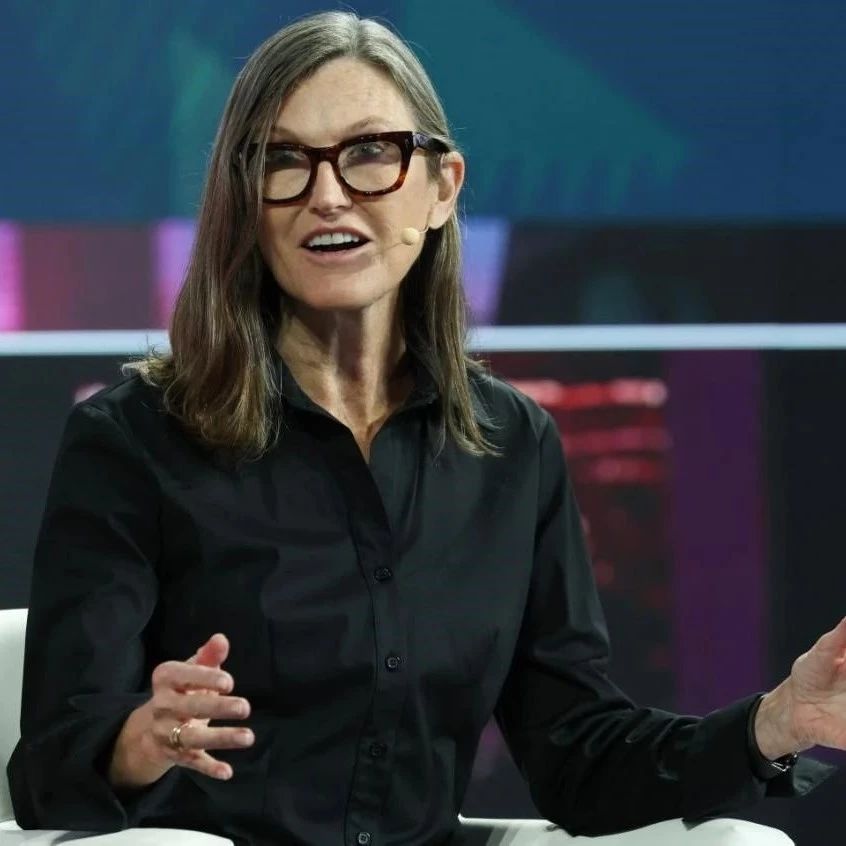
Core Viewpoint - ARK Innovation ETF, led by Cathie Wood, has rebounded over 50% since early April, but investor confidence remains low, leading to significant outflows and increased short positions [1][2]. Group 1: Performance and Investor Sentiment - Despite a strong performance, ARKK has not restored market confidence, with short positions reaching a record 37% of its float, surpassing previous pandemic peaks [2][4]. - In June alone, short sellers incurred over $300 million in mark-to-market losses due to ARKK's performance, with a 4.4% rise on a recent Monday adding approximately $93 million to their losses [2][3]. - The fund has experienced over $840 million in outflows this year, marking five consecutive weeks of net redemptions [4]. Group 2: Competitive Landscape - New single-stock ETFs are emerging, allowing investors to build potentially better-performing portfolios without relying on fund managers, which has contributed to ARKK's declining popularity [5][6]. - The asset management size of single-stock ETFs has grown to nearly $21 billion since regulatory approval in 2022, providing leveraged exposure to companies like Nvidia and Tesla [6]. - The proliferation of leveraged and inverse ETFs targeting ARKK's holdings poses a risk of obsolescence for flagship thematic ETFs like ARKK, as investors prefer direct investments [6]. Group 3: Long-term Performance - Despite recent rebounds, ARKK's five-year return is essentially zero, while the S&P 500 has seen total returns exceeding 100% during the same period [6].
技师短缺,波音“空军一号”项目深陷泥潭
财富FORTUNE· 2025-06-19 13:01
Core Viewpoint - Boeing is facing significant delays and challenges in the production of the new Air Force One, primarily due to design issues, rework modifications, and labor challenges, as highlighted in a recent report by the U.S. Government Accountability Office [1][2][4]. Summary by Sections Contract and Delays - In 2018, a contract worth $3.9 billion was signed between the U.S. government and Boeing for the design, modification, and testing of two aircraft to be used as Air Force One by 2024, but the project has exceeded its original delivery timeline due to ongoing delays [3][6]. - Boeing has revised the delivery schedule from May 2027 to December 2029, with indications that the project may be extended by several more years [8]. Production Challenges - The production delays are attributed to persistent design problems, issues with the pressure and environmental control systems, and Boeing's failure to complete certification plans and aircraft designs [4][6]. - Labor market challenges have hindered Boeing's ability to recruit and retain qualified technicians, with a reported 10% workforce reduction announced despite industry-wide talent shortages [5][8]. Financial Implications - The additional costs associated with the project are projected to exceed $10 billion, which is over $2 billion more than the initial contract cost, bringing the total development and procurement cost of the two aircraft to nearly $6.2 billion [6][8]. Security and Compliance - Due to the nature of the VC-25B project, which involves presidential security, employees must meet strict security requirements for approval, complicating the hiring process [9]. - Boeing is working with project officials to improve the pre-screening process for applicants to expedite security clearance [9]. External Assistance - During Trump's second term, Boeing sought assistance from Elon Musk to help resolve some production bottlenecks, indicating the high level of scrutiny and pressure from the administration regarding the delivery timeline [10].

她要用科学重构人与宠物健康关系
财富FORTUNE· 2025-06-19 13:01
Core Viewpoint - The article highlights the growth and potential of the pet food industry in China, emphasizing the importance of scientific formulation and emotional health for pets as key trends driving consumer behavior and market dynamics [6][7][9]. Group 1: Entrepreneurial Journey - The founder of the pet food brand, Aifabai'ao, has a unique background, being part of the Charoen Pokphand Group, which has a significant global revenue of $102.2 billion in 2024 [3]. - The founder's education in Switzerland and the United States has shaped her understanding of the pet food industry, aiming to use science to enhance the health relationship between humans and pets [5][11]. Group 2: Market Trends - The pet economy in China is projected to exceed 300 billion yuan in 2024, with a year-on-year growth of 7.5%, and is expected to surpass 400 billion yuan by 2027 [7]. - Pet food accounts for 52.8% of the total pet consumption market in 2024, with a steady increase in staple and nutritional products, while snacks show a slight decline [8]. - Young consumers are driving the market, showing a preference for high-quality, personalized pet products, and are increasingly concerned about ingredient transparency [9]. Group 3: Industry Challenges - The pet food industry faces several challenges, including the use of inferior ingredients, lack of clinical testing, and consumer education deficits [10][13]. - There is a growing need for awareness regarding pet emotional health, as negative emotions can lead to serious health issues in pets [14]. Group 4: Strategic Approach - Aifabai'ao aims to address the emotional health of pets through natural ingredients and scientific methods, emphasizing the importance of emotional well-being as part of pet care [14][15]. - The company collaborates with veterinary professionals to create educational content and visual aids to raise consumer awareness about the importance of pet emotional health [15]. Group 5: Family Business Wisdom - The founder has learned three core business principles from her family: integrity in product quality, a win-win mindset for industry growth, and adaptability to market changes [17][18]. - The company focuses on product, channel, and marketing synergy as the core of competition in the pet food market [19]. Group 6: Product Innovation - Aifabai'ao has developed innovative products, including freeze-dried fish meat snacks that retain nutritional value and are scientifically validated for effectiveness [21]. - The company emphasizes transparency in its supply chain to build consumer trust and ensure product quality [21][22].

各国都渴望“主权AI”,结果反而加强了对大国的依赖
财富FORTUNE· 2025-06-19 13:01
Core Viewpoint - The article discusses the paradox of "sovereign AI," highlighting that countries aiming for independence in AI technology are increasingly dependent on major powers for essential components like chips and software [1][2][3]. Group 1: Sovereign AI Investments - The UAE announced a $20 billion investment in OpenAI's "UAE Stargate" project, which aims to create a "sovereign AI" but relies entirely on American technology [1]. - Countries like France and India are also investing heavily in their own AI models, such as France's Mistral and India's BharatGPT, yet they remain dependent on global technology [1][2]. Group 2: AI Infrastructure and Dependencies - The most challenging aspect of AI model development is the model weights, which are updated more frequently than policy cycles, indicating a reliance on foreign infrastructure for AI deployment [2][3]. - France's Mistral model was initially seen as a breakthrough for European sovereign AI but was quickly surpassed by more efficient Chinese open-source models, demonstrating the deep interdependence in technology [2][3]. Group 3: Digital Colonialism - The article argues that a new form of "digital colonialism" is emerging, where countries are structurally bound to major powers through dependencies in AI technology, despite having control over model weights [3][4]. - Countries may run their models locally, but they still rely on American hardware, software, and intermediary technologies, masking the complex web of dependencies [3][4]. Group 4: Strategic Infrastructure Investment - To achieve true autonomy in AI, countries need to invest in local data capabilities, security systems, and open-source technologies rather than just developing large models [4][5]. - The article emphasizes that a vibrant AI industry depends on local tools, standards, and infrastructure, which only the US and China have successfully developed so far [4][5]. Group 5: The Illusion of Sovereign AI - The pursuit of "sovereign AI" reflects a misunderstanding of modern technology's nature, as AI relies on global flows of data, chips, software, and talent [4][5]. - Countries face a choice between spending large sums for a false sense of security or investing in strategic infrastructure to reduce foreign dependency [5].

豪门女坐拥数十亿美元仍穿旧衣服,坐经济舱
财富FORTUNE· 2025-06-18 10:27
Core Viewpoint - The article highlights the contrasting lifestyle of billionaires, focusing on the story of Miki Perdue, who, despite her immense wealth from two successful family businesses, chooses to live a modest and frugal life, emphasizing the value of giving over materialism [1][10]. Group 1: Background of Miki Perdue - Miki Perdue is the heir to the Sheraton hotel family and inherited significant wealth at the age of 26, with her family's hotel group valued at $12.2 billion [2]. - Her wealth increased significantly after marrying Frank Perdue, known as the "Chicken King," whose company generated over $10 billion in revenue last year [2]. Group 2: Lifestyle Choices - Perdue expresses that both her families discourage extravagance, and wearing designer clothes does not earn respect in her circles [3]. - Despite her wealth, she lives a life similar to an average person, opting for repairs over new purchases, using public transport, and residing in a modest apartment rather than a mansion [3][4][5]. Group 3: Work and Contributions - Perdue has a dual life, balancing her immense wealth with a commitment to work and community service, showing a preference for contributing to society rather than indulging in luxury [4][10]. - She has engaged in various humanitarian efforts, including selling her late husband's engagement ring for aid to war-torn areas and developing an AI trauma therapist for Ukrainian victims [7][11]. Group 4: Philosophy on Wealth - Perdue believes that true happiness comes from what one can do for others rather than what one can acquire, stating that focusing on giving leads to a more fulfilling life [10][11]. - She emphasizes the importance of stewardship in wealthy families, suggesting that their purpose is not to squander wealth but to manage it responsibly for future generations [12].