财富FORTUNE

Search documents
机器人赛道泡沫何时破?
财富FORTUNE· 2026-01-05 13:02
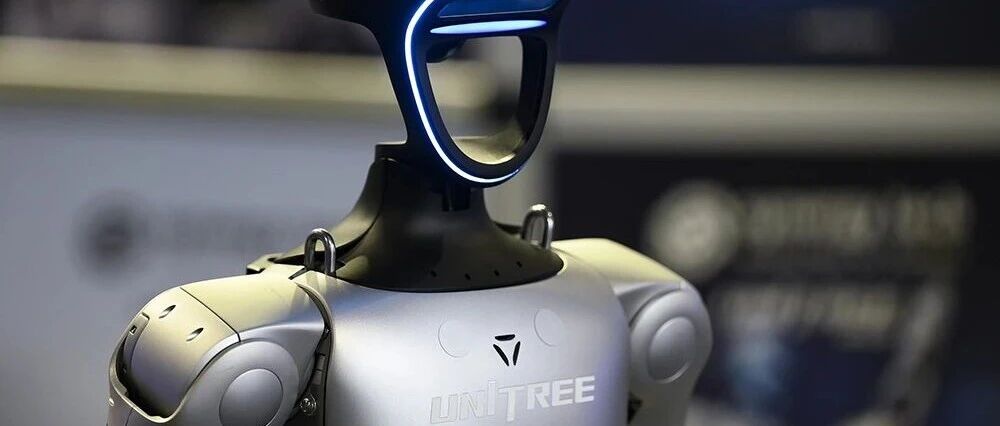
Core Viewpoint - The article discusses the recent controversy surrounding Yushu Technology's A-share listing, emphasizing that the company has not applied for a "green channel" and that its listing process is proceeding normally [1][3]. Group 1: Listing and Market Concerns - Yushu Technology issued a strong statement denying reports of its listing being halted, clarifying that it has never applied for a "green channel" and that its listing work is progressing as planned [1][3]. - The market is more concerned about whether there is a bubble in the robotics sector, with the founder of Yushu Technology, Wang Xingxing, suggesting that current concerns about a bubble may not hold true in the long term [4][11]. - Wang argues that the perception of a bubble should be viewed as a natural phase in industry development rather than a moral judgment, as many important industries have gone through similar processes before maturing [5][6]. Group 2: Technological Challenges and Ethical Concerns - The core issue facing humanoid robots is not a wrong direction but rather the failure to cross a critical threshold, with hardware and algorithmic limitations hindering efficiency and reliability [8][10]. - Wang compares the current state of robotics to early automobiles, suggesting that while technology may be "usable but not perfect," it is approaching a critical transformation [9]. - Ethical concerns are highlighted, with Wang emphasizing the risks of robots being misused and the potential for public misunderstanding, which could lead to negative perceptions of the technology [10][11]. Group 3: Future Outlook - The article concludes that for Yushu Technology, the listing is merely a matter of time, and the real determinants of its future will be product demand, technological leadership, and cost sustainability after any market corrections [12]. - The presence of bubbles is acknowledged as part of the industry's evolution, with the expectation that only companies that focus on genuine product development will survive the inevitable market fluctuations [12].

特斯拉丢掉全球电车销冠王座,销量正式落后于比亚迪
财富FORTUNE· 2026-01-05 13:02
Core Viewpoint - Tesla has officially lost its long-standing title as the global electric vehicle sales champion to BYD, highlighting a significant shift in the global electric vehicle competitive landscape towards China [2][5]. Group 1: Tesla's Performance - Tesla reported a decline in annual delivery volumes for the second consecutive year, with 2025 delivery estimates dropping to approximately 1.6 million units, an 8%-9% decrease from 2024, significantly lower than BYD's projected sales [3][5]. - The peak delivery volume for Tesla occurred in 2023 at around 1.8 million units, but the company still managed to maintain a slight lead over BYD in 2024 [3][5]. - Tesla's unusual move to preemptively disclose Wall Street analysts' delivery forecasts for 2029, while simultaneously stating it does not endorse any predictions, suggests an attempt to mitigate market shock regarding its declining fourth-quarter sales [3][4]. Group 2: BYD's Rise - BYD announced a target of 2.26 million pure electric vehicle sales by 2025, representing a nearly 28% year-on-year increase, and is expected to achieve a total of approximately 4.6 million new energy vehicle sales when including plug-in hybrid models [2][5]. - The company's growth is attributed to aggressive pricing strategies, a robust domestic supply chain, and a comprehensive product matrix that caters to price-sensitive consumers [5][6]. - BYD's product line spans from economical urban vehicles to high-end sedans, and it is rapidly expanding its exports to Europe, Southeast Asia, Latin America, and the Middle East [5][6]. Group 3: Market Dynamics - The shift in market dynamics is influenced by a cooling global demand, competitive pricing pressures from rivals, and the expiration of key incentives in Europe and the U.S. [5][6]. - Ford announced a $19.5 billion impairment charge for its electric vehicle business, citing a shift in customer demand, with the U.S. electric vehicle market share reportedly halved to around 5% since the termination of federal purchase subsidies [4][5]. - The U.S. government and the EU are increasing scrutiny on Chinese electric vehicle imports and raising tariffs, which could hinder BYD's overseas expansion despite its stronghold in the domestic market [6].


突袭委内瑞拉:美国从“门罗主义”进入“唐罗主义”
财富FORTUNE· 2026-01-04 04:47
美国总统唐纳德·特朗普证实,针对委内瑞拉的惊人袭击和逮捕领导人尼古拉斯·马杜罗的行动,主要与 该国庞大的石油储量有关,而不仅仅是毒品和移民问题。特朗普声称,美国石油公司将重建委内瑞拉原 油工业,以在经济上补偿美国,并使委内瑞拉人民受益。 "我们将在委内瑞拉的石油领域有所作为。"特朗普说,"我们将从地下开采出巨额财富。" 当地时间周六,特朗普在海湖庄园举行的新闻发布会上表示:"我们将让美国大型石油企业进入委内瑞 拉,投资数十亿美元,修复严重破损的石油基础设施,并开始创造收益。" 一艘油轮在巴霍格兰德炼油厂港口装载原油后,停泊在马拉开波湖。图片来源:GETTY IMAGES 尽管较小规模的收益可能更快实现,但能源分析师强调,真正重建委内瑞拉石油行业并大幅提高出口需 要数年时间,可能接近十年。这将使美国长期深陷委内瑞拉事务。 特朗普没有透露太多细节,但表示,委内瑞拉副总统德尔西·罗德里格斯目前暂时掌权,但"她别无选 择",在举行公平选举或实施权力交接之前,她必须听从白宫的命令。"我们不怕派遣地面部队作 战。"特朗普说。 委内瑞拉拥有全球最大的已探明石油储量,但其石油产量却不到全球总产量的1%,从石油开采的角度 来看 ...


36岁投行精英导演了一场餐饮业的东山再起
财富FORTUNE· 2026-01-03 13:21
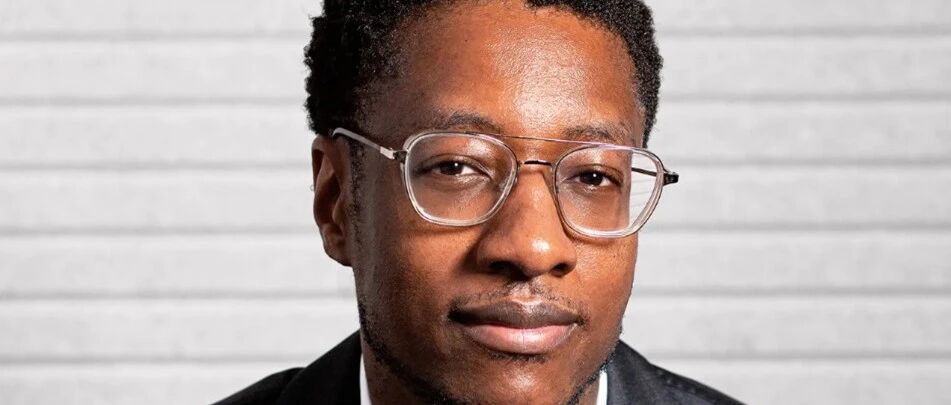
红龙虾的危机绝非一日之寒。2023财年,这家拥有687家门店的连锁品牌营收20亿美元,却巨亏7600万 美元(约合人民币5.5亿元),客流量出现两位数下滑。长期的战略失误叠加私募股权资本的 " 竭泽而 渔 " 式压榨,让企业外强中干:所有门店均承受着远超市场水平的租金压力;为削减成本导致的菜品质 量下滑,加上一场引发众怒的 " 无限量吃虾 " 营销翻车(编者注:该活动因供应短缺遭消费者抵制), 更令品牌声誉跌至谷底。 消费趋势的剧变更是雪上加霜:年轻顾客转向Chipotle、Panera等主打"新鲜平价+极速服务 的新锐品牌 " (编者注:均为美国热门快餐连锁),外卖平台的崛起持续分流客源。而红龙虾那些仿海岸风情的宽 敞餐厅——本为美国家庭聚餐设计——如今常陷入门可罗雀的窘境。 "正式接任前,我暗访多家门店,发现装修陈旧、后厨缺员、设备老旧……团队士气更是跌到冰点。 " 阿达莫雷肯回忆道。这位尼日利亚移民后代(父母均为医生)经过了高中辩论赛与大学橄榄球队的历 练,让他深信 " 沟通是破解一切难题的利器 " 。 这位身高体健的红龙虾(Red Lobster)首席执行官,举手投足间既有大学橄榄球运动员的飒爽英姿, ...
特朗普失算,中国造船业在打压下愈战愈勇
财富FORTUNE· 2026-01-02 13:07
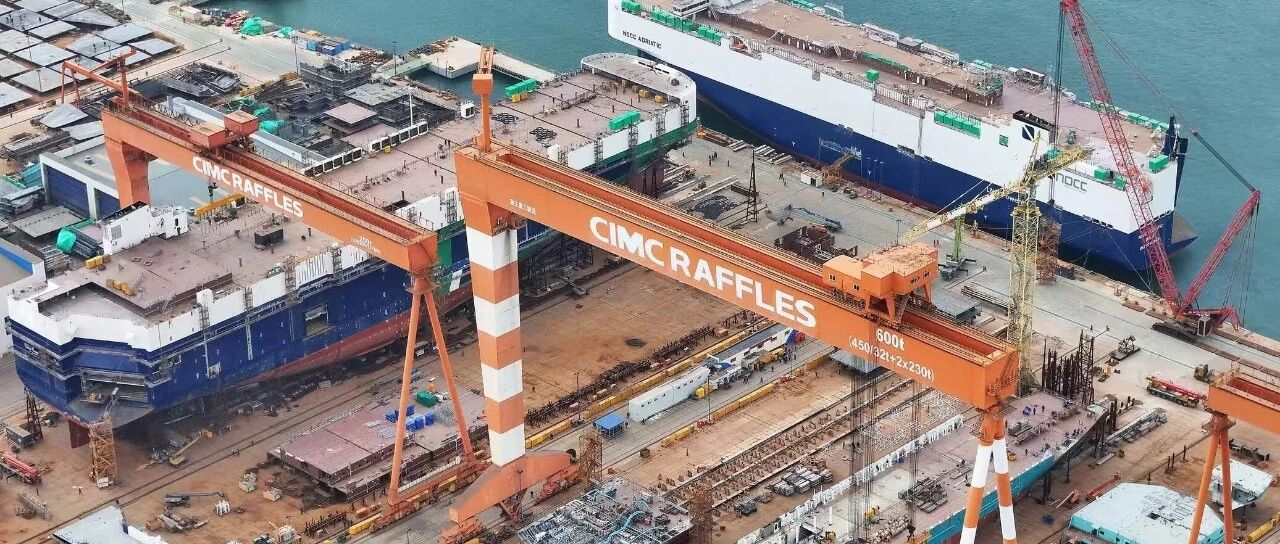
Core Viewpoint - The article discusses the resilience and growth of China's shipbuilding industry despite attempts by the Trump administration to curb its expansion, highlighting China's dominance in global ship orders and technological advancements in shipbuilding [1][9]. Group 1: Industry Performance - As of 2024, Chinese shipyards secured nearly 70% of global new orders, with backlogs extending to 2029, maintaining a significant lead in the market [4]. - By November 2025, Chinese shipbuilders held approximately 60% of new orders and over 65% of the global order backlog, reaffirming their position as the world's leading shipbuilding nation [4]. - The demand for new ships has surged due to geopolitical tensions and changes in global trade routes, particularly affecting the orders for LNG carriers and oil tankers [7]. Group 2: Technological Advancements - The launch of the "BYD Shenzhen," the world's largest car carrier, marks a significant milestone for both BYD and China's shipbuilding industry, showcasing advancements in dual-fuel technology and zero-carbon emissions during operations [5]. - The "Boreas," the first methanol dual-fuel wind turbine installation vessel, represents a new standard in offshore wind energy installation, reducing carbon footprints by over 78% compared to traditional vessels [5]. - The "Wind Ally," designed for versatility in installation tasks, demonstrates innovative hybrid design, significantly reducing operational costs and time [6]. Group 3: Competitive Landscape - Despite efforts to revitalize South Korean and Japanese shipbuilding industries, they remain unable to effectively compete with China's order volumes due to factors like capacity, technology, and cost [9]. - The trend of large orders being concentrated in Chinese shipyards is becoming more common, as seen in the contract for 10 LNG dual-fuel container ships worth approximately $2.1 billion signed by CMA CGM with a Chinese shipbuilder [8].
股神的84年智慧,浓缩至五点
财富FORTUNE· 2026-01-01 13:24
Core Viewpoint - The article reflects on Warren Buffett's investment philosophy and legacy, emphasizing the importance of his investment principles and the implications of his retirement for investors and the market [1][9][20]. Group 1: Buffett's Investment Principles - Principle One: Avoid blindly copying Buffett's stock-picking strategy; instead, invest 90% in S&P 500 index funds and 10% in short-term government bonds for stability [11][14]. - Principle Two: If choosing stocks independently, focus on a few high-quality companies rather than diversifying too much; Buffett's portfolio is heavily weighted in a few key stocks [15]. - Principle Three: Maintain a long-term perspective and be prepared to endure market fluctuations; successful investors often hold stocks through downturns [16]. Group 2: The Concept of "Economic Moat" - Principle Four: Invest in companies with a "moat," meaning they possess a sustainable competitive advantage that can withstand market changes [17]. - Principle Five: "Be fearful when others are greedy, and greedy when others are fearful," highlighting the need for courage in investment decisions during market volatility [18]. Group 3: Legacy and Future of Berkshire Hathaway - Buffett's retirement raises questions about the future of Berkshire Hathaway and whether the company's success can continue without his direct influence [20][21]. - The article suggests that Buffett's investment philosophy will remain relevant, but the challenge lies in whether successors can uphold these principles effectively [20].
Gemini正将谷歌创始人25年前的设想变为现实
财富FORTUNE· 2025-12-31 13:06
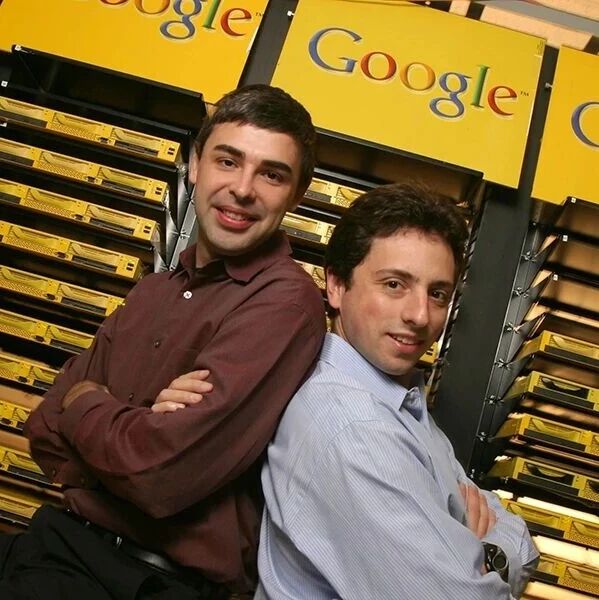
Core Insights - The article discusses the evolution of Google from its inception to its current advancements in artificial intelligence, particularly focusing on the Gemini AI product, which aligns with co-founder Larry Page's vision for an ultimate search engine that understands user intent and provides accurate answers [2][5]. Group 1: Historical Context - Google was founded by Larry Page and Sergey Brin in 1998, with Page serving as the first CEO until 2001 [2]. - The company initially gained a 25% market share in search by 2000, a significant increase from its early days, but still far from its current dominance of approximately 90% [3]. - In 2000, Google's search advertising revenue was $80 million, which is projected to approach $200 billion by 2024 [3]. Group 2: Vision for AI - Larry Page expressed in a 2000 interview that artificial intelligence would be the ultimate form of Google, capable of understanding everything on the internet and providing precise answers [4]. - The recent launch of Gemini is seen as the closest realization of Page's vision for an advanced search engine [5]. Group 3: Gemini AI Developments - Google has integrated its latest language model, Gemini 3 Flash, into its AI mode search tool, enhancing its ability to provide high-quality answers to complex user queries [6]. - Gemini's multimodal reasoning capabilities allow it to interpret and reason based on text, images, audio, video, and code within a single prompt, significantly improving its performance [6]. - The model can manage user tasks within the Google ecosystem, such as handling emails and providing programming suggestions, showcasing its advanced functionality beyond traditional search engines [6].

中美AI竞赛:界限日益模糊,下一战关键何在?
财富FORTUNE· 2025-12-31 13:06
Core Insights - The article discusses the current state and future prospects of AI investment, highlighting the presence of a potential bubble in the market, particularly in the valuation of AI companies with no revenue [2][3][13] - It emphasizes the shift from consumer-focused AI applications to business-oriented solutions, suggesting that this transition will lead to more stable revenue streams for AI companies [3][15] - The article also contrasts the AI landscapes in the US and China, noting the strengths and weaknesses of each in terms of technology, infrastructure, and user adoption [8][10] Group 1: AI Investment Landscape - The term "bubble" is prevalent among investors in Silicon Valley, with some AI model companies being valued at hundreds of millions despite having no revenue [2][3] - Oracle and CoreWeave have recently experienced significant market cap declines, reminiscent of past market downturns [2] - Zhang Lu expresses cautious optimism about the AI bubble, citing real industrial demand supporting AI innovations, unlike the 2000 internet bubble [3][15] Group 2: Technological Advancements - The AI infrastructure landscape is diversifying, with new chip architectures like TPUs and NPUs improving efficiency [4] - OpenAI has significantly reduced its token prices, indicating a trend towards cost-effective AI solutions [4] - Edge AI is advancing rapidly, with companies developing small models that can run locally on devices, enhancing data privacy [4][5] Group 3: Application Trends - Non-tech sectors in the US, such as healthcare and finance, are rapidly adopting AI, leading to a surge in startup activity and corporate acquisitions [6] - Major companies are increasingly acquiring startups, with Fusion Fund reporting five acquisitions this year, three of which were founded less than two years ago [6] - The integration of AI into business processes is expected to drive revenue growth as companies automate and optimize operations [15] Group 4: US-China Comparison - Despite Silicon Valley's lead in AI technology, the aging US power grid poses challenges for energy demands, prompting companies to build their own energy systems [8] - China has advantages in renewable energy infrastructure and a robust robotics supply chain, fostering a conducive environment for AI applications [8] - The willingness of US companies to collaborate with startups creates a unique ecosystem that supports innovation [19] Group 5: Investment Strategy - The company focuses on B2B AI projects, emphasizing the importance of market size and timing in investment decisions [18][28] - A significant portion of investments has seen revenue growth exceeding 20 times, reflecting the market's rapid embrace of AI [12] - The company maintains a cautious approach to valuations, avoiding overvalued projects and focusing on long-term growth potential [16][25] Group 6: Future Outlook - The article predicts that AI will increasingly integrate into various industries, with significant breakthroughs expected in the next three to five years [32] - The emergence of intelligent agents is anticipated, with coding agents already showing potential as a killer application [23] - The company believes that while AI may replace some jobs, it will also create new opportunities, leading to a reconfiguration of the labor market [31]
甲骨文老板提供超400亿美元担保,助儿子收购华纳兄弟
财富FORTUNE· 2025-12-31 13:06
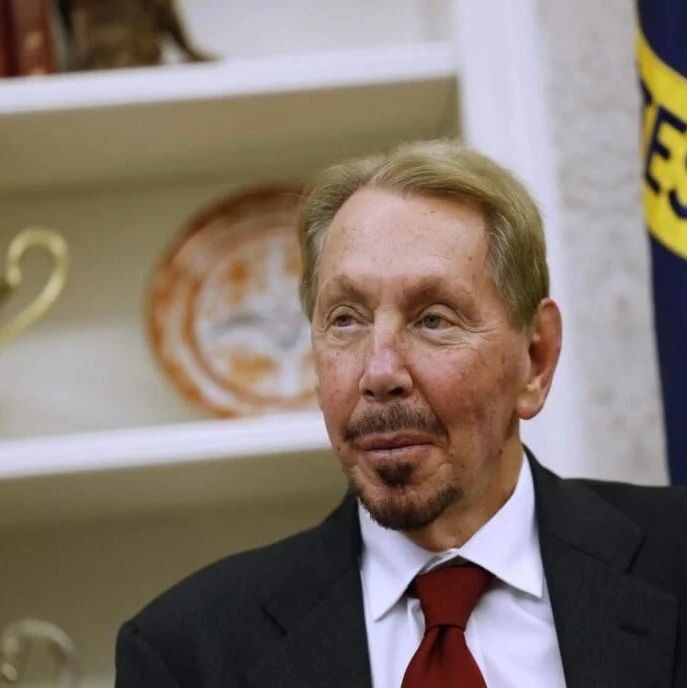
2025年2月3日,甲骨文联合创始人、首席技术官兼执行董事长拉里・埃利森现身白宫。图片来源:Anna Moneymaker —Getty Images 甲骨文联合创始人拉里·埃利森正将这场关乎好莱坞未来的争夺战推向新高度。为助儿子大卫·埃利森 (David Ellison)成功收购华纳兄弟探索公司(Warner Bros. Discovery),老埃利森亲自出马。本周 一,大卫旗下的派拉蒙天空之舞公司(Paramount Skydance)宣布,老埃利森已为这笔交易提供404亿美 元的"不可撤销个人担保",有力回击了外界有关公司融资能力存疑的论调。 围绕华纳兄弟探索公司这场争夺战可谓一波三折。作为娱乐行业的"皇冠明珠",华纳兄弟探索公司的归 属始终牵动市场神经。去年8月,大卫·埃利森出任合并后的派拉蒙天空之舞公司首席执行官后,便积极 推动收购华纳兄弟,提出了一份1080亿美元的全现金收购要约,折合每股约30美元。然而,华纳兄弟探 索公司董事会却否决了这一方案,转而选择与奈飞(Netflix)达成协议,同意以约830亿美元的价格出 售其影视制作及流媒体资产。 华纳兄弟探索公司董事会之所以否决派拉蒙的收购要约,主 ...


奉行“低消费”的百万富翁:开二手车,不买新衣
财富FORTUNE· 2025-12-30 13:08
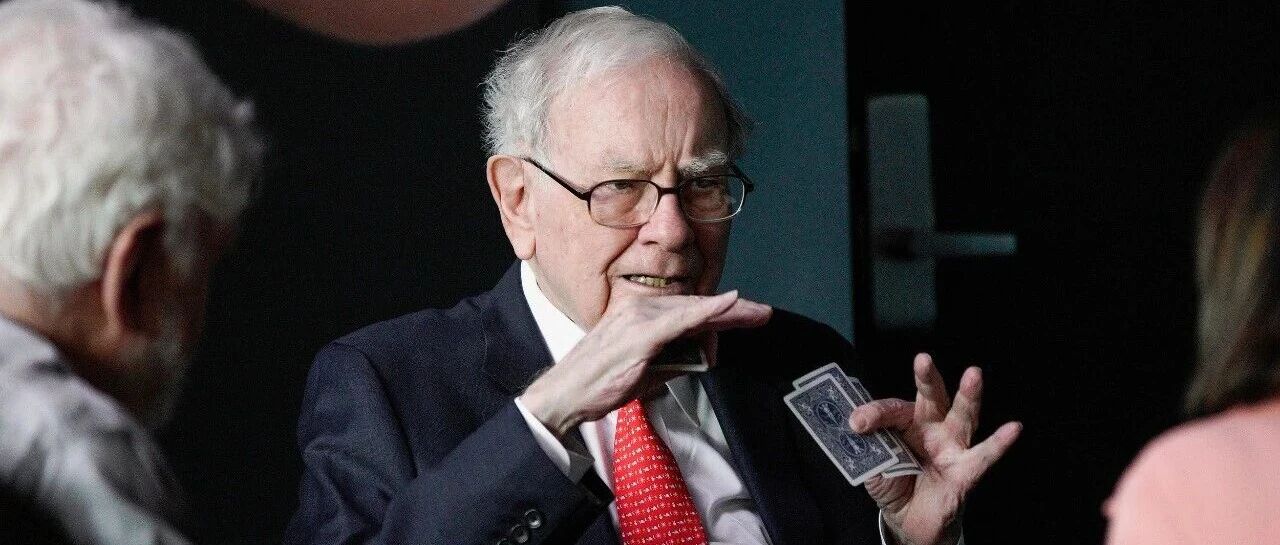
图片来源:Getty Images 尽管名下资产数以亿计,地球上一些最富有的人却并不挥霍购买那些让其他购物者心动的物质商品。 例如,伯克希尔-哈撒韦公司(Berkshire Hathaway)首席执行官沃伦·巴菲特(Warren Buffett)以驾驶一 辆布满冰雹损伤的2014款凯迪拉克而闻名。微软(Microsoft)联合创始人比尔·盖茨(Bill Gates)开着 波诺(Bono)赠送的菲亚特500电动车。而YouTube明星"野兽先生"(MrBeast)则在办公室过夜,甚至 不得不向母亲借钱来支付婚礼费用。 那么,富人如何守富?显然,秘诀在于表现得像自己不富一样。《财富》采访的高净值人士和年收入超 过10万美元的人士表示,他们尽可能地将可自由支配支出降到最低,更看重此举对财务状况的积极影 响。 当他们的朋友可能乐于每周下几次馆子时,他们却选择自己做饭——事实上,他们甚至购买冷冻食品, 因为比新鲜食材更便宜。 有些人选择不买车,修补自己的"胶囊"衣橱,并在Facebook Marketplace上为孩子淘玩具。 这些人——有时甚至是不自觉地——正过着一种"低消费"的生活方式。 此前,为抵制该应用程序上常 ...