财富FORTUNE

Search documents
2026年,房地产会更“惨”吗?
财富FORTUNE· 2026-02-03 13:07
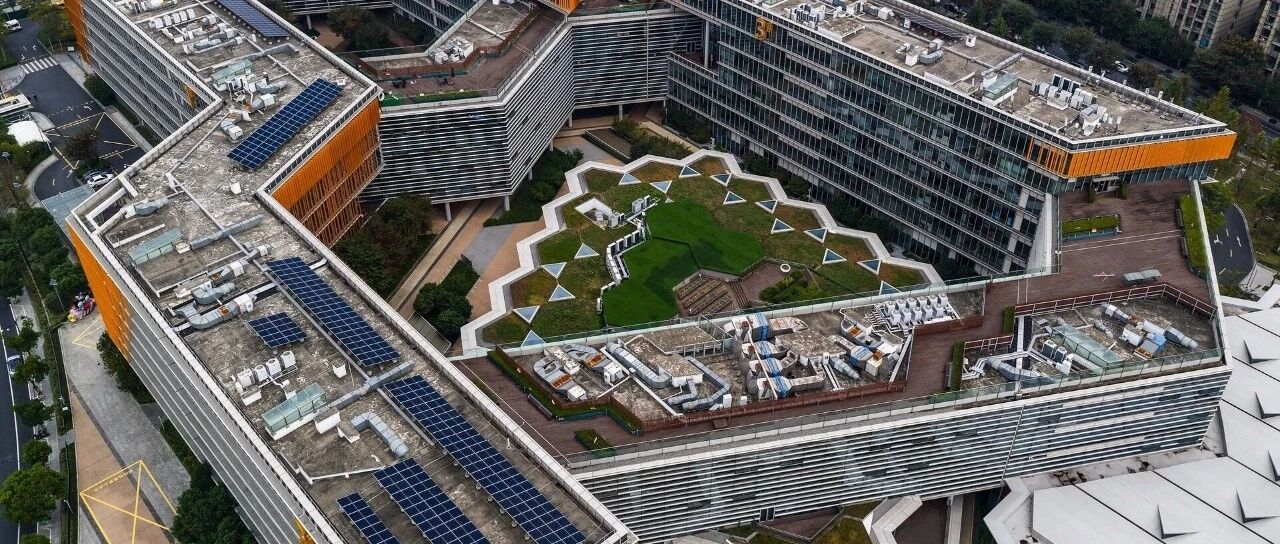
一面是上海核心区位的高品质改善型住宅依然供不应求,一面是上海远郊三宗宅地近期全都底价成交。 这两幅画面,构成了当下中国房地产市场最真实的AB面。 地产已被戏称为"地惨",背后是这个行业长达二十年的高速增长周期正式落幕。自2020年"三条红线"政 策如一道惊雷直接刺破行业泡沫以后,房地产市场量价从2021年的历史高点快速回落,虽在2023年春季 有过短暂反弹,但随即进入持续三年的深度调整;地方政府的土地出让收入也从2021年8.7万亿元的峰 值,到2025年腰斩至4.1万亿元。 图片来源:视觉中国 与此同时,全国楼市同涨同跌的时代也宣告结束。 越来越多迹象显示,市场对"核心资产"(核心城市 的好房子)和"非核心资产"(多数普通城市的房产以及核心城市的普通房产)的定价预期彻底分离。这 意味着在2026年以及更远的未来,房地产并非一个惨或不惨的简单二元命题,而是开启了一个漫长、复 杂且充满分化的磨底与重构时代。 "地惨"时代:房价分化与城市命运分野 如果要追溯一个确切的时间节点,房地产市场的崩塌或许始于2020年的"三条红线"政策。 2018年至2019年间,行业呈现过热态势,部分企业采取激进融资策略,杠杆率甚至高 ...


广药集团擘画“十五五”品牌新蓝图 以品牌强企,向世界一流进发
财富FORTUNE· 2026-02-03 13:07
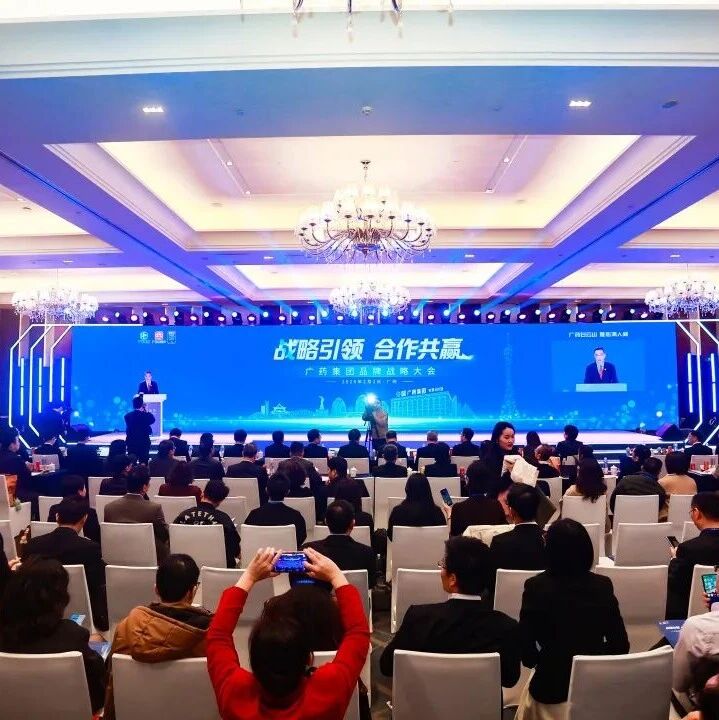
Core Viewpoint - The article discusses the strategic brand development plan of Guangzhou Pharmaceutical Group (广药集团) during its brand strategy conference, emphasizing the importance of brand building as a core strategy for survival and growth in the current market environment [3][5]. Group 1: Brand Strategy and Planning - The conference marked the launch of the "15th Five-Year" brand strategy plan, aiming to "recreate a new Guangzhou Pharmaceutical" [3]. - The core brand strategy is defined as "one lead, dual drive, and three-dimensional empowerment," focusing on strategic leadership, value and innovation, and brand empowerment across products, industries, and ecosystems [3][5]. - The "1+6" brand management framework was introduced, which includes a comprehensive brand strategy plan and six key strategic initiatives to enhance brand positioning, communication, culture, governance, organizational support, and talent development [5]. Group 2: Collaboration and Ecosystem Building - The establishment of the Guangzhou Pharmaceutical Group Brand Strategy Committee was announced, which includes top experts as consultants to enhance brand development [6][7]. - A strategic partnership was formed with 16 national-level platforms and leading media to create a collaborative ecosystem for brand communication [7]. - The "National Advertising Research Institute Brand Demonstration Construction (Guangzhou) Practice Base" was unveiled to promote deep integration of industry, academia, and research in brand development [9]. Group 3: Recognition and Future Directions - The conference recognized outstanding brand development cases for 2025, showcasing successful projects that blend tradition with innovation [13][14]. - An interactive salon was held to explore the future of the Guangzhou Pharmaceutical brand, featuring discussions on sustainable development and practical insights from industry experts [15][17]. - A follow-up meeting focused on transforming strategic blueprints into actionable collaborations, emphasizing transparency and long-term partnerships [19].
特斯拉宣布:正式停产两款车型
财富FORTUNE· 2026-02-03 13:07
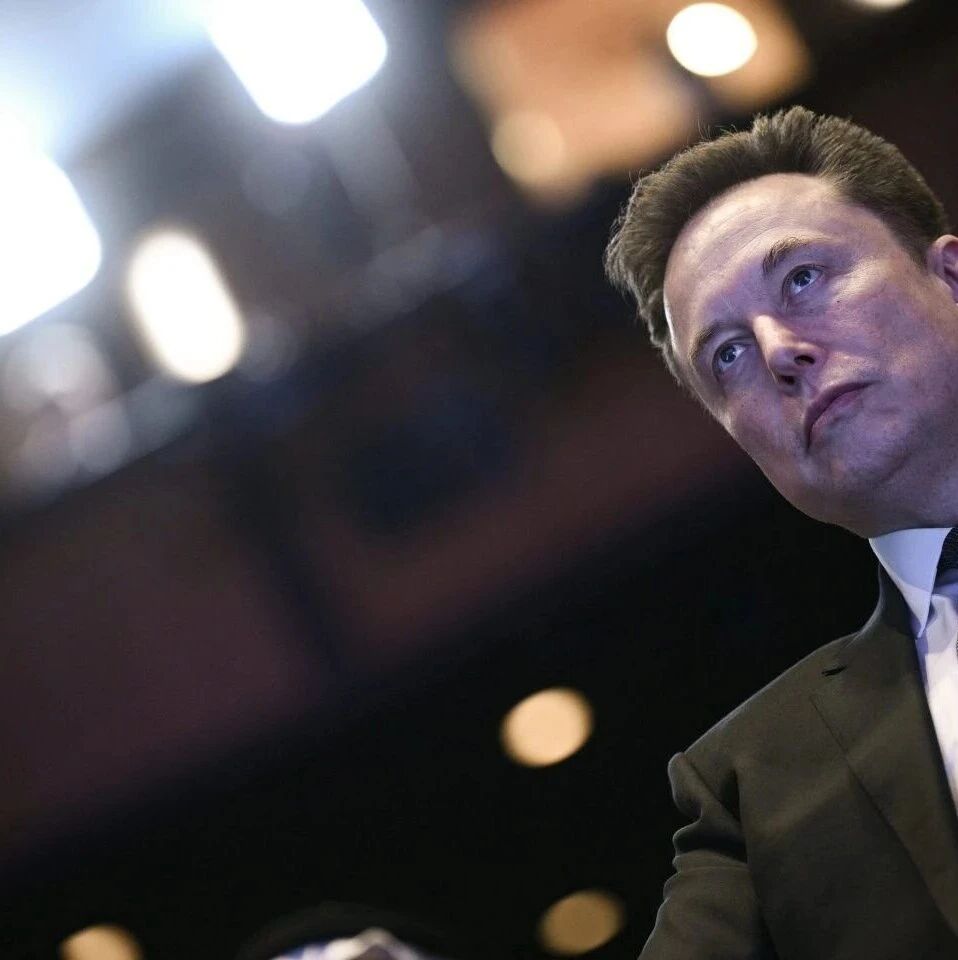
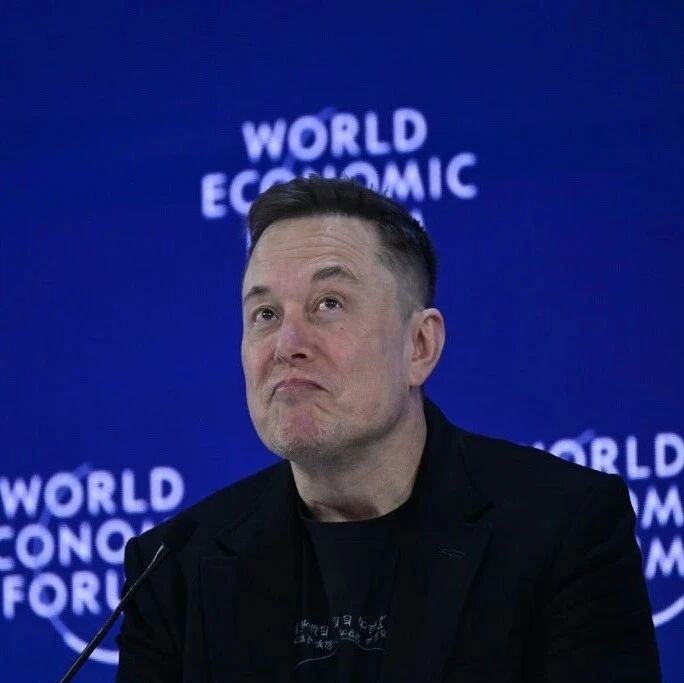
特斯拉首席执行官埃隆·马斯克。图片来源:BRENDAN SMIALOWSKI—AFP/Getty Images 新年伊始,特斯拉(Tesla)首席执行官埃隆·马斯克便向股东抛出了一系列重磅消息,其中包括:特斯拉向他本人旗下的人工智能公司xAI投资20亿 美元,以及突然宣布停产Model S和Model X两款车型 。 特斯拉高管强调,对xAI的投资将提升公司效率,因为公司无需再为AI投入同等资源。马斯克则表示,这项投资最终将有助于特斯拉管理庞大的自动 驾驶车队以及Optimus机器人。 马斯克在上周三晚间的电话会议上表示:"我们基本上只是在按照股东的要求行事。"他指出"有很多"投资者曾要求特斯拉投资xAI。 特斯拉第四季度营收同比下降3%,部分分析师将这一表现归因于联邦税收抵免政策到期导致电动汽车销售放缓。尽管如此,特斯拉的表现仍然超出 华尔街预期,实现营收249亿美元,高于分析师预计的248亿美元。 马斯克还强调,特斯拉已将公司使命从此前的"加速世界向可持续能源的转型",调整为"建设一个富足非凡的世界"。他还谈到,人工智能最有可能 的发展路径,是帮助所有人类实现"普遍高收入"和更优质的医疗服务。他在电话会议 ...

剔除非经常性利润后,特斯拉股票估值已创历史新高
财富FORTUNE· 2026-02-02 13:05
审校:汪皓 在财富Plus,网友们对这篇文章发表了许多有深度和思想的观点。一起来看看吧。也欢迎你加入我们,谈谈你的想法。今日其他热议话题: 查看《第二波"TikTok难民"来了》的精彩观点 1月 28日收盘后公布的特斯拉(Tesla)第四季度业绩,以及随后财报电话会上描绘的愿景,不知为何让埃隆·马斯克收获了相当不错的评 价。华尔街分析师普遍称赞这份成绩单"超出预期",而投资者似乎也没有过度失望,次日开盘股价仅小幅走低。 马斯克有点像一位可以 自编自评的剧作家:即便剧本拙劣,他仍能撰写出花团锦簇的剧评,足以让观众忘记自己刚刚忍受了一场多么混乱的演出。 具体而言, 这家电动汽车厂商的首席执行官承诺大举转向无人驾驶出租车Cybercab和自主机器人,并将带领特斯拉实现"建设一个富足非凡的世 界"的使命,成功转移了公众和资金对财务数据的关注。但如果深入剖析,实际数据的糟糕程度令人震惊。特斯拉公布的GAAP(通用会 计准则)净利润为37.9亿美元,较2023年150亿美元的峰值暴跌75%。究其原因,在过去两年中,电动汽车业务营收下滑16%,与此同 时,整体运营支出却增长了44%。这抵消了电池业务和充电站等服务业务的强劲 ...
全球存储危机为中国企业撕开万亿通道
财富FORTUNE· 2026-02-02 13:05
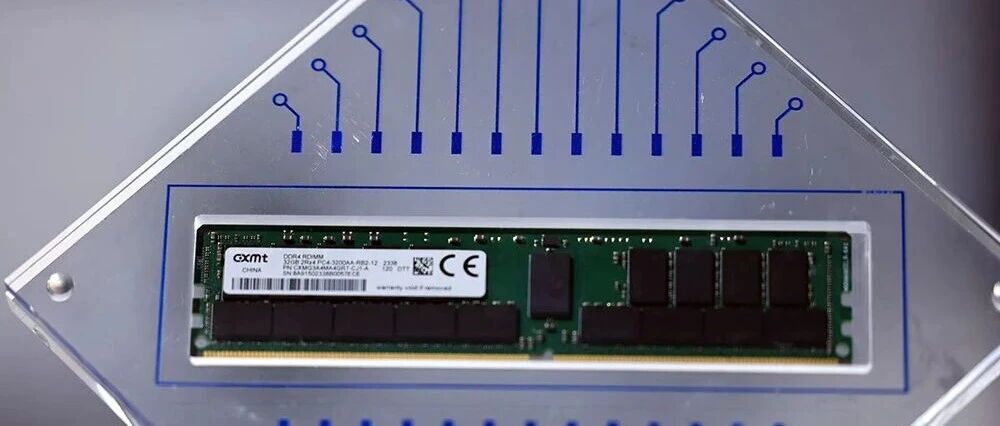
一场全球范围内已打响的存储资源战,正在为中国企业撕开一条万亿通道。 全球人工智能(AI)产业的高速发展吸引了大量顶级资源聚集。近期,因存储产能纷纷涌向AI服务器所需高带宽记忆体(HBM)的供应,多 行业因资源倾斜而出现巨大缺口。 图片来源:视觉中国 手机、电脑、汽车等产品所需的存储产品,因产能不足而价格飙升。这场存储危机让相关公司面临断供和成本压力的同时,也为正在赶超先进 技术的中国存储芯片企业提供了结构性机遇。 今年1月,三星电子联席首席执行官卢泰文表示,全球内存芯片短缺程度前所未有,没有任何行业能独善其身。 电子产品首当其冲,巨头也无法幸免。1月27日,据韩国媒体报道,三星电子在与苹果的谈判中提出,一季度LPDDR(移动设备专用低功耗内 存)芯片价格上涨超80%,而SK海力士的涨幅约为100%。且该谈判仅针对上半年,考虑到内存危机程度,下半年价格可能会进一步上涨。作 为销量以亿计的全球智能手机制造商,苹果的强势议价权不再,不得已接受了大幅涨价。 这场短缺同样发生在NAND(用于长期存储数据的芯片)上,中国企业同样正在补上这一缺口。据Counterpoint数据,长江存储在全球NAND 出货量中所占份额在2 ...

摩根大通:2026年,就业市场开局不利
财富FORTUNE· 2026-02-02 13:05
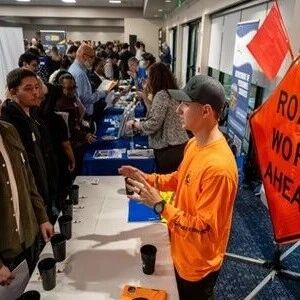
2025年11月13日,在美国加利福尼亚州萨克拉门托的一场招聘会上,求职者与招聘人员展开交流。图片来源:David Paul Morris— Bloomberg via Getty Images 转机或出现在下半年。摩根大通认为,随着关税政策逐步企稳、特朗普《大而美法案》的减税措施落地 以及美联储进一步降息,美国劳动力市场有望在下半年扭转颓势。 摩根大通预测, 2026 年美国 GDP 增长 1.8% ,通胀率则维持在 2.7% 的高位,美国经济陷入衰退的概 率为三分之一。值得注意的是,美国银行首席执行官布莱恩 · 莫伊尼汉预计特朗普将于 2026 年缓和贸 易紧张局势, 他在哥伦比亚广播公司 《面对国家》 节目中称 , 对多个国家普遍征收 15% 的关税 " 影 响有限 " 。 人工智能也成为影响就业市场的关键变量,并且有望为 2026 年的经济增长提供助力。 摩根大通指出,尽管人工智能尚未引发大规模失业,但部分受冲击较大的行业已明显放缓招聘步伐。当 前,企业正向人工智能设备、软件及数据中心领域投入巨额资金,但这些投资尚未转化为就业增长。 摩根大通最新预测认为, 2026 年美国就业市场或将以疲软态势开局, ...

不再叫“爸爸”,欧洲拒绝了特朗普的价码
财富FORTUNE· 2026-02-01 13:06
谄媚奉承、迂回斡旋、老派外交 —— 这些外交姿态如今已荡然无存。如今,再没有人叫唐纳德·特朗普 为"爸爸"。 2026年1月20日,法国总统埃马纽埃尔·马克龙在达沃斯世界经济论坛(WEF)年会上发表演讲时做手势。图片来源:Fabrice COFFRINI / AFP via Getty Images 格陵兰岛隶属于北约盟友丹麦的半自治地区,特朗普重提美国 " 绝对 " 要统治格陵兰岛的威胁被欧洲视 为越过了 " 红线 " 。就连欧洲立场最为温和的外交官,也一改往日以王室礼遇讨好特朗普的态度,转而 发出严厉警告。 英国首相基尔·斯塔默表示: " 英国绝不会在支持格陵兰岛主权问题上让步。 " 多位欧洲大陆领导人宣 称,欧洲不会因格陵兰岛问题受到胁迫。挪威首相约纳斯·加尔·斯特勒强调:"盟友之间不应存在威 胁。" 特朗普第二任期的行事风格愈发强硬,扬言要接管格陵兰岛,并威胁对阻挠的国家实施制裁,成了彻底 激化矛盾的导火索。欧洲各国领导人耗费一整年的时间琢磨应对之策后,如今开始对特朗普无视国际 法、觊觎欧洲领土的行径说"不"。 欧洲方面强硬的外交表态并非唯一给特朗普带来压力的因素。美国国会选举将于 11 月举行,而美 ...

特朗普修正8年前的“失误”
财富FORTUNE· 2026-01-31 13:07
周五,唐纳德·特朗普终于宣布了下一任美联储主席人选,凯文·沃什(Kevin Warsh)获得总统的垂青。 人们希望这能使白宫与杰罗姆·鲍威尔(Jerome Powell)领导的美联储之间旷日持久的因政策分歧引发 的政治口水能适可而止。 图片来源:视觉中国 这很像是特朗普在对自己2018年那次选择的修正——沃什和鲍威尔都是他在第一个总统任期内遴选美联 储主席时的口袋人选,当时他选择了后者。 特朗普很快就对自己的决定感到后悔,因为他发现鲍威尔并不能满足他对自己任命的官员哪怕是技术官 僚的最核心期待:鲍威尔无意向总统表达无限忠诚,而是执意维护美联储的独立性。 在特朗普的第一个总统任期内,像鲍威尔这样秉持专业主义的官员并非少数,这让特朗普无法为所欲 为,也让他在自己第二个总统任期一开始就吸取"教训",将"忠诚"作为遴选官员的首要标准,专业则退 居第二位。 不过,没有证据表明沃什是一个完全符合特朗普期待的"忠诚者",他在2008-2009年金融危机期间曾在 美联储任职,是政府救市行动的关键人物,并以鹰派立场著称。事实上,他是此番美联储主席遴选中比 其他潜在人选更具独立性的一位。不过在批评鲍威尔方面,他与特朗普是志同道合 ...
通用汽车重新调整电动汽车战略,公司股价大涨
财富FORTUNE· 2026-01-30 04:49
Core Viewpoint - General Motors (GM) reported a significant increase in stock price and market capitalization following its earnings report, despite announcing a substantial asset impairment related to its electric vehicle (EV) business. The company remains optimistic about its cash flow, shareholder returns, and future profitability in the EV sector [1][4]. Group 1: Financial Performance - GM's adjusted EBIT for 2025 is projected to reach $12.7 billion, hitting the upper end of its guidance range, with adjusted free cash flow from automotive operations expected to be $10.6 billion [1]. - The company generated nearly $25 billion in free cash flow over the past two years and repaid $1.8 billion in debt in 2025 alone [4]. - GM repurchased $6 billion in stock in 2025, with a significant portion occurring in Q4, and reduced its diluted share count by approximately 35% since the end of 2023 [4]. Group 2: Electric Vehicle Strategy - GM announced a $7.6 billion impairment charge related to its EV business, driven by market demand shifts and changes in U.S. policy support for aggressive EV targets [2][3]. - The company plans to adjust its EV strategy by terminating operations of the BrightDrop electric van and reallocating resources to more profitable segments [2][8]. - Despite the impairment, GM emphasized that its core retail EV product line remains unaffected, and it anticipates profitability in the EV sector as new battery technologies and cost reductions are implemented [3][8]. Group 3: Market Position and Outlook - GM's market share in the U.S. reached a ten-year high in 2025, benefiting from low dealer inventories and strong pricing for trucks and SUVs [1]. - The company expects adjusted EBIT for 2026 to be between $13 billion and $15 billion, with adjusted earnings per share projected at $11 to $13 [6]. - GM aims to restore North American EBIT margins to 8% to 10% while continuing to invest in profitable core businesses and software-driven services [6]. Group 4: Technological Advancements - GM reported a record 12 million subscribers for its OnStar service in 2025, with the Super Cruise system user base exceeding 120,000 [7]. - The company plans to launch a new generation of software-defined vehicle architecture and an advanced "hands-free" driving system by 2028 [7]. - GM is also introducing new LMR battery technology aimed at significantly reducing costs associated with EV battery cells and packs [7].


阿里补齐最后一块拼图,但它不会成为第二个谷歌
财富FORTUNE· 2026-01-30 04:49
Core Viewpoint - Alibaba has completed a crucial piece in its AI strategy with the launch of the "Zhenwu 810E" chip, marking its full-stack self-research capability in AI, encompassing AI models, cloud computing, and core hardware [1][3]. Group 1: AI Chip Development - The "Zhenwu 810E" chip is a high-end AI chip developed entirely by Alibaba, which has already been validated in real-world applications, serving over 400 external clients including State Grid and Xiaopeng Motors [1]. - This chip signifies Alibaba's position among a select few companies globally that possess a complete self-research capability in AI, integrating AI models, computing platforms, and core hardware [3]. Group 2: Competitive Advantage - Alibaba's full-stack capability allows for significant cost advantages by eliminating supplier premiums across various segments such as computing power, networks, models, and software stacks, leading to lower marginal costs and higher iteration speeds [3][4]. - The importance of cost in AI competition is highlighted, with investors noting that companies with full-stack capabilities, like Google, have a unique edge in the market [4]. Group 3: Sustainability and Risk Management - Full-stack capabilities also imply sustainability; reliance on external resources can amplify systemic risks, while having controllable alternatives in key areas mitigates these risks [4]. - Alibaba's approach is increasingly resembling Google's, with both companies building comprehensive technology ecosystems, although their ecological positions differ [4][5]. Group 4: Distinct Market Position - Despite structural similarities, Alibaba is unlikely to become a second Google; it has its own strengths in integrating mature technologies into complex business systems, focusing on efficiency and cost reduction [5][6]. - Google has established itself as a rule-maker in the AI industry over the past two decades, while Alibaba's strength lies in embedding AI deeply within Chinese commercial scenarios rather than becoming a global knowledge processing standard [6][7]. Group 5: Future Outlook - Alibaba is evolving into a different type of AI giant, potentially serving as the intelligent infrastructure for China's commercial ecosystem, aligning with the country's economic structure [9].