财富FORTUNE

Search documents
华尔街知名空头做空甲骨文
财富FORTUNE· 2026-01-13 13:03
Core Viewpoint - Michael Burry is shorting Oracle Corp. due to concerns over its high debt and unnecessary investments in cloud computing, which he believes are not justified [2][3]. Group 1: Investment Position - Burry holds put options on Oracle and has been shorting the stock directly for the past six months [2]. - He previously disclosed short positions on Nvidia and Palantir Technologies, indicating a broader skepticism towards certain tech stocks [2]. Group 2: Oracle's Financial Situation - Oracle's outstanding debt is approximately $95 billion, making it the largest issuer outside the financial sector in Bloomberg's high-rated index [4]. - The company's stock experienced a significant drop of about 40% from its peak in September, following a brief surge due to optimistic cloud business forecasts [3]. Group 3: Market Sentiment and Comparisons - Burry expresses skepticism about the necessity of Oracle's current investments and its positioning in the market [3]. - He avoids shorting major tech companies like Meta, Alphabet, and Microsoft, believing their core business strengths will remain intact despite potential economic challenges [4]. - Burry views Nvidia as a concentrated target for shorting due to its popularity and perceived overvaluation in the AI sector [5].



达利欧警告:今年要小心
财富FORTUNE· 2026-01-13 13:03
Core Viewpoint - Ray Dalio warns that the current AI hype may face a turning point in 2026, suggesting that overvalued stocks could undergo a "reality check" [1][3]. Group 1: Market Performance and AI Impact - In 2025, the U.S. stock market saw significant gains, with the S&P 500 index rising by 16%, driven primarily by technology stocks amid optimistic investor sentiment towards AI [3]. - Despite the strong market performance in 2025, investor sentiment was sensitive to any warning signals regarding AI, as evidenced by a 1.4% drop in the Nasdaq index following comments from OpenAI's CEO about a potential AI bubble [3][4]. Group 2: AI Bubble Concerns - Concerns regarding the AI bubble largely stem from the slow pace of practical applications, with a study from MIT indicating that up to 95% of generative AI pilot projects in enterprises have yet to become profitable [4]. - Dalio emphasizes that the current enthusiasm for AI has reached levels comparable to the pre-crash periods of 1929 and 2000, estimating it to be around 80% of those historical peaks [4]. Group 3: Federal Reserve and Economic Factors - Uncertainty surrounding the Federal Reserve's monetary policy is identified as a significant risk for 2026, particularly with the potential appointment of a successor to Jerome Powell who may favor aggressive rate cuts [5]. - Dalio notes that a dovish stance from the Fed could further inflate the AI bubble, while also highlighting that gold outperformed the S&P 500 by 47% in 2025, indicating a shift towards safer assets [5]. Group 4: Global Capital Trends - The weakening of the U.S. dollar, which fell by 10% in 2025, has obscured underlying market vulnerabilities, making U.S. assets appear stronger than they are when viewed from a currency depreciation perspective [5]. - Dalio points out that global capital flows are shifting, with markets in Europe, China, the UK, and Japan outperforming the U.S., and emerging markets showing particularly strong returns, with the MSCI index rising by 33% [5][6].

美国历史上曾三次试图收购格陵兰岛
财富FORTUNE· 2026-01-12 13:06
美国总统唐纳德·特朗普近期重燃从丹麦收购格陵兰岛的野心,这实则与美国历史上一段鲜少被提及的 长期战略布局不谋而合。从美国内战结束后的秘密磋商,到二战结束后抛出1亿美元的收购报价,历任 美国领导人始终将格陵兰岛视为战略要地。 在威廉·霍华德·塔夫脱担任美国总统期间,美国外交官曾经提出一项复杂的领土交换方案:以出让其他 地区领土为条件,换取格陵兰岛的归属权。该提案遭到丹麦方面拒绝,计划随即宣告流产。 历史回顾: 1946年:二战后提出正式收购要约 冷战初期,哈里·杜鲁门政府以格陵兰岛具有重大战略价值为由,正式向丹麦提出以1亿美元黄金收购该 岛。二战期间,美国在格陵兰岛上修建的机场曾经是军用飞机飞往欧洲途中的重要加油点。 丹麦拒绝了杜鲁门政府的收购要约,但允许美国保留在当地的军事通行权。直至今日,美国国防部 (U.S. Department of Defense)最北端的军事设施——皮图菲克太空基地(Pituffik Space Base),仍然 在该岛持续运作。(财富中文网) 作者: R.J. Rico, 美联社 1867—1868年:购得阿拉斯加后,美国初步萌生兴趣 在成功从俄罗斯收购阿拉斯加后,时任国务卿威廉 ...

对话吴桐:杜邦如何以创新与韧性穿越223年?
财富FORTUNE· 2026-01-12 13:06
Core Viewpoint - DuPont, a materials science giant with over 200 years of history, is navigating a highly uncertain environment by leveraging its deep understanding of market trends and making proactive strategic investments, particularly in the automotive advanced materials sector in China [1][3]. Group 1: Company Overview - DuPont has been a leader in polymer materials innovation since its founding in 1802, introducing key materials such as nylon and polyester that are foundational to modern industries and consumer products [3]. - The company operates in over 50 countries, with annual sales exceeding $1 billion, and manages 15 production sites and 7 regional R&D centers [3]. Group 2: Strategic Initiatives - DuPont established an integrated production base and a dedicated R&D center in the Yangtze River Delta in 2018, anticipating the explosive growth of the Chinese electric vehicle market [3][6]. - The local production capabilities have significantly reduced the time for customer feedback to translate into technical improvements, from months to weeks, thereby alleviating supply chain pressures [6]. Group 3: Global Operations and Innovation - To enhance its technological innovation and accelerate R&D processes, DuPont has set up excellence centers and R&D hubs in key regions including the U.S., Germany, and China, fostering collaboration and sharing best practices [6]. - The company has built a resilient, multi-center supply network across North America, Europe, and Asia, which has improved production capacity and better met local customer needs while mitigating geopolitical risks [6]. Group 4: Leadership and Cultural Transformation - Wu Tong, DuPont's global president of transportation and materials, emphasizes a shift from "in China" to "with China," supporting Chinese enterprises in entering international markets while adhering to global compliance [8]. - Wu's leadership style is characterized by a focus on collaboration and empowerment, breaking traditional centralized decision-making models and fostering a strategic partnership ecosystem with industry leaders [10][12]. Group 5: Commitment to Safety and Innovation - Safety is a foundational aspect of DuPont's corporate culture, with safety discussions prioritized in every meeting, ensuring that safety remains a primary concern in all innovations and developments [17]. - The company is increasingly focusing on new technology development, product design, and solution innovation, establishing deep connections with local customers through multiple R&D centers in China [17]. Group 6: Future Outlook - DuPont aims to continue enhancing its innovation capabilities and operational efficiency while pursuing sustainable development as core drivers of its business strategy [17]. - The company is committed to creating measurable social value through technology and deepening resource integration with partners to meet evolving market demands [17].


万亿退税转向,传递一个清晰的信号
财富FORTUNE· 2026-01-12 13:06
Core Viewpoint - The recent adjustment of export tax rebate policies for photovoltaic and battery products signifies a shift in China's fiscal strategy, moving from "subsidizing production" to "empowering residents" as a fundamental narrative for economic growth [1][2]. Group 1: Policy Adjustments - As of April 1, 2026, the Ministry of Finance and the State Taxation Administration will cancel the VAT export tax rebate for photovoltaic products and reduce the battery export tax rebate from 9% to 6%, eventually eliminating it by January 1, 2027 [1]. - The policy affects 249 items in the photovoltaic sector and 22 items in the battery sector, marking a significant change following the previous reduction from 13% to 9% in 2024 [1]. Group 2: Economic Implications - The adjustment is part of a broader strategy to restructure the sources of economic growth, particularly in the context of the "14th Five-Year Plan," emphasizing the need to enhance domestic demand [2][4]. - The photovoltaic industry faces intense competition, leading to a "volume increase, price decrease" scenario, which has resulted in profit losses for domestic companies and increased risks of international trade disputes [2][4]. Group 3: Financial Sustainability - The reduction or cancellation of export tax rebates is expected to help stabilize foreign market prices and reduce trade friction risks, while also alleviating the fiscal burden on the government [4]. - In 2025, China's trade surplus reached a record high of $1.07 trillion, with export tax rebates amounting to 1.9 trillion yuan, highlighting the unsustainability of the current model [4]. Group 4: Strategic Shift - The policy aims to guide industries like photovoltaic and lithium batteries from relying on price subsidies to competing based on technology, brand, and service quality, which could lead to the elimination of outdated production capacities [4][5]. - The saved fiscal resources from tax rebate adjustments are intended to be redirected towards enhancing consumer spending and investment, particularly in social security measures for low-income groups [5][6]. Group 5: Market Opportunities - The adjustment of export tax rebates is seen as a catalyst for a new economic narrative, shifting the focus from production subsidies to empowering residents and fostering innovation to stimulate domestic demand [6][7]. - Companies in the photovoltaic sector may experience price increases for solar panels, potentially reshaping global green energy installation cost curves, with market expectations favoring leading firms like JinkoSolar and LONGi Green Energy [7].
机器人进家,卡在哪一步?
财富FORTUNE· 2026-01-11 13:04
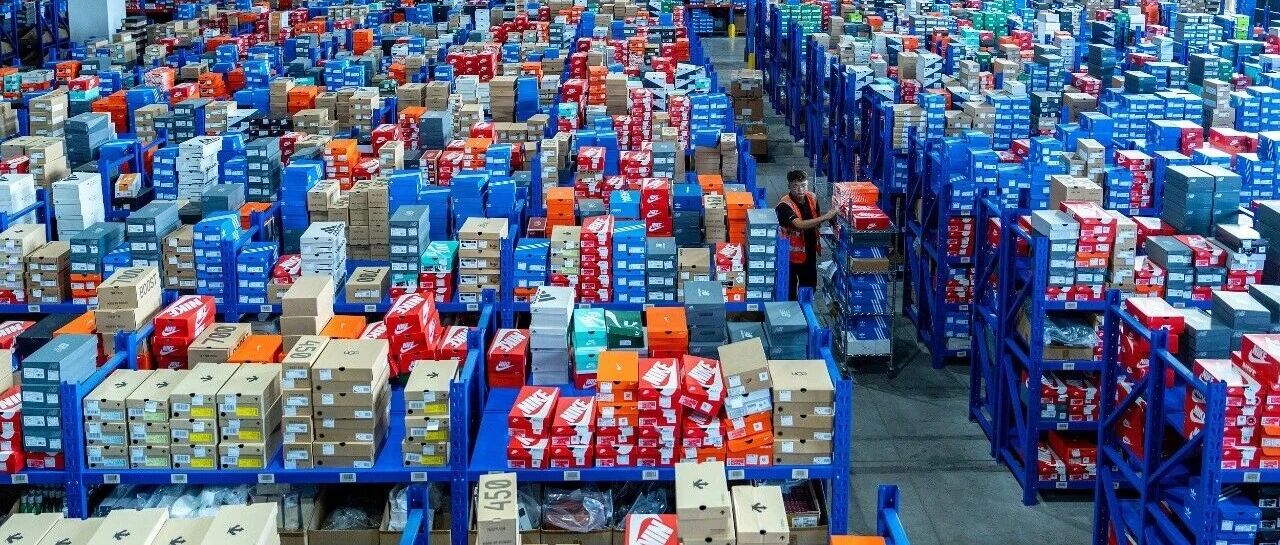
Core Insights - The article discusses the potential for a technological revolution in household robotics driven by advancements in artificial intelligence, particularly following the recent CES event in Las Vegas [1][3] - It highlights the challenges that need to be addressed before household robots can become reliable assistants, including data availability, privacy concerns, and societal acceptance [3][4] Group 1: Current State of Household Robotics - The rapid development of AI has led to increased interest in humanoid household robots, with existing AI systems already integrated into daily life through devices like vacuum robots and smart doorbells [3] - Despite significant advancements, over 46% of companies struggle to convert innovative concepts into practical products due to a lack of training data and real-world experience [4] - The need for household robots to operate safely 99.999% of the time is emphasized, as any failure could lead to severe consequences [4] Group 2: Privacy and Data Challenges - The introduction of household robots raises significant privacy concerns, as they may inadvertently expose personal data to malicious actors [5][6] - The industry faces the challenge of ensuring data security while developing reliable robots, with a need for a systematic approach similar to that seen in the automotive industry [6][9] - The article suggests that developers should learn from the automotive sector's gradual approach to problem-solving and innovation [6] Group 3: Building Trust and Acceptance - Gaining public trust is crucial for the acceptance of household robots, similar to how elevators were initially met with skepticism [7] - The article draws parallels between the evolution of AI in credit card fraud detection and the need for household robots to demonstrate reliability and safety [7] - It stresses the importance of addressing ethical considerations and user experience alongside technological development to foster trust in robotic systems [9]

格陵兰岛究竟为谁的战略服务?
财富FORTUNE· 2026-01-10 13:05
Core Viewpoint - Greenland's strategic importance is highlighted due to its geographical location and rich mineral resources, making it a focal point in global trade and security discussions, particularly amid rising international tensions and climate change [3][4][5]. Geopolitical Significance - Greenland's location outside Canada's northeastern coast, with over two-thirds of its territory within the Arctic Circle, has made it a critical part of North American defense since World War II [4]. - The island's strategic value has been underscored by the U.S. interest in controlling its resources, particularly in light of its role in Arctic and North Atlantic security [3][4]. Resource Potential - Greenland is a significant source of rare earth minerals essential for high-tech products, which are expected to support the global economy in the coming decades [6][10]. - The U.S. and other Western nations are increasingly focused on Greenland's rare earth resources as a means to reduce dependence on China in critical mineral markets [7][10]. Military Dynamics - Russia is actively competing with the U.S., Canada, Denmark, and Norway for influence in the Arctic, enhancing its military presence in the region since 2014 [7][10]. - The U.S. operates the Thule Air Base in Greenland, which plays a vital role in missile warning and space monitoring for NATO [8]. Danish Military Enhancements - Denmark is strengthening its military capabilities in Greenland and the North Atlantic, with a recent agreement worth approximately 23 billion Danish Kroner (about 3.5 billion USD) aimed at enhancing regional monitoring and sovereignty [9][10]. Future Implications - The melting Arctic ice may open new trade routes, potentially altering global trade dynamics, but increased military and resource competition in Greenland poses uncertainties for governance and security in these waters [10]. - Greenland's role in U.S.-Russia Arctic competition is crucial, influencing future regulations and strategies in the region, with China needing to consider its position as a "near-Arctic state" [10].

美国迎来2011年以来最疲软就业市场
财富FORTUNE· 2026-01-09 13:05
Core Viewpoint - The current U.S. labor market is characterized by "low hiring, low layoffs," indicating a new normal rather than a temporary fluctuation, with economic growth strong but employment data stagnating [2][5]. Group 1: Employment Market Analysis - The U.S. employment market is experiencing its weakest performance since 2011, with an average of only 17,000 new jobs added monthly over the past six months, the lowest since the global financial crisis [2]. - The private sector has seen a slightly better performance, averaging 44,000 new jobs monthly, but this is still at a decade-low level [2]. - The U6 unemployment rate has risen to 8.7%, and the number of job openings per unemployed person has dropped to 1.0, both reaching their lowest levels since 2017 [2]. Group 2: Economic Growth and Consumer Behavior - The U.S. GDP annualized growth rate reached 4.3% in the third quarter, driven by a surge in consumer spending and a $166 billion increase in corporate profits [6]. - However, real disposable income for households has stagnated, indicating that consumer spending is being maintained through savings depletion, borrowing, and cutbacks in spending [6]. Group 3: K-Shaped Recovery - The U.S. economy is entering a K-shaped growth phase, where affluent households benefit from stock market gains and property appreciation, while lower-income families face affordability pressures and stagnant real incomes [6]. - Companies are finding ways to grow without hiring more staff, focusing on productivity improvements rather than expanding their workforce [7]. Group 4: Long-term Labor Market Trends - Goldman Sachs warns of a "no job growth" scenario, where despite rising output, most industries, except healthcare, are experiencing stagnant or negative job growth [7][10]. - The impact of artificial intelligence on labor demand is expected to create long-term headwinds for job growth, as companies increasingly focus on reducing labor costs [7][10]. - The demographic shift, including declining birth rates and an aging population, is expected to limit labor supply contributions to economic growth [8].


为什么2025年金价升升不息?
财富FORTUNE· 2026-01-09 13:05
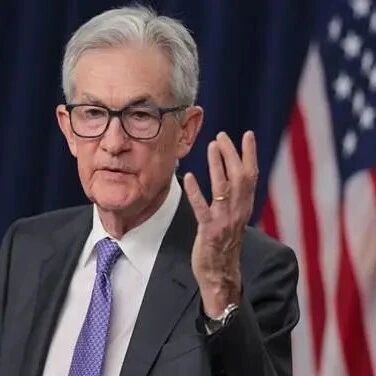
Core Viewpoint - The article highlights the significant performance of the S&P 500 index and gold prices in 2025, with the S&P 500 rising by 17.48% and gold prices soaring by 71% to around $4,514 per ounce, suggesting a shift in investment preferences towards gold as a safe haven asset amid market volatility [1][2]. Group 1: Market Conditions and Influences - The rise in gold prices is attributed to various market disturbances, including trade policy disruptions, ongoing geopolitical conflicts, concerns over technology stock bubbles, and persistent inflation, leading investors to seek gold as a hedge against these risks [5]. - A study from Duke University's Fuqua School of Business indicates that the introduction of gold exchange-traded funds (ETFs) in 2004 has permanently elevated gold prices, making gold investment as accessible as stock purchases, with North American gold ETFs nearing $200 billion and those outside the U.S. at $175 billion [5][6]. Group 2: Future Outlook and Comparisons - Recent developments in tokenized gold stablecoins may further drive gold prices higher, as these cryptocurrencies are backed by gold reserves and can be used as collateral for investments in other risk assets [6]. - Despite the current bullish sentiment, the researchers caution that gold may not be a reliable long-term hedge against inflation due to its high price volatility compared to the low volatility of inflation, which could lead to potential losses for investors relying on gold to outpace inflation [7]. - Historical data over the past 40 years shows that gold prices may enter prolonged downtrends, and comparisons with the S&P 500 index over the last 20 years indicate that equities have outperformed gold significantly [9][12].

十字路口的阿里:港股的“拖累”还是引擎?
财富FORTUNE· 2026-01-09 13:05
Core Viewpoint - Alibaba's stock performance reflects a dichotomy in investor sentiment, balancing short-term profit concerns due to heavy investments in instant retail against long-term optimism for its AI and cloud computing initiatives [1][3]. Group 1: Current Financial Performance - Alibaba's management has committed to increasing investments in Taobao Flash Sales to become the "absolute leader" in the instant retail market, which may lead to a significant EBITDA decline of 80% year-on-year in Q3 FY2026, with potential losses reaching 350 billion yuan according to Daiwa Securities [3][4]. - The substantial investment is expected to pressure the core e-commerce business's profitability, prompting Citigroup to lower its earnings forecasts and target price due to anticipated slow growth in customer management revenue [4]. Group 2: Future Growth Prospects - In contrast to concerns over its consumer business, there is a strong consensus among institutions regarding the growth prospects of Alibaba Cloud, with Citigroup maintaining a 35% annual growth rate forecast for its revenue [5]. - Goldman Sachs has raised its capital expenditure forecast for FY2026-28 to 460 billion yuan, driven by the transformation of AI-related capital expenditures into robust growth [5]. - Alibaba Cloud has shown accelerating revenue growth over several quarters, with AI-related product revenues maintaining triple-digit growth for eight consecutive quarters, positioning it as a core growth engine [5]. Group 3: Market Reactions and Valuation - The Hong Kong market is more sensitive to short-term profits and cash flow, leading to a suppression of Alibaba's valuation due to high loss expectations, which also affects the Hang Seng Tech Index [6]. - In contrast, the US market tends to assign higher value to long-term growth narratives, making Alibaba's AI growth story more appealing to global investors [6]. - The divergence in market reactions highlights the different valuation models employed by local and international investors, with the latter focusing on long-term growth potential [6]. Group 4: Future Challenges and Expectations - For Alibaba to shift from being perceived as a "drag" on the market to a growth engine, it must demonstrate a clear path to profitability in the instant retail sector and validate its cloud and AI growth through sustained performance [7][8]. - The market is looking for signs of "loss convergence" in the instant retail battle and continued over-performance in cloud revenue growth to alleviate pressure on Alibaba's stock price [7]. - The future trajectory of Alibaba will depend on the outcomes of its two strategic battles: gaining market share in instant retail and converting current investments in AI and cloud into future dominance [8].