美股IPO

Search documents
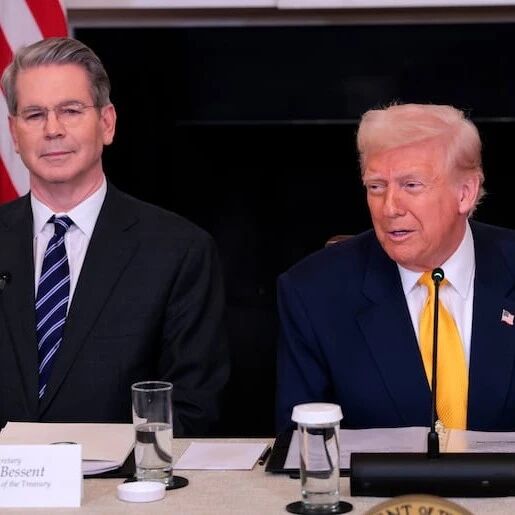
今夜美联储决议“剧本”:决议降息,鲍威尔“鹰派讲话”,哈塞特、贝森特“鸽派对冲”?
美股IPO· 2025-12-10 13:02
Core Viewpoint - The market is pricing in a 95% probability of a rate cut in December, indicating that the hawkish statements from Fed Chair Powell may no longer hold significant weight as he approaches a "lame duck" status [1][2][4]. Group 1: Market Reactions and Predictions - If the market reacts "honestly" to a hawkish rate cut, it could lead to a liquidity reversal where bonds and stocks weaken due to profit-taking, while the dollar strengthens, putting pressure on tech and growth stocks [2][9]. - Conversely, if the market ignores the Fed's hawkish signals and continues to rally, it may be driven by the "Hassett trade," which anticipates a more accommodative policy under the new Fed chair, leading to a steepening yield curve and a renewed economic recovery outlook [9][10]. Group 2: Policy Coordination and Implications - There is a potential underestimation of the degree of dovish coordination among the Treasury, the Fed, and the White House to achieve the "3-3-3 goal" (3% economic growth, 3% short-term yields, and 10-year Treasury yields in the 3% range) through unconventional policy tools [2][3]. - Treasury Secretary Mnuchin is under pressure to ensure that the new Fed chair can quickly implement rate cuts, as his own position is closely tied to the Fed's policy direction [10][11]. Group 3: Leadership Changes and Future Outlook - Kevin Hassett is seen as a strong candidate for the new Fed chair, with expectations that he will advocate for lower rates to benefit consumers [11][12]. - The potential for significant reforms at the Fed is highlighted, with calls for changes in the governance structure and the qualifications of regional Fed bank presidents [12].

白银历史性大涨之际,白银协会出了份“重磅报告”
美股IPO· 2025-12-10 13:02
报告指出,光伏、电动汽车及数据中心等领域需求激增,全球白银工业需求未来五年将持续增长。2030年前全球太阳能装机容量年增长率将达17%,而 白银是太阳能电池导电银浆的首选材料;汽车行业白银需求将在2025-2031年间年增3.4%,2031年达约9400万盎司;全球数据中心从2000年的0.93吉 瓦增至2025年的近50吉瓦,增长53倍,服务器、交换机和冷却系统等核心组件均需白银。 该报告由牛津经济研究院撰写,题为《白银:下一代金属》。该报告指出,白银在电导率和热导率方面的卓越性能,正日益成为推动全球经济技术转型 不可或缺的关键要素。随着各国加速推进数字化创新和清洁能源转型,白银将在多个高增长行业中继续扮演核心角色。 该报告聚焦太阳能光伏、电动汽车及其基础设施、数据中心和人工智能三大核心领域, 光伏产业的17%年复合增长率、电动汽车产业的13%年复合增 长率,以及数据中心的爆发式扩张,共同构成了白银需求增长的三大支柱。 报告预计这些行业将在2030年前持续推升工业领域对白银的需求。 以下是报告核心内容: 光伏产业:强劲增长与技术变革并存 白银凭借三大特性成为光伏电池不可或缺的材料:最高电导率确保能量高效转换 ...

算力需求毫无停滞迹象!AI服务器“代工三巨头”11月业绩齐创历史新高
美股IPO· 2025-12-10 03:38
纬创领跑增长,11月营收同比大幅增长194.6%,AI服务器出货创新高;广达11月营收同比增36.5%,主要受惠AI服务器出货动能增加。纬颖11月营收同 比增158.6%,云服务供应商大客户需求持续放量。 AI服务器代工三大厂商广达、纬创及纬颖11月营收齐创单月历史新高,反映全球云端服务供应商持续加码AI基础设施建设,算力需求强劲增长态势未现 停滞迹象。 最新数据显示,纬创表现最为突出,11月合并营收冲上2806.24亿元新台币,环比增51.6%,同比增幅更高达194.6%。广达、纬颖营收分别达1929.47 亿元及968.85亿元新台币,环比增幅分别为11.4%和6.2%。 分析预期,随着英伟达新款GB300架构AI服务器进入出货旺季,三家厂商本季业绩有望齐创新高,推动全年营收交出至少年增五成以上的优异成绩。 这一业绩表现凸显全球AI算力需求的持续扩张,为投资者提供了AI产业链景气度延续的重要信号。 纬创领跑增长,AI服务器出货创新高 纬创11月业绩表现最为亮眼,合并营收2806.24亿元新台币,不仅月增51.6%,更较去年同期大幅增长194.6%。 公司透露,11月笔电出货量220万台,月增10万台,桌上 ...
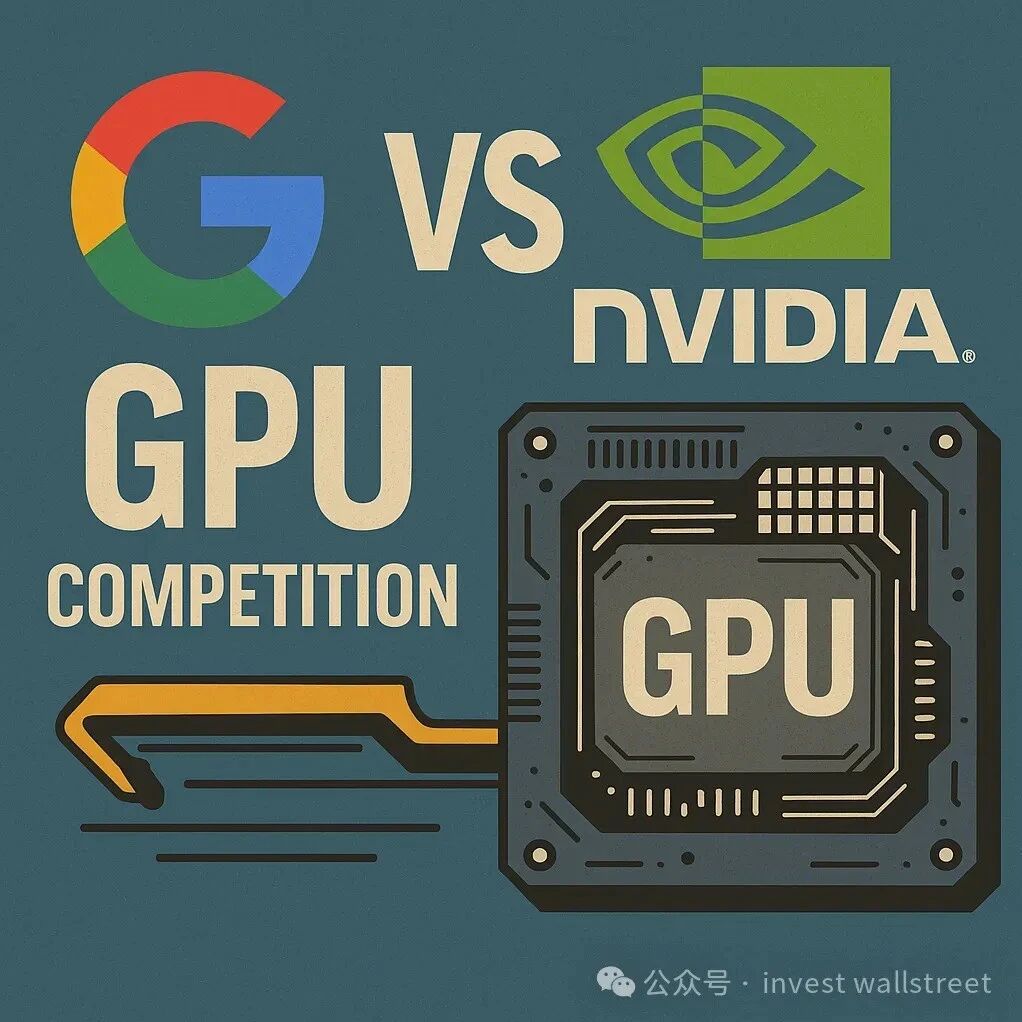
科技投资大佬:明年英伟达GPU将颠覆谷歌TPU优势
美股IPO· 2025-12-10 03:38
Core Viewpoint - Google currently holds a cost advantage in AI training with its TPU chips, operating at a negative 30% profit margin, which allows it to suppress competitors. However, this advantage is expected to reverse with the introduction of NVIDIA's Blackwell chip cluster in early 2026, potentially reshaping the competitive landscape of the AI industry [1][4][11]. Group 1: Cost Structure and Competitive Dynamics - Gavin Baker highlights that Google's TPU chips are akin to "fourth-generation jet fighters," while NVIDIA's Hopper chips are compared to "World War II P-51 Mustangs," indicating a significant cost advantage for Google [4]. - The transition from NVIDIA's Hopper to Blackwell is described as one of the most complex product transformations in tech history, with substantial increases in data center rack weight and power consumption [5]. - Baker anticipates that the first models trained on Blackwell will debut in early 2026, with xAI playing a crucial role in NVIDIA's deployment strategy [6]. Group 2: Supply Chain and Design Strategy - Google's conservative design choices and supply chain strategy may limit its long-term competitiveness, as it outsources backend design to Broadcom, incurring significant costs [7]. - The estimated annual payment to Broadcom could reach approximately $15 billion by 2027, raising questions about the economic rationale behind this outsourcing [7]. - The introduction of MediaTek as a second supplier is seen as a warning to Broadcom, but this diversification may slow down TPU's development pace compared to NVIDIA's rapid GPU iterations [9][10]. Group 3: Strategic Implications - Once Google loses its status as the lowest-cost producer, its strategic computing approach will fundamentally change, making it challenging to maintain a negative profit margin [11]. - The shift in cost dynamics with the Blackwell cluster moving towards inference applications could lead to significant financial strain for Google, potentially impacting its stock performance [11]. - Baker emphasizes that the gap between NVIDIA's GPUs and Google's TPUs will widen further with the release of the next-generation Ruben chip [12].


华尔街日报:谷歌带来最严峻挑战,OpenAI“重大战略调整”:“增强用户活跃”优先于“实现AGI”
美股IPO· 2025-12-10 03:38
Core Viewpoint - OpenAI has initiated a "red code" alert in response to increasing competition from Google, leading to a strategic shift that prioritizes short-term commercial goals over the long-term vision of achieving Artificial General Intelligence (AGI) [1][3][4]. Group 1: Strategic Shift - OpenAI has decided to pause long-term projects, including the Sora video generator, for eight weeks to focus on improving user engagement with ChatGPT [5][6]. - The company aims to leverage user signals to enhance ChatGPT's performance on model rankings and increase user retention [3][5]. - This decision reflects an internal struggle between the commercialization team, advocating for immediate product success, and the research team, which prefers pursuing cutting-edge technological breakthroughs [5][6]. Group 2: Competitive Landscape - OpenAI faces significant challenges as Google's recent launches, such as the Nano Banana image generator and Gemini 3 model, have quickly gained market traction and outperformed OpenAI's offerings [4][8]. - The financial sustainability of OpenAI is under pressure, especially with a recent $1.4 trillion infrastructure contract that may be difficult to fulfill if user growth slows [4][8]. - OpenAI's valuation reached $500 billion, with weekly active users exceeding 800 million, necessitating a robust user growth strategy to support its operational costs [8]. Group 3: User Engagement Strategy - The "user signal" strategy, which relies on user feedback for model training, has led to high engagement but raised concerns about the potential negative impact on user mental health [9][10]. - OpenAI previously faced backlash for prioritizing user engagement over safety, leading to a temporary shift in training methods to address these issues [9][10]. - The company plans to release a new model in January that will improve image quality, speed, and personalization, marking the end of the "red code" state [10][11]. Group 4: Future Outlook - OpenAI is navigating the delicate balance between immediate commercial success and the long-term goal of AGI, similar to challenges faced by other tech giants [10][11]. - The company must find a way to manage high operational costs while addressing ethical concerns related to user safety and mental health [11].
高盛提醒客户:在2008年金融危机爆发前,拉斯维加斯率先崩溃,而如今已经“复现”
美股IPO· 2025-12-10 03:38
Core Viewpoint - Goldman Sachs analysts warn that the current decline in Las Vegas gaming revenue reflects early warning signs similar to those before the 2008 financial crisis, indicating potential economic weakness ahead [1][3]. Group 1: Consumer Spending Trends - The consumer spending environment is showing early warning signals reminiscent of the pre-2008 financial crisis, with Las Vegas gaming revenue acting as an economic cycle bellwether [3]. - Despite some resilience in sectors like air travel, a broader decline in demand could prompt the Federal Reserve to consider more aggressive interest rate cuts [3][8]. - The analysis framework developed by Goldman Sachs highlights the transmission paths of consumer pressure in the travel and leisure sectors, emphasizing the need for vigilance until early 2026 [3][8]. Group 2: Historical Context and Analysis - The research by Goldman Sachs, led by Lizzie Dove, reviews the responses of various segments within the travel and leisure industry during the 2008-2009 recession, establishing a framework for identifying consumer pressure transmission sequences [4]. - Las Vegas and the airline industry were among the first sectors to be impacted during the 2008 global financial crisis, with gaming revenue declining as early as February-March 2008, while hotel and cruise industries experienced a lag in downturn [4][5]. - The report indicates that the cruise industry typically faces downturns at the end of economic cycles, while declines in gaming, airlines, and hotels are often visible before the overall cycle turns downward [8]. Group 3: K-Shaped Recovery Signals - The current K-shaped recovery and differentiated spending environment are flashing early warning signals, with Las Vegas trends indicating a downward trajectory consistent with early signs of economic downturn [7]. - The performance of airlines remains robust, and certain demographics, such as the baby boomer generation, continue to book cruise trips, highlighting the fragmented nature of the current market [7][8].


英国《金融时报》:特朗普要搞“美联储主席最终面试”,哈塞特尚未“板上钉钉”,贝森特仍有望后续接任?
美股IPO· 2025-12-10 03:38
Group 1 - The selection process for the next Federal Reserve Chair is intensifying, with Trump interviewing former Governor Warsh this week, indicating that the final candidate is not yet decided [3][4] - Current frontrunner Hassett's nomination is uncertain, as discussions have emerged about him potentially serving a shorter term than the usual four years, which could allow for future appointments [4][5] - The final decision on the new chair is expected to be announced in early January, with Hassett, Warsh, and other candidates like Waller and Bowman being considered [3][4] Group 2 - Treasury Secretary Mnuchin plays a crucial role in the selection process, having submitted a list of candidates that includes Hassett and Warsh, despite his own disinterest in the position [5] - Concerns have arisen among bond investors regarding Hassett's potential aggressive rate cuts, which could impact the $30 trillion U.S. debt market [6] - Hassett has emphasized the importance of central bank independence, stating that the Fed's primary role is to focus on economic data and avoid political entanglements [6]
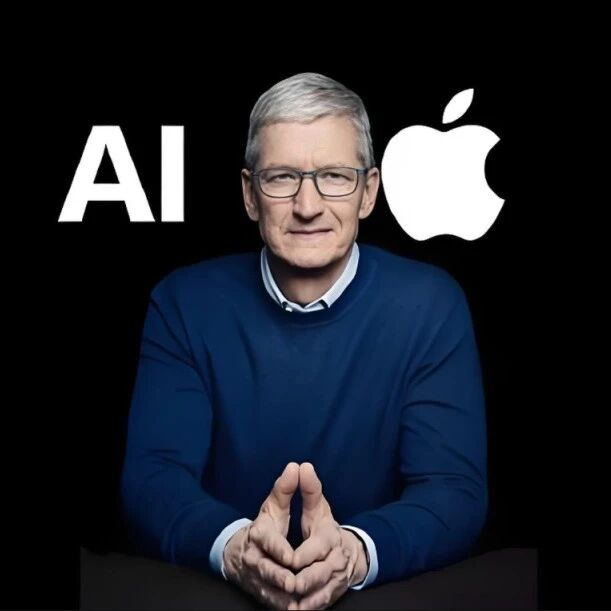
AI泡沫遭质疑之际,慢半拍的苹果意外“躺赢”:股价半年飙35%,跑赢微软、Meta
美股IPO· 2025-12-10 00:52
在AI投资热潮受质疑的背景下,苹果因审慎的资本开支策略意外成为市场赢家。其股价自6月底以来上涨超35%,市值突破4.1万亿美元,超越微软成为 标普500第二大权重股。苹果凭借其硬件生态与高利润服务业务,被视为既能规避AI泡沫风险、又能在技术普及时受益的标的,估值已升至历史高位。 上半年垫底到下半年领跑 苹果股价在2025年上演了戏剧性转折。上半年,其在"科技七雄"中表现垫底,股价累计下跌18%;然而自6月底起,走势完全逆转。投资者正将苹果视 为一个独特的防御性选择,既规避了过度投资的风险,又能在AI技术成熟普及时,凭借其生态与硬件优势持续受益。 Glenview Trust Company首席投资官Bill Stone将苹果定义为"反AI概念股",并指出该公司虽必将强化手机AI功能,却主动避开了当前的AI军备竞赛及伴 随的天量资本开支。 Needham积极成长基金投资组合经理John Barr评论称: "关键在于,当同行纷纷加大投入时,苹果选择了保持理性与支出克制。" 当华尔街对人工智能的投资热潮日趋审慎之际,此前因AI布局相对迟缓而备受争议的苹果公司,反而成为近期市场中的意外赢家。 今年下半年以来,苹果股价 ...

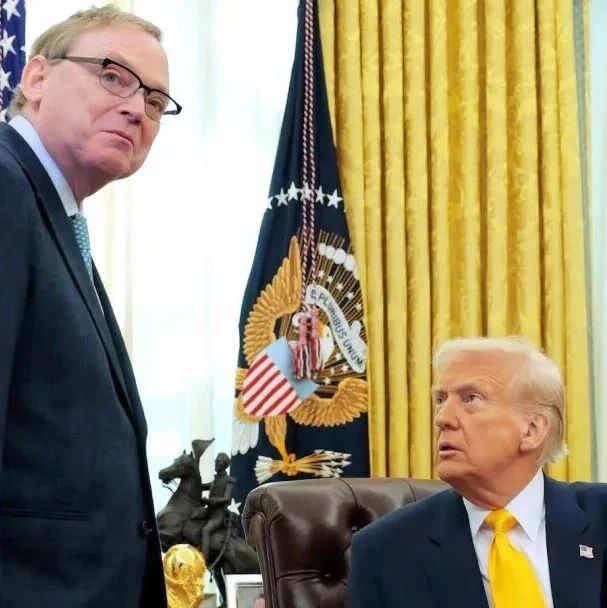
特朗普:降息是新美联储主席的试金石,可能通过调整关税降低部分商品价格
美股IPO· 2025-12-10 00:52
Core Viewpoint - President Trump indicated that his support for immediate significant interest rate cuts will be a decisive factor in selecting the next Federal Reserve Chairman, reflecting a desire for looser monetary policy to address voter dissatisfaction with high prices [3][4][5]. Group 1: Interest Rate Cuts and Federal Reserve Leadership - Trump's stance on supporting immediate rate cuts is a key consideration for his choice of the Federal Reserve Chairman [4]. - The current market expectation is for the Federal Reserve to cut rates by 25 basis points in the upcoming meeting [9]. - Trump's comments suggest a strategic alignment with potential candidates like National Economic Council Director Hassett, who has also advocated for immediate rate cuts [5][6]. Group 2: Tariff Adjustments and Price Control - Trump mentioned the possibility of adjusting tariffs on various goods as a strategy to help lower prices, indicating a selective approach rather than a blanket tariff reduction [10][12]. - He acknowledged that recent tariff exemptions were minor and downplayed their significance, despite rising voter dissatisfaction with grocery prices [11][12]. - The dual objectives of Trump's trade policy include encouraging manufacturing to return and managing domestic price pressures caused by tariffs [12]. Group 3: Healthcare Subsidies and Economic Outlook - Trump expressed a positive view of the economy, rating it as "A-plus-plus-plus-plus-plus," while contrasting this with voter concerns about rising living costs [13]. - The expiration of enhanced healthcare subsidies under the Affordable Care Act is anticipated to lead to significant increases in insurance premiums by 2026, creating uncertainty for many Americans [14]. - Trump's response to the potential extension of these subsidies was vague, reflecting ongoing uncertainty in healthcare policy [14][15].
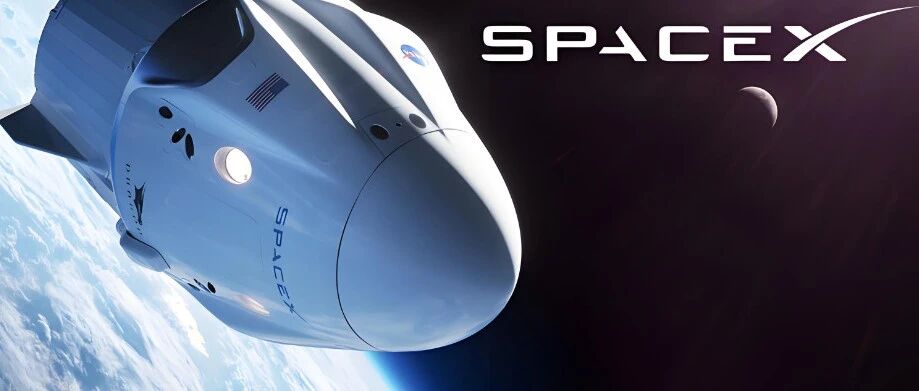
史上最大IPO!SpaceX据称寻求明年上市,融资远超300亿、目标估值1.5万亿
美股IPO· 2025-12-10 00:52
Core Viewpoint - SpaceX plans to go public in mid to late 2026, aiming to raise approximately $40 billion by selling 5% of its shares, which would surpass the previous record set by Saudi Aramco's $29 billion IPO in 2019 [1][3]. Group 1: IPO Plans and Valuation - SpaceX's IPO is expected to raise over $30 billion, potentially making it the largest IPO in history, with a target valuation of around $1.5 trillion [3]. - The company anticipates revenues of approximately $15 billion in 2025, increasing to between $22 billion and $24 billion in 2026, primarily driven by its Starlink business [6]. - The recent internal share transactions set the share price at about $420, leading to a valuation exceeding $800 billion, which aims to establish a fair market value ahead of the IPO [11]. Group 2: Market Reactions and Related Companies - Following the IPO news, shares of other space companies rose, with EchoStar experiencing a 12% increase before closing up about 6% [1][3]. - Rocket Lab's stock also saw a rise of 3.6% in response to the news [3]. Group 3: Strategic Developments - SpaceX plans to use part of the IPO proceeds to develop a space-based data center and acquire necessary chips [5]. - The company has previously considered spinning off its Starlink business into a separate publicly traded entity, but the current IPO plan suggests this may be put on hold [8][9]. Group 4: Financial Health and Investor Support - SpaceX has maintained positive cash flow for several years and conducts regular stock buybacks to provide liquidity for employees and investors [7]. - Major long-term investors include Founder's Fund, 137 Ventures, Valor Equity Partners, Fidelity Investments, and Alphabet, the parent company of Google [11][12].