WULING MOTORS(00305)

Search documents
天风证券:首次覆盖五菱汽车(00305),给予“买入”评级 目标价0.77港元
智通财经网· 2025-08-01 06:44
Core Viewpoint - Tianfeng Securities reports that Wuling Motors (00305) is expected to achieve continued growth in performance due to its research capabilities in the new energy sector and ongoing investment in building a complete autonomous industrial chain [1] Group 1: Financial Projections - The company is projected to achieve total revenue of 8.866 billion, 9.724 billion, and 10.672 billion yuan for 2025-2027, representing year-on-year growth of 12%, 10%, and 10% respectively [1] - Expected net profit attributable to shareholders for 2025-2027 is 80 million, 110 million, and 144 million yuan, with year-on-year growth of 58%, 38%, and 31% respectively [1] - The target price set by Tianfeng Securities for the company is 0.77 HKD, with a "Buy" rating [1] Group 2: Business Model and Performance - Wuling Motors has adjusted its business model for commercial vehicles, leading to a projected total revenue of 7.949 billion yuan in 2024, with operating costs reduced by 24.96% to 7.089 billion yuan [2] - The company achieved a net profit of 111 million yuan in 2024, a year-on-year increase of 60.19%, and a net profit attributable to shareholders of 51 million yuan, up 115.59% year-on-year [2] - The gross profit margin improved significantly, reaching 9.89% in 2023 and 10.82% in 2024, driven by adjustments in the commercial vehicle business and an increase in the proportion of high-margin products [2] Group 3: Strategic Focus and Development - The controlling shareholder, Guangxi Automobile Group, has proposed the "Ling Shi Project" strategy, aiming to cultivate three national-level manufacturing champions in the automotive parts sector from 2025 to 2027 [3] - The company is focusing on upgrading its product structure towards mid-to-high-end products, successfully developing high-value products such as gas expansion forming and micro-integrated electric axles [3] - Wuling Motors is expanding its international presence with operations in Indonesia and India, promoting the internationalization of its parts business [3] Group 4: New Energy Initiatives - The company is actively laying out its new energy industry strategy, integrating traditional power technology upgrades with new energy power development [4] - Continuous development of efficient low-emission engines and promotion of new energy products, including electric vehicle engines and control systems, is underway [4] - Wuling Motors has established Liuzhou Wuling New Energy Vehicle Co., Ltd. to integrate its new energy vehicle business, which will become a major customer for its parts and products in the future [4]

五菱汽车(00305):转型深耕汽车全产业链,产品升级客群拓展促增长
Tianfeng Securities· 2025-08-01 05:22
Investment Rating - The report assigns a "Buy" rating for Wuling Motors with a target price of HKD 0.77, based on a current price of HKD 0.49 [6]. Core Insights - Wuling Motors is focusing on transforming its business model to enhance its presence in the automotive industry, particularly in the new energy vehicle sector, while leveraging its extensive experience in manufacturing and supply chain management [15][20]. - The company has seen a significant increase in net profit, with a 60.19% year-on-year growth in 2024, attributed to adjustments in its commercial vehicle business and an increase in high-margin component products [2][5]. - Wuling Motors aims to cultivate three national-level manufacturing champions in the automotive parts sector by 2025-2027, focusing on high-value products and expanding its international footprint [3][26]. Summary by Sections Company Overview - Wuling Motors Group Holdings Limited specializes in the automotive supply chain, focusing on components, power systems, and commercial vehicle design and development, with components contributing 69% of its main revenue in 2024 [1][15]. Business Transformation and Financial Performance - The company has adjusted its business model for commercial vehicles, leading to a 24.17% decrease in total revenue to HKD 7.949 billion in 2024, while operating costs also fell by 24.96% [2][5]. - Despite revenue declines, the company achieved a net profit of HKD 111 million in 2024, reflecting a 60.19% increase year-on-year, driven by a shift towards higher-margin products [2][5]. Focus on Components and New Energy - Wuling Motors is concentrating on its components business, enhancing product quality and expanding its customer base, including partnerships with major manufacturers like BYD and Great Wall [3][29]. - The company is actively developing new energy products, including electric vehicle engines and control systems, and has established Wuling New Energy as a key player in its strategy [4][22]. Profit Forecast and Valuation - The report forecasts Wuling Motors' total revenue to grow to HKD 88.66 billion by 2025, with a projected compound annual growth rate of 12% from 2025 to 2027 [5][26]. - The expected net profit for the same period is projected to reach HKD 0.80 billion in 2025, reflecting a 58% year-on-year increase [5][26].
智通港股投资日志|7月31日
智通财经网· 2025-07-30 16:07
Group 1 - The article provides a list of companies listed on the Hong Kong stock market along with their dividend distribution dates and shareholder meeting dates [1][4][5] - Notable companies mentioned include China Railway, Green Town China, and Budweiser APAC, which are scheduled for dividend payments [4][5] - The document outlines various companies' actions regarding capital increases and dividend distributions, indicating ongoing corporate activities in the market [4][5]

京基证券:维持买入五菱汽车(0305.HK)建议,目标价维持于0.81港元
Ge Long Hui· 2025-07-02 05:35
Core Viewpoint - Wuling Motors is positioned as a leading player in the new energy vehicle supply chain, with significant growth potential driven by increasing demand and market expansion in China [1][2][3] Industry Overview - The China Automobile Association forecasts that total vehicle sales in China will reach 32.9 million units by 2025, representing a year-on-year growth of 4.7%. Among these, new energy vehicles are expected to account for approximately 16 million units, with a year-on-year growth of 24.4% [1] - The automotive parts market in China is projected to reach 4.62 trillion RMB by 2024, with a compound annual growth rate (CAGR) of 9.4% from 2025 to 2030, potentially reaching 7.5 trillion RMB by 2030 [1] Company Performance - Wuling New Energy, in which Wuling Motors holds a 20.875% stake, saw its sales in Q1 2025 increase by 93% year-on-year, exceeding 4,000 units, with record monthly and daily sales [2] - Wuling Motors is leveraging its self-developed control chassis platform and intelligent driving systems to introduce various smart autonomous vehicles, enhancing its product offerings [2] Financial Metrics - Wuling Motors is estimated to achieve a compound annual growth rate of 59.5% in shareholder profit from FY24A to FY27F [3] - The projected price-to-earnings ratios (P/E) for FY25E and FY26F are 16.0x and 11.6x, respectively, indicating undervaluation compared to the industry averages [3] - The company maintains a net cash position of 630 million RMB by the end of 2024, providing financial resources for potential dividend increases or share buybacks [3]
五菱/远程/长安破万!福田/大通份额提升 前5月新能源轻客销近10万辆 | 头条
第一商用车网· 2025-06-26 04:18
Core Viewpoint - The new energy light commercial vehicle market in China has shown a fluctuating trend in sales, with a cumulative growth of 15% after April 2025, indicating a recovery in the market after a brief downturn earlier in the year [1][5][31]. Sales Performance - In May 2025, the new energy light commercial vehicle market sold 24,100 units, representing a month-on-month increase of 30% and a year-on-year increase of 12% [4][5]. - The sales trend from January to May 2025 has been characterized by a pattern of decline and growth, with the cumulative sales reaching 96,300 units, a year-on-year growth of 14% [9][25]. Regional Insights - In the first five months of 2025, all 31 provincial-level administrative regions in mainland China recorded new energy light commercial vehicle registrations, with Guangdong province leading with nearly 20,000 units, accounting for 19.26% of the national total [11][13]. Market Composition - The market is predominantly composed of pure electric vehicles, which accounted for 99.99% of sales in the first five months of 2025, showing a slight decrease compared to the same period in 2024 [15]. - The top-selling companies in May 2025 included Wuling and Yuan Cheng, each selling over 4,000 units, with market shares of 19.40% and 16.89% respectively [22][20]. Company Performance - The majority of companies in the new energy light commercial vehicle market experienced sales growth in the first five months of 2025, with notable increases from SAIC-GM-Wuling, Guizhou Changjiang, and Jiangling, which saw year-on-year growth rates of 145%, 81%, and 70% respectively [26][29]. - The market share of SAIC-GM-Wuling reached 23.42%, significantly up by 12.48 percentage points compared to the previous year [29]. Future Outlook - The new energy light commercial vehicle market is expected to continue its growth trajectory, with a focus on whether June 2025 will initiate a new round of consecutive increases in sales [31].




县城青年,买爆“剁椒鱼头车”
首席商业评论· 2025-06-22 04:08
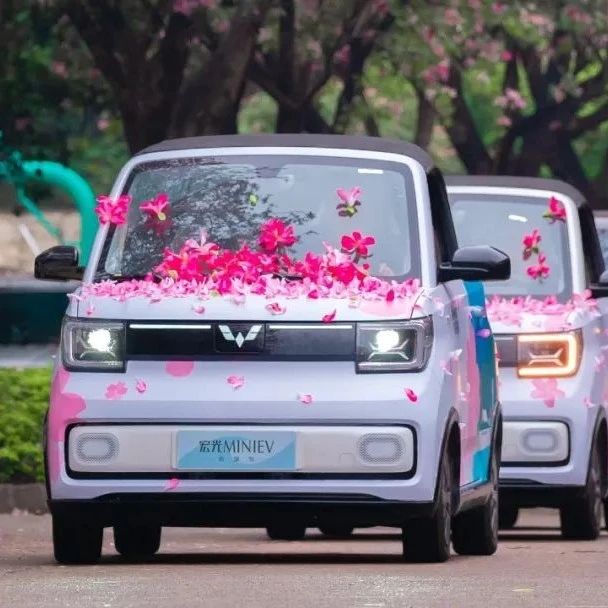
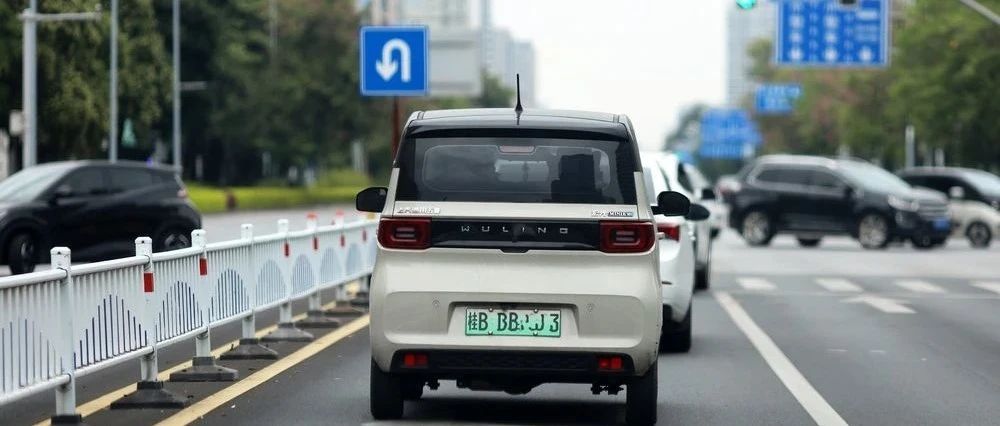
Core Viewpoint - The article discusses the significant shift in the sales of new energy vehicles (NEVs) from first and second-tier cities to lower-tier cities in China, highlighting the growing market potential in these areas and the changing consumer preferences [3][39]. Group 1: Market Trends - The sales of NEVs in third-tier and below cities have surged from less than 500,000 units in 2020 to over 5 million units by 2024, with market share increasing from 32.1% to 47.1% [3][15]. - Popular models in lower-tier cities include Wuling Hongguang MINIEV, Geely Galaxy's Xingyuan, and BYD's Seagull, contrasting with the preferences in higher-tier cities where Tesla and Xiaomi dominate [5][7][10]. Group 2: Consumer Preferences - Consumers in lower-tier cities prioritize price over brand when purchasing vehicles, with the average price of the top 10 popular models being 80,600 yuan, significantly lower than the models favored in higher-tier cities, which are priced above 200,000 yuan [10][11][16]. - The article identifies two main consumer groups: young professionals seeking cost-effective micro electric vehicles for commuting and families looking for larger vehicles due to changing needs [19][27]. Group 3: Policy Impact - The "New Energy Down to the Countryside" policy, initiated in 2020, along with various subsidies, has significantly boosted NEV sales in lower-tier cities, with the market share of NEVs in these areas rising from 25% in 2020 to 33.8% in 2024 [15][29]. - The average disposable income in lower-tier cities is generally lower than in higher-tier cities, making price-sensitive consumers more reliant on subsidies to make NEVs affordable [15][28]. Group 4: Challenges and Concerns - Despite the growing interest in NEVs, consumers in lower-tier cities face challenges such as inadequate charging infrastructure and concerns about after-sales service, which can deter potential buyers [33][37]. - The article notes that while micro electric vehicles are popular for daily use, consumers still prefer traditional fuel vehicles for long-distance travel due to concerns about charging availability and range anxiety [36][40]. Group 5: Competitive Landscape - Domestic brands like Geely and BYD are leading the charge in lower-tier cities, with over 50% of their network presence in these areas, while also addressing local consumer needs with targeted models [30][39]. - The article emphasizes that merely establishing a presence in lower-tier cities is not enough; companies must also address charging and service concerns to build long-term consumer trust [40][41].


县城青年,买爆“剁椒鱼头车”
创业邦· 2025-06-20 03:07
Core Viewpoint - The article highlights the significant shift in the sales of new energy vehicles (NEVs) from first and second-tier cities to lower-tier cities, driven by strong purchasing power and favorable policies [4][16]. Group 1: Market Trends - The sales of NEVs in third-tier and below cities are projected to surge from less than 500,000 units in 2020 to over 5 million units by 2024, increasing their market share from 32.1% to 47.1% [4]. - Popular models in lower-tier cities include Wuling Hongguang MINIEV, Geely Galaxy's Xingyuan, and BYD's Seagull and Qin PLUS, contrasting with the preferences in higher-tier cities where Tesla and Xiaomi dominate [8][12]. Group 2: Consumer Preferences - Consumers in lower-tier cities prioritize price over brand when purchasing vehicles, with the average price of the top 10 popular models being 80,600 yuan, significantly lower than the models favored in higher-tier cities, which are priced above 200,000 yuan [12][13][17]. - The article identifies two main consumer groups: young professionals seeking cost-effective micro electric vehicles for commuting and families looking for spacious options due to changing household needs [20][26]. Group 3: Policy Impact - The "New Energy Down to the Countryside" policy, initiated in 2020, along with various subsidies, has significantly boosted NEV sales in lower-tier cities, with the market share rising from 25% in 2020 to 33.8% in 2024 [16]. - The average disposable income in lower-tier cities is generally lower than in higher-tier cities, making price advantages critical for consumers when considering NEVs [16]. Group 4: Challenges and Concerns - Despite the growing interest in NEVs, consumers in lower-tier cities face challenges such as inadequate charging infrastructure and concerns about after-sales service, which can deter potential buyers [34][36]. - The article notes that while consumers appreciate the affordability of micro electric vehicles, they still prefer traditional fuel vehicles for long-distance travel due to concerns about charging convenience and range anxiety [35][39]. Group 5: Competitive Landscape - Domestic brands like Geely and BYD are leading the charge in lower-tier cities, with over 50% of their network presence in these areas, while also addressing consumer needs through targeted marketing and product offerings [30][38]. - The article emphasizes that merely establishing a presence in lower-tier cities is insufficient; companies must also resolve charging and service issues to build lasting consumer trust [39][40].

县城青年,买爆“剁椒鱼头车”
虎嗅APP· 2025-06-17 10:55
Core Viewpoint - The article highlights the significant shift in the sales of new energy vehicles (NEVs) from first and second-tier cities to lower-tier cities, with sales in third-tier and below cities expected to exceed 5 million units by 2024, up from less than 500,000 units in 2020, capturing nearly half of the market share [3][5][29]. Summary by Sections Popular Models in Lower-tier Cities - The most popular NEVs in lower-tier cities include Wuling Hongguang MINIEV, Geely Galaxy's Xingyuan, and BYD's Seagull and Qin PLUS, contrasting with the preferences in higher-tier cities where Tesla and Xiaomi dominate [5][6][9]. Consumer Preferences and Price Sensitivity - Consumers in lower-tier cities prioritize price over brand, with the average price of the top 10 popular models being 80,600 yuan, significantly lower than the models favored in higher-tier cities, which are priced above 200,000 yuan [9][10][14]. Factors Driving NEV Purchases - The "New Energy Down to the Countryside" policy, along with various subsidies, has significantly boosted NEV sales in lower-tier cities, increasing the market penetration from 25% in 2020 to 33.8% in 2024 [14][24]. Consumer Demographics - Two main consumer groups are identified: young professionals seeking cost-effective micro electric vehicles for commuting, and families looking to take advantage of subsidies for larger NEVs [16][20]. Market Competition and Challenges - Domestic brands like Geely and BYD are leading the charge in lower-tier cities, with over 50% market share in terms of dealership networks. However, challenges remain, including inadequate charging infrastructure and concerns over after-sales service [23][24][27]. Conclusion - As the NEV market in first and second-tier cities becomes saturated, the lower-tier cities present a new growth opportunity for automakers. However, addressing charging infrastructure and after-sales service will be crucial for long-term success [29][30].
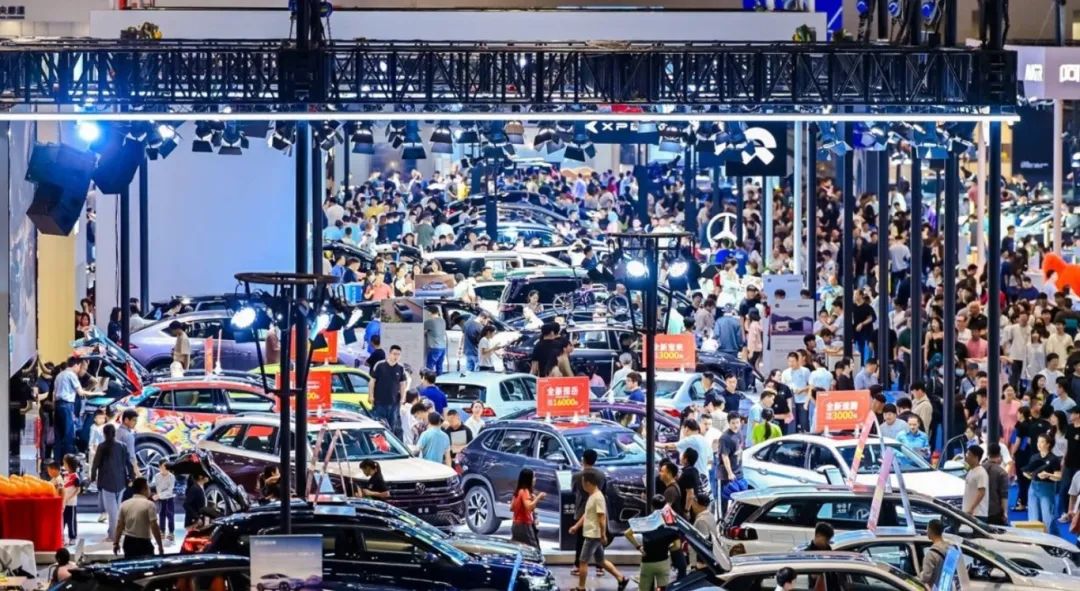
2025年全国新能源汽车下乡活动在如皋启动
Xin Hua Ri Bao· 2025-06-15 21:45
Group 1 - The 2025 National New Energy Vehicle Rural Promotion Activity was launched on June 15 in Rugao City, marking the fifth consecutive year that Jiangsu hosts the first event [1] - The event is organized by multiple associations and government bodies, including the China Automobile Industry Association and the Jiangsu Provincial Government [1] - The theme for this year's activity is "Green, Low-Carbon, Intelligent, Safe - Empowering New Rural Areas, Enjoying New Travel" [2] Group 2 - The number of vehicle models available for the rural promotion has increased from 99 last year to 124 this year, with price ranges from 30,000 to 500,000 yuan [2] - The types of vehicles include micro-mobility, plug-in hybrid SUVs, new energy commercial vehicles, and pickups, providing consumers with a wider selection [2] - Over 70 new energy vehicle brands participated in the exhibition and sales event, showcasing more than 150 vehicles to local villagers [2]


大厂下场,小牌靠边
3 6 Ke· 2025-06-04 01:01
Core Insights - The Chinese automotive market is experiencing intense competition across various segments, including micro electric vehicles, boxy models, MPVs, and large six-seat SUVs, with manufacturers vying for market share and consumer attention [1][10] - The market is witnessing a structural transformation where resources are concentrating around leading companies, which possess strong brand power, technological capabilities, and comprehensive service systems [3][10] - The success of models like the Wuling Hongguang MINIEV highlights the importance of brand recognition and consumer trust, which can elevate a vehicle from a mere transportation tool to a cultural symbol [12] Micro Electric Vehicle Market - The micro electric vehicle segment, represented by the Wuling Hongguang MINIEV, has seen significant growth since its launch at a price of 28,800 yuan, activating demand in lower-tier markets [4] - In the last six months, the Wuling Hongguang MINIEV, Geely Panda, and Changan Lumin collectively hold over 50% market share in the micro electric vehicle sector [5] - Smaller brands initially benefited from market trends but are now facing challenges as larger manufacturers quickly adapt and improve their offerings [4][6] MPV Market Dynamics - The MPV market has been revitalized by increasing family travel needs and consumption upgrades, with major players like BYD and others entering the space [6][10] - Models such as the BYD Tengshi D9 and Lantu Dreamer have successfully established themselves in the high-end MPV market through superior space design and technology [12] - Smaller brands struggle to compete due to a lack of brand recognition and technological capabilities, leading to their gradual exit from the market [6][12] Large Six-Seat SUV Segment - The large six-seat SUV market is characterized by high sales and profitability, attracting numerous domestic brands [7] - Models like the AITO M9 and Li Auto L9 have set benchmarks in this segment, prompting a wave of new entrants [7][9] - The entry of established brands with strong resources and technology is reshaping the competitive landscape, leaving little room for smaller players [9][10] Technological and Brand Advantages - Leading companies leverage significant investments in R&D, allowing them to maintain technological superiority and product reliability [14] - The disparity in brand power is evident, as established brands can command consumer trust and loyalty, while smaller brands face challenges in market penetration and customer retention [12][14] - The automotive industry's shift towards electric and intelligent vehicles underscores the necessity for brands to innovate and differentiate themselves to survive [14][15]