TONGCHENGTRAVEL(00780)

Search documents
TONGCHENGTRAVEL(00780) - 2025 Q4 - Earnings Call Transcript
2026-03-24 12:32
Financial Data and Key Metrics Changes - In 2025, the company reported net revenue of CNY 19.4 billion, representing an 11.9% year-over-year increase [26] - Adjusted net profit for 2025 increased by 22.2% year-over-year to CNY 3.4 billion, with adjusted basic EPS at CNY 1.45, a 20.8% year-over-year increase [27] - For Q4 2025, net revenue was CNY 4.8 billion, a 14.2% year-over-year increase, and adjusted net profit rose to CNY 779.8 million, reflecting 18.1% year-over-year growth [20][24] Business Line Data and Key Metrics Changes - The core OTA business revenue for 2025 reached CNY 16.5 billion, a 16% year-over-year increase, while accommodation reservation revenue was CNY 5.5 billion, up 16.8% year-over-year [26] - Transportation ticketing revenue for 2025 was CNY 7.9 billion, a 9.6% year-over-year increase, and other business revenue achieved CNY 3.1 billion, representing a 34.4% year-over-year increase [26] - The accommodation business achieved a record high in room nights sold, with a 30% increase in average daily room nights sold during Q1 2026 [51] Market Data and Key Metrics Changes - The company observed a notable shift in user preferences towards high-quality hotels, resulting in a 5 percentage point year-over-year increase in the proportion of high-quality hotels sold on its platform [8] - Outbound travel demand remains resilient, with users shifting to alternative destinations due to geopolitical tensions, particularly in Japan [33] - The company expects the revenue contribution from the outbound segment to increase to around 10%-15% over the next 2-3 years [35] Company Strategy and Development Direction - The company aims to enhance user experience and operational efficiency through technological innovation, particularly by integrating AI into its business processes [4][29] - The integration of Wanda Hotels & Resorts is expected to strengthen the company's brand portfolio and market presence, contributing to sustainable growth in the hotel management segment [10][45] - The company plans to focus on expanding its asset-light hotel management business and enhancing its competitive position in the travel industry [13][29] Management's Comments on Operating Environment and Future Outlook - Management expressed optimism about the upward trajectory of China's travel industry, supported by government policies and sustained user demand [28] - The company is committed to enhancing its corporate social responsibility and fostering sustainable industry growth [6] - Management highlighted the importance of adapting to changing user preferences and maintaining a strong focus on operational efficiency and profitability [65] Other Important Information - The company achieved an MSCI ESG rating of AAA in 2025, reflecting its leadership in ESG performance among global peers [18] - The total number of hotels in operation exceeded 3,000 by the end of December 2025, with more than 1,800 in the pipeline [13] Q&A Session Summary Question: Impact of geopolitical tensions on outbound travel - Management noted a decline in Japan-bound travel volume but stated the overall impact on business was limited as outbound travel accounts for only 5%-6% of total revenue [32][33] Question: AI strategy and Deep Trip's contribution - Management highlighted that Deep Trip has served about 7 million users, enhancing user engagement and operational efficiency through personalized travel planning [57][58] Question: Regulatory environment and its implications - Management stated that they are closely monitoring regulatory developments but have not observed any material changes affecting operations [42] Question: Future growth drivers and margin trends - Management emphasized a focus on high-quality growth, operational efficiency, and maintaining stable take rates in accommodation and transportation segments [63][65]
TONGCHENGTRAVEL(00780) - 2025 Q4 - Earnings Call Transcript
2026-03-24 12:30
Financial Data and Key Metrics Changes - In 2025, the company reported net revenue of CNY 19.4 billion, representing an 11.9% year-over-year increase [26] - Adjusted net profit for 2025 increased by 22.2% year-over-year to CNY 3.4 billion, with adjusted basic EPS at CNY 1.45, a 20.8% year-over-year increase [28] - For Q4 2025, net revenue reached CNY 4.8 billion, a 14.2% year-over-year increase, while adjusted net profit rose to CNY 779.8 million, reflecting an 18.1% year-over-year growth [20][25] Business Line Data and Key Metrics Changes - The core OTA revenue achieved CNY 16.5 billion in 2025, a 16% year-over-year increase, while accommodation reservation revenue was CNY 5.5 billion, up 16.8% year-over-year [27] - Transportation ticketing revenue reached CNY 7.9 billion, representing a 9.6% year-over-year increase, and other business revenue grew by 34.4% year-over-year to CNY 3.1 billion [27] - The accommodation business saw a record high in room nights sold, with a 5 percentage point year-over-year increase in the proportion of high-quality hotels sold on the platform [8][21] Market Data and Key Metrics Changes - The company noted a significant shift in user preferences towards high-quality hotels, leading to a nearly 30% growth in international room nights sold in 2025 [8] - The Chinese travel market demonstrated solid demand during the 2026 Spring Festival, with national passenger throughput reaching a record high of 8.2% year-over-year growth [48] - Outbound travel demand remained resilient despite geopolitical tensions, with users shifting to alternative destinations [33] Company Strategy and Development Direction - The company aims to solidify its leading position in the domestic market while capturing growth opportunities in the outbound travel market [3] - The integration of Wanda Hotels & Resorts is expected to enhance the company's brand portfolio and operational efficiency, positioning it for sustainable growth [4][43] - The company is committed to leveraging AI technology to optimize operational efficiency and enhance user experience [17][30] Management Comments on Operating Environment and Future Outlook - Management expressed optimism about the upward trajectory of China's travel industry, supported by government policies and sustained user demand [29] - The company plans to focus on enhancing user experience and expanding its product offerings while maintaining financial prudence [20][30] - Management highlighted the importance of adapting to changing user preferences and the ongoing integration of AI in customer service [17][35] Other Important Information - The company achieved an MSCI ESG rating of AAA in 2025, reflecting its leadership in ESG performance [18] - The total number of hotels in operation exceeded 3,000 by the end of December 2025, with more than 1,800 in the pipeline [12] Q&A Session Summary Question: Impact of geopolitical tensions on outbound travel - Management noted a decline in Japan-bound travel volume but limited overall impact on business as outbound travel accounts for only 5%-6% of total revenue [33] Question: AI strategy and partnerships - The company is integrating AI capabilities to enhance user experience and operational efficiency, with a focus on developing the Deep Trip platform for personalized travel planning [35][36] Question: Regulatory implications for the OTA sector - Management is closely monitoring regulatory developments but has not observed any material changes affecting operations [41] Question: Strategic focus for hotel management business - Post-acquisition integration of Wanda Hotels & Resorts has been successful, enhancing brand portfolio and operational efficiency [43][45]
同程旅行(00780) - 2025 Q4 - 电话会议演示
2026-03-24 11:30
Tongcheng Travel Holdings Limited Stock Code: 0780 Investor Presentation March 2026 Disclaimer The materials used in this investors presentation are being furnished to you for your information only, which shall be kept in strict confidence. No representation or warranty, express or implied, is made by Tongcheng Travel Holdings Limited (the "Company") or its connected person, or any of their respective directors, officers, employees, advisers or representatives as to, and no reliance should be placed on, the ...
同程旅行(00780) - 截至二零二五年十二月三十一日止年度之末期股息
2026-03-24 08:35
| 香港交易及結算所有限公司及香港聯合交易所有限公司對本公告的內容概不負責,對其準確性或完整性亦不發表任何聲明,並明確表示,概不對因 | | | --- | --- | | 公告全部或任何部份內容而產生或因倚賴該等內容而引致的任何損失承擔任何責任。 | | | 股票發行人現金股息公告 | | | 發行人名稱 | 同程旅行控股有限公司 | | 股份代號 | 00780 | | 多櫃檯股份代號及貨幣 | 不適用 | | 相關股份代號及名稱 | 不適用 | | 公告標題 截至二零二五年十二月三十一日止年度之末期股息 | | | 公告日期 | 2026年3月24日 | | 公告狀態 | 新公告 | | 股息信息 | | | 股息類型 | 末期 | | 股息性質 | 普通股息 | | 財政年末 | 2025年12月31日 | | 宣派股息的報告期末 | 2025年12月31日 | | 宣派股息 | 每 股 0.25 HKD | | 股東批准日期 | 2026年6月16日 | | 香港過戶登記處相關信息 | | | 派息金額及公司預設派發貨幣 | 每 股 0.25 HKD | | 匯率 | 1 HKD : 1 HKD | ...
同程旅行(00780) - 2025 - 年度业绩
2026-03-24 08:30
香港交易及結算所有限公司及香港聯合交易所有限公司對本公告的內容概不負責,對其準確性 或完整性亦不發表任何聲明,並明確表示,概不就因本公告的全部或任何部份內容所產生或因 依賴該等內容而引致的任何損失承擔任何責任。 Tongcheng Travel Holdings Limited 同程旅行控股有限公司 (於開曼群島註冊成立的有限公司) • 收入由二零二四年第四季度的人民幣4,237.6百萬元同比增加14.2%至二零二 五年同期的人民幣4,840.0百萬元。 • 經調整EBITDA由二零二四年第四季度的人民幣997.7百萬元增加28.6%至二 零二五年同期的人民幣1,282.9百萬元。 • 經調整溢利淨額由二零二四年第四季度的人民幣660.2百萬元同比增加18.1% 至二零二五年同一季度的人民幣779.8百萬元。 • 平均月付費用戶由二零二四年第四季度的41.0百萬人同比增加1.0%至二零二 五年同一季度的41.4百萬人。 1. 截至二零二五年十二月三十一日止三個月的關鍵財務指標 | | 未經審核 | | | | --- | --- | --- | --- | | | 截至十二月三十一日 | | | | | 止三 ...
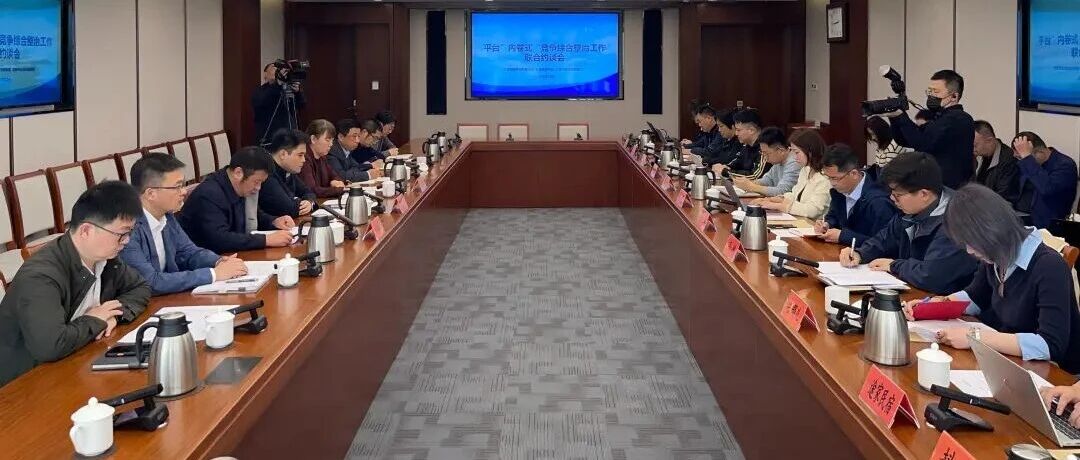
12家平台企业被约谈
中国能源报· 2026-03-23 12:50
Core Viewpoint - The article discusses the regulatory actions taken by Beijing's market supervision authorities against various online platforms for engaging in "involutionary" competition practices, highlighting the need for compliance and rectification to protect merchants' rights and consumer interests [1][3]. Group 1: Issues Identified - Platforms have infringed on merchants' autonomy by unilaterally enrolling them in promotional activities and enforcing minimum pricing without consent, leading to financial losses for merchants [4][5]. - Specific examples include Taobao Flash Sale modifying prices and activities without merchant agreement, resulting in significant revenue drops for merchants [6]. - Ctrip has been reported to automatically adjust hotel prices, pressuring hotels to comply with lowest price requirements, thus undermining their pricing authority [7]. Group 2: Unreasonable Rules - Some platforms have established unreasonable rules that impose additional burdens on merchants through penalties and restrictions, increasing operational challenges [9][10]. - Ctrip's "cutting customer" penalties have been criticized for being overly broad, penalizing hotels for legitimate customer interactions outside the platform [10]. Group 3: False Advertising - Platforms have engaged in misleading advertising practices that violate consumer rights, such as promoting paid services that falsely claim to enhance ticket purchasing success [12]. - Ctrip's misleading "thumbs up" symbol has been flagged for misrepresenting service quality, prompting regulatory guidance for its removal [13]. - Other platforms, like Gaode, have been noted for failing to update promotional indicators, misleading consumers about ongoing discounts [14]. Group 4: Compliance Management Shortcomings - Several platforms lack effective compliance management systems, leading to inadequate oversight and risk management [15][16]. - QuNar's compliance mechanisms have been criticized for being ineffective, lacking a dedicated management structure [16]. - JD's compliance management has been deemed insufficient, with unclear responsibilities and a need for improved operational effectiveness [17]. Group 5: Regulatory Actions and Future Directions - Regulatory authorities have issued administrative warnings to platforms, mandating strict adherence to responsibilities and timely rectification of identified issues [17]. - The authorities plan to continue monitoring and publicly reporting violations, focusing on platforms that fail to comply with rectification requirements [17].






北京三部门联合约谈12家平台企业 通报“内卷式”竞争第一批问题
YOUNG财经 漾财经· 2026-03-23 11:40
Core Viewpoint - Beijing's regulatory authorities have initiated a comprehensive rectification of "involutionary" competition among platform enterprises, focusing on issues such as infringement of merchants' rights, unreasonable rules, false advertising, and shortcomings in compliance management [1][3][8]. Group 1: Issues Identified - The first batch of issues identified includes the infringement of merchants' autonomy, where platforms modify merchant settings without consent and impose minimum pricing, leading to economic losses for merchants [3][4]. - Unreasonable rules have been set by some platforms, leveraging their dominant position to impose penalties and restrictions that increase the operational burden on merchants [4][5]. - False advertising practices have been reported, where platforms mislead consumers through deceptive promotional tactics, violating consumer rights [6][7]. Group 2: Compliance Management Shortcomings - Several platforms have been found to have ineffective compliance management systems, with unclear responsibilities and lack of actual implementation of compliance mechanisms [7][8]. - Specific examples include Qunar's lack of a functional compliance management organization and JD's outdated compliance structure, indicating a need for improvement in compliance practices [7][8]. Group 3: Regulatory Actions and Future Steps - Regulatory authorities have issued administrative warnings to platforms, mandating them to rectify identified issues and protect the rights of both merchants and consumers [8]. - The next steps involve ongoing monitoring and public reporting of violations, with a focus on creating a long-term prevention mechanism through multi-party consultations [8].

携程、去哪儿网、高德、京东、淘宝闪购、美团、飞猪旅行、同程旅行、途家民宿、小猪民宿、抖音、快手被约谈
新华网财经· 2026-03-23 10:20
Core Viewpoint - The article discusses the regulatory actions taken by Beijing's market supervision authorities against various online platforms for engaging in "involutionary" competition practices that harm merchants and consumers [1]. Group 1: Issues Identified - The main issues reported focus on four areas: infringement of merchants' autonomy, unreasonable rules, false advertising, and shortcomings in compliance management [3][7][9][13]. Group 2: Infringement of Merchant Autonomy - Some platforms have modified merchant settings without consent, forcing them into promotional activities and dictating pricing, which leads to financial losses for merchants and potential quality risks in goods and services [3]. - Example 1: Taobao Flash Sale unilaterally listed merchants' products in promotional events and altered prices without consent, resulting in significant revenue losses for merchants [4]. - Example 2: Ctrip used technical means to enforce minimum pricing on hotels, pressuring them to comply or face consequences such as reduced visibility on the platform [5][6]. Group 3: Unreasonable Rules - Certain platforms have established unfair rules that increase the operational burden on merchants through penalties and restrictions [7]. - Example 3: Ctrip's "cutting customer" rule penalizes hotels for directing customers away from the platform, even in legitimate scenarios, leading to unfair commission demands [8]. Group 4: False Advertising - Platforms have engaged in misleading advertising practices that violate consumer rights [9]. - Example 4: Third-party train ticket platforms misrepresented paid services as exclusive benefits, misleading consumers about their effectiveness [10]. - Example 5: Ctrip's misleading "thumbs up" symbol associated with certain hotels did not reflect actual service quality, prompting regulatory intervention [11]. - Example 6: Gaode failed to update promotional indicators post-campaign, misleading consumers about ongoing discounts [12]. Group 5: Compliance Management Shortcomings - Several platforms lack effective compliance management systems, leading to inadequate risk assessment and oversight [13]. - Example 7: Qu Nar's compliance mechanisms were found to be ineffective, lacking a structured approach to managing compliance risks [14]. - Example 8: JD's compliance management was criticized for not being updated dynamically, with unclear responsibilities [15]. Group 6: Regulatory Actions and Future Steps - Regulatory authorities have issued administrative warnings and mandated platforms to rectify identified issues, emphasizing the protection of merchants' and consumers' rights [15]. - The authorities plan to continue monitoring and addressing "involutionary" competition practices, ensuring platforms engage in fair competition and adhere to regulations [15].
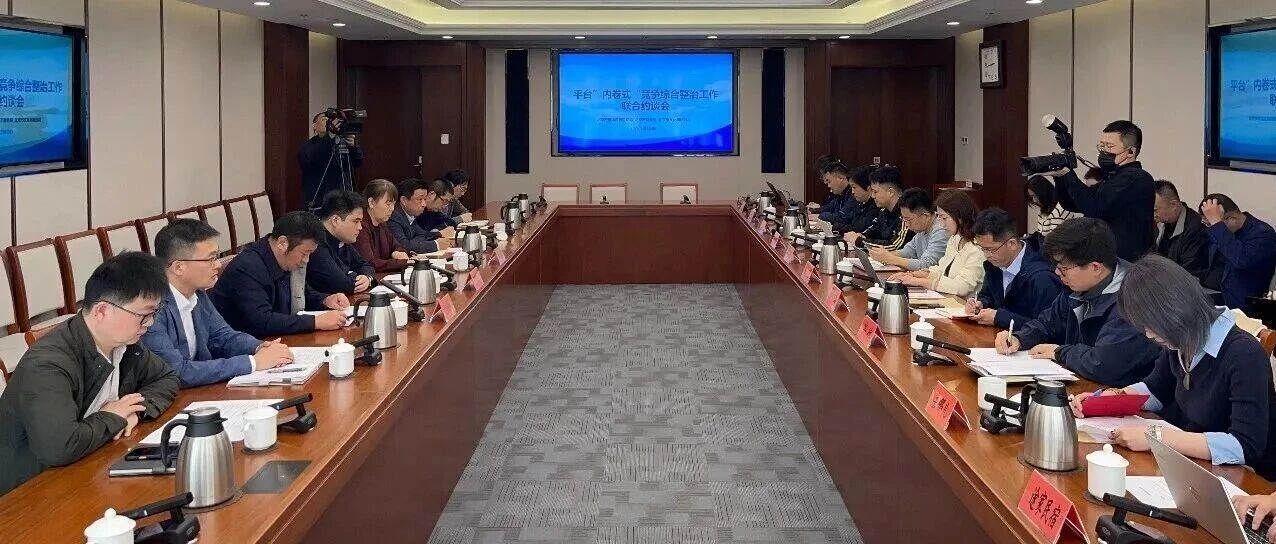
北京三部门约谈12家平台企业
券商中国· 2026-03-23 09:16
Core Viewpoint - The article discusses the regulatory actions taken by Beijing's market supervision authorities against various online platforms for engaging in "involutionary" competition practices that harm merchants and consumers, highlighting the need for compliance and fair competition in the market [1][14]. Group 1: Issues Identified - The main issues reported focus on four areas: infringement of merchants' autonomy, unreasonable rules set by platforms, false advertising practices, and shortcomings in compliance management systems [3][6][8][11]. Group 2: Infringement of Merchant Autonomy - Platforms have been found to modify merchant settings without consent, forcing them into promotional activities and dictating pricing, which leads to significant financial losses for merchants [3][4]. - A specific case involves Taobao Flash Sale, where merchants reported unauthorized price changes and promotional listings that resulted in them receiving only a fraction of their original prices, making it impossible to cover costs [4]. Group 3: Unreasonable Rules - Platforms like Ctrip have been criticized for imposing unreasonable rules that increase the operational burden on merchants, such as penalizing hotels for directing customers away from their platform [6][7]. - Ctrip's "cutting customer" rule was deemed unfair, as it penalized hotels for legitimate customer interactions outside the platform, prompting regulatory guidance for rule optimization [7]. Group 4: False Advertising - Instances of misleading advertising were noted, such as third-party train ticket platforms promoting paid services with exaggerated claims of success rates, misleading consumers about the benefits of their offerings [8][9]. - Ctrip's use of misleading "thumbs up" symbols to indicate hotel quality was also flagged, leading to regulatory intervention to eliminate such practices [10]. Group 5: Compliance Management Shortcomings - Several platforms, including Qunar and JD.com, were found to have ineffective compliance management systems, lacking clear responsibilities and failing to implement necessary compliance mechanisms [11][12]. - Regulatory authorities emphasized the need for these platforms to enhance their compliance frameworks to prevent future violations [12]. Group 6: Regulatory Actions and Future Steps - The market supervision authorities issued administrative warnings and mandated platforms to rectify identified issues, emphasizing the protection of merchants' and consumers' rights [14]. - Future actions will include ongoing monitoring of compliance, public reporting of violations, and the establishment of a collaborative mechanism for rule-making to ensure fair competition in the platform economy [14].
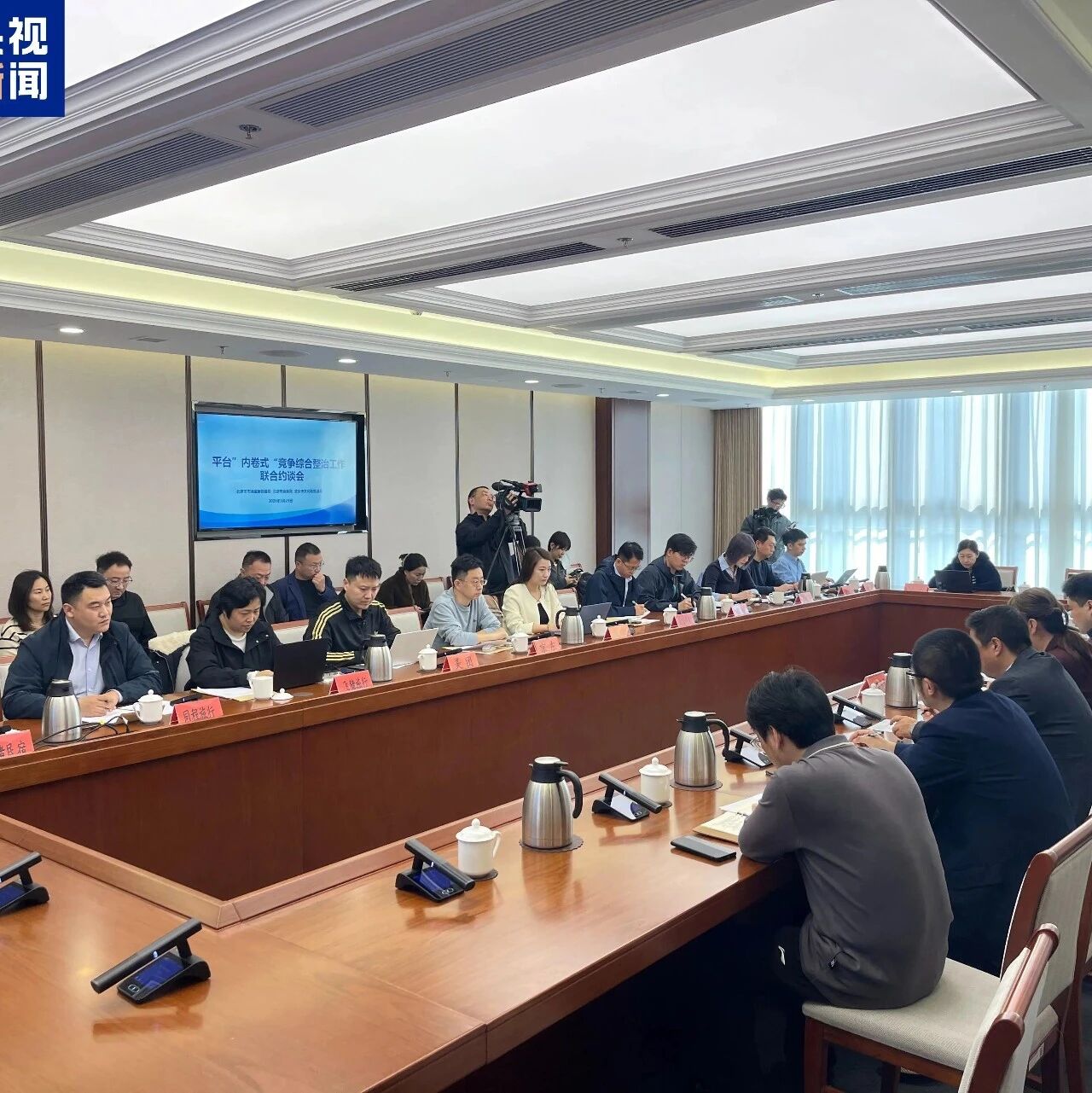
携程、去哪儿网、高德、京东、淘宝闪购、美团、飞猪旅行、同程旅行、途家民宿、小猪民宿、抖音、快手被约谈
21世纪经济报道· 2026-03-23 08:32
Core Viewpoint - The article discusses the regulatory actions taken by Beijing's market supervision authorities against various online platforms for engaging in "involutionary" competition practices that harm merchants and consumers [1][16]. Group 1: Issues Identified - The main issues reported focus on four areas: infringement of merchants' autonomy, unreasonable rules imposed by platforms, false advertising practices, and shortcomings in compliance management systems [3][6][11]. Group 2: Infringement of Merchant Autonomy - Platforms have been found to modify merchant settings without consent, forcing them into promotional activities and dictating pricing, which leads to significant financial losses for merchants [3][4]. - For instance, Taobao Flash Sale unilaterally listed products for promotional events, resulting in merchants receiving drastically reduced prices that do not cover their costs [4]. Group 3: Unreasonable Rules - Platforms like Ctrip have been reported to use technical means to enforce minimum pricing, pressuring hotels to comply or face penalties such as reduced visibility on the platform [5][7]. - Ctrip's "cutting customer" rules have been criticized for unfairly penalizing hotels for customer transactions that occur outside the platform, leading to additional financial burdens [7]. Group 4: False Advertising Practices - Third-party ticket sales platforms have been found to engage in misleading advertising, promoting services that falsely claim to enhance ticket purchasing success [8]. - Ctrip's misleading "thumbs up" symbols associated with certain hotels have been flagged for potentially deceiving consumers regarding service quality [9]. Group 5: Compliance Management Shortcomings - Several platforms, including Qunar and JD.com, have been noted for lacking effective compliance management systems, which has resulted in inadequate risk assessment and oversight of promotional activities [12][13][14]. - Regulatory authorities have emphasized the need for platforms to establish robust compliance mechanisms to prevent future violations [16]. Group 6: Regulatory Actions and Future Steps - The market supervision department has issued administrative warnings and mandated platforms to rectify identified issues within a specified timeframe [16]. - Ongoing efforts will focus on deepening the comprehensive rectification of "involutionary" competition, with a commitment to publicize violations and monitor compliance closely [16].