MEITUAN(03690)

Search documents
再度大跌!白银跌超20%,比特币跌破6.5万美元;美伊周五将在阿曼举行核谈判;海南岛内居民可享进境商品“零关税”丨每经早参
Mei Ri Jing Ji Xin Wen· 2026-02-05 23:10
Market Overview - The three major U.S. stock indices closed lower on February 5, with the Dow Jones down 1.2%, the Nasdaq down 1.59%, and the S&P 500 down 1.23%. Notable tech stocks like AMD and Qualcomm fell over 8%, while Microsoft dropped nearly 5% [2][5] - International oil prices also saw a decline, with WTI crude oil down 2.89% at $63.26 per barrel, and Brent crude down 2.85% at $67.48 per barrel [6] - Gold prices fell significantly, with spot gold down 4.11% at $4766.2 per ounce, and COMEX gold futures down 3.37% at $4787.3 per ounce. Silver prices also dropped, with spot silver down 20.05% at $70.91 per ounce [6][12] Company News - NIO (蔚来) announced it expects to record its first quarterly adjusted operating profit between approximately RMB 700 million (about $100 million) and RMB 1.2 billion (about $172 million) in Q4 2025 [18] - Meituan (美团) announced the acquisition of Dingdong Fresh for an initial price of $717 million (approximately RMB 50 billion), aiming to enhance its fresh food delivery capabilities [20] - Ideal Auto (理想汽车) is preparing to launch the new Ideal L9, which is positioned as a "robotic vehicle" and aims to integrate advanced technology [22] - Infineon Technologies announced a price increase for certain products effective April 1, 2026, due to ongoing supply constraints and rising costs [24] - China Unicom (中国联通) has received approval to begin commercial trials for its Beidou short message service, marking a significant step in satellite communication integration [25] Regulatory and Policy Updates - The Chinese government has implemented a "zero tariff" policy for imported goods for residents of Hainan Free Trade Port, allowing purchases up to RMB 10,000 per year [3][11] - The Shanghai Futures Exchange has adjusted the price fluctuation limits and margin requirements for gold and silver futures contracts, effective from February 9 [12][13]







全线崩盘!白银跌超20% 比特币跌破6.5万美元;美团拟50亿收购叮咚买菜丨每经早参
Mei Ri Jing Ji Xin Wen· 2026-02-05 22:50
Group 1 - U.S. stock markets experienced a collective decline, with the Dow Jones down 1.2%, Nasdaq down 1.59%, and S&P 500 down 1.23%. Major tech stocks also fell, including AMD and Qualcomm, which dropped over 8% and Microsoft nearly 5% [4] - Initial jobless claims in the U.S. rose to 231,000, exceeding the forecast of 212,000 and the previous value of 209,000. Additionally, January's Challenger job cuts reached 108,000, the highest for the same period since 2009 [5] - International oil prices fell significantly, with WTI crude down 2.89% to $63.26 per barrel and Brent crude down 2.85% to $67.48 per barrel. Precious metals also saw declines, with gold dropping 4.11% to $4,766.2 per ounce and silver falling 20.05% to $70.91 per ounce [6] Group 2 - NIO announced it expects to record its first adjusted operating profit for Q4 2025, estimated between approximately RMB 700 million (about $100 million) and RMB 1.2 billion (about $172 million), indicating improved profitability for the electric vehicle leader [18] - Meituan announced the acquisition of Dingdong Fresh for a total price of approximately RMB 5 billion (around $717 million), aiming to enhance its presence in the fresh produce market and integrate delivery resources [20][21] - Ideal Auto's chairman highlighted the upcoming launch of the new Ideal L9, which is positioned as a "robotic vehicle" and aims to integrate advanced technology, reflecting the industry's shift towards intelligent automotive solutions [23][24] Group 3 - Infineon announced a price increase for certain products effective April 1, 2026, due to ongoing supply constraints and rising costs of raw materials and infrastructure, indicating persistent pressures in the semiconductor industry [25] - China Unicom has initiated a trial for its Beidou short message service, marking a significant step in the commercialization of satellite communication and enhancing communication capabilities in specialized scenarios [26] - Xiaomi has reduced the safety mileage threshold for its assisted driving feature from 1,000 km to 300 km, aiming to improve user experience and promote the adoption of intelligent driving technologies [27]


美团收购叮咚买菜;阿里巴巴大模型品牌统一为“千问”|未来商业早参
Mei Ri Jing Ji Xin Wen· 2026-02-05 22:36
Group 1 - Xiaohongshu has implemented a ban on certain "real-time fund valuation bloggers" in response to regulatory compliance requirements, reflecting a strengthened focus on investor protection by regulatory authorities [1] - The regulatory body has emphasized the need for fund sales institutions and third-party platforms to conduct self-inspections and remove misleading features such as "real-time fund valuation" and "real trading rankings" [1] Group 2 - Meituan announced the acquisition of Dingdong Maicai's China business for approximately $717 million, with the overseas business being excluded from the transaction [2] - Dingdong Maicai, founded in 2017, is a leading fresh food instant retail platform in China, achieving a record quarterly revenue of 6.66 billion yuan and a net profit of 80 million yuan in Q3 2025 [2] - This acquisition marks a significant event in the consolidation of the instant retail industry, indicating a new phase of competition and development driven by market dynamics [2] Group 3 - Alibaba has unified its AI model branding under "Qwen," which includes both foundational and specialized models, to eliminate confusion caused by multiple names [3] - This branding unification is part of Alibaba's strategic effort to enhance its AI commercialization and strengthen its competitive position in the increasingly crowded domestic AI market [3] - By consolidating its brand, Alibaba aims to better integrate internal resources and focus on the development and application of foundational and specialized models, thereby improving its competitiveness in both consumer and business markets [3]
美团收购叮咚买菜,总价近50亿元
Nan Fang Du Shi Bao· 2026-02-05 18:15
Core Viewpoint - Meituan announced the acquisition of Dingdong Maicai's China business for $717 million, valuing Dingdong at $1.006 billion, which will integrate its financial performance into Meituan's reports [1][3]. Group 1: Acquisition Details - The acquisition agreement includes the purchase of 100% equity of Dingdong Maicai's China operations, with the overseas business excluded from the deal [1]. - The transaction is expected to close within 12 months, or the agreement can be terminated [1]. - Dingdong Maicai will continue to operate under its current model during the transition period [1]. Group 2: Strategic Rationale - Meituan emphasizes the importance of grocery retail in its long-term development strategy, aiming to leverage Dingdong's supply chain capabilities and customer base [3]. - Dingdong operates over 1,000 front warehouses in China and has over 7 million monthly purchasing users, showcasing its strong market presence [3]. - The merger is expected to enhance both companies' strengths in product offerings, technology, and operations, improving consumer experience [3]. Group 3: Founder's Perspective - Dingdong's founder, Liang Changlin, expressed that the decision to merge with Meituan is a forward-looking choice, aiming for collaboration rather than competition [3][8]. - He highlighted Dingdong's strong supply chain capabilities, with over 85% of fresh products sourced directly, and significant growth in various product categories [7][14]. - Liang reassured employees that their jobs and the company's operational stability would remain intact post-acquisition [9][10]. Group 4: Market Context - The acquisition reduces competition in the instant retail market, as Dingdong's integration into Meituan may lead to its gradual marginalization [17]. - Dingdong's recent financial performance shows a slowdown in revenue growth, with Q3 2025 revenue at 6.662 billion yuan, a 1.90% year-over-year increase, and a net profit decline of 37.86% [16].

美团拟7.17亿美元收购叮咚买菜 生鲜即时零售格局生变
Shang Hai Zheng Quan Bao· 2026-02-05 17:52
Group 1 - Meituan announced the acquisition of Dingdong Maicai's China business for approximately $717 million, which will make Dingdong a wholly-owned subsidiary of Meituan and integrate its financial performance into Meituan's financial statements [2][3] - This acquisition accelerates Meituan's strategy in the instant retail sector and indicates a potential concentration of competition towards leading platforms [2] - Dingdong Maicai, founded in 2017, focuses on the Jiangsu, Zhejiang, and Shanghai markets, utilizing a front warehouse model to deliver fresh produce within 29 minutes [3] Group 2 - Meituan already operates a similar instant retail platform, Xiaoxiang Supermarket, which aims to expand its coverage in major cities across China [4][5] - The acquisition is seen as a move to strengthen Xiaoxiang Supermarket's operations and increase market share in the Jiangsu, Zhejiang, and Shanghai regions [5] - Dingdong Maicai reported a revenue of 6.66 billion yuan and a GMV of 7.27 billion yuan for Q3 2025, with a net profit of 100 million yuan, indicating a net profit margin of 1.5% [3] Group 3 - The instant retail market is becoming increasingly competitive, with major players like Alibaba and JD.com also expanding their presence in this sector [6] - If the acquisition is successful, it may lead to a reshaping of the domestic instant retail landscape, consolidating resources between Xiaoxiang Supermarket and Dingdong Maicai [6][7] - Industry experts suggest that the future of the fresh retail sector will focus on private brand development, online-offline integration, and supply chain capabilities as key competitive factors [7]
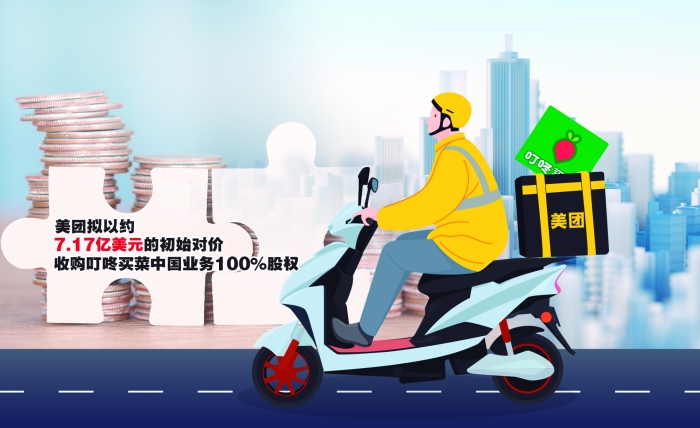
美团收购叮咚买菜,即时零售市场版图骤变
Cai Jing Wang· 2026-02-05 17:19
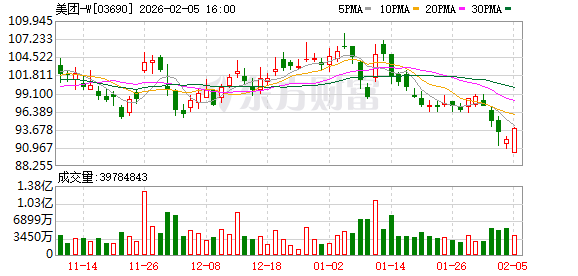
Core Viewpoint - The acquisition of Dingdong Maicai by Meituan for approximately $717 million is seen as a strategic move to enhance Meituan's market share in the instant retail sector and strengthen its competitive position against Alibaba and JD.com [1][4]. Acquisition Details - Meituan announced the acquisition of 100% of Dingdong Maicai's China business, with the overseas operations excluded from the deal [1]. - The initial consideration of $717 million does not represent a significant premium over Dingdong Maicai's market capitalization of $694 million at the time of the announcement [3]. - Following the acquisition news, Dingdong Maicai's stock price rose over 4%, reaching $3.33 per share [3]. Financial Performance - Dingdong Maicai reported a GMV of 25.56 billion yuan in 2024, a year-on-year increase of 16.3%, and revenue of 23.07 billion yuan, up 15.5% [3]. - The company achieved its first annual profit under GAAP standards in 2024, with a net profit of 300 million yuan [3]. - In Q3 2025, Dingdong Maicai's revenue reached a record high of 6.66 billion yuan, with a net profit of 80 million yuan, marking seven consecutive quarters of profitability [3]. Strategic Rationale - Meituan emphasized the importance of instant retail and the alignment of Dingdong Maicai's mission with its own, aiming to enhance consumer experience through combined strengths in product quality, technology, and operations [4]. - Dingdong Maicai's founder highlighted the complementary nature of their "4G" strategy with Meituan's operations, suggesting that the merger would enhance their core competencies [4][11]. - The acquisition is viewed as a necessary step for Meituan to expand its presence in the fresh food sector, especially after closing its previous preferred business [6][7]. Market Position - Dingdong Maicai is recognized as one of the few companies successfully implementing the front warehouse model in the fresh food e-commerce sector [6]. - The acquisition is expected to provide Meituan with a stronger foothold in the instant retail market, which is increasingly competitive with major players like Alibaba and JD [7].
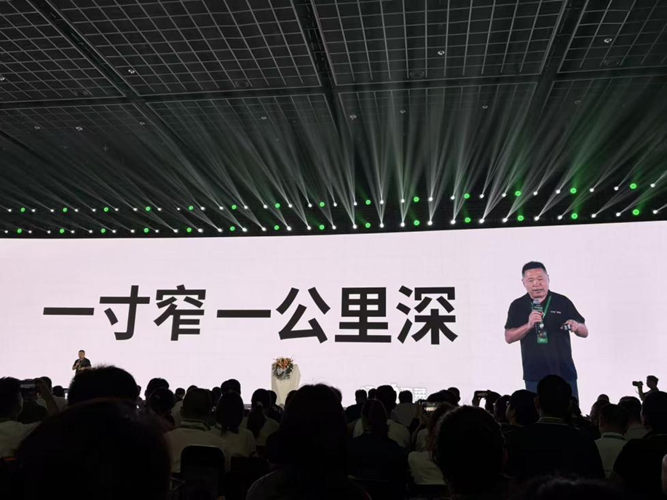
收购叮咚买菜 美团不只盯上即时零售
Bei Jing Shang Bao· 2026-02-05 16:10
Core Viewpoint - Meituan has acquired 100% equity of the fresh food instant retail platform Dingdong Maicai for approximately $717 million, marking a strategic move to enhance its defenses against competitors like JD and Alibaba in the instant retail sector [1][4]. Group 1: Acquisition Details - The acquisition is aimed at leveraging Dingdong Maicai's mature fresh supply chain and over 1,000 front warehouses to strengthen Meituan's market position [1][4]. - Dingdong Maicai had over 7 million monthly purchasing users as of September 2025, indicating a strong customer base [4]. - The transaction does not include Dingdong Maicai's overseas operations, and the company will continue to operate under its existing model during the transition period [4]. Group 2: Strategic Implications - This acquisition represents a strategic reinforcement for Meituan in the instant retail space, transitioning from a single-category focus to a comprehensive retail model [5]. - The competition in the instant retail market has shifted from "scale expansion" to "stock game," with front warehouses becoming a critical battleground for major players [5]. - The acquisition allows Meituan to fill regional gaps in its layout and integrate Dingdong Maicai's supply chain capabilities with its existing network [5][7]. Group 3: Market Context - The retail landscape is increasingly dominated by major players, with smaller companies either being acquired or exiting the market, leading to a concentration of market share among giants like Meituan, JD, and Alibaba [8]. - The competition is evolving from delivery speed and pricing to ecosystem collaboration and user experience [8][9]. - Meituan's strategy focuses on full-domain defense, enhancing its offline presence while streamlining its online operations to counteract competitive pressures [9][10]. Group 4: Financial Performance and Challenges - Dingdong Maicai faced significant challenges, including a net loss of approximately 3.18 billion yuan in 2020, leading to a strategic shift towards efficiency and profitability [6]. - The company has since achieved its highest operating cash flow of 929 million yuan since its listing in 2024, indicating a recovery in its financial health [6]. - Despite recent profitability, Dingdong Maicai's net profit decreased by 34.96% year-on-year in Q1 2025, attributed to increased costs from new warehouse openings and seasonal consumption fluctuations [7]. Group 5: Future Trends - The market is expected to further concentrate around leading enterprises, with supply chain capabilities, delivery networks, and digital operations becoming key competitive factors [11]. - The industry is likely to expand from fresh food to a broader range of daily necessities, with diverse service scenarios and deeper integration of technology and data to drive efficiency [11].
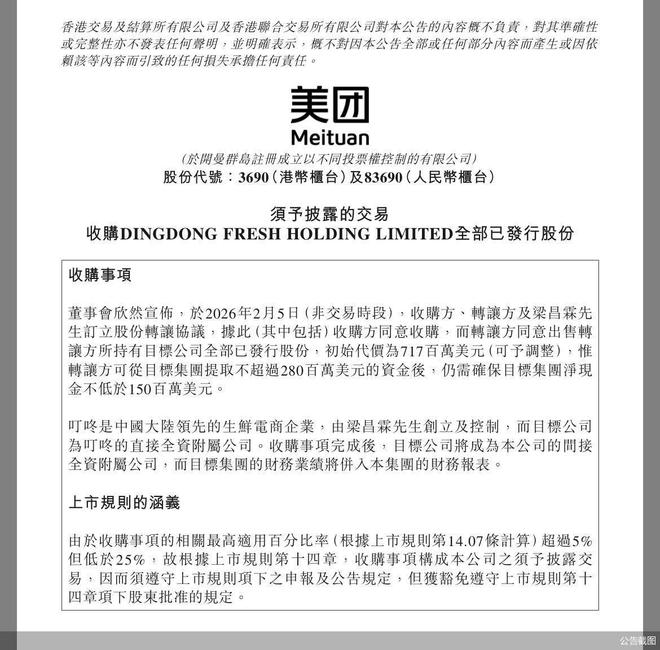
叮咚买菜创始人发内部信,开盘股价跌超10%
Xin Lang Cai Jing· 2026-02-05 16:10
Core Viewpoint - Dada Group (叮咚买菜) has reached an agreement with Meituan (美团) to sell its Chinese business for $717 million (approximately 4.974 billion RMB), with adjustments based on certain financial metrics [2][14]. Group 1: Transaction Details - The transaction involves the sale of all issued shares of Dada's wholly-owned subsidiary, Dada Fresh Holding Limited (叮咚BVI), which holds nearly all of Dada's operations in China [2]. - The deal allows Dada to withdraw up to $280 million from its cash reserves, provided that the net cash at closing is no less than $150 million [2]. - The international business of Dada is not included in this transaction [2]. Group 2: Company Background and Performance - Dada was founded in 2017 and has established a strong supply chain capability, with over 85% of fresh produce sourced directly and a significant market share in black pork and organic vegetables [6][15]. - The company achieved profitability in Q4 2022 and has maintained profitability for 12 consecutive quarters, with a revenue of 6.66 billion RMB in Q3 2025, marking a 1.9% year-over-year increase [15]. - Despite achieving profitability, Dada's net profit margin remains low at 1.5%, facing intense competition from major players like Meituan and Hema [15]. Group 3: Strategic Rationale for the Merger - The decision to merge with Meituan was made after careful consideration by the board, aiming to leverage Dada's strengths in product quality, service, and supply chain efficiency on a larger platform [6][13]. - The merger aligns with both companies' missions, with Dada's goal of making quality ingredients widely accessible complementing Meituan's mission of improving food and living standards [7][13]. - The merger is expected to provide Dada employees with greater career opportunities within Meituan's extensive business ecosystem [9][14].
美团50亿元买下叮咚买菜 即时零售进入巨头混战时代
2 1 Shi Ji Jing Ji Bao Dao· 2026-02-05 15:27
Core Viewpoint - Meituan's acquisition of Dingdong Maicai marks a significant shift in the competitive landscape of the instant retail market, as it intensifies the rivalry among major players like Meituan, Alibaba, and JD.com [1][6]. Group 1: Acquisition Details - Meituan announced the acquisition of 100% of Dingdong Maicai's China business for an initial consideration of approximately $717 million (about 5 billion RMB) [3]. - The transaction will exclude Dingdong Maicai's overseas operations, which will be divested before the deal's completion [2]. - After the transfer, Meituan's effective payment for the acquisition will be around $567 million, as the seller can withdraw up to $280 million while ensuring a minimum net cash of $150 million remains in the target group [2]. Group 2: Market Context - The instant retail sector has seen intensified competition, particularly since 2025, with major players like JD.com and Alibaba entering the market, leading to a "war" characterized by price wars and aggressive marketing strategies [6]. - Dingdong Maicai, which went public in 2021 with an initial market value exceeding $5.5 billion, has seen its market value decline to approximately $694 million as of February 5, indicating significant challenges for mid-sized players in the current competitive environment [6]. - Despite achieving profitability with a revenue of 6.66 billion RMB and a net profit of 80 million RMB in Q3 2025, Dingdong Maicai's market position remains precarious amid fierce competition [6]. Group 3: Strategic Implications - The acquisition is expected to enhance Meituan's small elephant business, particularly in the East China region, where Dingdong Maicai holds a competitive advantage [5][4]. - Meituan's focus on strengthening its self-operated front warehouse and instant retail business through this acquisition reflects its strategy to consolidate its market position [4][7]. - The merger is anticipated to leverage Dingdong's product strength and service efficiency, potentially increasing value on a larger platform [7].
港股公告掘金 | 美团-W拟收购Dingdong Fresh Holding Limited全部已发行股份
Zhi Tong Cai Jing· 2026-02-05 15:17
Major Events - Genting New Year (01952) subsidiary signed an agreement with Macao to commercialize MT1013 in Greater China and other Asian markets [1] - Junshi Biosciences (02696) entered into a licensing agreement with Eisai for Hansizhuang® to treat tumor indications [1] - Meituan-W (03690) plans to acquire all issued shares of Dingdong Fresh Holding Limited [1] - China Power (02380) subsidiary Xinyuan Zhichu signed a procurement contract for BESS with Tori [1] - Aimee Vaccine (06660) successfully passed the registration site inspection for its globally self-researched serum-free rabies vaccine [1] Operating Performance - NIO-SW (09866) issued a profit warning, expecting adjusted operating profit of 700 million to 1.2 billion yuan in Q4 2025, turning from loss to profit year-on-year [1] - Saint Bella (02508) issued a profit warning, expecting adjusted net profit of no less than 120 million yuan for 2025, a year-on-year increase of no less than 183% [1] - Geek+ (02590) achieved orders of 4.137 billion yuan in 2025, a year-on-year growth of approximately 31.7% [1] - China Overseas Development (00688) achieved contract property sales of approximately 14.478 billion yuan in January, a year-on-year increase of 20.4% [1] - Swire Properties (01972) reported a rental rate of 96% for Swire Plaza in Q4, with rents down by 13% [1] - Greentown China (03900) reported total contract sales of approximately 9.7 billion yuan in January, a year-on-year decrease of 14.16% [1]