
美团买菜

Search documents
狠人王兴,拿下叮咚买菜
商业洞察· 2026-02-08 09:25
Core Viewpoint - Meituan's acquisition of Dingdong Maicai marks the end of an era for independent players in the fresh e-commerce sector, as the industry consolidates under major giants [5][22]. Group 1: Dingdong Maicai's Challenges - Dingdong Maicai, once a leading star in the fresh e-commerce market, faced significant challenges despite achieving a record quarterly revenue of 6.66 billion yuan in Q3 2025 and a net profit of 80 million yuan [7][8]. - The company struggled with stagnating growth, reporting a GMV year-on-year growth rate of only 0.1% in Q3 2025, indicating it had hit a growth ceiling [8]. - Dingdong's strategy of focusing on the Jiangsu, Zhejiang, and Shanghai regions limited its expansion potential, making it difficult to compete against larger players like Meituan and Pinduoduo [8][10]. Group 2: Meituan's Strategic Moves - Meituan's acquisition of Dingdong Maicai for approximately $717 million aims to enhance its position in the instant retail market, which is becoming increasingly competitive [5][20]. - The acquisition allows Meituan to quickly scale its operations, combining Dingdong's over 1,000 front warehouses with its own nearly 900, resulting in a total approaching 2,000, thus creating a significant competitive advantage [19][20]. - Meituan's strategy is to leverage Dingdong's established supply chain capabilities and product offerings, which are critical for succeeding in the instant retail battle against rivals like Alibaba and JD.com [19][20]. Group 3: Industry Implications - The acquisition signifies the end of the independent fresh e-commerce player era, with only Pinduoduo remaining as a significant independent competitor after Dingdong's sale [22][24]. - The competitive landscape is shifting towards a three-way battle among Meituan, Alibaba, and JD.com, intensifying the competition in the fresh e-commerce sector [24]. - The consolidation raises concerns about potential antitrust issues, as Meituan's market share in the front warehouse sector may exceed 50%, which could trigger regulatory scrutiny [24].



美团买下叮咚买菜中国区业务,生鲜电商“独立玩家”为何出局?
Sou Hu Cai Jing· 2026-02-07 14:51
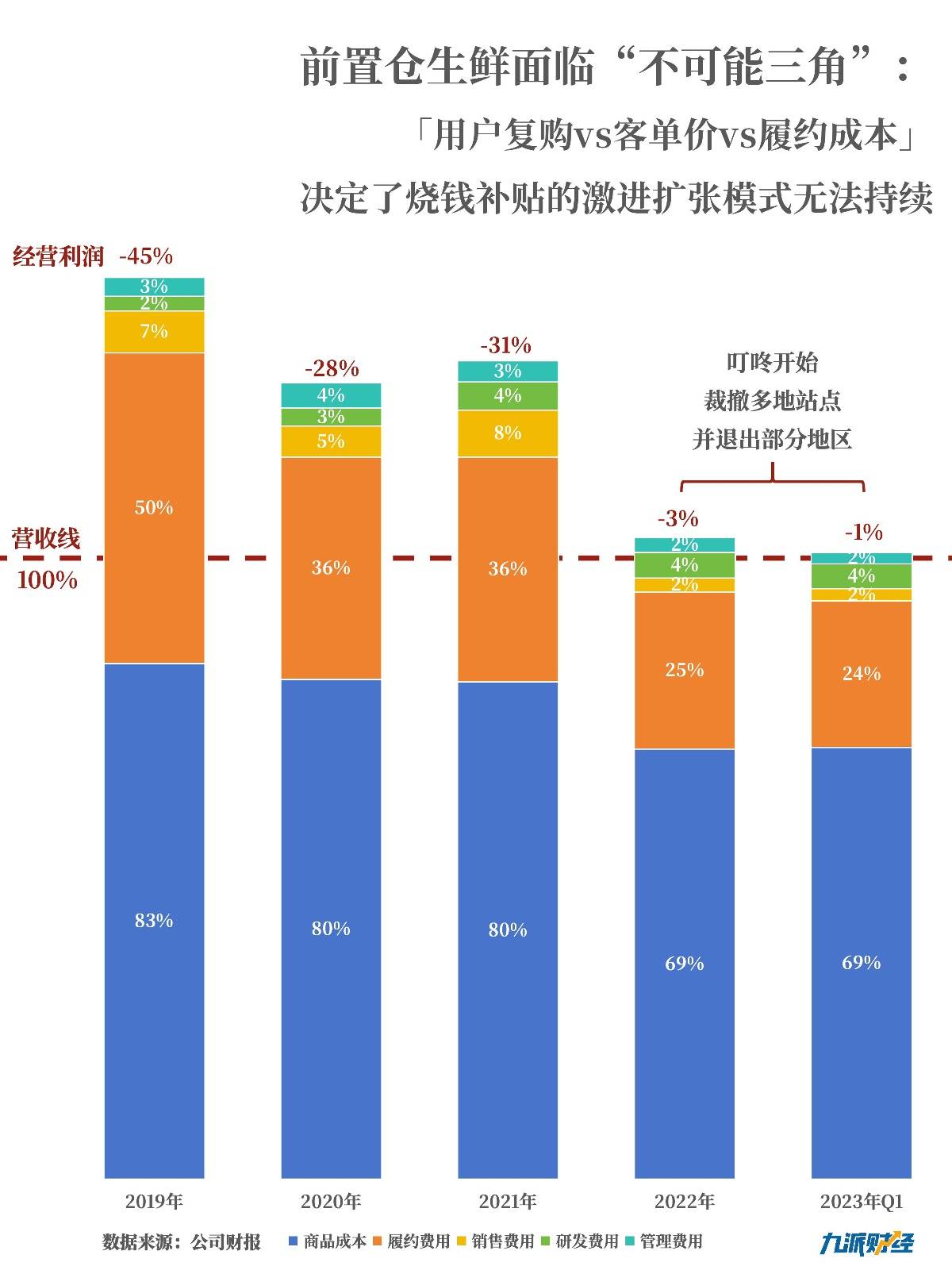
Core Viewpoint - The article discusses the challenges and strategies of fresh food e-commerce companies, particularly focusing on the contrasting business models of Dingdong Maicai and other competitors in the market, highlighting the shift from a scale-focused approach to a more efficient, localized strategy. Group 1: Business Model Challenges - The front warehouse model for fresh food was initially deemed unable to break the "impossible triangle" of balancing user scale, average order value, and fulfillment costs [1] - Daily Fresh, the pioneer of the front warehouse model, failed due to unsustainable cash-burning subsidy strategies [1] Group 2: Dingdong Maicai's Strategy - Dingdong Maicai's CEO emphasized that the key to evaluating a business model is its ability to meet user needs and adapt to consumer behavior trends [4] - The company shifted its strategy in August 2021 from "scale first, efficiency second" to "efficiency first, scale second," focusing on refined operations [4] - Dingdong Maicai has closed over 100 stations in various cities and has concentrated on expanding its network in East China, with over 60% of new warehouses located in county-level cities in the Jiangsu-Zhejiang-Shanghai region [4] Group 3: Product and Service Focus - In early 2025, Dingdong Maicai implemented a "4G strategy" focusing on "good users, good products, good services, and good mindset," aiming to enhance customer loyalty and increase average order value [5] - The company maintains a SKU count below 3,000, with 37.2% of "good product" SKUs contributing 44.7% of GMV [5] - Dingdong Maicai's operational efficiency has improved, reducing overall loss rates from 5% to 1.5%, significantly lower than the industry average of 8% [5] Group 4: Competitive Landscape - Dingdong Maicai's success in the East China market demonstrates its business model's viability, but it faces challenges from major internet platforms that dominate the instant retail space [8] - A report indicated that Dingdong's user profile differs from those of Meituan and Taobao, suggesting potential for solidifying its market position through differentiated products and services [9] - The competitive landscape intensified with the entry of Taobao Flash Purchase, which significantly increased online order volumes for competitors like Hema and Xiaoxiang Supermarket [10] Group 5: Acquisition Considerations - A source close to Meituan suggested that acquiring Dingdong Maicai would serve as a strategic defense, as Meituan's capabilities surpass those of Dingdong [12] - The integration of Dingdong's resources could provide Meituan with valuable infrastructure in East China, a region where it has been relatively weak [12]

美团为什么要花10亿美元收购叮咚买菜
Zheng Quan Ri Bao· 2026-02-06 09:08
Core Viewpoint - Meituan announced the acquisition of Dingdong Maicai for an initial value of $717 million, with a total transaction value of approximately $1 billion, making Dingdong Maicai a wholly-owned subsidiary of Meituan [1][3] Group 1: Acquisition Details - The acquisition will allow the transferor to withdraw up to $280 million from Dingdong Maicai, ensuring that the net cash remains above $150 million [1] - The acquisition strictly covers Dingdong Maicai's domestic operations, excluding its overseas business, which will be divested before the transaction completion [2] - Dingdong Maicai's financial performance will be consolidated into Meituan's financial statements post-acquisition [1][3] Group 2: Dingdong Maicai's Performance - Dingdong Maicai achieved revenue of 6.66 billion yuan and a GMV of 7.27 billion yuan in Q3 2025, marking seven consecutive quarters of year-on-year growth [2] - The company reported a net profit of 100 million yuan under Non-GAAP standards, with a net profit margin of 1.5%, achieving profitability for twelve consecutive quarters [2] - The key to Dingdong Maicai's sustained profitability is its focus on "quality and efficiency-driven growth," supported by vertical integration and brand development [2][5] Group 3: Strategic Implications for Meituan - The acquisition is expected to enhance Meituan's retail business by strengthening product, technology, and operational synergies, aligning with its strategy to improve consumer experiences [3] - Dingdong Maicai's operational model aligns closely with Meituan's existing business, facilitating easier integration and enhancing market share, particularly in the Jiangsu, Zhejiang, and Shanghai regions [4] - The combined entity will have nearly 2,000 front warehouses, significantly improving supply chain efficiency and reducing marginal costs [4][5] Group 4: Industry Impact - The acquisition signifies a shift in the industry from fragmented competition to consolidation, potentially reducing the survival space for smaller players [5] - Meituan's move is seen as a strategic step to solidify its position in the competitive landscape against major players like Alibaba and JD.com, enhancing its local service ecosystem [5]
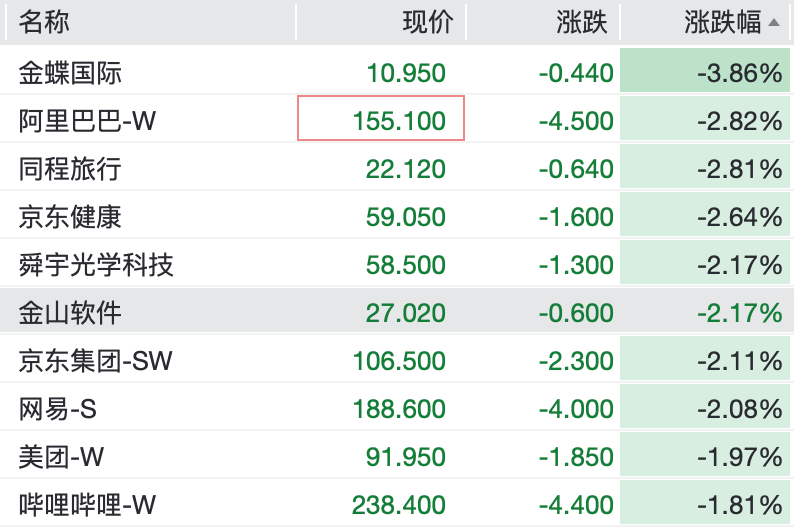
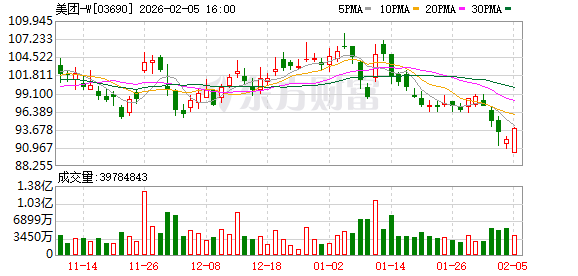
港股美团下跌,50亿元拿下叮咚买菜
2 1 Shi Ji Jing Ji Bao Dao· 2026-02-06 04:13
Core Viewpoint - Meituan announced the acquisition of Dingdong Maicai's 100% stake in its China business for approximately $717 million (around 5 billion RMB), marking a significant shift in the competitive landscape of the instant retail market [1][3] Group 1: Acquisition Details - The acquisition price is set at $717 million, but the actual cost to Meituan is effectively $567 million after accounting for Dingdong Maicai's retained cash of $150 million [3] - Dingdong Maicai's overseas business will not be included in this transaction and will be divested before the deal closes [3] - Dingdong Maicai has seen a significant decline in market value, dropping from over $5.5 billion at its IPO to approximately $694 million prior to the acquisition announcement [5] Group 2: Market Context - The instant retail sector is entering a phase of intense competition, with major players like Meituan, Alibaba, and JD.com vying for market share [5][6] - Dingdong Maicai has achieved profitability with a revenue of 6.66 billion RMB and a net profit of 80 million RMB in Q3 2025, but faces challenges as a mid-sized player in a market dominated by giants [5] - The acquisition is seen as a strategic move for Meituan to strengthen its Xiaoxiang business and enhance its market share in the East China region [4][6] Group 3: Industry Implications - The merger is expected to enhance the operational efficiency and product offerings of Dingdong Maicai under Meituan's platform [6] - Concerns regarding potential monopoly issues have been raised, with legal experts suggesting that market share and competitive dynamics will need to be closely monitored [6] - The competitive landscape is characterized by a "battle of giants," where smaller players like Dingdong Maicai may struggle to survive without the backing of larger companies [5]
港股美团下跌,50亿元拿下叮咚买菜
21世纪经济报道· 2026-02-06 04:10
Core Viewpoint - Meituan announced the acquisition of Dingdong Maicai's China business for approximately $717 million (around 5 billion RMB), marking a significant shift in the competitive landscape of the instant retail market [1][4][9] Group 1: Acquisition Details - The acquisition involves the purchase of 100% equity in Dingdong Maicai's China operations, with the deal expected to enhance Meituan's market share in the East China region through its Xiaoxiang business [1][6] - Dingdong Maicai's overseas business will not be included in this transaction, and the company will continue its operations as usual until the deal is finalized [4] - The actual cost to Meituan is approximately $567 million after accounting for a cash retention requirement of $150 million for the seller [4] Group 2: Market Context - The instant retail sector is entering a phase of intense competition, dominated by major players like Meituan, Alibaba, and JD.com, making survival increasingly difficult for mid-sized companies like Dingdong Maicai [1][8] - Dingdong Maicai's market capitalization has significantly decreased from over $5.5 billion at its IPO in 2021 to approximately $694 million, reflecting the challenges faced by non-leading players in the sector [8] - The competition has intensified since 2025, with major companies investing heavily in the instant retail space, leading to a "battle of giants" scenario [8] Group 3: Strategic Implications - The acquisition is seen as a strategic move for Meituan to strengthen its Xiaoxiang business, which has evolved from Meituan's earlier "Meituan Grocery" initiative [5][9] - Dingdong Maicai's founder highlighted the synergy between Dingdong's strengths in product offerings and service efficiency with Meituan's platform, suggesting that the merger will enhance overall value [9] - Legal experts have raised questions about potential monopoly concerns arising from this acquisition, indicating that market share and competitive dynamics will need to be closely monitored [9]

10亿美金背后,美团收购叮咚的新棋局
3 6 Ke· 2026-02-06 01:23
Core Viewpoint - The acquisition of Dingdong Maicai by Meituan marks a significant shift in the fresh e-commerce industry, transitioning from price competition to efficiency competition, indicating the industry's entry into a post-platform era [1][3][10]. Group 1: Acquisition Details - Meituan announced its intention to acquire all issued shares of Dingdong Maicai for $717 million, but the fair value of the equity in the transaction is approximately $1 billion, considering additional funds and cash obligations [1]. - Dingdong Maicai will become a wholly-owned subsidiary of Meituan, integrating into its financial statements [1]. Group 2: Industry Context - The fresh e-commerce sector in China has shifted from rapid expansion to a contraction phase, with companies like Meituan and Dingdong Maicai adapting to new market realities [4][10]. - Dingdong Maicai is the only front warehouse model company to achieve consecutive quarterly profitability during this adjustment period, with over 1,000 operational front warehouses by the end of 2025 [4][6]. Group 3: Strategic Implications - The acquisition is seen as a strategic move for Meituan to enhance its capabilities in product strength, operational efficiency, and supply chain integration, which are critical for competing in the instant retail sector [3][7]. - Dingdong Maicai's strong self-operated product system and efficient delivery network complement Meituan's existing logistics and operational framework, potentially improving overall efficiency [9][10]. Group 4: Future Outlook - The instant retail market is projected to grow significantly, with estimates suggesting a market size of 7.81 trillion yuan in 2024, increasing to over 10 trillion yuan by 2026 [10][11]. - The collaboration between Meituan and Dingdong Maicai is expected to accelerate the integration of "traffic + warehousing + supply chain + algorithms" into a unified platform, reshaping the competitive landscape [11][13].
买入叮咚买菜 美团不只盯上即时零售
Bei Jing Shang Bao· 2026-02-05 23:57
Core Viewpoint - Meituan has acquired 100% of the Chinese operations of the fresh food instant retail platform Dingdong Maicai for approximately $717 million, marking a strategic move to enhance its competitive position against rivals JD.com and Alibaba in the instant retail sector [1][2]. Group 1: Acquisition Details - The acquisition is aimed at leveraging Dingdong Maicai's mature fresh supply chain and over 1,000 front warehouses to strengthen Meituan's market position [1][2]. - Dingdong Maicai's overseas business is not included in this transaction, and the company will continue to operate under its existing model during the transition period [2][3]. - Dingdong Maicai's monthly purchasing user count is expected to exceed 7 million by September 2025 [2]. Group 2: Market Context - The instant retail market is shifting from "scale expansion" to "stock game," with front warehouses becoming a critical battleground for major players [2][4]. - The competition among Meituan, JD.com, and Alibaba is intensifying, focusing on supply chain capabilities, delivery networks, and digital operations [1][7]. Group 3: Dingdong Maicai's Challenges - Dingdong Maicai faced significant challenges, including a net loss of nearly 3.18 billion yuan in 2020, leading to a strategic shift towards efficiency and profitability [4][6]. - The company has successfully narrowed its focus to the Jiangsu, Zhejiang, and Shanghai markets, closing operations in less profitable regions [4][6]. - Dingdong Maicai achieved its highest operating cash flow of 929 million yuan since its listing in 2024, despite a 34.96% year-on-year decline in net profit in Q1 2025 [6]. Group 4: Competitive Landscape - The acquisition signifies a broader trend of consolidation in the e-commerce market, with smaller players either being acquired or exiting the market [7][8]. - Meituan's strategy emphasizes full-domain defense, focusing on enhancing its offline presence and optimizing its core business [8][9]. - JD.com is leveraging its supply chain advantages and quality differentiation to capture market share, while Alibaba is restructuring its strategy to enhance ecosystem synergy and expand its product offerings [9][10].


美团50亿元买下叮咚买菜 即时零售进入巨头混战时代
2 1 Shi Ji Jing Ji Bao Dao· 2026-02-05 15:27
Core Viewpoint - Meituan's acquisition of Dingdong Maicai marks a significant shift in the competitive landscape of the instant retail market, as it intensifies the rivalry among major players like Meituan, Alibaba, and JD.com [1][6]. Group 1: Acquisition Details - Meituan announced the acquisition of 100% of Dingdong Maicai's China business for an initial consideration of approximately $717 million (about 5 billion RMB) [3]. - The transaction will exclude Dingdong Maicai's overseas operations, which will be divested before the deal's completion [2]. - After the transfer, Meituan's effective payment for the acquisition will be around $567 million, as the seller can withdraw up to $280 million while ensuring a minimum net cash of $150 million remains in the target group [2]. Group 2: Market Context - The instant retail sector has seen intensified competition, particularly since 2025, with major players like JD.com and Alibaba entering the market, leading to a "war" characterized by price wars and aggressive marketing strategies [6]. - Dingdong Maicai, which went public in 2021 with an initial market value exceeding $5.5 billion, has seen its market value decline to approximately $694 million as of February 5, indicating significant challenges for mid-sized players in the current competitive environment [6]. - Despite achieving profitability with a revenue of 6.66 billion RMB and a net profit of 80 million RMB in Q3 2025, Dingdong Maicai's market position remains precarious amid fierce competition [6]. Group 3: Strategic Implications - The acquisition is expected to enhance Meituan's small elephant business, particularly in the East China region, where Dingdong Maicai holds a competitive advantage [5][4]. - Meituan's focus on strengthening its self-operated front warehouse and instant retail business through this acquisition reflects its strategy to consolidate its market position [4][7]. - The merger is anticipated to leverage Dingdong's product strength and service efficiency, potentially increasing value on a larger platform [7].
豪掷近10亿美元,美团为什么非要买叮咚买菜?
Xin Lang Cai Jing· 2026-02-05 13:40
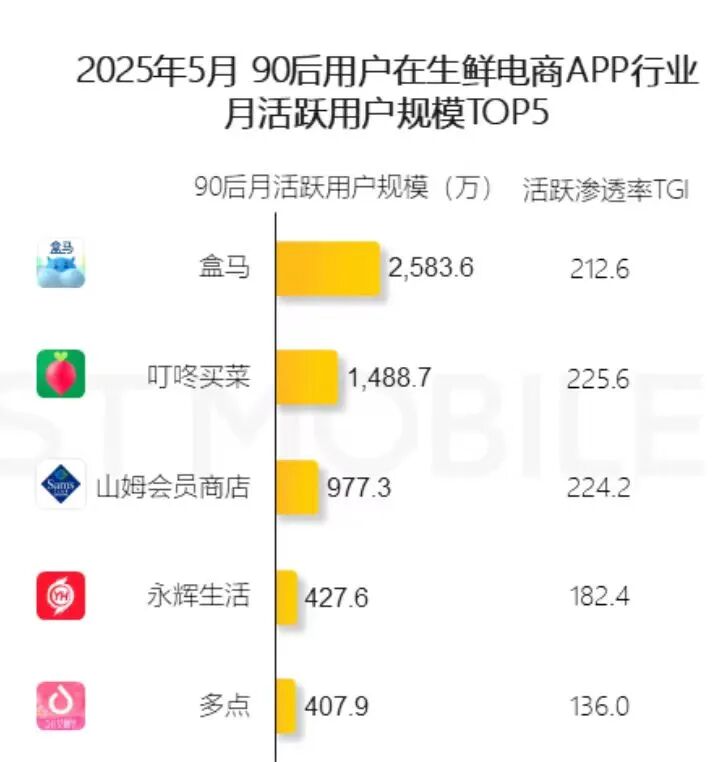
Core Viewpoint - Meituan is acquiring 100% of Dingdong Maicai's China business for approximately $717 million, with a total potential transaction value of up to $997 million, including a fund extraction of up to $280 million from the target group [1][2]. Group 1: Market Dynamics - The acquisition indicates a competitive shift in the fresh food e-commerce sector, where Meituan's entry disrupts previous expectations that JD.com would acquire Dingdong Maicai [2][3]. - Meituan's small elephant supermarket has already established a significant online scale advantage, while JD.com lags in its self-operated instant retail business due to strategic inconsistencies [2][4]. Group 2: Strategic Rationale - The acquisition is seen as a strategic move for Meituan to enhance its supply chain capabilities, particularly in the quality of fresh produce, which is a current shortfall for the company [4][5]. - Dingdong Maicai's supply chain strengths include over 85% of fresh produce sourced directly and a focus on quality product development, which aligns with Meituan's goals [5][6]. Group 3: Financial Implications - Dingdong Maicai has achieved profitability, albeit with a net profit margin of less than 2%, making it a valuable asset for Meituan to enhance its cash flow and profitability [6][7]. - The acquisition is expected to contribute positively to Meituan's financials, providing a potential for improved operational efficiency and market presence in the competitive landscape of East China [6][8]. Group 4: User Engagement - As of May 2025, Dingdong Maicai had approximately 14.89 million monthly active users, ranking second in the fresh food e-commerce app market, which highlights its strong user engagement [7][8].
美团拟7.17亿美元现金收购叮咚买菜 中国生鲜电商战局或迎关键转折
Xin Lang Cai Jing· 2026-02-05 09:56
Core Viewpoint - Meituan has reached a preliminary agreement to acquire a majority stake in the fresh food e-commerce platform Dingdong Maicai for approximately $717 million, which could significantly reshape the competitive landscape in China's fresh retail sector [1][2][3] Summary by Sections Meituan's Strategic Intent - The acquisition is a strategic move for Meituan, which, despite having established its "Meituan Grocery" and "Meituan Preferred" businesses, faces intense competition from vertical rivals like Dingdong Maicai and Meiri Youshu [1][2] - By acquiring Dingdong, Meituan aims to gain access to its well-established front warehouse network in first- and second-tier cities, a loyal user base, and professional fresh supply chain capabilities [1][3] Defensive Acquisition - Analysts view this acquisition as a critical enhancement to Meituan's instant retail landscape and an efficient "defensive acquisition" against competitors like ByteDance and Alibaba, which have been intensifying their efforts in instant retail [3] - The integration of Dingdong into Meituan's ecosystem is expected to solidify Meituan's absolute advantage in the high-frequency fresh goods category and strengthen its "everything to home" moat [3] Dingdong Maicai's Position - For Dingdong Maicai, accepting the acquisition is a pragmatic response to dual pressures from the capital market and operational challenges, especially since its IPO in 2021 [2][3] - Although Dingdong has improved its gross margin and reduced losses through strategic contraction, it has struggled to achieve profitability, making independent survival increasingly challenging [2][3] - The $717 million offer provides Dingdong's shareholders with a clear exit and value realization pathway, and joining Meituan's ecosystem could end its prolonged struggle for survival, allowing its supply chain and operational strengths to be leveraged on a larger platform [2][3]