NIO(09866)

Search documents
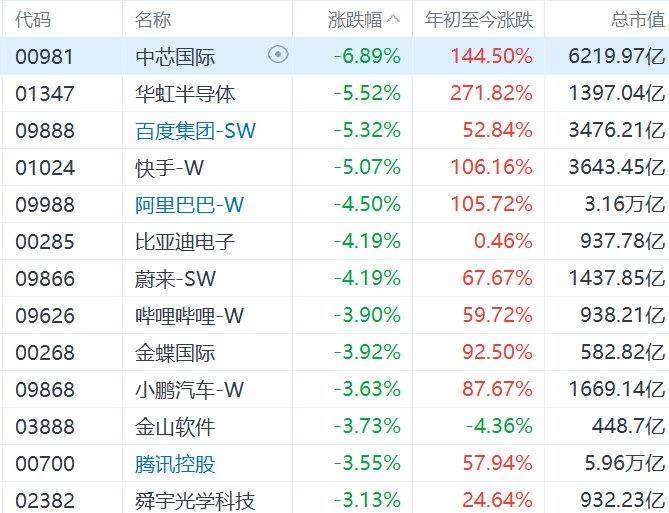
NIO stock's recent pullback is a gift for long-term investors: here's why
Invezz· 2025-10-10 16:51
Core Viewpoint - Nio Inc has experienced a decline of over 10% this month as investors are taking profits following a significant rally in the stock price, which surged from approximately $3.0 to a peak of $9 [1] Company Summary - The stock price of Nio Inc increased dramatically before the recent decline, indicating strong investor interest and market volatility [1] - The current profit-taking behavior among investors suggests a cautious sentiment following the rapid price increase [1] Industry Summary - The electric vehicle (EV) sector is witnessing fluctuations in stock prices, with Nio Inc being a notable example of this trend [1] - The recent performance of Nio Inc may reflect broader market dynamics affecting the EV industry, including investor sentiment and profit realization [1]


深夜突发!全球资产暴跌!
证券时报· 2025-10-10 15:52
Market Overview - On October 10, U.S. stock markets experienced a significant drop, with the Dow Jones down 1.03%, S&P 500 down 1.53%, and Nasdaq down 2.24% [1][2] - The Nasdaq China Golden Dragon Index fell sharply by 4.28%, with major Chinese stocks like Kingsoft Cloud down over 9%, NIO, Bilibili, Alibaba, and Xpeng down over 7%, and Baidu, Futu Holdings, and JD down over 6% [2][3] Consumer Confidence and Inflation - The preliminary consumer confidence index from the University of Michigan for October is reported at 55, the lowest since May, slightly above the forecast of 54.2 and down from the previous value of 55.1 [2] - Current personal financial conditions and future business environment perceptions improved, but expectations for future personal finances and evaluations of current durable goods purchasing conditions declined, leading to a net neutral effect [2] - Short-term inflation expectations decreased from 4.7% to 4.6%, while long-term inflation expectations remained stable at 3.7% [3] International Markets - The FTSE A50 index futures dropped over 3%, and the Hang Seng Index futures fell nearly 4% [4][6] - European stock markets also declined, with the UK FTSE 100 down nearly 1%, and both the French CAC40 and Italian MIB indices down over 1% [8] Commodity Prices - International oil prices saw a significant decline, with WTI crude oil down over 3% and Brent crude oil down nearly 3% [9] - Conversely, international gold prices rebounded, with London gold and COMEX gold rising over 1% [9] Trade Relations - In response to U.S. restrictions on Chinese shipping and shipbuilding industries, China announced countermeasures, including special port fees for U.S.-flagged vessels, effective October 14 [7]




热门中概股中,阿里巴巴、百度、京东跌超6%
Mei Ri Jing Ji Xin Wen· 2025-10-10 15:44
Core Viewpoint - Major Chinese concept stocks experienced significant declines on October 10, with Alibaba, Baidu, and JD.com dropping over 6%, Pinduoduo falling by 4%, and Xpeng, NIO, and Bilibili decreasing by over 7% [1] Company Performance - Alibaba's stock declined by over 6% [1] - Baidu's stock also fell by over 6% [1] - JD.com experienced a drop exceeding 6% [1] - Pinduoduo's stock decreased by 4% [1] - Xpeng's stock fell by over 7% [1] - NIO's stock saw a decline of over 7% [1] - Bilibili's stock dropped by over 7% [1]

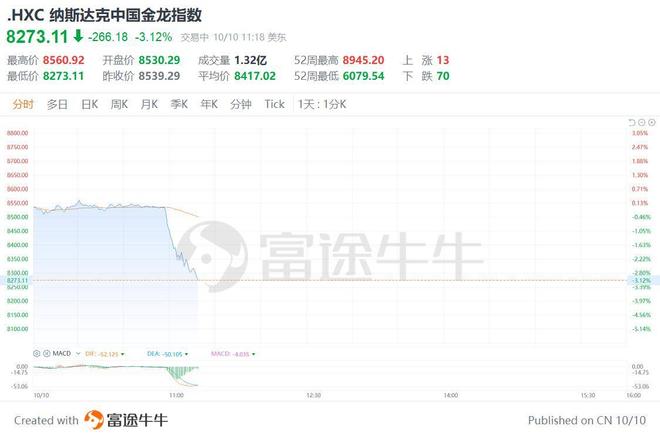
纳斯达克中国金龙指数跳水跌超3%
Ge Long Hui A P P· 2025-10-10 15:31
Core Viewpoint - The Nasdaq China Golden Dragon Index experienced a significant drop of over 3%, marking the largest decline since August 27 [1] Company Performance - Kingsoft Cloud fell by 9% [1] - GDS Holdings, Daqo New Energy, and NIO all dropped by over 7% [1] - Upstart, JinkoSolar, Xiaopeng Motors, Zhihu, and WeRide saw declines of over 6% [1] - Bilibili, Alibaba, Baidu, and JD.com each fell by over 5% [1]

白宇利等3人离场,蔚来智驾架构大调整背后,一年出走6位高管
Guo Ji Jin Rong Bao· 2025-10-10 13:45
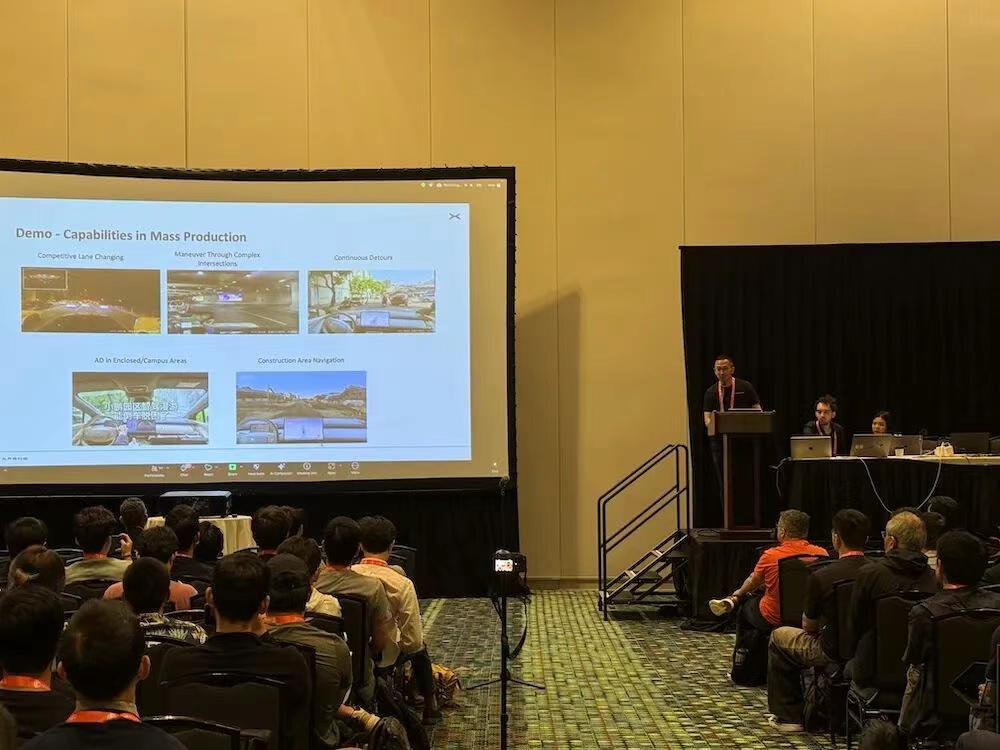
Core Insights - Recent high-level departures in NIO's autonomous driving team have raised concerns about the stability of its autonomous driving strategy [1][2][5] - NIO has experienced a total of six key executives leaving its autonomous driving core team since the end of 2024, affecting critical areas such as technology infrastructure and algorithm development [2][4] - NIO's official response characterizes these departures as part of an organizational restructuring to adapt to the development of general artificial intelligence [3][5] Group 1: Executive Departures - The recent departures include key figures such as Bai Yuli, head of the AI platform, Ma Ningning, head of world models, and Huang Xin, head of autonomous driving products, all of whom played crucial roles in the development of NIO's autonomous driving technology [2][3] - Bai Yuli's exit is particularly significant as he was responsible for foundational work in cloud computing and data systems, which are essential for the algorithm iterations of NIO's NAD system [2][4] - The loss of these executives has led to discussions about potential risks in the development of the world model 2.0, with analysts expressing concerns over a possible gap in the research and development process [5][6] Group 2: Organizational Changes - NIO's restructuring aims to create a "4×100 relay baton" model to align its autonomous driving organization with general AI developments, focusing on enhancing the absorption of cutting-edge technologies [3][4] - The company plans to launch iterations of the world model 2.0 between late 2025 and early 2026, with upgrades including the integration of language modules and improved long-sequence processing capabilities [3][4] - Despite the official narrative of proactive strategy, market reactions indicate skepticism regarding the stability of NIO's autonomous driving business, as evidenced by a significant drop in stock price following the news of executive departures [5][6] Group 3: Industry Context - The trend of executive turnover is not unique to NIO; other companies in the new energy vehicle sector, such as Li Auto and Xpeng, have also seen key personnel changes in their autonomous driving teams [6][7] - The competitive landscape is shifting from a focus on functional capabilities to a deeper engagement in AI model development, with companies needing to balance long-term R&D investments against short-term delivery pressures [7]
小鹏智驾一把手换人,蔚来团队大调整,各有各的算盘
3 6 Ke· 2025-10-10 12:30
Core Insights - The leadership changes in the autonomous driving divisions of Xiaopeng Motors and NIO indicate a competitive evolution in the smart driving landscape, with both companies adjusting their strategies to enhance their technological capabilities [2][19]. Group 1: Leadership Changes - Xiaopeng Motors announced that Li Liyun, the former head of the autonomous driving center, will be replaced by Liu Xianming, who previously led the world foundation model team [1][2]. - Liu Xianming, who joined Xiaopeng Motors over a year ago, has a background in machine learning and computer vision, having worked at Facebook and Cruise [6][8]. - NIO's autonomous driving team also experienced significant personnel changes, with multiple key executives leaving, including the head of the world model and the product lead for autonomous driving [2][19]. Group 2: Strategic Focus - Liu Xianming's promotion reflects Xiaopeng's commitment to advancing its world foundation model, which is crucial for achieving higher levels of autonomous driving capabilities [13][14]. - The world model developed by Liu's team has a parameter scale of 72 billion, significantly larger than current mainstream VLA models, and is designed to enhance the vehicle's understanding of complex environments [14][16]. - The shift in leadership at both companies suggests a strategic pivot towards different technological approaches, with Xiaopeng focusing on the world model and NIO restructuring to improve its AI integration and delivery efficiency [17][19]. Group 3: Industry Dynamics - The autonomous driving sector is witnessing a bifurcation in technological approaches, primarily between VLA (Vision-Language-Action) and world model architectures, with different companies aligning with one of these strategies [17][18]. - The recent changes in leadership and organizational structure across various companies indicate a new phase of competition in the smart driving field, as firms seek to establish their technological dominance [20].

新势力车企们2025年的年度KPI,还差多少没有完成?
3 6 Ke· 2025-10-10 11:50
Group 1 - The sales completion rates of various new energy vehicle manufacturers in the first three quarters of 2025 show significant disparities, indicating differing levels of success among companies [1][3] - Xiaopeng Motors leads with a completion rate of 89.5%, achieving cumulative sales of 313,000 units, exceeding its annual target of 350,000 units due to its strategic focus on product differentiation and advancements in smart driving [1][3] - Leap Motor follows with a completion rate of 79.1%, having sold 396,000 units, and is expected to meet its annual target of 500,000 units [1][3] Group 2 - Xiaomi ranks third with a completion rate of 71.4% and cumulative sales exceeding 250,000 units, but faces challenges in production capacity and supply chain management [3] - NIO's completion rate is only 45.7%, with cumulative sales falling short of expectations, despite the positive market response to its new models [3][5] - Other brands like Li Auto and Zeekr also show low completion rates, indicating challenges such as long product iteration cycles and heightened market competition [3][5] Group 3 - BYD has sold over 3.26 million units in the first nine months of 2025, achieving a completion rate of approximately 70.87%, and is expected to see further sales growth in the fourth quarter [5][7] - The upcoming peak sales period in the fourth quarter is critical for companies to meet their annual targets, with established players like BYD and Geely likely to exert pressure on new entrants [5][7] - The focus of competition is shifting from sales volume to comprehensive capabilities, technological strength, and global positioning, emphasizing the need for long-term strategies over short-term gains [9]


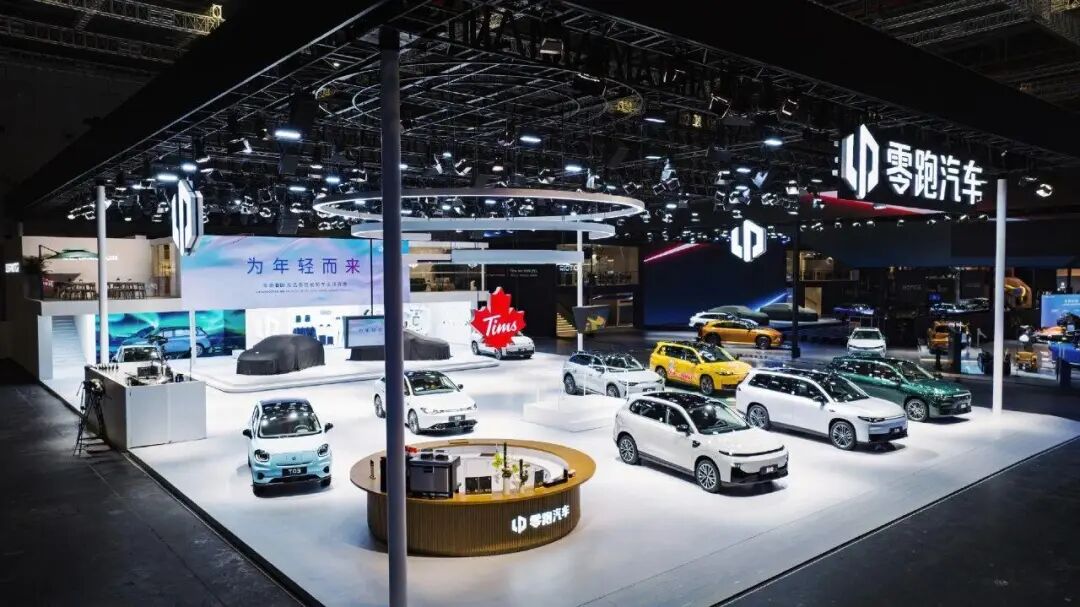
蔚来能源:十一假期为用户提供超192万次充换电服务,充电订单超85%来自其他品牌用户
Xin Lang Ke Ji· 2025-10-10 10:41
Core Insights - NIO released its "2025 National Day User Charging Report," highlighting significant growth in its charging and battery swap services during the holiday period [1] Group 1: Charging and Battery Swap Services - NIO's 8,280 charging and battery swap stations provided over 1.92 million services during the National Day holiday [1] - The 3,520 battery swap stations delivered a record 1.098 million swap services, marking a historical high [1] - The highest single-day service volume at battery swap stations exceeded 145,000, setting a new daily record [1] - The average daily service volume at battery swap stations reached 137,000, a 37% increase compared to the same period in 2024 [1] - The 4,760 charging stations provided 827,000 services, with over 85% of orders coming from users of other electric vehicle brands [1] Group 2: User Driving Data - During the holiday, NIO users collectively drove over 490 million kilometers [1] - 511 users drove more than 5,000 kilometers, while over 74,000 users drove more than 500 kilometers in a single day [1] - More than 207,000 users completed their journeys solely using battery swap services [1] - One user traveled the longest distance, starting from Xuancheng, Anhui, and crossing six provinces to reach Lhasa, Tibet, covering a total distance of 4,000 kilometers [1]
【新能源周报】新能源汽车行业信息周报(2025年9月29日-10月5日)
乘联分会· 2025-10-10 09:43
Industry Information - National Grid will explore issuing highway charging coupons during the National Day and Mid-Autumn Festival holidays to guide users to avoid long-duration trickle charging [9] - CATL plans to build 100 chocolate battery swap stations in Hainan over the next three years, significantly enhancing the coverage of battery swap networks across the island [10] - The Ministry of Industry and Information Technology will further deepen cooperation in the automotive industry, supporting collaboration in capital, technology, management, and talent [10] - The electric vehicle and battery industry has become a new hotspot for cooperation between China and Nordic countries, with trade between China and the five Nordic countries reaching $53.17 billion in 2024, an increase of 8.5% [11] - The World New Energy Vehicle Development Organization has been established to promote the green and intelligent transformation of the automotive industry [12] - China's fuel cell vehicle demonstration scale has exceeded 20,000 units, with 200 hydrogen stations built, marking the initial commercialization of fuel cell vehicles [13] - During the National Day and Mid-Autumn Festival holidays in 2025, the charging volume for new energy vehicles reached a historical high, with a 51.33% year-on-year increase in charging volume on highways [20] Policy Information - Shenzhen is soliciting opinions on a work plan to promote stable growth in the new energy vehicle industry by 2025 [23] - Chengdu has issued implementation measures for central energy-saving and emission reduction subsidy funds for charging infrastructure [27] - Hebei's Cangzhou has released a three-year action plan for public charging infrastructure construction [30] - Gansu's Lanzhou has published a plan for the construction of new energy vehicle charging infrastructure from 2023 to 2025 [31] - Hangzhou has announced the suspension of the automobile replacement subsidy policy starting from October 9, 2025 [33] - Shanxi has suspended the automobile replacement and electric bicycle trade-in subsidies starting from October 9, 2025 [35] - Hainan has also suspended the automobile replacement subsidy policy starting from October 6, 2025 [37] Company Information - NIO has achieved battery swap coverage in over 1,200 districts and counties across multiple provinces [39] - Xiaomi's charging map now covers over 1.5 million charging piles, including 120,000 supercharging piles [39] - Seres has completed the payment for the acquisition of a 10% stake in Shenzhen Yiwang Intelligent Technology Co., Ltd. from Huawei, totaling 11.5 billion yuan [40] - Xiaomi has opened 32 new stores in September, bringing the total to 402 stores across 119 cities [40] - Seres' stock price has surged over 8%, reaching a market capitalization of 280 billion yuan, driven by strong sales of its models [40] - Beijing Hyundai has named its first pure electric platform SUV "EO Yiou" [40] - XPeng Motors has signed strategic cooperation agreements with leading dealers in Morocco and Tunisia, expanding its presence in Africa [40] - Li Auto has launched a "safety net" plan for users affected by the upcoming changes in the new energy vehicle purchase tax policy [40] - Great Wall Motors plans to unveil its first supercar by the end of 2026 [40]



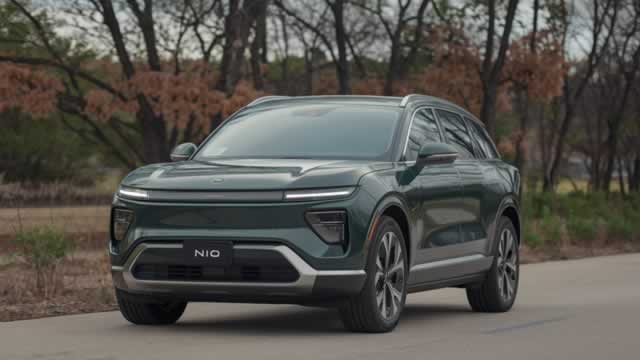
港股午后加速回调,科技股领跌,恒生科技指数跌超3%,恒指跌1.8%!中芯国际跌近7%,华虹半导体、百度、快手跌超5%




Ge Long Hui· 2025-10-10 06:46
Core Viewpoint - The Hong Kong stock market experienced a significant decline in the afternoon session, with technology stocks leading the drop, as the Hang Seng Technology Index fell over 3% and the Hang Seng Index dropped by 1.8% [1] Group 1: Market Performance - The Hang Seng Technology Index decreased by more than 3% [1] - The Hang Seng Index fell by 1.8% [1] Group 2: Individual Stock Movements - Semiconductor stocks were notably affected, with SMIC (中芯国际) dropping nearly 7% and Hua Hong Semiconductor (华虹半导体) falling by 5.52% [1][2] - Other major declines included Baidu (百度) down 5.32%, Kuaishou (快手) down 5.07%, and Alibaba (阿里巴巴) down 4.50% [1][2] - NIO (蔚来) and Bilibili (哔哩哔哩) both saw declines of 4.19% and 3.90% respectively [2] - Tencent (腾讯) and Sunny Optical Technology (舜宇光学科技) also experienced drops of 3.55% and 3.13% respectively [2] Group 3: Year-to-Date Performance - Despite the recent declines, SMIC has seen a year-to-date increase of 144.50% [2] - Hua Hong Semiconductor has increased by 271.82% year-to-date [2] - Baidu and Kuaishou have also shown positive year-to-date performance, with increases of 52.84% and 106.16% respectively [2] - Alibaba's year-to-date increase stands at 105.72% [2]