
新能源浪潮

Search documents
BBA,不能再小步慢行了
3 6 Ke· 2026-02-13 01:41
Core Insights - The luxury car market in China is experiencing a significant contraction, affecting major players like Porsche, BMW, Mercedes-Benz, and Audi (collectively known as BBA) [1][3] - BBA's sales in China have declined sharply, with a total drop of approximately 260,000 units, representing a 12.3% decrease year-on-year [3][5] - The market dynamics are shifting, with domestic brands increasingly challenging BBA's dominance, leading to a re-evaluation of the luxury car segment [3][12] Group 1: Market Performance - In 2025, BBA's sales in China fell significantly, with Audi selling 1.623 million units (down 2.9%), Mercedes-Benz 2.16 million units (down 10%), and BMW 2.463 million units (up 0.5%) [5][6] - The decline in the Chinese market for BBA was more pronounced than the global average, indicating a critical shift in their traditional profit center [5][6] - The share of BBA in the Chinese luxury car market has decreased from 80% to around 50%, highlighting a significant loss of market dominance [8][12] Group 2: Structural Changes - The luxury car market is undergoing structural changes, with a notable shift towards lower-priced vehicles, as evidenced by the market share of models priced above 400,000 yuan dropping from 6.3% to 5.2% [12][14] - Consumer preferences are evolving, with a growing inclination towards value-oriented and technologically advanced vehicles from domestic brands, impacting BBA's sales [12][14] - The competitive landscape is intensifying, with new entrants and established domestic brands like BYD and NIO gaining traction in the luxury segment [12][14] Group 3: Strategic Responses - BMW's recent price cuts signal a shift in strategy, moving from maintaining brand premium to aggressively pursuing market share [17][19] - BBA is planning a series of new product launches in 2026, with Mercedes-Benz set to introduce over 15 new and updated models, while BMW aims to release more than 20 new vehicles [19][21] - The year 2026 is viewed as a critical period for BBA to regain market footing and respond to the evolving competitive landscape [21][22]


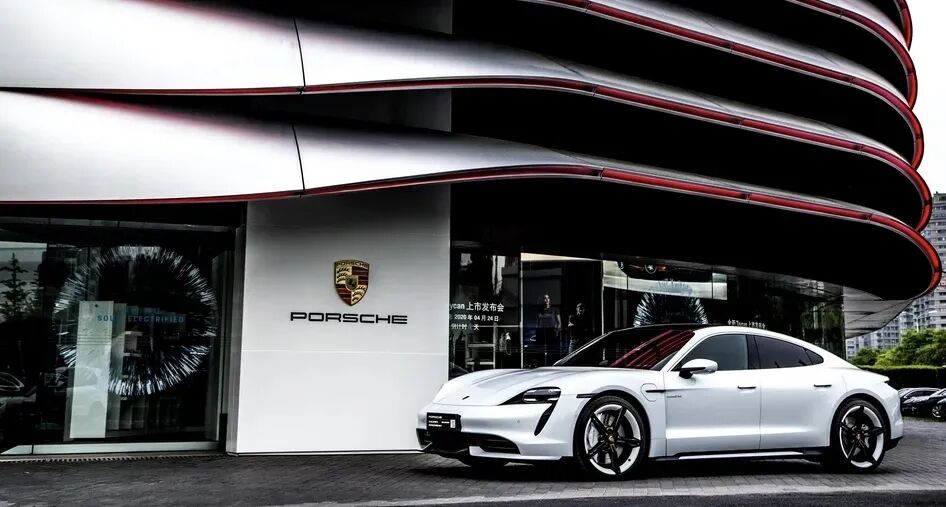
补偿N+4!德国巨头博世在华启动人员优化,燃油汽车项目成「重灾区」
Xin Lang Ke Ji· 2026-02-03 01:53
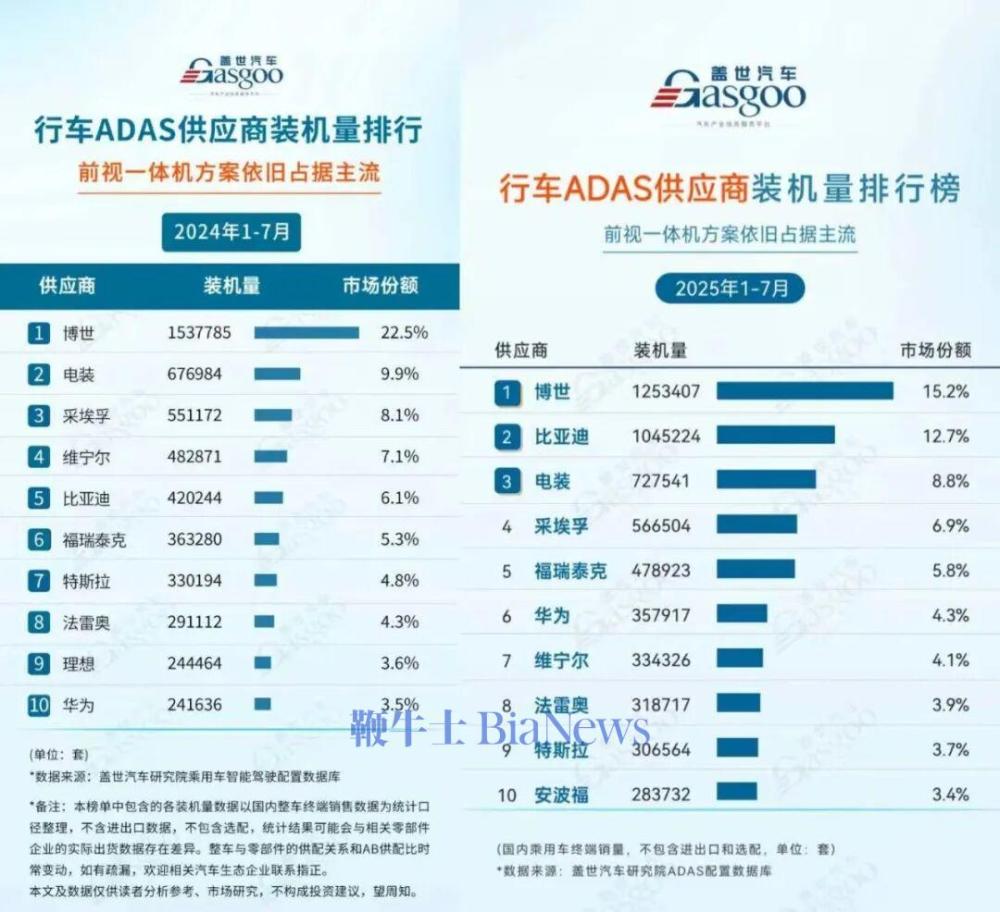
Core Viewpoint - Bosch is undergoing significant layoffs, particularly in its fuel vehicle projects in China, due to declining profitability and increased competition from local companies like Huawei and BYD, which are gaining market share in the automotive sector [2][5][11]. Group 1: Layoffs and Company Response - Bosch has confirmed layoffs affecting nearly 200 employees in China, primarily in its fuel vehicle and hydrogen projects, citing economic reasons for these cuts [2][5]. - Bosch China has denied the layoffs as a sign of distress, framing them instead as part of normal operational management [2]. - The company has previously announced substantial layoffs in Germany, with plans to cut 22,000 jobs by 2030, indicating a broader trend of workforce reduction [2]. Group 2: Financial Performance and Market Position - Bosch's sales in China are projected to grow modestly, with expected revenues of approximately €142.7 billion in 2024, reflecting a 2.7% increase from the previous year [4]. - The company's profitability has been under pressure, with an EBIT margin of only about 2% in 2024, below the expected 3.5% [2]. - Bosch's market share in advanced driver-assistance systems (ADAS) has declined significantly, with its share dropping from 22.5% in early 2024 to 15.2% in 2025, as competitors like BYD and Huawei gain ground [7][8]. Group 3: Competitive Landscape - The automotive industry is witnessing a shift in competitive dynamics, with local companies like Huawei and BYD rapidly advancing in technology and market presence, leading to Bosch's diminishing influence [11]. - Bosch's challenges are compounded by a broad product line and a complex organizational structure, making it difficult to maintain competitive advantages in every segment [10]. - The transition from traditional fuel vehicles to electric and smart technologies is critical for Bosch, as failure to adapt could result in further market share loss [11].
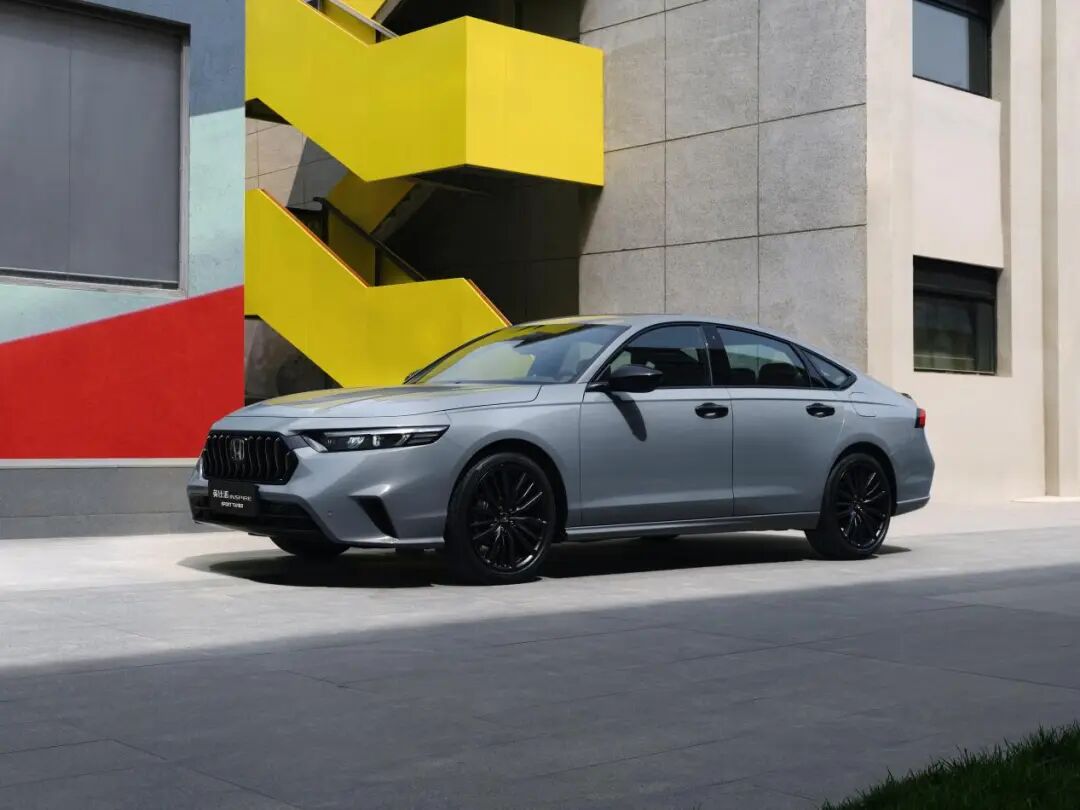
均衡破局,优雅领航——懂你所需的中高级轿车理性之选东风本田英仕派
Zhong Guo Qi Che Bao Wang· 2026-01-21 09:40
Core Insights - The Chinese automotive market in 2025 is experiencing a conflict between the "new energy wave" and "fuel vehicle sentiment," with policies driving rapid expansion of new energy models while fuel vehicles still hold a significant market share [1] - Dongfeng Honda's model, the "Inspire," combines over 70 years of Honda's technical expertise with insights into Chinese consumer needs, positioning itself as a reliable choice for rational consumers amidst market chaos [1] Group 1: Strategic Approach - Dongfeng Honda's "two-legged" strategy reflects a deep understanding of consumer desires for both innovation and the comfort of familiar options, offering a multi-energy product matrix that includes a fuel version and a hybrid version [3] - The fuel version provides smooth and fuel-efficient characteristics, while the hybrid version balances driving pleasure with environmental considerations, allowing users to find their own comfort in the transition [3] Group 2: Technical Advantages - The Inspire's core technical strengths serve as a "calming pill" for users, featuring a well-tested combination of engine, transmission, and chassis that ensures reliability and durability [3] - The CVT transmission offers smooth shifting, while the suspension system balances comfort and handling, addressing deep-seated user needs for reliability and economy [3] Group 3: Customer-Centric Services - The "Honda Old Friends Value Renewal Season" program provides subsidies, trade-in benefits, and zero-interest financing, aimed at reducing the financial burden on consumers and enhancing the vehicle's lifecycle value [5] - The "lifetime warranty" service for the powertrain, covering core components without limits on time or mileage, alleviates concerns about vehicle residual value and after-sales support [5] Group 4: User Experience and Design - The Inspire caters to the evolving needs of mid-sized sedan users, serving as a commuting partner, family space, business card, and emotional companion, addressing practical and aspirational demands [6] - The vehicle's design includes a spacious layout, premium materials, and advanced soundproofing, ensuring a comfortable and quiet driving experience [8] Group 5: Market Positioning - Dongfeng Honda's balanced transformation strategy addresses the transitional needs of the Chinese market, avoiding blind bets on new energy or rigid adherence to fuel vehicles [9] - The Inspire's market acceptance reflects this "empathetic transformation," focusing on user needs and integrating local supply chains to create thoughtful products [9] Group 6: Future Outlook - The future of the mid-sized sedan market will prioritize a human-centered approach, with balanced products like the Inspire expected to dominate [11] - The Inspire exemplifies a practical model for joint ventures, meeting both essential needs and emotional connections, positioning itself as a trusted travel partner for users [11]
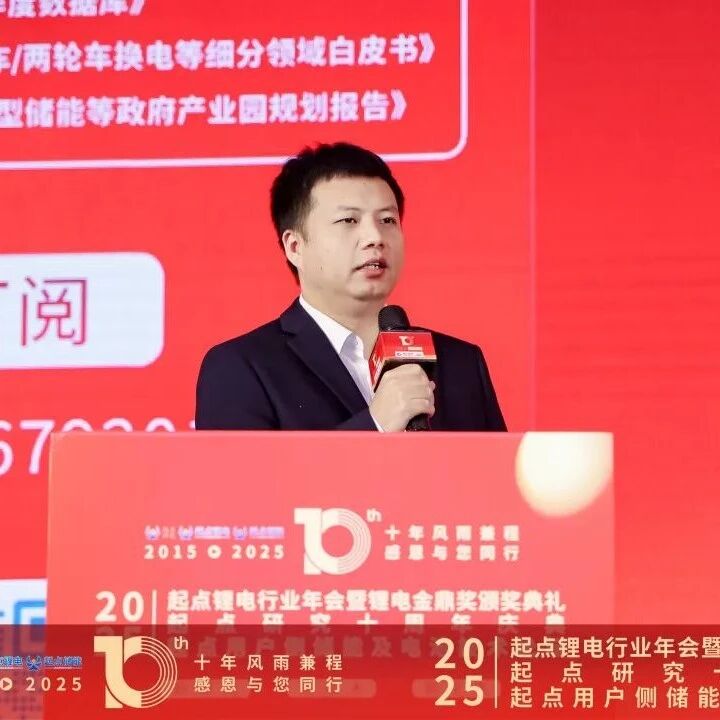
科迈罗 总经理 章少坤:新能源浪潮下科迈罗Pack设备四大生态构建
起点锂电· 2025-12-19 12:17
Core Viewpoint - The article discusses the advancements and innovations in the energy storage battery industry, particularly focusing on the rapid technological iterations and the importance of efficient production and supply chain management to capture market opportunities [1][5]. Group 1: Event Overview - The 2025 User-Side Energy Storage and Battery Technology Forum was held on December 19, 2025, in Shenzhen, with over 800 attendees focusing on commercial energy storage, portable storage, and safety challenges [1]. - The event included the 10th Annual Lithium Battery Industry Conference and the 10th Anniversary Celebration of the Initiation Research Institute [1]. Group 2: Technological Innovations - The rapid iteration of technology in the energy storage sector necessitates quick responses and the introduction of innovative technologies to address industry pain points [5]. - The company has established a leading response mechanism, reducing planning and design to production time to just 7 days, which is 40% faster than the industry average [5]. Group 3: Production Efficiency - The traditional custom production line has a long delivery cycle of 4-5 months, which can lead to missed market opportunities; the company aims for a 30-day rapid delivery benchmark [6]. - The company employs modular standard design and open architecture for equipment, allowing for easy adjustments and upgrades, thus protecting customer investment and significantly lowering future modification costs [6]. Group 4: Cost Management - The company has developed a comprehensive supply chain management system, maintaining a core component inventory rate of 50%, which allows for high-quality equipment at a total cost of ownership that is 15-20% lower than competitors [6]. - The company emphasizes the importance of non-standardized designs and the risks associated with technological changes that can lead to high upgrade costs and low investment returns [6]. Group 5: Market Positioning - The company has delivered over 200 production lines and has established a global presence, particularly in Southeast Asia, with a focus on two-wheeled and three-wheeled vehicles [10]. - The company has collaborated with local partners to integrate production lines with regional industrial chains, ensuring localized service and support [10]. Group 6: Future Outlook - The company plans to leverage China's full industrial chain supply advantages and aims to expand globally with a focus on customized and modular solutions for energy storage applications [11]. - The future strategy includes a comprehensive service model that encompasses the entire supply chain from cell production to end-user applications, indicating a significant market potential beyond the trillion-dollar scale [11].
【商品策略年报】变局之中,分化延续
Xin Lang Cai Jing· 2025-12-15 23:35
Group 1 - The report anticipates that in 2026, domestic macro policies will focus on improving quality and efficiency, emphasizing economic transformation, new consumption drivers, and effective investment [3][21] - Despite the Federal Reserve entering a rate-cutting cycle, multiple constraints on policy conditions may lead to volatility due to "expectation gaps" [3][21] - The differentiation in global monetary policy and structural growth disparities in industries will continue to manifest [3][4] Group 2 - The structural differentiation in economic growth will lead to price differentiation in commodities, with strategic and scarce commodities likely to have price-raising potential [4] - Commodities closely linked to strong growth industries may experience volatility due to supply-side vulnerabilities [4] - Industries and commodities that do not benefit from economic transformation may face further value erosion [4] Group 3 - Long-term narratives such as productivity improvements driven by new technologies, industrial transfers, and the new energy wave remain valid [5] - Strategic competition awareness among major economies and increased trade barriers are key drivers of commodity demand, extending into every corner of the supply chain [5] - Key trading themes include growth in energy storage demand, investment in AI-driven industries, resource nationalism, and supply chain risks [5] Group 4 - In 2025, commodities experienced "two resonances and two differentiations," with notable performance in precious metals and non-ferrous metals during certain periods [6][10] - The first differentiation occurred from post-Spring Festival to the end of March, with weak performance in black metals and oil prices, while non-ferrous metals remained strong [6] - The second resonance was driven by external policy shocks, leading to a collective weakening of commodities, except for precious metals [8][9] Group 5 - The report highlights the importance of understanding the differences in value logic among various commodities to construct a foundation for understanding structural market changes [8][9] - The macro events have repeatedly reversed the differentiation based on different industrial fundamentals, creating resonance in the market [9] - The performance of precious metals has been notably strong, supported by economic expectations and safe-haven attributes [10][11] Group 6 - The supply-side pressure on domestic commodities remains significant, with limited effective contraction in supply leading to persistent weakness in certain commodities [12][16] - The report notes that stable supply in certain industries may not benefit from economic transformation, leading to further price declines [12][16] - The competition between old and new energy sources is intensifying, with both facing price pressures and potential oversupply [17][19] Group 7 - Geopolitical risks and domestic policies are influencing commodity strategies, with ongoing tensions in regions like Ukraine and the Middle East affecting market dynamics [19][20] - The report emphasizes the need to monitor the impact of geopolitical risks on commodity strategies [19][20] - The global economic landscape is shifting, with a focus on internal economic growth rather than external trade confrontations [20][21] Group 8 - The report outlines a strategic framework for commodity allocation in 2026, emphasizing the importance of stabilizing industrial product prices through high-quality development policies [24][25] - The adjustment of production capacity and the elimination of backward capacity are highlighted as measures to stabilize prices [25][26] - The report anticipates that consumer support policies will continue, focusing on new consumption and service sectors [26][28]

从“爆款”到“爆冷” 起亚K5还有救吗?
Xi Niu Cai Jing· 2025-12-05 02:00
Core Insights - The Kia K5, once a popular mid-size sedan, has seen a significant decline in sales, with its highest monthly sales dropping to 1,496 units in October 2021 from 25,115 units in September 2016 [2] - Despite price reductions, including a drop to 119,800 yuan for entry-level models and 189,800 yuan for top configurations, sales remain low, with only 73 units sold in May 2025 [2] Product Analysis - The Kia K5 features a stylish design with a tiger-nose grille, LED headlights, and a sleek body profile, along with a spacious interior that includes a 12.3-inch digital instrument panel and L2-level driving assistance in higher trims [3] - However, the brand struggles with lower recognition compared to established competitors like Passat, Magotan, Camry, and Accord, leading consumers to prefer these brands to mitigate purchase risks [3] - Quality issues such as engine noise, transmission vibrations, poor sound insulation, and a stiff chassis further deter potential buyers [3] Market Environment - The domestic mid-size car market is increasingly competitive, with the rise of new energy vehicles (NEVs) like BYD's Qin L DM-i and Seal 06 DM-i, which offer low fuel consumption and high configurations, putting pressure on traditional fuel vehicles [4] - The trend of domestic brands moving upmarket, leveraging cost control and technological advancements, has intensified competition for traditional joint venture fuel vehicles, including the Kia K5 [4] - The decline of the Kia K5 reflects the broader challenges faced by joint venture fuel vehicles amid the rise of NEVs and domestic brands, indicating a need for Kia to enhance its technology, brand strength, and new energy strategies to improve its market position [4]

新势力车企们2025年的年度KPI,还差多少没有完成?
3 6 Ke· 2025-10-10 11:50
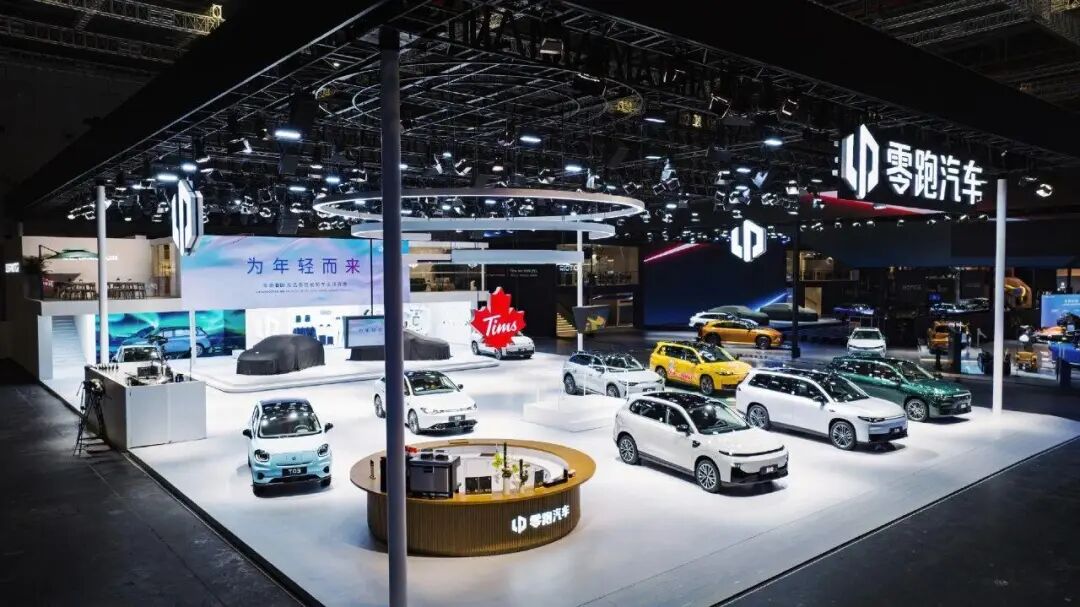
Group 1 - The sales completion rates of various new energy vehicle manufacturers in the first three quarters of 2025 show significant disparities, indicating differing levels of success among companies [1][3] - Xiaopeng Motors leads with a completion rate of 89.5%, achieving cumulative sales of 313,000 units, exceeding its annual target of 350,000 units due to its strategic focus on product differentiation and advancements in smart driving [1][3] - Leap Motor follows with a completion rate of 79.1%, having sold 396,000 units, and is expected to meet its annual target of 500,000 units [1][3] Group 2 - Xiaomi ranks third with a completion rate of 71.4% and cumulative sales exceeding 250,000 units, but faces challenges in production capacity and supply chain management [3] - NIO's completion rate is only 45.7%, with cumulative sales falling short of expectations, despite the positive market response to its new models [3][5] - Other brands like Li Auto and Zeekr also show low completion rates, indicating challenges such as long product iteration cycles and heightened market competition [3][5] Group 3 - BYD has sold over 3.26 million units in the first nine months of 2025, achieving a completion rate of approximately 70.87%, and is expected to see further sales growth in the fourth quarter [5][7] - The upcoming peak sales period in the fourth quarter is critical for companies to meet their annual targets, with established players like BYD and Geely likely to exert pressure on new entrants [5][7] - The focus of competition is shifting from sales volume to comprehensive capabilities, technological strength, and global positioning, emphasizing the need for long-term strategies over short-term gains [9]




产业观察:“老供销”如何闯出“新路子”?
Zhong Guo Xin Wen Wang· 2025-06-18 19:17
Core Insights - The article highlights the revival of supply and marketing cooperatives in Wenzhou, Zhejiang, through innovative models such as "supply and marketing + cultural tourism" and "idle assets + new business formats" [1][2][3] Group 1: Business Innovations - The "Supply and Marketing Preferred" store in Yandang Mountain has become a popular spot for young tourists, showcasing a blend of traditional and modern products, such as iron skin dendrobium tea and trendy milk tea [1] - The "That Year Coffee" store, opened by the Yuhang Liushi Supply and Marketing Cooperative, creatively combines premium coffee with direct sales of over 30 types of high-quality agricultural products, attracting a younger demographic [2] - The Yujing Dajing Supply and Marketing Cooperative has launched a new energy charging station project, which has seen an average of over 100 charging sessions per day since its opening in January 2025, with peak days reaching 150 sessions [2] Group 2: Market Expansion and Strategy - The Yuhang Supply and Marketing Cooperative has integrated resources from 14 specialty agricultural cooperatives and over 200 suppliers to enhance its agricultural product brand matrix and sales channels [2] - The cooperative has established six "Supply and Marketing Preferred" brand stores and two convenient pickup points, generating an average monthly sales of over 300,000 yuan in local specialties [2] - Future plans include enriching the supply and marketing service system, establishing stable high-quality product channels, and promoting agricultural product monetization to increase farmers' income [3]