XPENG-W(09868)

Search documents
智能化、国际化双轮驱动 新能源汽车开启下半场博弈
Zhong Guo Jing Ying Bao· 2026-01-23 20:14
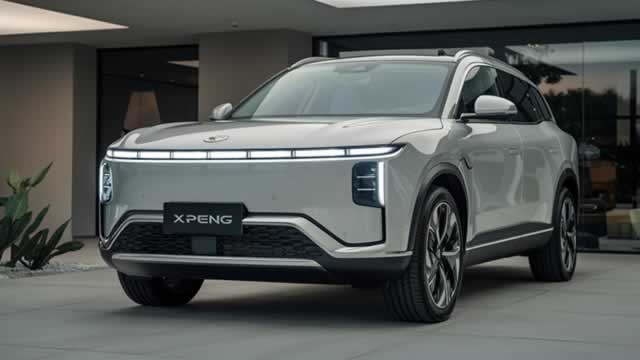
Core Insights - The Guangdong automotive industry is undergoing a profound transformation, moving from scale growth to value-driven innovation, with key players like BYD, GAC Group, and Xpeng leading the charge in technology, intelligence, and internationalization [1][6]. Group 1: Industry Transformation - The sales figures for 2025 indicate a new landscape: BYD with 4.602 million units, GAC Group with 1.8135 million units, and Xpeng with 429,000 units, reflecting not just production scale but also advancements in technology and international strategy [1]. - The transformation of the Guangdong automotive industry is characterized by simultaneous progress in technology research, intelligent applications, ecosystem development, and international brand growth, moving from "volume advantage" to "quality advantage" [1][6]. Group 2: GAC Group's Innovations - GAC Group is implementing a comprehensive reform called "Panyu Action," focusing on user-centric processes and project-driven new car development, reducing development cycles to 18-21 months and cutting R&D costs by over 10% [2]. - The company has achieved significant advancements in hybrid and electric technologies, with the "Star Source Range Extender" technology achieving a conversion rate of 3.73 kWh/L and the Quark electric drive motor exceeding 99% efficiency [2]. - GAC Group's ADiGO GSD intelligent driving system covers 99.9% of road scenarios, and its safety system has prevented 5.51 million potential accidents, showcasing a quantifiable safety value [2][3]. Group 3: Xpeng's Technological Advancements - Xpeng is focusing on a fully self-developed physical AI system, with plans to release the second-generation VLA model and a new Robotaxi, emphasizing the integration of AI across various transportation modes [4]. - The second-generation VLA model utilizes nearly 1 billion clips of training data, equating to 65,000 years of human driving experience, enhancing its ability to handle complex scenarios [4]. - Xpeng's Robotaxi is set for mass production without reliance on high-precision maps, while its flying car, the A868, boasts a range of 500 kilometers and a top speed of 360 km/h [4]. Group 4: BYD's Data-Driven Approach - BYD's "Eye of Heaven" assisted driving models have sold over 2.56 million units, with an activation rate of 94.13% for assisted driving features, highlighting the company's commitment to safety [4]. - The company is continuously optimizing its assisted driving experience through OTA upgrades, generating 1.6 billion kilometers of data daily to enhance algorithm iterations [4]. - BYD's focus on data-driven strategies is establishing a competitive edge in the electric vehicle market [4]. Group 5: Regional Industry Dynamics - The automotive landscape in Shenzhen and Guangzhou has shifted significantly, with BYD expanding its production network and GAC Group enhancing its product matrix and international presence [5]. - The core transformation of Guangdong's automotive industry is driven by technological innovation, data utilization, and industry collaboration, moving towards a value-leading model rather than mere production competition [5]. - Guangzhou aims to establish a trillion-level "Smart Car City" by 2035, laying the groundwork for digital, intelligent, and international development across the entire industry chain [5].



XPeng: Not Just A Car Company
Seeking Alpha· 2026-01-23 13:45
Core Insights - XPeng (XPEV) operates as both an automotive and technology company, with both sectors significantly contributing to its current valuations [1] Group 1: Automotive Sector - XPeng has experienced substantial growth in the automotive sector during the second half of 2024 [1]

韩三楚:大众支付知识产权费从造车新企获CEA架构
Zhong Guo Jing Ying Bao· 2026-01-23 12:06
Core Insights - Volkswagen Group (China) has acquired key technology packages from Xpeng Motors through intellectual property payments, including the overall electronic and electrical architecture, regional controller hardware design, related underlying software, and cloud implementation [1] - The collaboration between Volkswagen and Xpeng began in 2023, with Volkswagen investing approximately $700 million for a 4.99% stake and agreeing to jointly develop electric vehicles for the Chinese market [1] - The CEA project, initiated in July 2024, aims to create a new generation of electronic and electrical architecture tailored to Chinese market demands, allowing Volkswagen's China team to rapidly absorb technology and iterate independently [1] Company Strategy - The first model utilizing this collaboration, the "Zhizhong 07," was delivered in a short timeframe, benefiting from the CEA1.0 architecture developed within 18 months [1] - The "white box" technology transfer does not include Xpeng's core software for intelligent driving and cockpit applications, which are essential for brand differentiation [1] - Volkswagen's future core new energy vehicle platforms in China will be the CMP (Compact Modular Platform) and CSP (Scalable Platform), with the local electronic and electrical architecture (CEA) being the only enabling technology for these platforms [1] Differentiation Approach - The CEA architecture will allow for differentiated configurations based on various brand models, similar to how different room styles can be achieved through decoration [2] - Both the electronic and electrical architecture and the vehicle's interior and exterior designs can be customized to create brand distinctions, akin to the similarities and differences found in mobile phones [2]
造车新势力10年沉浮:“蔚小理”分化
Jing Ji Guan Cha Wang· 2026-01-23 02:48
Group 1 - The three new forces in the electric vehicle market, namely NIO, Xpeng, and Li Auto, have experienced fluctuating sales and rankings since 2021, with distinct development paths emerging [1] - NIO, once a leader in delivery volume, saw its ranking decline after being surpassed by Xpeng in 2021, and is projected to be at the bottom among new forces by 2025, despite a 47% year-on-year increase in sales to 326,000 units [1] - NIO's strategy includes launching new brands, such as Ladao and Firefly, and introducing a new ES8 model at a significantly reduced price to enhance market competitiveness [1] Group 2 - Xpeng Motors led the market in 2025 with sales of 429,000 units, a 126% year-on-year increase, exceeding its annual target of 380,000 units [2] - Despite previous challenges, including a decline in monthly sales in 2023, Xpeng has begun to recover by appointing a new president and launching low-cost models in collaboration with Didi [2] - Li Auto experienced a 19.6% year-on-year decline in sales to 405,900 units in 2025, failing to meet its annual target of 640,000 units, marking a significant drop from its previous three-year championship status [2] Group 3 - Li Auto initially focused on range-extended electric vehicles, achieving market success with its model ONE, but faced challenges in 2025 with new electric models underperforming and increased competition in the range-extended hybrid market [3] - The competition in the electric vehicle market is intensifying, with new entrants like Huawei and Xiaomi, as well as traditional manufacturers launching new brands, posing challenges for the established players [3] - Brands like Changan's Deep Blue and Geely's Zeekr are gaining traction, with Deep Blue selling 333,000 units in 2025, surpassing NIO [3]


汽车早报|吉利控股集团计划到2030年实现年销量650万辆 小鹏汽车官宣全系7年低息购车政策
Xin Lang Cai Jing· 2026-01-23 00:39
Group 1 - In 2025, the top ten automotive companies are expected to sell a total of 28.876 million vehicles, accounting for 83.9% of total automotive sales [1] - Dongfeng Motor and GAC Group are projected to experience a decline in sales compared to 2024, while other companies are expected to see varying degrees of growth [1] Group 2 - In January, the retail market for narrow passenger vehicles is estimated to be around 1.8 million units, representing a month-on-month decrease of 20.4% but a slight year-on-year increase [2] - The retail sales of new energy vehicles are expected to reach approximately 800,000 units, with a penetration rate of 44.4% [2] Group 3 - BYD's legal department announced that a car blogger was ordered to pay 2.01 million yuan for spreading false information about the Fangcheng Leopard vehicle, damaging BYD's brand reputation [3] - BYD emphasized its commitment to protecting its legal rights against defamation and misinformation [3] Group 4 - Geely Holding Group plans to achieve annual sales of 6.5 million vehicles by 2030, with projected annual revenue of 1 trillion yuan [4] Group 5 - Cao Cao Mobility announced plans to deploy 100,000 fully customized Robotaxis by 2030, aiming for comprehensive commercial operations globally [5] Group 6 - XPeng Motors introduced a seven-year low-interest car purchase policy across its entire lineup, with a minimum down payment of 15% and monthly payments starting at 1,355 yuan [6] - This initiative follows similar low-interest financing offers from Tesla and Xiaomi [6] Group 7 - The Zhijie R7 Ultra has achieved an industry-leading wind resistance coefficient of 0.217Cd during testing, marking the lowest for mass-produced SUVs [7] Group 8 - Toyota announced the suspension of production at three assembly plants in Japan due to heavy snowfall, with operations expected to resume after January 23 [8]
注定悲剧的2026,还有多少车企不信邪?
汽车商业评论· 2026-01-22 23:07
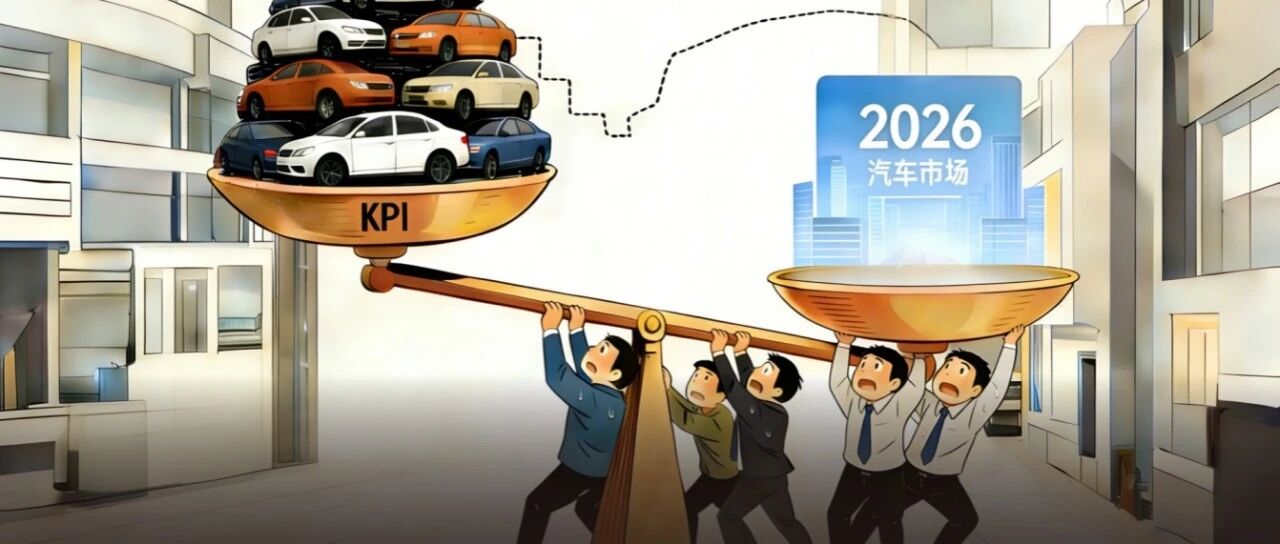
Core Viewpoint - The article discusses the challenges and strategies of the Chinese automotive industry as it faces declining domestic sales and increasing pressure to transition towards higher-value and technology-intensive vehicles. The focus is on the 2026 sales targets set by various automakers amidst a backdrop of changing government policies and market dynamics [3][6][8]. Group 1: Market Overview - In 2025, China's automotive production and sales reached 34.4 million units, a 9.4% increase year-on-year, maintaining its position as the world's largest market for the 17th consecutive year [3]. - Domestic sales, excluding exports, were 27.3 million units, up 6.7%, with passenger vehicles accounting for approximately 24.1 million units, growing by 8.0% [5]. - However, December 2025 saw a significant decline in domestic sales, with only 2.519 million units sold, marking a 6.7% month-on-month drop and a 15.6% year-on-year decrease [5]. Group 2: Industry Challenges - The average profit margin in the Chinese automotive industry has fallen to 4.4%, only slightly above the historical low of 4.3% in 2024, indicating extremely thin profit margins [6]. - The new vehicle replacement subsidy policy, shifting from fixed subsidies to percentage-based subsidies, targets higher-priced vehicles, which may pressure companies that rely heavily on low-cost models [8]. Group 3: Sales Targets and Strategies - Major automakers have set ambitious sales targets for 2026, with a combined goal of approximately 35 to 36 million passenger vehicles, reflecting a year-on-year increase of 12% to 15% [5]. - Traditional automakers are focusing on stability and efficiency improvements, while new entrants are experiencing significant divergence in their growth strategies [10][30]. - For instance, Changan aims for a total sales target of 3.3 million units in 2026, with a strong emphasis on new energy vehicles, projecting 1.43 million units from this segment [12][15]. Group 4: New Energy Vehicle Focus - The article highlights the increasing importance of new energy vehicles (NEVs) in the sales strategies of various automakers, with companies like Dongfeng targeting 1.7 million NEVs in 2026, representing a significant portion of their overall sales goals [15][26]. - Geely plans to launch over ten new models in 2026, focusing on a comprehensive product matrix to drive sales growth [23]. Group 5: Export Market Dynamics - The export market for Chinese vehicles is thriving, with exports reaching 7 million units in 2025, a 21% increase year-on-year, and NEV exports doubling to 2.6 million units [49]. - Automakers are increasingly prioritizing overseas markets, with many setting aggressive export targets that significantly exceed their overall sales growth targets [51][54]. - For example, Changan's overseas sales target for 2026 is set at 750,000 units, accounting for nearly a quarter of its total sales goal [52].




从“单点突破”到“全链引领” 黑河寒区试车产业实现蝶变
Xin Lang Cai Jing· 2026-01-22 21:16
Core Insights - Heihe City has rapidly developed its cold-region vehicle testing industry, leveraging opportunities in the new energy vehicle and intelligent connected vehicle sectors, achieving a transformation from "single testing" to "full-chain leadership" with a growth rate of 10% annually [1][2] Group 1: Strategic Development - The cold-region vehicle testing industry has been integrated into Heihe's modern industrial system with a strategic path defined as "one core, two wheels driving, and two wings flying" [2] - Policies such as the "Cold Region Vehicle Testing Industry Service Regulations" and the "Heihe Cold Region Vehicle Testing Full Industry Chain Development Plan (2022-2035)" have been established to support industry growth [2] - Over 1 billion yuan has been invested in cold-region testing infrastructure, leading to the establishment of significant testing facilities [2] Group 2: Technological Empowerment - Heihe has made significant advancements in intelligent connected vehicle testing, including the construction of a 1.6 km testing road and the successful outdoor cold-weather flight tests for drones and flying cars [3] - The proportion of new energy vehicle testing in Heihe has increased from less than 30% to over 60% during the 14th Five-Year Plan period, with major companies like Xiaomi and Tesla conducting long-term tests [3] Group 3: Economic Integration - The integration of cold-region vehicle testing with tourism and sports has led to the successful hosting of events like the Cold Region Vehicle Testing Festival, generating over 600 million yuan in revenue and creating more than 1,500 jobs [4] - The cold-region vehicle testing industry has become a vital part of Heihe's urban development, with significant contributions to local economic growth [5] Group 4: Industry Impact - Heihe's cold-region vehicle testing accounts for 85% of the national market and 45% of the global market, earning accolades such as "China Heihe Automotive Cold Region Testing Base" [5] - The industry has transitioned from "industrial advantages" to "brand advantages," enhancing its reputation and recognition [5]


汽车行业供应链迎成本与自主升级大考
Zhong Guo Zheng Quan Bao· 2026-01-22 20:56
Core Viewpoint - The automotive industry is facing significant cost pressures due to a systemic crisis in the supply chain, particularly driven by shortages and price increases in memory chips and raw materials like copper and silver [1][2][3]. Group 1: Cost Pressures and Supply Chain Challenges - The shortage of memory chips has escalated into a critical issue, with prices for automotive-grade DDR4 and DDR5 memory increasing by over 150% and 300% respectively since the second half of 2025 [2]. - Global storage prices are expected to rise by an additional 40% to 50% in the first quarter of 2026, with a supply gap for general DRAM projected to remain between 15% and 20% [2]. - The automotive sector is at a disadvantage in the competition for memory resources, as leading manufacturers prioritize supply to AI and cloud computing sectors, which offer higher profit margins [3]. Group 2: Raw Material Price Increases - Prices for essential raw materials such as copper and silver have also risen significantly since the second half of 2025, impacting the costs of automotive electrical systems and power batteries [3]. - The competition for these materials between the automotive and AI industries has intensified, although current price increases have not yet fully reached end consumers [3]. Group 3: Strategies for Mitigation - Automotive companies are implementing various strategies to combat rising costs, including technological innovations and supply chain partnerships [5]. - Companies like CATL are leveraging scale and technology to manage battery costs, while others are optimizing memory usage through software improvements [5]. - Long-term supply agreements and strategic partnerships are being established to mitigate price volatility in raw materials [6][7]. Group 4: Industry Impact and Future Outlook - The ongoing memory crisis is likely to lead to increased competition and differentiation within the automotive industry, with profit margins under pressure [8]. - Companies with robust supply chain management capabilities are better positioned to withstand these challenges, while smaller firms may struggle [8]. - The crisis may accelerate a shift towards vertical integration and the development of proprietary supply chains, as companies seek to enhance their resilience against future disruptions [9].

车企密集推出“7年低息”购车方案 超长期低息方案的真实让利边界、成本分摊方式及其对行业竞争秩序的影响 仍有待市场检验
Zheng Quan Ri Bao· 2026-01-22 16:40
Core Viewpoint - The automotive market is shifting from direct price reductions to low-interest financing options, with several brands introducing long-term low-interest plans to stimulate demand amid consumer hesitation and inventory pressure [1][3]. Group 1: Low-Interest Financing Strategies - Following Tesla's introduction of a "7-year low-interest" financing plan, brands like Xiaomi, Li Auto, Xpeng, and Dongfeng Yipai have launched similar "6 to 7-year low-interest" and "low down payment, low monthly payment" installment policies [1][2]. - Tesla's financing plan offers an annual interest rate as low as 0.5% (approximately 0.98% annualized), with options tailored to different models and down payment levels [2]. - Xiaomi and Li Auto have adopted the "7-year low-interest" model to attract budget-sensitive consumers, emphasizing low monthly payments and down payment thresholds [2]. Group 2: Market Dynamics and Consumer Behavior - The introduction of low-interest financing is closely linked to fluctuations in consumer demand, with data indicating a 3.8% year-on-year increase in retail sales of passenger vehicles in 2025, but a decline in December retail numbers [3]. - The current market environment, characterized by consumer hesitation, has led automakers to utilize financial tools to stimulate demand and secure orders [3]. Group 3: Regulatory Environment and Compliance - Regulatory bodies have emphasized the need to resist chaotic price wars, enhancing the tactical value of financial subsidies as a means to maintain market order [4]. - The Ministry of Industry and Information Technology and other agencies have called for strict monitoring of pricing behaviors and compliance with regulations to ensure fair market practices [4]. - The introduction of guidelines for pricing behavior in the automotive industry aims to standardize promotional and pricing practices, indicating that financial subsidies are not outside regulatory scrutiny [5]. Group 4: Potential Implications and Concerns - While low-interest financing can reduce immediate cash flow pressure and encourage purchases, there are concerns about the long-term sustainability of such strategies [5]. - Risks include potential consumer leverage issues, demand being pulled forward, and the possibility of a return to price wars if financial incentives are not managed properly [5][6]. - The future effectiveness of these promotional strategies will depend on transparent compliance with promotional rules and the ability of companies to provide sustainable product value beyond financial incentives [6].
车企造人真相:不造,才是不务正业
机器人大讲堂· 2026-01-22 09:12
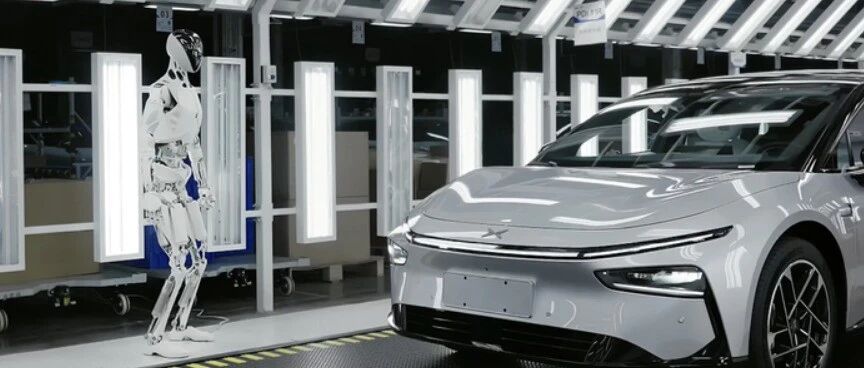
Core Insights - The automotive industry is witnessing a significant shift towards robotics, with at least 17 major car manufacturers globally entering the robot sector by 2025, including both international and domestic companies [1][3] - Tesla's Elon Musk claims that 80% of the company's future value will come from robotics, indicating a strong belief in the potential of humanoid robots [3] - The automotive sector is transitioning from being a cost center to a profit center through the development of robots, which can enhance efficiency and reduce costs in manufacturing [4] Group 1: Industry Trends - The automotive industry has the highest density of industrial robots, with 29.3 robots per million working hours, indicating a strong integration of robotics in manufacturing processes [5] - Companies like Tesla and Xpeng are planning to produce humanoid robots at scale, with Tesla aiming for a production line of one million units by the end of 2026 [5][7] - The consensus in the industry is that humanoid robots will follow a three-step path: factory, commercial, and home applications [8] Group 2: Strategic Approaches - Companies like Chery are focusing on providing intelligent solutions rather than just hardware, which has helped them gain market share in key overseas markets [7] - BYD is strategically investing in over 20 robotics companies to enhance technological collaboration without heavy self-research costs [7] - SAIC Group is leveraging supply chain advantages by investing in core component companies to ensure cost-effective supplies for its robotics initiatives [7] Group 3: Cost Advantages - The cost of developing humanoid robots for automotive companies is estimated to be one-third lower than that of traditional robotics firms, thanks to established supply chains [18][20] - The automotive industry's scale in manufacturing is reshaping the cost structure of the robotics sector, with significant reductions in component costs, such as LiDAR [20] - The dual empowerment between robotics and automotive sectors is creating a feedback loop that enhances both industries [20] Group 4: Challenges and Future Outlook - Despite the enthusiasm for humanoid robots, significant technical challenges remain, particularly in achieving dexterity, stability, and efficient AI processing [22][24][26] - The current global stock of humanoid robots is under 5,000 units, with fewer than 1,000 achieving commercial viability, highlighting a gap between industry excitement and market reality [34] - The automotive industry is expected to play a crucial role in the evolution of humanoid robots, potentially transforming from "car manufacturing" to "intelligent entity manufacturing" [34]